
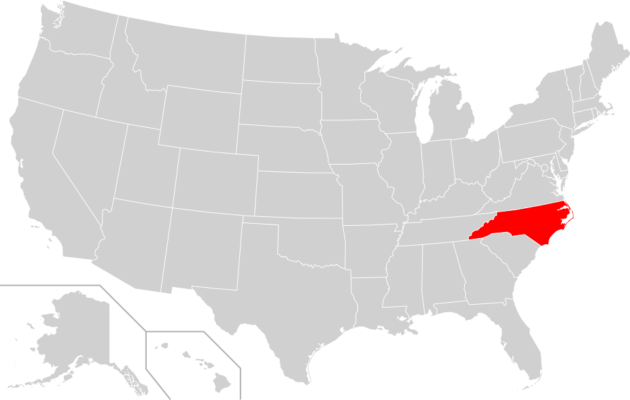
A Travel Guide to North Carolina
North Carolina, known as the Tar Heel State, offers a diverse tapestry of experiences, from the rugged peaks of the Blue Ridge Mountains to the sun-kissed beaches of the Outer Banks. With vibrant cities, rich history, and a blend of Southern charm and modern innovation, North Carolina is a destination that caters to outdoor adventurers, history buffs, foodies, and culture enthusiasts alike. This guide will help you plan an unforgettable trip to this quintessentially Southern state.
Why Visit North Carolina?
North Carolina’s appeal lies in its variety. The state boasts three distinct regions: the Mountains in the west, with stunning vistas and hiking trails; the Piedmont in the center, home to dynamic cities like Charlotte and Raleigh; and the Coastal Plain in the east, featuring 300 miles of barrier island beaches. Whether you’re seeking outdoor thrills, cultural immersion, or culinary delights, North Carolina delivers. Highlights include the scenic Blue Ridge Parkway, the historic Biltmore Estate, and the wild horses of the Outer Banks. The state’s barbecue, craft beer scene, and vibrant arts culture add to its allure.
How to Get There
By Air: Major airports include Charlotte Douglas International (CLT), one of the busiest hubs in the U.S., Raleigh-Durham International (RDU), and Asheville Regional Airport (AVL) for mountain access. These airports connect to major U.S. and international cities. Example: Flights from New York to CLT take about 2 hours and start at $100 round-trip.
By Car: Major interstates like I-40, I-85, and I-95 make North Carolina a drivable destination. The Blue Ridge Parkway and Outer Banks National Scenic Byway are iconic road trip routes. From Atlanta, GA, to Charlotte, it’s a 3.5-hour drive (245 miles).
By Train: Amtrak operates the Carolinian (New York to Charlotte via Raleigh) and Piedmont (Raleigh to Charlotte) routes. The Durham and Raleigh stations are centrally located. A ticket from New York to Raleigh costs around $60–$100 one-way.
By Bus: Inter-city buses (e.g., Greyhound) serve Durham, Raleigh, and Charlotte from cities like Richmond, VA, or Greensboro.
Tip: Charlotte and Raleigh are ideal entry/exit points for exploring both mountains and coast. Book flights or accommodations early, especially for peak seasons like autumn.
Best Time to Visit
Spring (March–May): Ideal for mild weather and vibrant blooms, especially buttercups and mountain laurels in the Blue Ridge. Perfect for hiking and festivals like Asheville’s Biltmore Blooms. Summer (June–August): Warm (up to 31°C/88°F) and great for beach trips to the Outer Banks or water activities at the U.S. National Whitewater Center in Charlotte. Expect crowds at popular spots.
Autumn (September–November): Peak season for fall foliage along the Blue Ridge Parkway, with vibrant reds and golds. October is ideal for mountain visits but book early due to high demand. Note: Hurricane season may affect coastal areas. Winter (December–February): Cooler (13°C/55°F in coastal areas, near 0°C/32°F in mountains), with fewer crowds. Great for indoor attractions like museums or winter hiking in the Smokies.
Note: Hurricane Helene caused significant damage in western North Carolina, particularly Asheville, in September 2024. Check www.exploreasheville.com for updates before planning a trip to the mountains.
Top Attractions
Great Smoky Mountains National Park
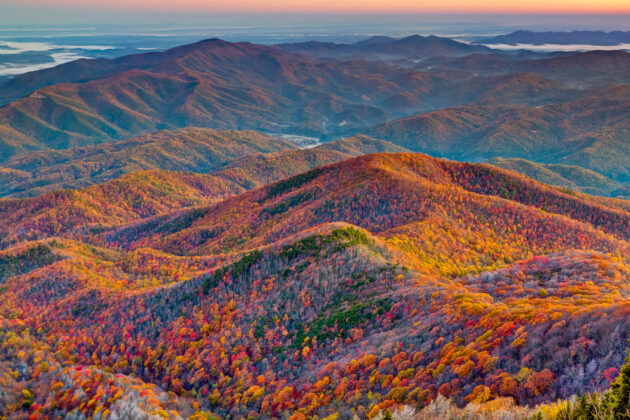
Straddling the border of Tennessee and North Carolina, Great Smoky Mountains National Park is America’s most visited national park, drawing over 13 million visitors annually to its 522,000 acres of misty peaks, lush forests, and vibrant wildlife. Renowned for its biodiversity, historic Appalachian culture, and stunning landscapes, the park offers endless opportunities for hiking, scenic drives, and cultural exploration.







Biltmore Estate
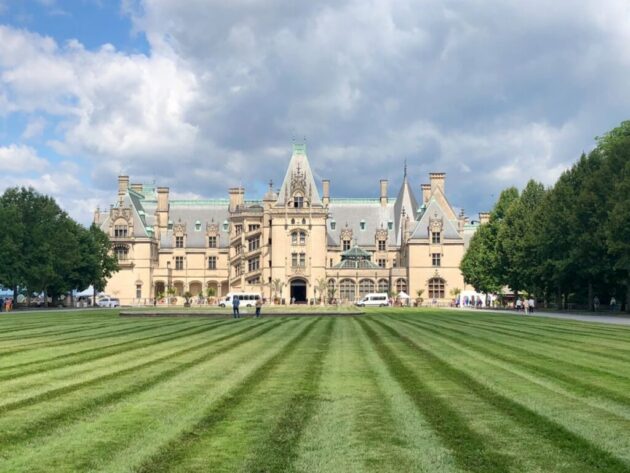
The Biltmore Estate, America’s largest privately-owned home, is a stunning example of Gilded Age architecture and opulence. Located in the scenic Blue Ridge Mountains of Asheville, North Carolina, this historic estate offers visitors a glimpse into the life of George Washington Vanderbilt II and the grandeur of the late 19th century.







North Carolina Zoo
The North Carolina Zoo, located in Asheboro, North Carolina, is the world’s largest natural habitat zoo, spanning 2,600 acres with 500 acres developed for exhibits. It houses over 1,800 animals representing 250 species, focusing on African and North American wildlife, including elephants, gorillas, and polar bears. The zoo is a leader in wildlife conservation, with initiatives for endangered species like red wolves and vultures. Visitors can explore immersive exhibits such as the Watani Grasslands and Desert Dome, along with educational programs and family-friendly attractions like the Air Hike Ropes Course.





North Carolina Museum of Art
The North Carolina Museum of Art (NCMA) in Raleigh is a cultural gem that offers visitors a chance to explore a vast collection of art spanning over 5,000 years. Known for its rich collections of European paintings, African art, American art, ancient art, and contemporary works, NCMA also features a stunning 164-acre park with sculptures and nature trails, making it a perfect spot for both art lovers and outdoor enthusiasts.





Where to Eat
Barbecue: North Carolina is famous for its vinegar-based Eastern-style and Lexington-style (tomato-based) barbecue. Try Lexington Barbecue in Lexington or The Pit in Raleigh ($10–20/plate).
Craft Beer and Dining: Asheville’s Wedge Brewing Company or Raleigh’s Raleigh Beer Trail offer local brews. Upscale dining in Charlotte includes The Fig Tree (Southern fusion, $40–60/person).
Local Markets: Source fresh produce at farmers’ markets in Durham or Wilmington to support local economies. Tip: Book restaurant reservations in advance, especially in Raleigh, which has been named one of America’s top food cities.
Where to Stay
Asheville: Stay at the luxurious Inn on Biltmore Estate ($300+/night) or budget-friendly hostels like Asheville International Hostel ($50–$100/night). Charlotte: Options include The Ritz-Carlton Charlotte ($250+/night) or Hampton Inn Uptown ($100–$150/night).
Outer Banks: Rent beach houses in Corolla or Carolina Beach ($150–$500/night) for families, or try hotels like Hampton Inn Nags Head ($100–$200/night). Raleigh/Durham: Stay at The Carolina Inn near UNC Chapel Hill ($150–$250/night) or budget options like Holiday Inn Express ($80–$120/night).
Tip: Book accommodations early for peak seasons (October for mountains, summer for beaches) or events like the High Point Furniture Market.
Tips for a Great Visit
Plan Strategically: Combine mountain and coastal visits by flying into Charlotte or Raleigh and out of the other to avoid backtracking. Pack for Variety: Bring hiking boots for mountains, swimwear for beaches, and layers for unpredictable weather. Sunscreen and water are essential for summer visits.
Sustainability: Stick to designated trails to preserve habitats and support eco-friendly businesses listed in the NC Guide to Sustainability Resources. Cultural Sensitivity: North Carolina’s cities like Asheville and Durham are LGBTQ+-friendly, but rural areas may be less welcoming. Exercise discretion where needed.
Driving: A U.S. or international driving permit (1949 version) is required for car rentals. Check state-specific rules via the American Automobile Association (AAA).
Final Thoughts
North Carolina is a state of contrasts, where you can hike misty mountains, surf Atlantic waves, and savor world-class barbecue all in one trip. From the cultural vibrancy of Asheville to the historic charm of Wilmington, the Tar Heel State invites you to explore its natural beauty, rich heritage, and warm hospitality. Plan ahead, embrace the diversity, and let North Carolina’s endless adventures inspire your journey.
Happy travels.