

Ultimate Travel Guide to Australia (2026)
Australia, the world’s sixth-largest country, is a land of breathtaking contrasts—from sun-drenched beaches and vibrant coral reefs to vast red deserts, ancient rainforests, and cosmopolitan cities. With a population of just 26 million spread across its immense landscape, it offers endless space for adventure, wildlife encounters, and cultural immersion. Home to the world’s oldest continuous culture (Aboriginal Australians, over 60,000 years old), unique wildlife like kangaroos and platypuses, and iconic landmarks such as the Sydney Opera House, Australia is a bucket-list destination. Whether you’re a first-timer or returning explorer, this guide covers everything you need for an unforgettable trip Down Under.
Why Visit Australia?
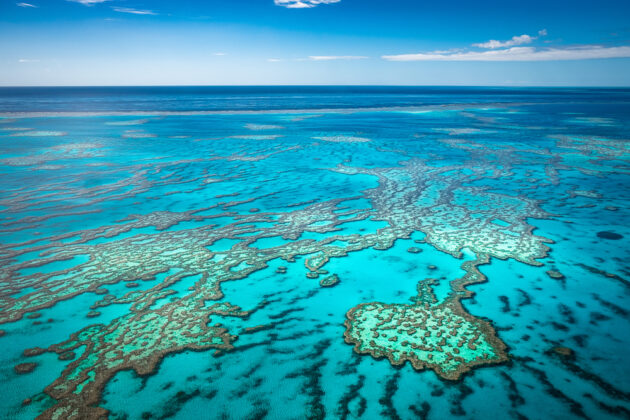
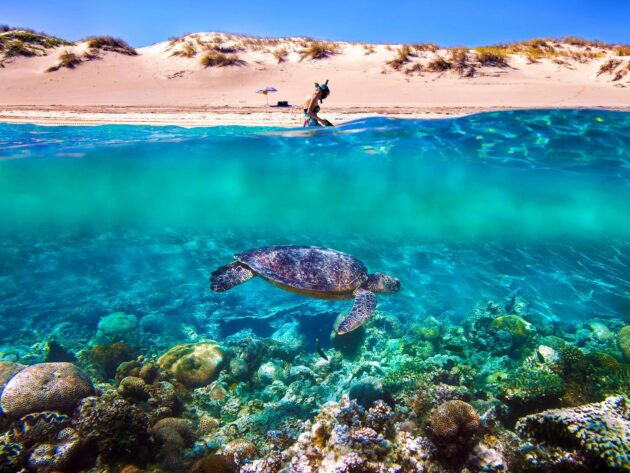
Expect enhanced Aboriginal-led tours, expanded national park access, and events like the Sydney Festival (January) or Vivid Sydney (May–June) lighting up the harbor. Australia’s strong economy and peaceful vibe make it one of the safest destinations, with a focus on outdoor lifestyles and fresh seafood. It’s ideal for nature lovers, city hoppers, and families—plus, it’s a top spot for stargazing in the Outback or snorkeling with turtles on the Great Barrier Reef.
Best Time to Visit
Australia’s seasons are reversed compared to the Northern Hemisphere—summer runs December to February (hot and peak tourist season), while winter is June to August (milder, great for the north).
Spring (September–November): Mild weather (20–25°C/68–77°F), blooming wildflowers in the west, and fewer crowds. Perfect for the east coast. Summer (December–February): Beach weather (up to 40°C/104°F in the north), but expect school holidays and higher prices. Ideal for surfing and festivals.
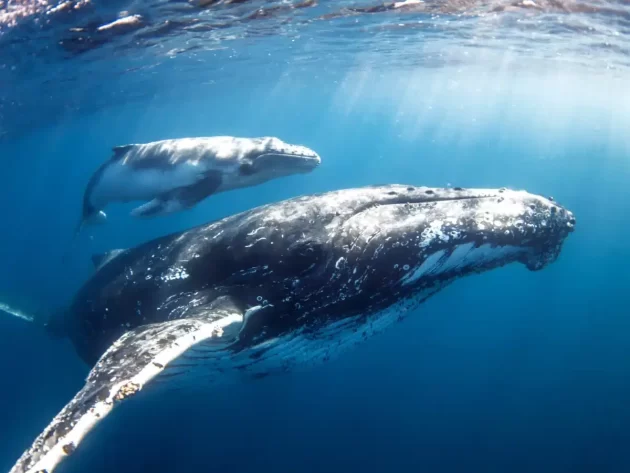
Autumn (March–May): Comfortable temps (15–25°C/59–77°F), fewer tourists, and harvest season in wine regions like Barossa Valley. Winter (June–August): Cooler south (10–15°C/50–59°F), but dry and sunny in the north for reef diving. Whale watching peaks off New South Wales.
Avoid bushfire season (late summer in the south) and cyclone risks (January–April in Queensland).
How to Get There and Around
Getting There: Flights: Major hubs are Sydney (SYD), Melbourne (MEL), and Brisbane (BNE). Direct flights from the US (LAX to SYD: 15 hours, ~$800–1,200 round-trip), Europe (LHR to SYD: 22 hours, ~$1,000–1,500), and Asia (SIN to SYD: 8 hours, ~$400–700). Qantas, United, and Virgin Australia dominate.
Visa: Most visitors need an Electronic Travel Authority (ETA) visa—apply online via the Australian government’s site (free for US/EU citizens, valid 3 months, ~$20 processing). eVisitor for Europeans; Visitor visa for others. Processing takes 1–2 days.
Getting Around: Australia is huge (7.7 million sq km), so plan for long distances: Domestic Flights: Qantas, Jetstar, or Virgin Australia for quick hops (Sydney to Cairns: 3 hours, ~$100–200 one-way). Trains: The iconic Indian Pacific (Sydney to Perth: 4 days, ~$2,000) or Great Southern (Brisbane to Adelaide: 10 days, ~$3,500) for scenic luxury.
Buses: Greyhound or Premier for budget travel (Sydney to Melbourne: 11 hours, ~$50–100). Campervans: Rent from Apollo or Britz (~$100–350/day) for road trips—great for the Great Ocean Road or Outback. Cars: Rent via Hertz (~$50–100/day); drive on the left. Fuel: ~$1.50/liter.
Budget Tip: Use apps like Rome2Rio for multi-modal planning.
Major Cities
Sydney
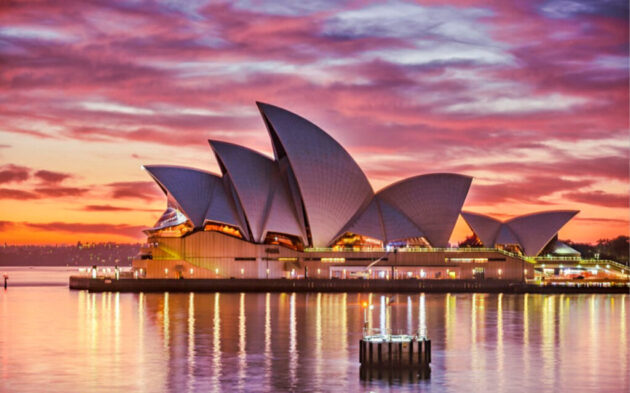
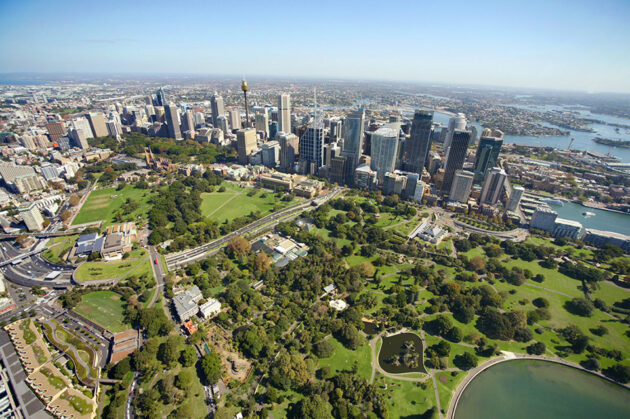
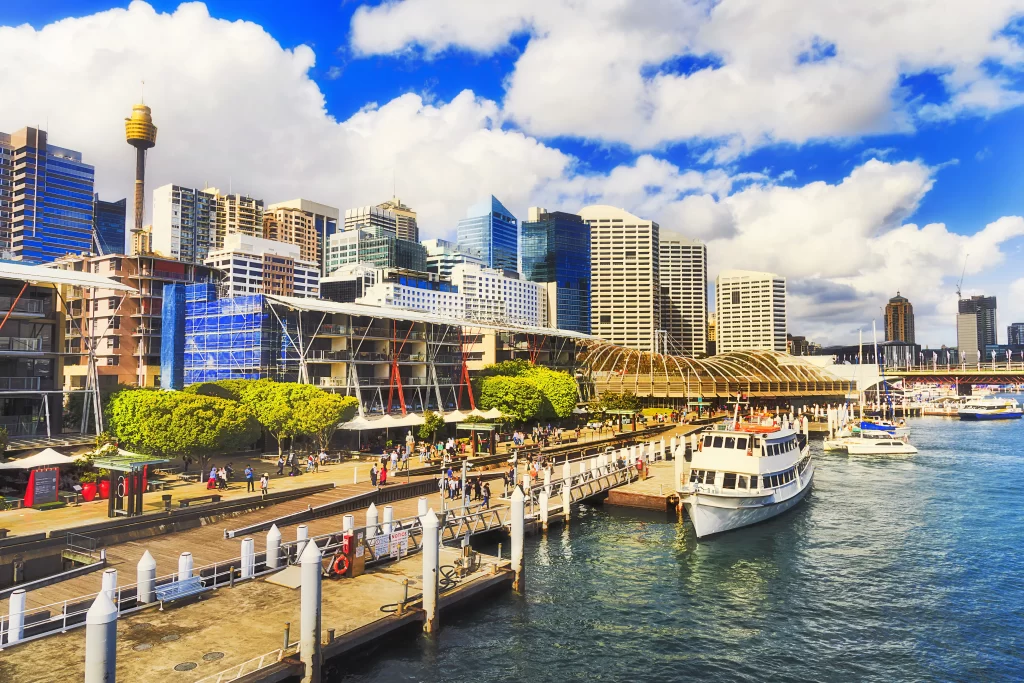
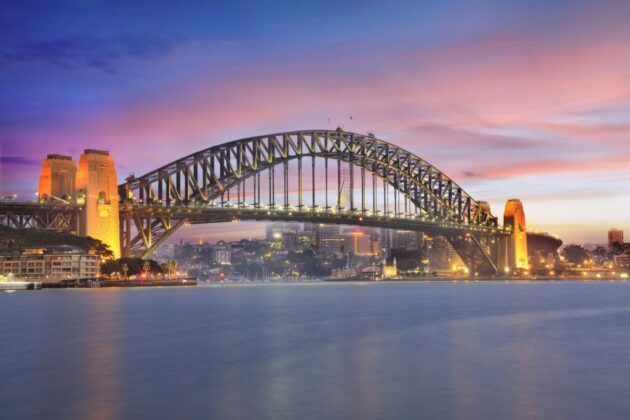
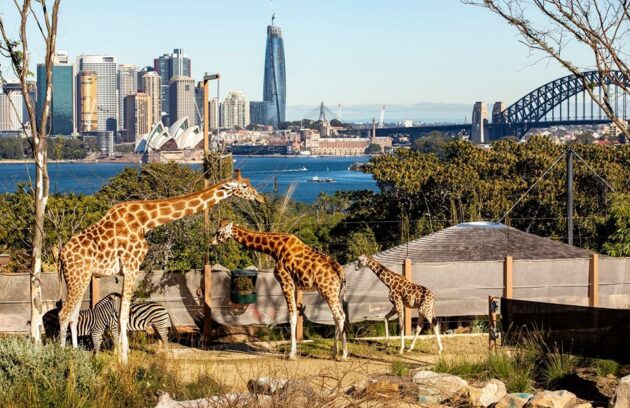
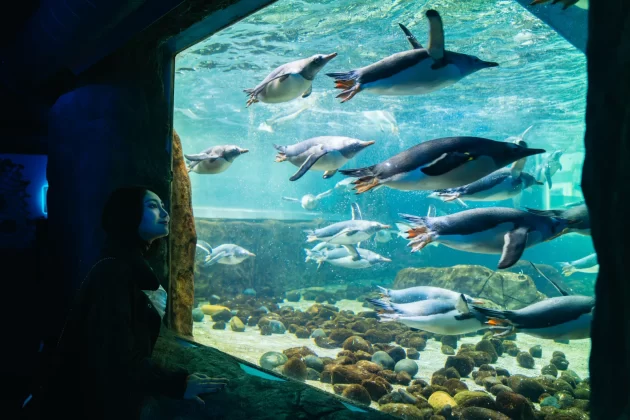
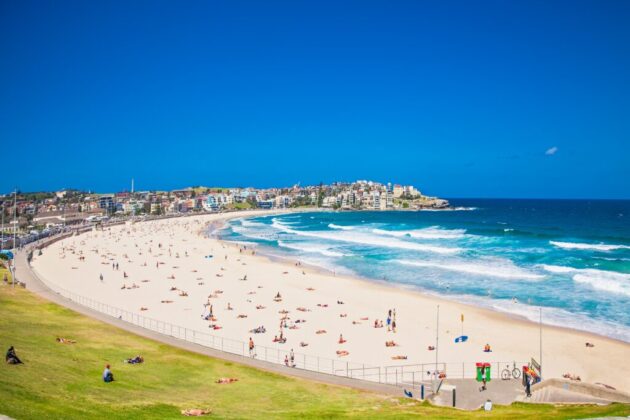
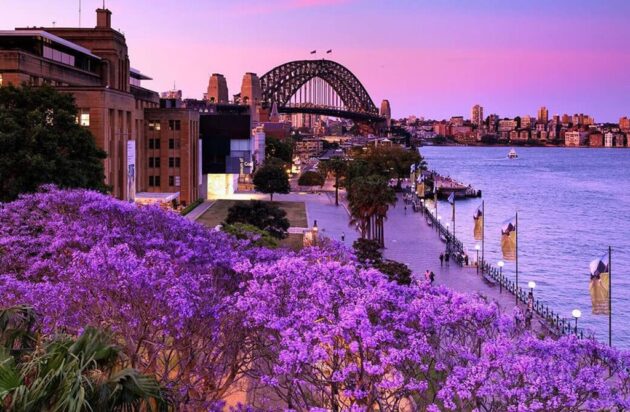
Sydney, Australia’s vibrant harbor city, is a must-visit destination renowned for its iconic landmarks, stunning beaches, and diverse cultural scene. From the majestic Sydney Opera House to the sun-soaked sands of Bondi Beach, Sydney offers a perfect blend of urban sophistication, natural beauty, and laid-back Aussie charm.
Melbourne
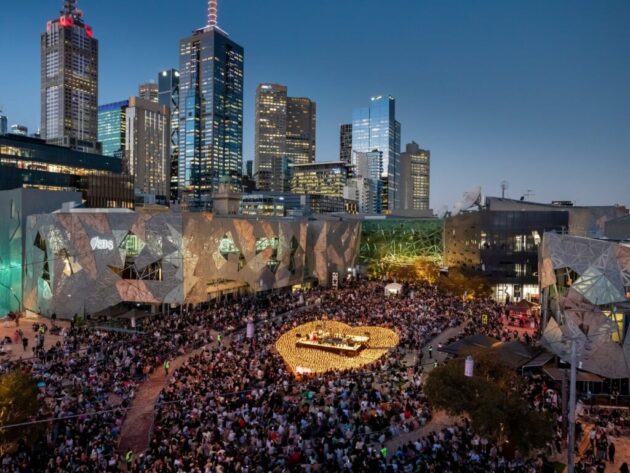
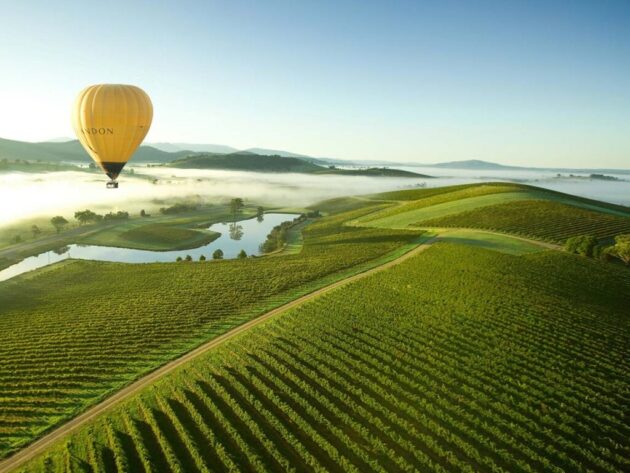
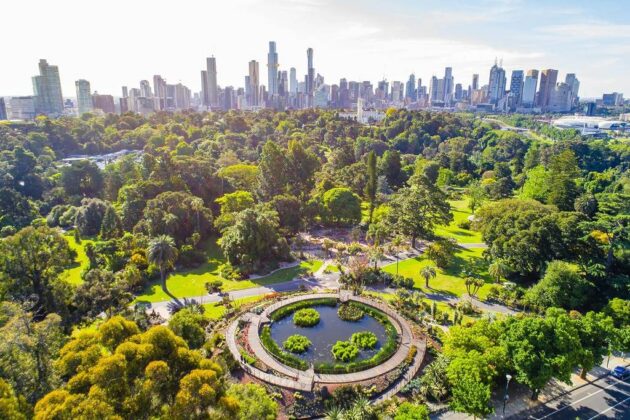
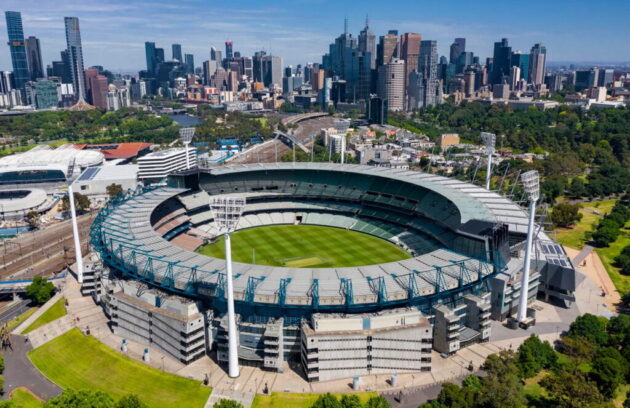
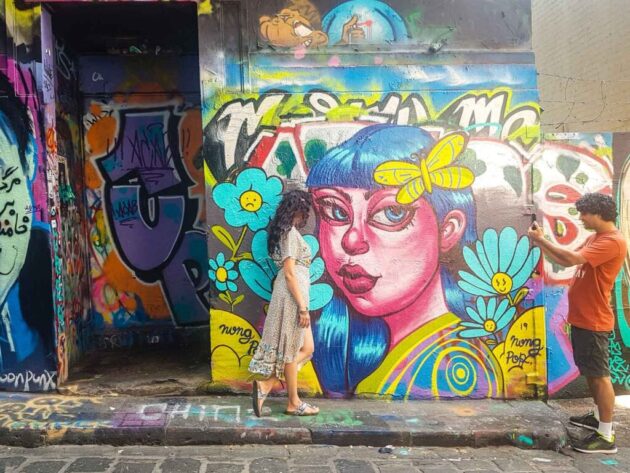
Melbourne, the cultural capital of Australia, is a vibrant city known for its world-class coffee scene, diverse food culture, street art, and packed calendar of events. With a population of over 5 million, it’s a blend of European charm and modern innovation, offering everything from laneway bars to iconic sports venues.
Brisbane
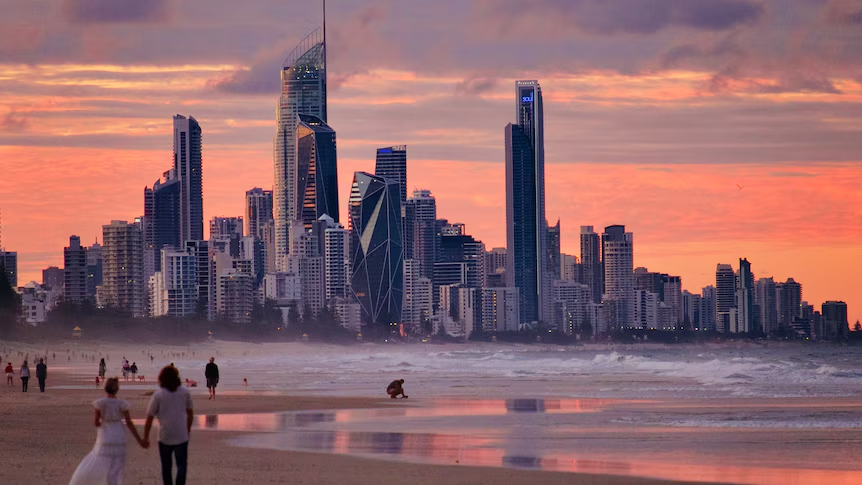
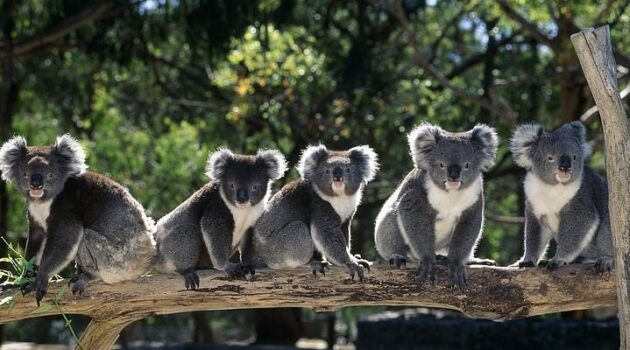
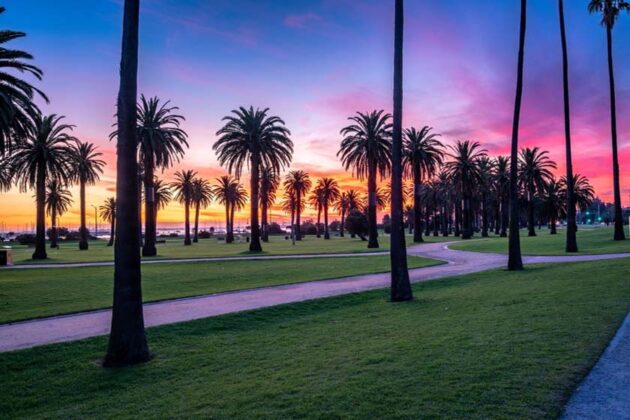
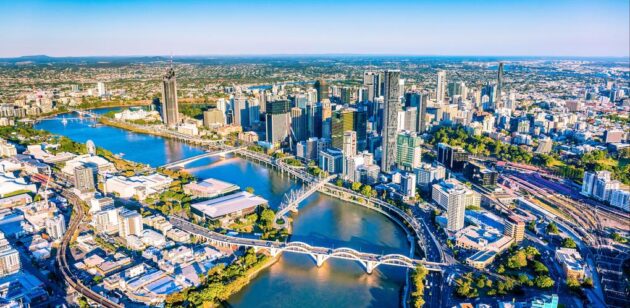
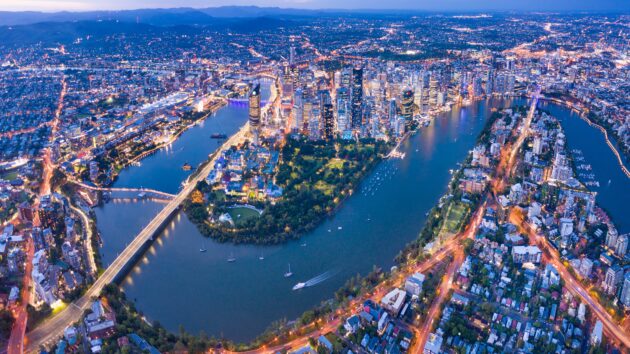
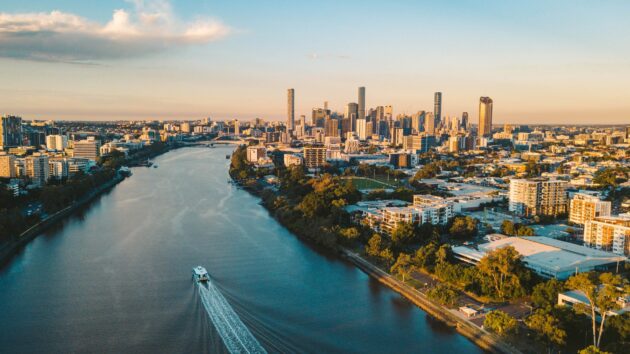
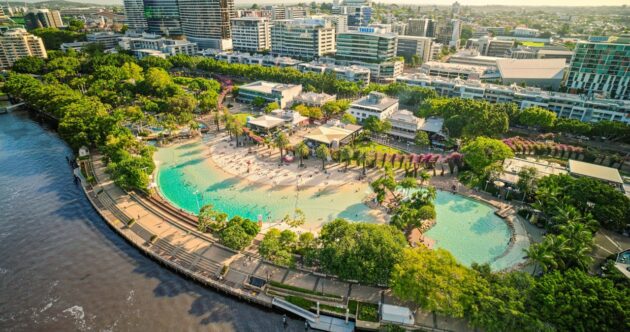
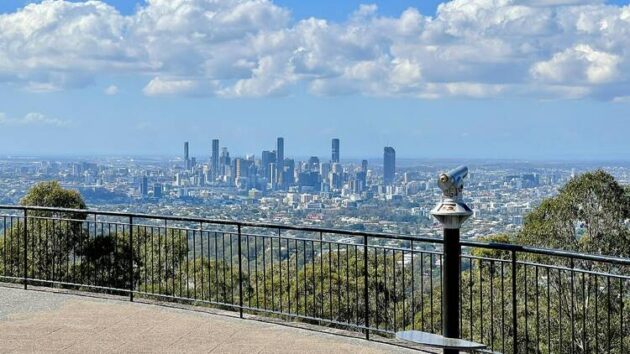
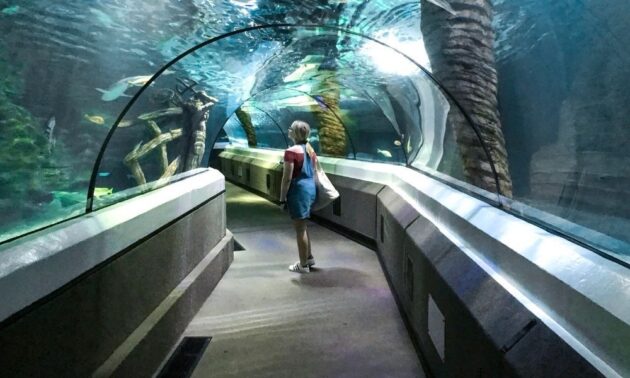
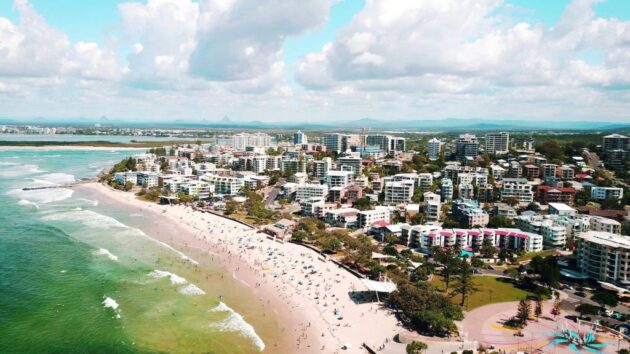
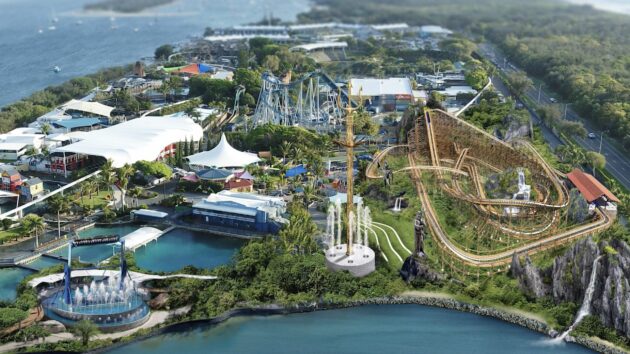
Nestled on the banks of the Brisbane River in Queensland, Brisbane—known affectionately as “Brisvegas”—is Australia’s third-largest city and a vibrant gateway to the Sunshine State. With its subtropical climate, lush green spaces, thriving arts scene, and proximity to world-famous beaches like the Gold Coast and Sunshine Coast, Brisbane offers a perfect blend of urban energy and laid-back outdoor living.

Canberra
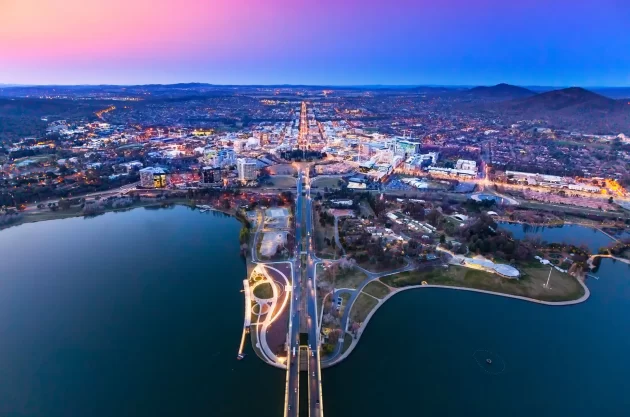
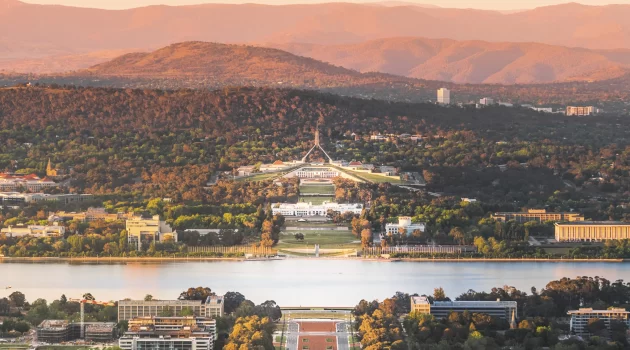
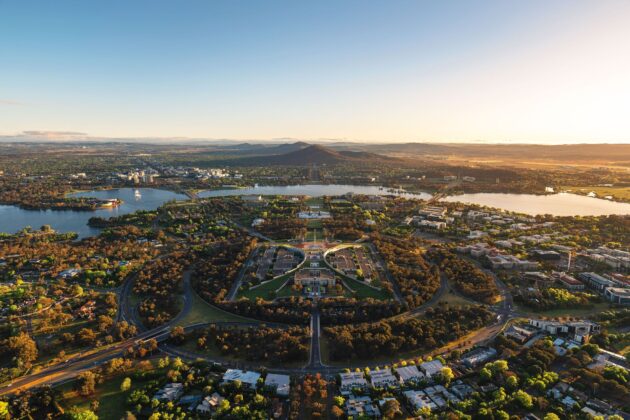
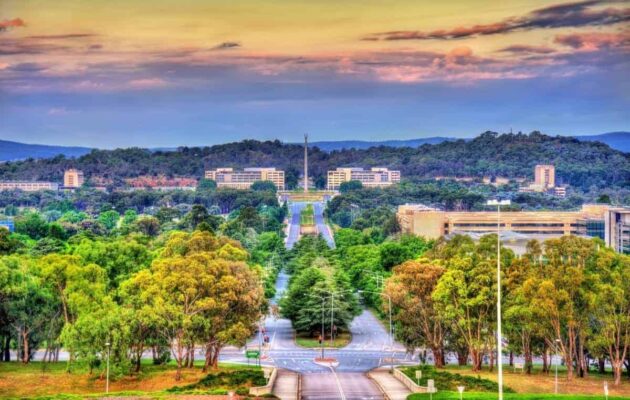
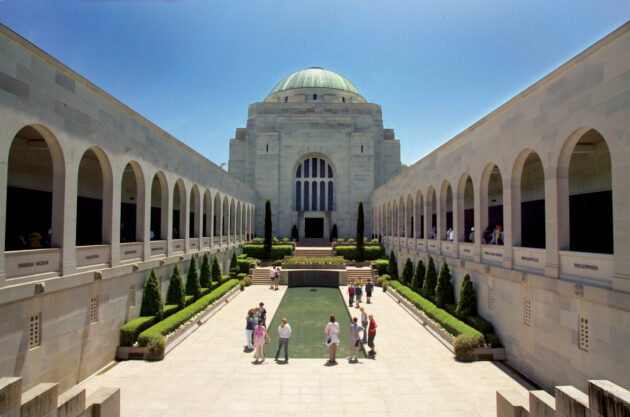
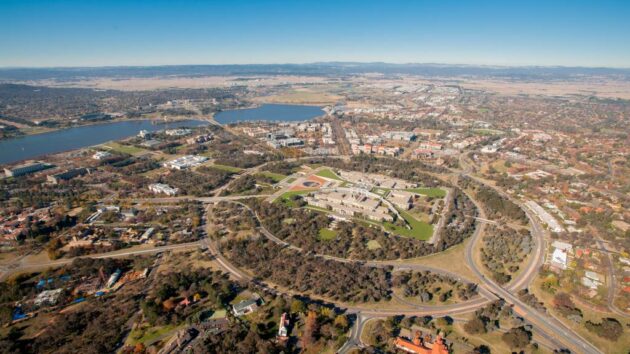
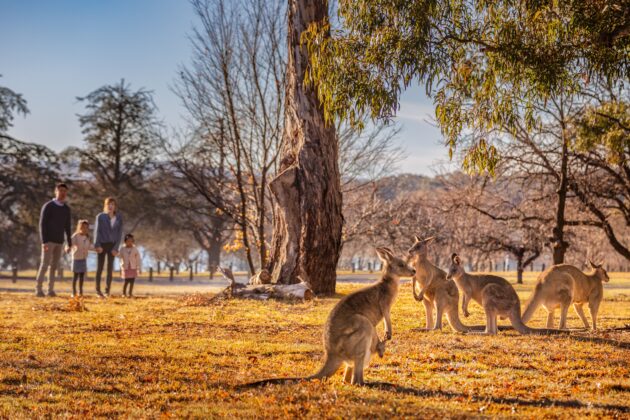
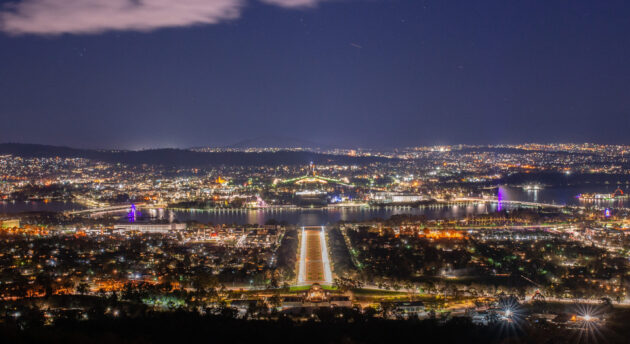
Nestled in the Australian Capital Territory (ACT), Canberra is Australia’s planned capital city, designed in the early 20th century by American architects Walter and Marion Burley Griffin. With its geometric layout centered around the stunning Lake Burley Griffin, Canberra blends world-class cultural institutions, lush green spaces, and a burgeoning food and wine scene. Often overshadowed by Sydney and Melbourne, it’s a year-round destination that’s surprisingly vibrant, sustainable, and easy to navigate.
Adelaide
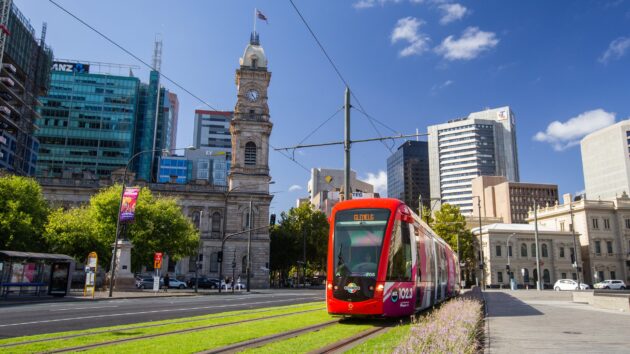
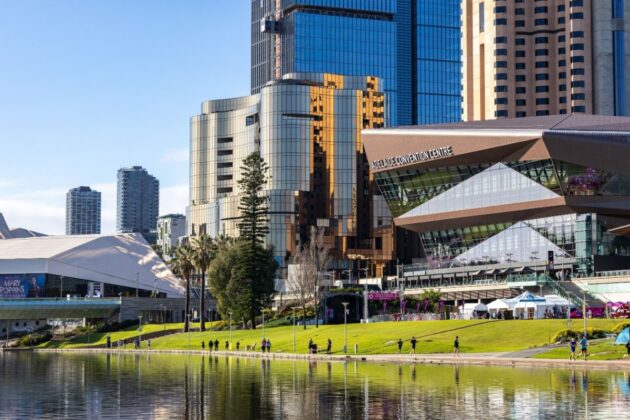
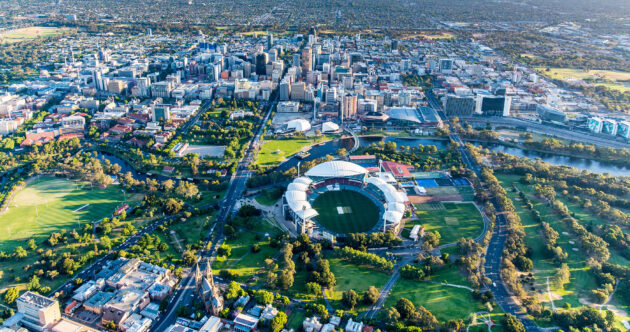
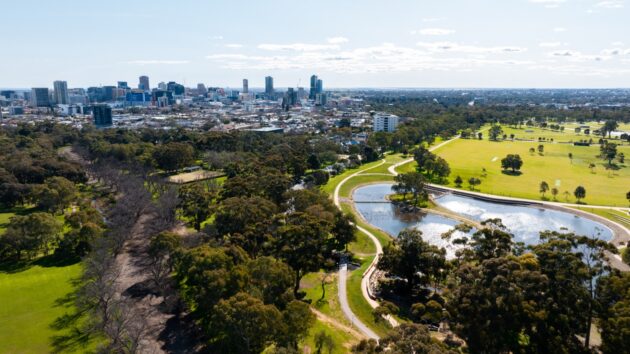
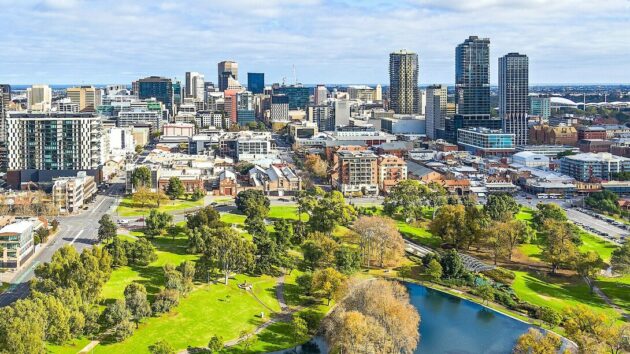
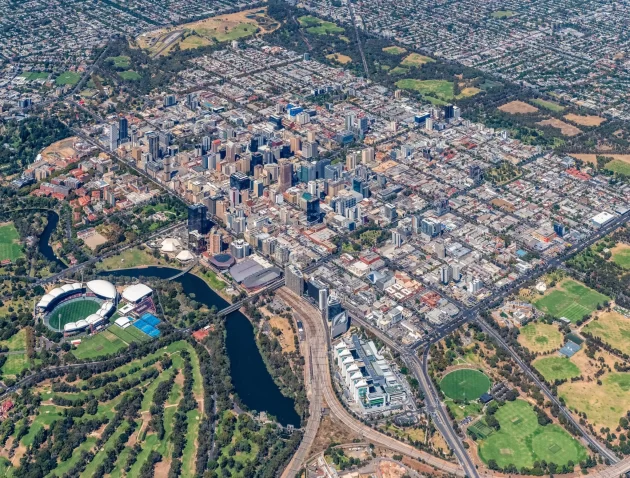
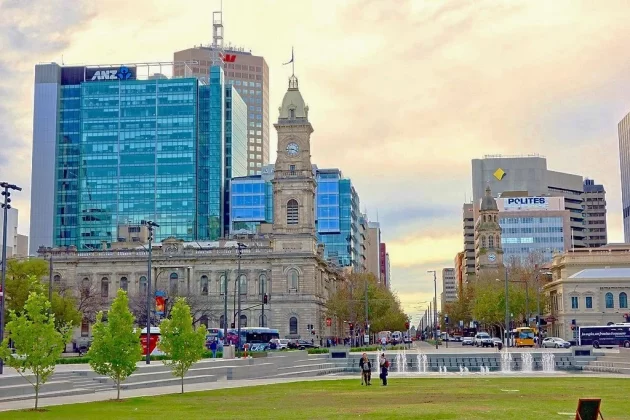
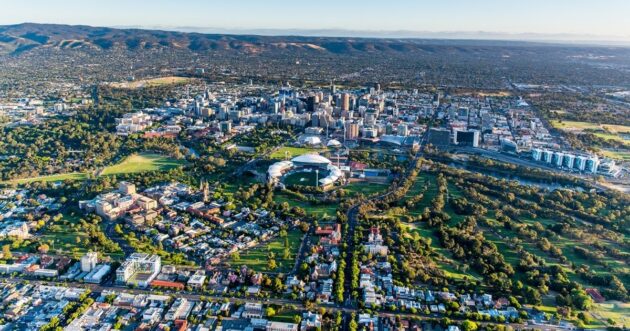
Adelaide, the vibrant capital of South Australia, is a city that masterfully blends laid-back charm with world-class culture, food, and wine. Nestled between the Gulf St Vincent and the Adelaide Hills, it boasts stunning beaches, lush parklands, and easy access to renowned wine regions like the Barossa Valley. Often called Australia’s “Festival City,” Adelaide is home to more restaurants per capita than any other Australian city and hosts an array of events that draw global visitors.
Perth
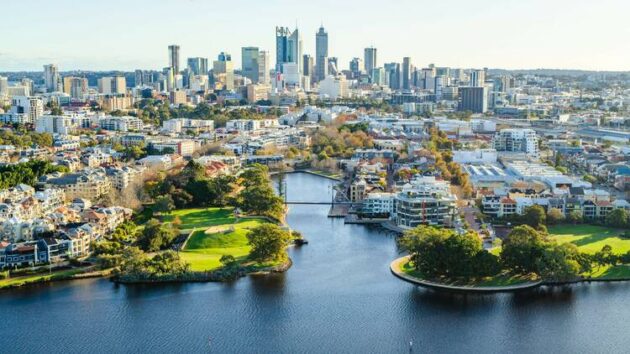
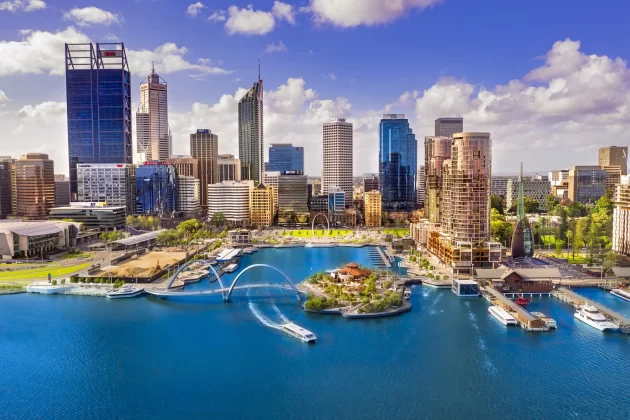
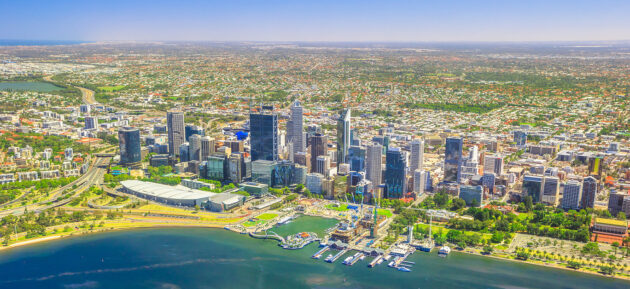
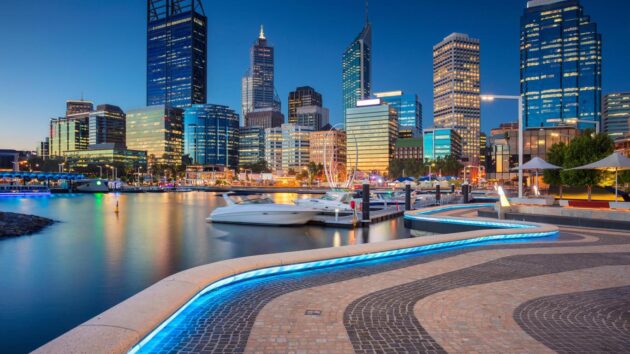
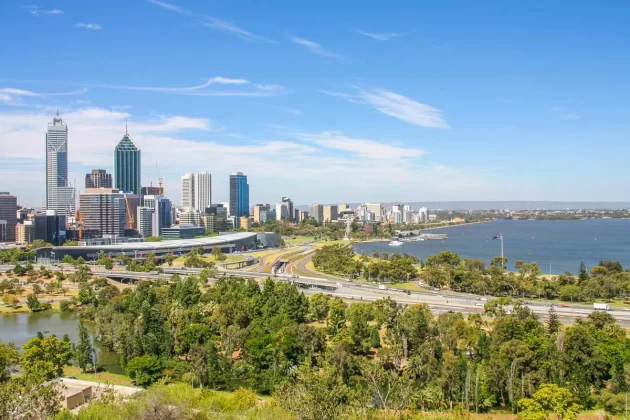
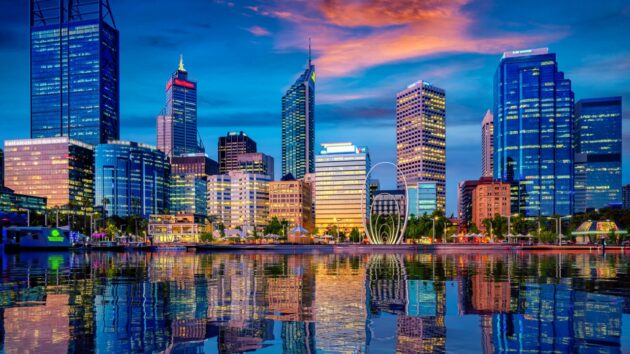
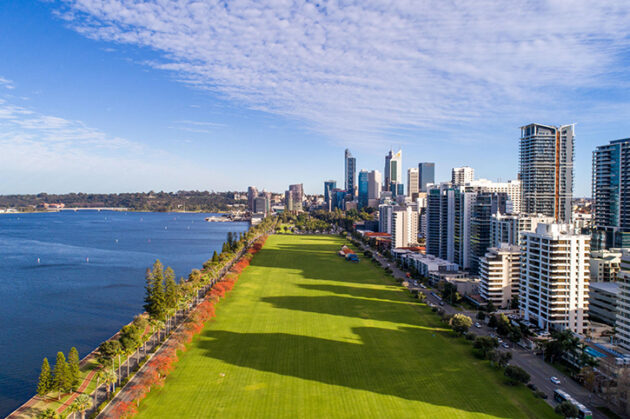
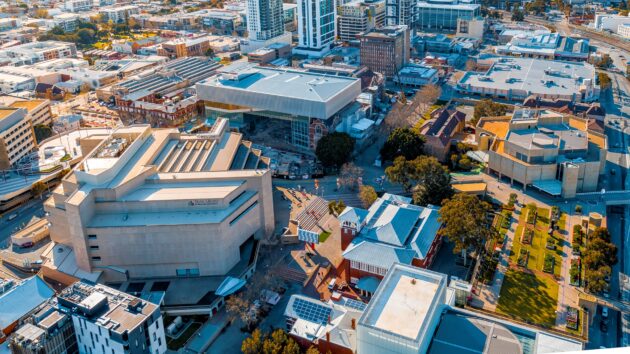
Perth, the sun-soaked capital of Western Australia, is a vibrant coastal city where urban sophistication meets pristine nature. Often called Australia’s “sunniest capital,” it boasts over 3,000 hours of sunshine annually, stunning beaches, world-class wineries, and a laid-back vibe that’s perfect for foodies, adventurers, and culture seekers.
Exmouth
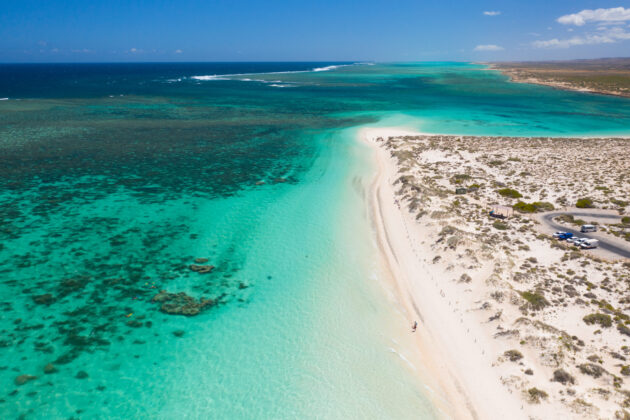
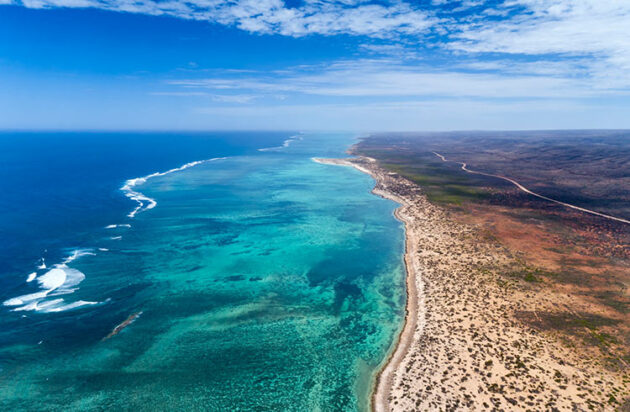
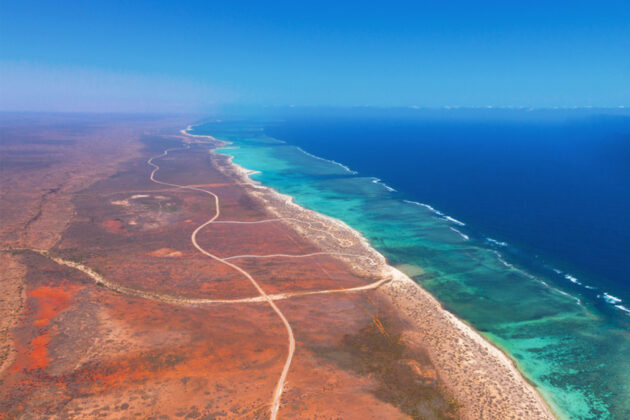
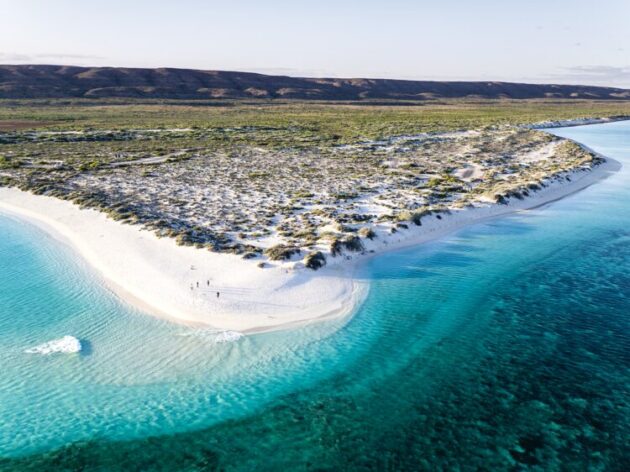
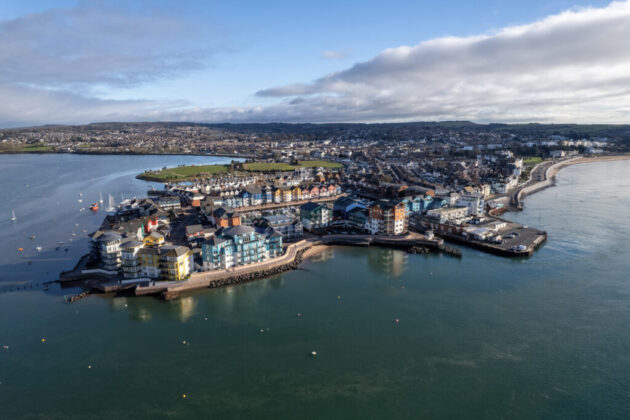
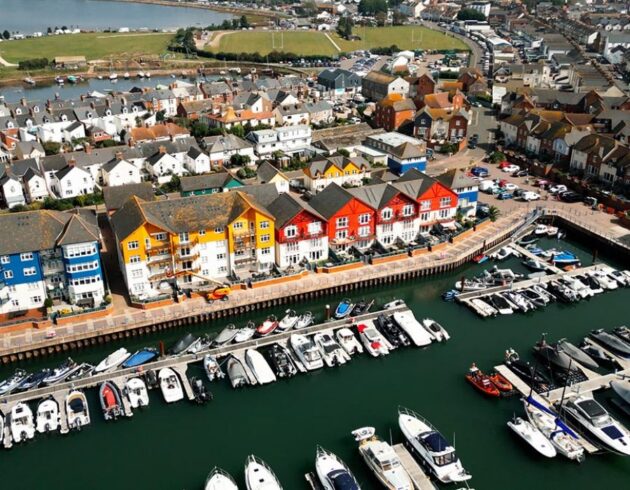
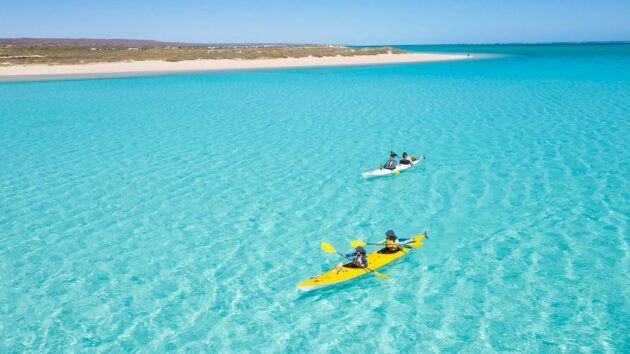
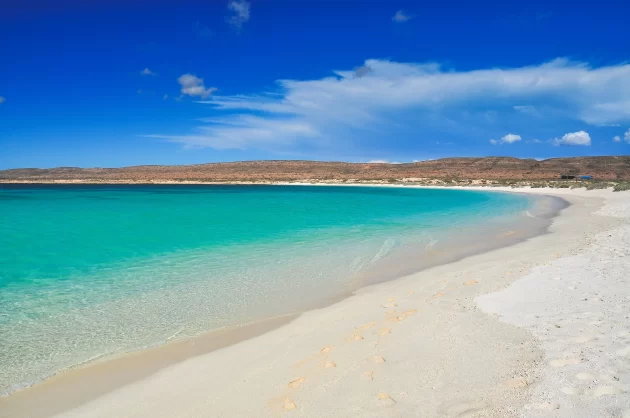
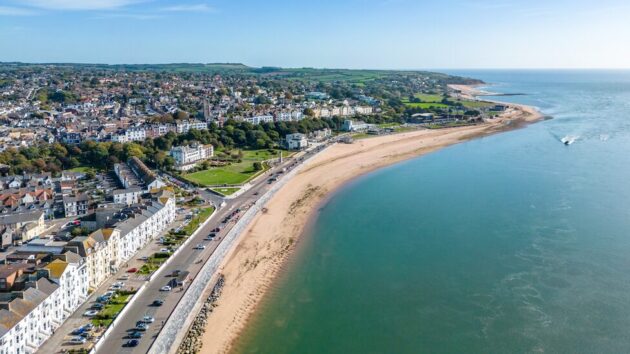
Perched on the North West Cape peninsula in Western Australia’s Coral Coast, Exmouth is a laid-back coastal gem where turquoise waters meet rugged red cliffs. As the gateway to the UNESCO World Heritage-listed Ningaloo Reef—one of the world’s largest fringing reefs—this remote town of just over 2,200 residents offers unparalleled marine adventures, pristine beaches, and starry desert nights.
Tasmania
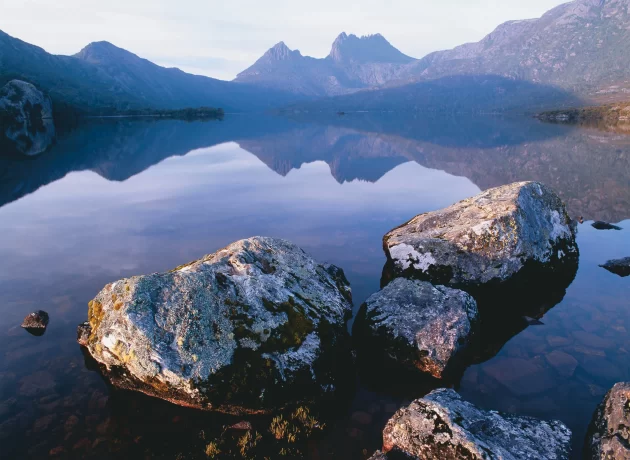
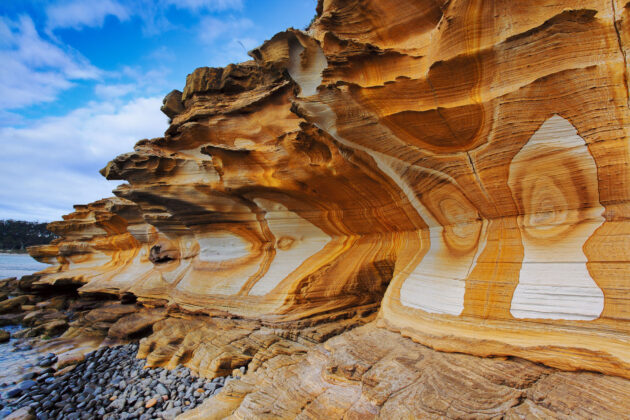
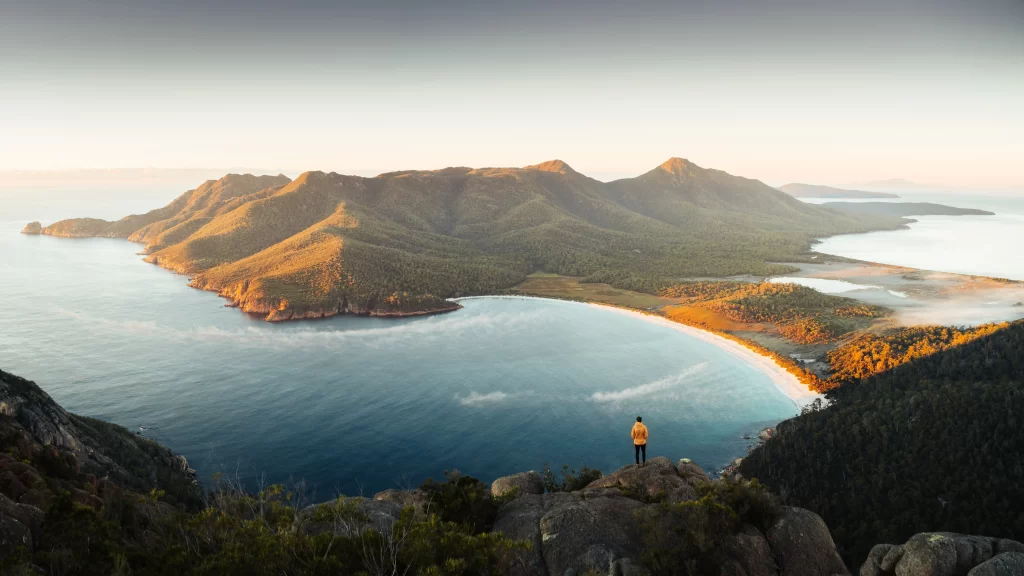
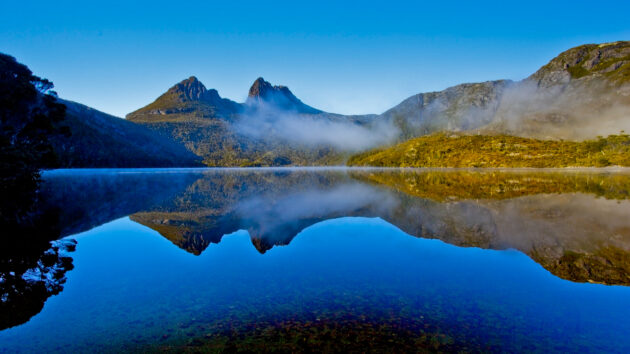
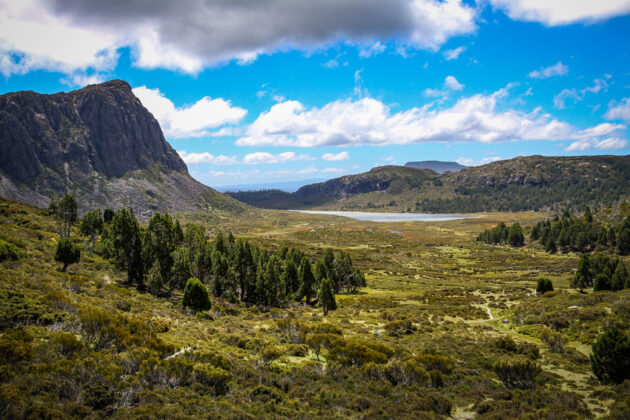
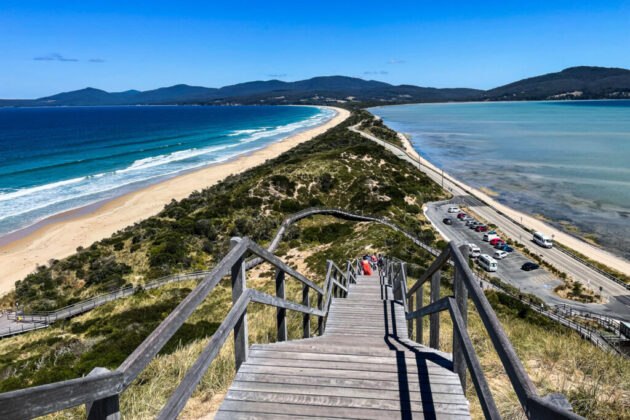
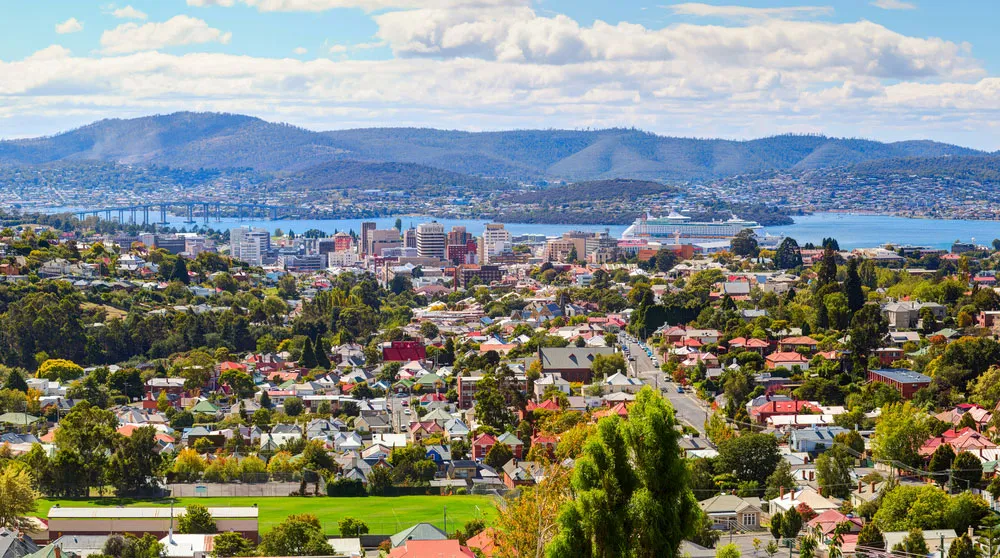
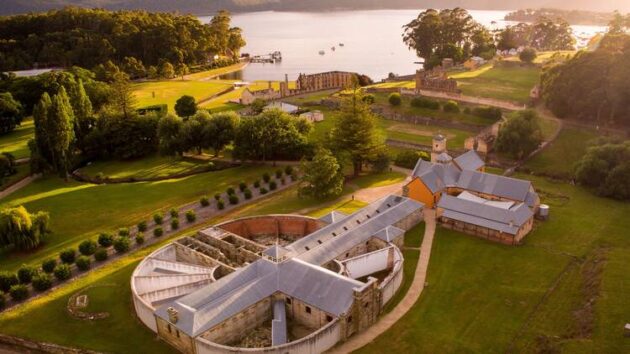
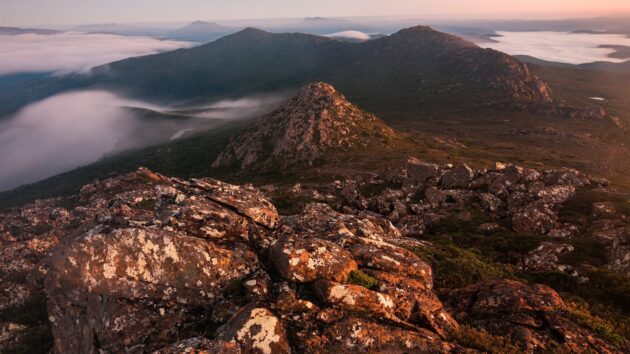
Tasmania, Australia’s smallest and only island state, is a captivating blend of rugged wilderness, pristine beaches, rich history, and world-class gastronomy. Often called “Tassie” by locals, this compact paradise—roughly the size of Sri Lanka—boasts over 40% protected land, including UNESCO World Heritage sites, ancient rainforests, and unique wildlife like Tasmanian devils and wombats. With its cool climate, dramatic landscapes, and vibrant arts scene, Tasmania offers an authentic escape from the mainland’s hustle.
Where to Stay
Options range from backpacker hostels to luxury eco-lodges:
Budget (~$50–100/night): YHA hostels in cities; campsites in parks (~$30/site). Mid-Range (~$150–250): Boutique hotels like QT Sydney or eco-resorts in Cairns. Luxury (~$400+): Longitude 131° near Uluru (glamping with views) or Crown Towers Melbourne.
Book via Booking.com or Tourism Australia for deals—up to 20% off in shoulder seasons. For campers, sites like WikiCamps app (~$10) lists free spots.
Food and Drink
Australian cuisine blends fresh seafood, multicultural flavors, and BBQ culture:
Must-Tries: Vegemite on toast (yeasty spread—acquired taste!), meat pies (~$5), lamingtons (chocolate coconut cake), and fresh prawns. Dining: Sydney’s fish markets (~$20/meal), Melbourne’s laneway cafes (flat white coffee ~$5), or Outback roadhouses. Wine & Beer: Barossa Valley tastings (~$20), craft brews in Tassie. Alcohol: Beer ~$8/pint; wine ~$10/glass.
Vegetarian/vegan options abound in cities. Weekly grocery: ~$60/person.
Practical Tips and Safety
Health: No major vaccines needed; get travel insurance. Sunscreen essential—UV is intense. Watch for jellyfish (stinger suits provided) and snakes (stick to paths). Connectivity: eSIMs like Airalo (~$20/10GB). Download Offline Maps.me.
Sustainability: Use reef-safe sunscreen; support Indigenous businesses. Follow “Leave No Trace” in parks. Safety: Very safe (low crime), but respect wildlife—don’t feed kangaroos. Drive cautiously; roads can flood. Accessibility: Many sites offer ramps; Tourism Australia has guides for all abilities.
Final Thoughts
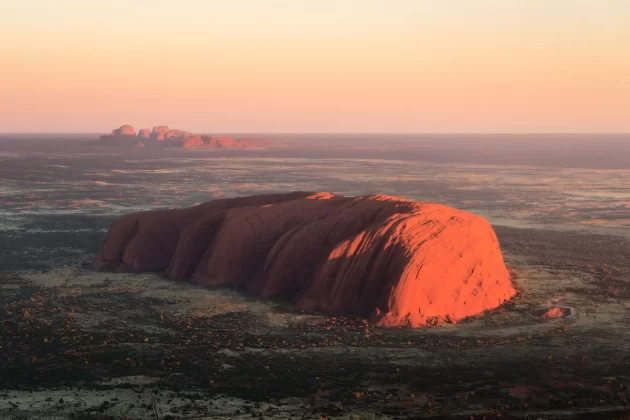
Australia is more than beaches and barbies—it’s a journey through ancient lands, vibrant cultures, and raw nature that resets your soul. Start with Sydney’s buzz, dive into the Reef’s colors, and end with Uluru’s spiritual silence. Tailor your trip with Tourism Australia’s itineraries, pack your sense of adventure, and say “G’day” to the trip of a lifetime.