


A Comprehensive Travel Guide to Germany (2026)
Germany, the heart of Europe, blends rich history, vibrant culture, stunning landscapes, and modern innovation into an unforgettable travel experience. From the fairy-tale castles of Bavaria to the edgy street art of Berlin, and the festive Christmas markets to the scenic Rhine Valley, this central European powerhouse offers something for every traveler. Whether you’re a history buff, a nature lover, or a foodie chasing the perfect pretzel, Germany’s efficient infrastructure makes it easy to explore.
Why Visit Germany?
Germany captivates with its diversity: medieval towns frozen in time, world-class museums, and over 1,500 breweries producing some of the planet’s best beer. It’s a land of contrasts—bustling Berlin’s techno clubs versus the serene Black Forest hikes. In 2025, highlights include Chemnitz’s cultural renaissance, enhanced Rhine cruises, and family-friendly expansions at Europa-Park. Plus, Germany’s commitment to sustainability means eco-conscious travel, from high-speed trains to green urban parks. With safe streets, English-friendly locals, and affordable eats, it’s ideal for first-timers and repeat visitors alike.
Best Time to Visit
Spring (March–May): Mild temps (10–20°C/50–68°F) bring blooming tulips and fewer crowds. Cherry blossoms in Bonn and the Walpurgisnacht festivals are magical. Shoulder season perks: lower prices.
Summer (June–August): Peak season with warm weather (20–30°C/68–86°F) perfect for outdoor adventures like hiking the Romantic Road or swimming in Bavarian lakes. Festivals like Oktoberfest (late September) spill over, but expect crowds and higher costs.
Autumn (September–November): Crisp air (5–15°C/41–59°F) and golden foliage make it scenic. Harvest season means fresh wines along the Mosel Valley and cozy beer gardens. Fewer tourists post-Oktoberfest.
Winter (December–February): Chilly (0–5°C/32–41°F) but enchanting with Christmas markets (late November–December) in cities like Nuremberg and Cologne. Skiing in the Alps or mulled wine by the fire—romantic and budget-friendly off-peak.
Pro Tip: Avoid National Holidays like Unity Day (October 3) for lighter crowds. Check for events like the Chemnitz Capital of Culture program.
How to Get There and Around
Getting to Germany
By Air: Major hubs include Frankfurt (FRA), Munich (MUC), Berlin (BER), and Düsseldorf (DUS). Budget carriers like Ryanair and Eurowings offer cheap flights from Europe; transatlantic options from Delta or Lufthansa. Expect €50–200 one-way from major EU cities.
By Train: High-speed Eurostar from London or Thalys from Paris to Cologne/Frankfurt (3–5 hours).
By Road: Drive via well-maintained autobahns from neighboring countries—no border checks in the Schengen Area.
Getting Around
Germany’s transport is world-class and eco-friendly:
Trains: Deutsche Bahn (DB) app for tickets; Eurail passes (€200+ for flexible travel) cover unlimited rides. ICE high-speed trains zip between cities in 2–4 hours (Berlin to Munich: 5.5 hours, €50–100).
Buses: FlixBus for budget intercity (€10–30).
Cars: Rent from Sixt or Hertz (€30–60/day); unlimited-speed autobahns are thrilling but watch for traffic cams. Vignettes required for Austria/Switzerland borders.
Public Transit: City cards (e.g., Berlin WelcomeCard €30/72 hours) include unlimited U-Bahn/S-Bahn and discounts.
Bikes: Rent in cities like Hamburg (€10/day) for flat terrains.
Major Cities
Berlin
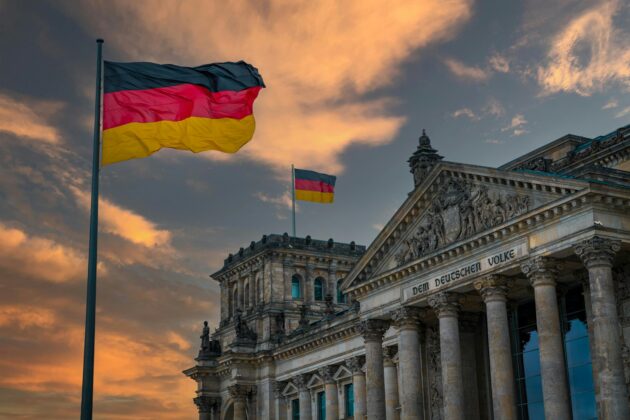
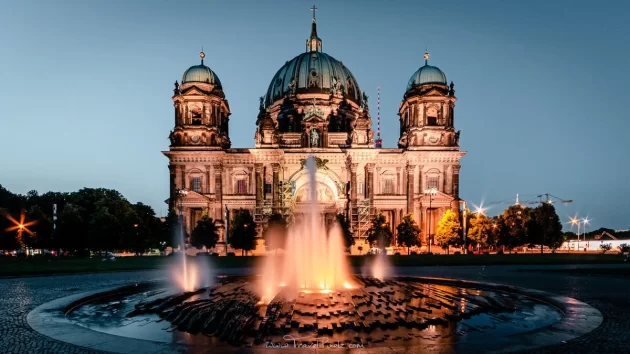
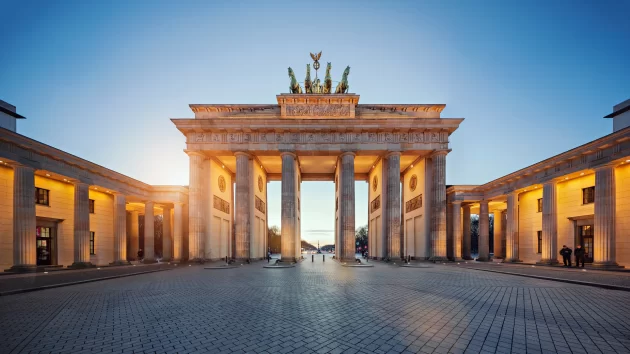
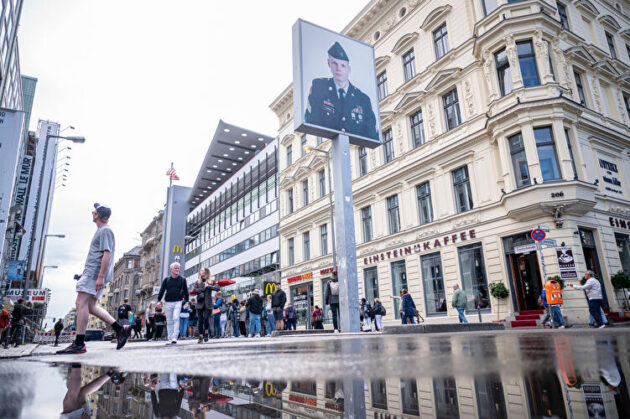
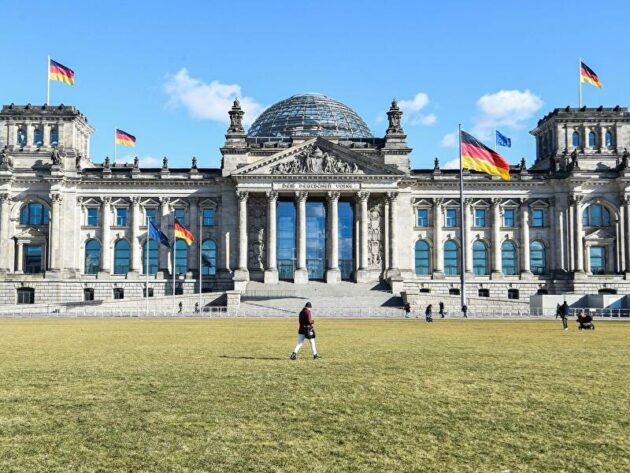
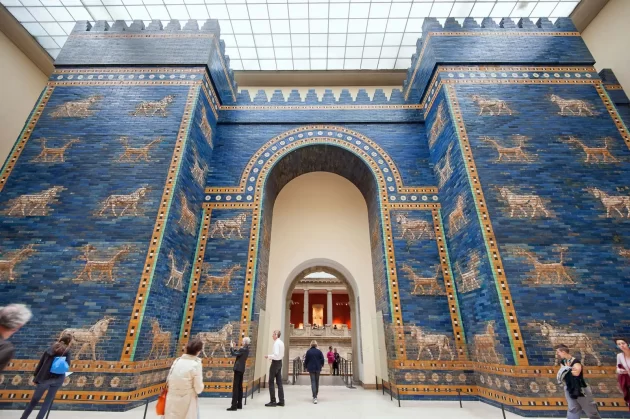
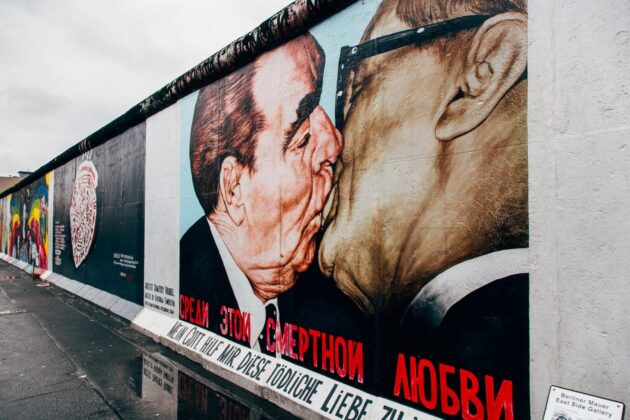
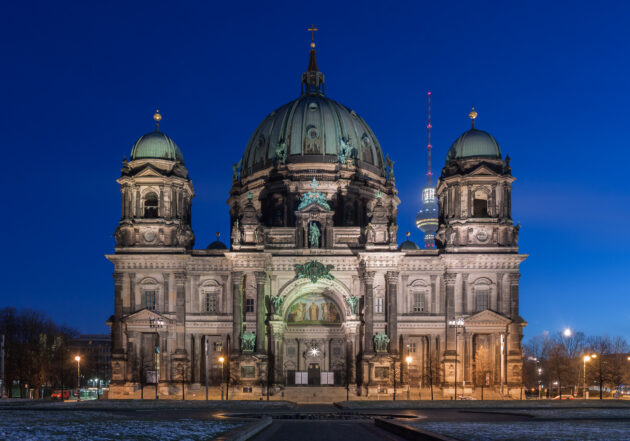
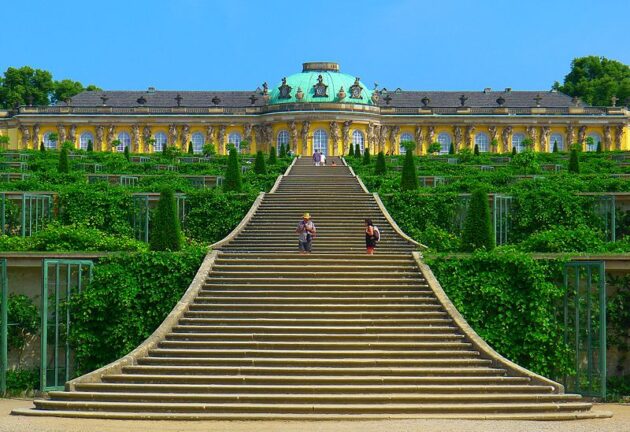
Berlin, the dynamic capital of Germany, is a city where history, art, nightlife, and innovation collide in the most exhilarating way. Once divided by the Berlin Wall, it’s now a symbol of unity, resilience, and creativity. With world-class museums, vibrant street art, and a legendary club scene, Berlin offers endless experiences for every traveler.
Munich
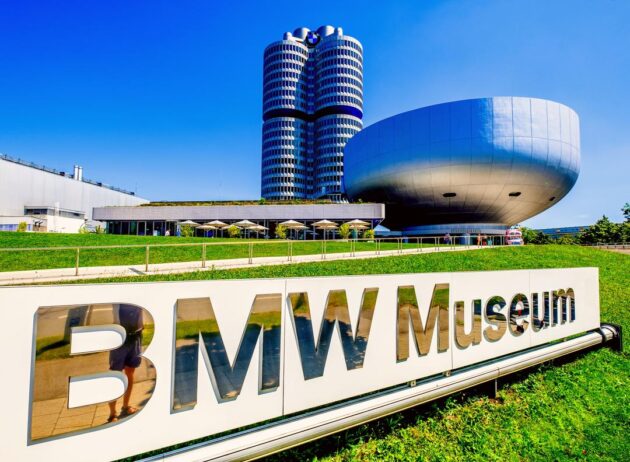
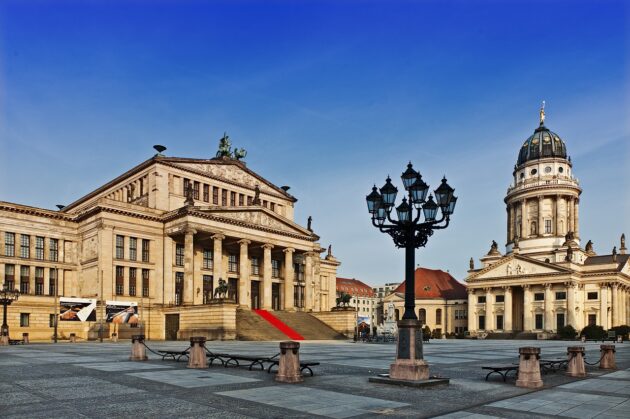
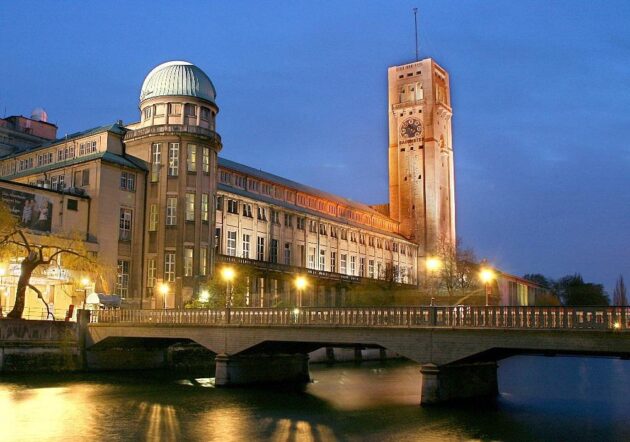
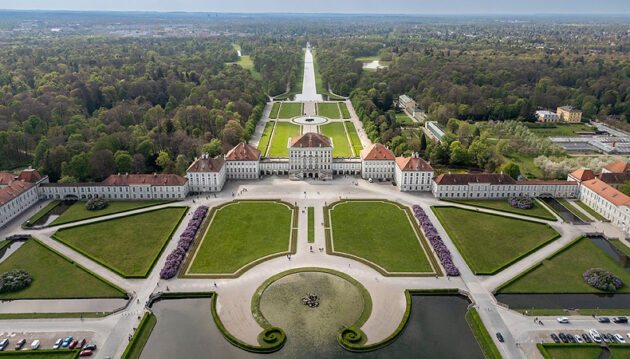
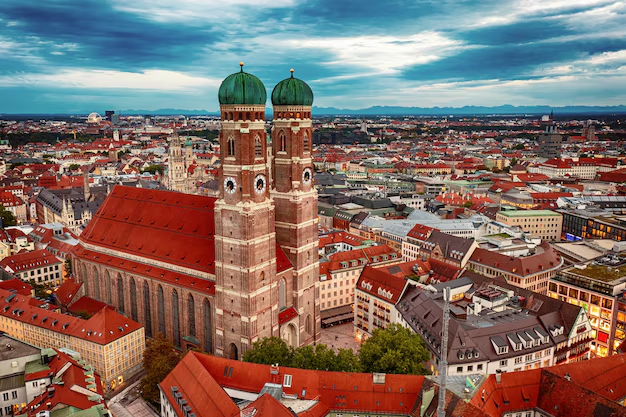
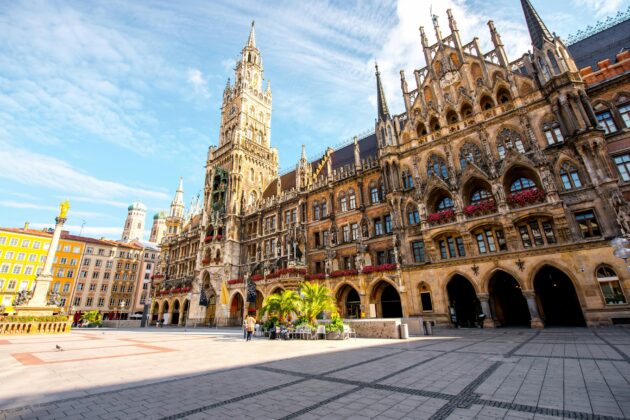
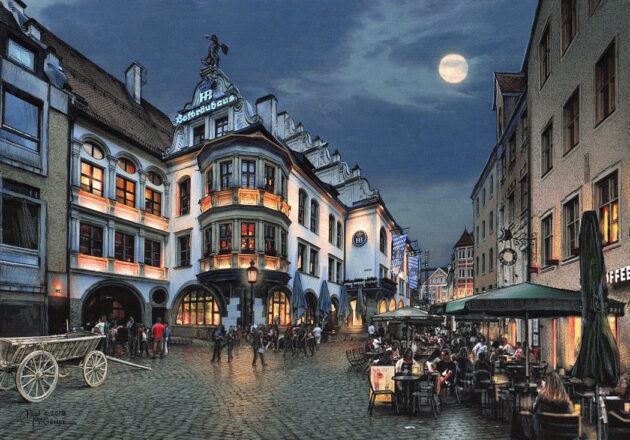
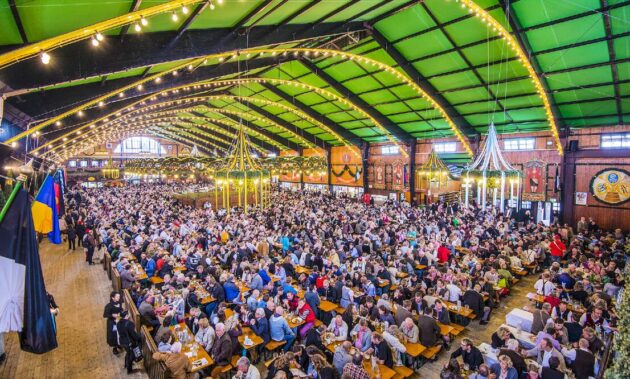
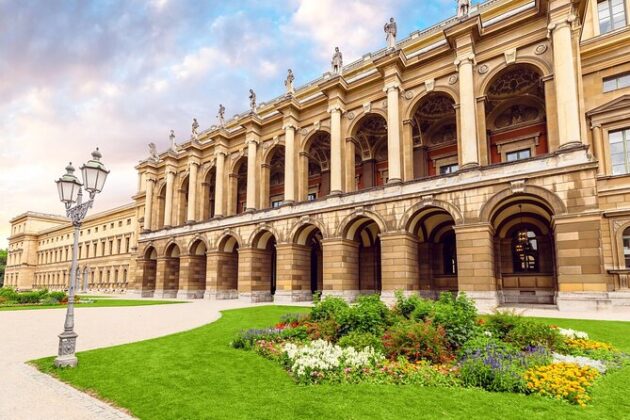
Nestled in the heart of Bavaria, Munich is a captivating blend of historic charm, modern innovation, and world-famous festivities. As Germany’s third-largest city and the economic powerhouse of southern Germany, Munich draws millions of visitors annually with its stunning architecture, vibrant beer gardens, and proximity to the Bavarian Alps.
Cologne
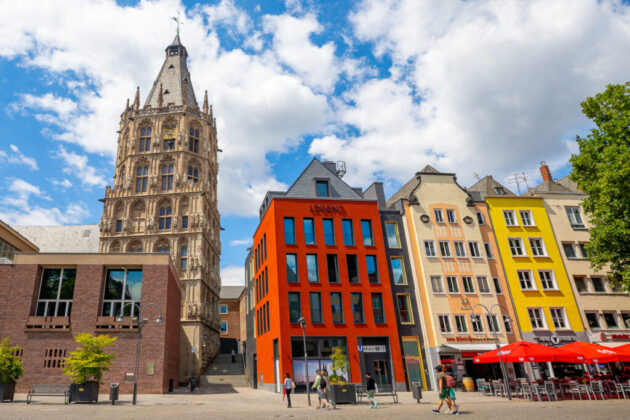
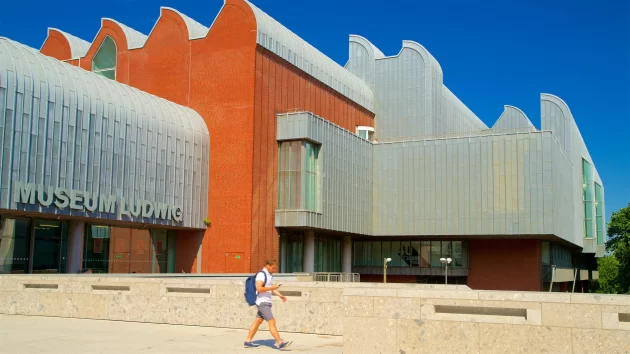
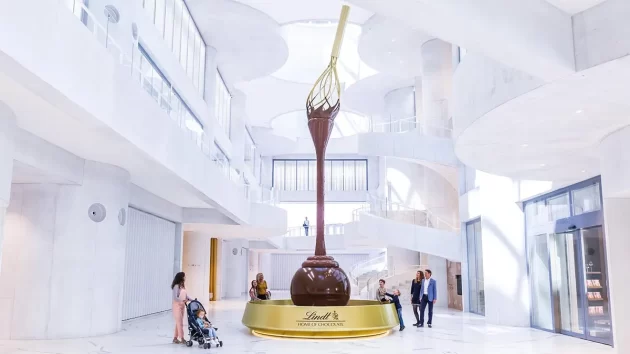
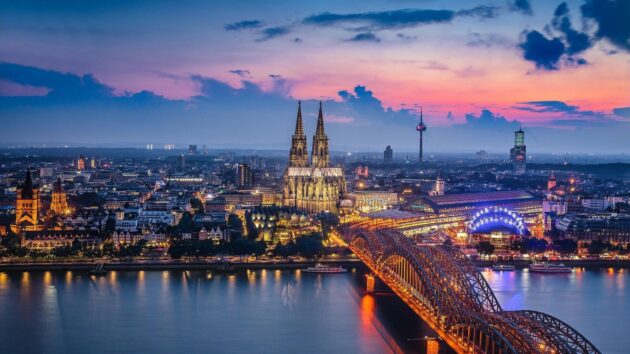
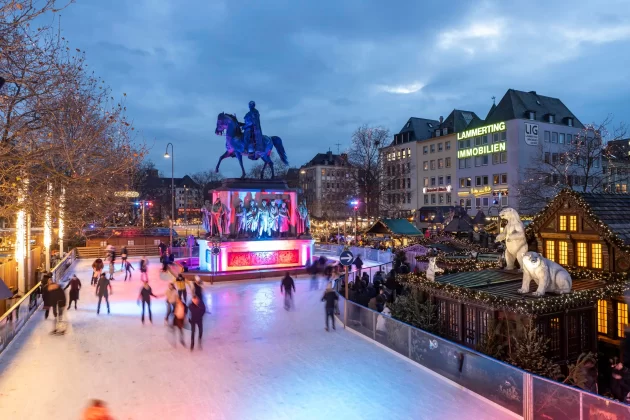
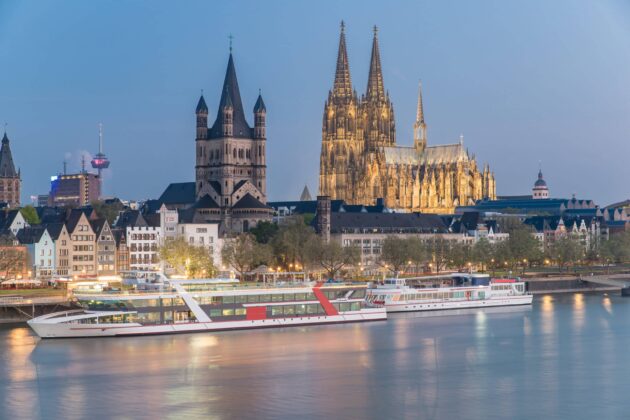
Cologne (Köln in German), Germany’s fourth-largest city, is a vibrant Rhine River metropolis blending 2,000 years of Roman history with modern energy. Famous for its towering Gothic cathedral, world-class museums, Kölsch beer culture, and exuberant Carnival festivities, Cologne offers a mix of architectural marvels, green spaces, and lively neighborhoods. It’s less overwhelming than Berlin or Munich, with friendly locals and a compact center perfect for short trips.
Top Attractions
Neuschwanstein Castle
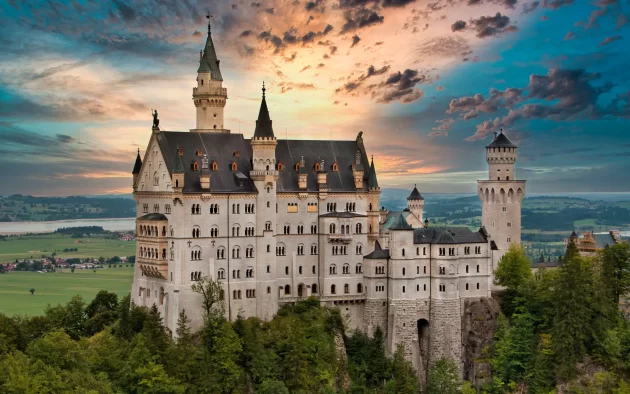
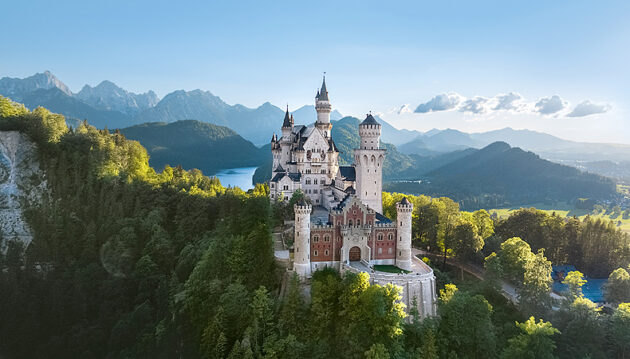
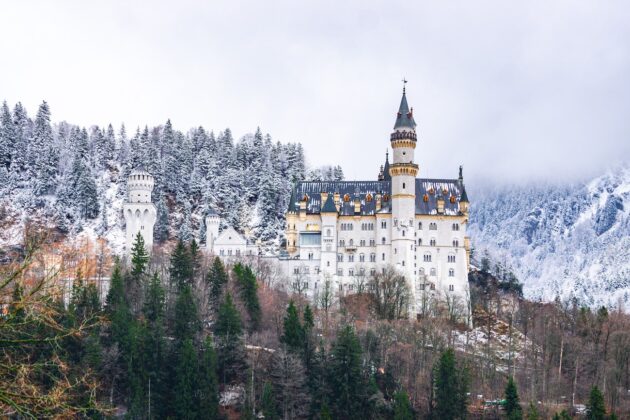
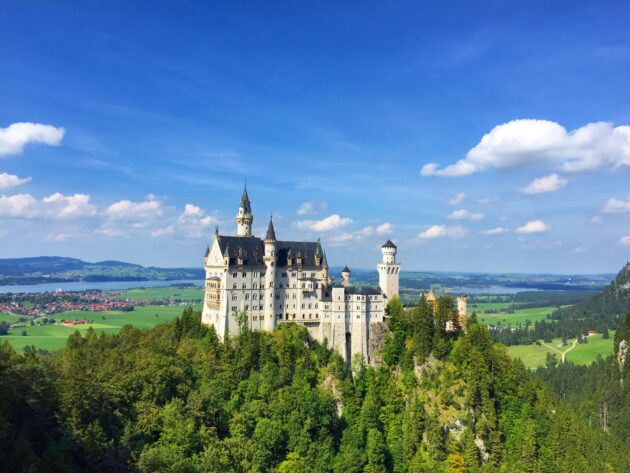
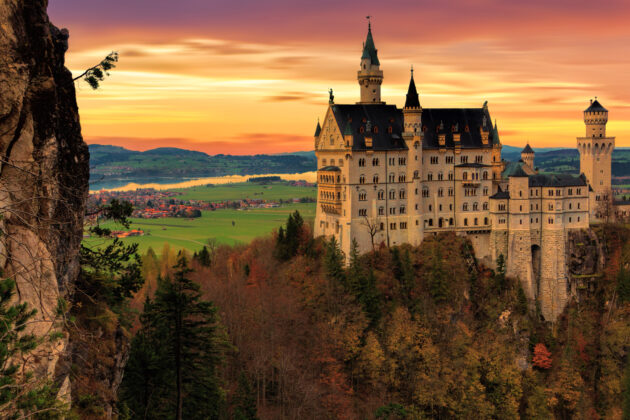
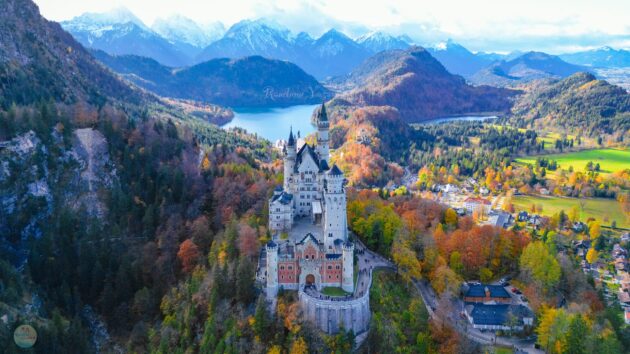
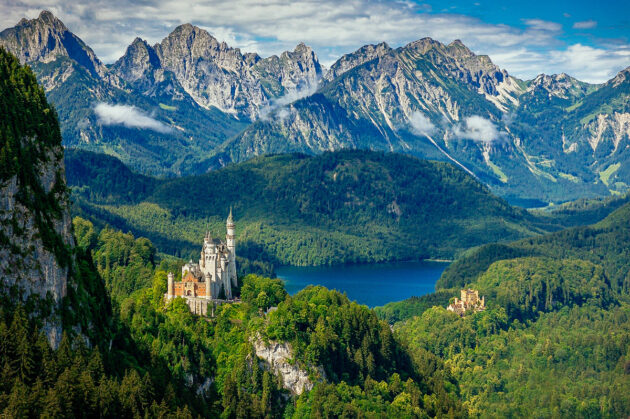
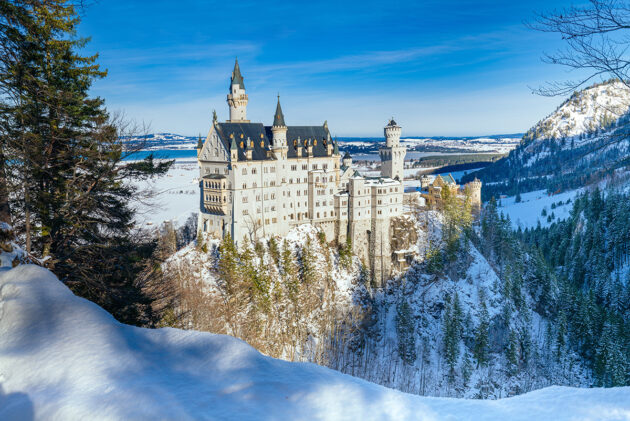
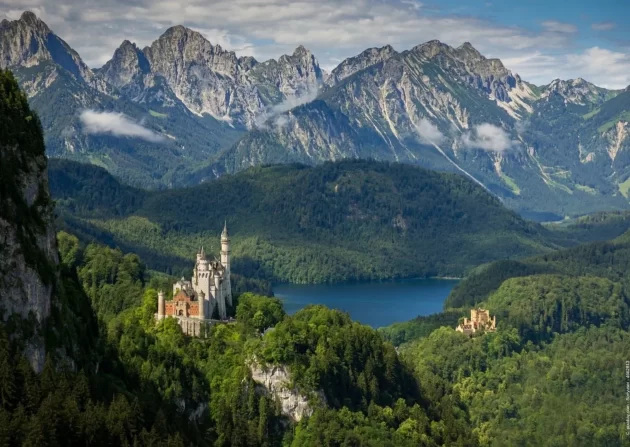
Perched dramatically on a rugged hill amidst the Bavarian Alps, Neuschwanstein Castle is one of the world’s most iconic fairy-tale castles. Built in the 19th century by King Ludwig II of Bavaria, this romantic masterpiece inspired Disney’s Sleeping Beauty Castle and attracts over 1.4 million visitors annually. Located near the charming town of Füssen in southern Germany, Neuschwanstein offers breathtaking views, rich history, and a magical atmosphere.
Hohenschwangau Castle
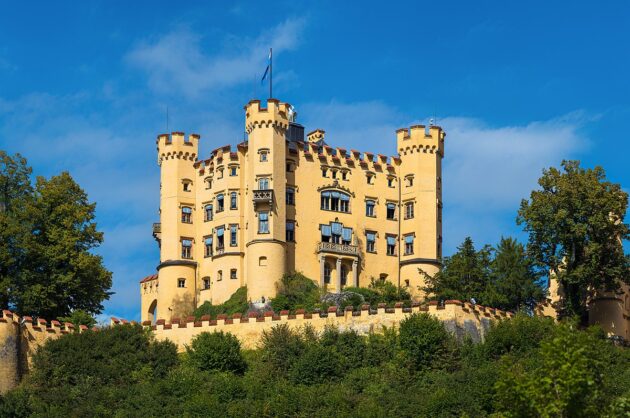
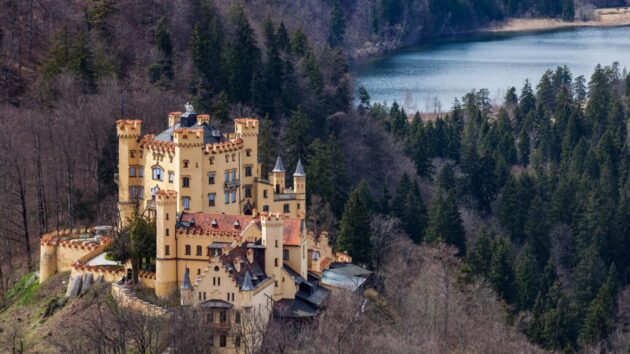
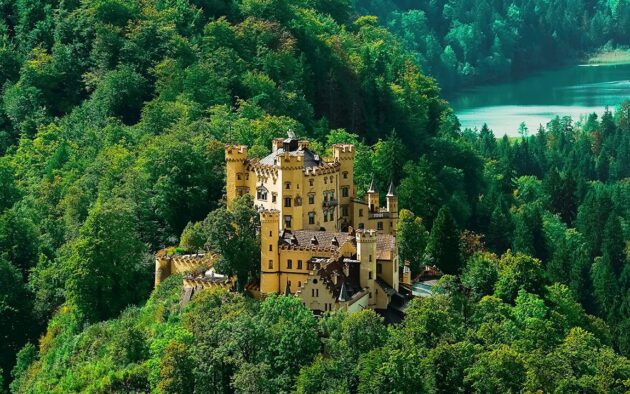
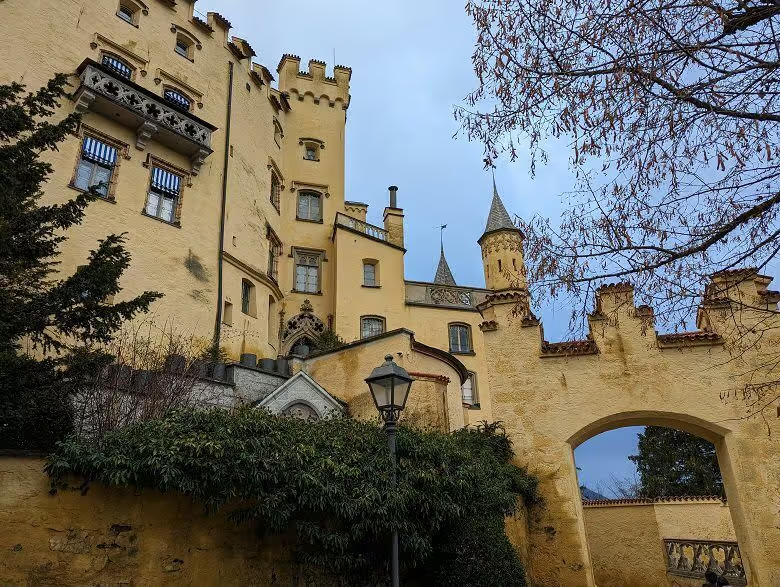
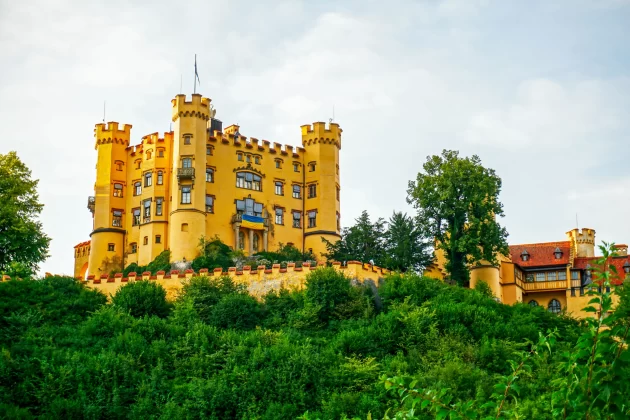
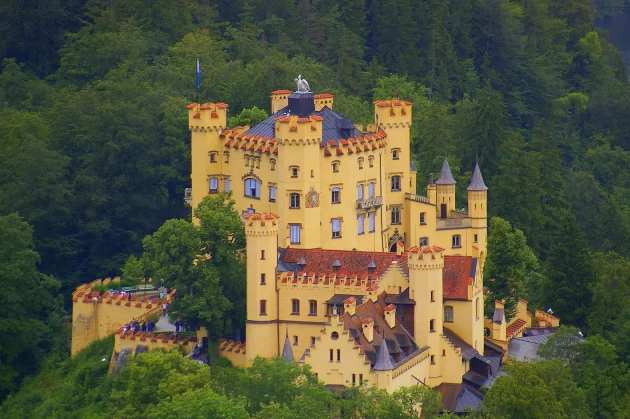
Perched on a rocky hill overlooking the turquoise Alpsee Lake in the Bavarian Alps, Hohenschwangau Castle (Schloss Hohenschwangau) is a neo-Gothic gem that offers a glimpse into 19th-century royal life. Built in the 1830s by Crown Prince Maximilian II, it served as the childhood home of the eccentric King Ludwig II, whose fascination with medieval legends inspired the nearby fairy-tale Neuschwanstein Castle.

Elbphilharmonie
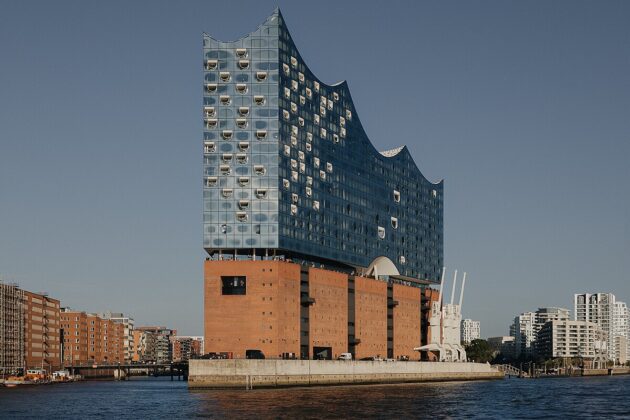
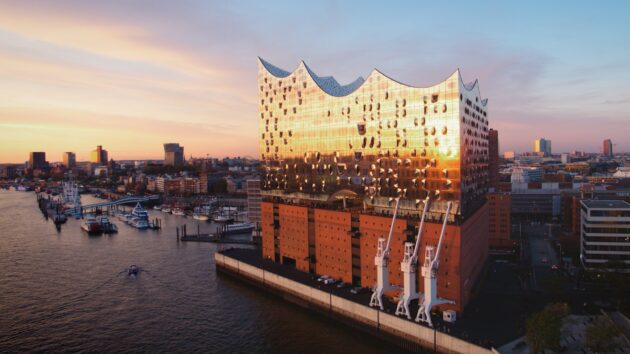
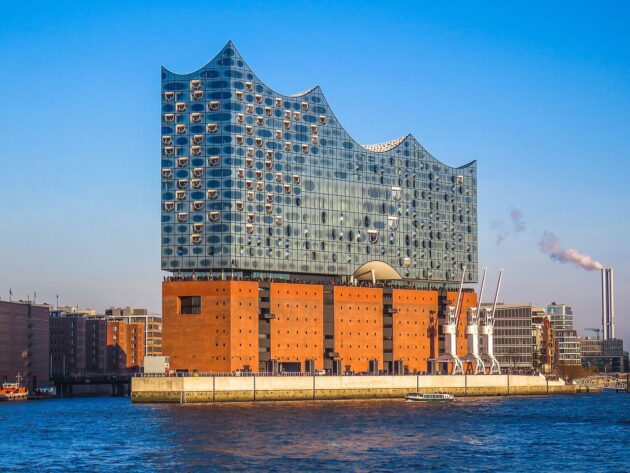
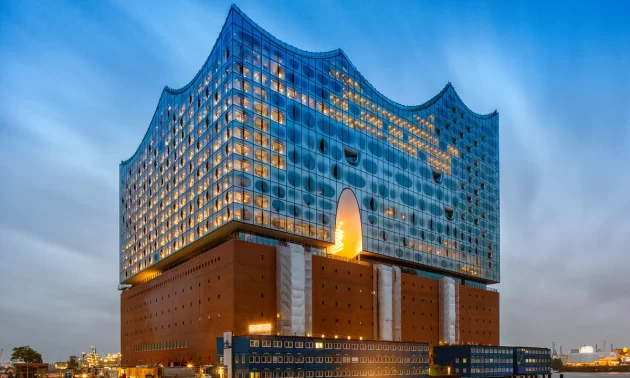
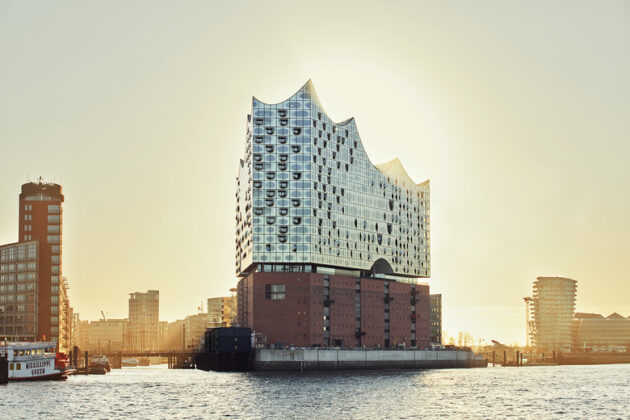
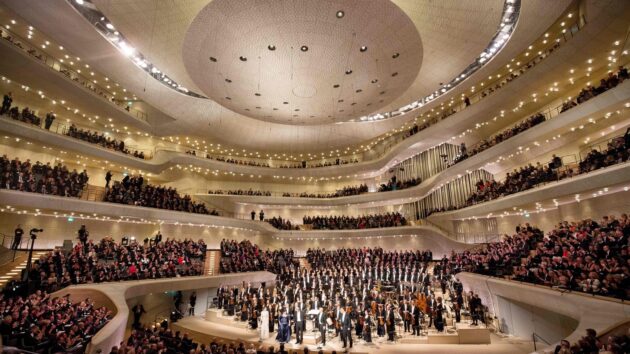
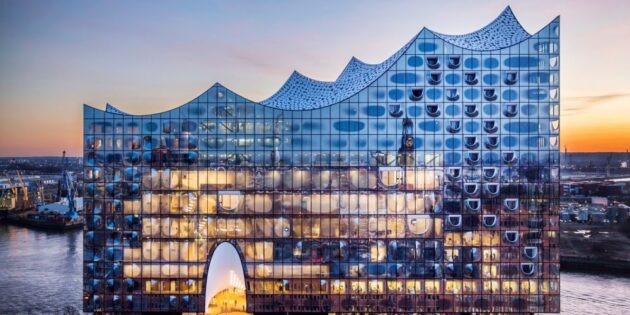
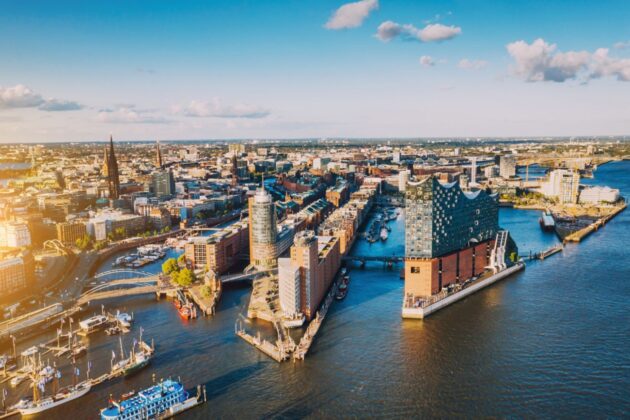
Rising like a shimmering wave on the banks of the Elbe River, the Elbphilharmonie (often called the “Elphi”) is Hamburg’s crown jewel—a stunning concert hall that blends cutting-edge architecture with world-class music. Opened in January 2017 after years of anticipation and a €866 million price tag, this iconic structure has become the city’s defining landmark, drawing over 2.6 million visitors for its acoustics, views, and cultural vibe.
Miniatur Wunderland
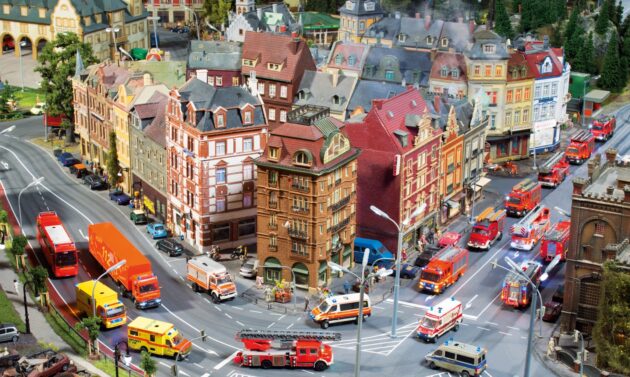
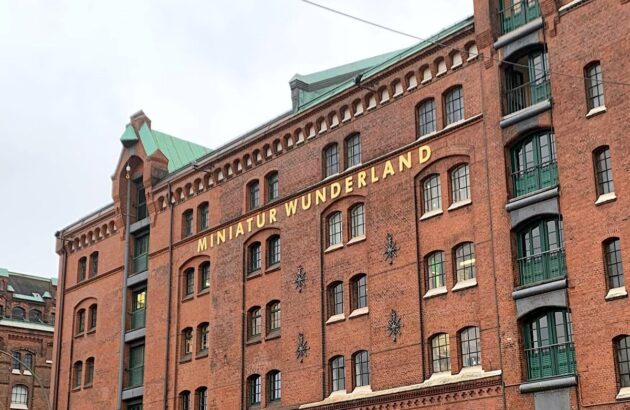
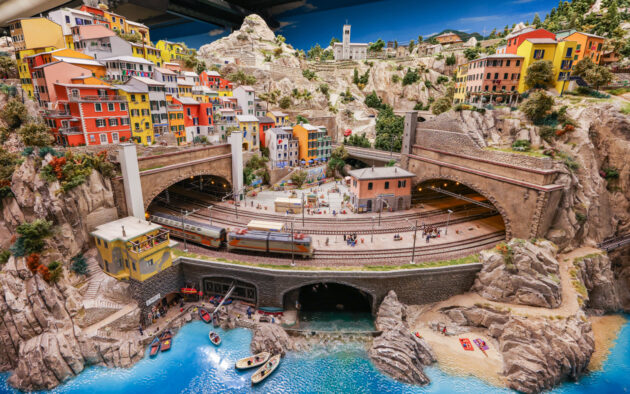
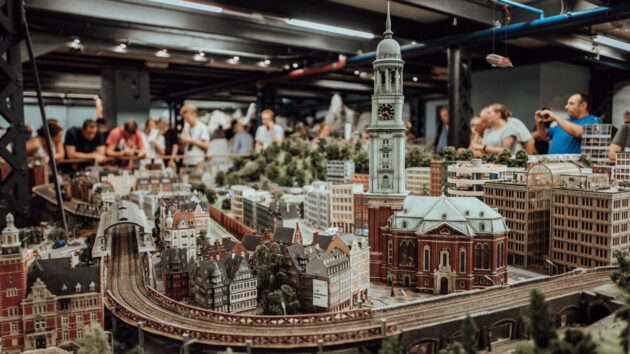
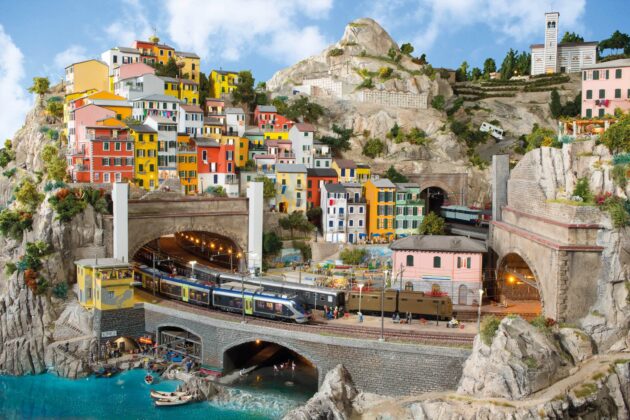
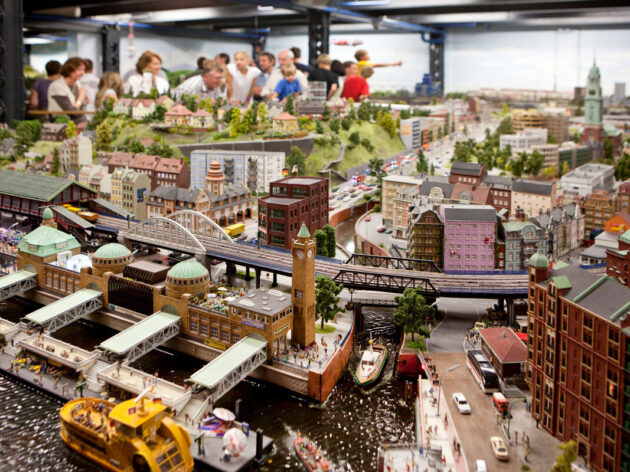
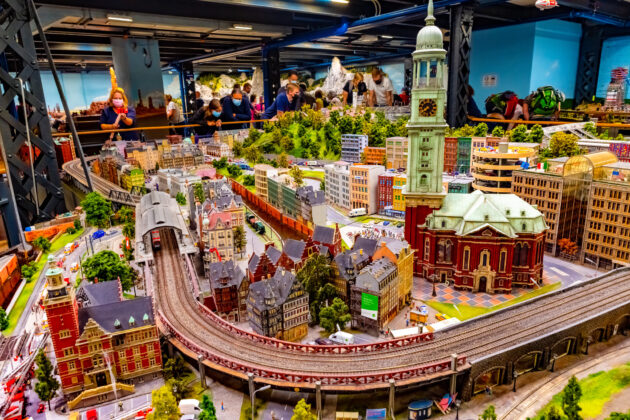
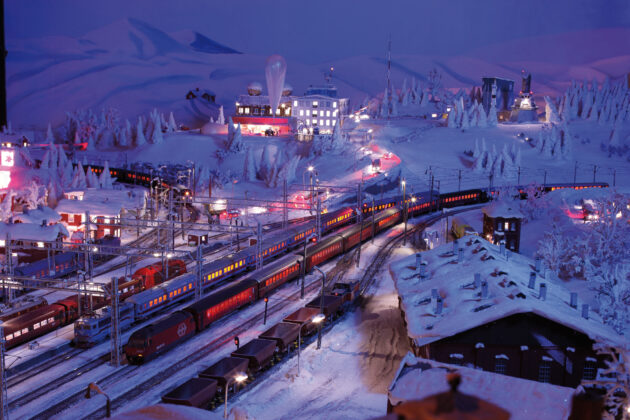
Tucked away in the historic Speicherstadt warehouse district of Hamburg, Miniatur Wunderland is the world’s largest model railway exhibition and a whimsical wonderland of intricate miniatures. Spanning over 1,500 square meters (with ongoing expansions), this Guinness World Record holder features hyper-detailed replicas of global landmarks, bustling cities, and fantastical scenes brought to life with 1,100 trains, 289,000 tiny figures, and interactive elements like crashing waves and flashing lights.
Plönlein
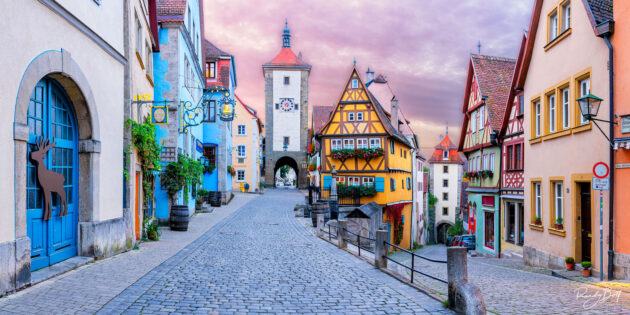
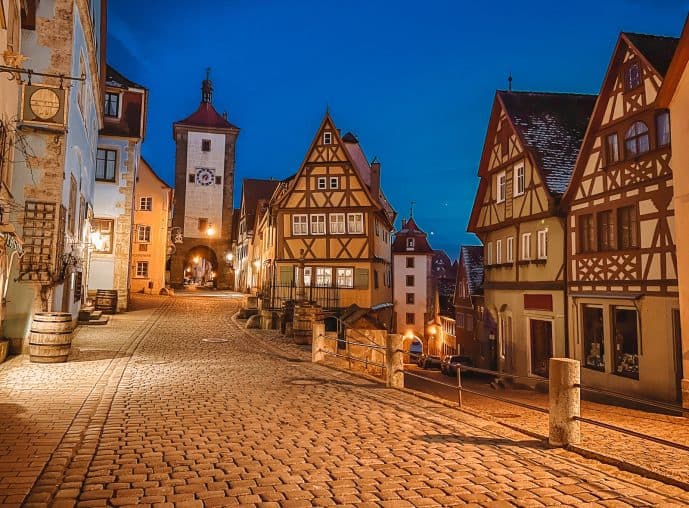
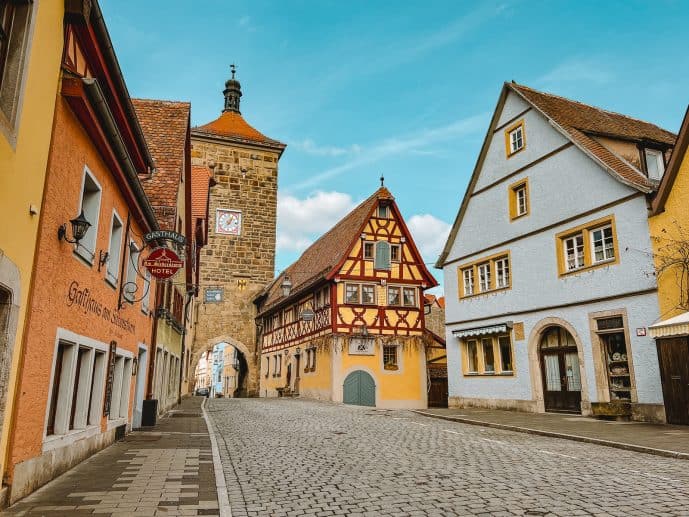
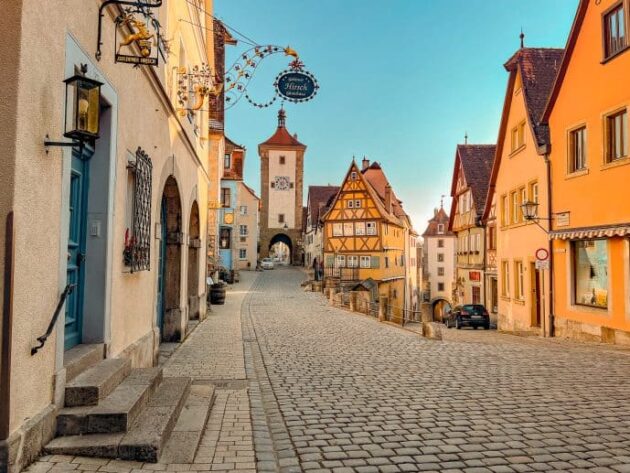
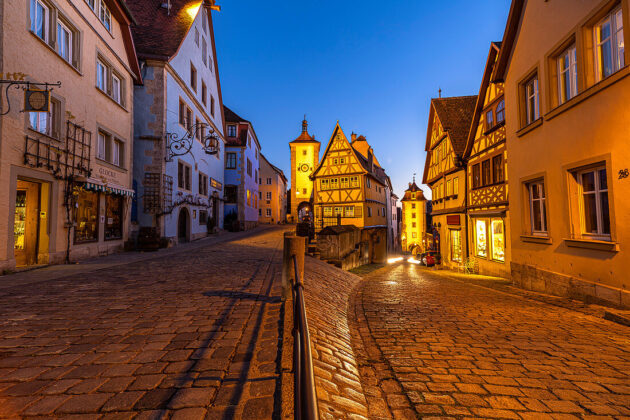
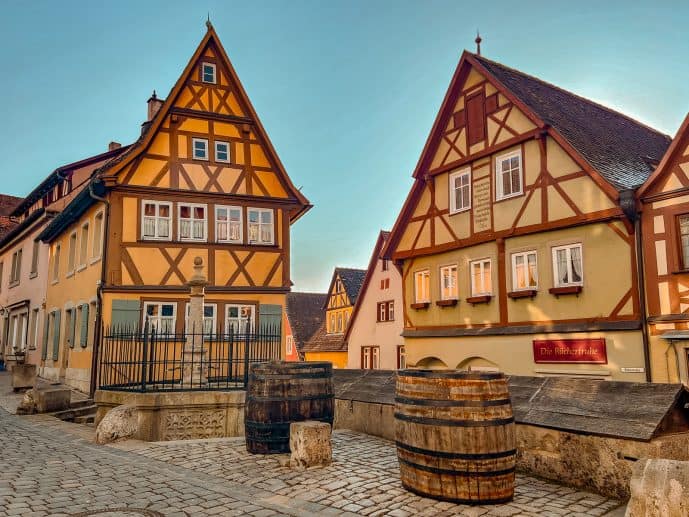
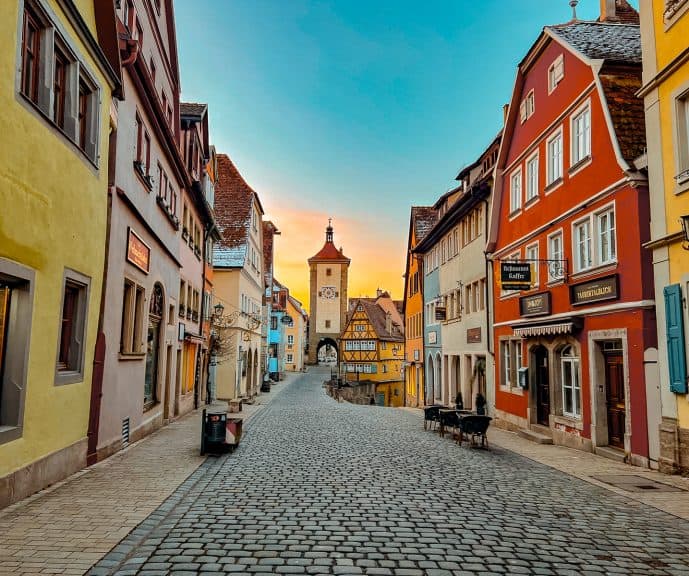
Nestled in the heart of the medieval town of Rothenburg ob der Tauber, Plönlein is one of Germany’s most iconic and photogenic landmarks—a fairy-tale square that feels like a scene from a storybook. This charming spot, often called the “most photographed corner in Germany,” features a quaint half-timbered yellow house sandwiched between two diverging cobblestone streets and flanked by ancient towers.
Heidelberg Castle
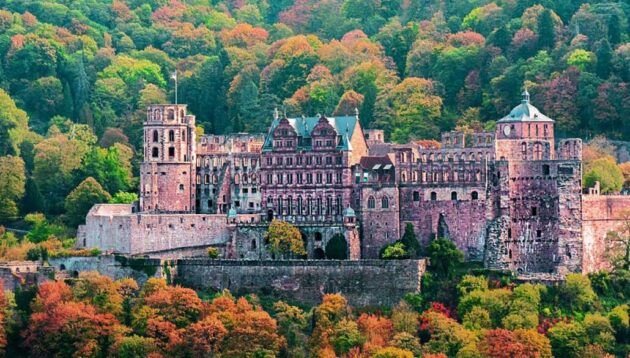
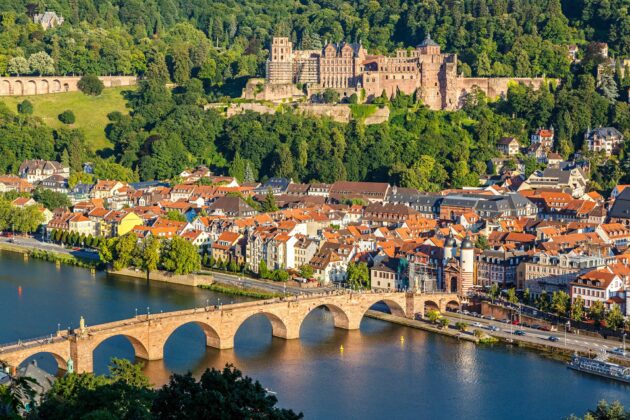
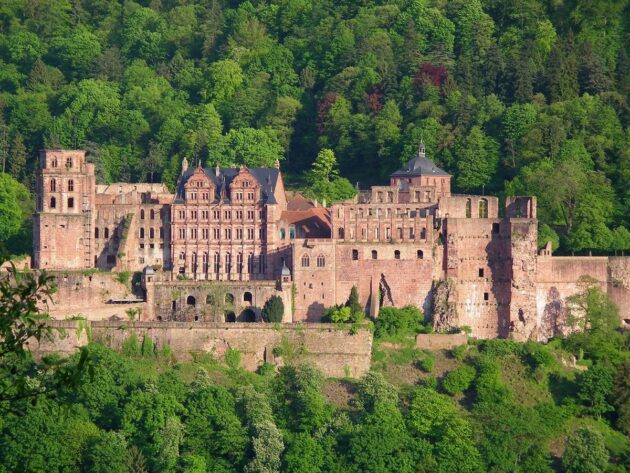
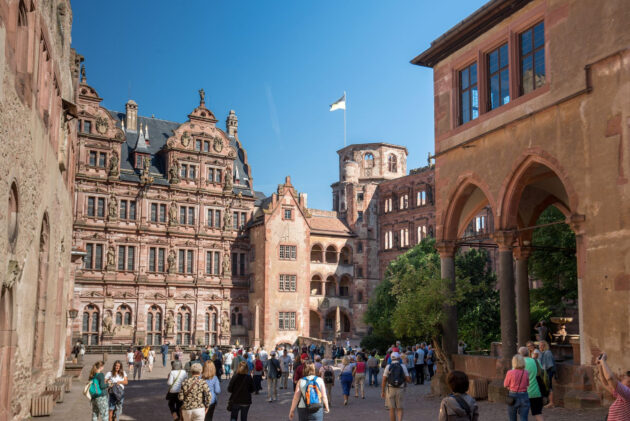
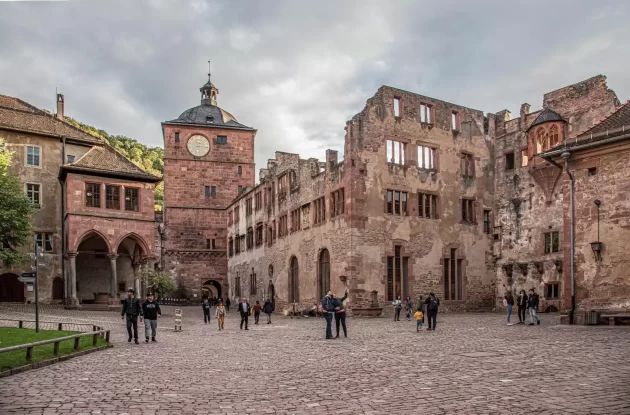
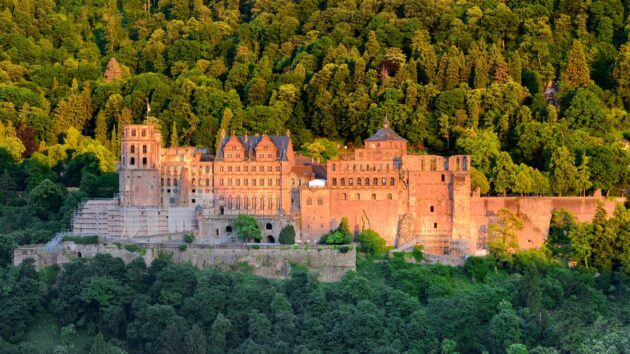
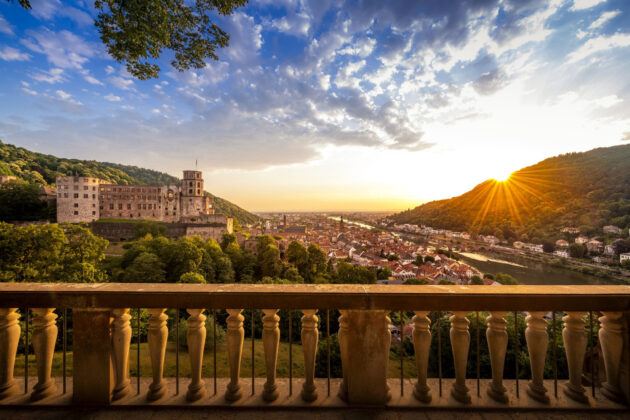
Perched dramatically above the picturesque city of Heidelberg on the Königstuhl hillside, Heidelberg Castle (Schloss Heidelberg) is one of Germany’s most iconic and romantic ruins. This Renaissance masterpiece, partially destroyed yet beautifully preserved, offers breathtaking views of the Neckar River, the old town, and the surrounding Odenwald forest.
Food and Drink
Must-Tries: Currywurst (Berlin street food), Weisswurst (Munich breakfast), Schnitzel, and Black Forest gâteau.
Beer: Tour breweries in Bamberg or join a tasting in Cologne (€15–20). Non-alcoholic? Try Apfelschorle (apple juice spritzer).
Vegetarian/Vegan: Growing options like Berlin’s falafel spots or Munich’s vegan sausages.
Dining Tips: Eat at Imbiss stands (€5–10) or beer halls like Hofbräuhaus. Markets like Viktualienmarkt offer fresh pretzels and cheeses.
Budget: €30–50/day; student areas have cheap eats.
Practical Tips and Safety
Budget: €80–150/day (mid-range); save with city passes (e.g., Munich Card €40/3 days for transit/attractions).
Language: English widely spoken; learn “Danke” (thanks) and “Entschuldigung” (excuse me).
Money: Euros; cards accepted, but carry cash for markets. ATMs everywhere.
Connectivity: EU roaming free; get a Vodafone SIM (€10/10GB).
Safety: Very safe (top-ranked globally); watch for pickpockets in tourist spots. Solo female travelers: Stick to well-lit areas at night.
Etiquette: Recycle religiously; queue orderly; tip 5–10% at restaurants.
Health: Tap water safe; EU health card for emergencies.
Sustainability: Use reusable bottles; opt for trains over flights.
Free Tours: Join Sandemans in big cities—tip-based history walks.
Final Thoughts
Germany isn’t just a destination—it’s a journey through time, from ancient Roman outposts to futuristic autobahns. Whether chasing castles on the Romantic Road or toasting in a Munich beer garden, embrace the efficiency and warmth that make it special. Pack comfortable shoes, an open mind, and a hearty appetite—you’ll leave with stories (and sausages) to last a lifetime.
Safe travels and Prost!