

A Comprehensive Travel Guide to Chile (2026)
Chile, a long, narrow country stretching along South America’s western edge, offers an astonishing diversity of landscapes—from the world’s driest desert in the north to the glaciers and fjords of Patagonia in the south. With vibrant cities, world-class wines, ancient mysteries, and unparalleled natural beauty, Chile is a dream destination for adventurers, culture enthusiasts, and nature lovers. This guide covers everything you need to plan an unforgettable trip.
Why Visit Chile?
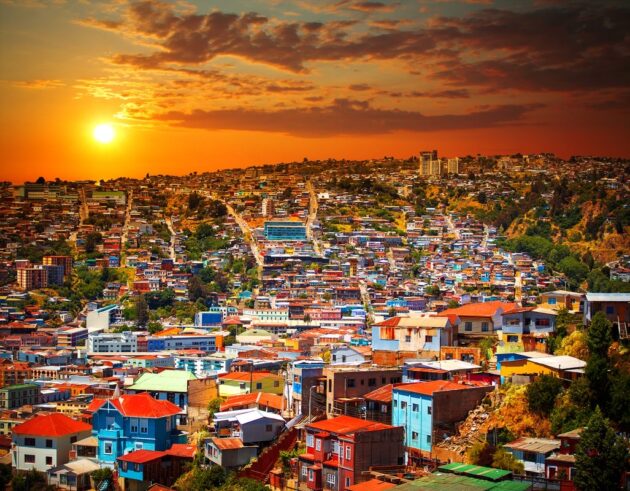
Chile boasts extreme contrasts: stargaze in the Atacama Desert, hike iconic granite towers in Torres del Paine, explore colorful street art in Valparaíso, or ponder the enigmatic Moai statues on Easter Island. It’s one of South America’s safest and most developed countries, with excellent infrastructure, delicious cuisine (think fresh seafood, empanadas, and Carmenère wine), and welcoming locals.
How to Get There
Most international flights arrive at Santiago’s Arturo Merino Benítez International Airport (SCL). Direct flights are available from major hubs like Miami, Los Angeles, Madrid, Sydney, and London. From Santiago, domestic flights (via LATAM, Sky Airline, or JetSMART) connect to regional airports like Calama (for Atacama), Puerto Natales (for Patagonia), or Hanga Roa (Easter Island).
Best Time to Visit
Summer (December–February): Peak season for Patagonia—warm, long days ideal for hiking, but crowded and pricier.
Shoulder Seasons (September–November or March–April): Best overall—milder crowds, blooming wildflowers in spring, autumn colors in fall, and good weather in central and southern regions.
Winter (June–August): Great for skiing in the Andes near Santiago; northern desert is year-round.
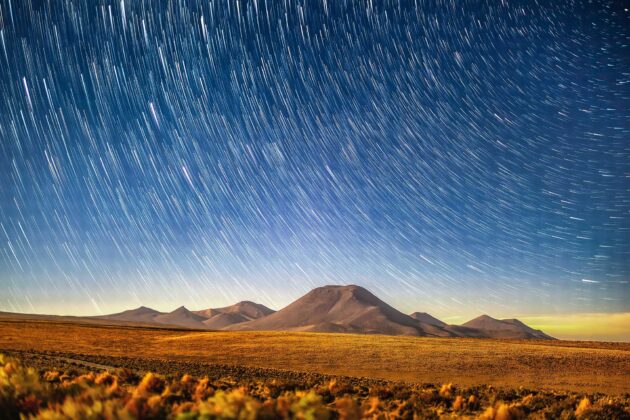
Year-Round: Atacama Desert (dry and clear skies for stargazing); Easter Island (mild temperatures).
Avoid peak summer if you dislike crowds; book Torres del Paine accommodations early.
Top Attractions and Regions
Santiago
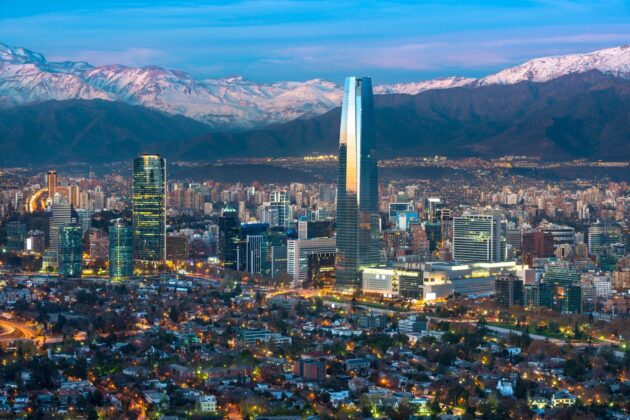
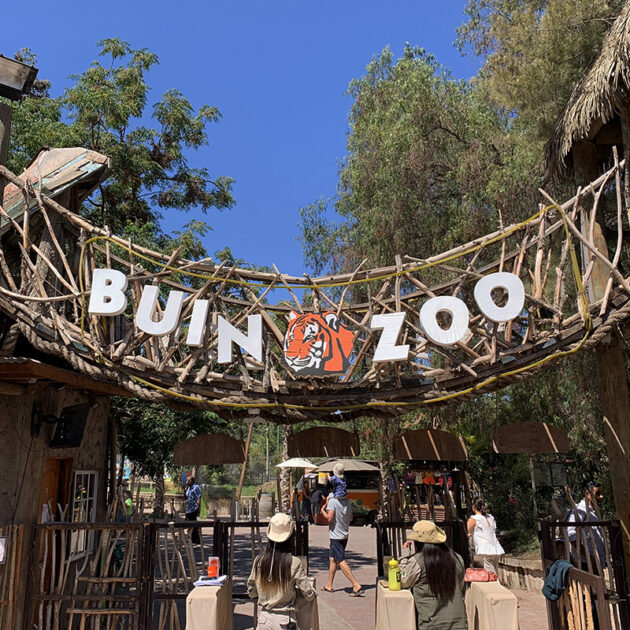
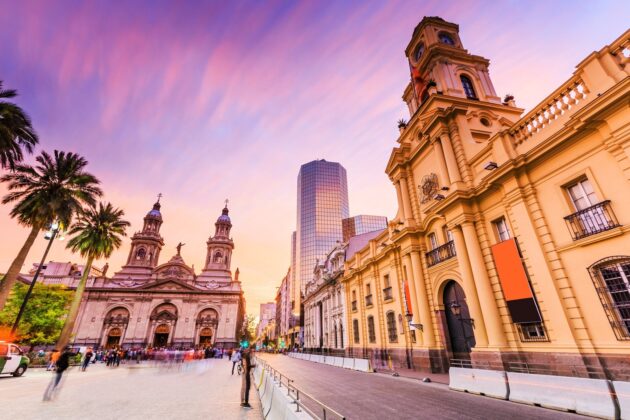
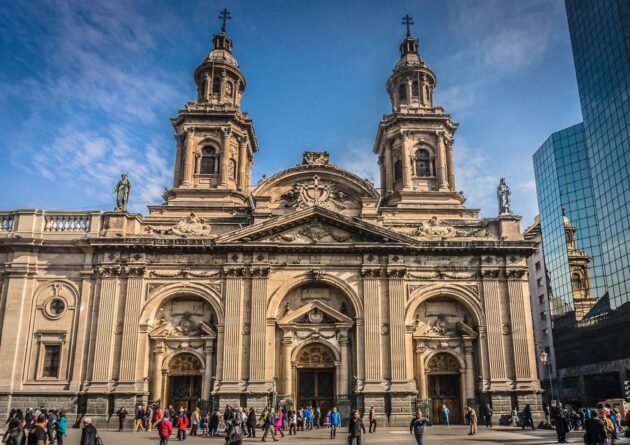
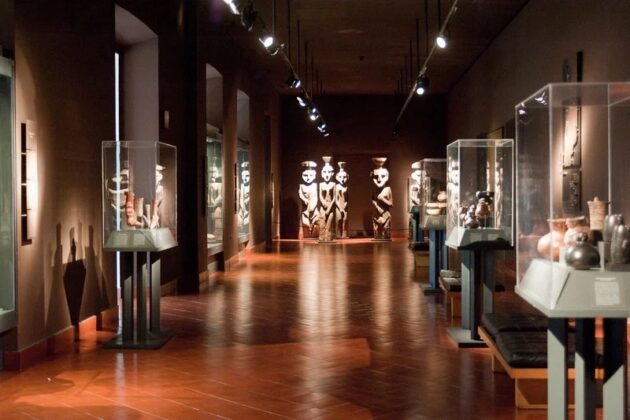
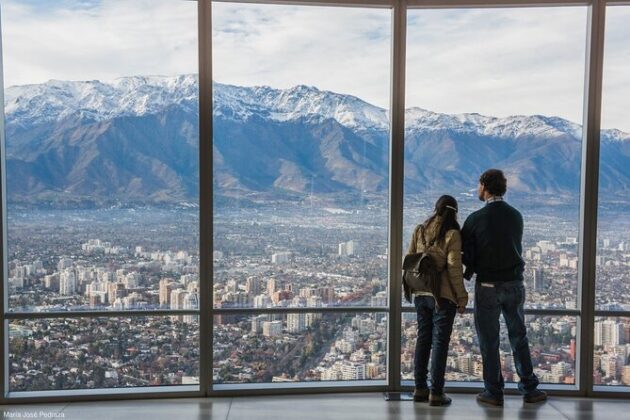
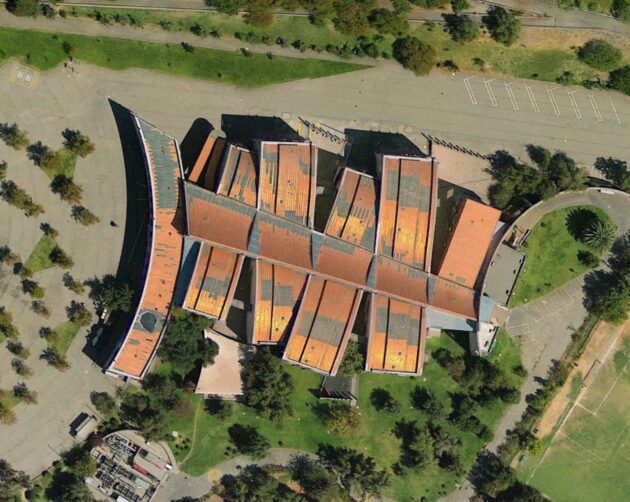
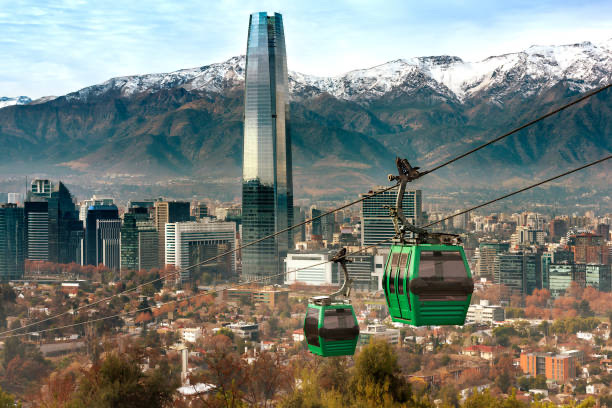
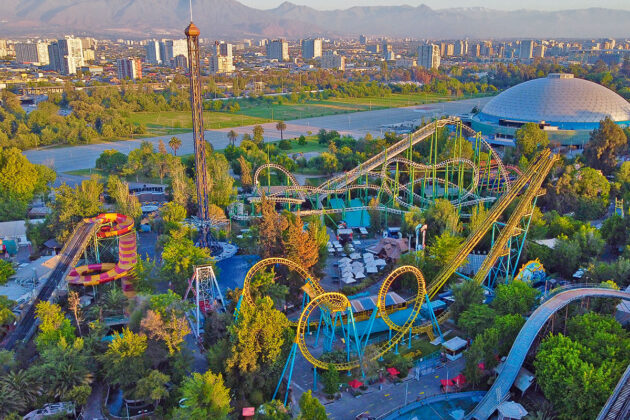
Santiago, the vibrant capital of Chile, is a dynamic metropolis nestled against the majestic Andes Mountains. Home to over seven million people, it blends historic charm, modern skyscrapers, world-class cuisine, and easy access to stunning natural wonders. From colonial plazas to trendy neighborhoods and nearby wine valleys, Santiago offers a perfect mix of urban energy and outdoor adventure.
Atacama Desert
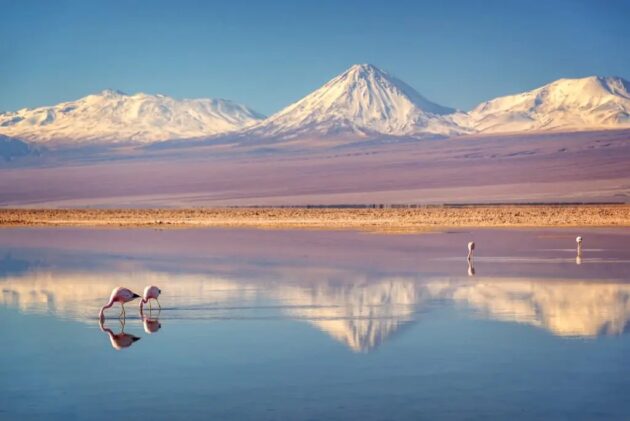
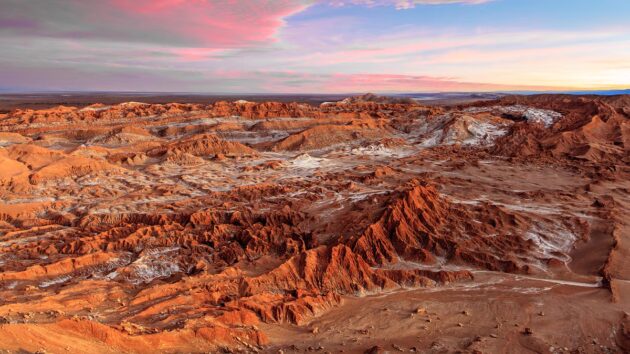
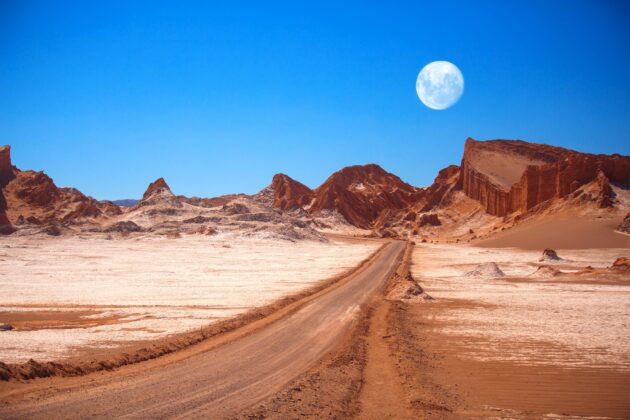
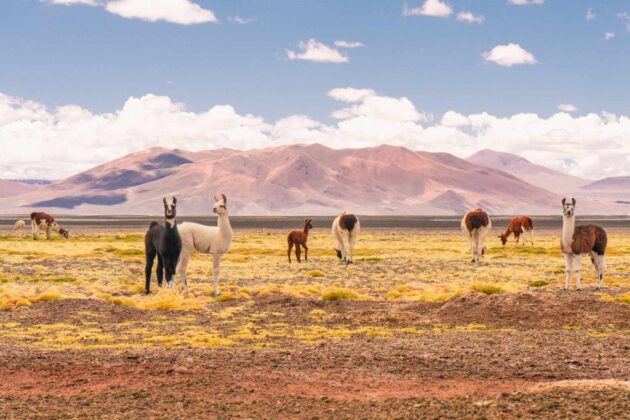
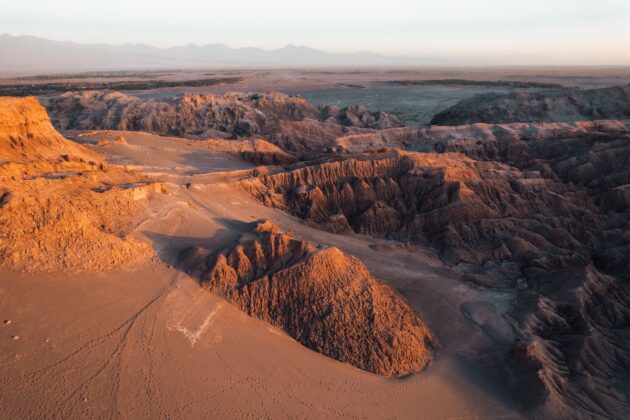
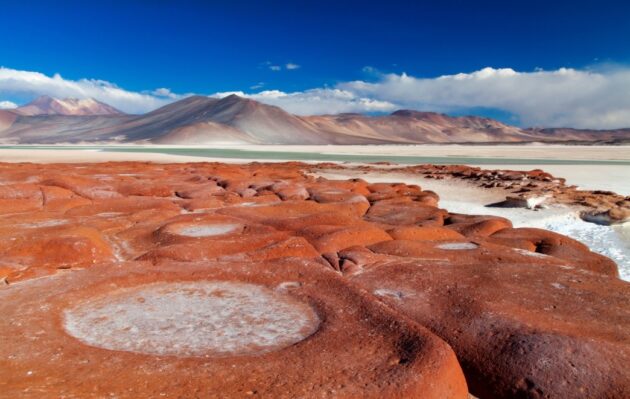
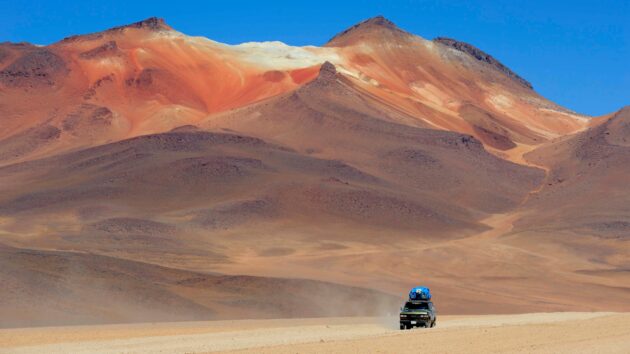
The Atacama Desert in northern Chile is widely regarded as the driest place on Earth, offering one of the planet’s most surreal and otherworldly landscapes. Vast salt flats, steaming geysers, flamingo-filled lagoons, moon-like valleys, and some of the clearest night skies make this region a bucket-list destination for adventurers, photographers, and stargazers alike.
Pucón
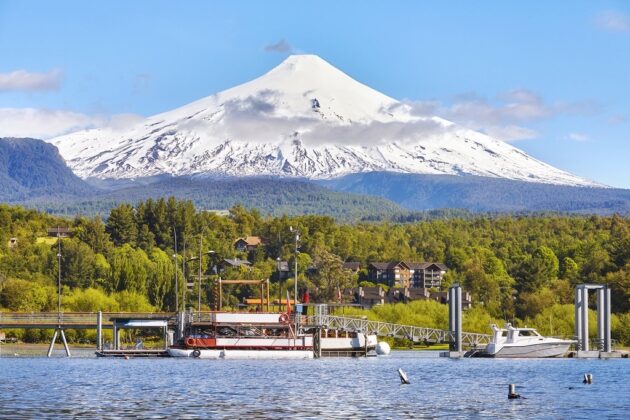
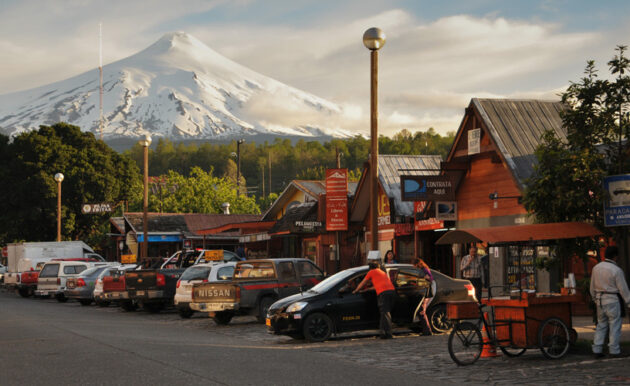
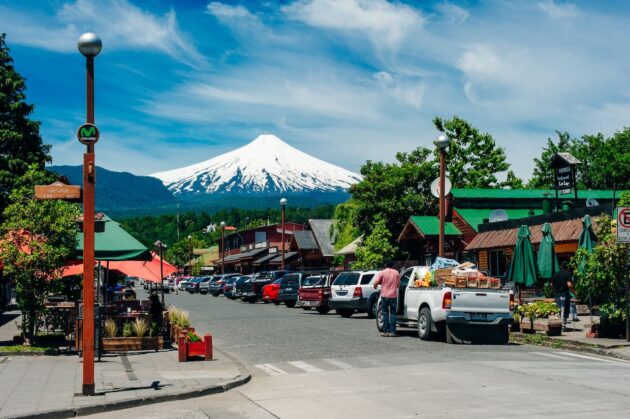
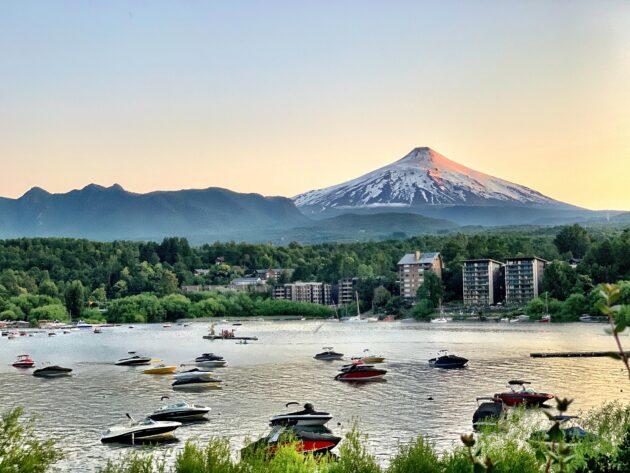
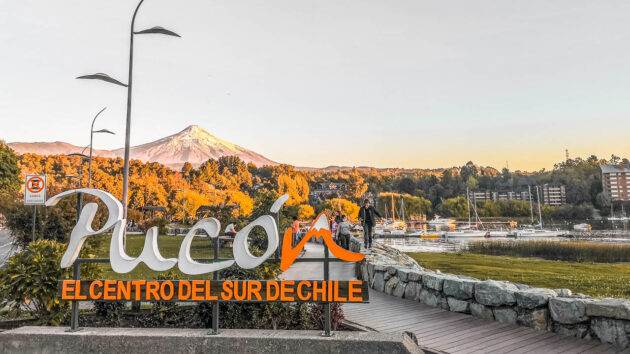
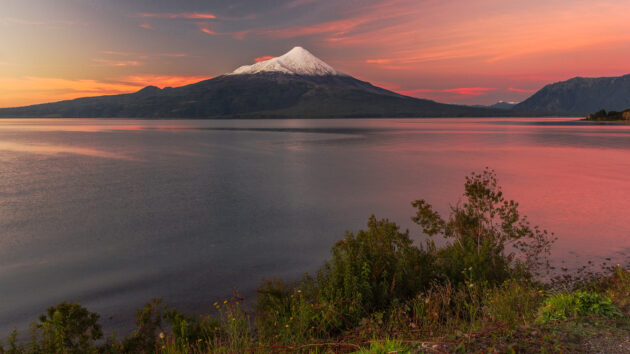
Pucón, often called the Adventure Capital of Chile, is a stunning lakeside town in the Araucanía Region, nestled on the eastern shore of Lake Villarrica with the perfectly conical, snow-capped, and active Villarrica Volcano dominating the skyline. This picturesque destination offers an incredible mix of adrenaline-pumping activities, relaxing hot springs, pristine nature, and year-round appeal — making it a must-visit spot in Chile’s beautiful Lake District.
Puerto Varas
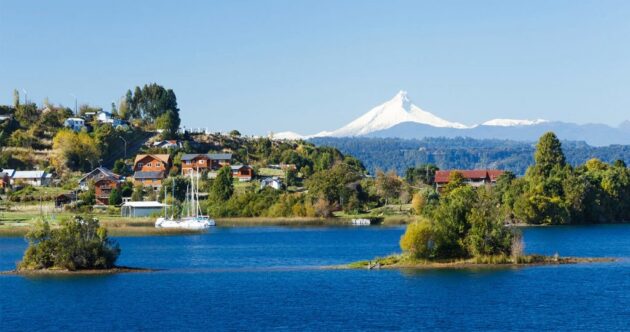
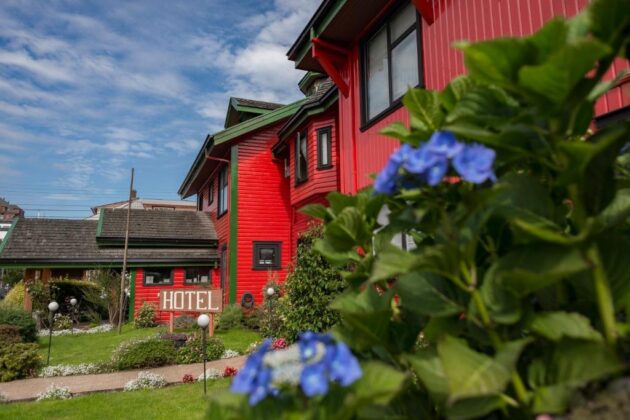
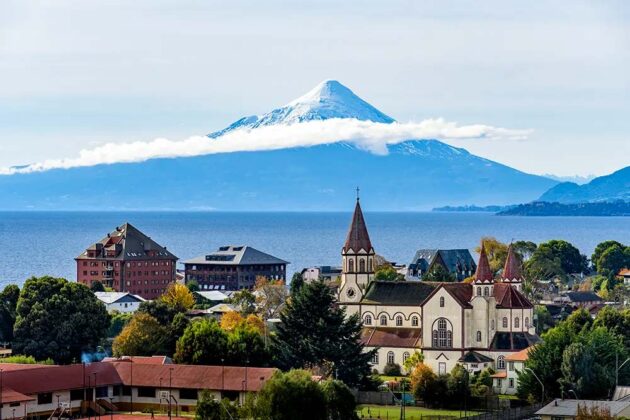
Puerto Varas, often called the “City of Roses,” is a charming lakeside town in Chile’s stunning Lake District (Región de Los Lagos). Founded by German immigrants in the mid-19th century, it blends Alpine-style wooden architecture, German-influenced cuisine, and breathtaking natural beauty. Nestled on the shores of massive Lake Llanquihue with the perfect cone of Osorno Volcano dominating the skyline (on clear days), Puerto Varas is an ideal base for adventure, relaxation, and cultural exploration in southern Chile.
Torres del Paine National Park
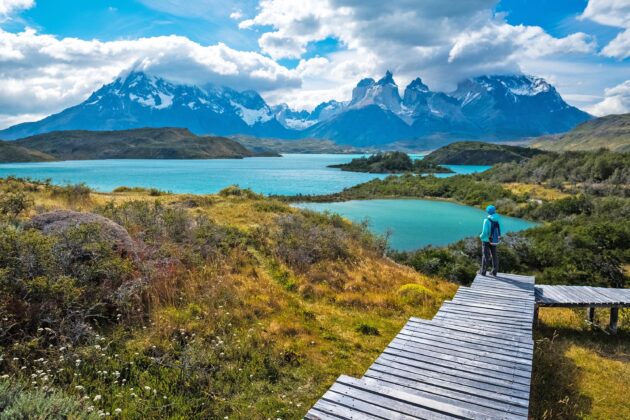
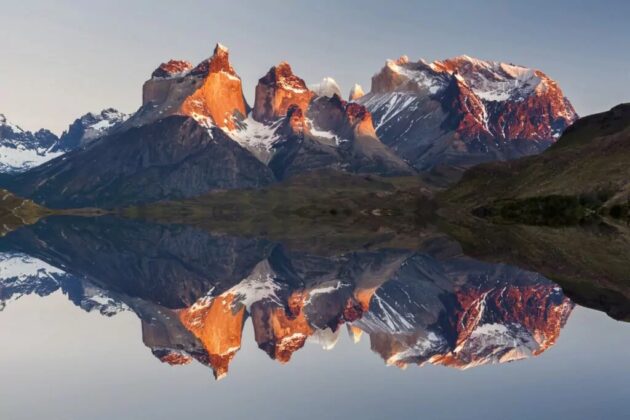
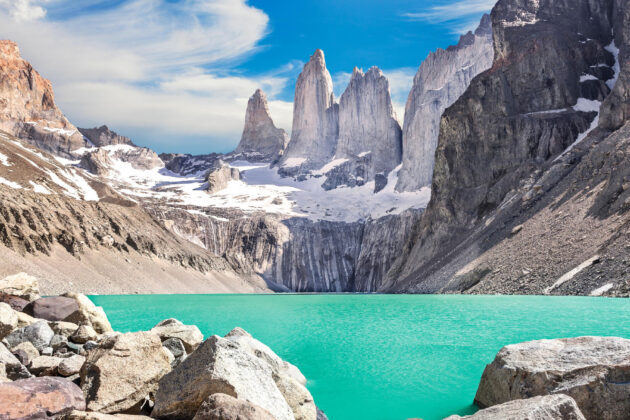
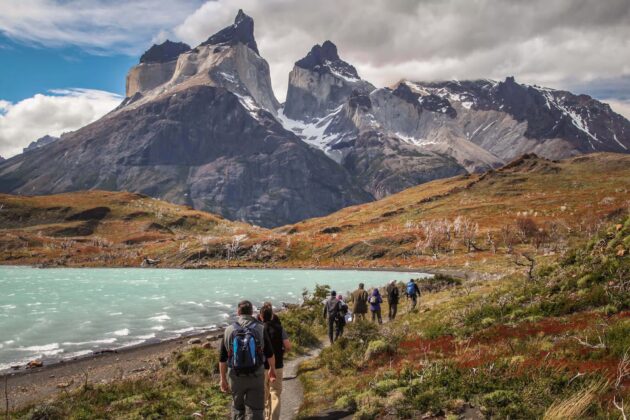
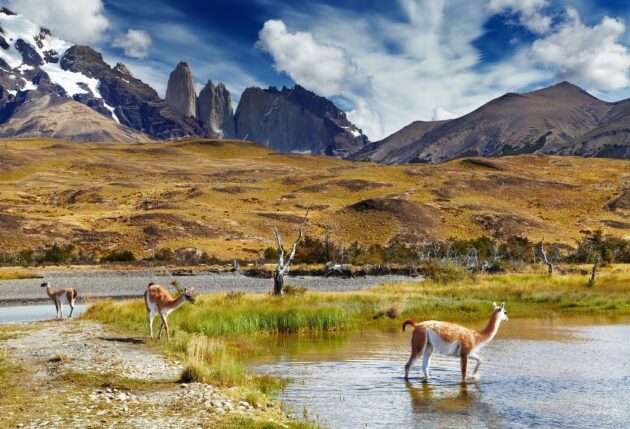
Torres del Paine National Park, a UNESCO Biosphere Reserve and one of Patagonia’s crown jewels, offers dramatic granite towers, turquoise lakes, massive glaciers, and abundant wildlife. Famous for its multi-day treks like the iconic W Trek and the more challenging O Circuit, the park delivers some of the world’s most spectacular hiking amid ever-changing weather and breathtaking scenery.
Easter Island
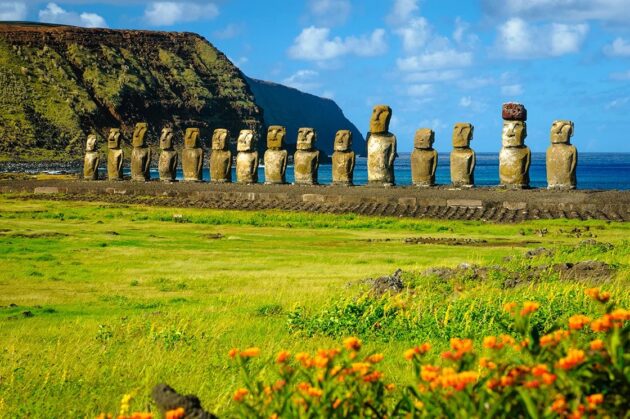
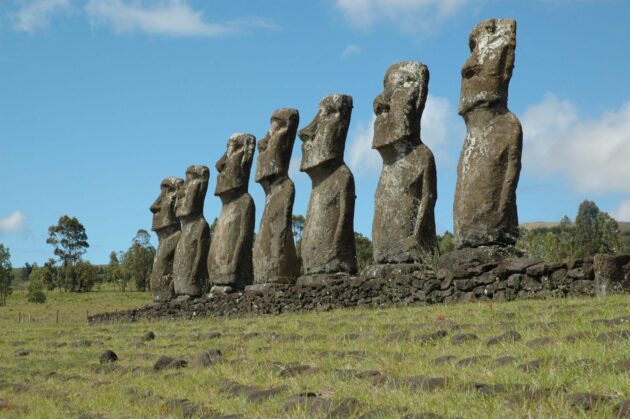
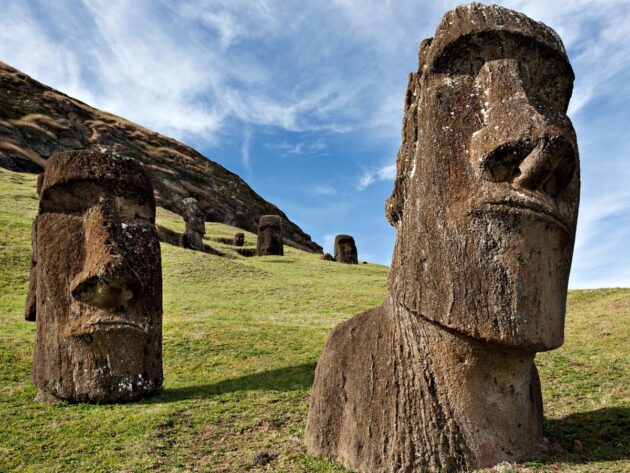
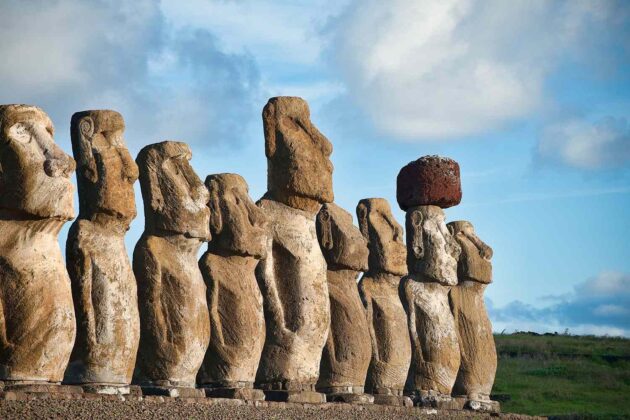
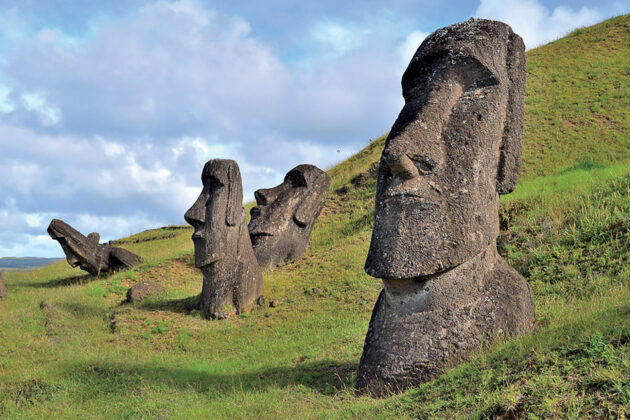
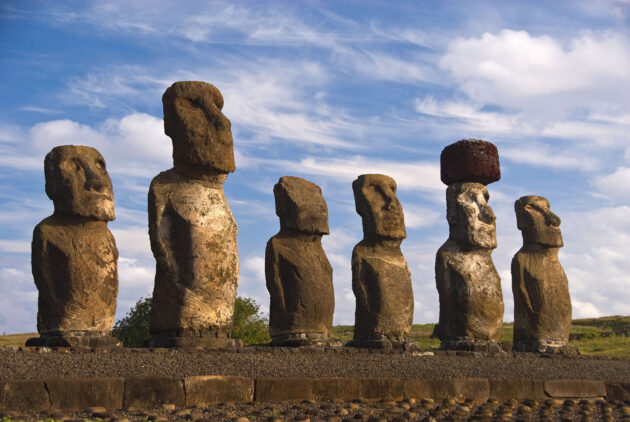
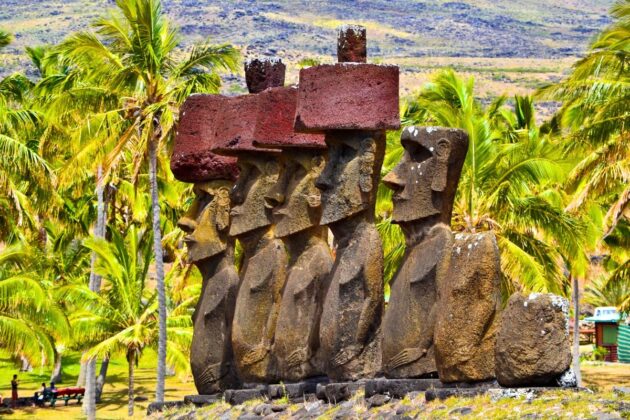
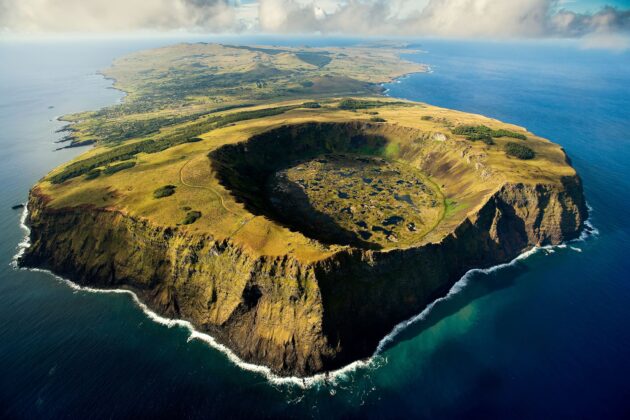
Easter Island, known locally as Rapa Nui, is one of the most remote inhabited places on Earth — a tiny volcanic island in the southeastern Pacific Ocean, over 2,200 miles (3,500 km) from mainland Chile. Famous worldwide for its enigmatic moai statues (massive stone figures carved by the ancient Rapa Nui people), this UNESCO World Heritage site blends profound mystery, stunning natural landscapes, and living Polynesian culture.
Getting Around
Flights: Essential for long distances (cheap domestic carriers).
Buses: Excellent network (companies like Turbus or Pullman)—comfortable, affordable for mid-distances.
Car Rental: Ideal for freedom in Atacama or Lake District (international license needed).
Public Transport in Cities: Santiago’s metro is efficient; use apps like Uber or Cabify for taxis.
Practical Tips
Safety: Chile is one of Latin America’s safest countries, but watch for pickpocketing in crowded areas (Santiago, Valparaíso). Avoid protests; use registered taxis at night.
Currency: Chilean Peso (CLP); ATMs widely available, cards accepted in cities.
Language: Spanish; English common in tourist areas.
Health: No mandatory vaccines; tap water safe in most places. Altitude sickness possible in Atacama—acclimatize slowly.
Packing: Layers! Weather varies wildly; waterproof gear for south, sun protection for north.
Sustainability: Respect national parks (leave no trace); support eco-tours.
Where to Stay and Eat
Budget: Hostels in cities (~$20–40/night); refugios in parks.
Mid-Range/Luxury: Boutique hotels in Santiago, eco-lodges in Patagonia (Explora or Awasi).
Food: Try ceviche, asado (barbecue), pastel de choclo; pisco sours for drinks.
Chile’s vastness means you’ll want to return—its magic lies in the extremes. Plan ahead for Patagonia, embrace the adventure, and you’ll create lifelong memories in this extraordinary country. Safe travels!