

A Travel Guide to Fiji (2026)
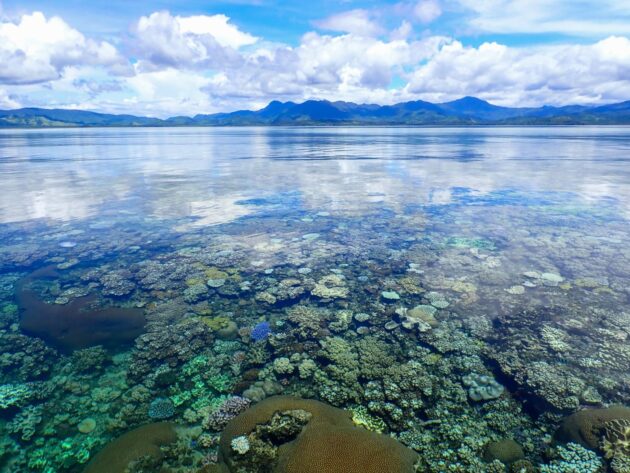
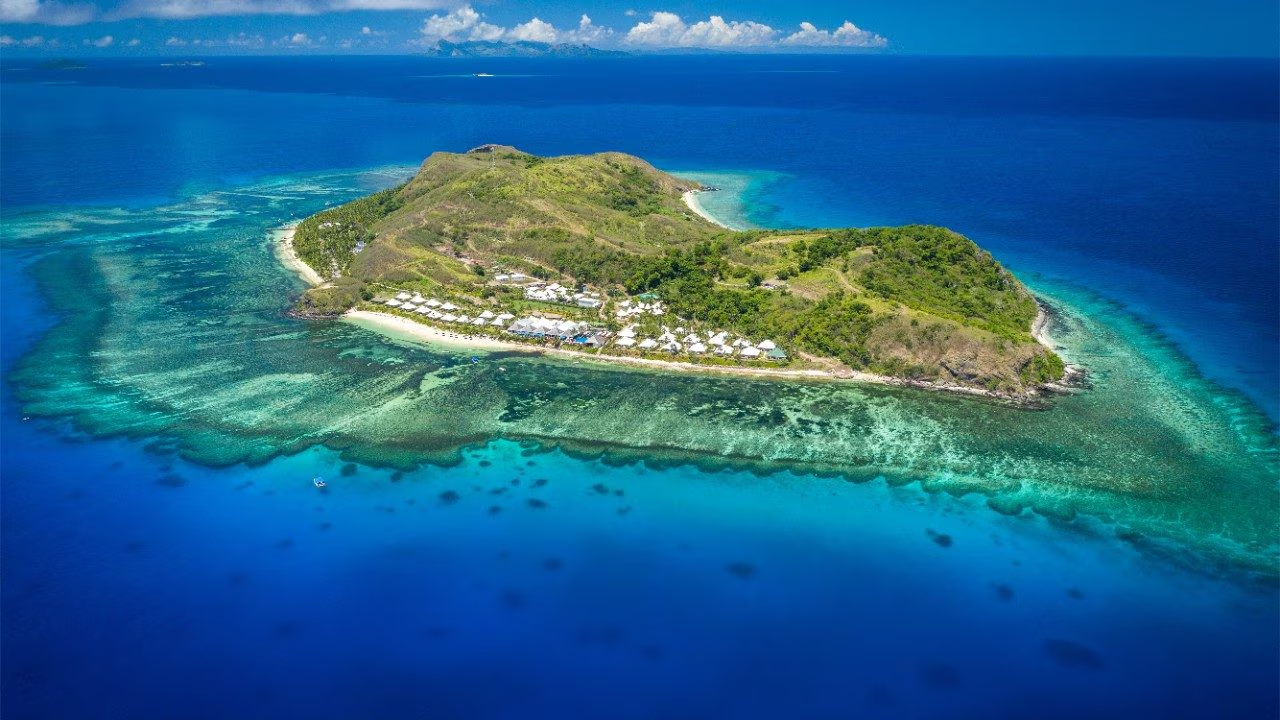
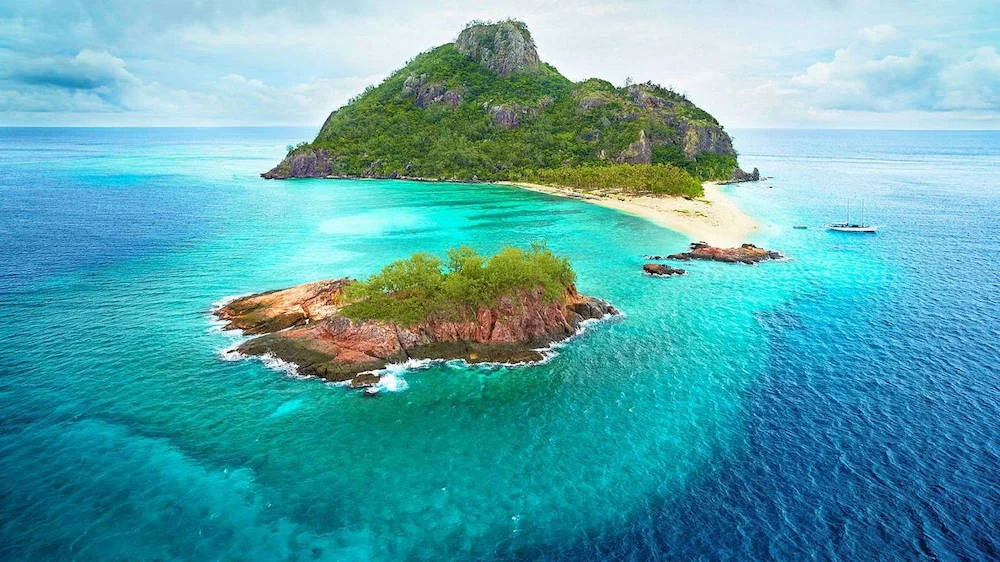
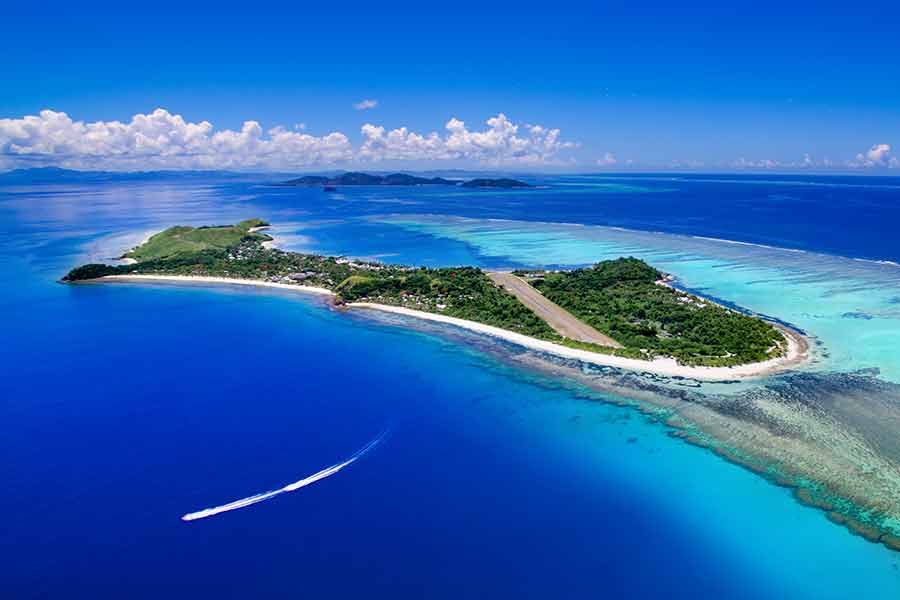
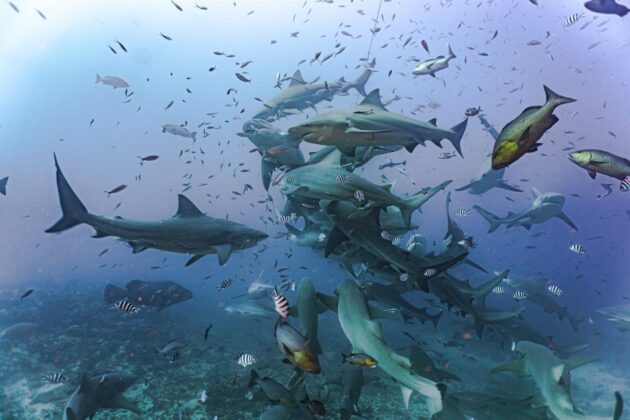
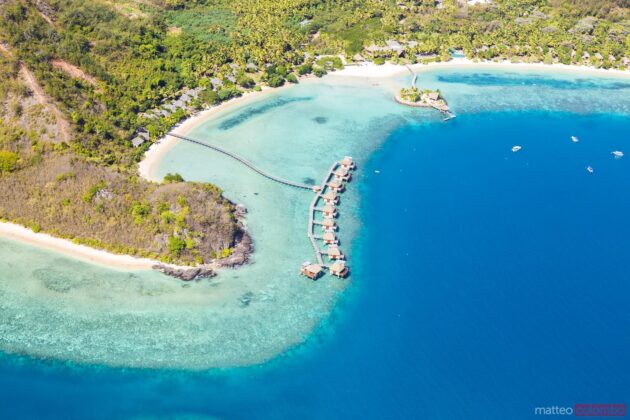
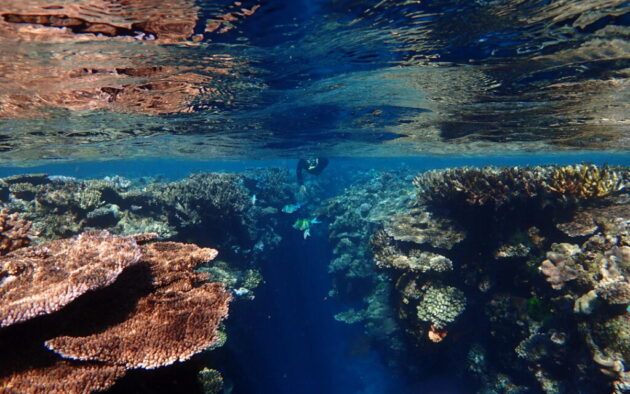
Fiji, an archipelago of over 330 islands in the South Pacific, is a tropical paradise where turquoise lagoons, white-sand beaches, and vibrant coral reefs meet warm Fijian hospitality. Known as the “Soft Coral Capital of the World,” Fiji offers a perfect blend of relaxation, adventure, and cultural immersion. Whether you’re diving with sharks, hiking through lush rainforests, or simply unwinding in a beachfront bure (traditional thatched hut), this guide will help you plan an unforgettable trip. With tourism contributing around 40% to Fiji’s GDP and over 930,000 visitors in 2023, the islands continue to welcome travelers with the iconic greeting “Bula!” (hello).
Why Visit Fiji?
Fiji’s allure lies in its unspoiled natural beauty and genuine warmth. Expect crystal-clear waters teeming with marine life, dramatic volcanic landscapes, and a rich blend of indigenous Fijian, Indian, and European influences. It’s ideal for families, couples, and solo adventurers alike—think family-friendly resorts on the Coral Coast or backpacker havens in the Yasawas. With post-pandemic recovery in full swing, Fiji remains a safe, visa-friendly destination emphasizing sustainable tourism and eco-adventures.
Visa and Entry Requirements
Most tourists, including those from the US, EU, Australia, and New Zealand, can enter Fiji visa-free for stays up to four months. A valid passport (with at least six months’ validity) and proof of onward travel are required. No COVID-19 vaccination proof or testing is needed, though travel insurance is highly recommended to cover health emergencies or trip disruptions. Check your home country’s re-entry rules, and monitor updates via the Fiji Ministry of Immigration website.
How to Get There
Most international flights land at Nadi International Airport (NAN) on Viti Levu, Fiji’s main island.
From the US: Fiji Airways offers nonstop flights from Los Angeles (LAX) or San Francisco (SFO) to Nadi (about 11 hours). Flights from Honolulu (HNL) are shorter (5.5 hours). Expect round-trip fares from $800–$1,500 in economy.
From Australia/New Zealand: Direct flights from Sydney (SYD), Melbourne (MEL), or Auckland (AKL) take 3–4 hours, with fares starting at $300–$600.
From Europe/Asia: Connect via Sydney or Nadi for longer journeys.
Once in Nadi, taxis to Denarau Island (a resort hub) cost FJD 20–30 (about USD 9–14). For inter-island travel, domestic flights with Fiji Link or ferries like the Yasawa Flyer are efficient. The Bula Pass hop-on-hop-off boat pass (5–13 days) is great for exploring the Mamanucas and Yasawas, starting at FJD 300.
Best Time to Visit
Fiji’s tropical climate means year-round warmth (22–31°C/72–88°F), but timing depends on your preferences:
Dry Season (May–October): Peak time with sunny skies, low humidity, and minimal rain—perfect for beach days, diving, and hiking. Water temps are 24–28°C. Expect crowds and higher prices; July–September is busiest for families.
Wet Season (November–April): Lush greenery, fewer tourists, and lower rates (up to 30% off accommodations), but watch for afternoon showers and cyclones (rare but possible). Great for waterfall hikes and budget travelers.
Aim for May–June or September–October to balance weather and crowds. Events like the Fiji Regatta (May) add sailing excitement.
Top Cities
Nadi
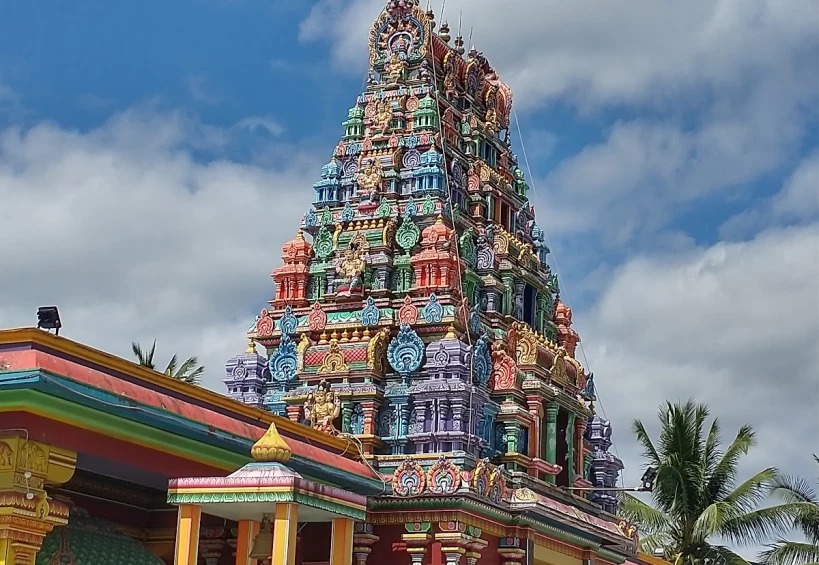
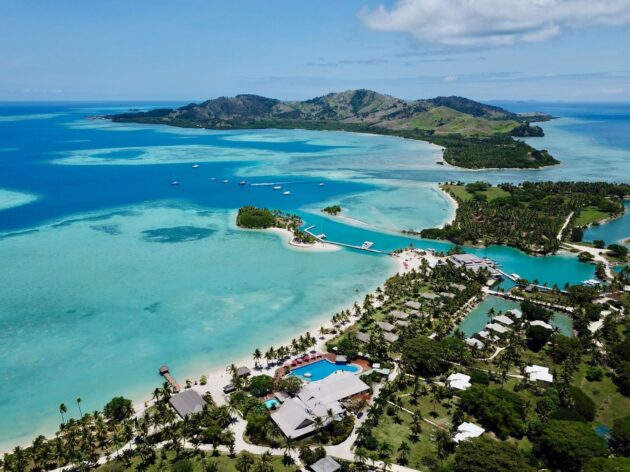
Nadi, the vibrant gateway to Fiji on the western coast of Viti Levu, is more than just an arrival point—it’s a bustling hub blending Fijian, Indian, and multicultural influences with stunning natural beauty. Home to Fiji’s main international airport, Nadi welcomes over a million visitors annually, offering easy access to pristine beaches, cultural landmarks, and adventure hotspots like the Mamanuca Islands.
Suva
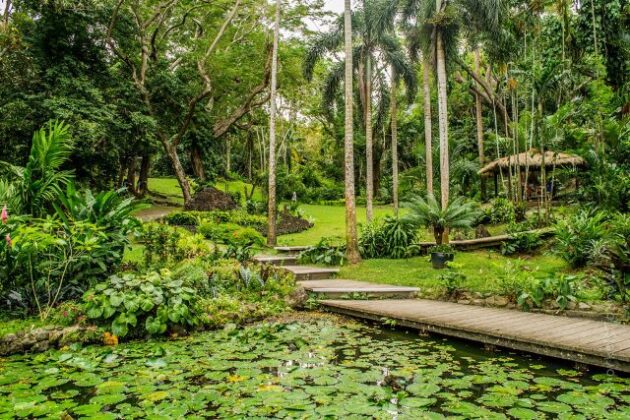
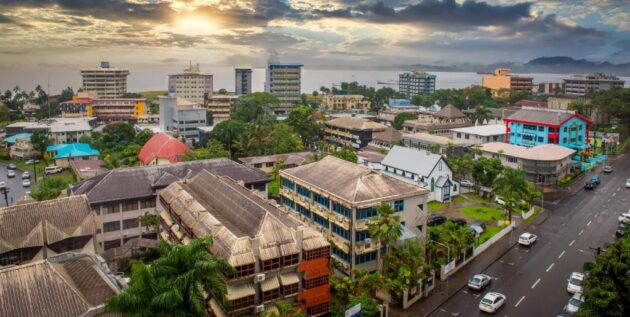
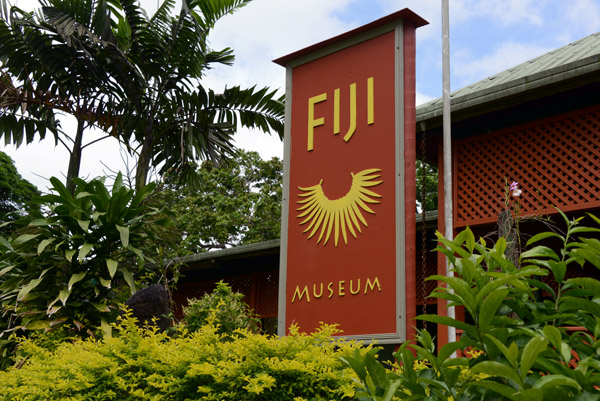
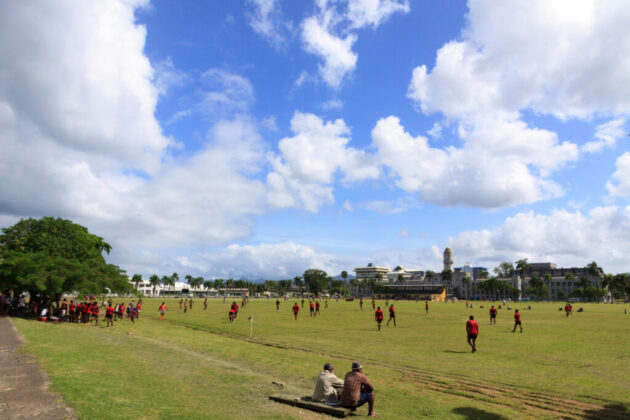
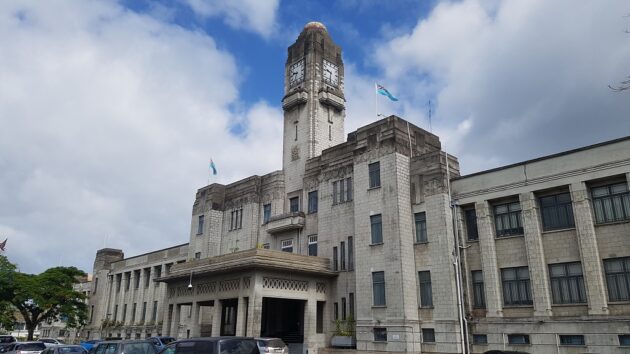
Suva, the vibrant capital of Fiji, sprawls across a picturesque peninsula on the southeastern coast of Viti Levu, the country’s largest island. As the political, cultural, and economic hub of the South Pacific’s most populous nation, Suva blends colonial-era architecture, multicultural influences from Indian, Chinese, European, and indigenous Fijian communities, and a lively urban energy.
Savusavu
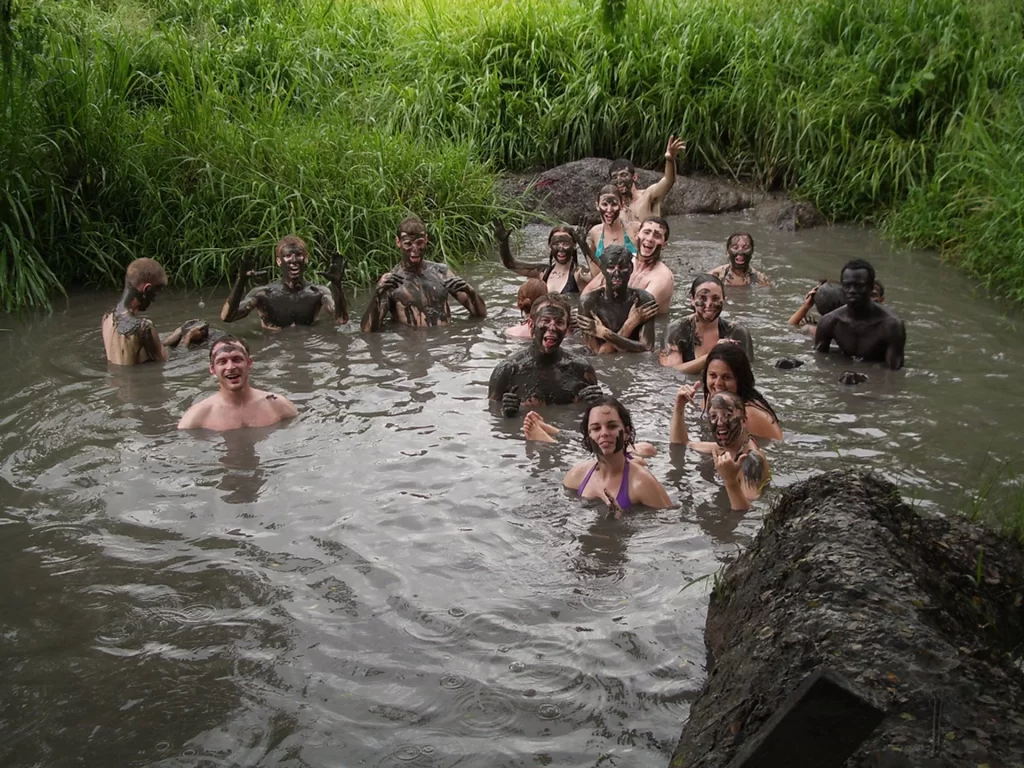
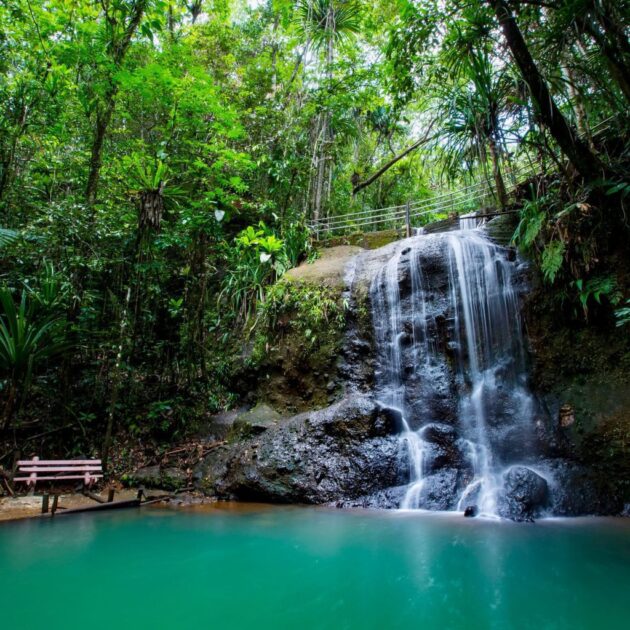
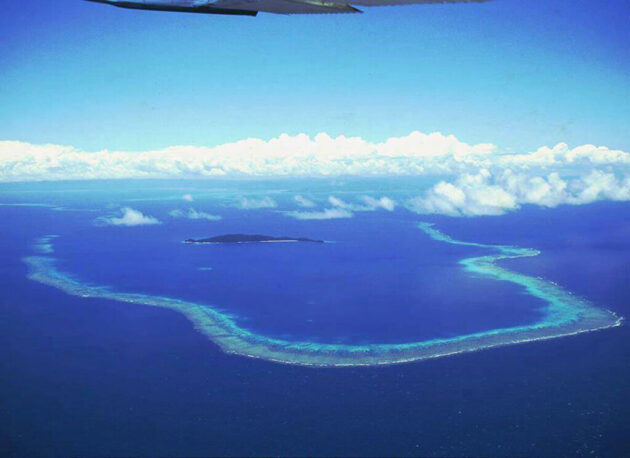
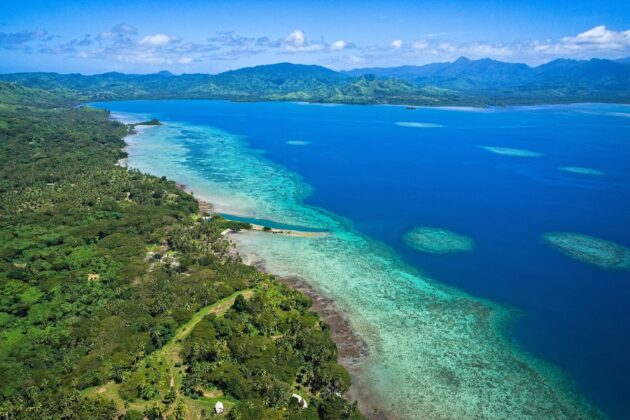
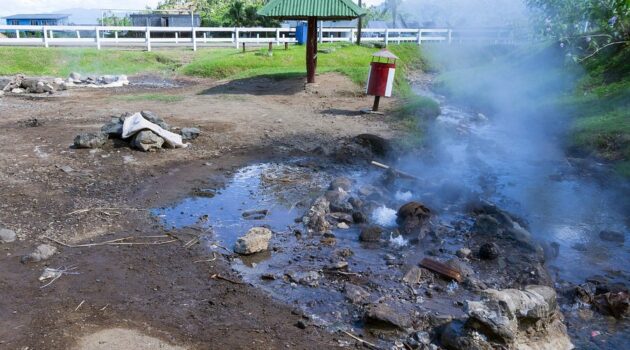
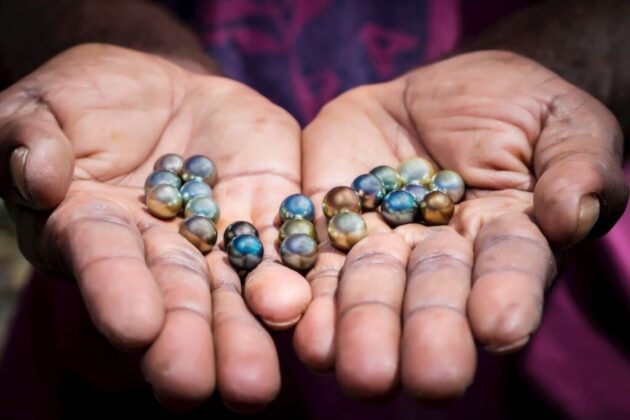
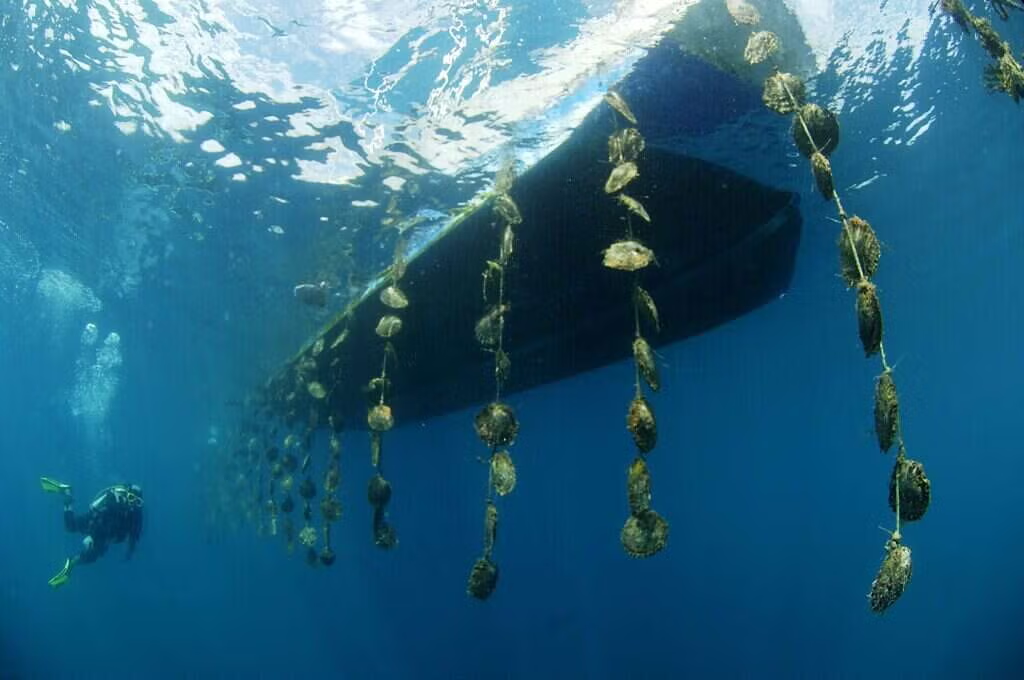
Nestled on the southern coast of Vanua Levu, Fiji’s second-largest island, Savusavu—often called the “Hidden Paradise”—is a serene coastal town that embodies authentic Fijian charm. With its horseshoe-shaped bay, bubbling hot springs, lush rainforests, and world-class coral reefs, Savusavu offers a laid-back alternative to Fiji’s busier tourist hubs. Backed by volcanic hills and fringed by mangroves, it’s a haven for divers, nature lovers, and those seeking cultural immersion without the crowds.
Pacific Harbour
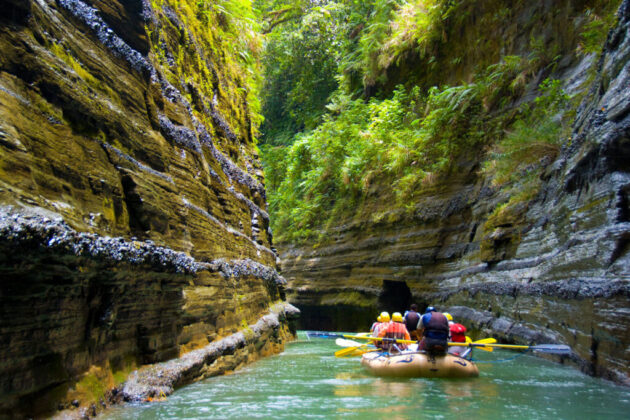
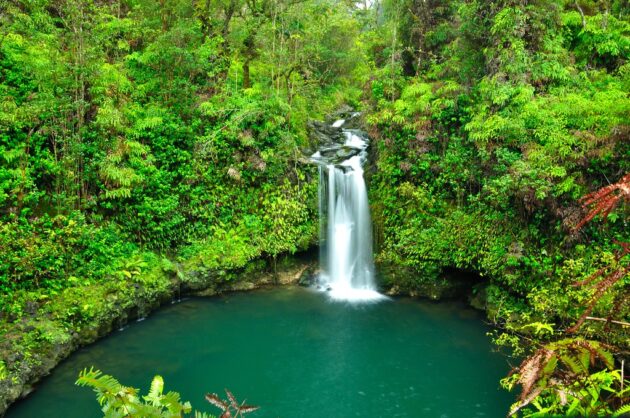
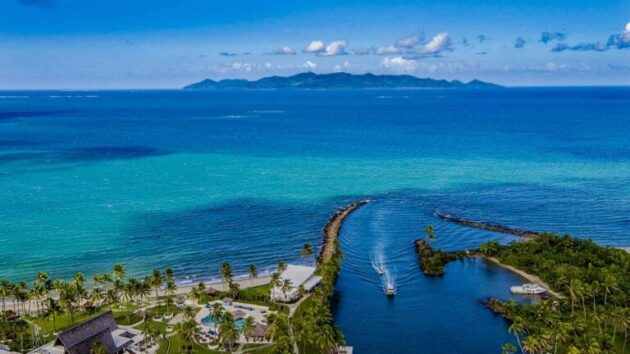
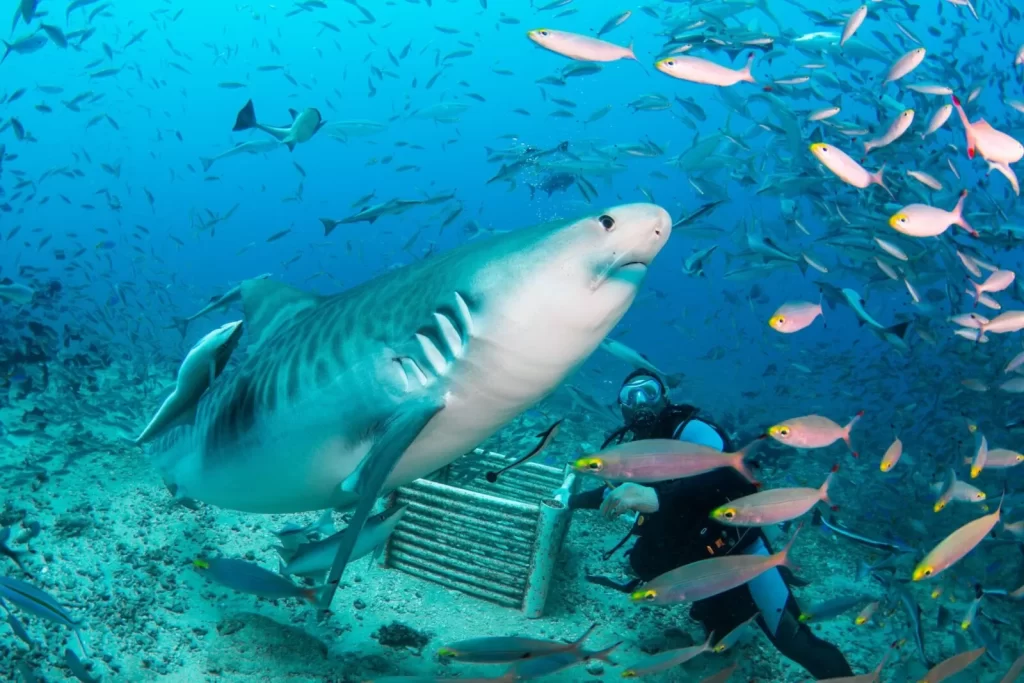
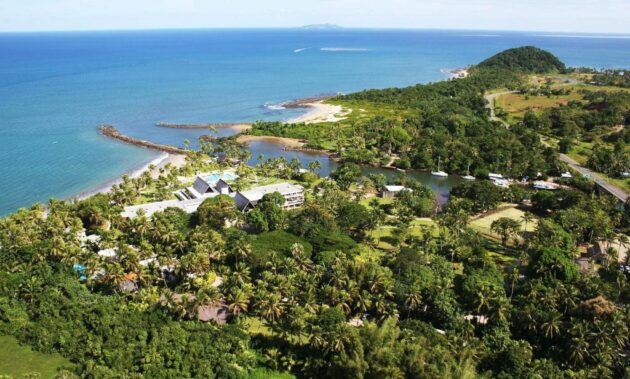
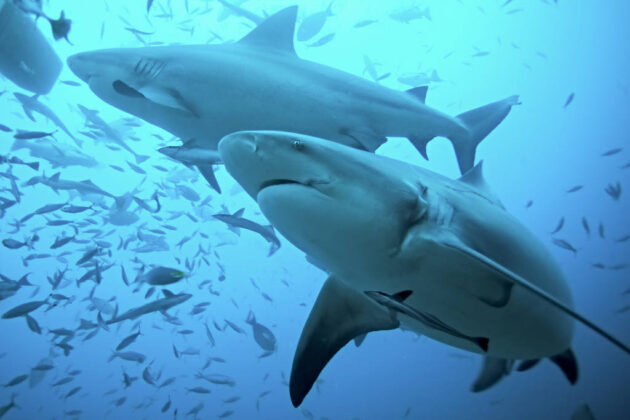
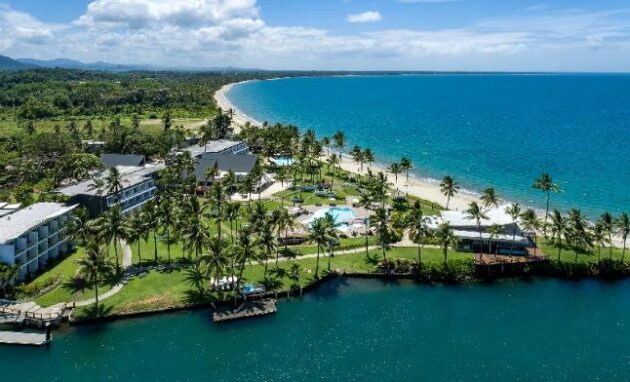
Nestled on the southern coast of Viti Levu, Fiji’s main island, Pacific Harbour is a sun-drenched haven often dubbed the “Adventure Capital of Fiji.” Just an hour’s drive from the capital Suva, this 50-kilometer stretch of uninterrupted coastline blends pristine beaches, lush rainforests, and crystal-clear lagoons with heart-pounding activities.

Where to Stay
Fiji spans budgets—from backpacker dorms to luxe resorts:
Budget (FJD 50–150/night): Yasawa Islands hostels like those on Turtle Island; Coral Coast guesthouses.
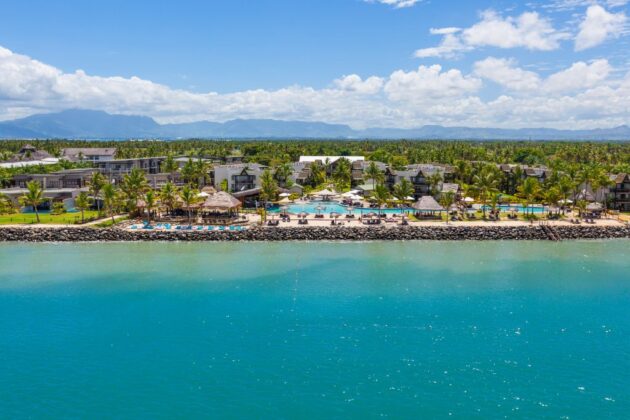
Mid-Range (FJD 200–500): Beachfront bures at Outrigger Fiji in Coral Coast or Jean-Michel Cousteau Resort in Savusavu (eco-focused).
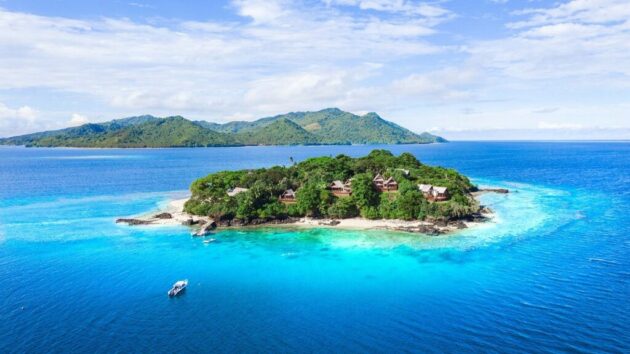
Luxury (FJD 1,000+): Likuliku Lagoon Resort (overwater bungalows) or Vomo Island for private island vibes.
Book via Booking.com or directly for deals; all-inclusive options save on meals.
Where to Eat
Fijian cuisine fuses fresh seafood, Indian spices, and tropical fruits. No tipping culture—service is included.
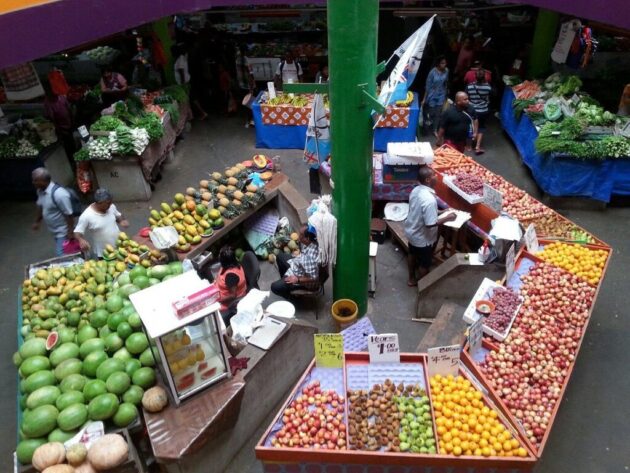
Local Eats: Try kokoda (raw fish in coconut) or palusami (taro leaves in coconut milk) at markets like Suva Municipal (FJD 10–20/meal).
Resort Dining: Fresh poke bowls or curries at places like Denarau’s waterfront restaurants.
Street Food: Roti and fresh juices in Nadi (FJD 5–10).
Vegetarian options abound due to Indian influences; pair with kava for a traditional buzz.
Practical Tips
Currency: Fijian Dollar (FJD; 1 USD ≈ 2.2 FJD). ATMs are widespread; cards accepted at resorts.
Health: Vaccinations for hepatitis A/B, typhoid recommended; dengue/Zika risks—use repellent. Drink bottled water.
Safety: Exercise normal precautions; petty theft in Nadi—use hotel safes. Drive on the left; avoid night drives.
Sustainability: Choose eco-certified operators; avoid touching corals.
Connectivity: Wi-Fi at resorts; get a Digicel SIM (FJD 20) for data.
Budget Breakdown (per day): FJD 200–300 (budget), 400–600 (mid-range), 800+ (luxury). Flights/accommodations extra.
Final Thoughts
Fiji is more accessible than ever, with its resilient spirit shining through stunning sunsets and welcoming smiles. Whether chasing waves or village vibes, this archipelago delivers pure happiness. Pack reef-safe sunscreen, an adventurous heart, and prepare for “Bula!” moments that linger long after departure.
Happy travels!