
Kazakhstan Travel Guide (2026)
Kazakhstan, the world’s largest landlocked country, offers a captivating blend of stunning natural landscapes, futuristic cities, rich nomadic heritage, and Silk Road history. Spanning vast steppes, towering mountains, deep canyons, and crystal-clear lakes, it provides an unforgettable adventure for nature lovers, culture enthusiasts, and off-the-beaten-path travelers. From the modern capital of Astana to the vibrant streets of Almaty and the dramatic Charyn Canyon, Kazakhstan is emerging as one of Central Asia’s most accessible and rewarding destinations.
Why Visit Kazakhstan?
Kazakhstan stands out for its dramatic contrasts: futuristic architecture in Astana (Nur-Sultan), alpine scenery near Almaty, ancient petroglyphs, and endless steppes that evoke the spirit of nomadic warriors like Genghis Khan. It’s a country where you can ski in the morning and explore a canyon in the afternoon. With improving infrastructure, friendly locals, and relatively low costs, it’s ideal for first-time Central Asia visitors. Highlights include UNESCO sites, incredible biodiversity, and warm hospitality rooted in Kazakh traditions.
Visa and Entry Requirements
Most travelers from the US, EU, UK, Canada, Australia, and many other countries enjoy visa-free entry for up to 30 days (with a maximum of 90 days in any 180-day period). Always check the latest rules for your nationality, as some may need an e-visa.
Passport validity: Must be valid for at least 3 months beyond your planned departure (or 30 days for visa-free stays in some cases).
E-visa: Available for eligible nationalities via official portals; usually single-entry and processed quickly.
No mandatory vaccinations for most travelers, but check for yellow fever if coming from risk areas.
Registration: Not usually required for short stays, but confirm upon arrival.
Entry is straightforward at major airports like Almaty (ALA) and Astana (NQZ).
Best Time to Visit
Kazakhstan has a continental climate with extreme seasons:
Spring (April–June): Mild weather, blooming landscapes, and fewer crowds — ideal for sightseeing and hiking.
Summer (July–August): Warm to hot in the south; perfect for mountain activities, lakes, and festivals, though it can be crowded in popular spots.
Autumn (September–October): Pleasant temperatures and golden foliage, great for outdoor exploration.
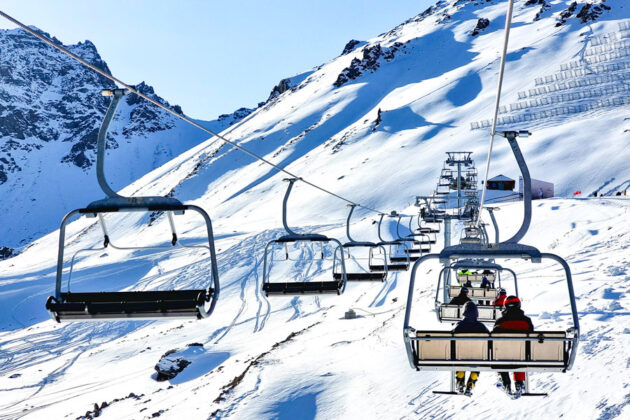
Winter (November–March): Very cold with snow; excellent for skiing at Shymbulak near Almaty, but rural roads may be challenging.
The shoulder seasons (May and September) often provide the best balance of weather and accessibility.
Major Cities
Almaty
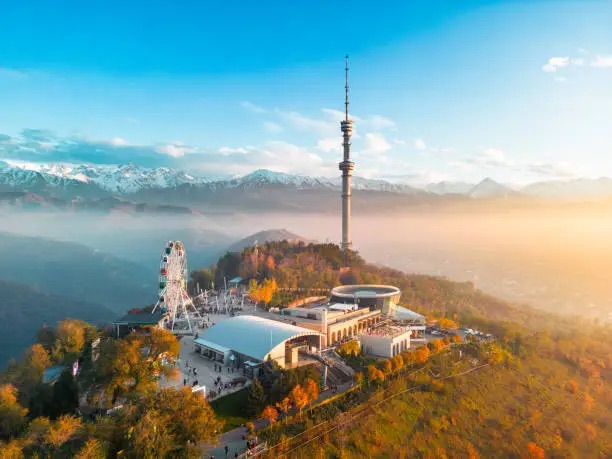
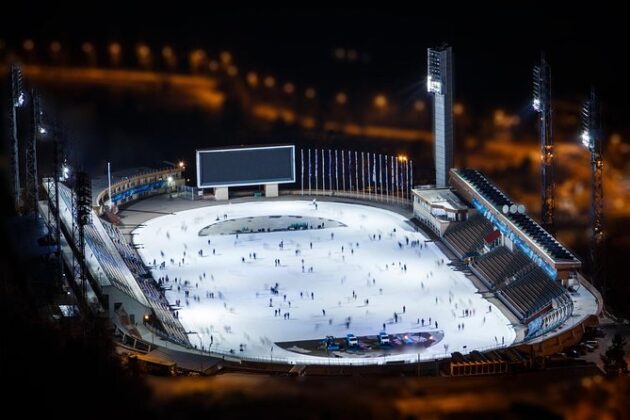
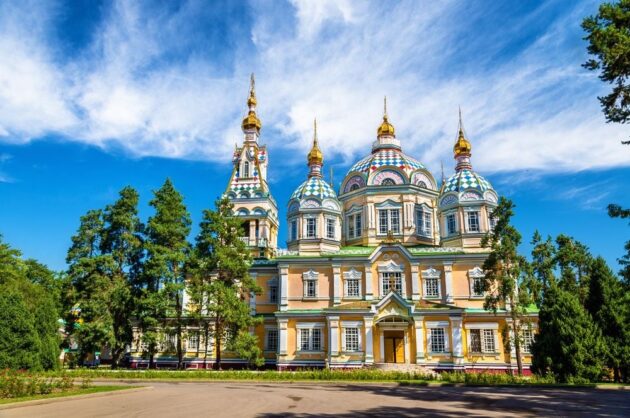
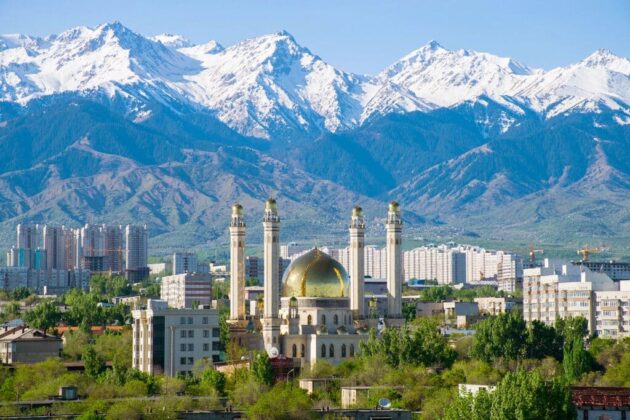
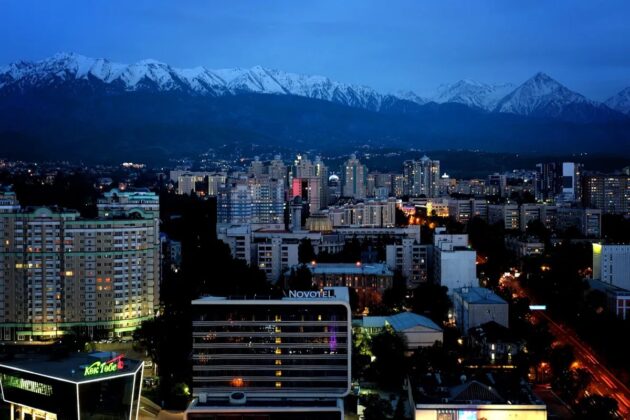
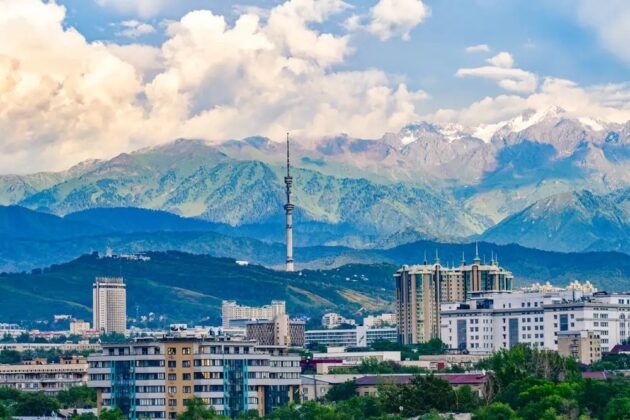
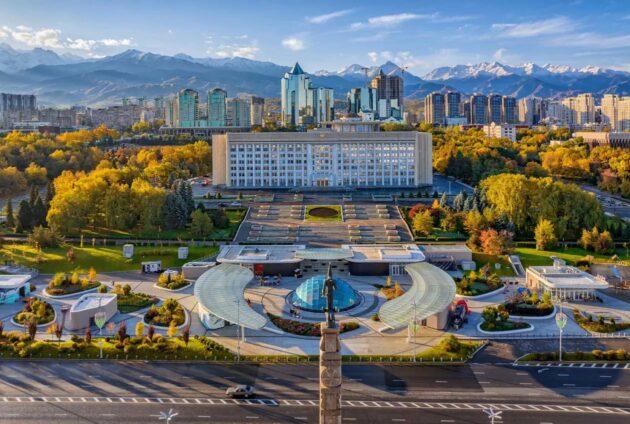
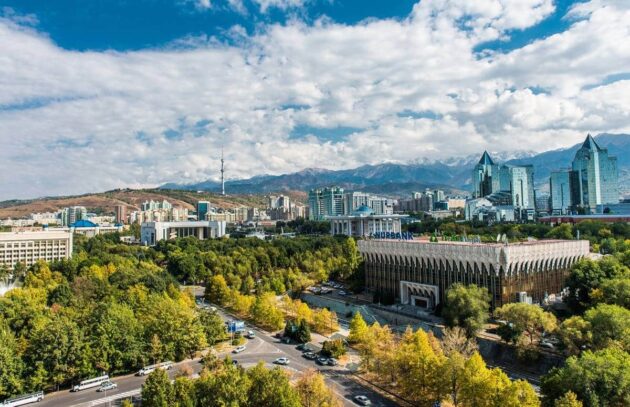
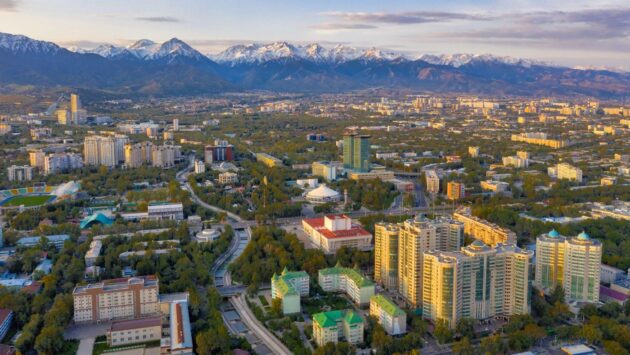
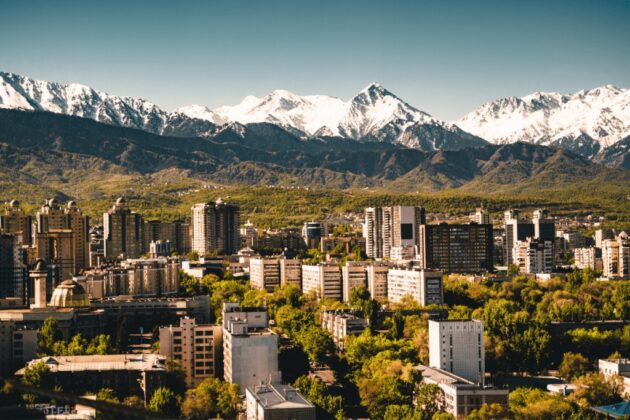
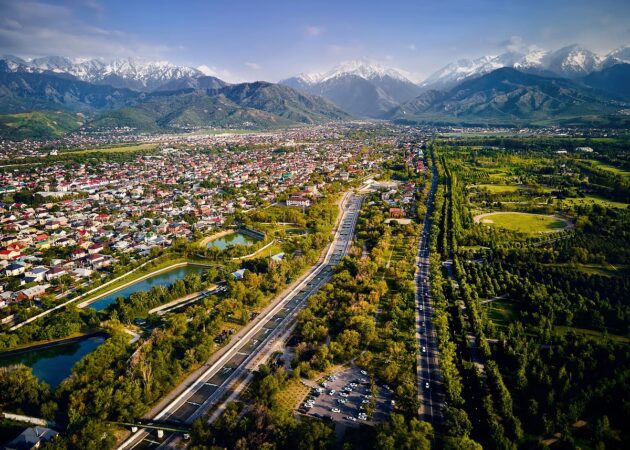
Almaty, the largest city and cultural capital of Kazakhstan, sits at the foothills of the majestic Tian Shan Mountains. Once the country’s capital, it blends Soviet-era architecture, vibrant markets, lush parks, and easy access to stunning alpine landscapes. Known as the “City of Apples,” Almaty offers a mix of urban energy, rich Central Asian culture, and outdoor adventures—making it an ideal gateway to Kazakhstan and Central Asia.
Astana (Capital City)
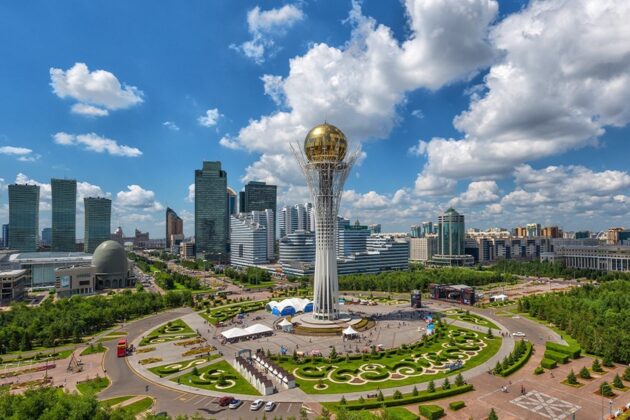
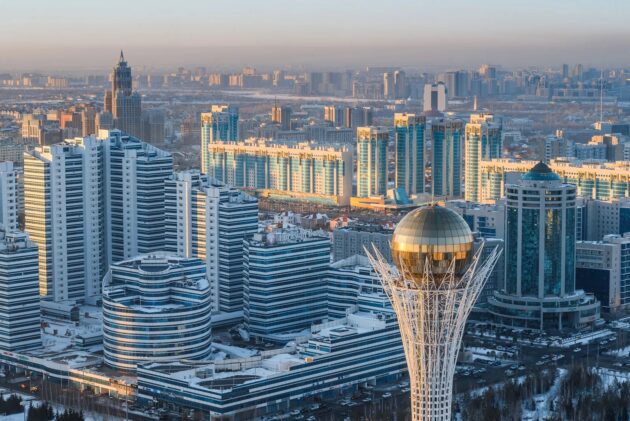
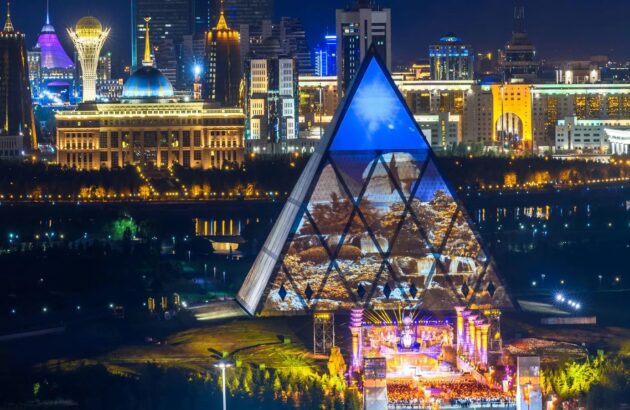
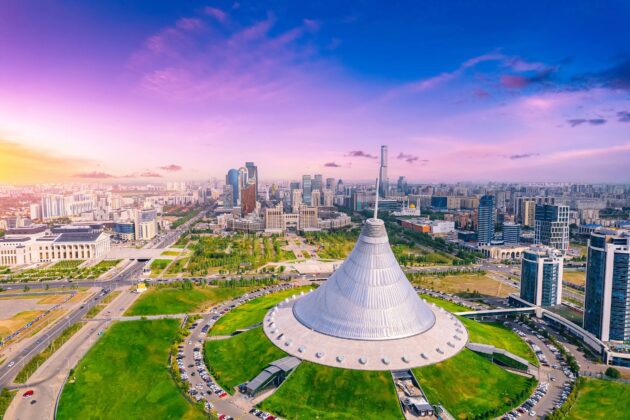
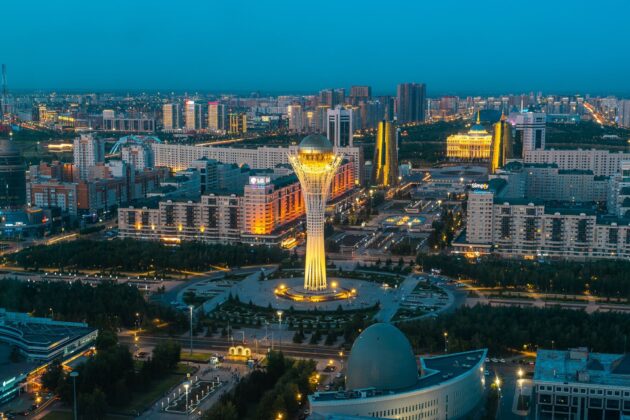
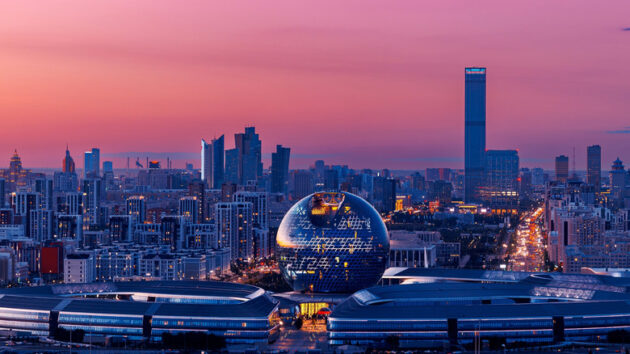
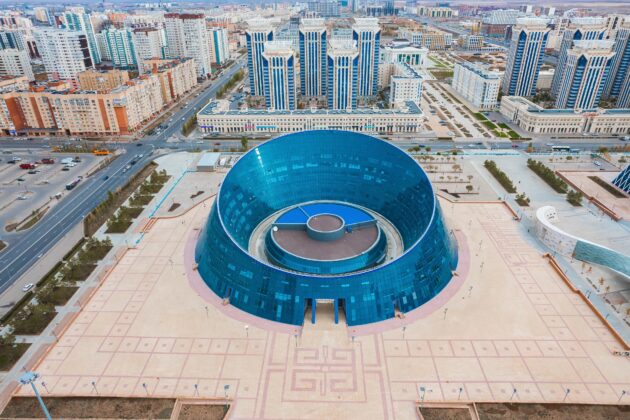
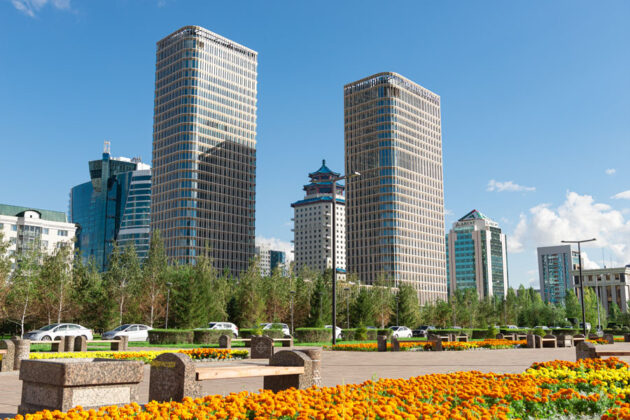
Astana (formerly known as Nur-Sultan and before that Astana again) is Kazakhstan’s futuristic capital, a striking city rising from the vast Central Asian steppe. Designed with grand ambitions in the 1990s and 2000s under former President Nursultan Nazarbayev, it features bold modern architecture, wide boulevards, and iconic landmarks that blend ambition, symbolism, and innovation.
Charyn Canyon
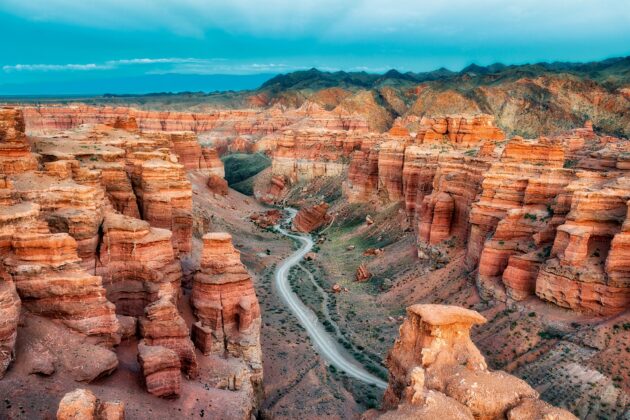
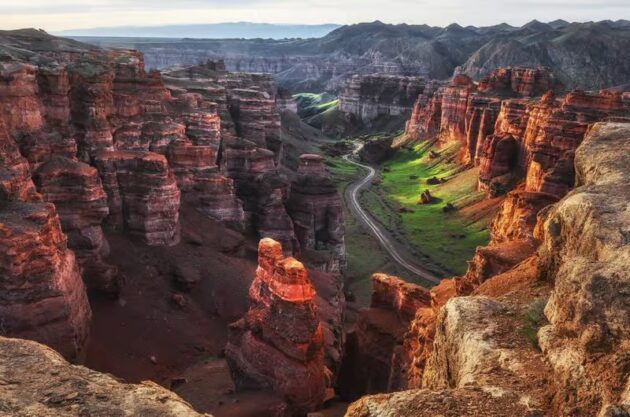
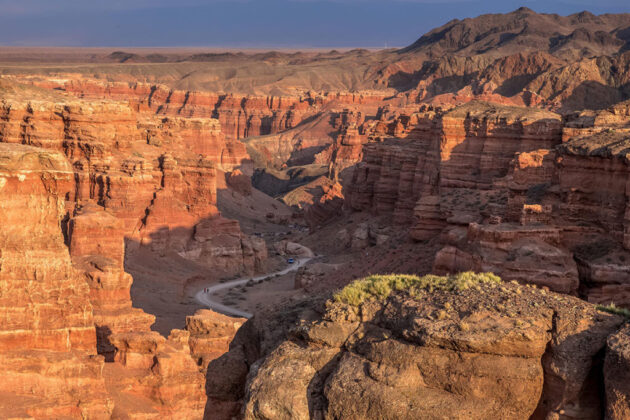
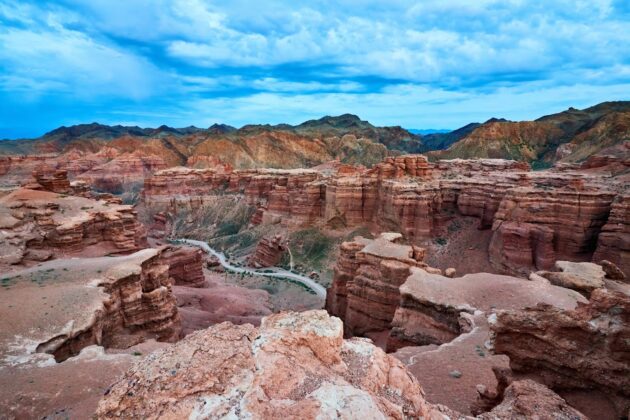
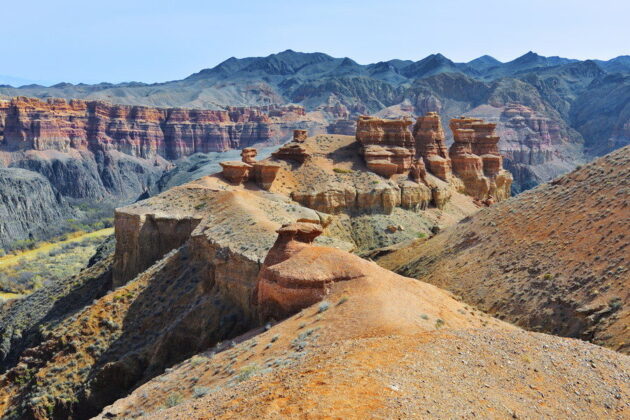
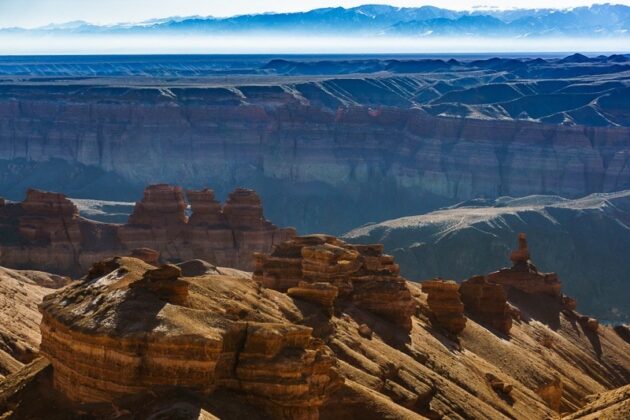
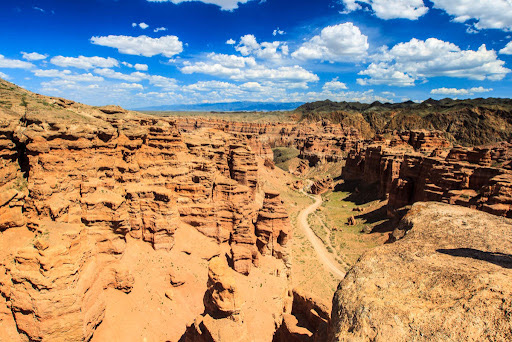
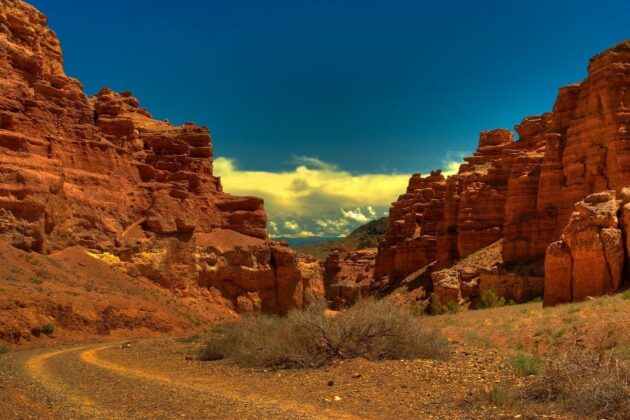
Charyn Canyon National Park, often called Kazakhstan’s “Grand Canyon,” is one of Central Asia’s most spectacular natural wonders. Located about 200 km east of Almaty in the Almaty Region, the canyon stretches approximately 154 km along the Charyn River, with dramatic red sandstone cliffs rising up to 300 meters in places.
Mausoleum of Khoja Ahmed Yasawi
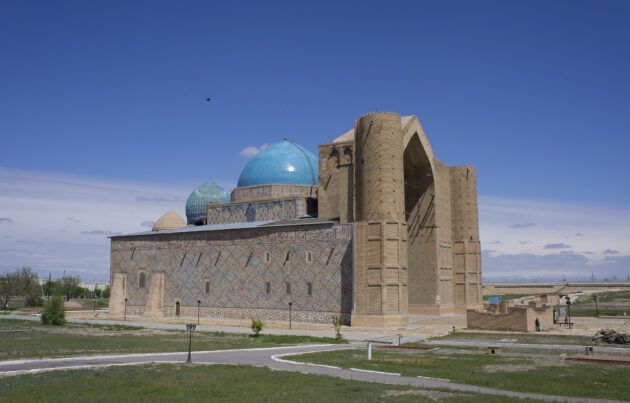
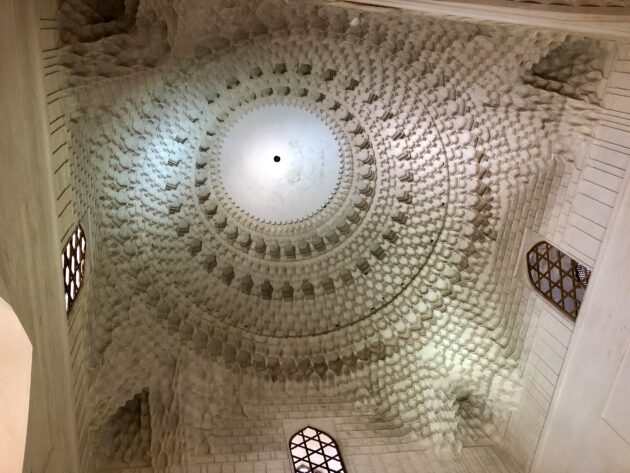
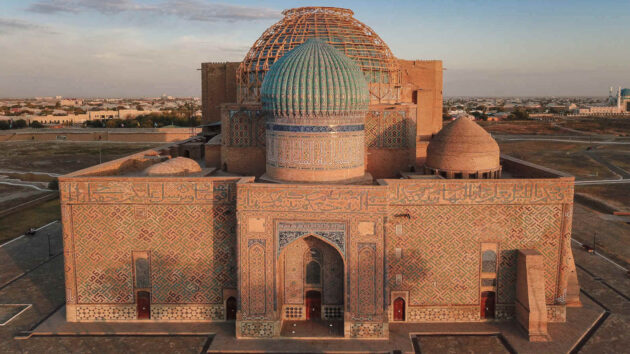
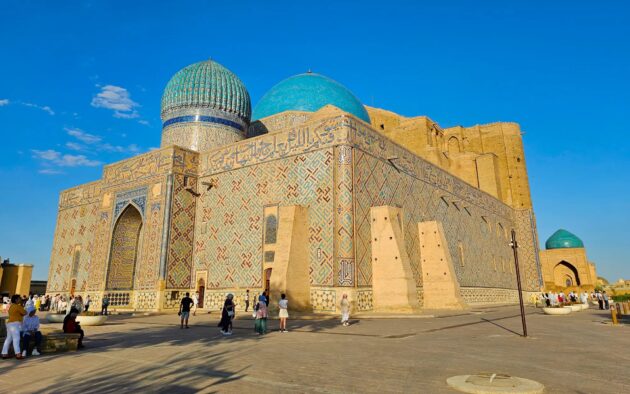
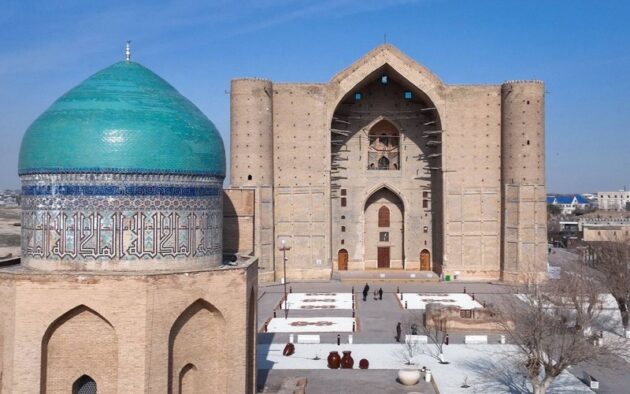
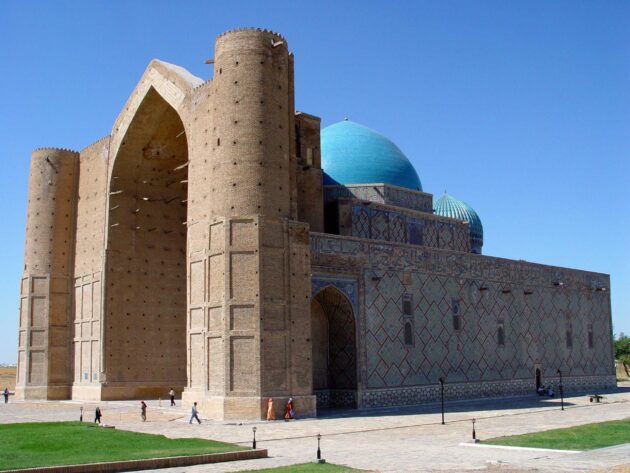
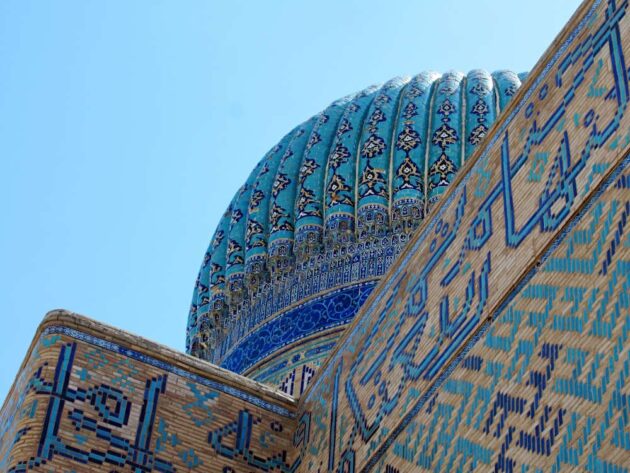
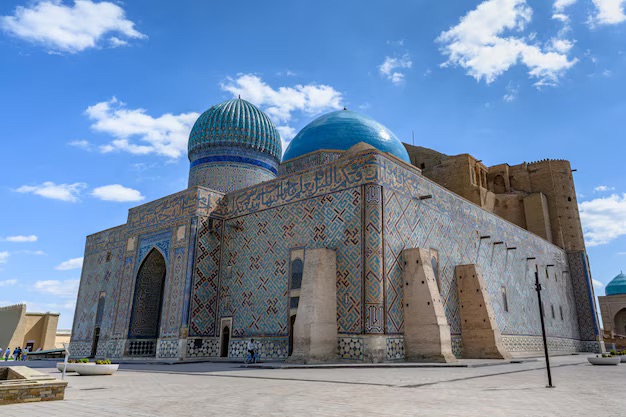
The Mausoleum of Khoja Ahmed Yasawi is one of Central Asia’s most magnificent architectural treasures and a profound spiritual site. Located in the city of Turkistan in southern Kazakhstan, this 14th-century UNESCO World Heritage Site was commissioned by Timur (Tamerlane) between 1389 and 1405 as a mausoleum for the revered 12th-century Sufi poet, mystic, and Islamic scholar Khoja Ahmed Yasawi.
Bozzhira
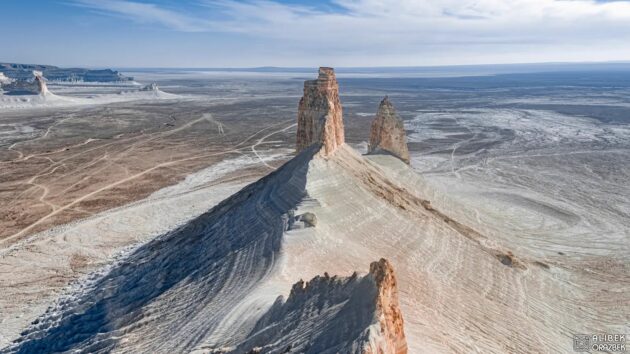
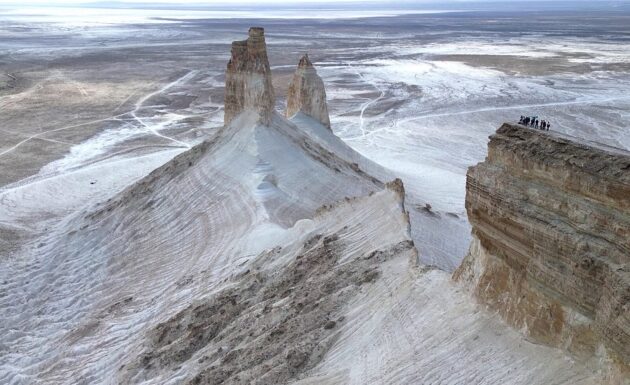
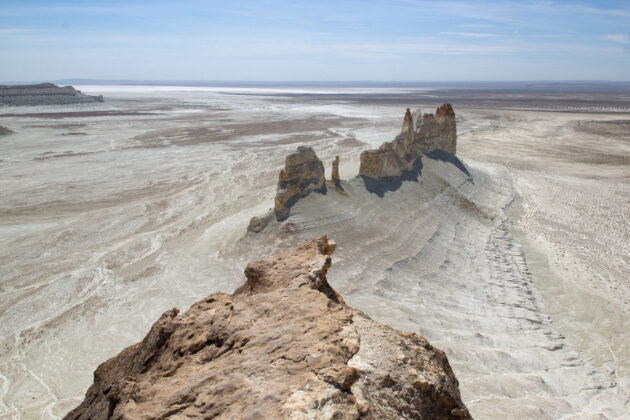
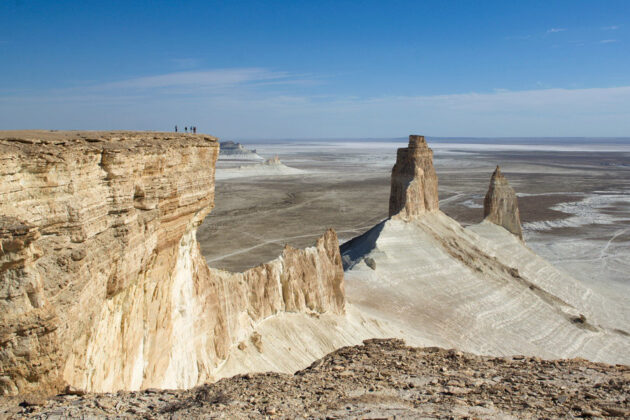
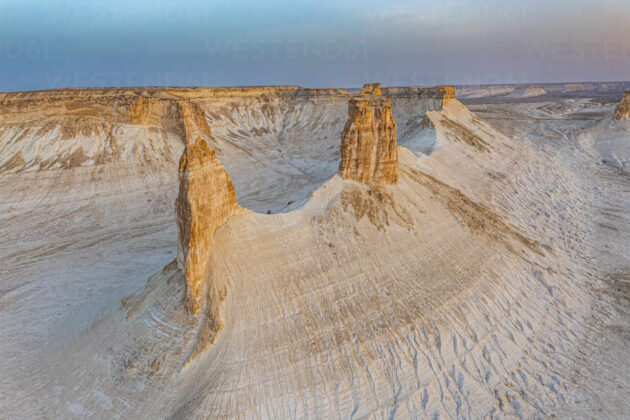
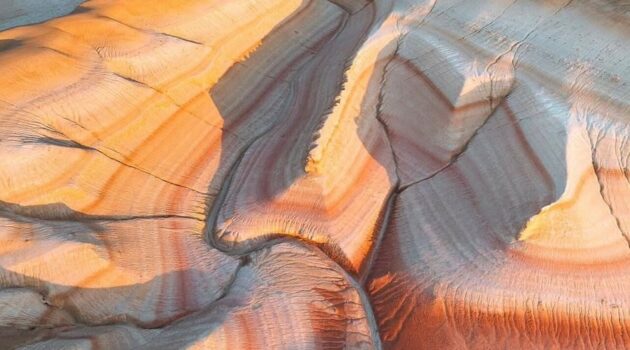
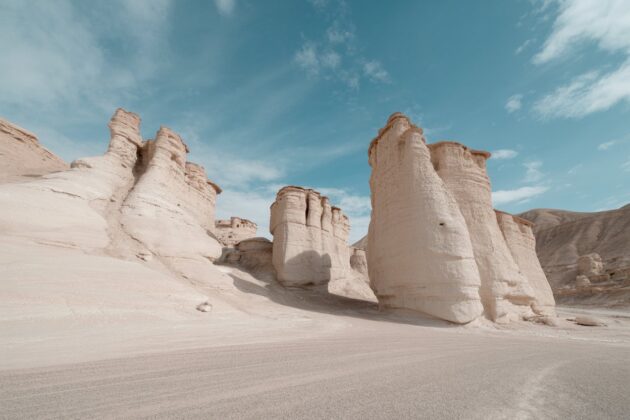
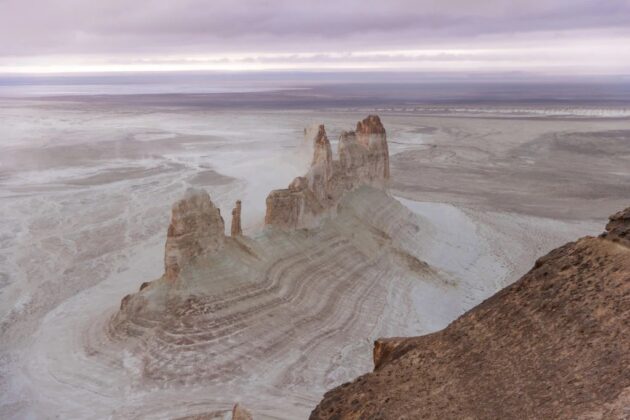
Bozzhira, also spelled Bozzhyra or Boszhira, is one of Kazakhstan’s most spectacular natural wonders. Located in the remote Mangystau Region on the Ustyurt Plateau, this dramatic valley features towering white chalk cliffs, bizarre rock formations, and otherworldly “Martian” landscapes. Once the floor of the ancient Tethys Ocean, erosion has carved sharp spires, canyons, and panoramic vistas that feel like stepping onto another planet.
How to Get Around
Domestic Flights: Air Astana and budget carriers connect major cities quickly and affordably (Almaty to Astana is about 1.5 hours).
Trains: Comfortable and scenic for longer distances (e.g., Almaty to Astana takes ~16 hours), with sleeper options.
Buses and Shared Taxis: Cheap for regional travel.
Within Cities: Ride-hailing apps like Yandex Go (similar to Uber) are reliable and inexpensive. Avoid unofficial taxis at night.
Car Rental: Recommended for exploring rural areas like Charyn Canyon, but be prepared for long distances and varying road conditions.
Where to Stay
Almaty: Modern hotels like The Ritz-Carlton or Rixos, or boutique guesthouses in the city center. Budget options include hostels near Green Market.
Astana: Luxury stays near the Esil River or business hotels in the new city center.
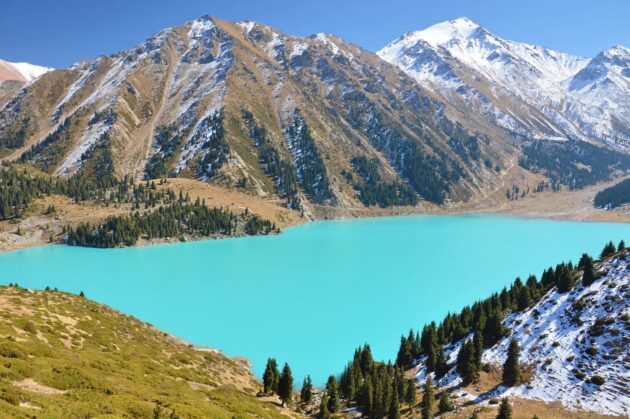
Nature Areas: Eco-lodges or guesthouses near Kolsai Lakes and Charyn Canyon offer authentic experiences.
Prices are generally reasonable compared to Europe or East Asia.
Food and Culture
Try beshbarmak (boiled meat with noodles), plov (rice pilaf), horse meat delicacies (if open to it), fresh naan, and fermented mare’s milk (kumys).
Almaty and Astana have excellent international dining scenes, including Central Asian, Russian, and fusion options.
Culture tips: Respect local customs — remove shoes in homes, accept tea offerings graciously, and learn basic Russian or Kazakh phrases (English is limited outside tourist areas). Hospitality is legendary; locals often go out of their way to help visitors.
Practical Tips
Safety: Kazakhstan is generally safe for tourists (“exercise normal precautions”). Petty crime like pickpocketing can occur in crowded markets and public transport. Avoid walking alone at night in unfamiliar urban areas and use licensed transport. Terrorism risk exists but is low.
What to Bring: Layers for variable weather, comfortable walking shoes, sunscreen, insect repellent (for summer), and a power bank. Download offline maps (e.g., Maps.me) as internet can be spotty in remote areas.
Money: Kazakhstani Tenge (KZT). ATMs are widespread; cards are accepted in cities, but carry cash for rural areas.
Language: Russian is widely spoken; English is increasing in tourist spots.
Health: Tap water is generally safe in cities but bottled is recommended. No special vaccines required for most.
Final Thoughts
Kazakhstan rewards curious travelers with epic landscapes, modern wonders, and genuine cultural encounters far from mass tourism. Whether you’re chasing mountain lakes, space history, or Silk Road echoes, this vast country offers incredible value and variety. Plan for long distances, embrace the hospitality, and prepare to be amazed by Central Asia’s hidden gem.
Safe travels — Kazakhstan awaits with open steppes and warm welcomes!