
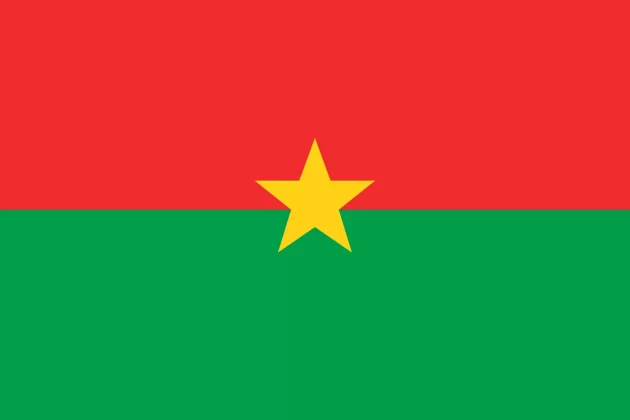
Burkina Faso Travel Guide (2026)
Burkina Faso (“Land of Honest People”) is a landlocked West African country known for its rich cultural heritage, vibrant arts scene, traditional architecture, and warm hospitality. It is home to over 60 ethnic groups, with the Mossi being the largest. The country has produced internationally acclaimed filmmakers, musicians, and artisans. However, ongoing security challenges have severely limited tourism in recent years.
Visa and Entry Requirements
Most visitors need a visa. You can apply in advance at a Burkinabe embassy/consulate or sometimes obtain one on arrival (check current rules).
Yellow fever vaccination is required and must be documented with an International Certificate of Vaccination.
Passport must be valid for at least 6 months.
Always check the latest entry rules, as they can change.
Best Time to Visit
The climate is tropical with a wet season (May–October) and dry season (November–April). The coolest and most pleasant period for travel is December to February, when temperatures are milder and rainfall is minimal. Harmattan winds (dusty) can occur in the dry season.
Top Attractions
Despite the challenges, these are some of the country’s highlights (many in the relatively more stable southwest, but always verify safety):
Ouagadougou
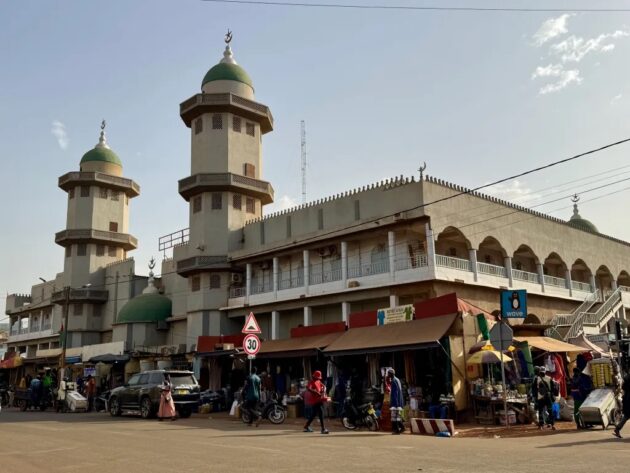
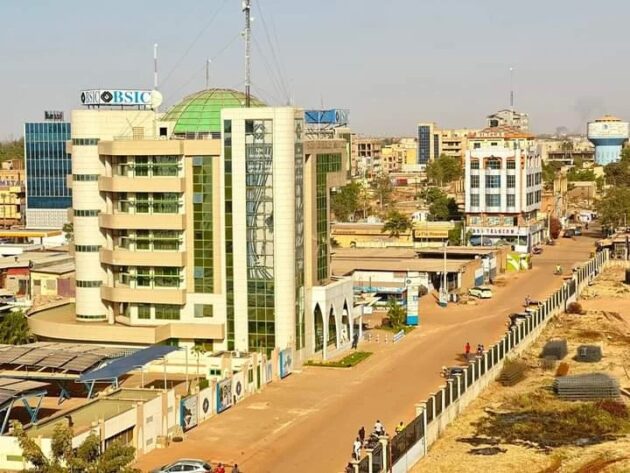
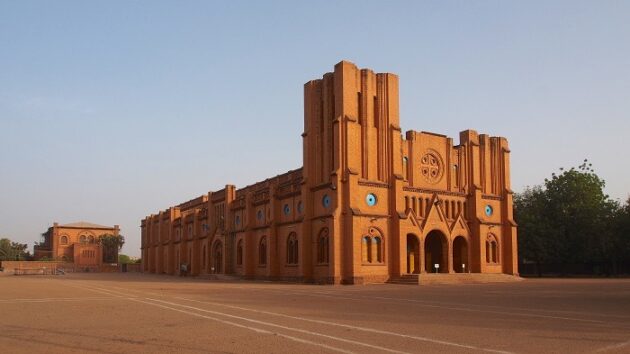
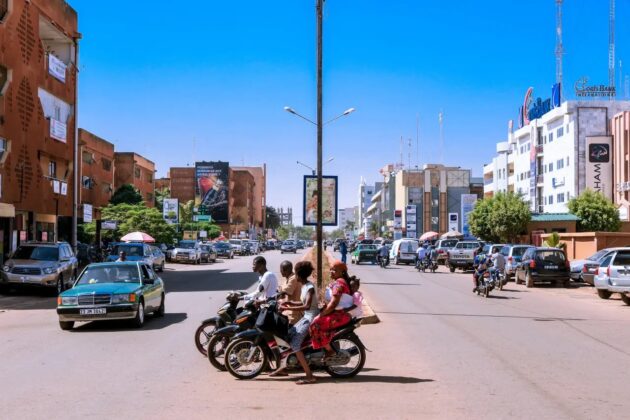
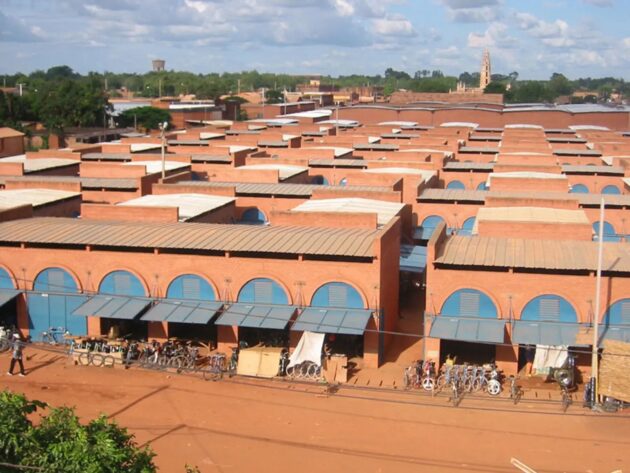
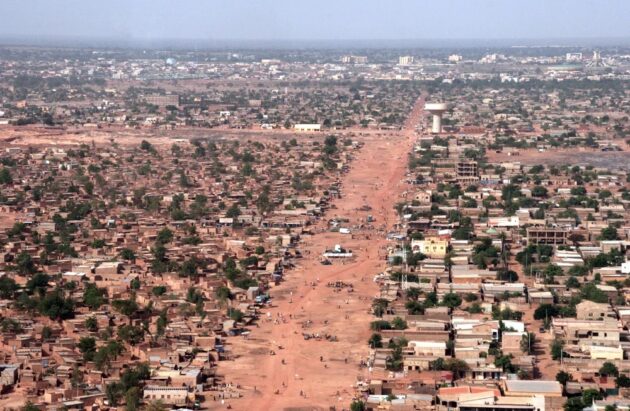
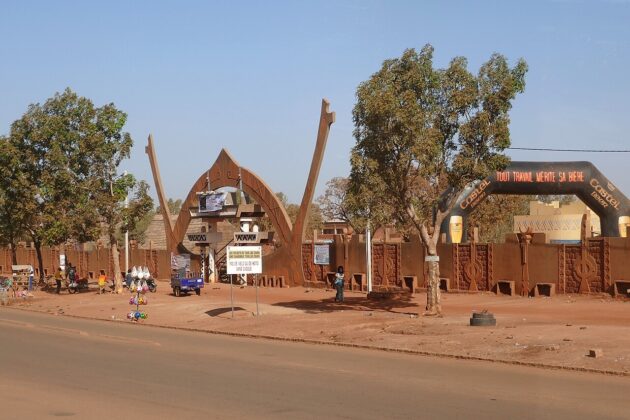
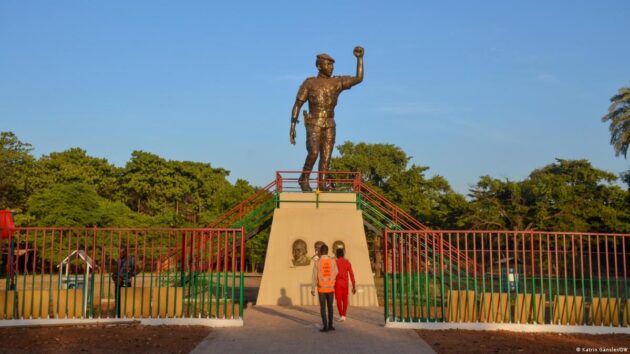
The bustling capital with markets, the National Museum, the Thomas Sankara Memorial, and a lively arts scene. Home to FESPACO, Africa’s premier film festival (held biennially).
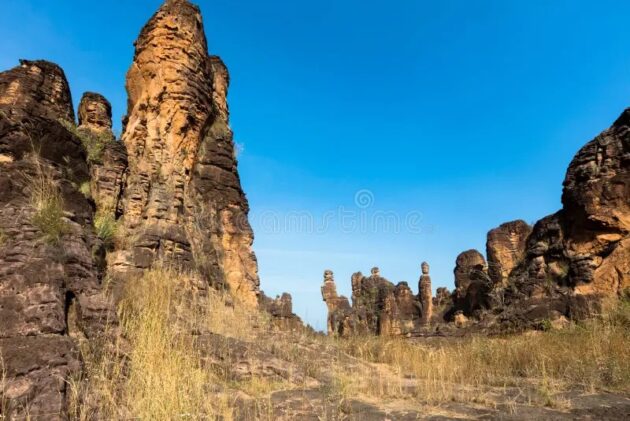
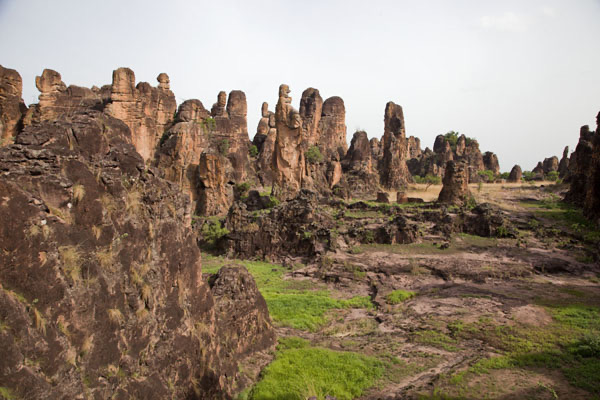
Pics de Sindou
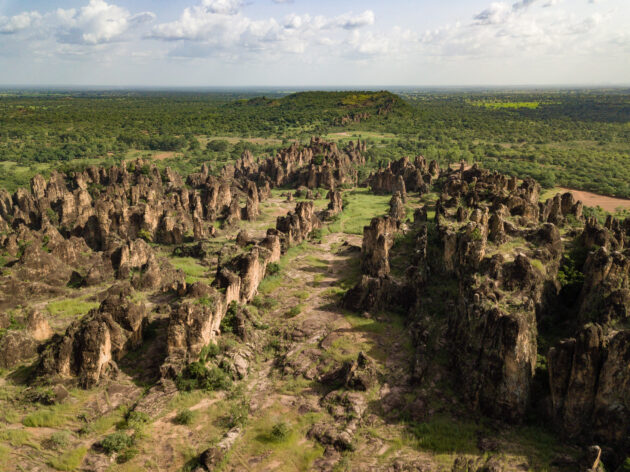
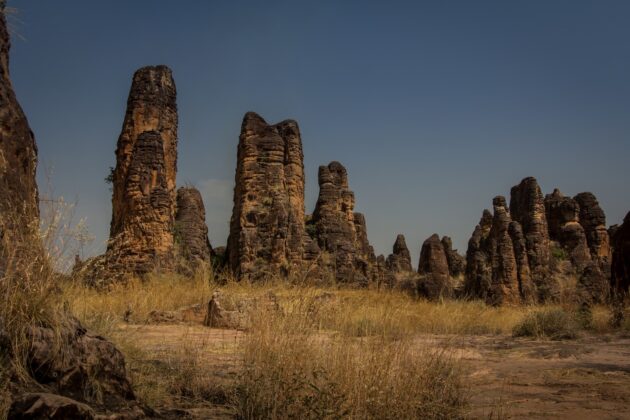
The Pics de Sindou in Burkina Faso are a striking geological formation of jagged, vertical rock pinnacles located in the southwestern part of the country, near the city of Sindou. Carved by millennia of wind and water erosion, these dramatic cliffs and stone needles rise abruptly from the surrounding savanna, creating a surreal, almost lunar landscape. Rich in cultural significance, the area is revered by the local populations and served as a natural fortress and a place of spiritual refuge in the past.
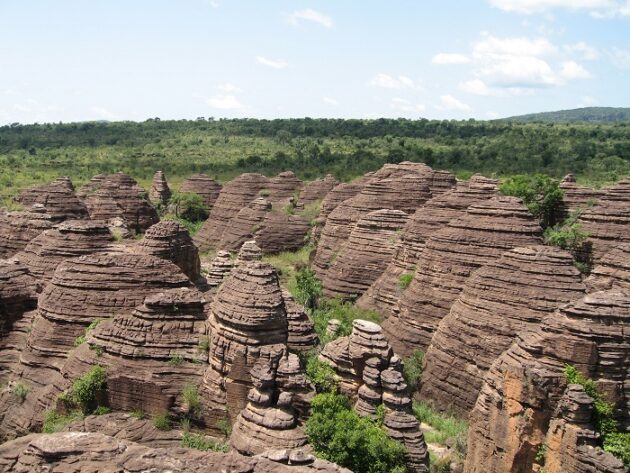
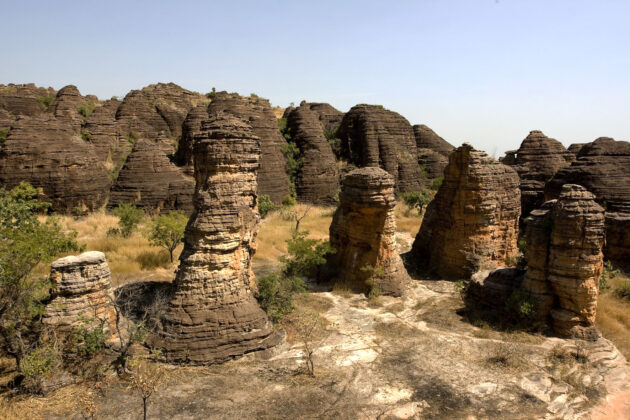
Domes de Fabedougou
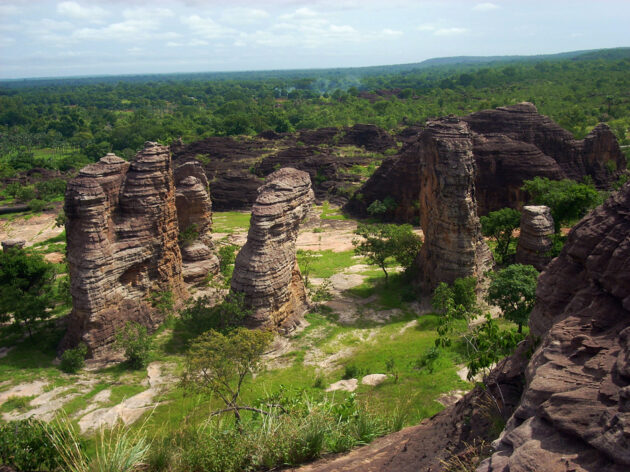
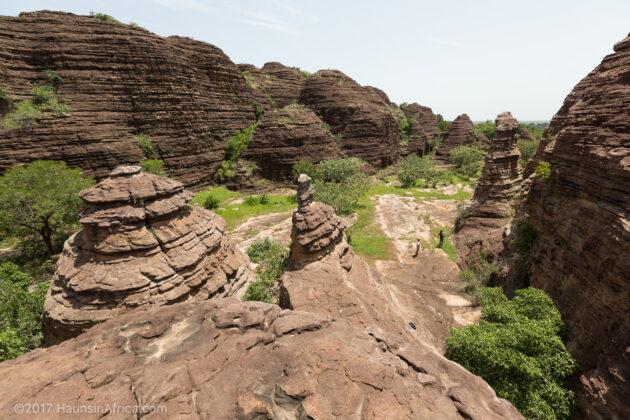
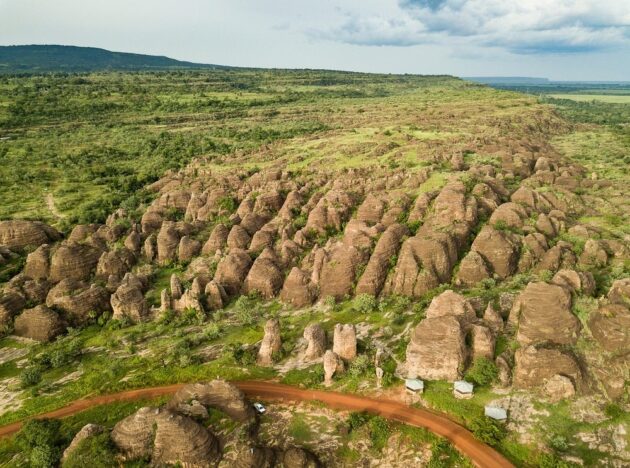
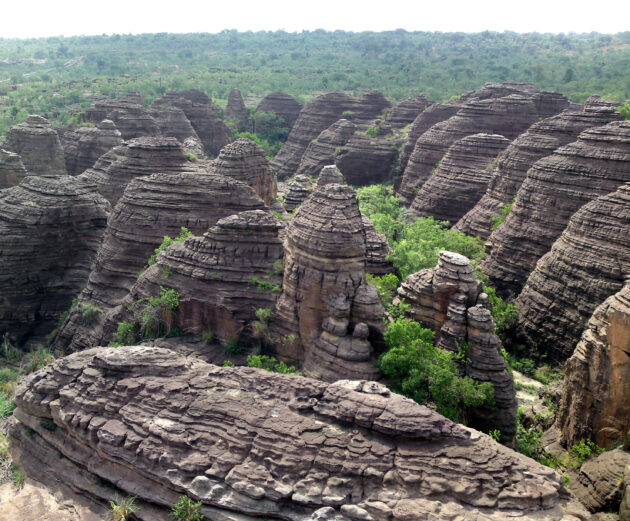
Domes de Fabedougou in Burkina Faso are a striking geological formation of ancient, dome-shaped sandstone rocks, sculpted by centuries of wind and water erosion. Located near the town of Banfora, these towering, rounded structures resemble natural cathedrals, with vertical grooves and fissures creating a labyrinthine landscape. The site holds cultural significance for local communities and offers visitors a unique blend of natural beauty, mild adventure, and a glimpse into the region’s prehistoric past, making it a hidden gem in West Africa.
Tiébélé
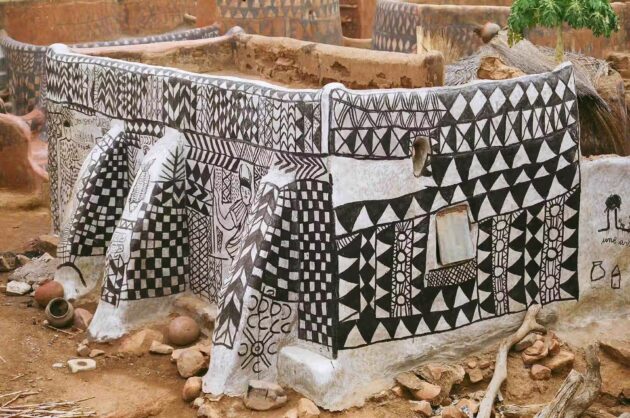
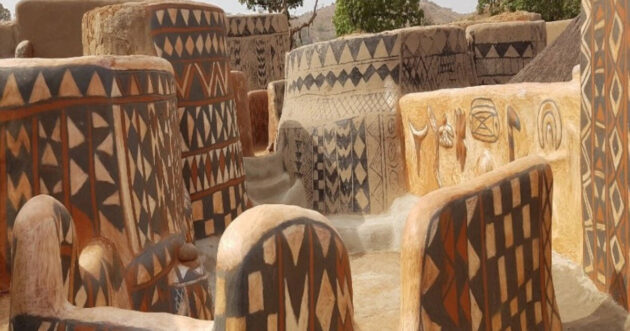
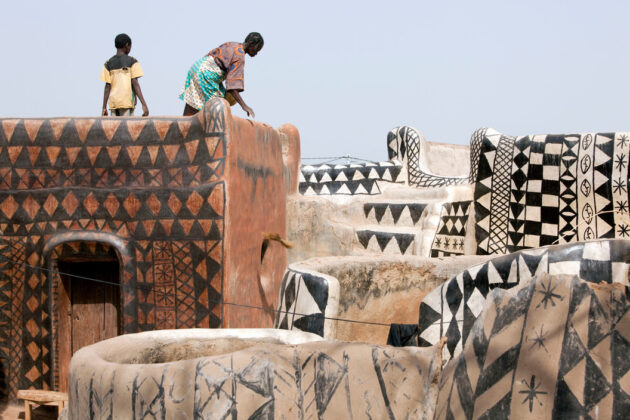
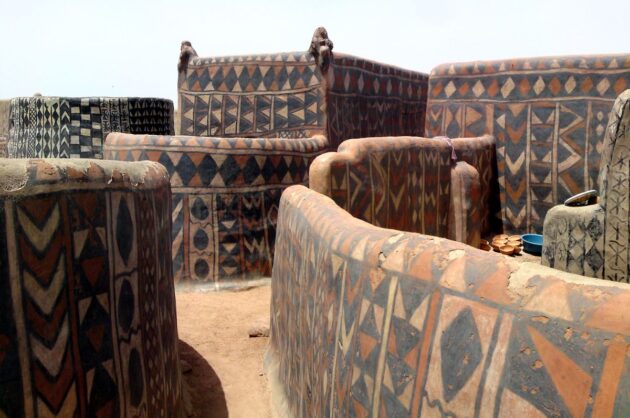
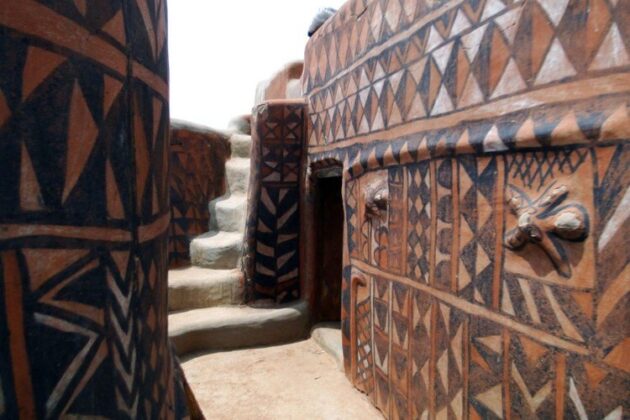
Tiébélé, located in southern Burkina Faso, is a small village renowned for its remarkably preserved traditional Kassena architecture and elaborately decorated vernacular houses. As one of the oldest settlements in the region, its distinctive dwellings feature windowless, earth-built walls adorned with intricate geometric patterns, symbols, and reliefs painted in black, white, and red using natural pigments derived from stones, plants, and soils.
Loropéni
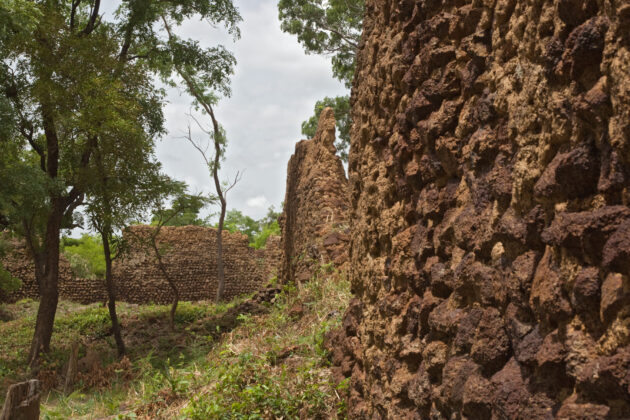
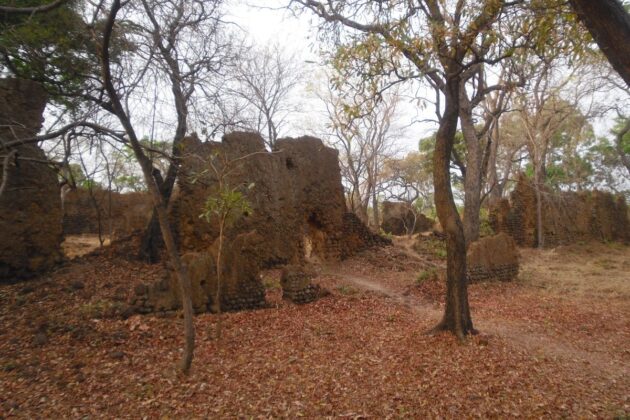
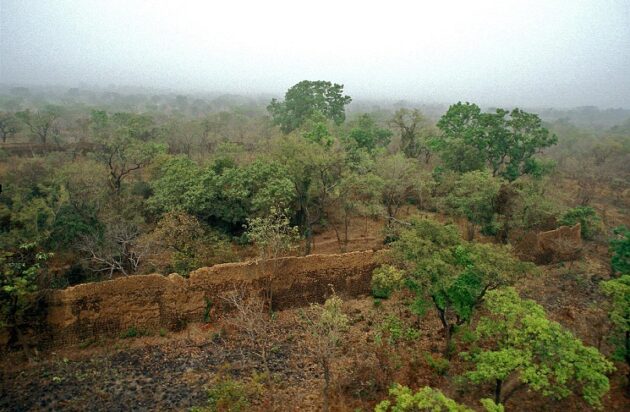
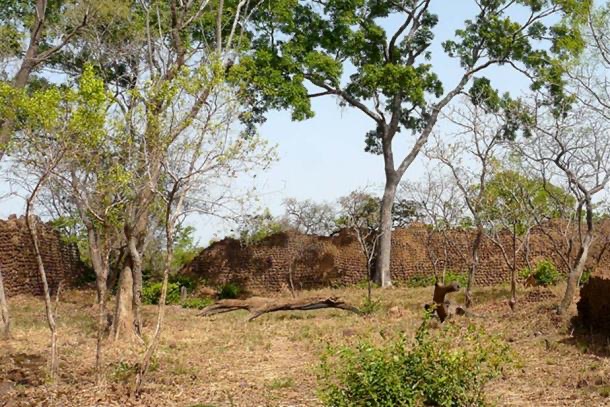
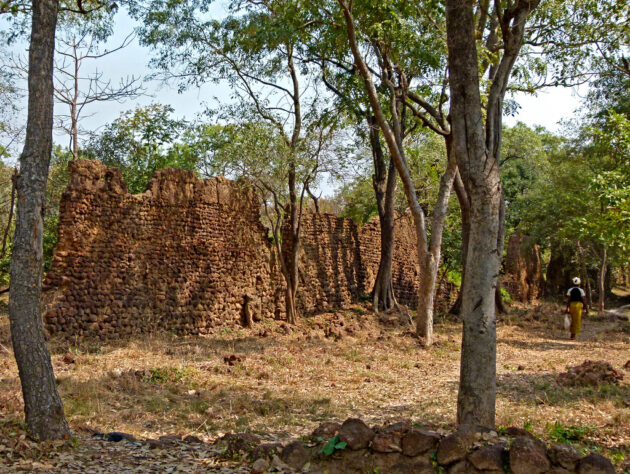
The Ruins of Loropéni in Burkina Faso are a remarkable UNESCO World Heritage site and the best-preserved example of a series of ancient stone enclosures found in West Africa. Dating back at least a millennium, these massive defensive walls—some up to six meters high—once protected a prosperous trans-Saharan gold-trading settlement, reflecting the region’s historical wealth and complex social organization.
Culture and Festivals
Burkina Faso has a dynamic cultural identity expressed through music, dance, masks, and crafts. The country hosts:
FESPACO (Panafrican Film Festival) in Ouaga.
FESTIMA (International Mask Festival) in Dédougou – celebrates traditional masks and dances.
SIAO – International African Art and Handicraft Fair.
Various ethnic festivals involving music, dance, and rituals throughout the year.
Respect local customs: Dress modestly, ask permission before photographing people, and be mindful of religious practices (the population is predominantly Muslim with Christian and traditional animist influences).
Food and Drink
Burkinabe cuisine is hearty and based on staples like millet, sorghum, maize, and rice. Popular dishes include:
Tô: A thick porridge served with vegetable or meat sauces.
Grilled meats (chicken, mutton) with spicy sauces.
Riz gras (rice cooked in tomato sauce with vegetables and meat).
Street foods like brochettes (skewers) and fried snacks.
Try local fruits and refreshing drinks like bissap (hibiscus) or ginger juice. Beer (including local brands) and palm wine are common.
Practical Tips
Getting Around: Domestic flights are limited. Road travel by bus or shared taxi is common but risky due to security and road conditions. Hiring a private driver/guide is recommended.
Health: Malaria is a risk—take prophylaxis. Tap water is not safe to drink. Ensure vaccinations are up to date (hepatitis, typhoid, etc.).
Money: ATMs are available in major towns but can be unreliable. Carry cash (CFA).
Communication: French is essential outside tourist areas. Local SIM cards work for data.
Etiquette: Greetings are important. Bargaining is expected in markets.
Final Advice
Burkina Faso offers unique cultural and natural experiences, but current conditions make independent tourism highly inadvisable. Safe travels—always prioritize your security!