





Indonesia Travel Guide (2026)
Indonesia is a mesmerizing country of over 17,000 islands, stretching across three time zones. It offers everything from world-class beaches and vibrant coral reefs to ancient temples, active volcanoes, dense rainforests, and rich cultural traditions. From the iconic rice terraces of Bali to the Komodo dragons and the bustling streets of Jakarta, Indonesia delivers unforgettable experiences for every type of traveler.
Best Time to Visit
Peak Season (Dry Season): May to October – ideal for beach destinations, diving, and hiking. July and August are the busiest (and most expensive) months.
Shoulder Seasons: April–May and September–October offer good weather with fewer crowds.
Wet Season (November to March): Heavy rain is common, but it’s still possible to travel. Eastern Indonesia (including Komodo and Raja Ampat) is less affected.
Regional variations: Bali is pleasant year-round, but Java and Sumatra can be very wet from December to February.
Visa & Entry Requirements
Most nationalities receive a Visa on Arrival (VoA) for 30 days (extendable once for another 30 days) or use the e-Visa system.
Check the latest requirements on the official Indonesian immigration website before travel.
Passport must be valid for at least 6 months.
Proof of onward travel is often required.
Top Destinations
Bali
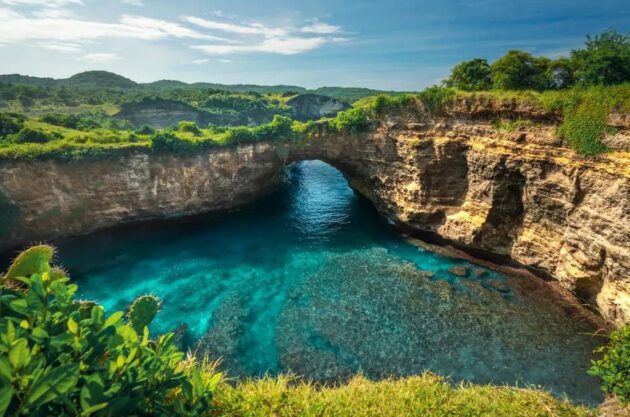
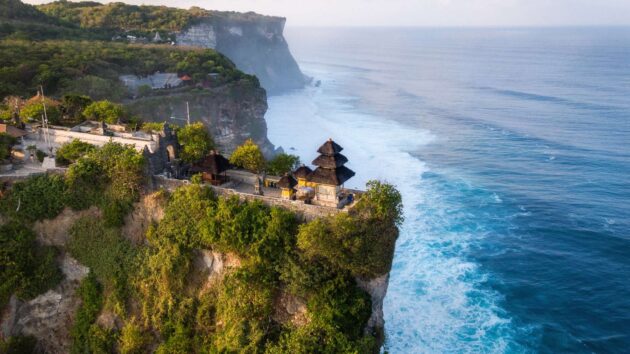
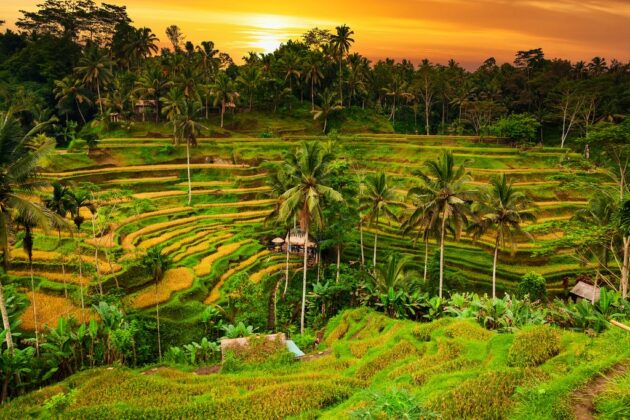
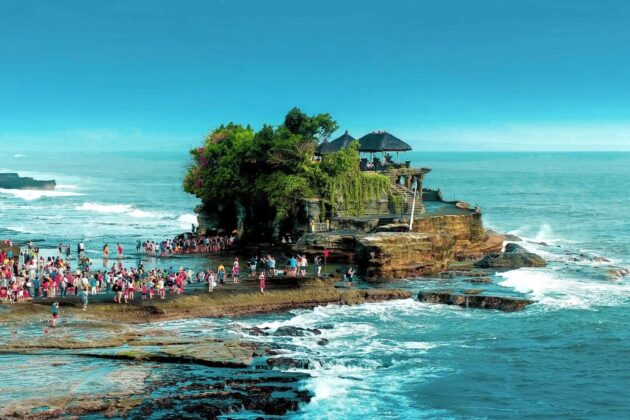
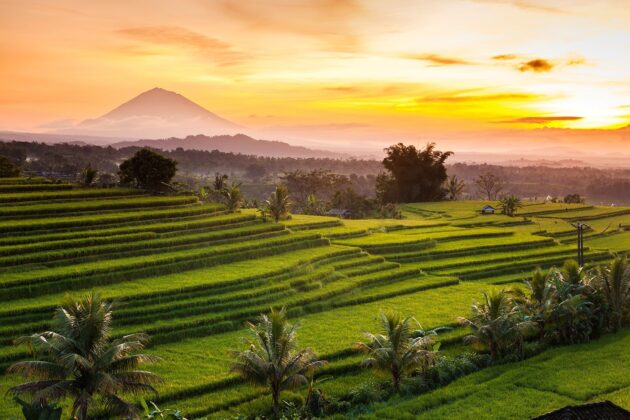
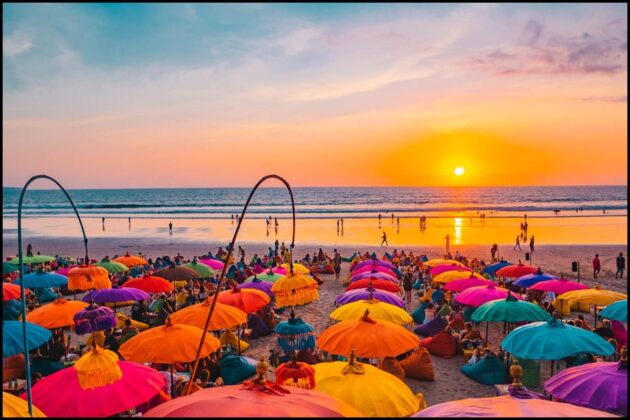
Bali, Indonesia, is a tropical paradise renowned for its stunning beaches, lush rice terraces, vibrant Hindu culture, world-class surfing, and welcoming people. Often called the “Island of the Gods,” it perfectly blends relaxation, adventure, spirituality, and luxury. Whether you’re seeking yoga retreats in Ubud, beach clubs in Seminyak, or cliffside temples in Uluwatu, Bali offers something for every traveler.



Yogyakarta
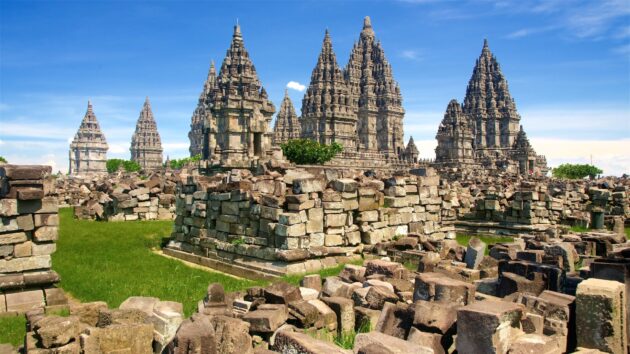
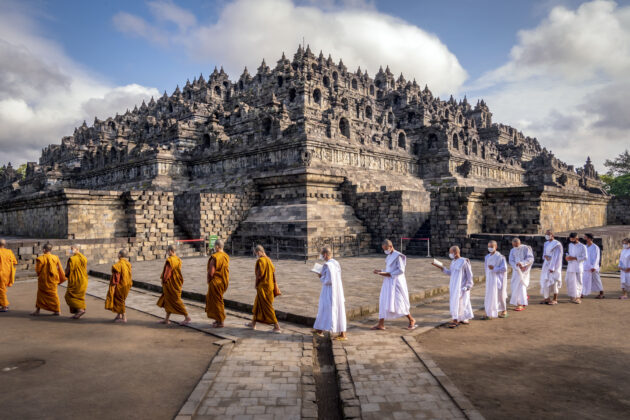
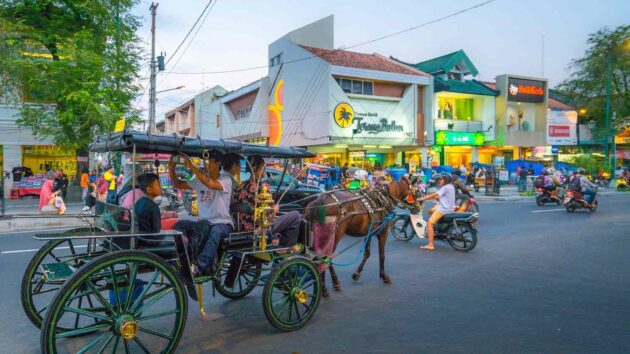
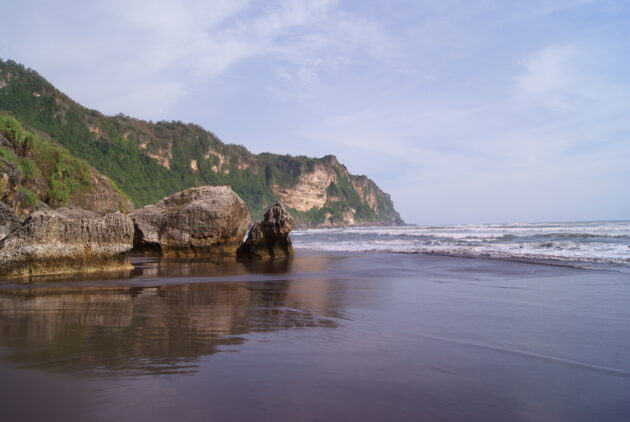
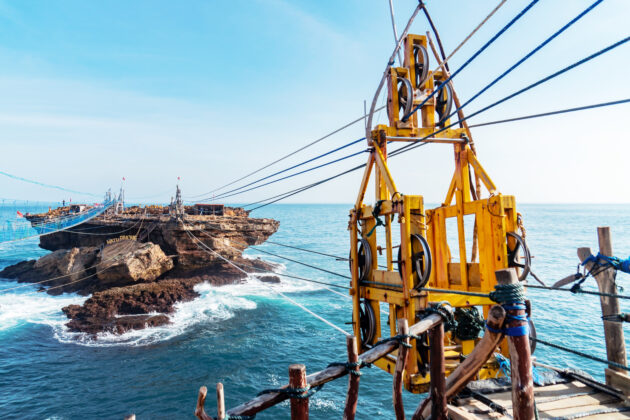
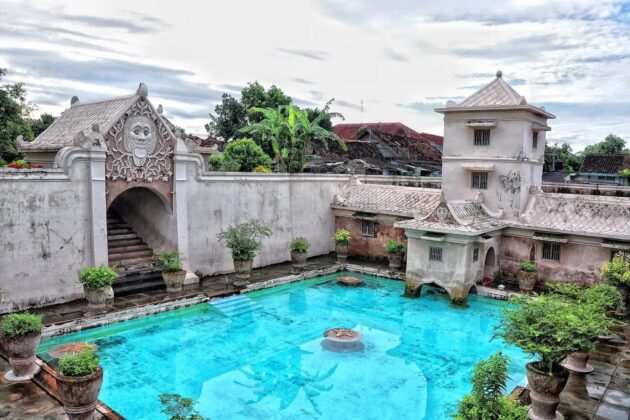
Yogyakarta (often called Jogja or Yogya) is the cultural heart of Java. It is a vibrant city blending ancient temples, royal heritage, traditional arts, delicious street food, and warm Javanese hospitality. As the only region in Indonesia still ruled by a sultan, it offers a rich mix of history, UNESCO World Heritage sites like Borobudur and Prambanan, volcanic landscapes, and lively markets.


Jakarta
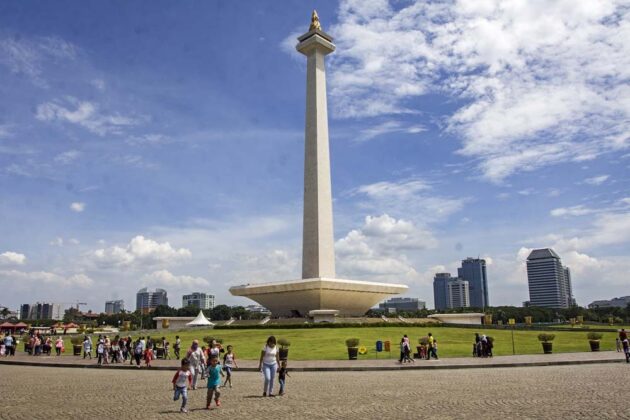
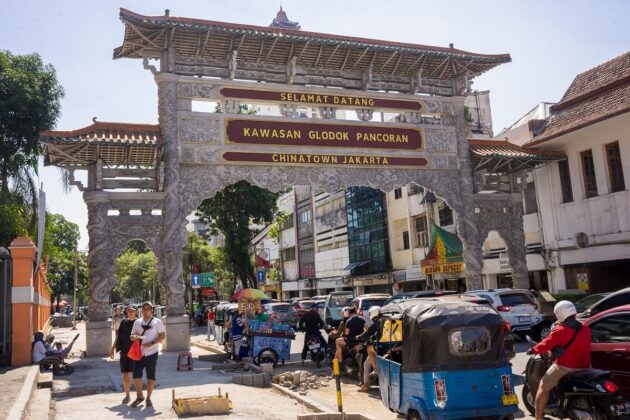
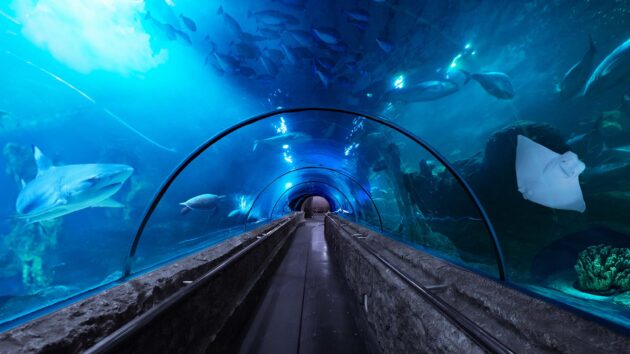
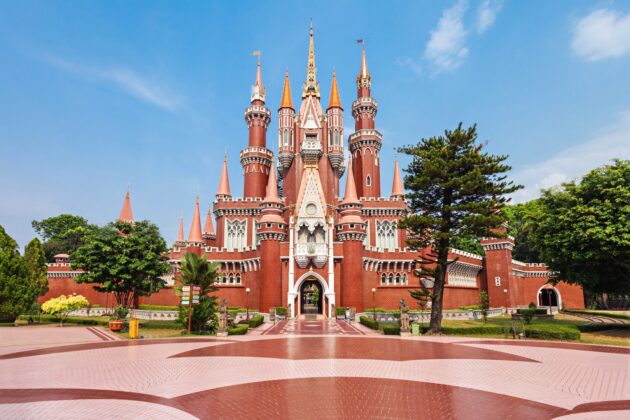
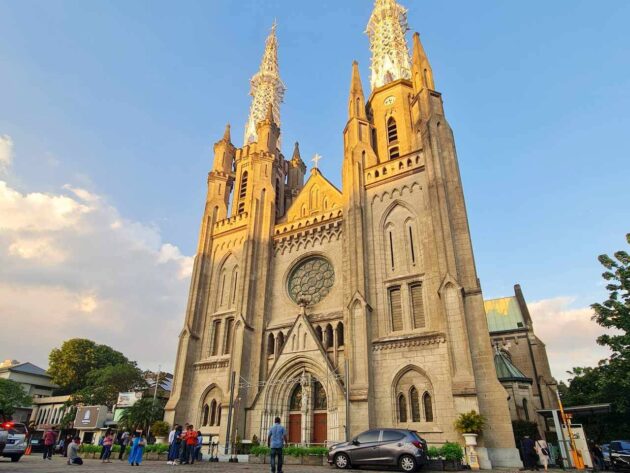
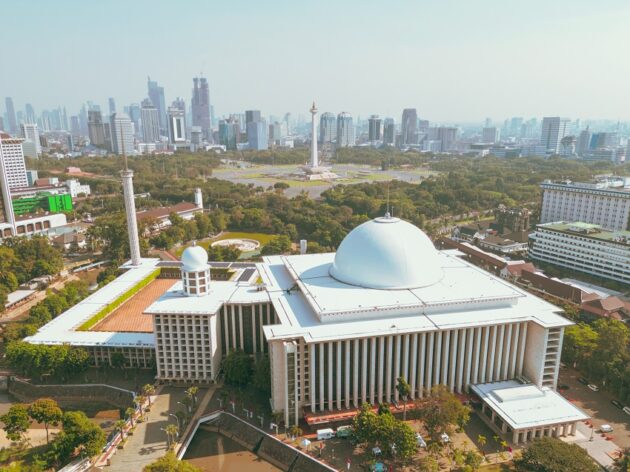
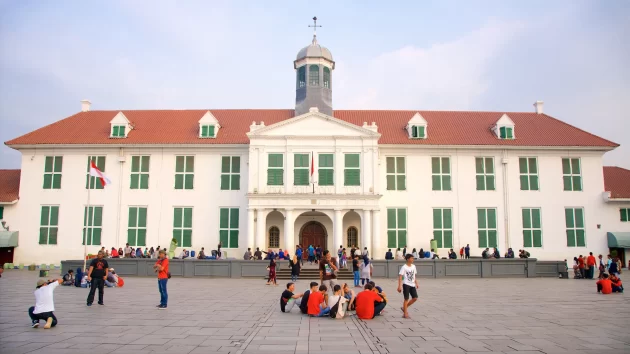
Jakarta (officially Daerah Khusus Ibukota Jakarta) is Indonesia’s sprawling capital and largest city, home to over 10 million people in the city proper and more than 30 million in the greater metropolitan area. Known as “The Big Durian,” it’s a dynamic mix of colonial history, modern skyscrapers, diverse cultures, incredible food, and chaotic energy.

Komodo National Park
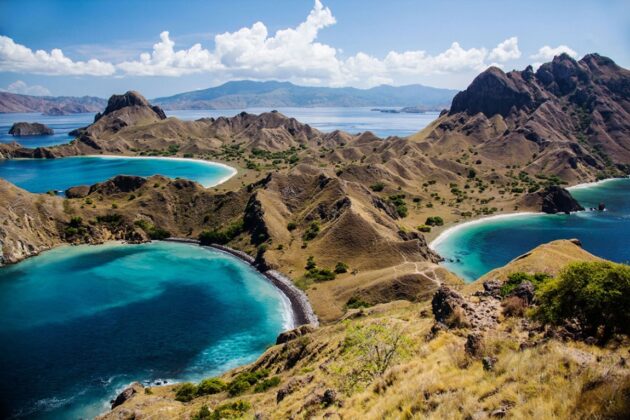
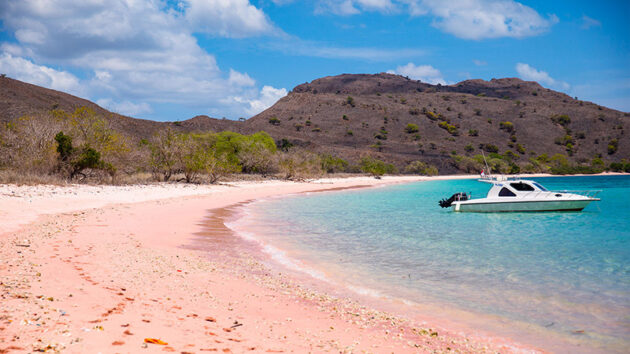
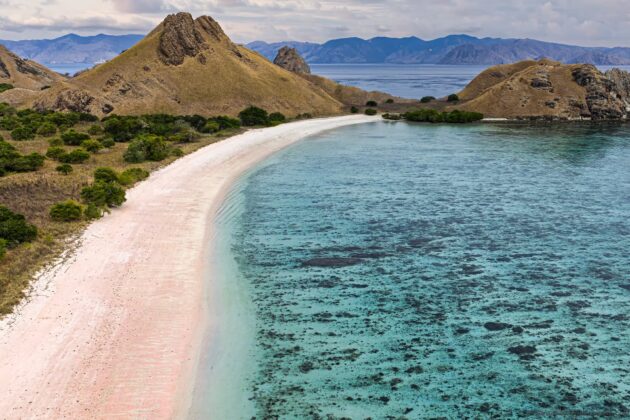
Komodo National Park, a UNESCO World Heritage Site, is one of Indonesia’s premier natural wonders. Established in 1980 to protect the iconic Komodo dragon, it spans nearly 2,000 km² across three main islands—Komodo, Rinca, and Padar—plus dozens of smaller ones. The park dazzles with dramatic volcanic landscapes, pink-sand beaches, crystal-clear waters teeming with marine life (including manta rays, turtles, and vibrant reefs), and the world’s largest lizards.



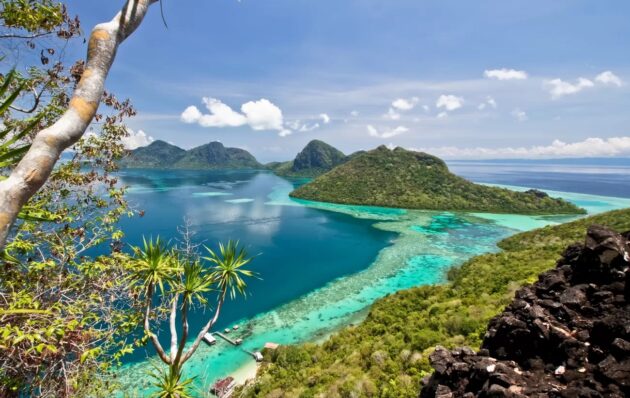
Raja Ampat
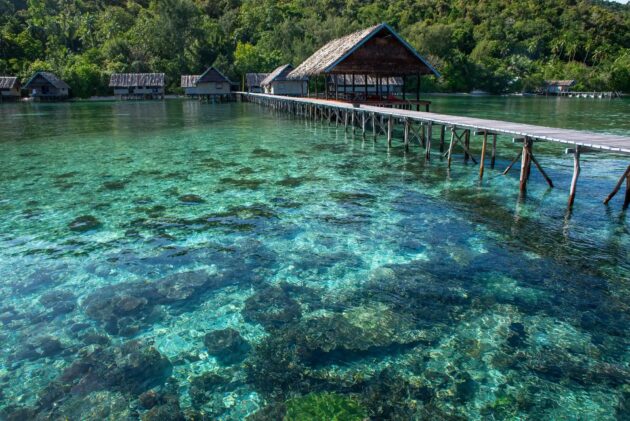
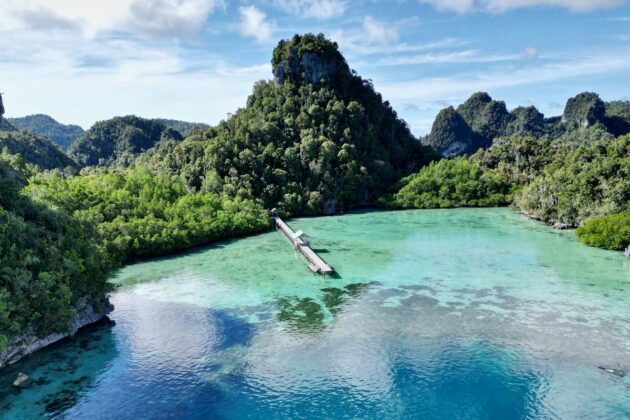
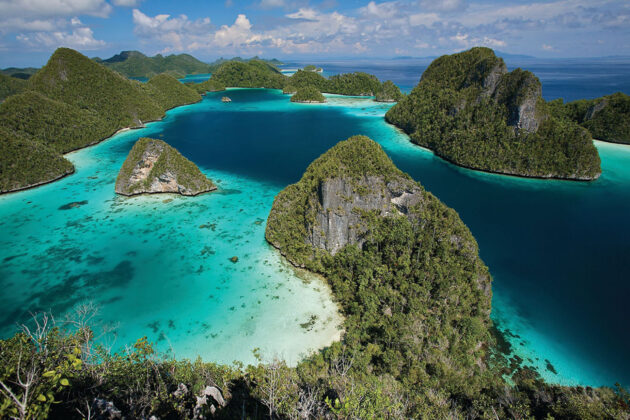
Raja Ampat, meaning “Four Kings,” is an archipelago of over 1,500 islands off the coast of West Papua, Indonesia. It sits in the heart of the Coral Triangle, boasting some of the world’s richest marine biodiversity. With vibrant coral reefs, dramatic limestone karsts, pristine beaches, and lush jungles, it is a dream destination for divers, snorkelers, nature lovers, and adventure seekers.

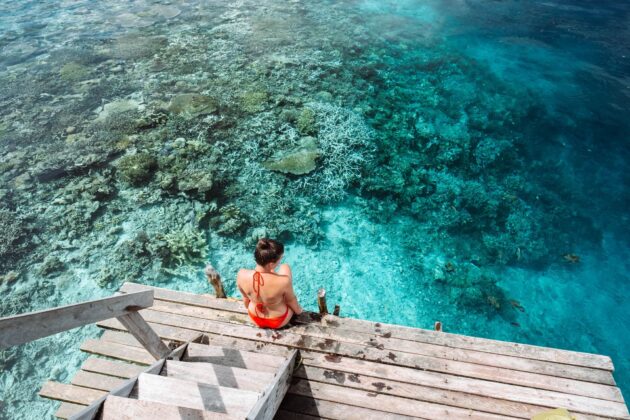
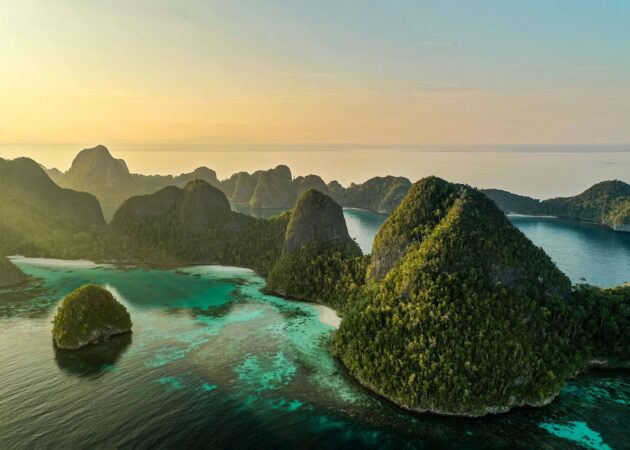
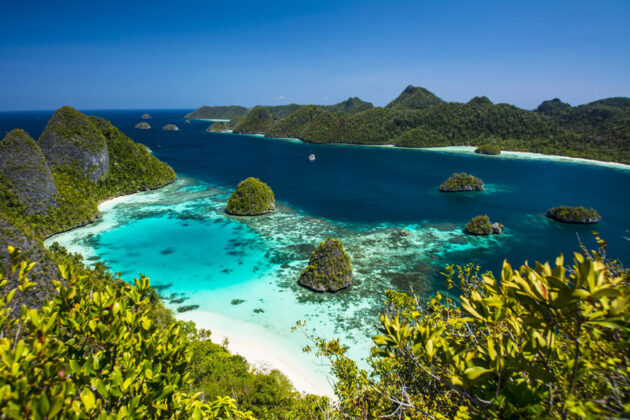
Gili Islands
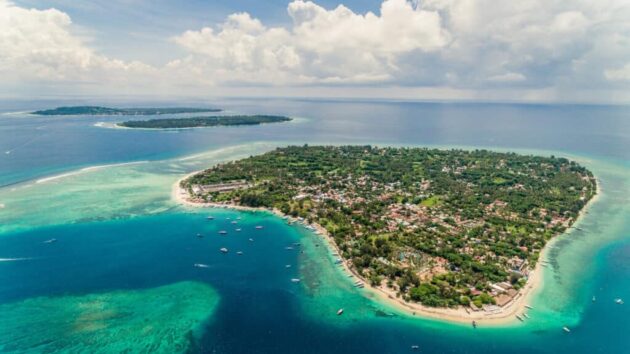
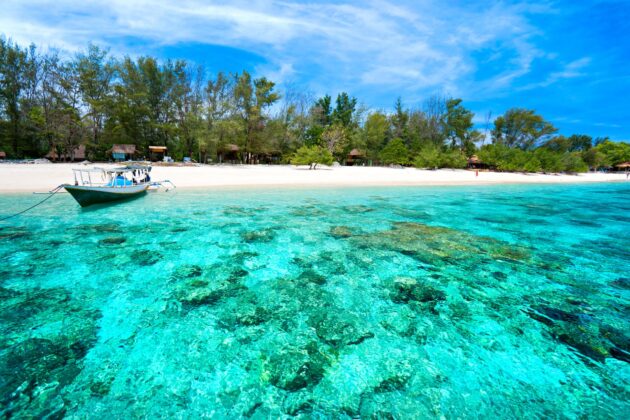
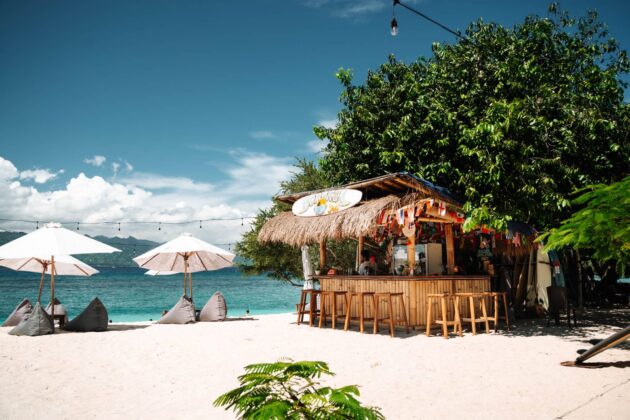
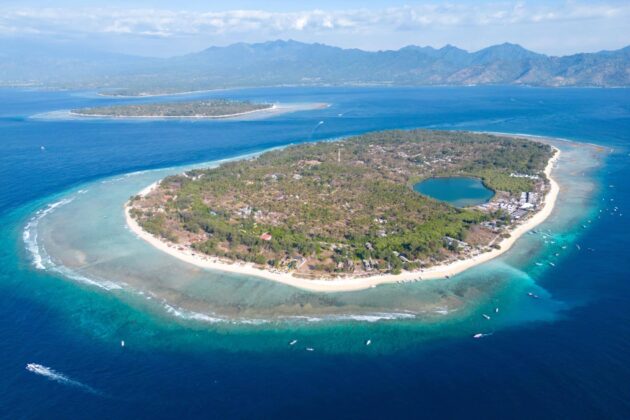
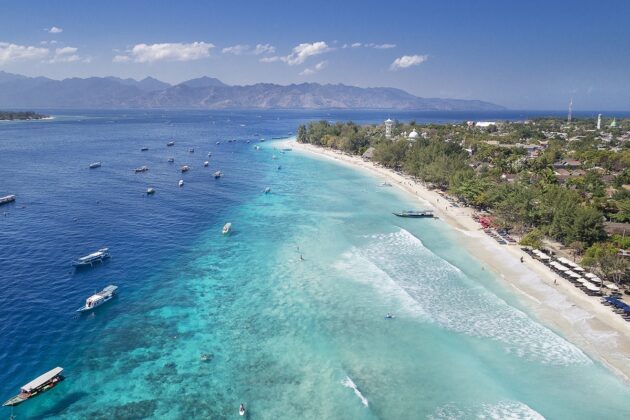
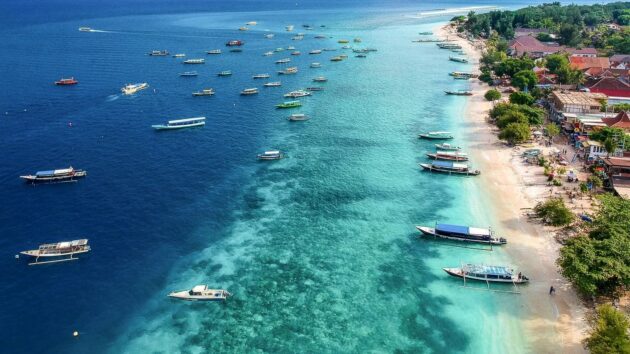
The Gili Islands — a trio of tiny, car-free paradises off the northwest coast of Lombok — offer white-sand beaches, turquoise waters, vibrant marine life, and a relaxed vibe that makes them a perfect escape from busier spots like Bali. The three islands are Gili Trawangan (Gili T), the largest and most lively; Gili Air, a balanced middle ground; and Gili Meno, the quietest and most romantic.


Indonesian Cuisine Highlights
Indonesian food is diverse and flavorful:
Nasi Goreng (fried rice) and Mie Goreng (fried noodles). Satay with peanut sauce. Rendang (spicy slow-cooked beef). Gado-gado (vegetable salad with peanut dressing). Soto Ayam (chicken soup). Fresh seafood, especially grilled fish with sambal. Bintang beer is the most popular local brew.
Dietary note: Many dishes are spicy. Vegetarian options are widely available, especially in Bali.
Getting Around
Domestic Flights: Garuda Indonesia, Lion Air, AirAsia, Citilink – cheap and essential for long distances.
Ferries: Pelni for inter-island travel (slower but scenic).
Trains (Java): Very comfortable and scenic (especially Jakarta–Yogyakarta–Surabaya route).
Private drivers & taxis: Grab, Gojek, and negotiated taxis are convenient.
Practical Tips
Currency: Indonesian Rupiah (IDR). ATMs are widespread; bring some cash for remote areas.
Language: Bahasa Indonesia is the national language. English is widely spoken in tourist areas.
Dress: Modest clothing when visiting temples and mosques (cover shoulders and knees). Sarongs are often provided.
Safety: Indonesia is generally safe for tourists. Watch for petty theft in crowded areas. Use reputable operators for boat trips and volcano hikes. Avoid political demonstrations.
Health: Drink bottled water. Mosquito repellent is essential (dengue and malaria risk in some areas). Get travel insurance covering medical evacuation and adventure activities.
Sustainability: Support eco-friendly operators. Avoid single-use plastics and irresponsible wildlife tourism (e.g., elephant rides).
Budget Guide (per person, per day)
Budget: $30–50 (backpacker hostels, street food, public transport).
Mid-range: $60–120 (nice hotels, restaurants, tours).
Luxury: $200+ (villas, private tours, liveaboards).
Final Thoughts
Indonesia is a country that rewards those who venture beyond Bali. The people are warm and hospitable, the landscapes are dramatic, and the experiences are incredibly diverse.
Safe travels and enjoy Indonesia – the Land of a Thousand Islands! 🌴🐉🏝️