
Borobudur Temple Travel Guide (2026)
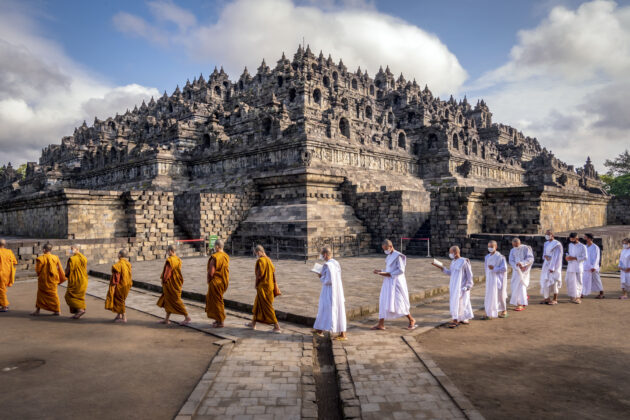
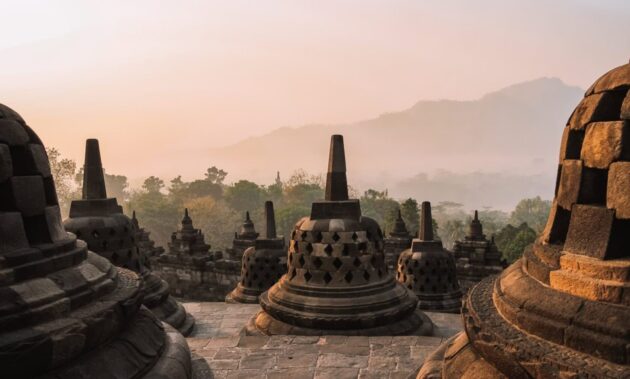
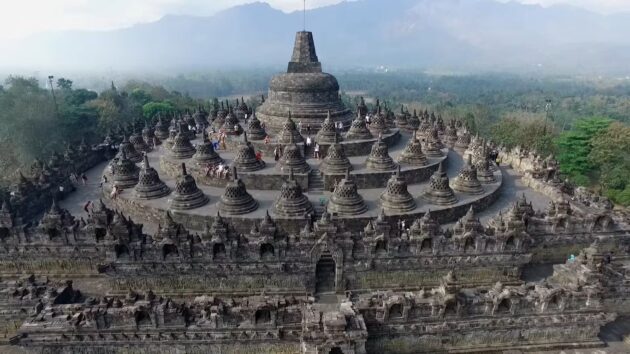
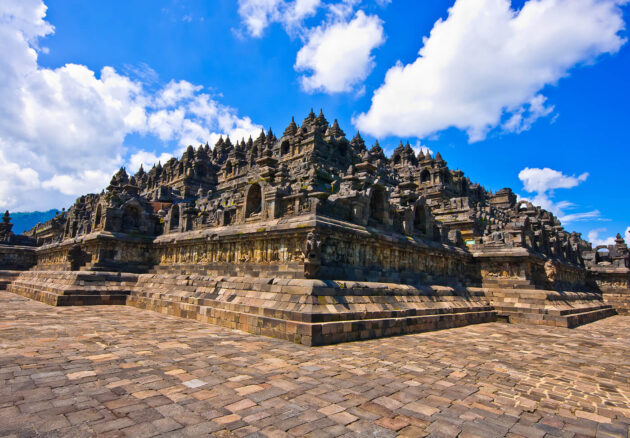
Borobudur, the world’s largest Buddhist temple and a UNESCO World Heritage Site, is a masterpiece of 9th-century architecture. Located in Central Java near Magelang, it features intricate stone carvings, massive stupas, and serene Buddha statues. Built around 800 AD and later abandoned, it was rediscovered in the 19th century and restored. It remains an active pilgrimage site and one of Indonesia’s most iconic attractions.
Why Visit Borobudur?
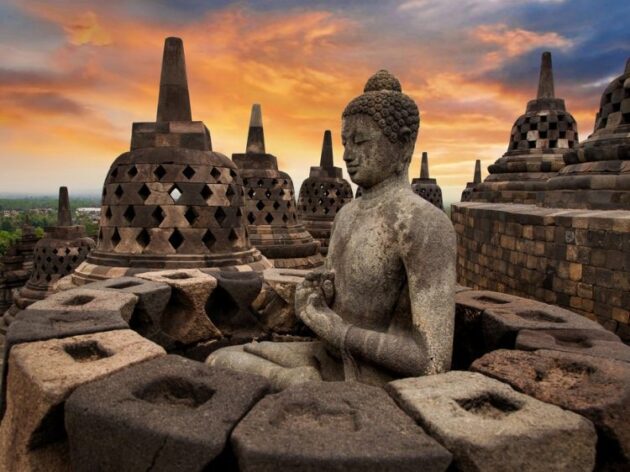
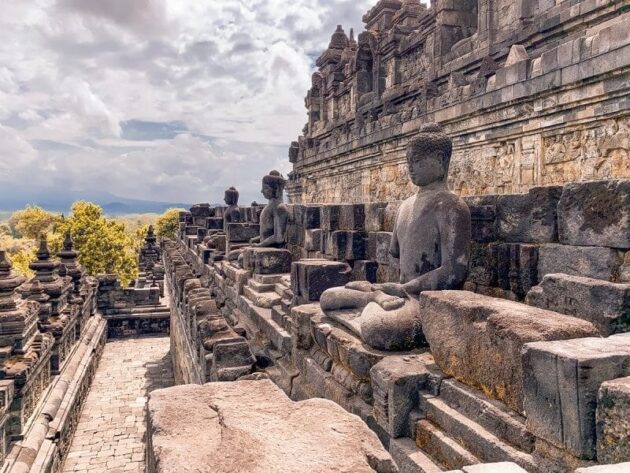
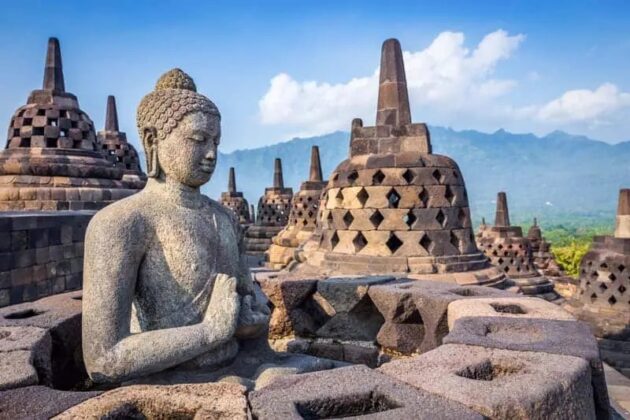
Architectural Wonder: Nine stacked platforms with 2,672 relief panels and 504 Buddha statues.
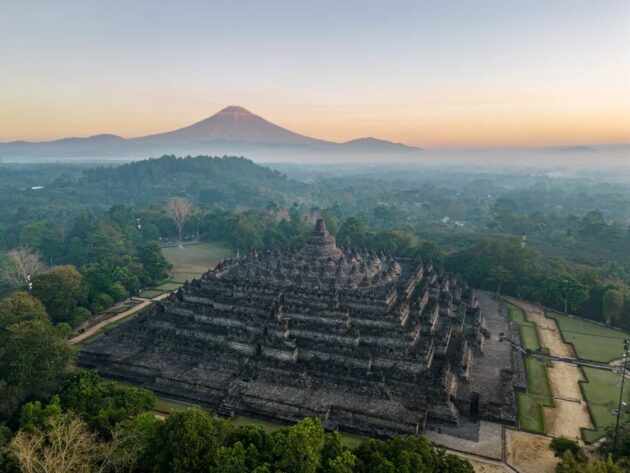
Spiritual Atmosphere: Peaceful setting with views over volcanoes and countryside.
Cultural Significance: A symbol of Buddhist cosmology, offering insight into ancient Javanese history and artistry.
Best Time to Visit
The dry season (May to October) is ideal, with sunny days, lower rainfall, and clearer skies—perfect for photography and sunrise views.
Peak season: June–September (book tickets and transport early).
Shoulder months: April–May and October offer fewer crowds.
Rainy season (November–March): Possible but prepare for afternoon showers; mornings are often clearer.
Best time of day: Early morning (first time slot) for cooler temperatures and fewer people. Late afternoon slots also work well.
Getting There from Yogyakarta
Borobudur lies about 40 km (25 miles) northwest of Yogyakarta, with a travel time of 1–1.5 hours depending on traffic.
Options:
Private Driver/Taxi — Most convenient and recommended, especially for sunrise or multi-site trips (e.g., with Prambanan). Costs around IDR 300,000–600,000 for a full day. Use Gojek/Grab or book via your hotel.
Public Bus — Budget-friendly: Take TransJogja bus to Jombor Terminal, then a bus to Borobudur (total ~IDR 25,000–50,000, 1.5–2 hours).
Motorbike Rental — Adventurous option for confident riders (scenic route).
Tours — Many operators offer day trips combining Borobudur with Prambanan or sunrise options.
Pro Tip: Book a driver for flexibility if combining with other sites.
Tickets and Opening Hours
Tickets are best purchased online in advance via the official site (ticket.borobudurpark.com) or authorized platforms, especially for structure access (limited daily quota and time slots).
Approximate Prices for Foreign Visitors (subject to change; check official sources):
Structure Ticket (climb the temple, recommended): ~IDR 455,000 (includes guide, special sandals, water).
Grounds Only (courtyard/gardens): ~IDR 400,000.
Sunrise Ticket (limited, via Manohara or authorized): ~IDR 1,000,000 (includes breakfast/souvenirs).
Opening Hours (regular access): Grounds: ~6:30/7:00 AM – 5:00 PM. Temple structure: Time-slotted entries (e.g., 8:30 AM onward), closed Mondays in some reports—confirm ahead.
Last entry around 4:30 PM. Children’s prices and domestic rates are lower.
What to Expect and Tips for Visiting
Dress Code: Modest clothing (cover shoulders and knees). Sarongs may be provided. For climbing, wear comfortable shoes you can easily carry (temple issues special “upanat” sandals).
Climbing: Steep, narrow stairs—go at your own pace. No shoes on the stone structure.
Duration: 2–3 hours for a thorough visit.
Essentials to Bring: Sunscreen, hat, water, rain jacket (dry season mornings are sunny), camera, cash (small bills), and comfortable walking shoes.
Rules: No climbing on statues, respect the site, follow your guide during structure access.
Crowds: Can be busy; early slots help.
Photography: Best light in early morning or late afternoon. Drone use is restricted.
Accessibility Note: The site involves stairs and uneven surfaces; not fully wheelchair-friendly for the upper levels.
Nearby Attractions
Pawon and Mendut Temples: Smaller, related Buddhist sites (easy add-on).
Setumbu Hill or other viewpoints: For panoramic sunrise views over Borobudur.
Prambanan Temple (Hindu): Combine in a full-day trip (~1 hour from Borobudur).
Merapi Volcano: Jeep tours or hikes (check activity levels).
Yogyakarta City: Kraton Palace, Malioboro Street, batik workshops, and street food.
Where to Stay
Near Borobudur: Plataran Borobudur Resort & Spa for luxury and views.
Yogyakarta: Central base with more options (e.g., near Malioboro for convenience and nightlife). Many hotels arrange tours.
Food and Practical Tips
Try local Javanese dishes like gudeg, nasi goreng, or satay in Yogyakarta or near the temple. Vegetarian options are widely available.
General Advice: Use reputable operators for tours. Download offline maps (signal can be spotty). Respect local customs and the sacred nature of the site. Currency: Indonesian Rupiah (IDR); ATMs available but bring some cash.
Final Thoughts
Borobudur is a highlight of any Indonesia trip—its scale and serenity are unforgettable. Plan ahead for tickets and transport, start early, and immerse yourself in this ancient wonder. Safe travels!