
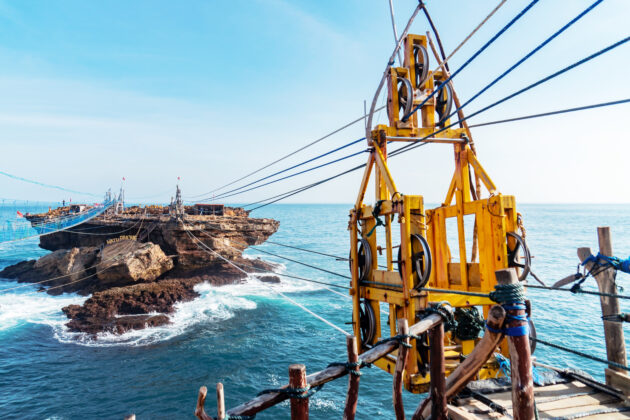
Yogyakarta Travel Guide (2026)
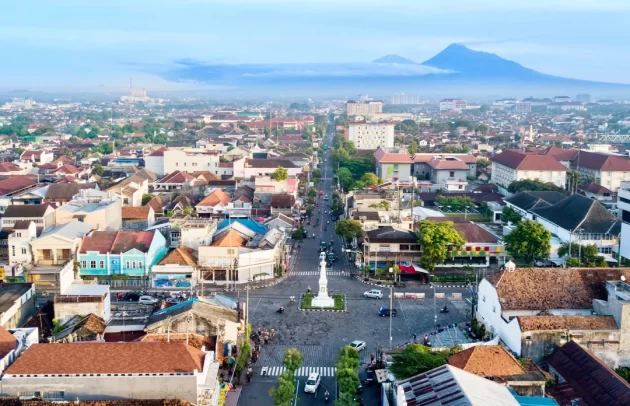
Yogyakarta (often called Jogja or Yogya) is the cultural heart of Java. It is a vibrant city blending ancient temples, royal heritage, traditional arts, delicious street food, and warm Javanese hospitality. As the only region in Indonesia still ruled by a sultan, it offers a rich mix of history, UNESCO World Heritage sites like Borobudur and Prambanan, volcanic landscapes, and lively markets. It serves as an ideal base for first-time visitors to Indonesia or Java, with a welcoming atmosphere, manageable size, and excellent food scene.
Best Time to Visit
The dry season (April–October) is ideal, especially May–September, for sunny weather perfect for temple visits, outdoor activities, and fewer disruptions from rain. June–August is peak season with lively festivals but more crowds. Shoulder months (April–June, September–October) offer good weather and fewer tourists.
The rainy season (November–March) brings lower prices and greener landscapes but more afternoon showers and potential humidity. Temperatures stay warm year-round (around 24–32°C / 75–90°F).
How to Get There
By air: Yogyakarta International Airport (YIA) has direct flights from Jakarta (1+ hour), Bali (1.5 hours), and other Indonesian cities, plus some international connections.
By train: Scenic and comfortable options from Jakarta or Bandung (7–9 hours); overnight trains are popular.
By bus: Cheaper but longer from major cities.
Airport transfer: Use ride-hailing apps like Grab, taxis, or pre-booked private transfers.
Getting Around
Grab (car or bike) is the easiest and most affordable for most travelers.
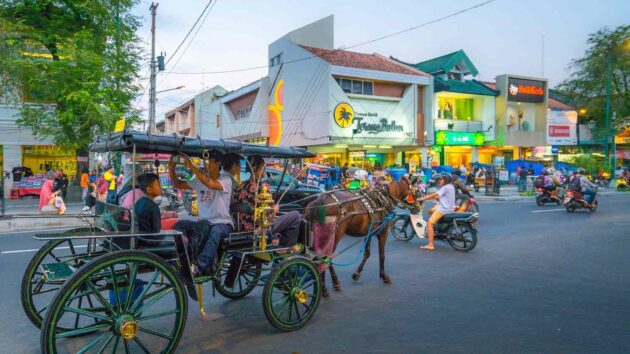
Becak (traditional pedicabs) — negotiate prices in advance for short central trips and a fun local experience.
Walking in the Malioboro/Kraton area.
Scooter rental or private driver for day trips (widely available; international driving permit recommended for scooters).
Traffic can be chaotic, so drivers or tours are often more relaxing for temple visits.
Top Attractions and Things to Do
Borobudur Temple
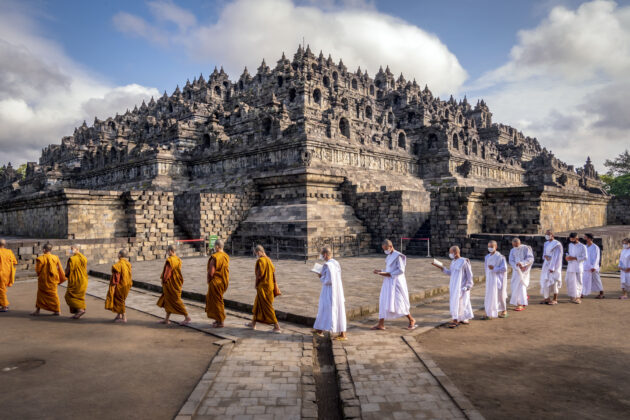
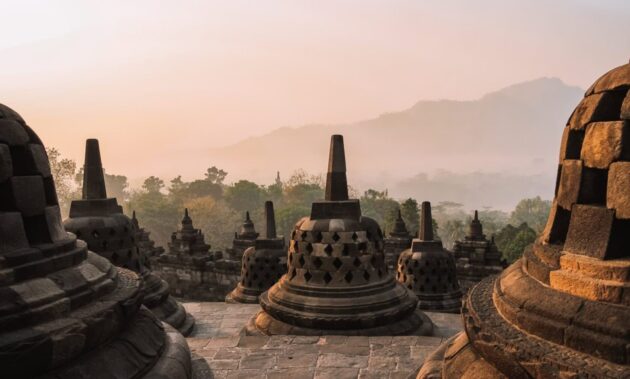
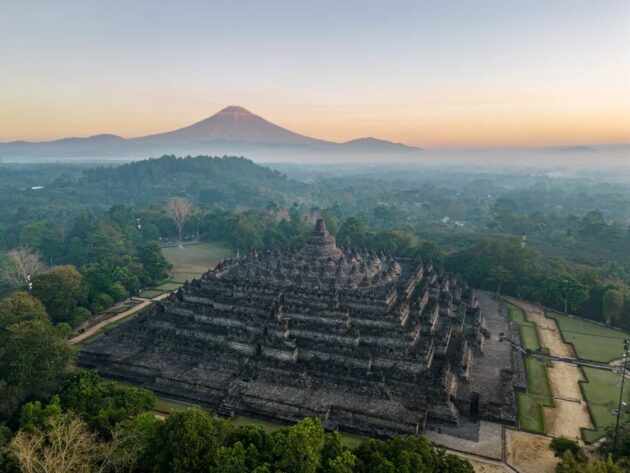
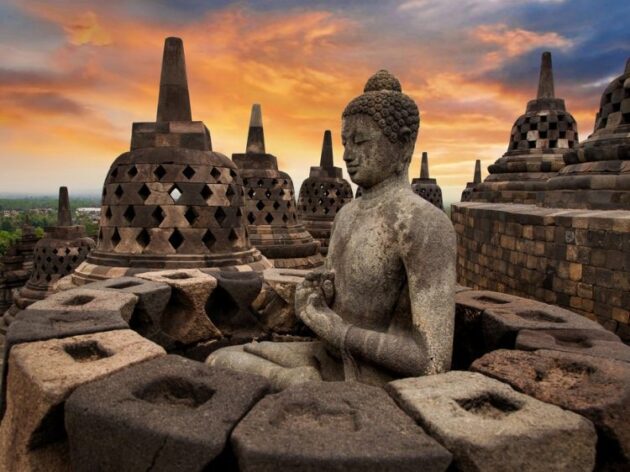
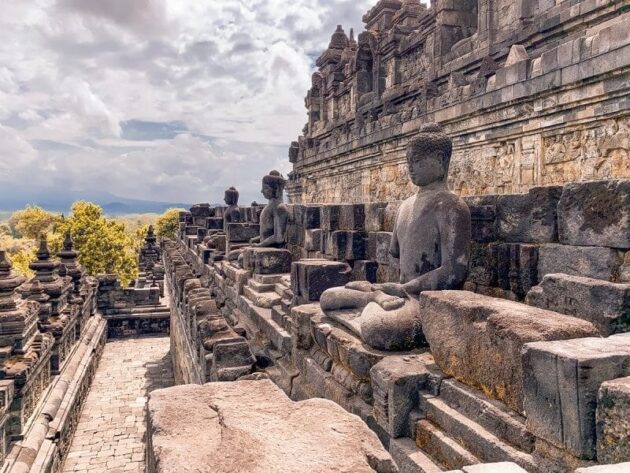
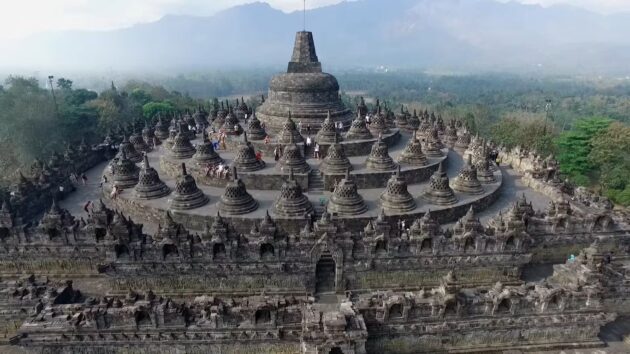
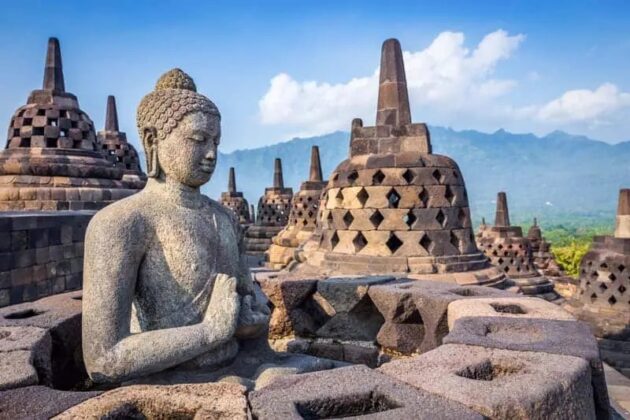
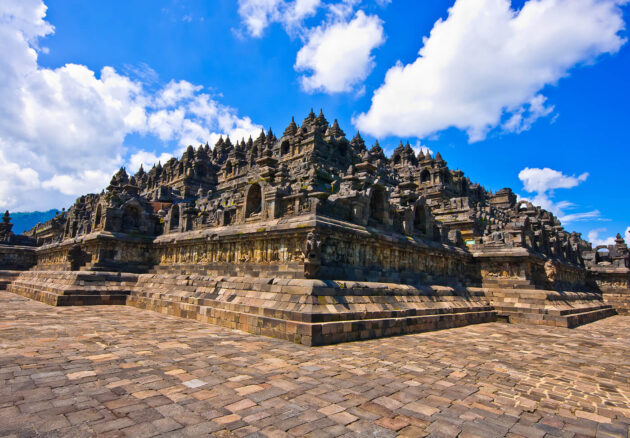
Borobudur, the world’s largest Buddhist temple and a UNESCO World Heritage Site, is a masterpiece of 9th-century architecture. Located in Central Java near Magelang, it features intricate stone carvings, massive stupas, and serene Buddha statues. Built around 800 AD and later abandoned, it was rediscovered in the 19th century and restored. It remains an active pilgrimage site and one of Indonesia’s most iconic attractions.
Prambanan Temple
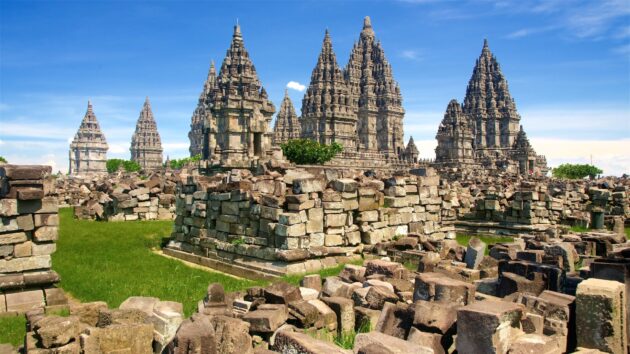
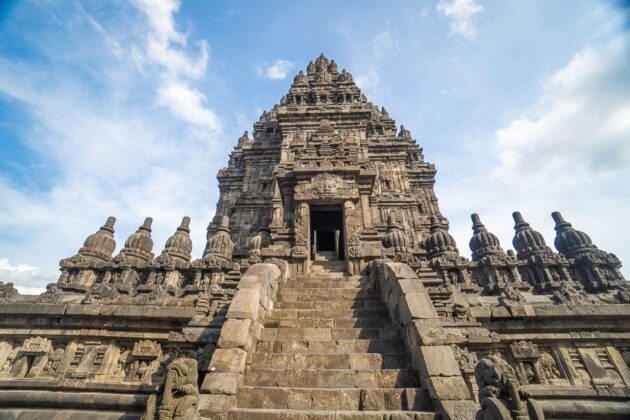
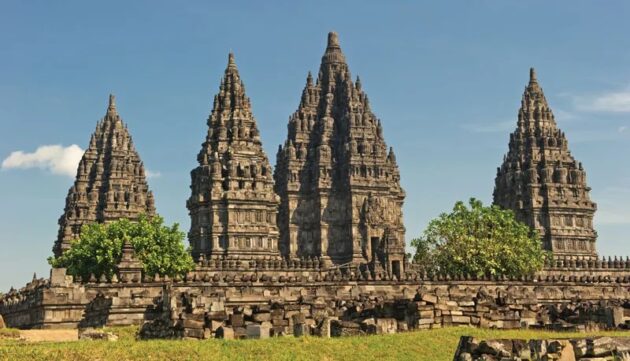
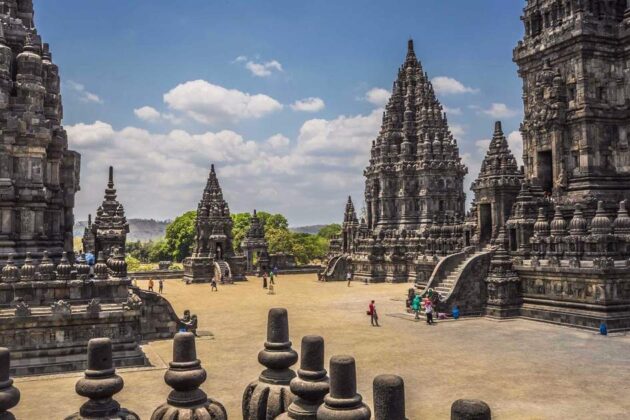
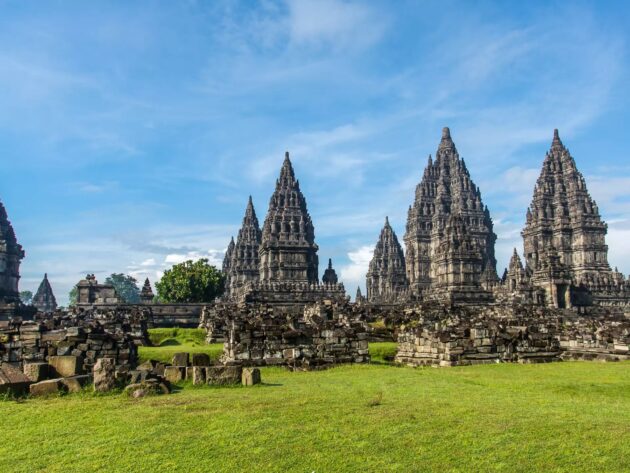
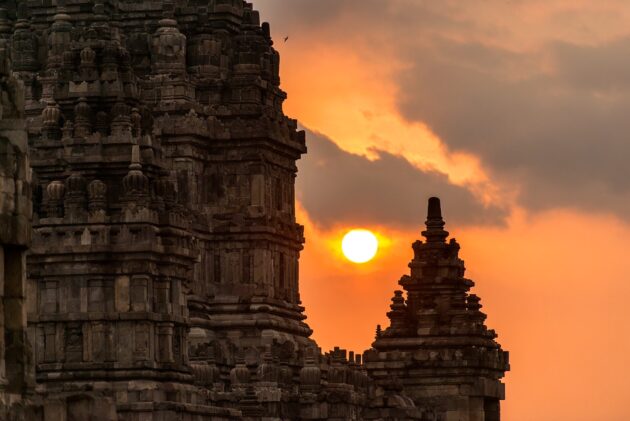
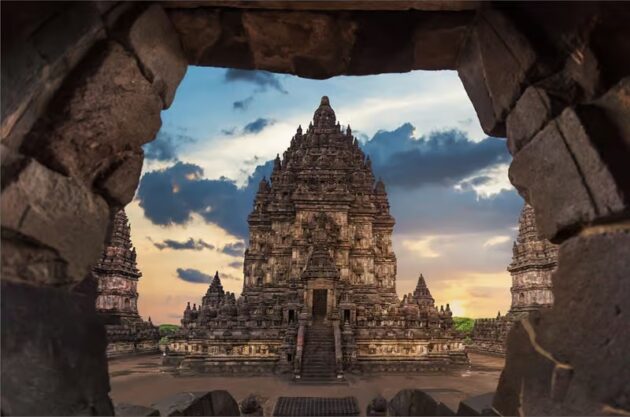
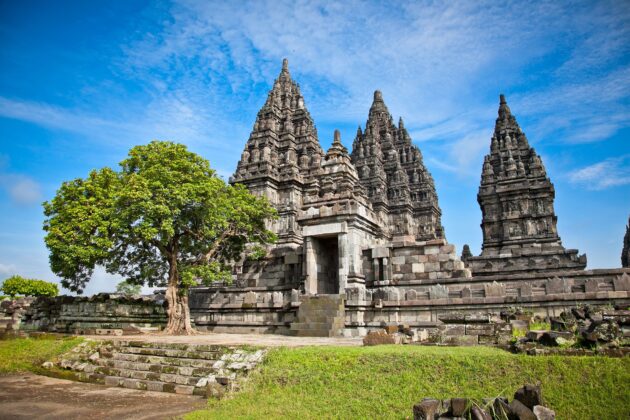
Prambanan (also known as Candi Prambanan or Loro Jonggrang) is Indonesia’s largest Hindu temple complex and a stunning UNESCO World Heritage Site. Built in the 9th century (around 850–856 AD) by the Mataram Kingdom’s Rakai Pikatan, it showcases intricate Hindu architecture dedicated to the Trimurti: Brahma (the Creator), Vishnu (the Preserver), and Shiva (the Destroyer).
Keraton Ngayogyakarta Hadiningrat (Sultan’s Palace)
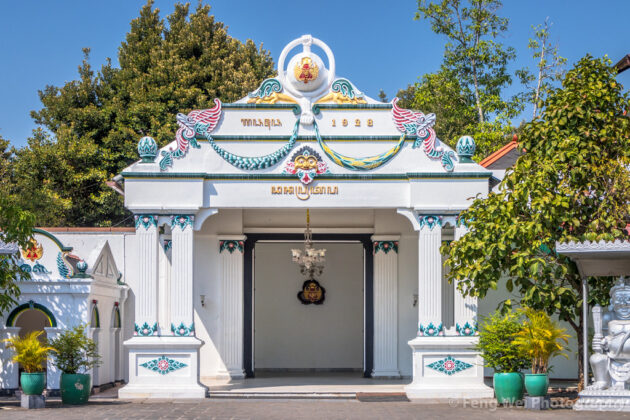
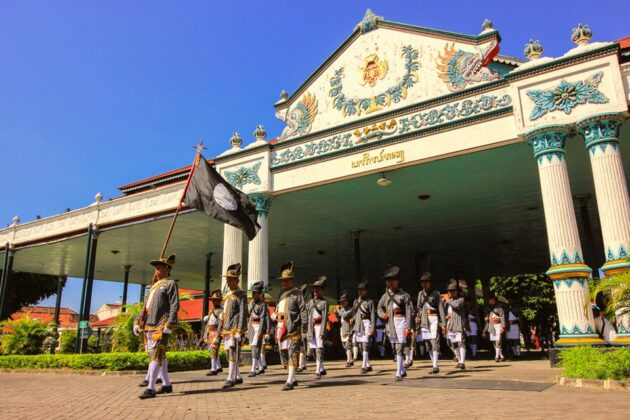
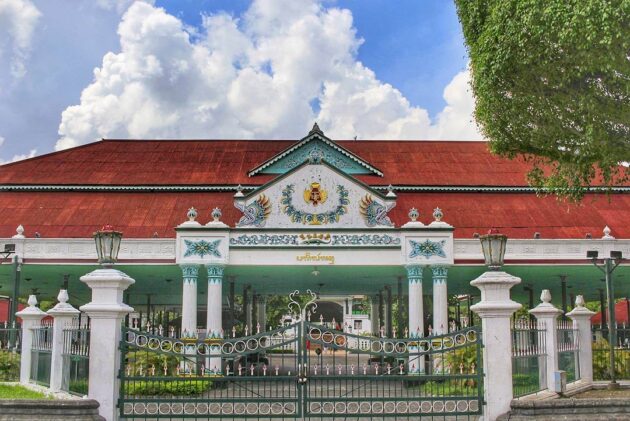
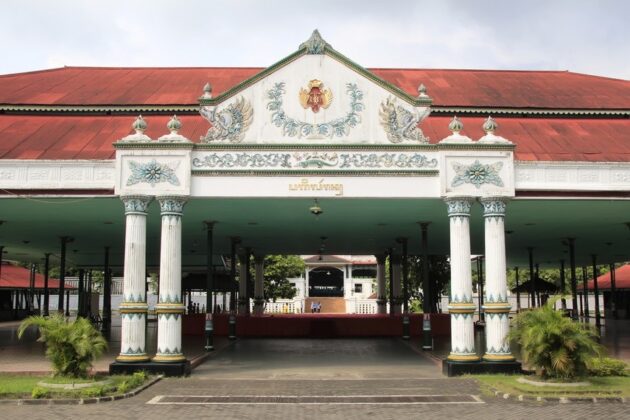
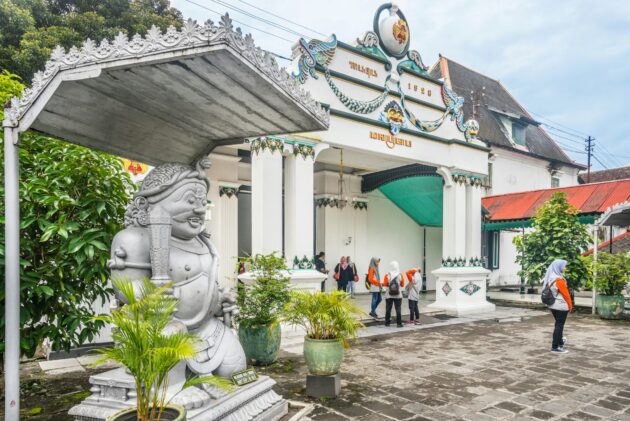
Keraton Ngayogyakarta Hadiningrat, also known as the Yogyakarta Sultan’s Palace, is a grand cultural and historical landmark located in the heart of Yogyakarta, Indonesia. Built in 1755–1756 by Prince Mangkubumi (later Sultan Hamengkubuwono I), it serves not only as the official residence of the reigning Sultan and his family but also as a living museum of Javanese civilization. The palace complex showcases exquisite Javanese architecture, lush courtyards, and a wealth of artifacts, including royal heirlooms, batik collections, and gamelan instruments.
Taman Sari Tourist Village
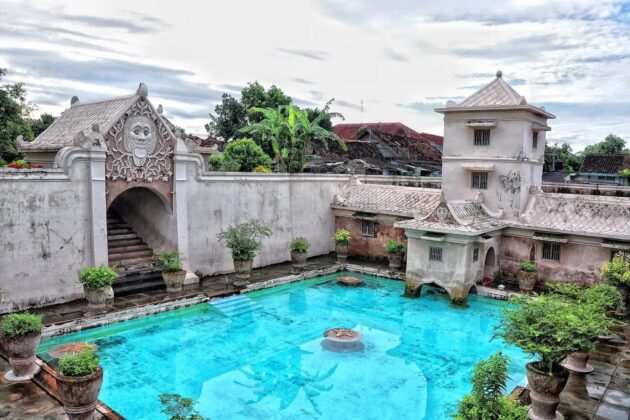
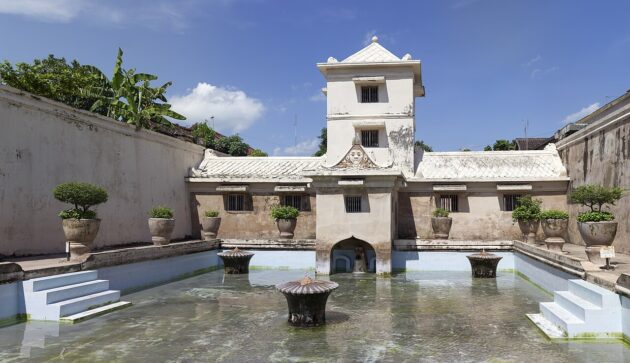
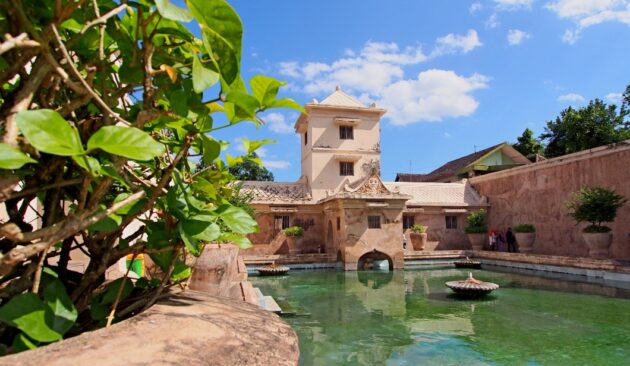
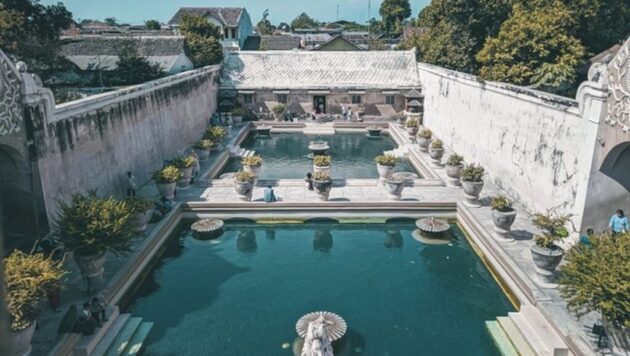
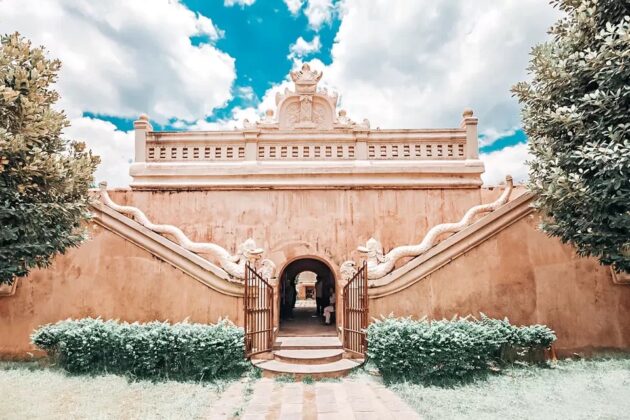
Taman Sari Tourist Village in Yogyakarta, Indonesia, is a historic royal garden complex built in the mid-18th century for the Sultan’s relaxation and contemplation. Often called the “Floating Palace,” it features a unique blend of Javanese and Portuguese architectural styles, with bathing pools, underground tunnels, meditation pavilions, and artificial lakes.
Jalan Malioboro
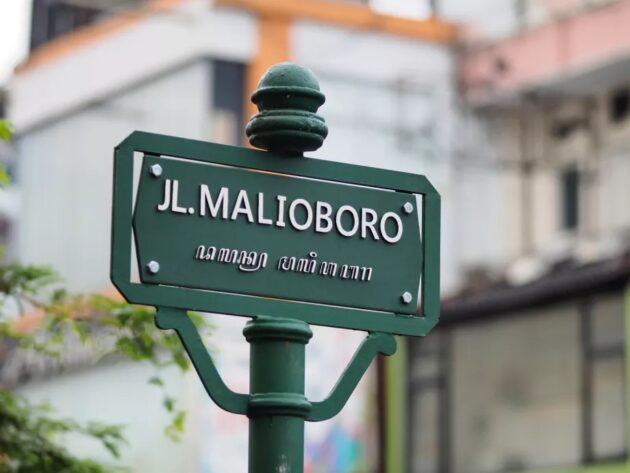
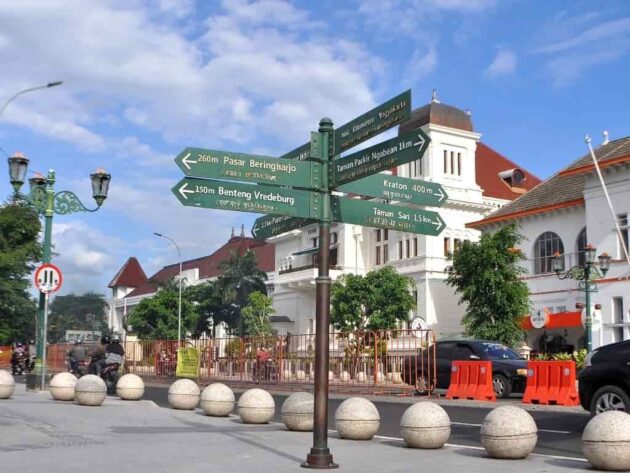
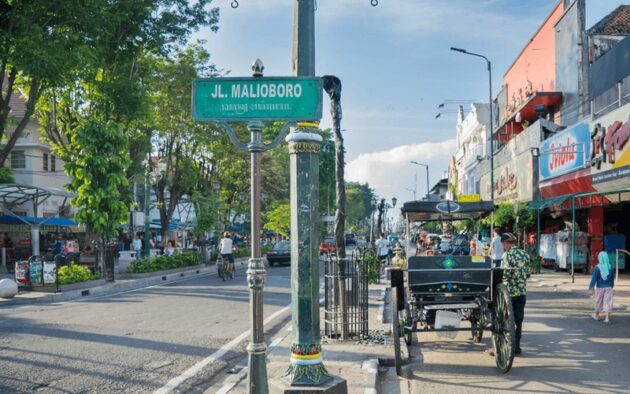
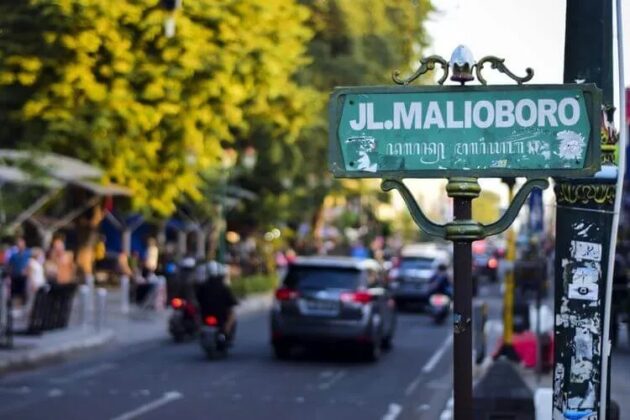
Jalan Malioboro is the vibrant, bustling heart of Yogyakarta, Indonesia, renowned for its lively street atmosphere, rich cultural heritage, and eclectic mix of traditional and modern shops. Stretching from the Tugu Monument to the Yogyakarta Kraton (Sultan’s Palace), this iconic thoroughfare is a sensory feast where visitors can browse batik clothing, handmade crafts, and local snacks, while listening to street musicians and the clip-clop of horse-drawn carriages (andong).
Mount Merapi
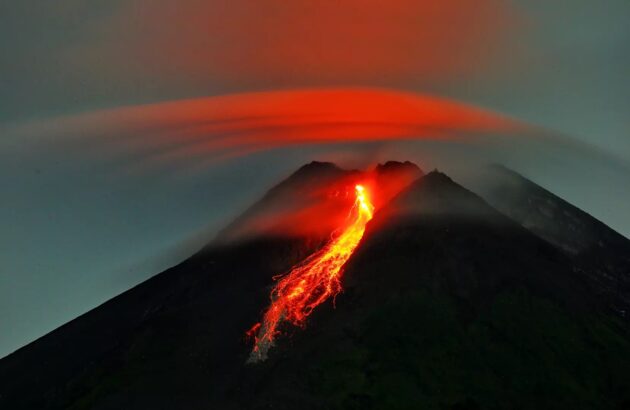
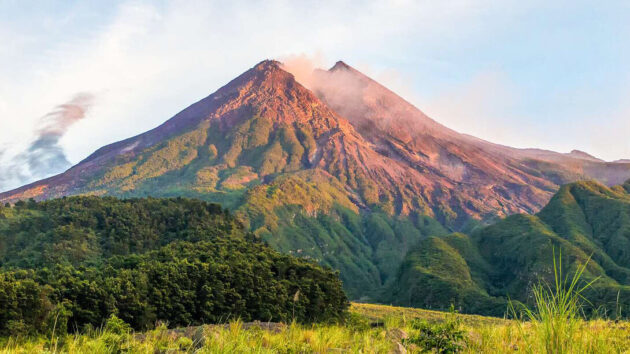
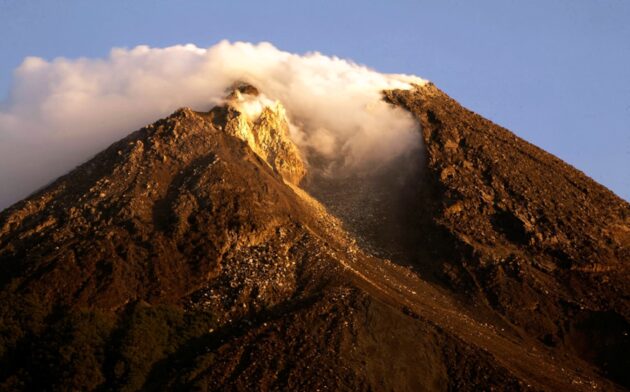
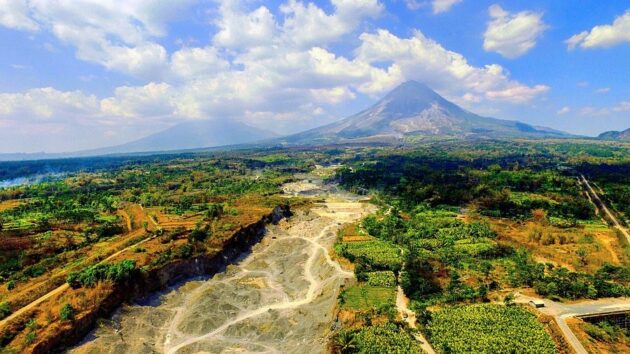
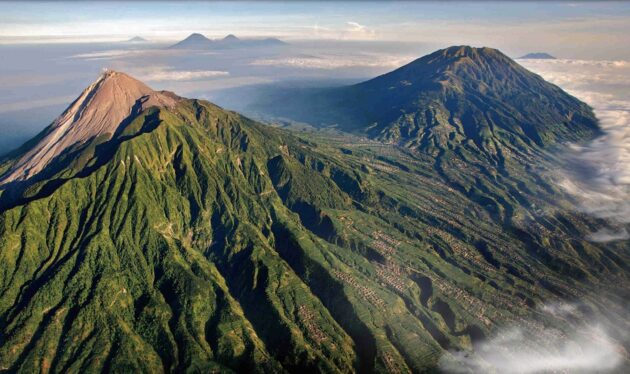
Mount Merapi, located just north of Yogyakarta, Indonesia, is one of the most active and dangerous volcanoes in the world. Standing at 2,968 meters, its frequent eruptions produce pyroclastic flows, ash clouds, and lava that pose significant risks to the densely populated areas surrounding it. Despite this danger, the volcano’s fertile slopes support rich agriculture, and it holds deep cultural and spiritual significance for local Javanese people, who believe it is part of the cosmos’s balance.
Food Scene
Yogyakarta is a foodie paradise. Must-try dishes include gudeg (sweet jackfruit stew), ayam goreng (fried chicken), sate, bakpia (sweet pastries), and street snacks like lumpia or nasi kucing.
Key areas: Malioboro for street food, Prawirotaman for cafes and restaurants. Try local spots for authentic flavors; many offer traditional Javanese meals in cultural settings. Vegetarian options are widely available. Drink bottled or filtered water.
Where to Stay
Malioboro area: Most convenient for walking, shopping, and central sights (e.g., Novotel Suites, Fave Hotel).
Prawirotaman: Bohemian vibe with artsy cafes and restaurants.
Near temples or quieter areas for specific focuses.
Options range from budget hostels and boutique guesthouses to luxury hotels and villas. Book in advance for peak season.
Practical Tips
Currency: Indonesian Rupiah (IDR). ATMs are common; carry small bills for markets and street food.
Dress: Modest clothing for temples (cover shoulders/knees); comfortable shoes for walking.
Safety: Generally very safe, but watch belongings in crowds. Use reputable drivers/tours. Mosquito repellent advised.
Etiquette: Be respectful at cultural/religious sites. Learn a few Indonesian phrases — locals appreciate it.
Sustainability: Support local artisans, avoid single-use plastics, and follow volcano safety rules.
Book popular tours and temple climb tickets in advance.
Final Thoughts
Yogyakarta beautifully captures Java’s soul with its temples, traditions, and friendliness. Whether you seek history, adventure, or relaxation, it delivers memorable experiences. Safe travels — Selamat datang di Jogja!