


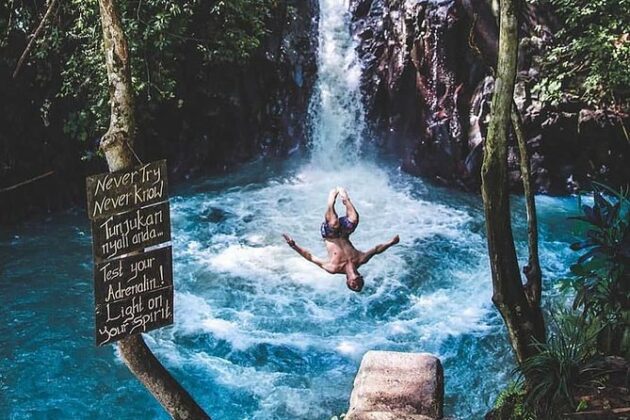

Bali Travel Guide (2026)
Bali, Indonesia, is a tropical paradise renowned for its stunning beaches, lush rice terraces, vibrant Hindu culture, world-class surfing, and welcoming people. Often called the “Island of the Gods,” it perfectly blends relaxation, adventure, spirituality, and luxury. Whether you’re seeking yoga retreats in Ubud, beach clubs in Seminyak, or cliffside temples in Uluwatu, Bali offers something for every traveler.
Best Time to Visit
Bali has a tropical climate with two main seasons:
Dry Season (April–October): The best time for most visitors. Expect sunny skies, lower humidity, and ideal conditions for beaches, water sports, and outdoor activities. Peak crowds and higher prices occur in July–August. Shoulder months like May, June, and September offer a great balance of good weather and fewer tourists.
Wet Season (November–March): Shorter, often afternoon showers. Fewer crowds and lower prices, but some outdoor plans may be affected. Still viable for many travelers.
Temperatures typically range from 24–30°C (75–86°F) year-round, cooler in the highlands like Ubud.
Getting There
Flights: Most international travelers arrive at Ngurah Rai International Airport (DPS) in Denpasar, with direct flights from major Asian, Australian, and some European cities.
Top Destinations & Attractions
Ubud (Cultural Heart)
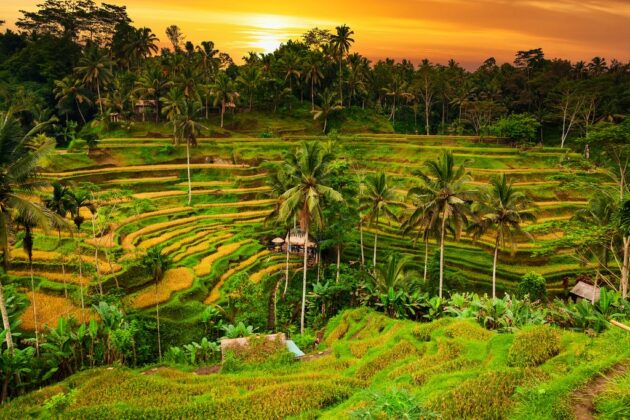
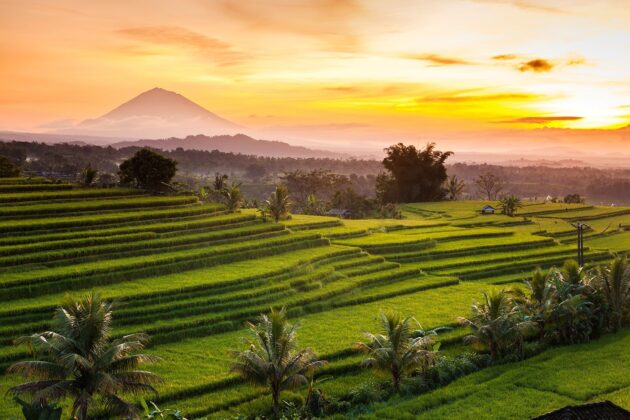
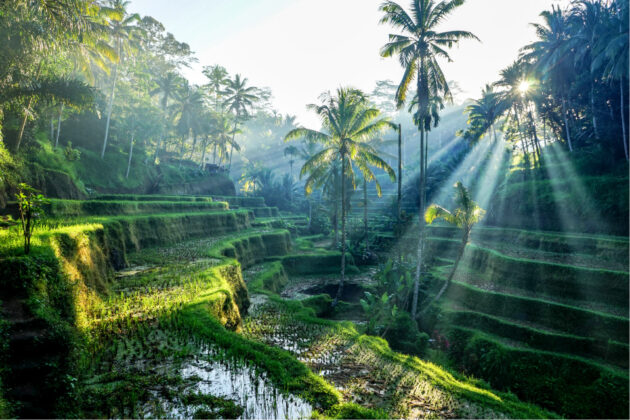
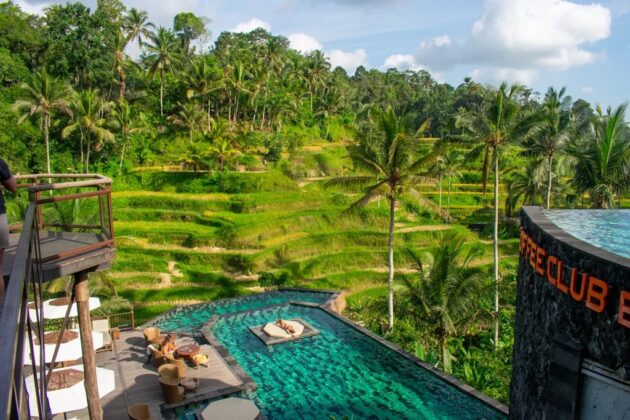
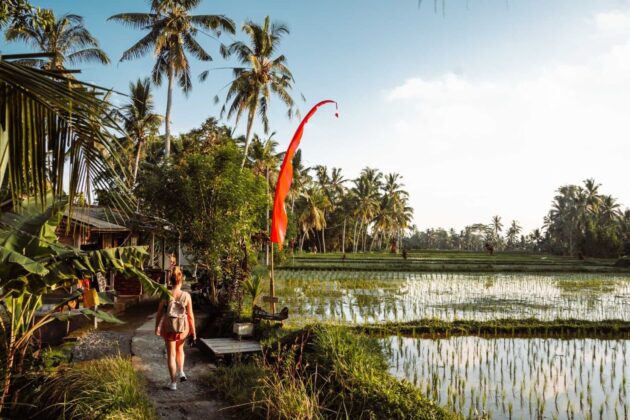
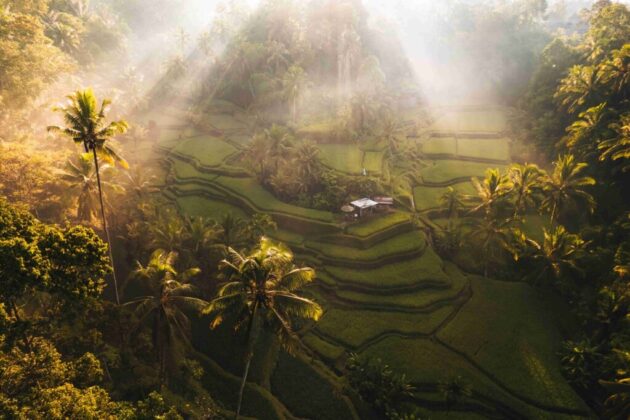
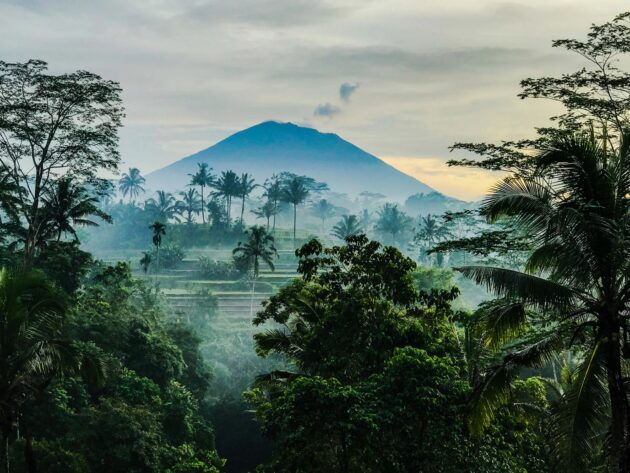
Ubud is the lush, artistic, and spiritual center of Bali, Indonesia. Known for its emerald rice terraces, ancient temples, vibrant arts scene, wellness retreats, and serene jungle vibes, it offers a refreshing contrast to the island’s busier southern beaches. Whether you seek yoga and meditation, cultural immersion, nature adventures, or delicious food, Ubud delivers a deeply rejuvenating experience.


Seminyak
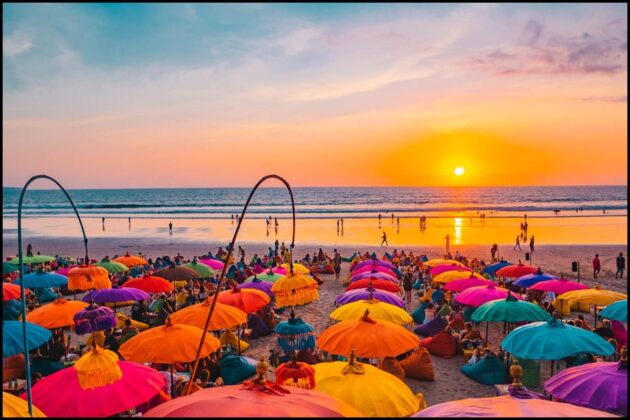
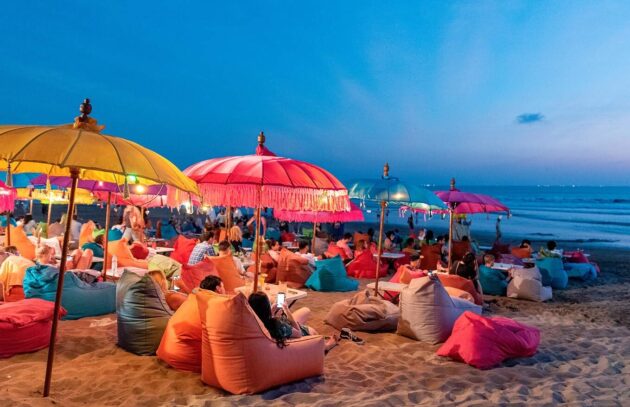
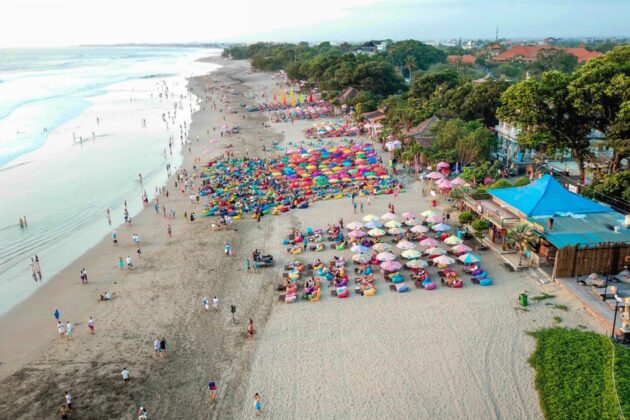
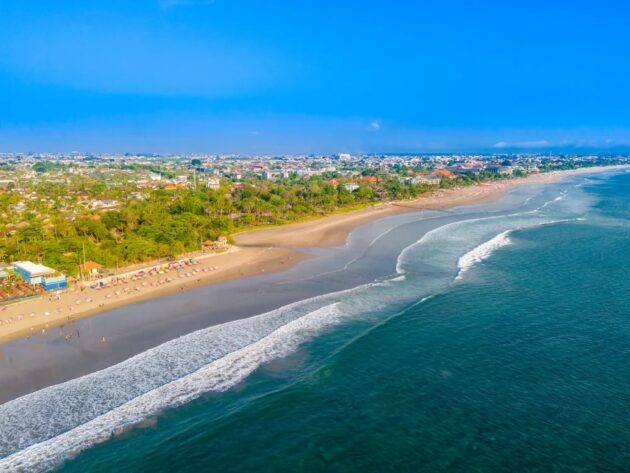
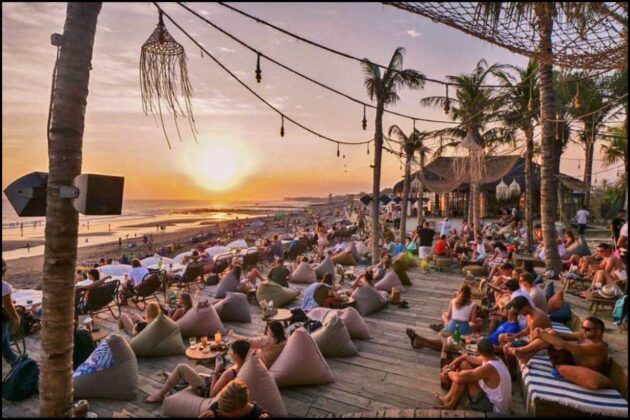
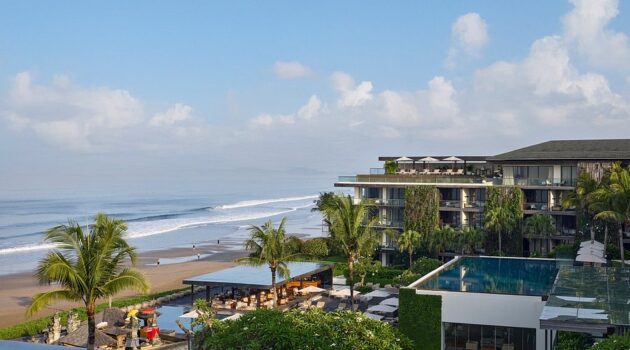
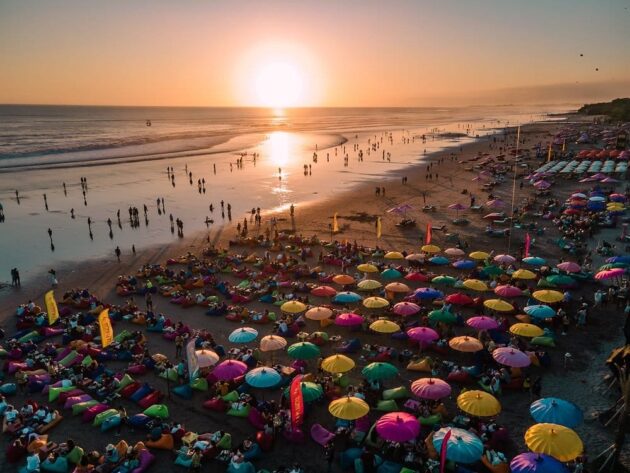
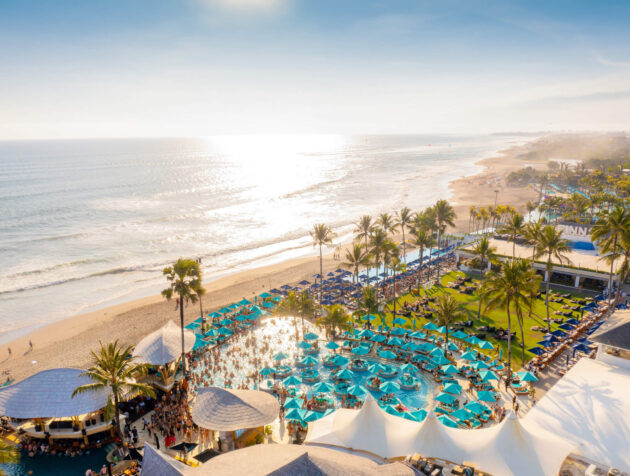
Seminyak is one of Bali’s most stylish and cosmopolitan beachside neighborhoods. It offers a perfect blend of upscale vibe, beautiful beaches, world-class dining, boutique shopping, vibrant nightlife, and relaxed tropical luxury. Located between Kuta/Legian to the south and Canggu to the north, it feels more polished and sophisticated than busier Kuta but livelier than relaxed Canggu.

Canggu
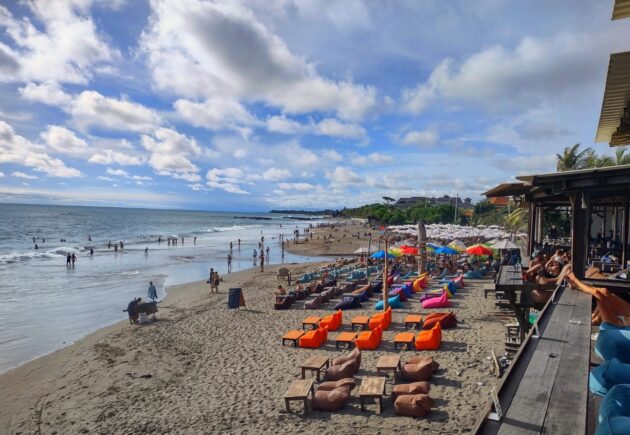
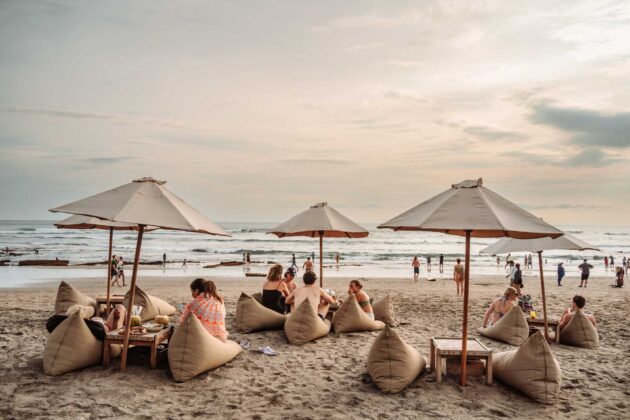
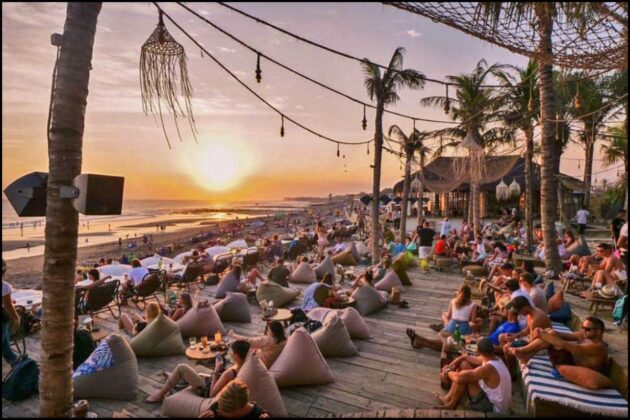
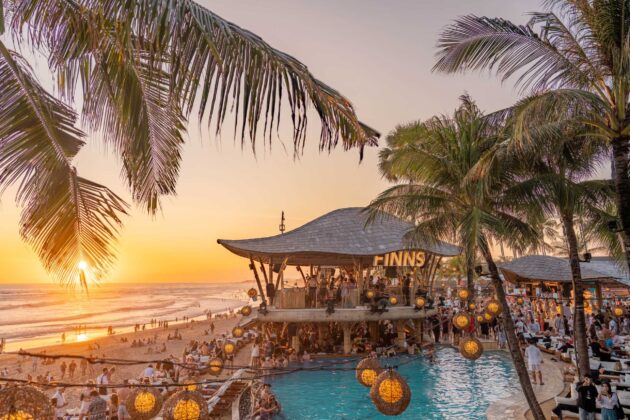
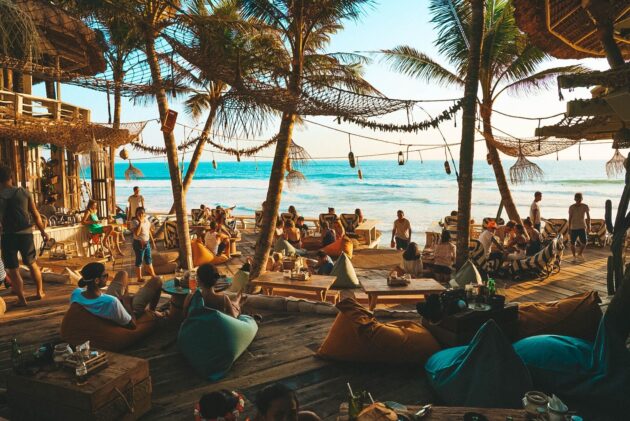
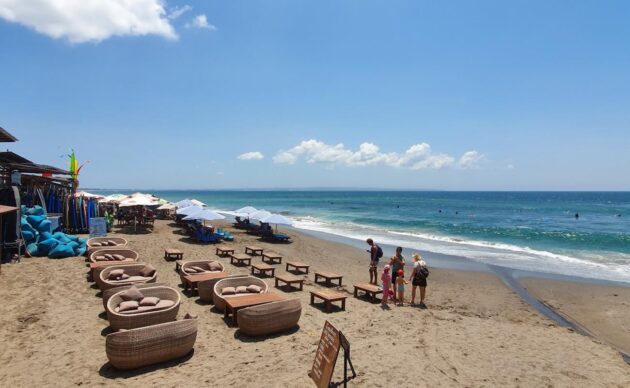
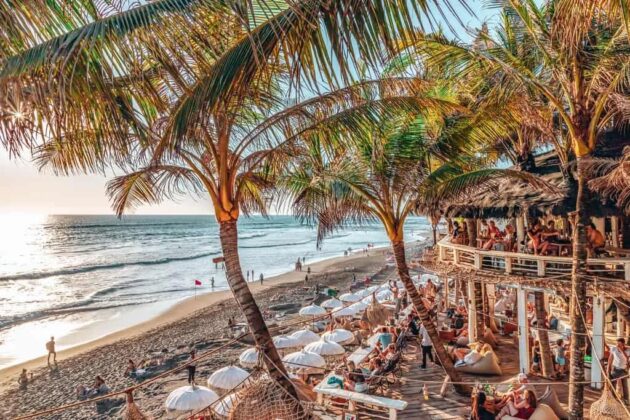
Canggu is one of Bali’s most popular destinations for a reason. It blends black-sand beaches, excellent surfing, trendy cafes, yoga studios, beach clubs, and a laid-back yet social atmosphere. It attracts surfers, digital nomads, wellness travelers, and foodies. Less hectic than Kuta or Seminyak but more energetic than remote areas, Canggu offers a perfect mix of relaxation and activity.
Uluwatu Temple
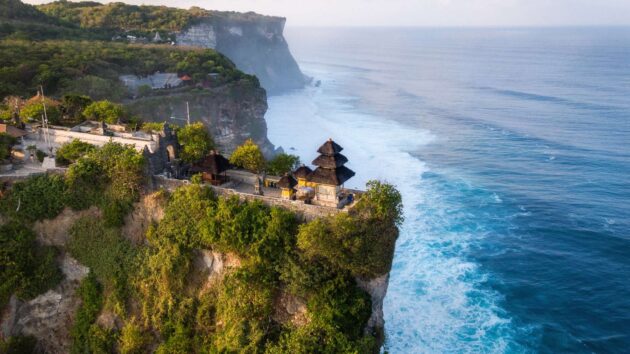
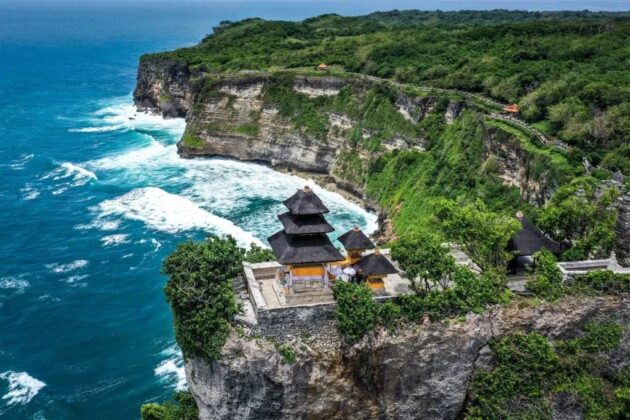
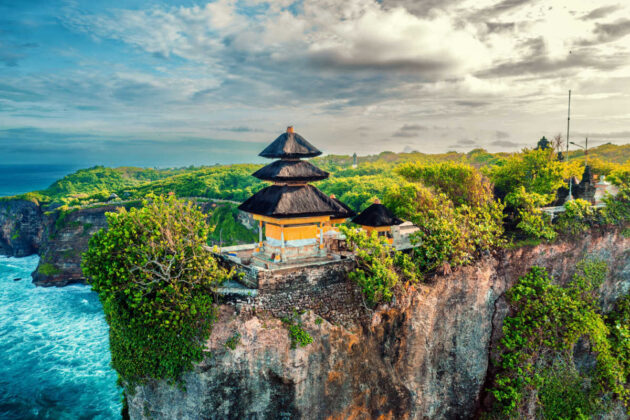
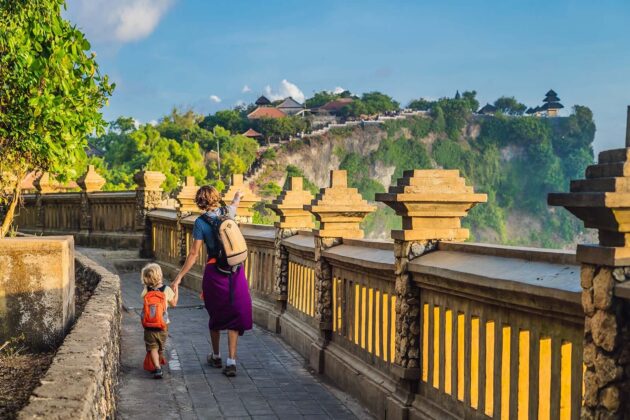
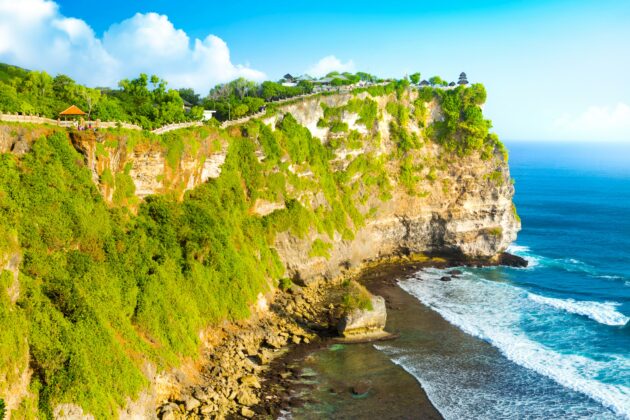
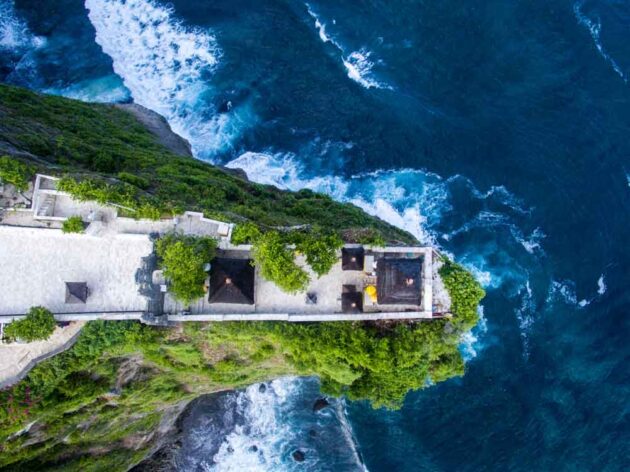
Uluwatu Temple is one of Bali’s most iconic landmarks. Perched dramatically on a 70-meter (230-foot) cliff overlooking the Indian Ocean in the Bukit Peninsula, it offers breathtaking ocean views, rich Hindu spiritual heritage, and one of the island’s best sunset experiences. It is one of Bali’s key sea temples, believed to protect the island from evil sea spirits.


Tanah Lot
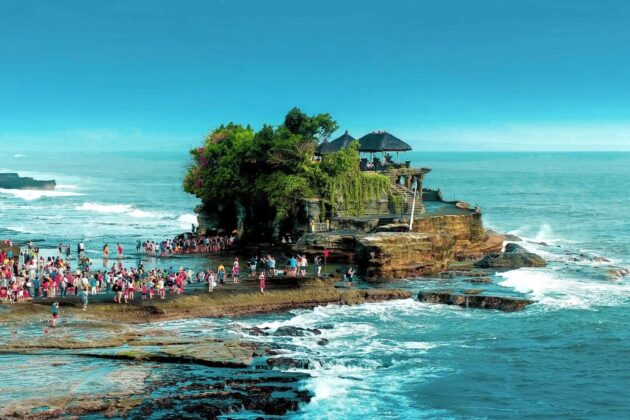
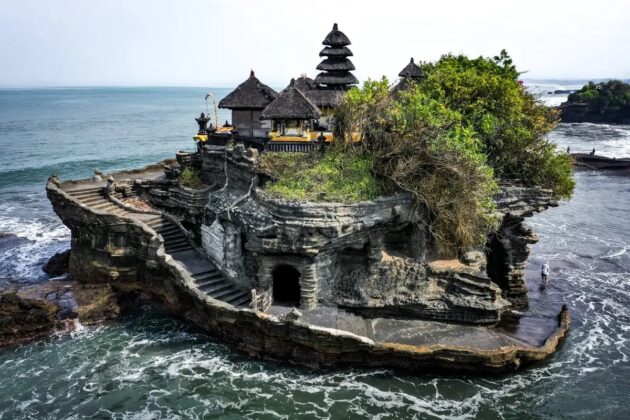
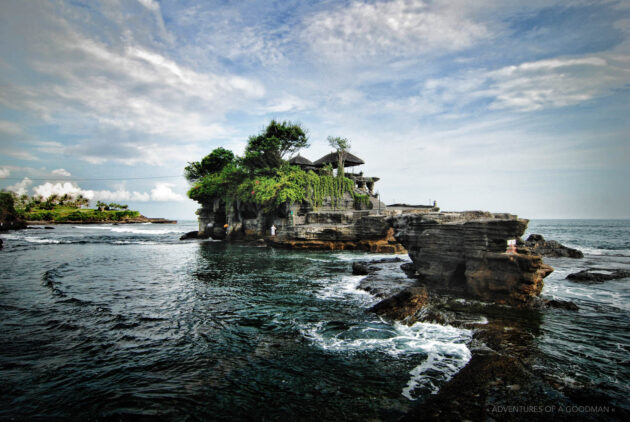
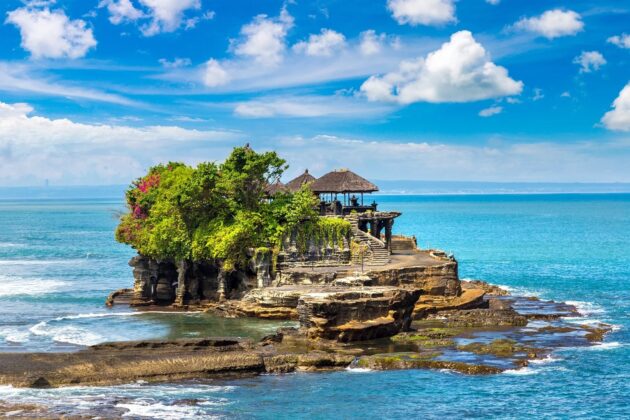
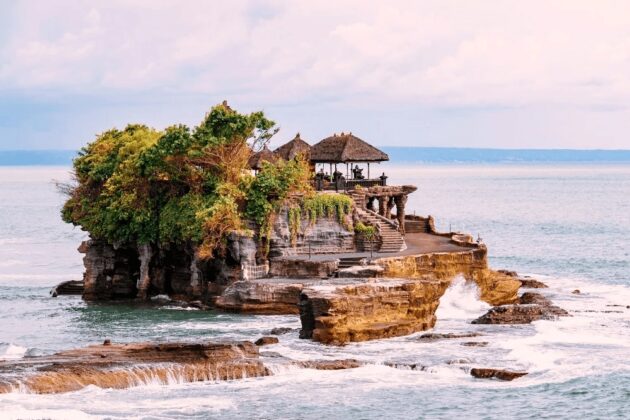
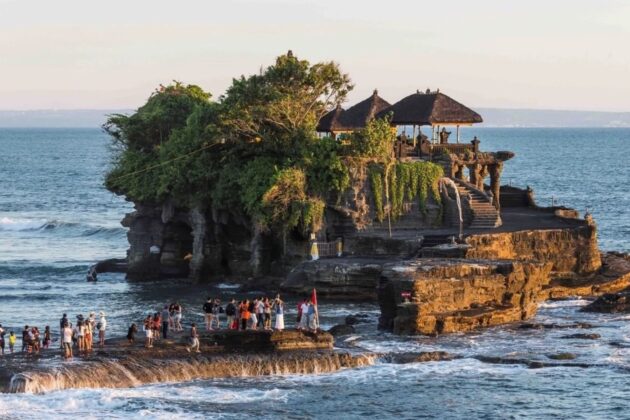
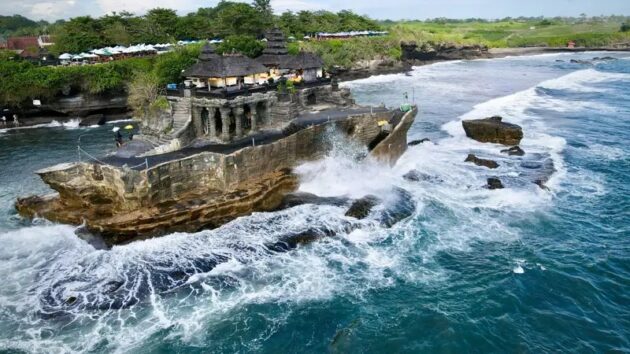
Tanah Lot (meaning “Land in the Sea” in Balinese) is one of Bali’s most photographed and visited landmarks. This ancient Hindu sea temple sits dramatically on a rocky outcrop just off the southwest coast, surrounded by crashing waves. It is one of seven sea temples along Bali’s coastline and a powerful symbol of Balinese spirituality, dedicated primarily to the sea god Dewa Baruna (or Bhatara Segara).

Ulun Danu Beratan
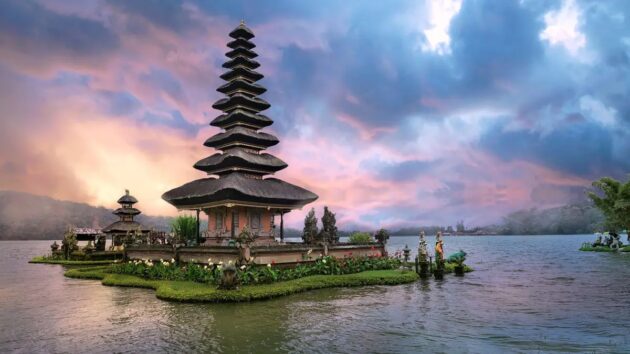
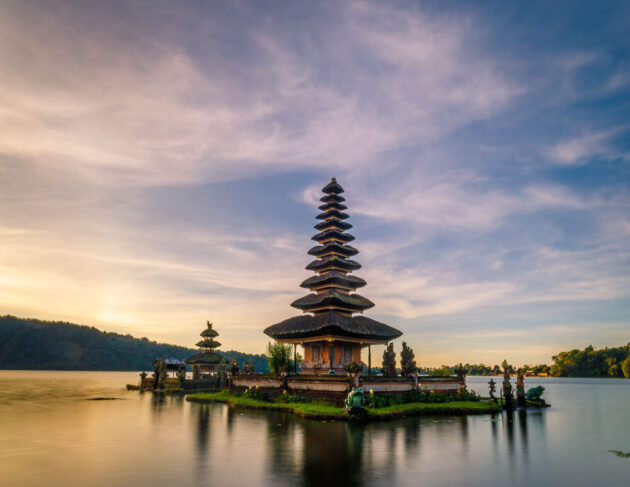
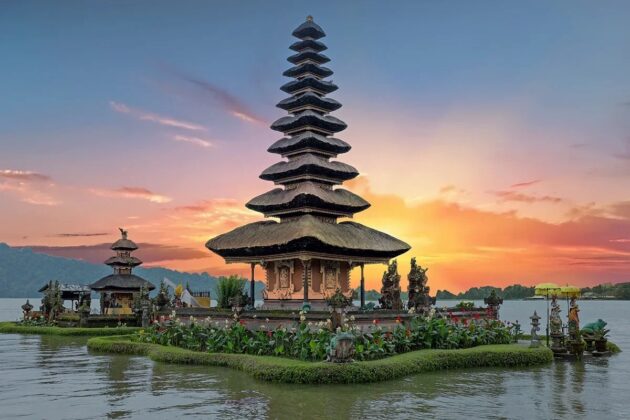
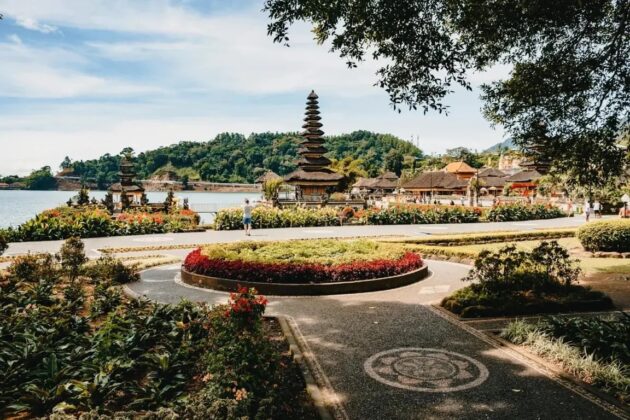
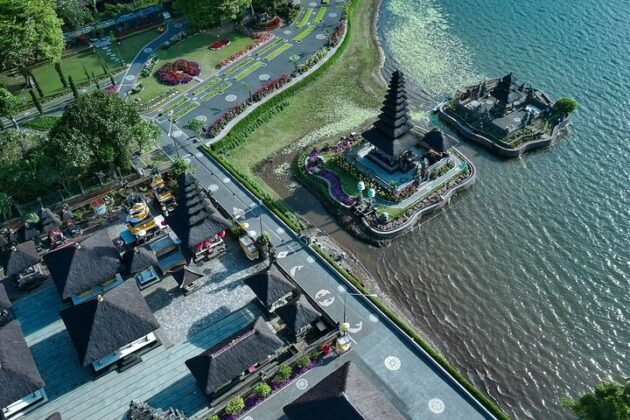
Ulun Danu Beratan is one of Bali’s most iconic and photogenic temples. It sits serenely on the shores of Lake Beratan (also spelled Bratan) in the cool highlands of Bedugul, Tabanan Regency. The temple’s distinctive multi-tiered meru shrines appear to “float” on the water, especially when the lake level is high, creating one of Bali’s most postcard-perfect scenes.

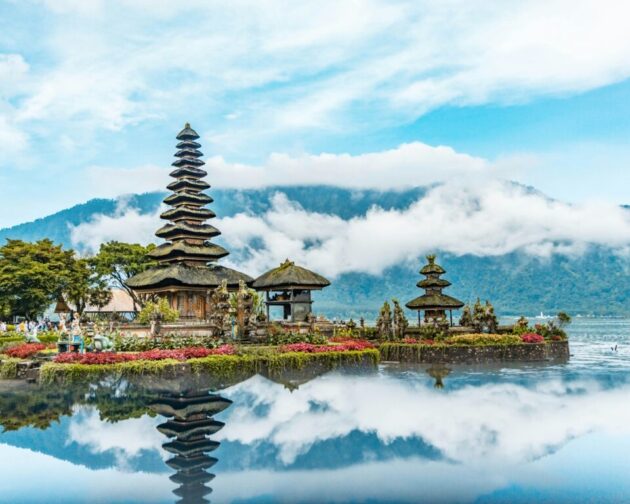
Kelingking Beach
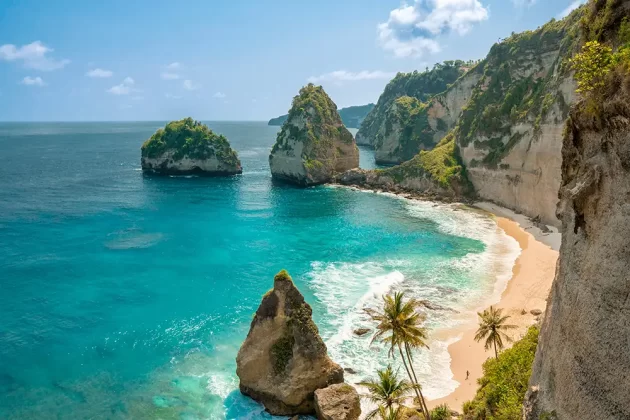
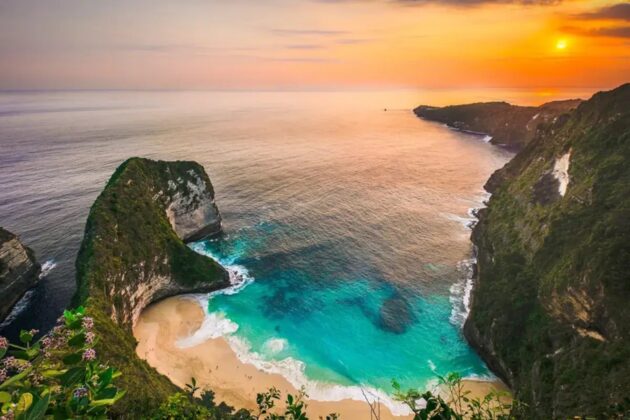
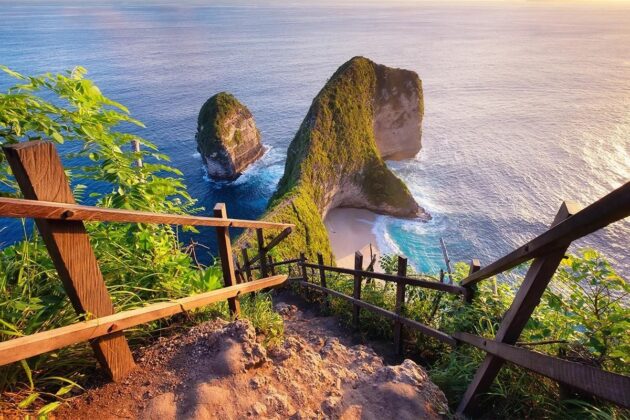
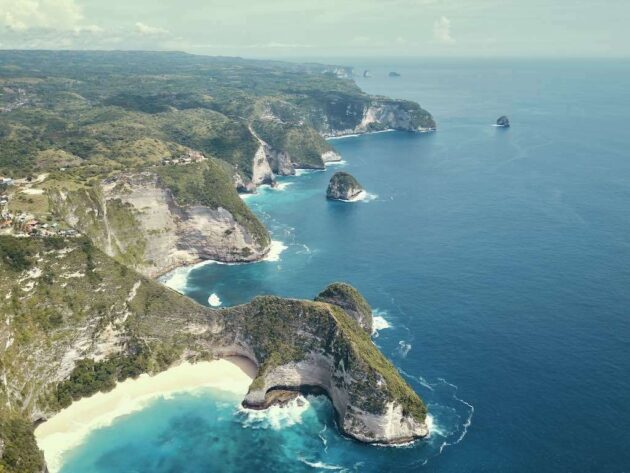
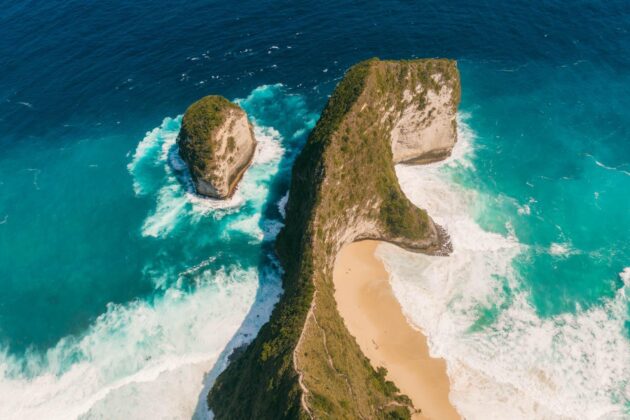
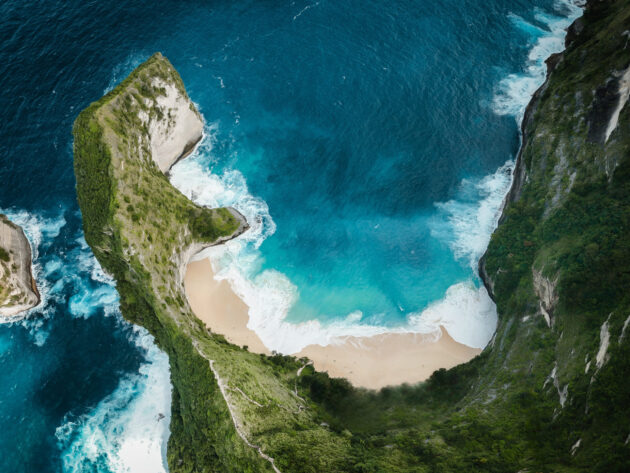
Kelingking Beach (also known as T-Rex Beach or Pantai Kelingking) is one of the most iconic and photogenic destinations in Bali. Its dramatic limestone cliffs form a shape resembling a T-Rex dinosaur head jutting into the sea, overlooking pristine white sand and vibrant turquoise waters. Located on the rugged west coast of Nusa Penida island, it delivers jaw-dropping views and a sense of wild, untamed beauty.


Broken Beach
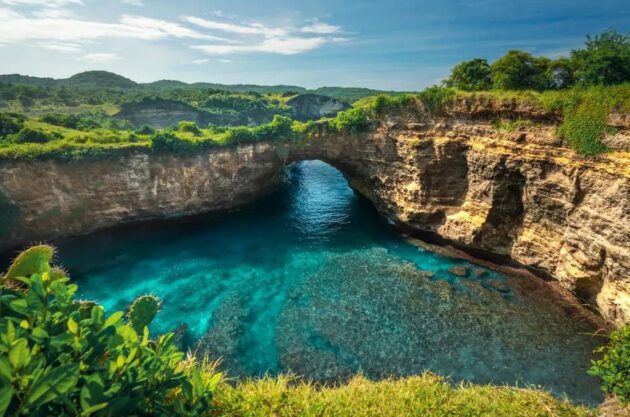
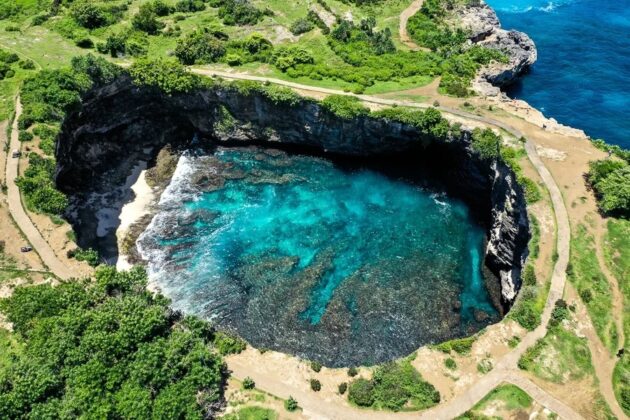
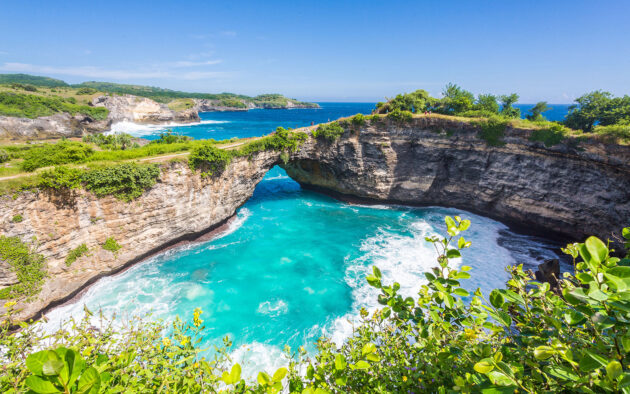
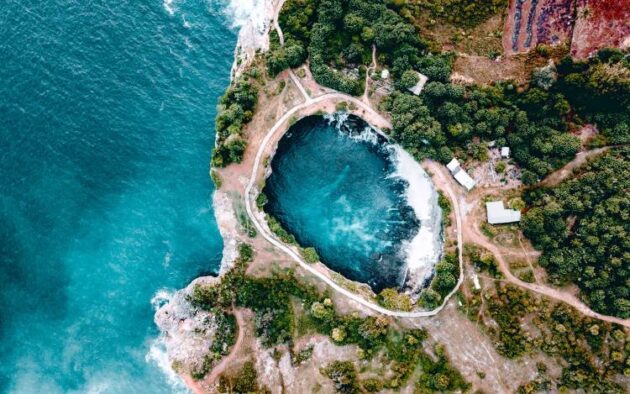
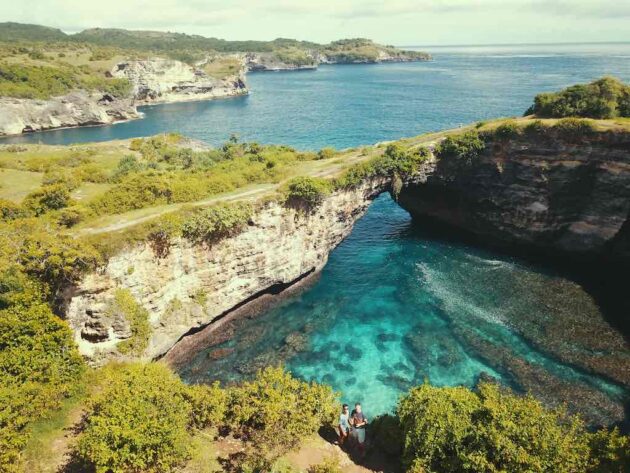
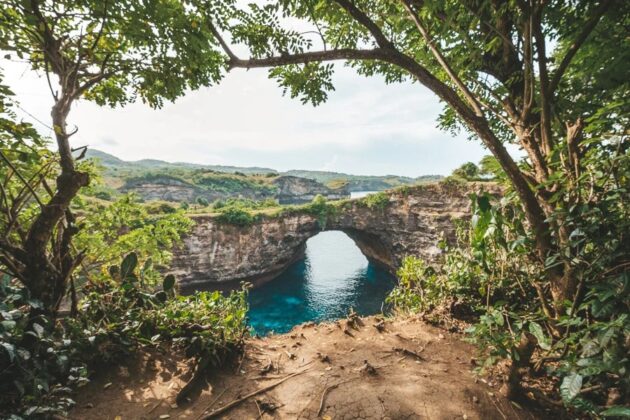
Broken Beach, locally known as Pasih Uug (roughly translating to “Broken Beach” or “Damaged Bay”), is one of Nusa Penida’s most iconic natural landmarks. It features a dramatic circular bay enclosed by towering cliffs with a massive natural rock arch that connects the sheltered turquoise waters to the open ocean. It’s a viewpoint rather than a swimmable beach—perfect for photography, breathtaking panoramas, and witnessing the power of the sea.


Food & Cuisine
Bali’s food is fresh, flavorful, and diverse. Must-tries:
Nasi Goreng (fried rice), Mie Goreng (fried noodles). Babi Guling (suckling pig) — try in Ubud. Warungs (local eateries) for cheap, authentic meals. Fresh seafood, smoothies, and avocado toast in tourist areas. Vegetarian/vegan options abound, especially in Ubud.
Budget Tip: Local warung meals cost $2–5; mid-range restaurants $8–20.
Accommodation
Budget: Guesthouses/hostels ($15–40/night). Mid-range: Boutique hotels/villas ($60–150). Luxury: Private villas with pools ($200+).
Popular areas: Ubud for culture, Seminyak/Canggu for beach vibe, Uluwatu for seclusion.
Transportation
Scooter rental: Most popular ($5–8/day) — but only if experienced; roads can be chaotic. Always wear a helmet.
Private driver: Best for day trips ($40–70/full day).
Grab/Gojek apps: Cheap rides ($1–5).
Taxis or shuttles for airport transfers.
Practical Tips & Safety
Dress Code: Cover shoulders and knees for temples; sarongs often provided.
Currency: Indonesian Rupiah (IDR). ATMs widely available; carry cash for small vendors.
Bargaining: Common in markets.
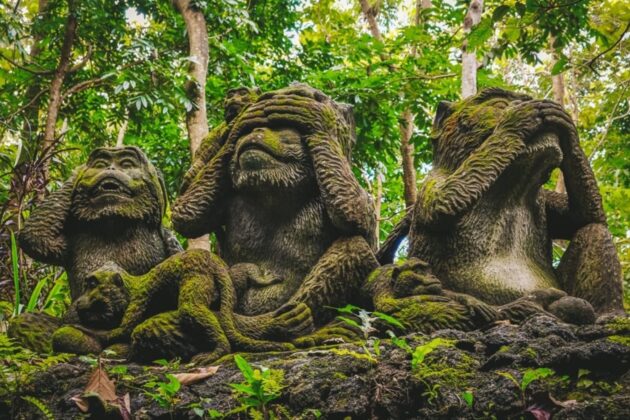
Safety: Generally safe, but watch for scooter theft, strong currents at beaches, and petty crime. Use reputable operators. Drink bottled water. Monkeys can be aggressive — don’t feed them.
Health: Mosquito repellent for dengue risk. Travel insurance recommended (especially for scooters/activities).
Sustainability: Support eco-friendly operators; avoid single-use plastics. Bali has faced waste issues — be mindful.
Final Thoughts
Bali is magical but can feel touristy in popular spots — venture off the beaten path for authentic experiences. Respect local customs (Hindu traditions are central), and you’ll leave with unforgettable memories. Safe travels!