
Sri Lanka Travel Guide (2026)
Sri Lanka, the teardrop-shaped island nation in the Indian Ocean, offers an incredible mix of golden beaches, ancient ruins, misty hill country, lush tea plantations, and rich wildlife. Known as the “Pearl of the Indian Ocean,” it is compact enough to explore in 1–2 weeks yet diverse enough for longer adventures.
Why Visit Sri Lanka?
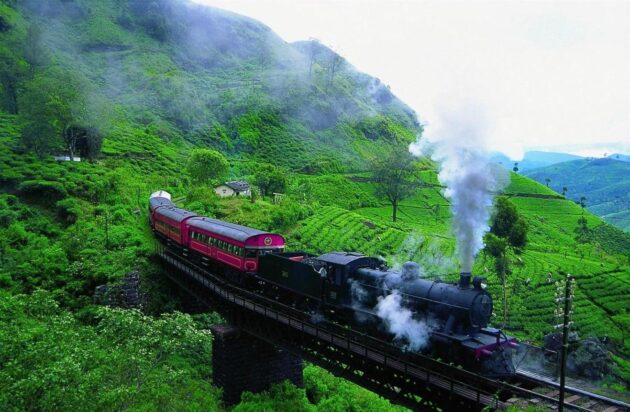
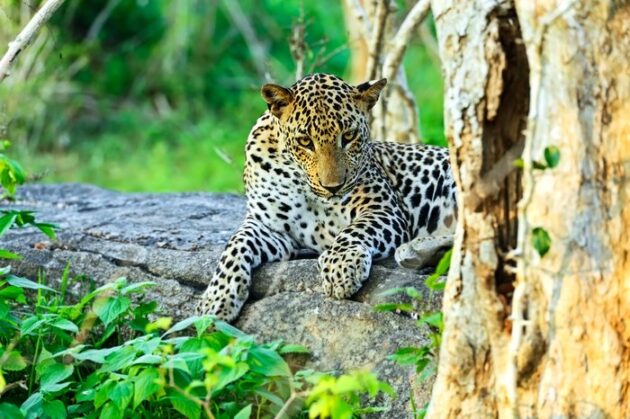
From climbing the iconic Sigiriya Rock Fortress (a UNESCO site) and spotting leopards in Yala National Park to relaxing on pristine southern beaches and riding the scenic train through tea estates in Ella, Sri Lanka delivers unforgettable experiences. It’s perfect for culture lovers, beach enthusiasts, wildlife spotters, and adventure seekers alike.
Best Time to Visit
Sri Lanka has two main monsoon seasons, so you can visit year-round by choosing the right region:
December to April (Peak Season): Best for the west and south coasts (beaches like Mirissa, Galle, Hikkaduwa) and hill country (Kandy, Ella, Nuwara Eliya). Sunny, dry weather with calm seas—ideal for first-time visitors.
May to September: Excellent for the east coast (Trincomalee, Uppuveli) with fewer crowds.
Shoulder months (April, September–October): Good for exploring the whole island with milder weather.
Avoid the southwest monsoon (May–September) if focusing on Colombo and the south.
Visa & Entry Requirements
Most travelers need an Electronic Travel Authorization (ETA), which can be applied for online at eta.gov.lk (usually USD 20, processed in 24–72 hours). It allows a 30-day stay (often double entry).
Some nationalities (including from certain European, North American, and other countries) may qualify for visa-free entry or waived fees for short stays up to 30 days—check the latest on the official ETA site or Sri Lankan immigration before travel.
How to Get There & Getting Around
International Flights: Fly into Bandaranaike International Airport (CMB) near Colombo (from major hubs in Asia, Middle East, and Europe). Some flights also serve Mattala in the south.
Getting Around: Private driver with car: Most comfortable and recommended for first-timers (affordable and flexible). Trains: Scenic and iconic, especially the Colombo–Kandy–Ella route through tea plantations. Tuk-tuks & taxis: Great for short distances; use ride apps or negotiate fares. Buses: Cheap but crowded and less comfortable—avoid for long journeys. Domestic flights: Useful for reaching the east or north quickly.
Hiring a reliable private driver reduces hassle and is popular among tourists.
Top Attractions
Colombo
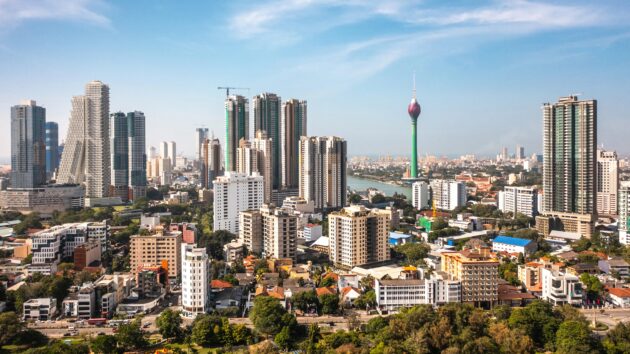
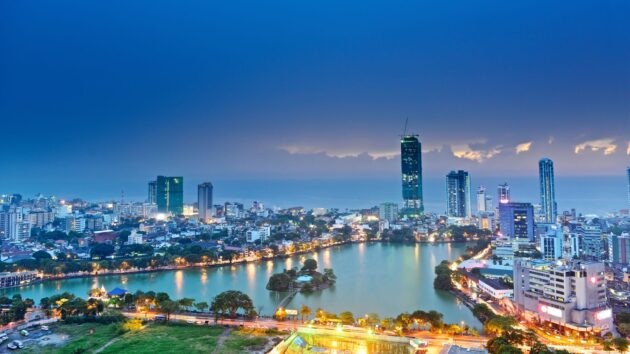
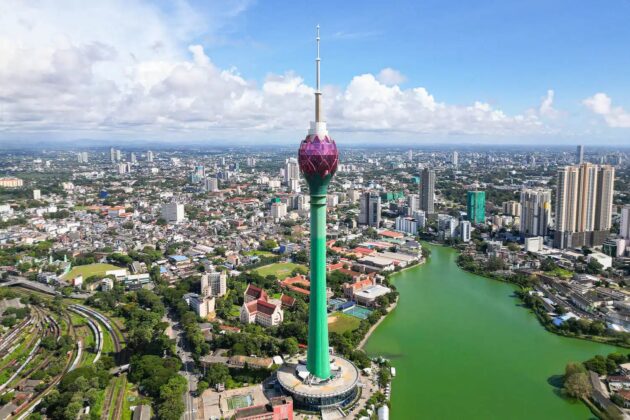
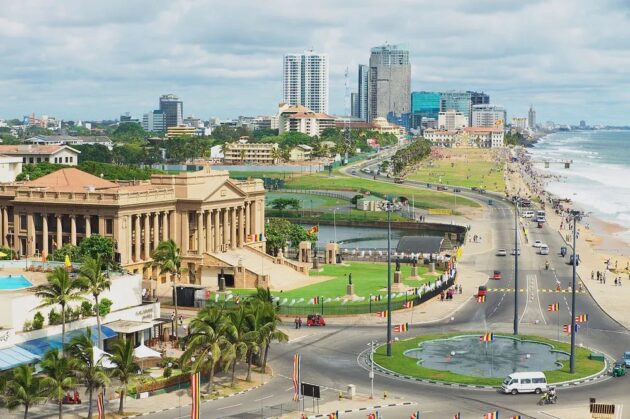
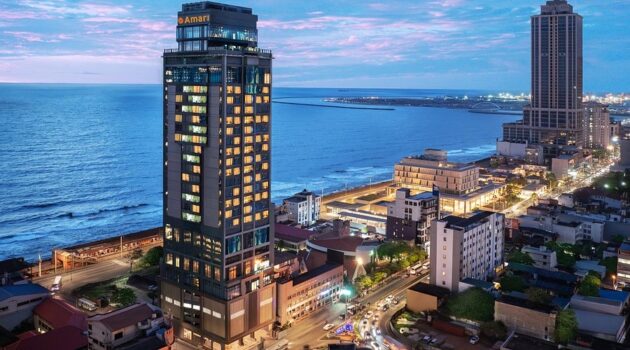
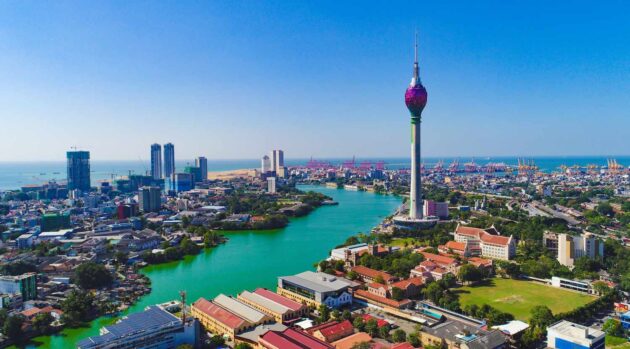
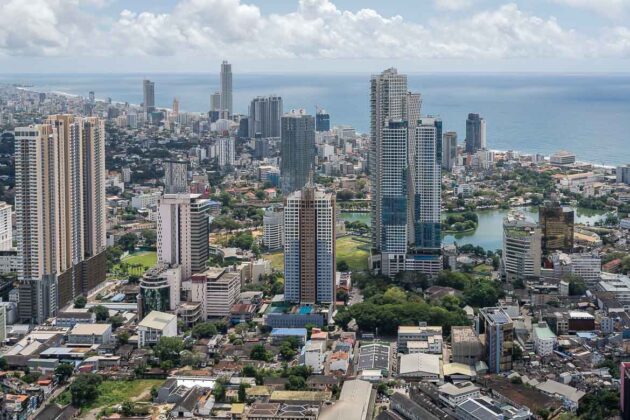
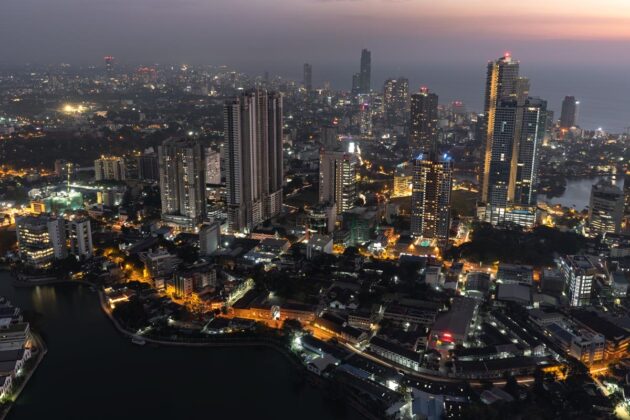
Colombo, the vibrant capital of Sri Lanka, serves as the bustling gateway to this tropical island nation. A dynamic blend of colonial history, modern skyscrapers, ancient temples, and lively markets, Colombo offers a fascinating introduction to Sri Lankan culture, cuisine, and daily life. While many travelers use it as a transit point en route to beaches or hill country, the city itself rewards those who linger with its seaside promenades, colorful religious sites, and energetic street food scene.
Sigiriya Rock Fortress
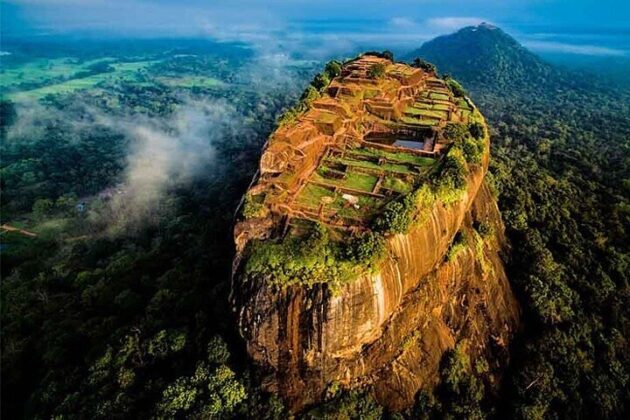
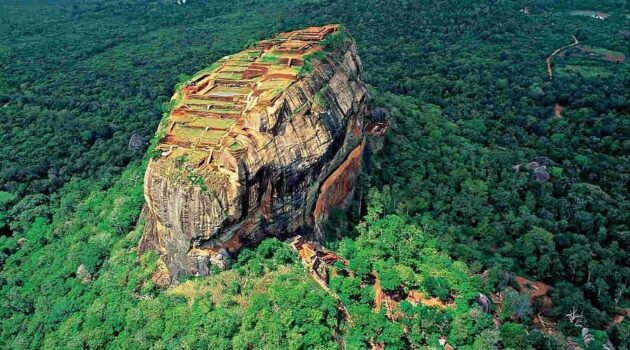
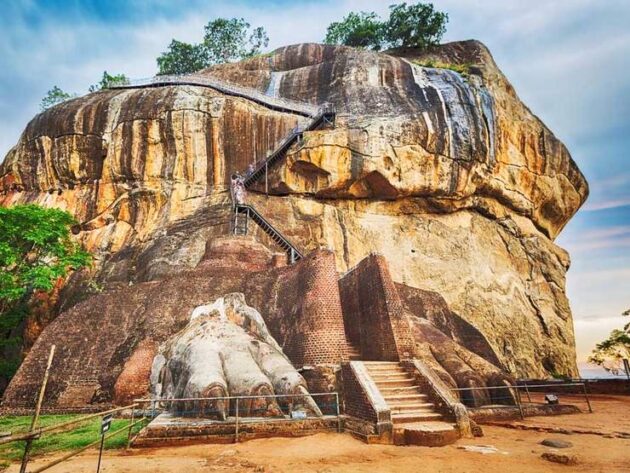
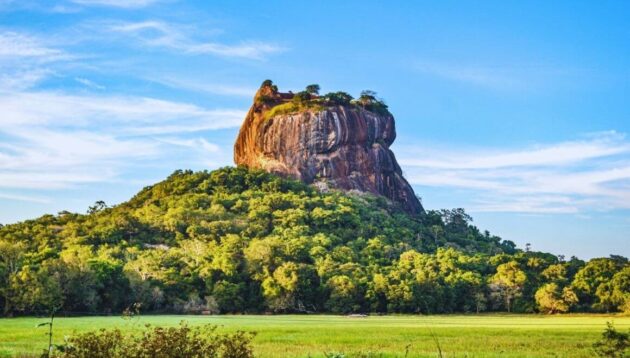
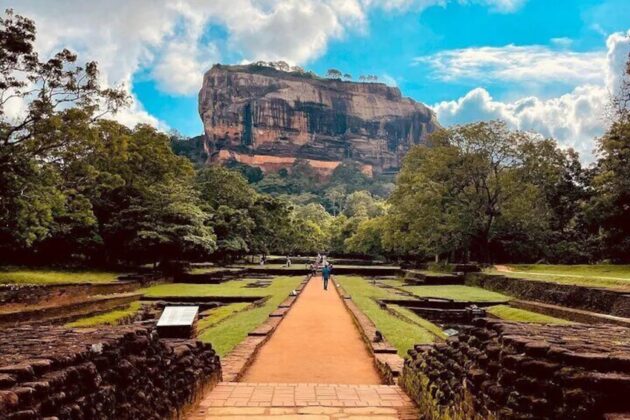
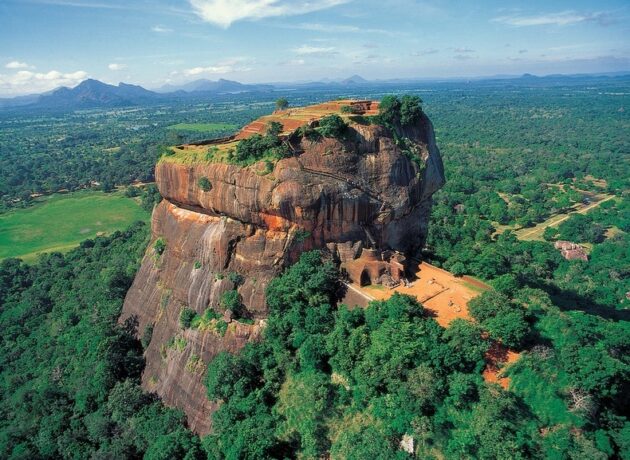
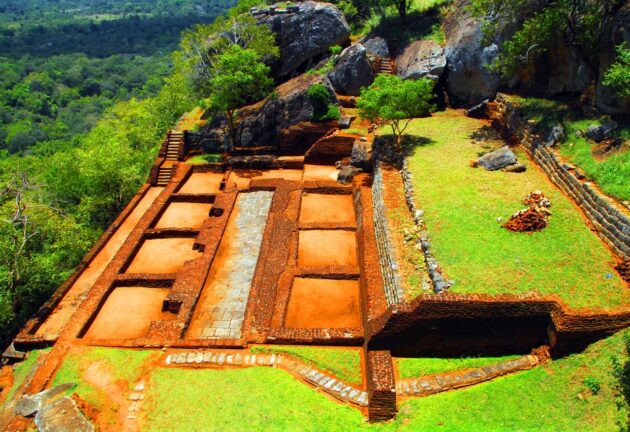
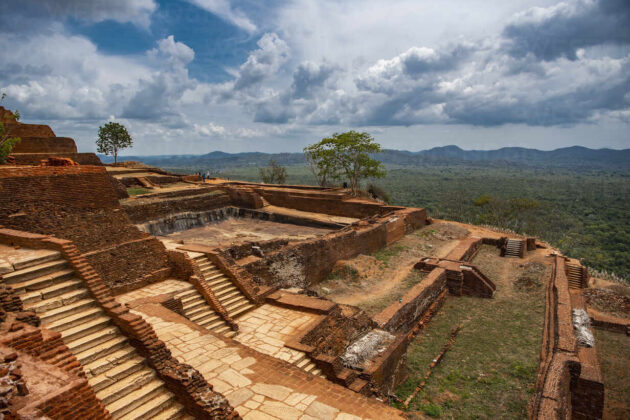
Sigiriya is an ancient rock fortress and palace complex built in the 5th century AD by King Kasyapa I. Rising dramatically nearly 200 meters (660 feet) above the surrounding plains, it features sophisticated urban planning, hydraulic engineering, beautiful frescoes, a mirror wall, and breathtaking panoramic views from the summit. Often called the “Eighth Wonder of the World,” the site includes water gardens at the base, ancient caves, and the famous lion-paw entrance leading to the top.
Dambulla Cave Temples
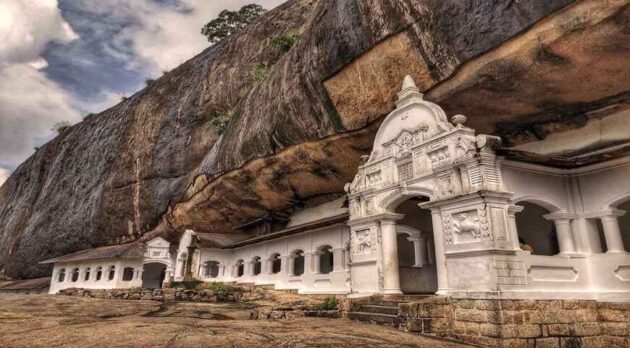
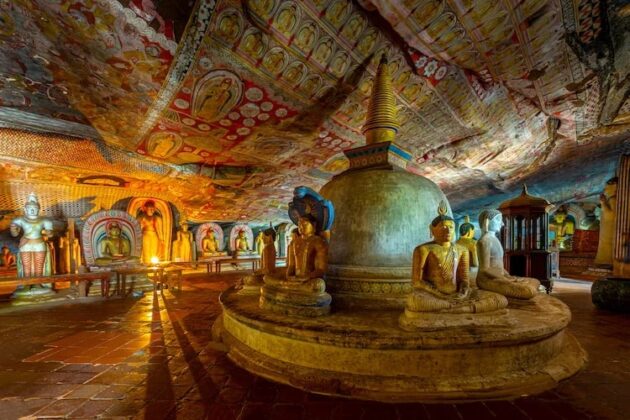
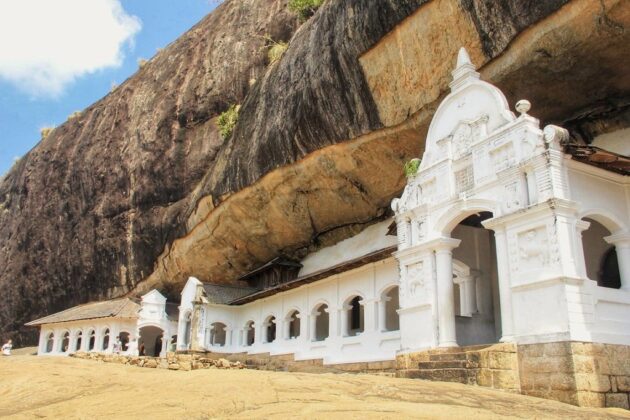
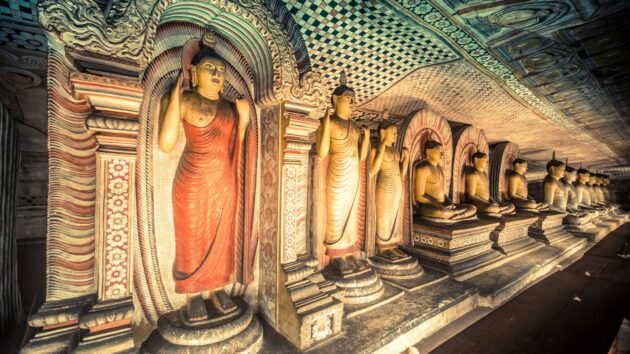
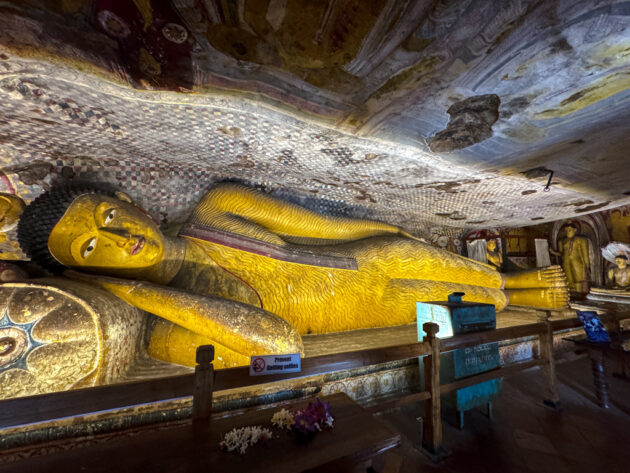
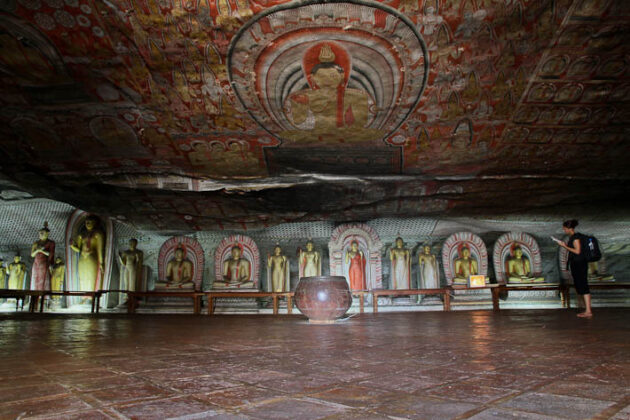
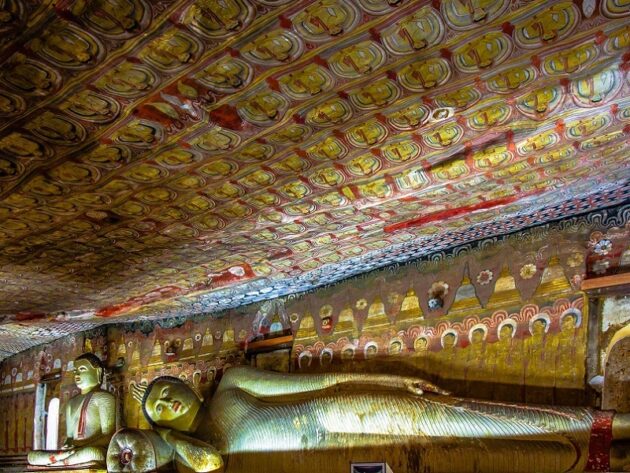
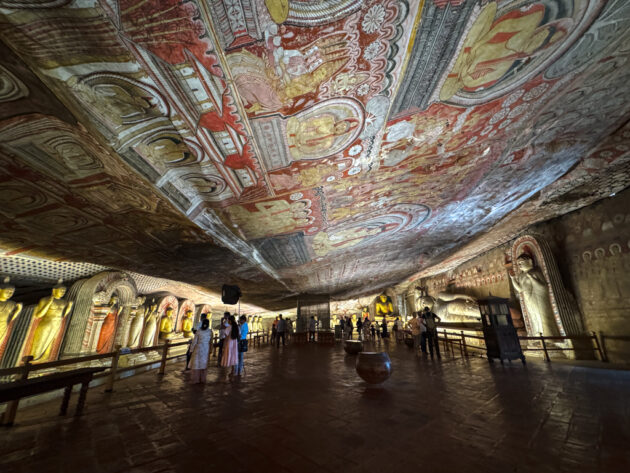
The Dambulla Cave Temples are one of Sri Lanka’s most impressive UNESCO World Heritage Sites. Perched on a massive 160-meter-high rock overlooking the central plains, this ancient Buddhist complex consists of five caves filled with over 150 Buddha statues, vibrant murals, and intricate carvings dating back more than 2,000 years.
Polonnaruwa
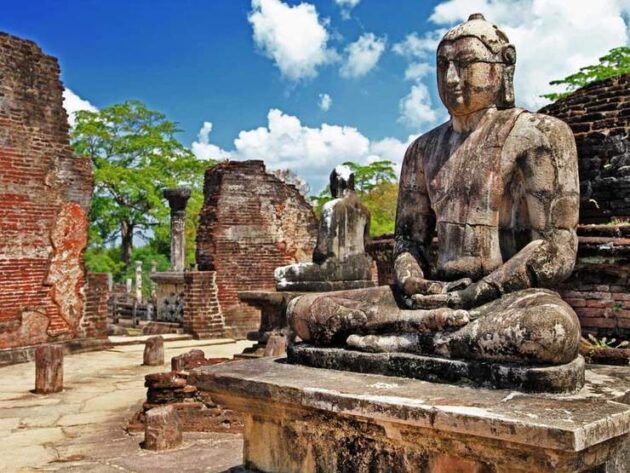
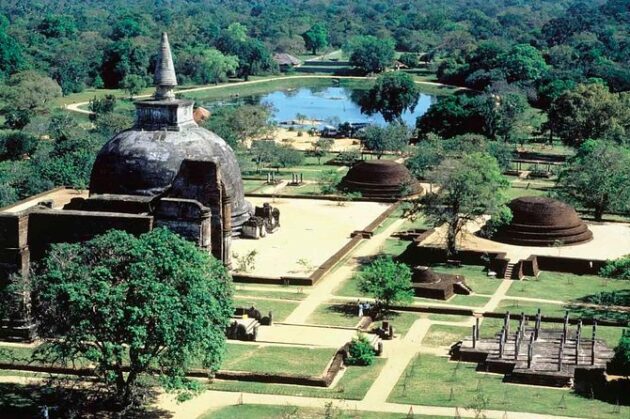
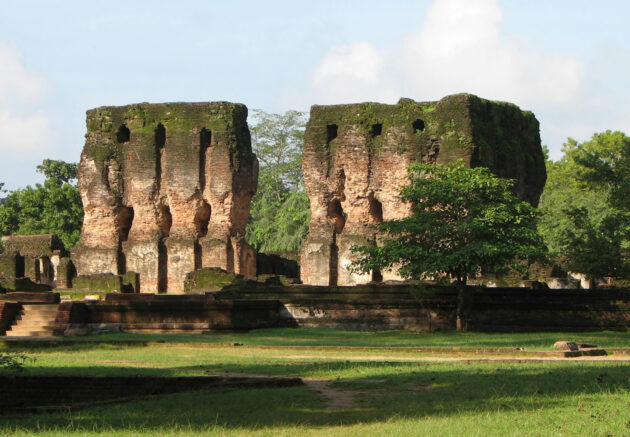
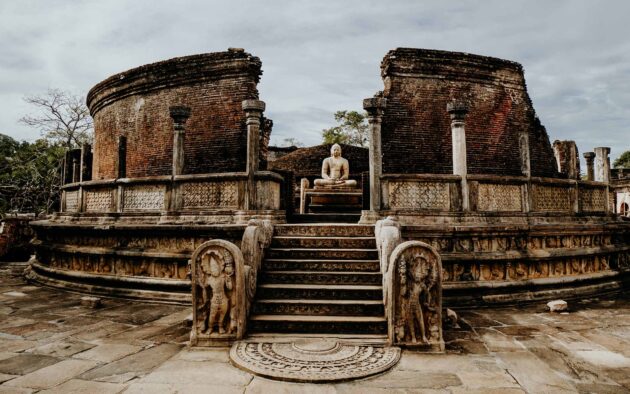
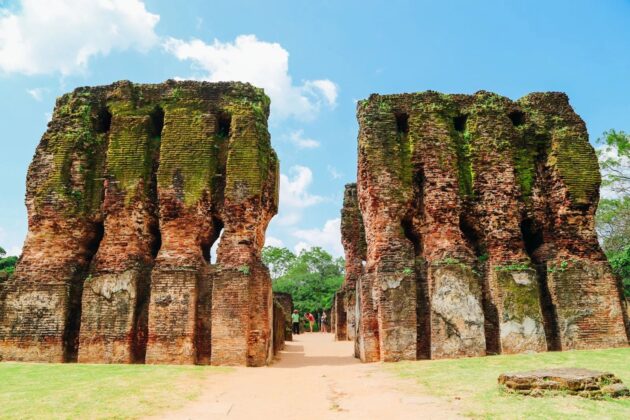
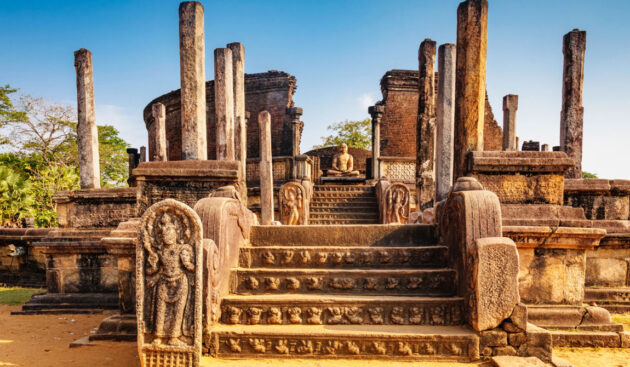
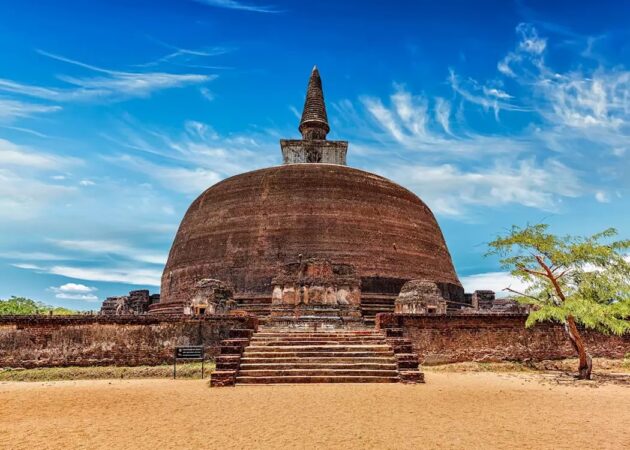
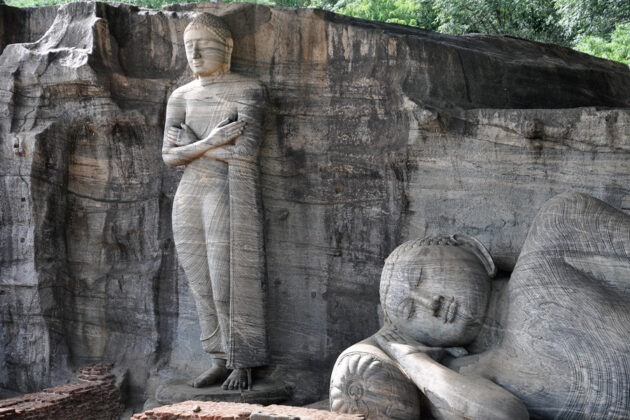
Polonnaruwa, a UNESCO World Heritage Site, stands as one of Sri Lanka’s most impressive archaeological treasures. It served as the island’s second capital from the 11th to 13th centuries after the fall of Anuradhapura. Built by kings like Parakramabahu I, the city features beautifully preserved ruins of palaces, temples, stupas, and intricate Buddha statues that showcase the golden age of Sinhalese Buddhist civilization and architecture.
Anuradhapura
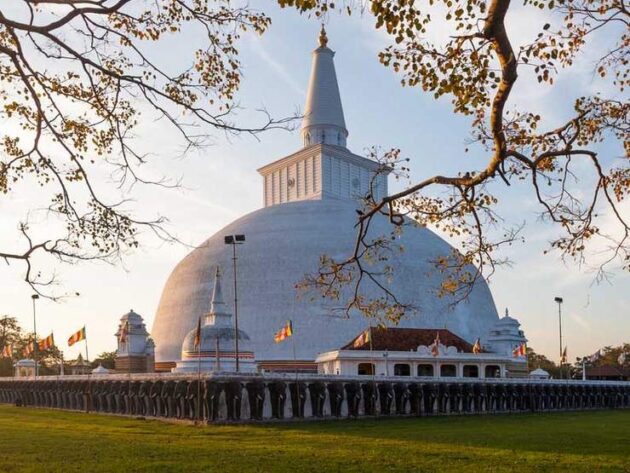
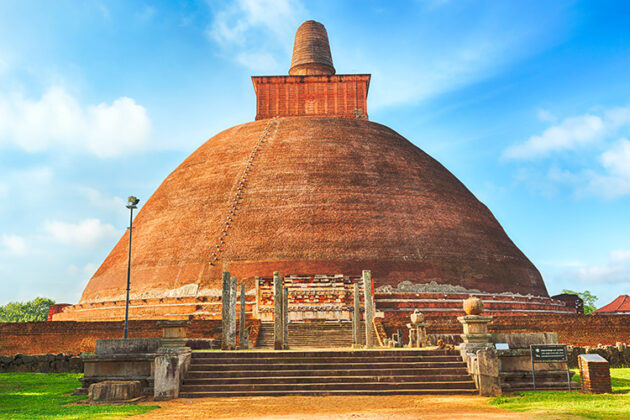
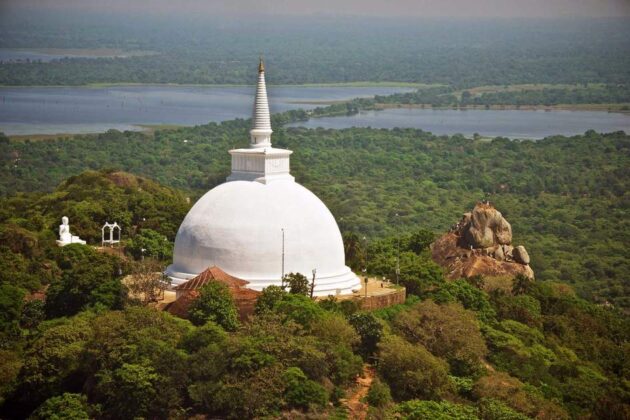
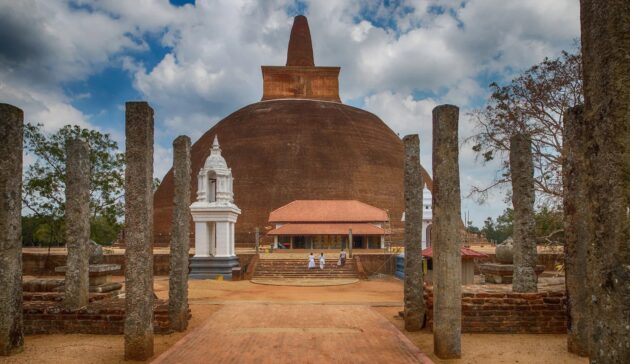
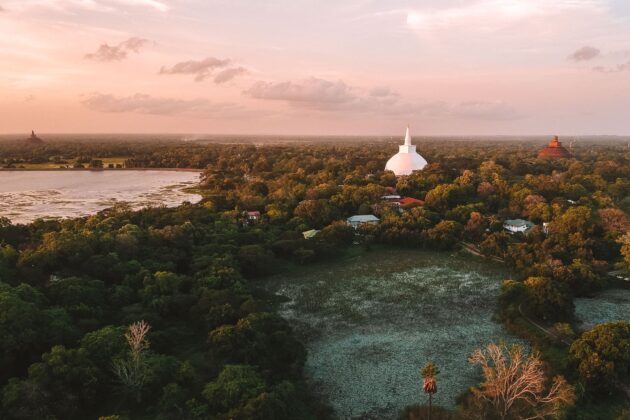
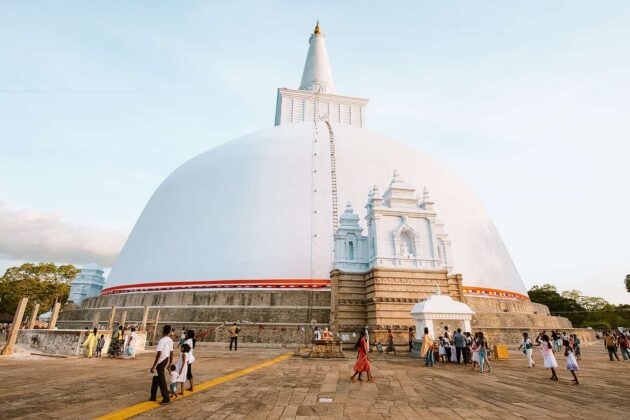
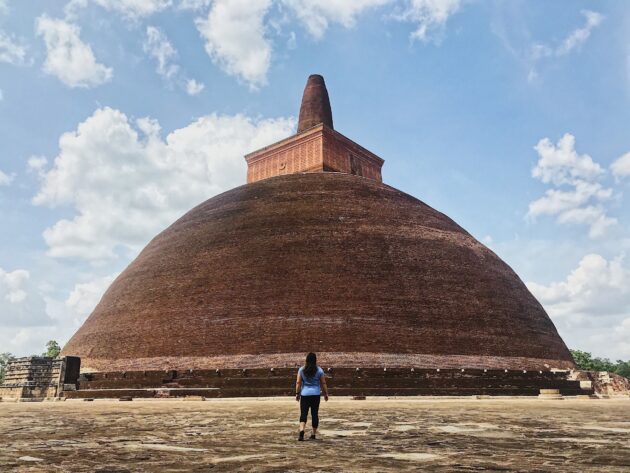
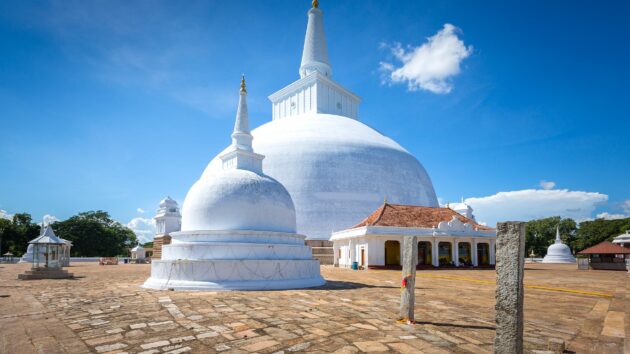
Anuradhapura, Sri Lanka’s ancient capital and a UNESCO World Heritage Site, is one of the most sacred and historically significant places in the country. Founded in the 4th century BCE, it served as the royal capital for over 1,300 years and remains a living center of Theravada Buddhism. The sprawling sacred city features towering stupas (dagobas), ancient monasteries, intricate stone carvings, and advanced hydraulic engineering — including reservoirs and ponds that still function today.
Kandy
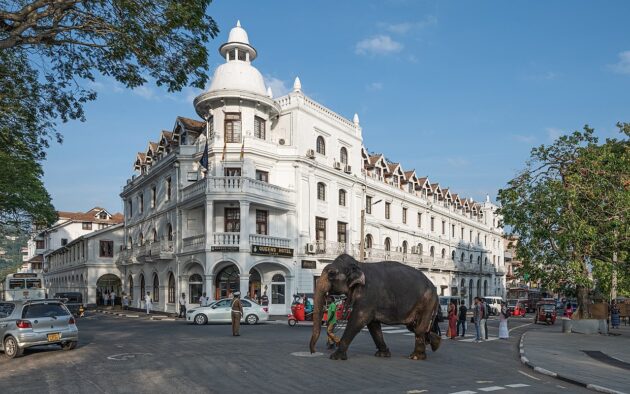
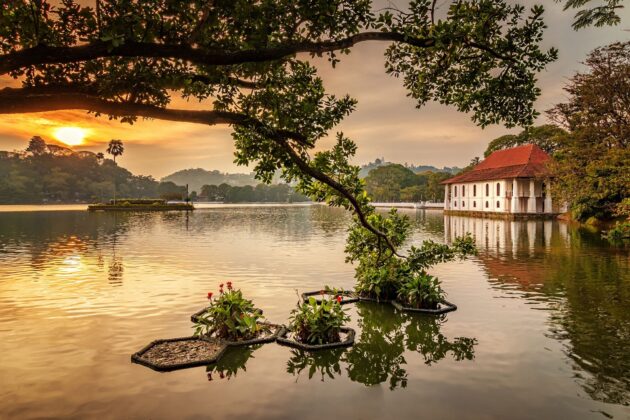
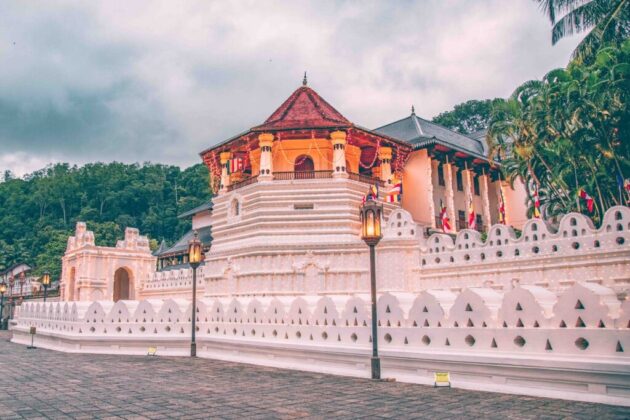
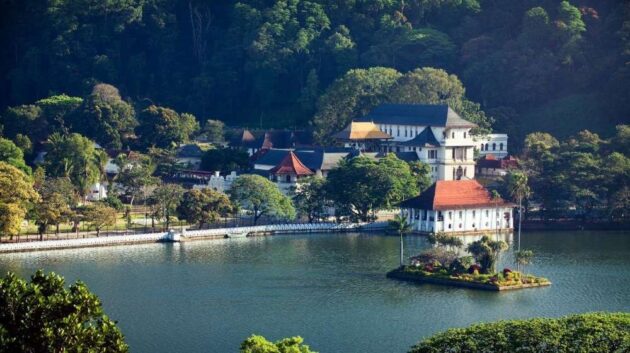
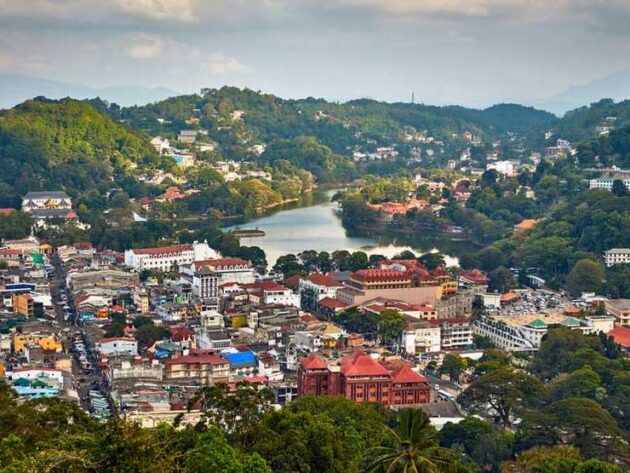
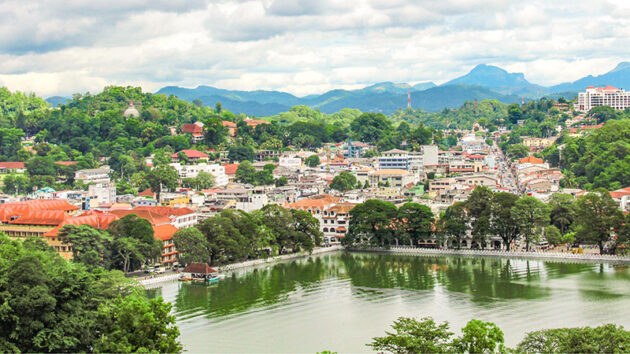
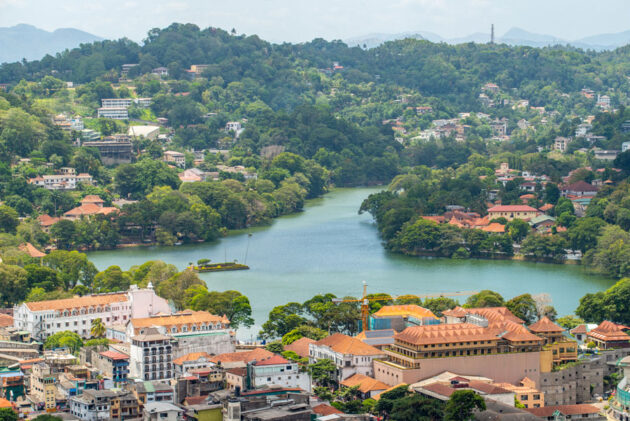
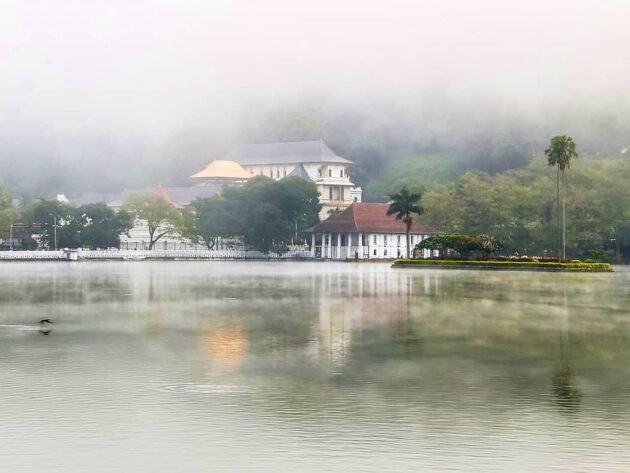
Kandy, nestled in the lush hills of central Sri Lanka, is the country’s cultural and spiritual heart. Once the last capital of the ancient Sinhalese kings, this UNESCO World Heritage Site blends rich Buddhist heritage, colonial charm, and natural beauty. At its center lies the sacred Temple of the Tooth Relic (Sri Dalada Maligawa), one of the most revered Buddhist sites in the world.
Nuwara Eliya
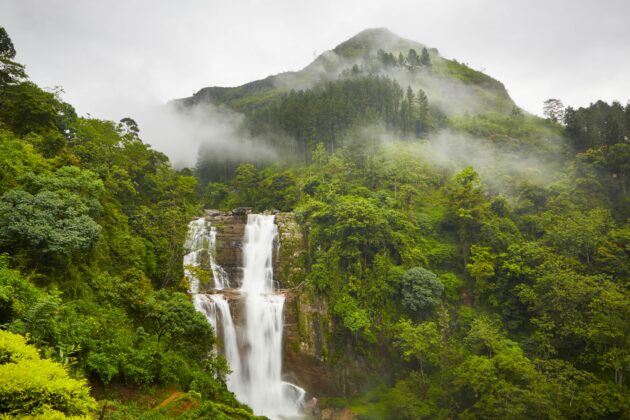
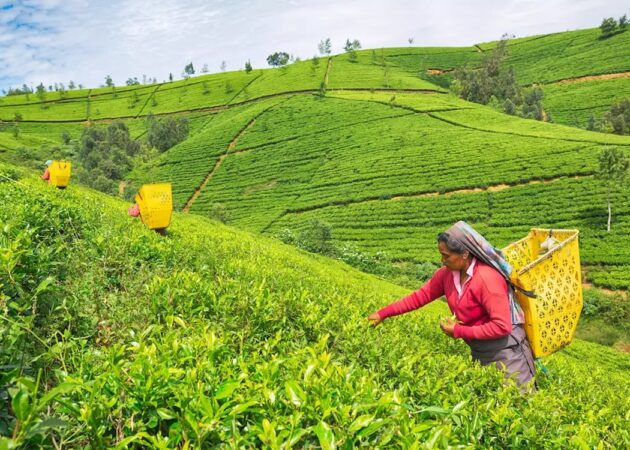
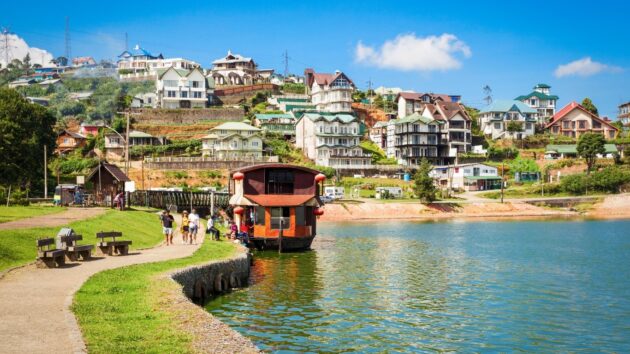
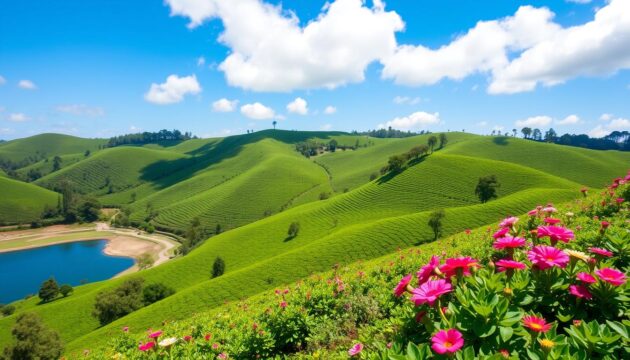
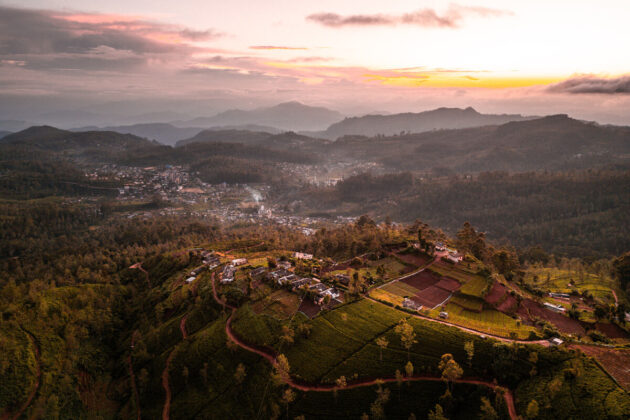
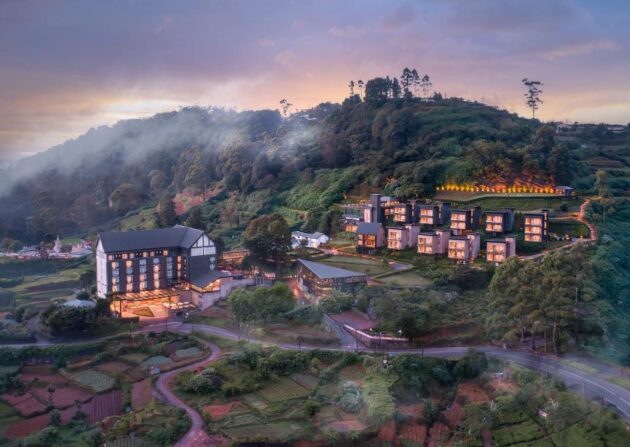
Nuwara Eliya, often called “Little England,” is a charming hill station in Sri Lanka’s Central Highlands. Perched at around 1,868 meters (6,128 feet) above sea level, it boasts cool misty weather, rolling tea plantations, colonial-era architecture, and breathtaking natural landscapes. It serves as a refreshing escape from the tropical heat of the lowlands and a perfect base for exploring Sri Lanka’s tea country and nearby attractions like Horton Plains National Park.
Ella
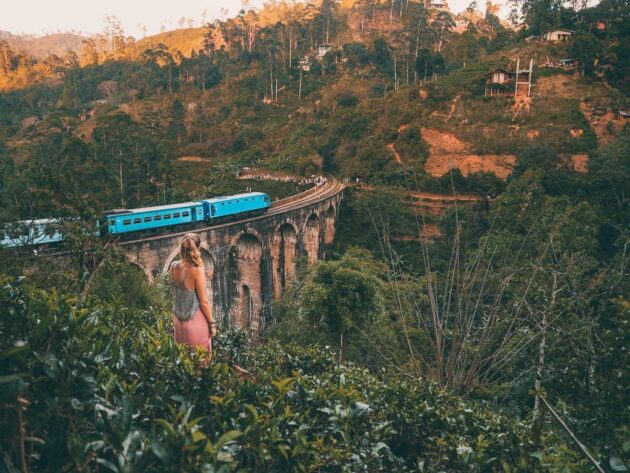
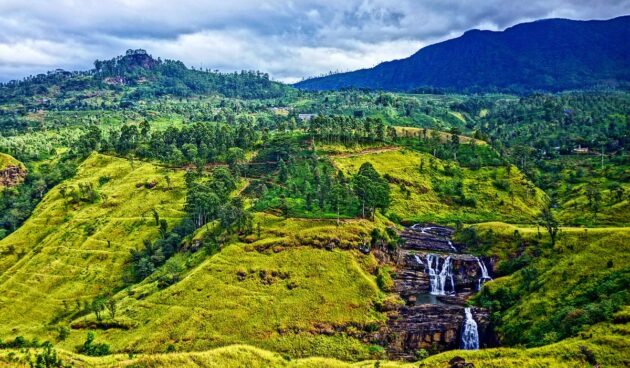
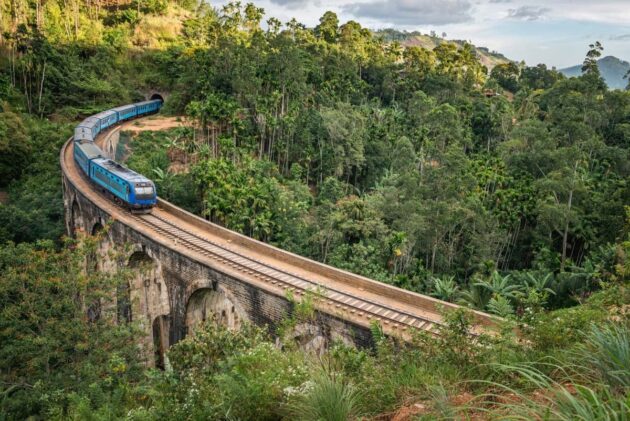
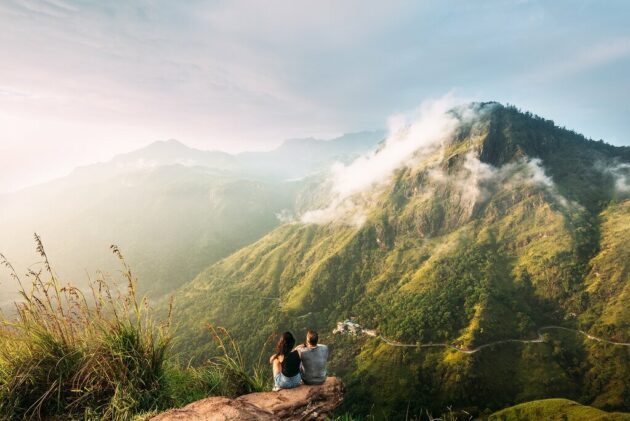
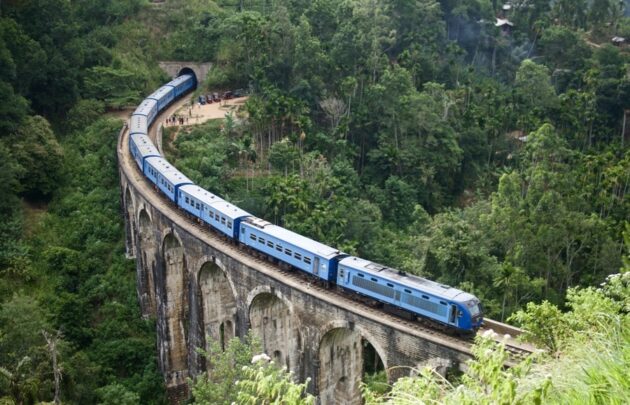
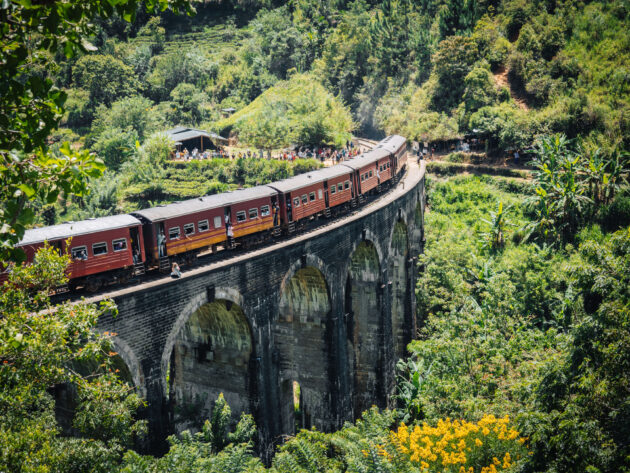
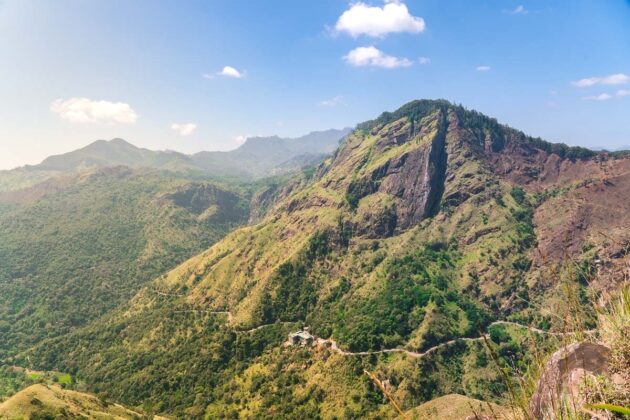
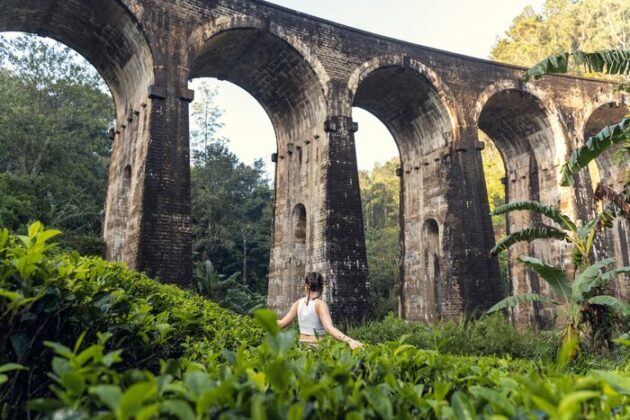
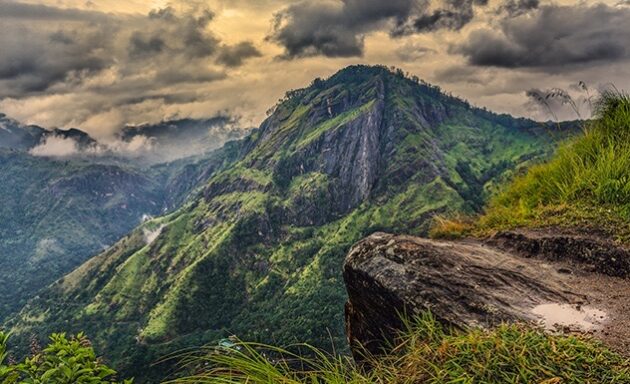
Ella is a charming hill country town nestled in Sri Lanka’s Central Highlands at about 1,041 meters (3,415 ft) elevation. Surrounded by lush green tea plantations, misty mountains, cascading waterfalls, and dramatic valleys, it offers the perfect mix of adventure, nature, and relaxation. Famous for its scenic train journeys, iconic hikes, and colonial-era landmarks, Ella has become one of Sri Lanka’s most popular destinations for travelers seeking cooler mountain air and breathtaking views.
Galle Fort
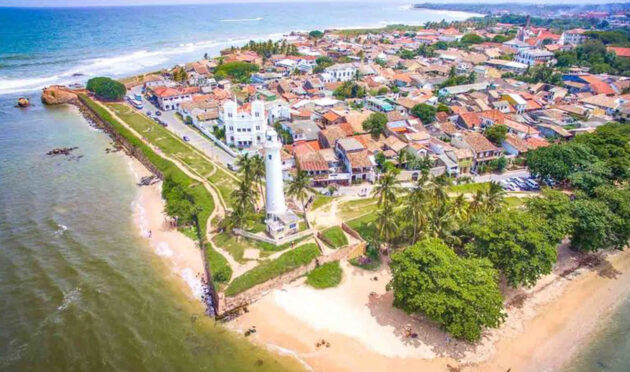
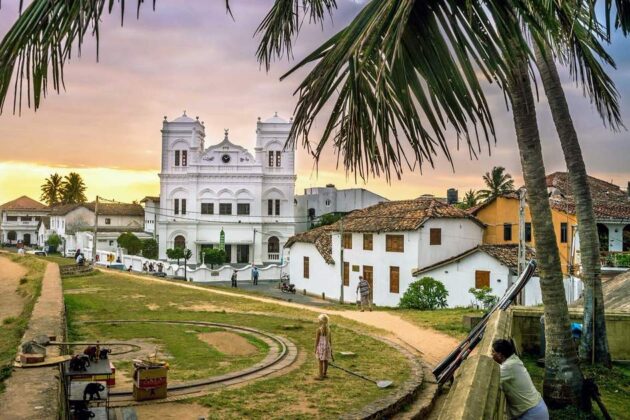
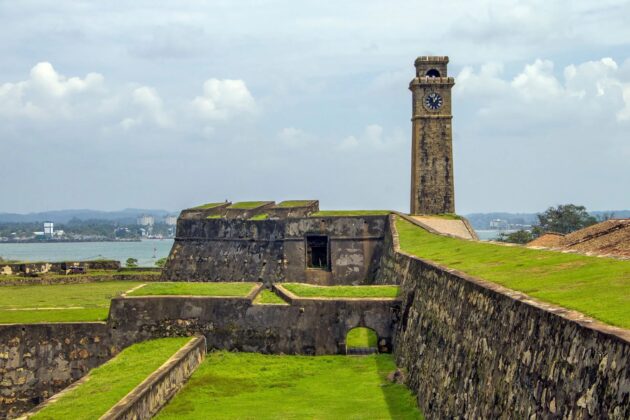
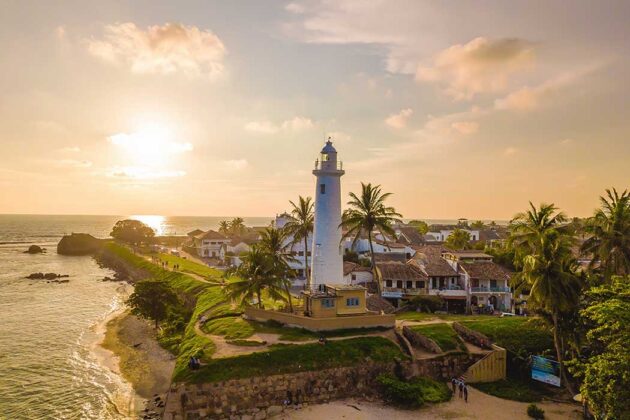
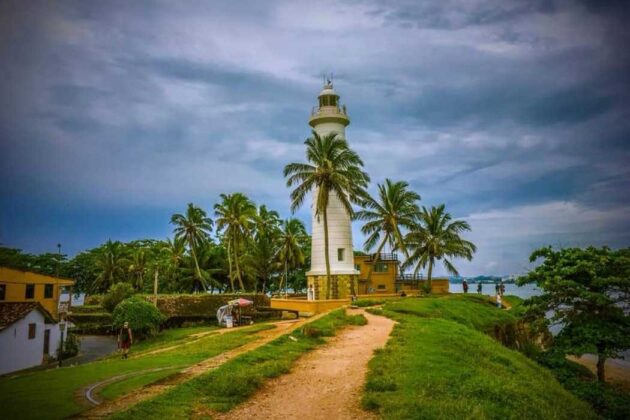
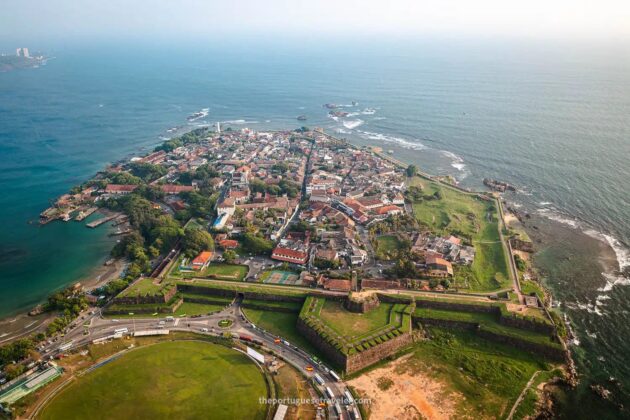
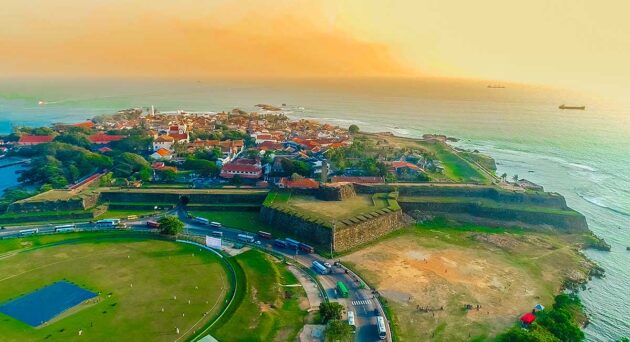
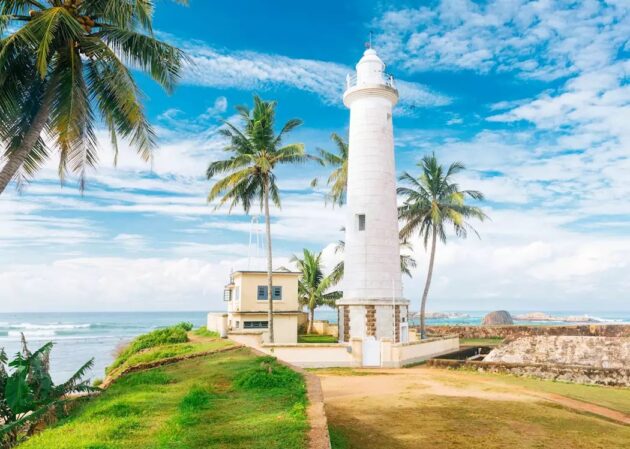
Galle Fort, a living UNESCO World Heritage Site on Sri Lanka’s southwest coast, is one of the country’s most enchanting destinations. This historic walled town blends 16th-century Portuguese origins, 17th-century Dutch fortifications, and British colonial influences with vibrant local life. Surrounded by the Indian Ocean on three sides, the fort features cobblestone streets, colonial-era buildings, boutique hotels, cafés, and ramparts offering stunning ocean views.
Mirissa Beach
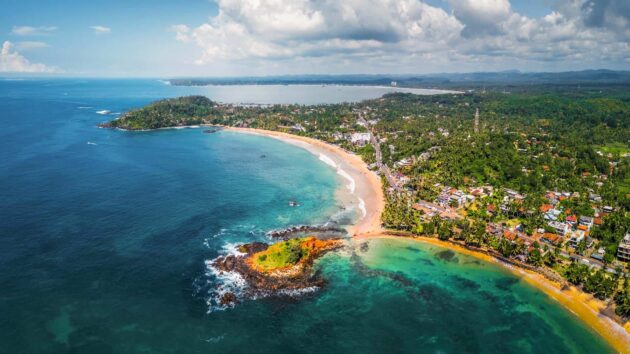
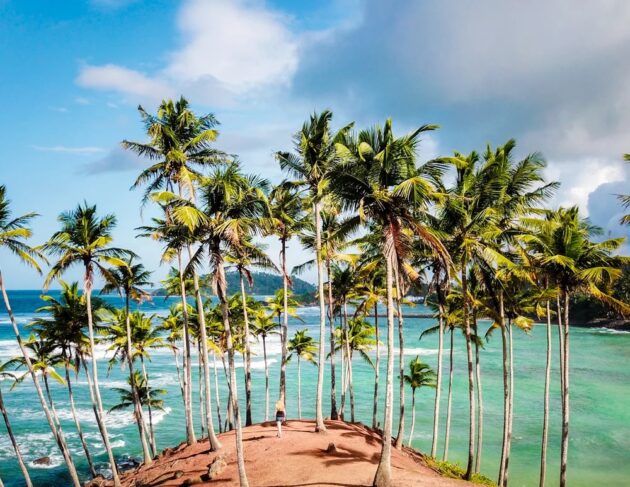
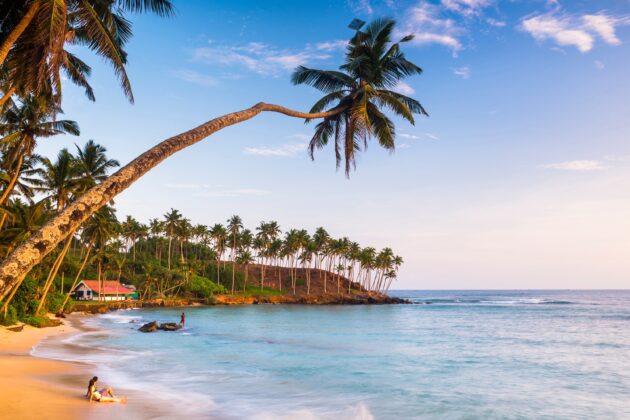
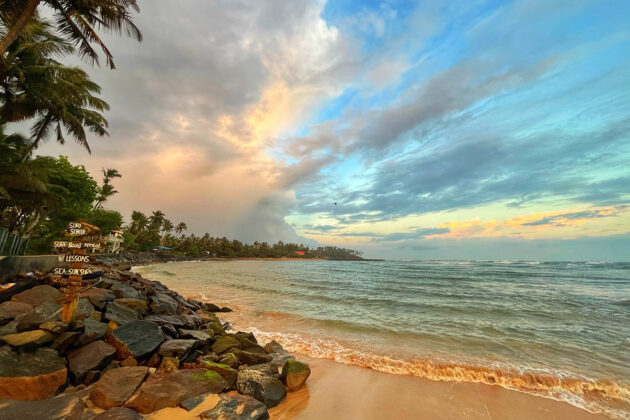
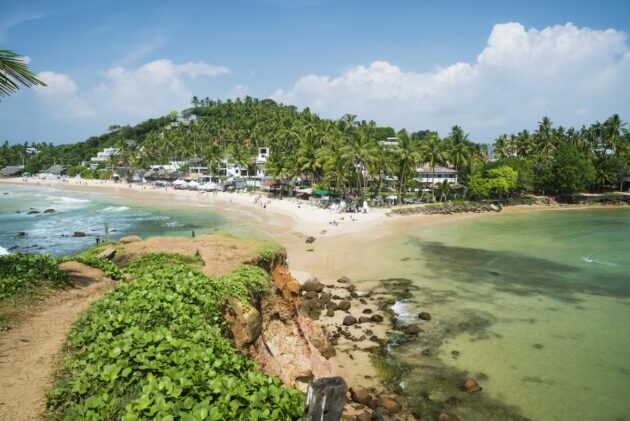
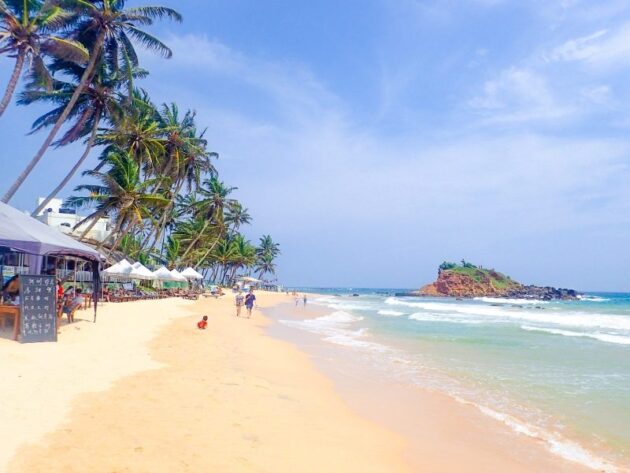
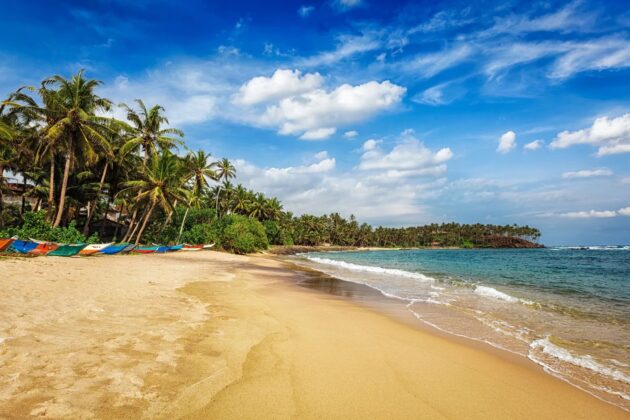
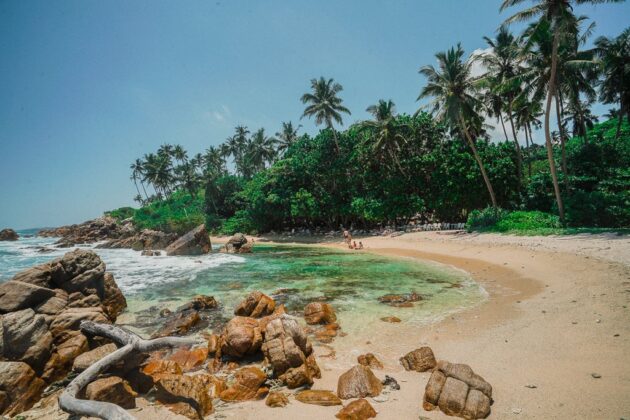
Mirissa Beach, located on Sri Lanka’s southern coast between Galle and Matara, is a quintessential tropical paradise. With its golden sands fringed by swaying palm trees, turquoise waters, and a laid-back vibe, it’s one of the most popular beach destinations in the country. Famous for world-class whale watching, vibrant sunsets, and nearby hidden coves, Mirissa offers the perfect mix of relaxation, adventure, and authentic Sri Lankan charm.
Udawalawe National Park
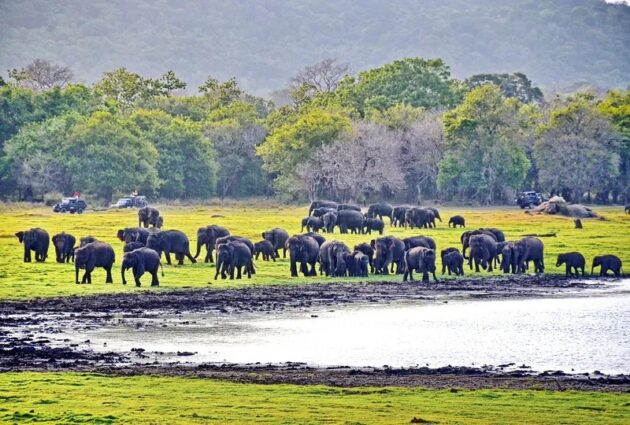
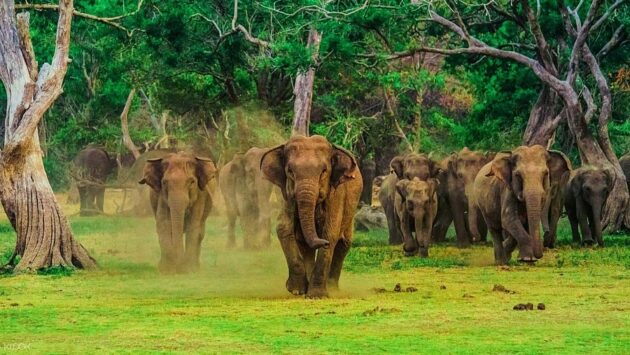
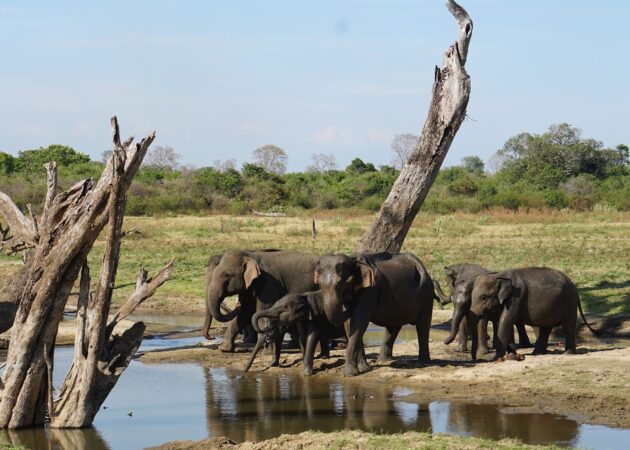
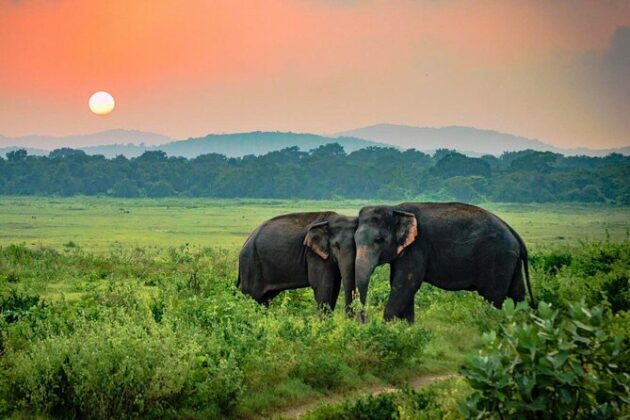
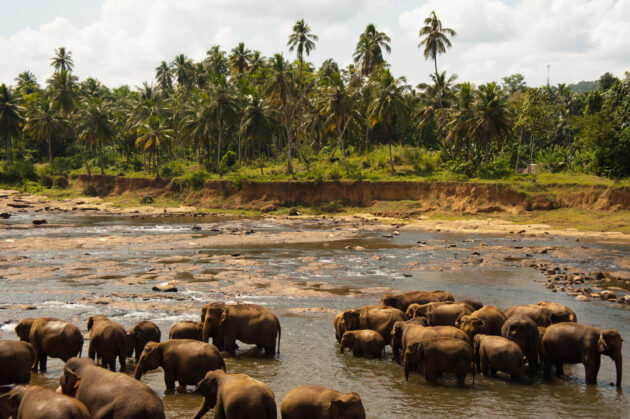
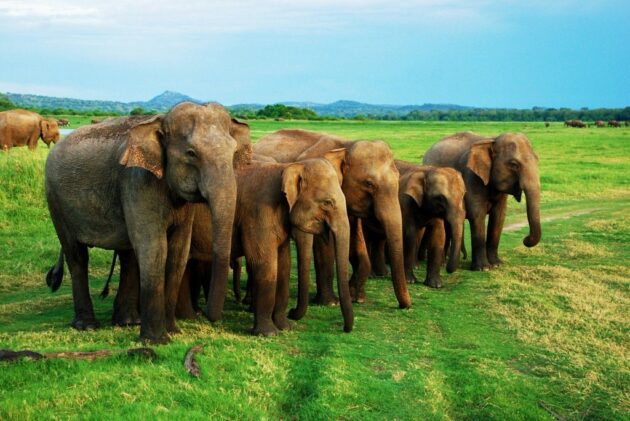
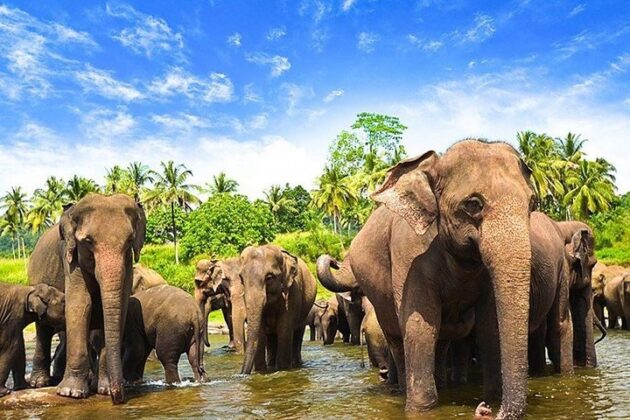
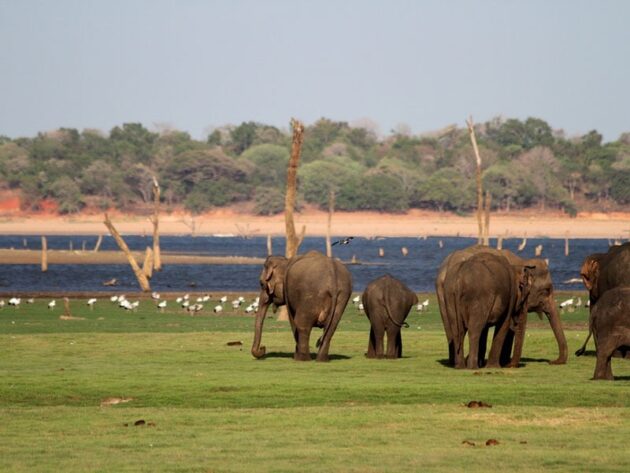
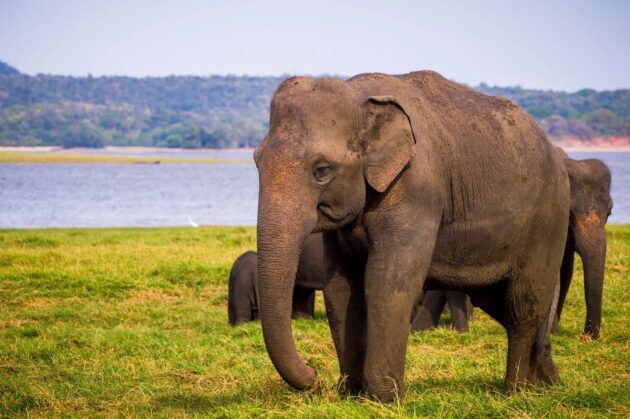
Udawalawe National Park, located in southern Sri Lanka, is one of the country’s premier wildlife destinations and widely regarded as one of the best places in the world to see wild Asian elephants. Spanning over 30,000 hectares, the park was established in 1972 primarily to protect the catchment area of the Udawalawe Reservoir. It offers open grasslands, dense scrub, and wetland habitats that support a remarkable diversity of wildlife.
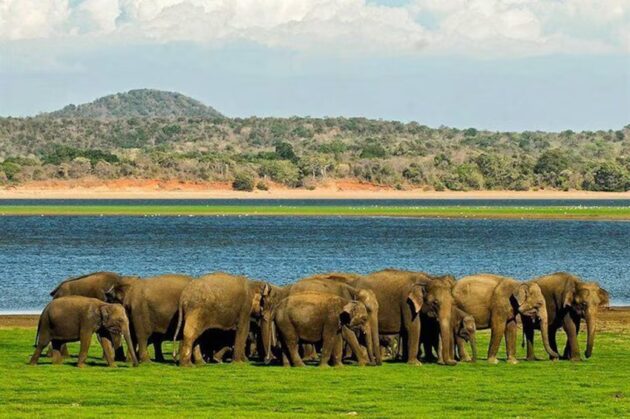
Minneriya National Park
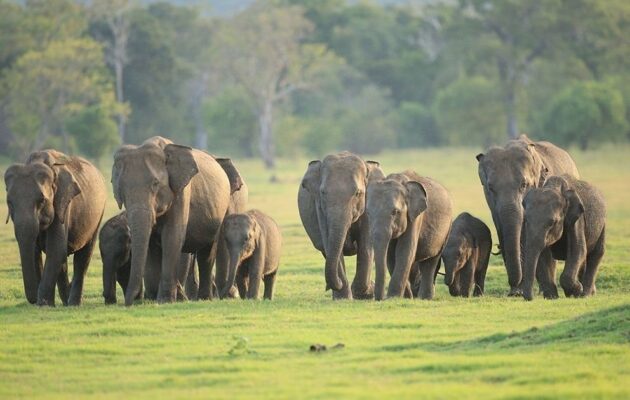
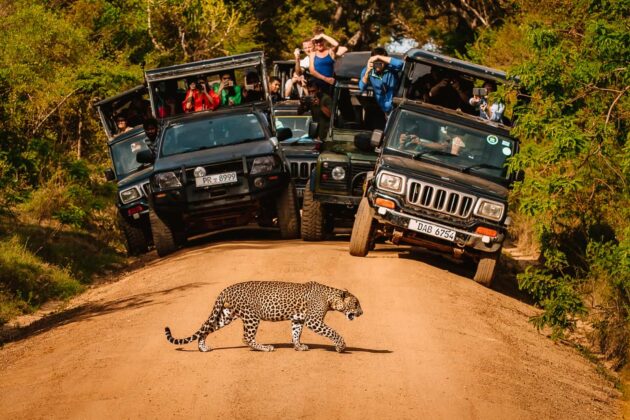
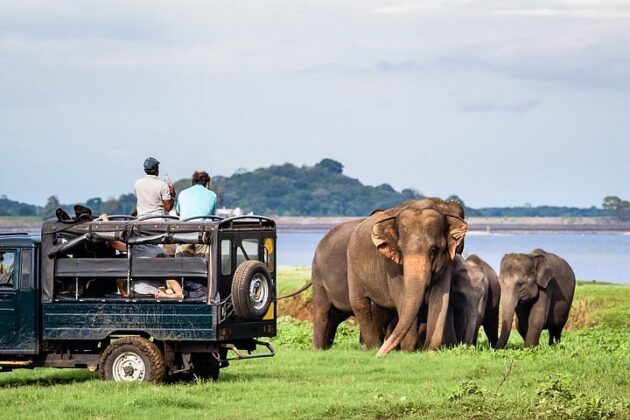
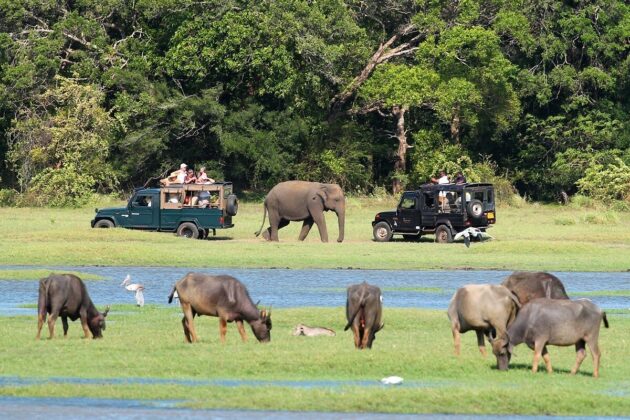
This park stands out for its reliable and large-scale elephant sightings—herds of 100 to over 300 elephants are common at peak times, far larger than in many other Sri Lankan parks. It offers excellent opportunities to see toque macaques, sambar deer, water buffalo, peacocks, numerous bird species (resident and migratory), and occasional reptiles like crocodiles and pythons. Leopards are present but rarer
What to Do
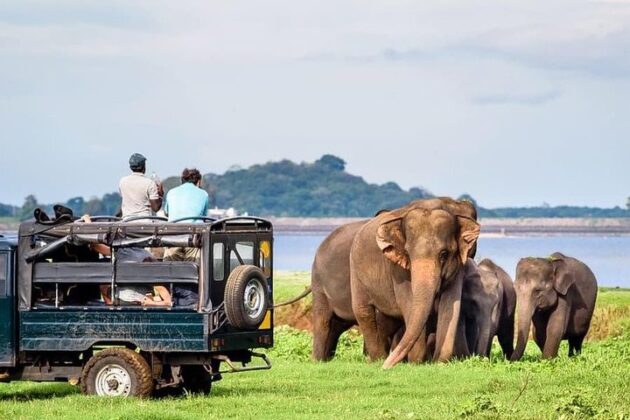
Wildlife Safaris: Jeep tours in Yala, Udawalawe, or Minneriya for elephants, leopards, sloth bears, and birds.
Beaches & Water Activities: Surfing in Hikkaduwa, whale/dolphin watching in Mirissa, snorkeling, or relaxing in Trincomalee.
Culture & History: Visit ancient temples, join a tea factory tour, or watch the Esala Perahera festival in Kandy (if timing aligns).
Adventure: Hike Adam’s Peak, raft in Kitulgala, or trek in Horton Plains.
Relaxation: Ayurvedic spas, yoga retreats, and fresh seafood dinners on the beach.
Where to Stay
Budget: Guesthouses and hostels (especially in Ella and Hikkaduwa).
Mid-range: Boutique hotels and villas with pools.
Luxury: Heritage hotels in Galle Fort, eco-lodges near national parks, or beach resorts in Bentota/Mirissa.
Popular areas: Galle, Mirissa, Ella, Kandy, and Sigiriya.
Food & Cuisine
Sri Lankan food is flavorful and spicy! Must-tries:
Rice & curry (with coconut, spices, and multiple vegetable/meat dishes)
Kottu roti, hoppers (appa), and string hoppers
Fresh seafood and king coconut
Tea from the hill country
Eat at local restaurants or hotel buffets. Drink bottled water and be cautious with street food to avoid stomach issues. Vegetarian options are widely available.
Practical Tips
Currency: Sri Lankan Rupee (LKR). Cards are accepted in tourist areas; carry cash for rural spots.
Language: Sinhala and Tamil; English is widely spoken in tourist areas.
Dress Code: Modest clothing for temples (cover shoulders and knees).
What to Pack: Lightweight clothes, rain jacket (depending on season), insect repellent, sunscreen, reusable water bottle, and comfortable shoes for hiking.
Health: Use mosquito repellent (dengue risk), get travel insurance, and follow food/water precautions. Tap water is not safe to drink.
Safety & Travel Advice
Sri Lanka is generally safe for tourists in popular areas, with warm hospitality. Exercise increased caution due to occasional civil unrest risks and terrorism concerns (per some advisories). Avoid northern/eastern areas with possible landmines—stick to well-traveled paths.
Tips: Use reputable transport and drivers. Be aware of tuk-tuk overcharging; negotiate or use apps. Respect local customs and wildlife (maintain distance on safaris). Monitor weather and road conditions during monsoon.
Tourist police and infrastructure in key areas are supportive.
Final Thoughts
Sri Lanka is a compact, incredibly diverse destination that rewards every traveler with its blend of ancient heritage, stunning nature, and laid-back beach vibes. Whether you have 7 days or a month, you’ll leave with memories of friendly people, incredible sunsets, and perhaps a newfound love for Ceylon tea.
Plan ahead, embrace the island’s rhythm, and enjoy the journey. Safe travels to the Pearl of the Indian Ocean!