
Dambulla Cave Temples Travel Guide (2026)
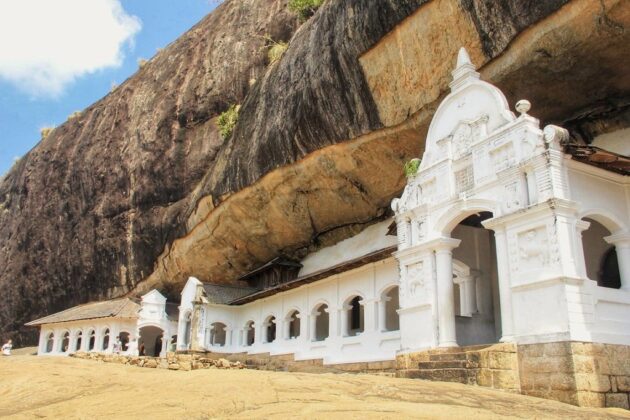
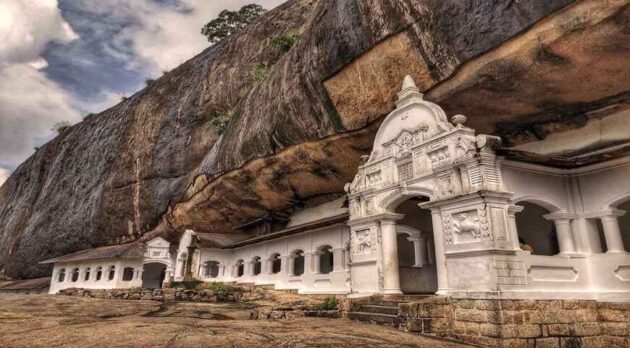
The Dambulla Cave Temples are one of Sri Lanka’s most impressive UNESCO World Heritage Sites. Perched on a massive 160-meter-high rock overlooking the central plains, this ancient Buddhist complex consists of five caves filled with over 150 Buddha statues, vibrant murals, and intricate carvings dating back more than 2,000 years. As a living monastery and pilgrimage site, it offers a serene blend of spirituality, history, and stunning views, making it a must-visit in Sri Lanka’s Cultural Triangle.
Why Visit the Dambulla Cave Temples?
Designated a UNESCO World Heritage Site in 1991, the temples represent one of the best-preserved cave-temple complexes in South Asia. The caves showcase Sri Lankan Buddhist art from different periods, with the most elaborate paintings and statues from the 18th century (Kandy school style). Highlights include:
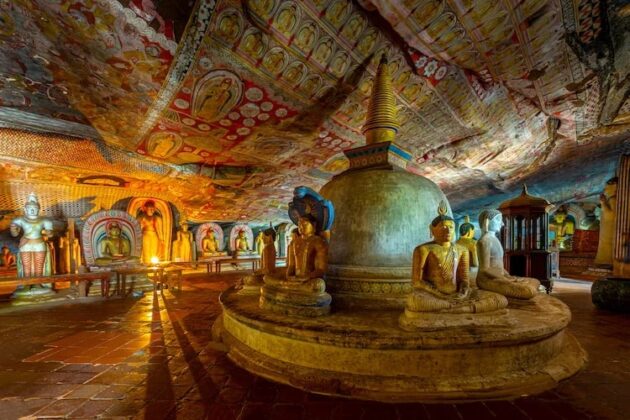
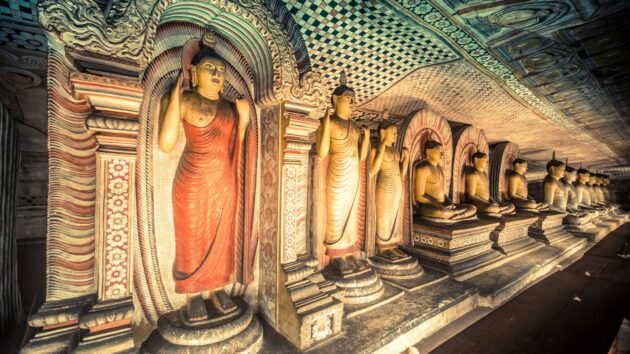
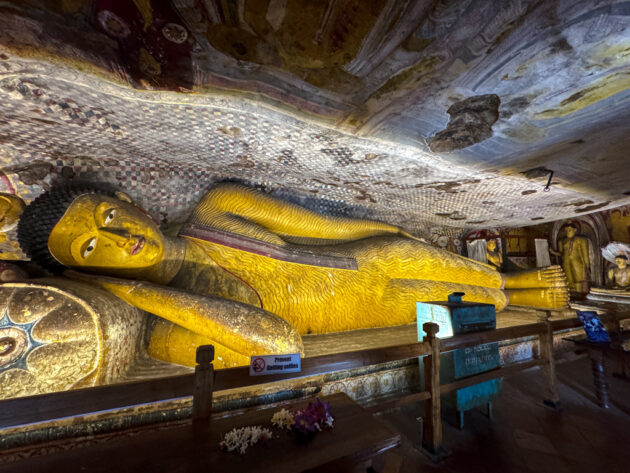
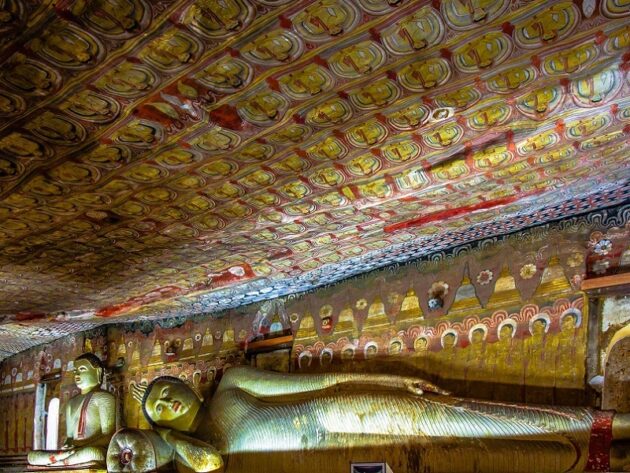
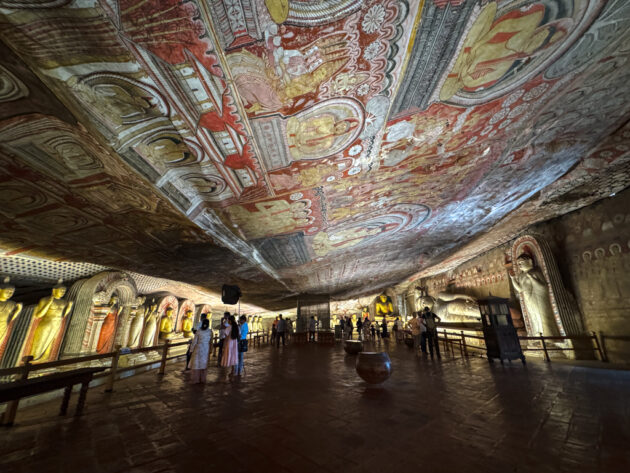
Over 2,000 square meters of colorful ceiling and wall murals depicting Buddha’s life and Buddhist cosmology.
Statues of Buddha in various postures (seated, standing, reclining), along with figures of Hindu gods and kings.
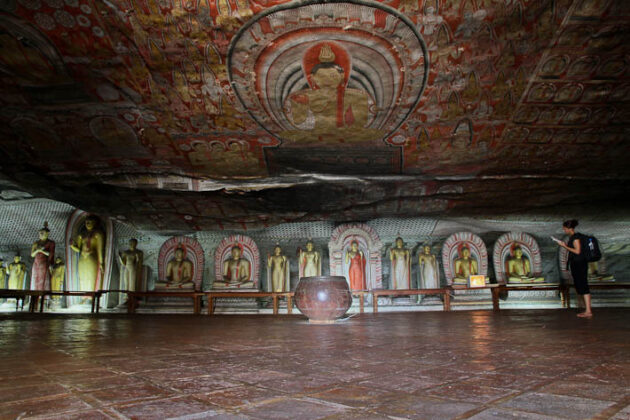
The largest cave (Maharaja Vihara) features dozens of Buddha images and impressive frescoes.
Panoramic views from the top of the rock over the surrounding countryside.
It’s an active place of worship, so the atmosphere feels peaceful and reverent rather than purely touristic.
How to Get There
Dambulla is located in central Sri Lanka, in the heart of the Cultural Triangle, making it easy to combine with nearby attractions like Sigiriya Rock Fortress (about 20–30 minutes away), Anuradhapura, or Kandy.
From Sigiriya or Habarana: 20–40 minutes by car or tuk-tuk (most convenient base for day trips).
From Kandy: Around 2 hours by car or bus.
From Colombo: Approximately 4–5 hours by car or train + bus.
Public Transport: Buses run frequently to Dambulla town. From the bus station, take a short tuk-tuk ride (10–15 minutes) to the temple entrance.
Renting a car with driver or joining a guided day tour is the most comfortable option, especially if combining with Sigiriya.
Best Time to Visit
Opening Hours: Generally 7:00 AM to 7:00 PM daily (ticket counter may close earlier, around 5:00–6:00 PM). Hours can vary slightly on religious holidays.
Optimal Timing: Visit early morning (7:00–9:00 AM) to avoid crowds and the intense midday heat, or late afternoon (after 4:00 PM) for softer light and fewer people. The climb is exposed, so early or late visits are more comfortable.
Best Season: December to April (dry season) offers pleasant weather. Avoid the peak monsoon months (May–September) if possible, though the site is open year-round.
Entrance Fees and Practical Information
Ticket Price (for foreign visitors): Approximately USD 10 (around 2,000–3,000 LKR; confirm current rate on arrival as it may vary). Cash preferred. Sri Lankan citizens and Buddhist monks usually pay a reduced or no fee.
Shoe Storage: You must remove shoes before climbing or entering the caves. There is a small fee (around 100 LKR) for the shoe drop-off service.
Climb: About 350–370 steps up a steep rock staircase. It takes 15–30 minutes depending on pace. The path is mostly uncovered, so prepare for heat.
What to Wear and Bring
As an active Buddhist temple and sacred site, strict dress code applies:
Shoulders and knees must be covered for both men and women.
No shorts, sleeveless tops, or revealing clothing.
Remove shoes and hats before entering.
Women: Long skirts, dresses, or trousers + scarf/shawl for shoulders.
Men: Trousers or long shorts + shirt covering shoulders (sarongs may be available to borrow or rent if needed).
What to Expect Inside
There are five main caves (shrines), each with unique features: The first cave is smaller with basic statues. The second and largest cave (Maharaja Vihara) is the highlight, packed with Buddha statues and vivid murals. The remaining caves vary in size but all contain ancient paintings and sculptures.
The interiors are dimly lit and cool, providing relief from the outside heat. Spend 45–90 minutes exploring at a leisurely pace. Guided tours (available on-site or pre-booked) can enrich your visit with historical context.
Nearby Attractions
Sigiriya Rock Fortress (Lion Rock) — climb for ancient frescoes and views.
Golden Temple at the base of the rock (large golden Buddha statue).
Minneriya or Kaudulla National Parks for elephant safaris (especially during the dry season).
Nalanda Gedige or other ancient sites in the Cultural Triangle.
Many visitors do a combined Sigiriya + Dambulla day trip.
Where to Stay
Dambulla itself has guesthouses and mid-range hotels, but most travelers base themselves in nearby Sigiriya, Habarana, or Kandalama for better options and atmosphere:
Luxury: Heritance Kandalama (iconic Geoffrey Bawa design) or Jetwing Lake.
Boutique/Mid-range: Sundaras Infinity Jungle Resort, Kalundewa Retreat, or Lake Lodge Boutique Hotel.
Budget: Guesthouses in Dambulla town or village homestays near Sigiriya.
Staying overnight allows you to visit the caves early and explore more of the area.
Tips for a Great Visit
Arrive early to beat tour groups and the heat.
Hire a local guide for deeper insights into the murals and history (many are knowledgeable and affordable).
Respect the sacred nature: Speak quietly, avoid pointing feet toward Buddha statues, and follow all rules.
Combine with a cultural triangle itinerary for the best experience.
Check for any temporary restrictions during major Buddhist festivals (e.g., Vesak).
Final Thoughts
The Dambulla Cave Temples offer a profound glimpse into Sri Lanka’s rich Buddhist heritage. The combination of ancient art, living spirituality, and sweeping views makes it an unforgettable stop on any Sri Lanka journey.
Safe travels and enjoy this timeless wonder!