
A Travel Guide to Udawalawe National Park (2026)
Udawalawe National Park, located in southern Sri Lanka, is one of the country’s premier wildlife destinations and widely regarded as one of the best places in the world to see wild Asian elephants. Spanning over 30,000 hectares, the park was established in 1972 primarily to protect the catchment area of the Udawalawe Reservoir. It offers open grasslands, dense scrub, and wetland habitats that support a remarkable diversity of wildlife. Whether you’re a nature lover, photographer, or family traveler, a safari here delivers unforgettable encounters with elephants, leopards, crocodiles, buffalo, monkeys, and over 180 species of birds.
Why Visit Udawalawe National Park?
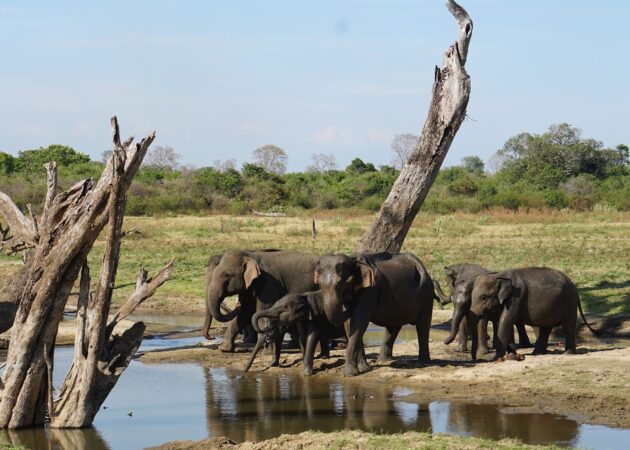
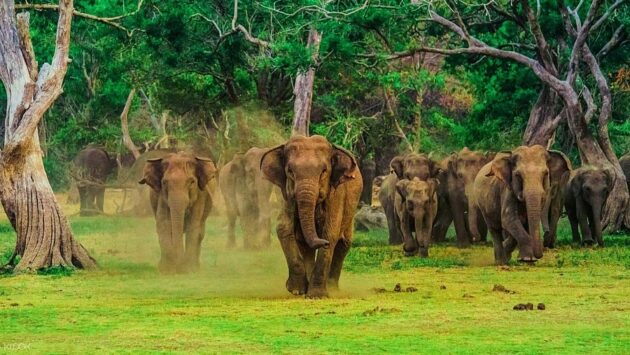
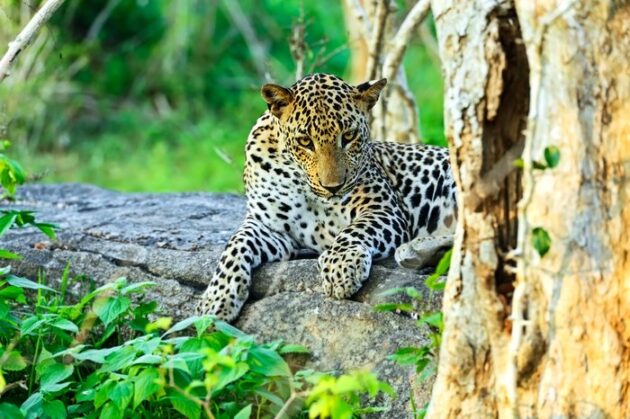
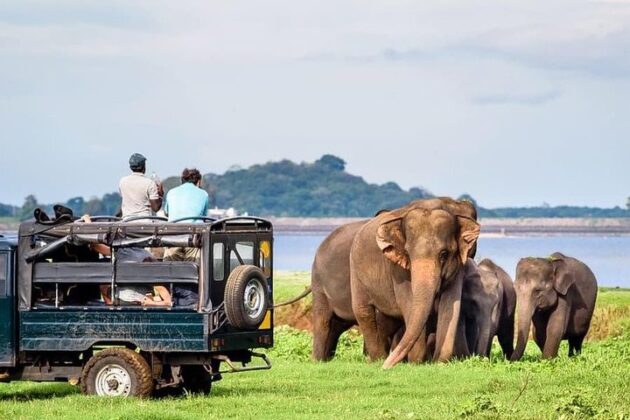
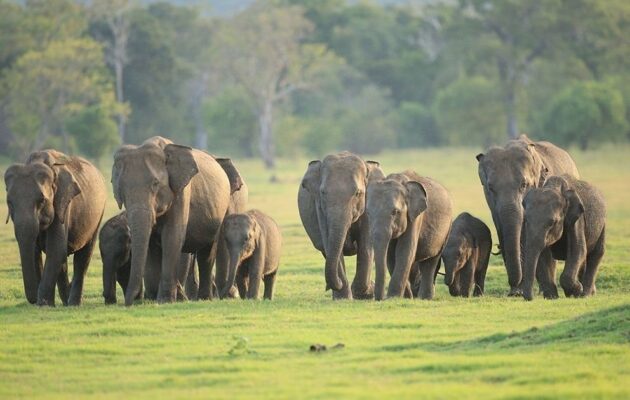
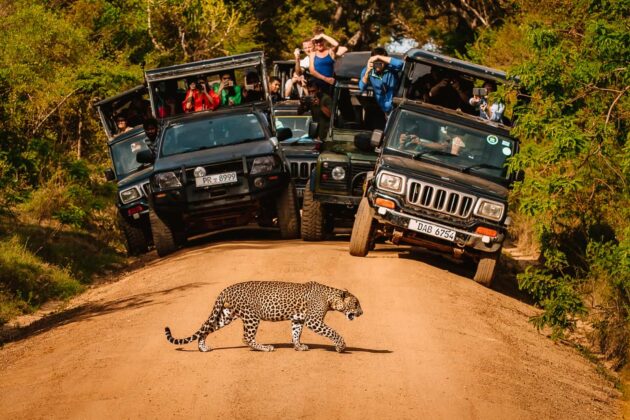
Unlike crowded parks elsewhere, Udawalawe stands out for its high concentration of elephants—often seen in large herds of 20–50 individuals. The landscape is relatively open, making sightings easier than in denser forests. You’ll also spot Sri Lankan leopards (though rarer), sloth bears, jackals, and a rich array of birdlife, including peacocks and endemic species. The park’s proximity to the Udawalawe Reservoir adds scenic beauty, and the nearby Elephant Transit Home (orphanage) provides an ethical way to observe rescued elephants.
How to Get There
Udawalawe is easily accessible from popular Sri Lankan destinations:
From Colombo: 4–5 hours by car or private transfer (approximately 180 km).
From Ella: 2–2.5 hours.
From Mirissa or Galle (southern beaches): 2–4 hours.
Public transport: Buses run from Colombo or Matara to Udawalawa town, followed by a short tuk-tuk ride to the park entrance.
The closest international airport is Bandaranaike International Airport in Colombo (4–5 hours away), or Mattala Rajapaksa International Airport (about 1.5 hours). Most visitors arrange private transfers or join tours that include pickup from hotels in Ella, Mirissa, or Colombo.
Best Time to Visit
Udawalawe is a year-round destination thanks to its relatively dry climate, but the best periods are:
May to September (dry season) – Animals gather around water sources, making elephant sightings more reliable and the terrain easier to navigate.
December to March – Another favorable window with pleasant weather.
Avoid the heavy monsoon months (October–November and parts of April) if possible, though even then wildlife viewing remains good.
Park hours: Open daily from 6:00 AM to 6:00 PM. Best safari times: Early morning (starting at 6:00 AM) or late afternoon (2:00–3:00 PM) for optimal lighting and animal activity.
What to Do
The highlight is undoubtedly a jeep safari—the only way to explore the park interior.
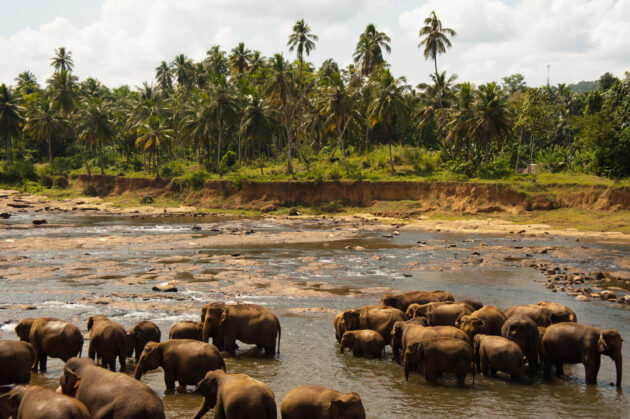
Jeep Safaris: Half-day (3–4 hours) or full-day options are available. Private jeeps (max 6 people) are highly recommended for flexibility and better wildlife spotting. Expect to see elephants bathing, feeding, or crossing tracks, plus water buffalo, crocodiles in the reservoir, and colorful birds.
Elephant Transit Home (Orphanage): Located just outside the park entrance. Watch baby elephants being fed at set times (usually 9:00 AM, 12:00 PM, 3:00 PM, and 6:00 PM). A separate, low-cost ticket applies.
Birdwatching & Reservoir Views: Bring binoculars for the park’s abundant avian life. Scenic stops at the reservoir offer photo opportunities.
Tour Operators & Safari Costs
Most visitors book through their hotel or reputable local operators for seamless logistics. Popular reliable choices include Pinnacle Safari, Udawalawe Safari Fun, and hotel-arranged tours.
Approximate Costs (Foreign Visitors): Park Entrance Fee: $40–45 USD per adult (varies slightly by group size; children 6–12 pay about half; under 6 free). Includes VAT and service charges. Jeep Rental (private, 4 hours): $25–40 USD per jeep (shared among passengers). Total per person for a half-day private safari: Typically $60–100 USD (entrance + jeep + guide/driver).
Prices are lower for SAARC nationals. Always confirm current fees at the gate or with your operator, as they can change.
What to Bring
Comfortable, neutral-colored clothing (long sleeves and pants for sun/insect protection).
Binoculars and a good camera with zoom lens.
Sunscreen, hat, insect repellent, and reusable water bottle.
Closed-toe shoes or sturdy sandals.
Light rain jacket (just in case).
Snacks and cash (small denominations) for tips or extras.
Note: Drones are prohibited. Stay inside the vehicle at all times and follow your guide’s instructions.
Where to Stay
Accommodations cluster near the park entrance in and around Udawalawa town, ranging from budget guesthouses to luxury eco-lodges. Many offer free or discounted safari bookings and early-morning pickups.
Recommended Options:
Eliyanth Udawalawe – Boutique treehouse-style luxury with excellent reviews and pool.
Royal Tusker Hotel – Charming, tasteful decor and close to the entrance.
Grand Udawalawe Safari Resort – Family-friendly with good facilities and safari packages.
Ali Weta Safari Resort or Waraka Udawalawe – Nature-immersed properties with modern comforts.
Budget picks: Peacock Villa, Ele Camp Udawalawe, or The Countryside Udawalawe.
Staying within 5–10 km of the park gate is ideal for early starts.
Tips for a Great Experience
Book your safari in advance during peak season (especially December–March and July–August).
Choose a private jeep over shared for a more personal and flexible experience.
Combine your visit with the Elephant Transit Home and a stop at the reservoir for a full day of wildlife.
Support ethical tourism: Avoid elephant rides or any unethical animal interactions.
Respect the environment—do not litter or feed wildlife.
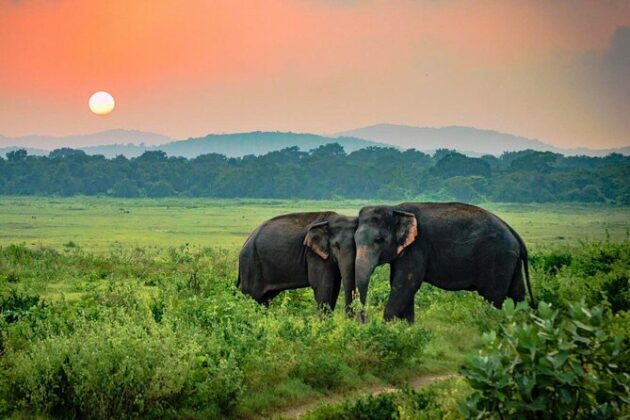
Photography tip: Early morning light is magical for golden-hour shots of elephants against the grasslands.
Final Thoughts
Udawalawe National Park delivers one of Sri Lanka’s most accessible and rewarding wildlife experiences. With its iconic elephant herds, diverse biodiversity, and serene reservoir backdrop, it’s a must-visit for anyone traveling through the south or hill country. Whether you’re on a short beach-to-safari itinerary or a longer wildlife-focused trip, a dawn jeep ride through these plains will leave you with memories (and photos) to treasure forever.
Safe travels and happy safari!