
A Travel Guide to Colombo (2026)
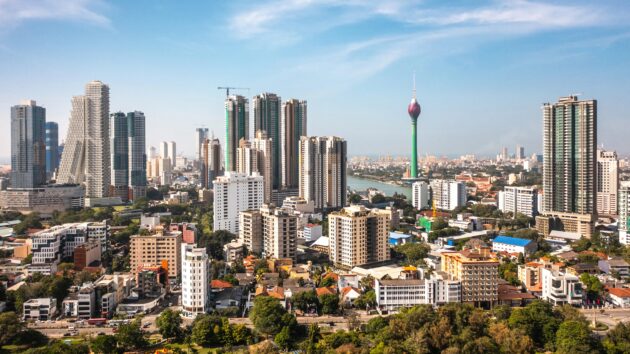
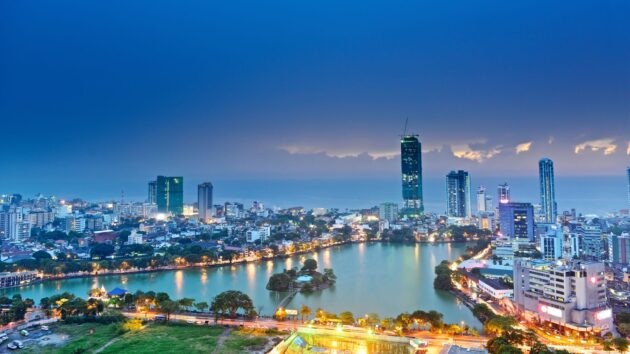
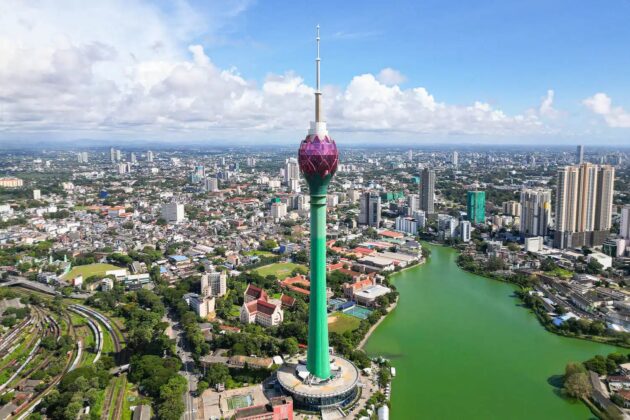
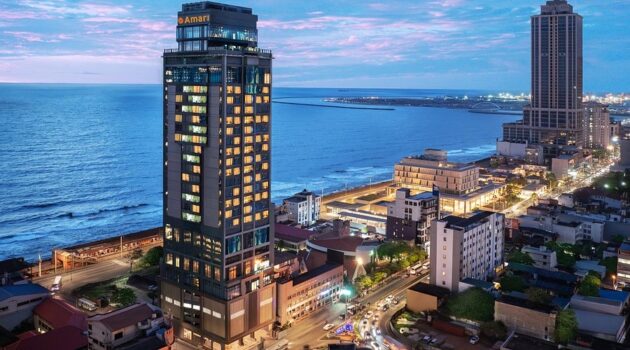
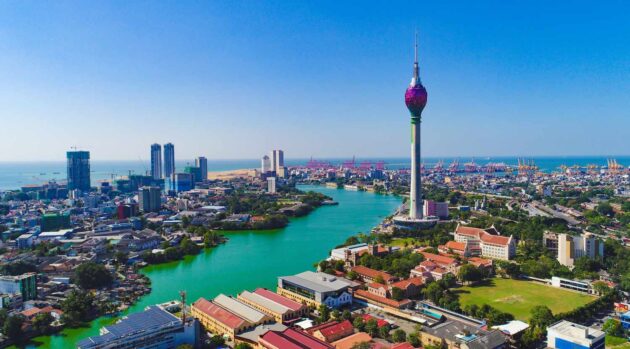
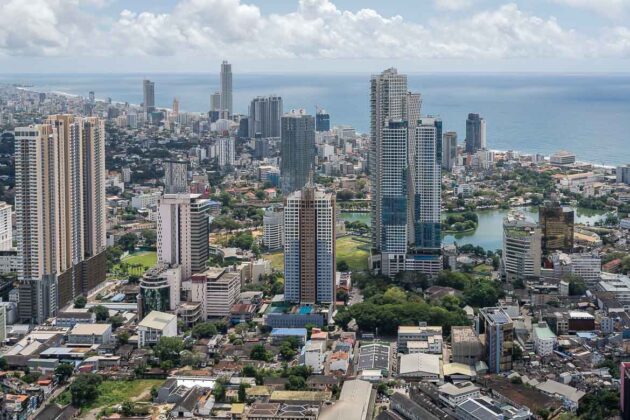
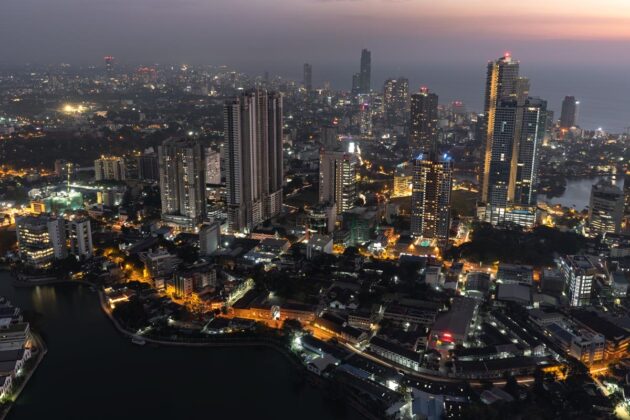
Colombo, the vibrant capital of Sri Lanka, serves as the bustling gateway to this tropical island nation. A dynamic blend of colonial history, modern skyscrapers, ancient temples, and lively markets, Colombo offers a fascinating introduction to Sri Lankan culture, cuisine, and daily life. While many travelers use it as a transit point en route to beaches or hill country, the city itself rewards those who linger with its seaside promenades, colorful religious sites, and energetic street food scene.
Why Visit Colombo?
Colombo is a city of contrasts: crumbling colonial buildings stand alongside gleaming high-rises, while serene Buddhist temples coexist with bustling bazaars. It’s an excellent base for exploring Sri Lanka’s west coast and provides a real taste of urban island life. Highlights include sunset strolls along the oceanfront, vibrant markets, and world-class crab dishes. Though chaotic at times, its energy and friendliness make it a memorable stop.
How to Get There
By Air: Most visitors arrive at Bandaranaike International Airport (CMB) in Katunayake, about 35 km (22 miles) north of Colombo. The journey into the city takes 45–90 minutes depending on traffic.
Options: The cheapest is the Colombo Express Bus (around 500 LKR, every 30 minutes). Prepaid taxis or ride-hailing apps like Uber and PickMe are convenient and affordable (around 3,000–5,000 LKR). Private transfers can be arranged in advance.
By Train or Bus: Colombo Fort Station and the Central Bus Stand are major hubs connecting to other parts of Sri Lanka (e.g., scenic coastal trains to Galle).
Best Time to Visit
Colombo enjoys a tropical climate with high humidity year-round. The best time is December to March, during the dry season on the west coast, with sunny weather, lower rainfall, and pleasant temperatures (around 22–32°C / 72–90°F). This period aligns with peak tourist season, so book accommodations ahead.
Shoulder seasons (April and September–October) offer fewer crowds and milder prices.
Avoid the southwest monsoon (May–September) if possible, as heavy rains can disrupt plans, though short showers are common even in dry months.
Poya Days (full moon days, monthly) are public holidays with alcohol restrictions in some places—temples are beautifully illuminated.
Top Things to Do
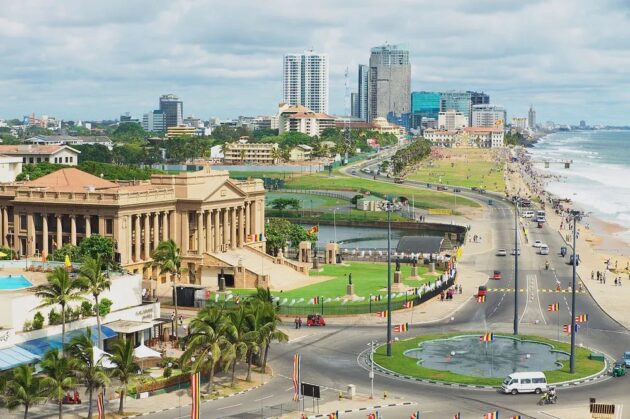
Galle Face Green — Colombo’s iconic seaside promenade. Enjoy kite-flying, cricket games, street food stalls, and stunning Indian Ocean sunsets. It’s especially lively in the evenings.
Gangaramaya Temple — A fascinating Buddhist temple complex blending Sri Lankan, Thai, and Chinese architecture. Explore the museum, library, and ornate shrines—dress modestly and remove shoes.
Pettah Market — Dive into the chaotic, colorful bazaar for spices, textiles, jewelry, and electronics. Bargain hard and soak in the sensory overload.
Colombo National Museum — Housed in a grand colonial building, it showcases Sri Lanka’s rich history, artifacts, and cultural heritage.
Jami Ul-Alfar Mosque (Red Mosque) — Iconic red-and-white striped architecture in Pettah; a striking landmark best viewed from outside if not entering during prayer times.
Viharamahadevi Park — Colombo’s largest green space, perfect for a relaxed walk or picnic near the Town Hall.
Mount Lavinia Beach — A short train ride south offers a more relaxed beach vibe with golden sands and the historic Mount Lavinia Hotel for a meal or drink.
Independence Memorial Hall & Cinnamon Gardens — Stroll through upscale neighborhoods with colonial architecture and boutique shops.
Additional experiences: Visit art galleries like the Museum of Modern and Contemporary Art or take a tuk-tuk city tour for an efficient overview.
Where to Eat
Sri Lankan cuisine shines in Colombo with fresh seafood, aromatic spices, and hoppers (bowl-shaped pancakes).
Street Food: Try kottu roti (chopped flatbread with veggies/meat) at Pilawoos or Pettah stalls. Galle Face Green is great for evening snacks like isso wade (prawn fritters).
Must-Try Restaurants: Ministry of Crab (Dutch Hospital precinct) — World-famous for pepper crab and giant prawns (book ahead). Upali’s or Palmyrah — Authentic Sri Lankan rice & curry and Jaffna-style dishes. Barefoot Café or Gallery Café — Chic spots for brunch or fusion meals in beautiful settings.
Other Highlights: Seafood at The Lagoon (Cinnamon Grand) or local favorites like Mayura Hotel in Pettah for hoppers.
Tip: Request “mild” spice if you’re not used to heat. Drink bottled water and opt for busy stalls for fresher food.
Where to Stay
Fort / Galle Face Area: Central, with luxury options like Galle Face Hotel (historic) or modern chains (Cinnamon Grand, Shangri-La).
Cinnamon Gardens / Kollupitiya (Colombo 3–7): Trendy, walkable neighborhoods with boutique hotels, cafés, and safety. Try Tintagel Colombo or Maniumpathy.
Mount Lavinia: Beachside relaxation with the classic Mount Lavinia Hotel.
Budget Options: Hostels or guesthouses in these areas; Airbnb works well for longer stays.
Getting Around
Tuk-Tuks: Fun and cheap for short distances—negotiate or use apps. Be cautious of overcharging in tourist spots.
Ride-Hailing: Uber and PickMe are reliable and inexpensive in the city.
Buses & Trains: Affordable for local travel; the coastal train to Mount Lavinia is scenic.
Walking: Possible in safer, central neighborhoods like Cinnamon Gardens.
Private Driver: Ideal for day trips or multi-day exploration.
Traffic can be heavy—allow extra time.
Day Trips from Colombo
Bentota & Galle Fort (south): Beaches, river safaris, turtle hatcheries, and the UNESCO-listed Dutch colonial fort (2–3 hours away).
Kandy: Temple of the Tooth and cultural sites (3–4 hours; combine with a tea factory visit).
Negombo: Closer beach town with a relaxed vibe (1 hour north).
Sigiriya & Dambulla: Ancient rock fortress and cave temples (longer full-day trip).
Practical Tips
Safety: Colombo is generally safe for tourists, with low violent crime. Watch for petty theft in crowded markets like Pettah. Use common sense with tuk-tuk drivers and avoid isolated areas at night. Current advisories suggest exercising increased caution due to occasional protests or weather events.
What to Bring: Light, breathable clothes; modest attire for temples (cover shoulders and knees); insect repellent; sunscreen; and cash (LKR) for markets/small vendors. ATMs are widely available.
Money & Costs: Sri Lanka is budget-friendly. Use cards in hotels/restaurants; carry small notes. Tipping is appreciated but not mandatory.
Etiquette: Remove shoes and hats at religious sites. Sri Lankans are friendly—ask before photographing people.
Health: Stay hydrated, use mosquito protection (dengue risk exists), and consider travel insurance. Tap water is not safe to drink.
Final Thoughts
Colombo may feel overwhelming at first, but its mix of history, culture, food, and seaside charm makes it a rewarding destination. Spend 1–3 days here to acclimate before heading to Sri Lanka’s beaches, ancient sites, or tea plantations. Embrace the chaos, savor the flavors, and let this energetic capital set the tone for your island adventure.
Safe travels and enjoy the warmth of Sri Lanka!