
Nuwara Eliya Travel Guide (2026)
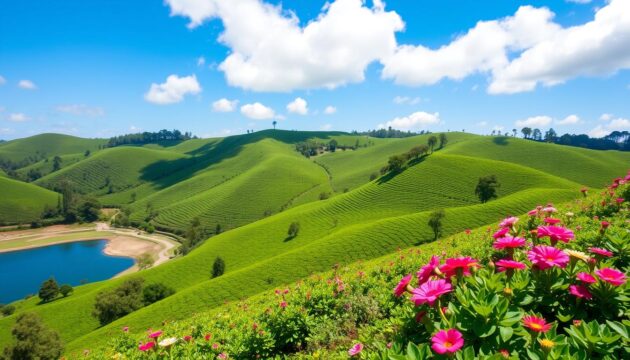
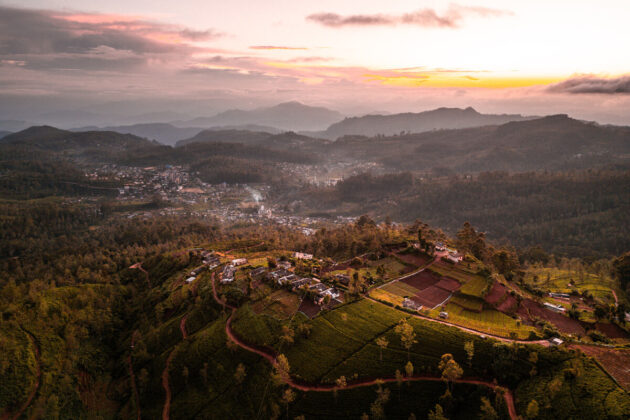
Nuwara Eliya, often called “Little England,” is a charming hill station in Sri Lanka’s Central Highlands. Perched at around 1,868 meters (6,128 feet) above sea level, it boasts cool misty weather, rolling tea plantations, colonial-era architecture, and breathtaking natural landscapes. It serves as a refreshing escape from the tropical heat of the lowlands and a perfect base for exploring Sri Lanka’s tea country and nearby attractions like Horton Plains National Park.
Why Visit Nuwara Eliya?
This picturesque town offers a unique blend of British colonial heritage and Sri Lankan natural beauty. Expect crisp air, vibrant flower gardens, scenic lakes, and endless green tea estates. It is ideal for nature lovers, tea enthusiasts, hikers, and anyone seeking a relaxing break with a touch of old-world charm. Highlights include boat rides on Gregory Lake, walks through Victorian parks, and sunrise views at World’s End.
How to Get There
Nuwara Eliya lies about 160 km from Colombo and 75 km from Kandy.
From Colombo (Bandaranaike International Airport): The most scenic option is to take a train to Kandy first, then continue by train or bus. A direct bus (about 5–7 hours) or private taxi/driver (4–5 hours) is convenient. Private transfers or tours are popular for comfort.
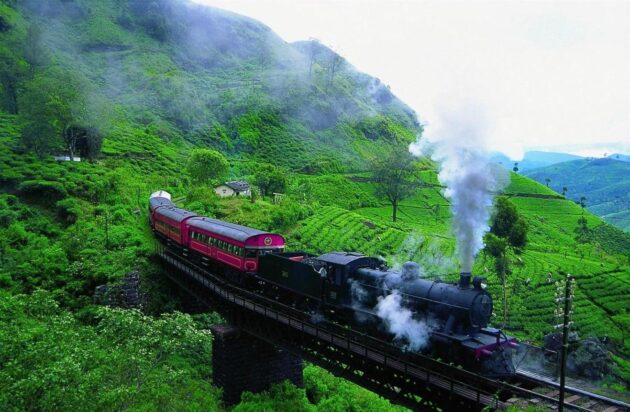
From Kandy: The drive or bus takes 3–4 hours via winding mountain roads with stunning views. Many travelers combine this with the famous Kandy to Ella scenic train route, stopping at Nanu Oya station (about 7–9 km from Nuwara Eliya town). From Nanu Oya, take a short tuk-tuk or taxi ride into town.
From Ella: The train journey from Ella to Nanu Oya is one of the most beautiful stretches in Sri Lanka, passing through lush hills and the iconic Nine Arch Bridge.
Renting a car with driver or joining a private tour is highly recommended for flexibility, especially if you plan day trips to Horton Plains or waterfalls.
Best Time to Visit
Nuwara Eliya has a cool subtropical highland climate with temperatures usually ranging from 10–20°C (50–68°F), feeling much cooler than the rest of Sri Lanka.
Best months: February to April — drier weather, clearer skies, pleasant days, and lively local events like horse races.
Shoulder season: May to August — cooler and misty with occasional showers; great for lush greenery.
Avoid if possible: October to December — the wettest period with frequent rain.
Pack layers, light jackets, and rain gear, as mountain weather can change quickly.
Top Things to Do
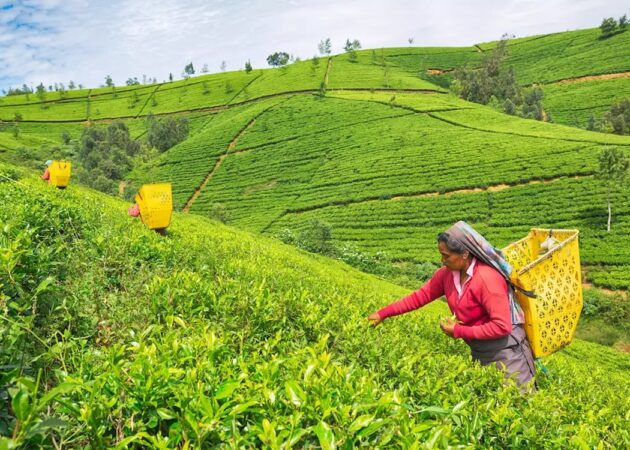
Explore Tea Plantations and Factories: Visit Pedro Tea Estate (one of the closest and most popular, established in 1885), Labookellie Tea Centre, or Damro Tea Factory. Take guided tours to learn about Ceylon tea production, pluck tea leaves yourself, and enjoy fresh tastings.
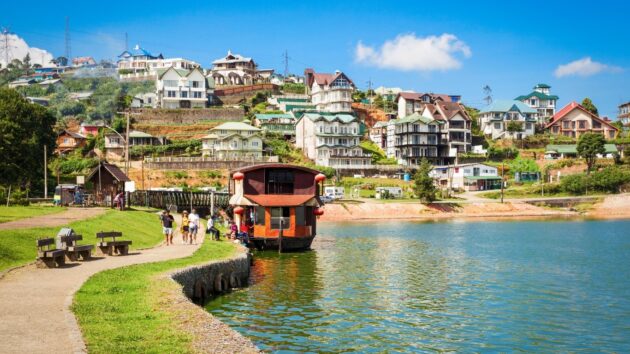
Gregory Lake: A scenic man-made lake perfect for leisurely walks, pedal boating, or picnics. It is surrounded by greenery and offers beautiful views, especially at sunset.
Victoria Park: A well-maintained colonial-era park with colorful flowers, walking paths, and a peaceful atmosphere — ideal for a relaxing stroll.
Hakgala Botanical Garden: Sri Lanka’s second-largest botanical garden, famous for its orchid collection, roses, and ferns. Located at the foot of Hakgala Rock, it features stunning landscapes and ties to the Ramayana legend.
Horton Plains National Park & World’s End: A must-do day trip (early morning start recommended). Hike through cloud forests and grasslands to the dramatic cliff viewpoint known as World’s End, where you can see for miles on clear days. Spot wildlife like sambar deer and monkeys.
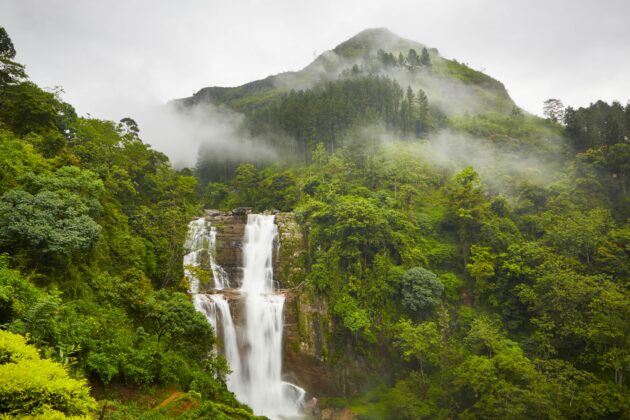
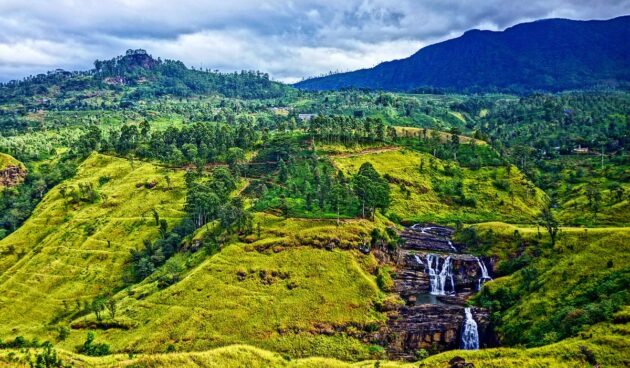
Waterfalls and Scenic Drives: Visit Lover’s Leap Waterfall, Devon Falls, St. Clair Falls, or Ramboda Falls. Scenic drives through the hills reveal breathtaking panoramas.
Colonial Heritage: Admire the Grand Hotel Nuwara Eliya, the old Post Office, and other Tudor-style buildings. Enjoy traditional afternoon high tea at the Grand Hotel for a quintessential colonial experience.
Seetha Amman Temple: A colorful Hindu temple linked to the Ramayana epic, located near Hakgala.
Where to Stay
Nuwara Eliya offers a range of accommodations, from historic colonial bungalows to modern hotels and budget guesthouses:
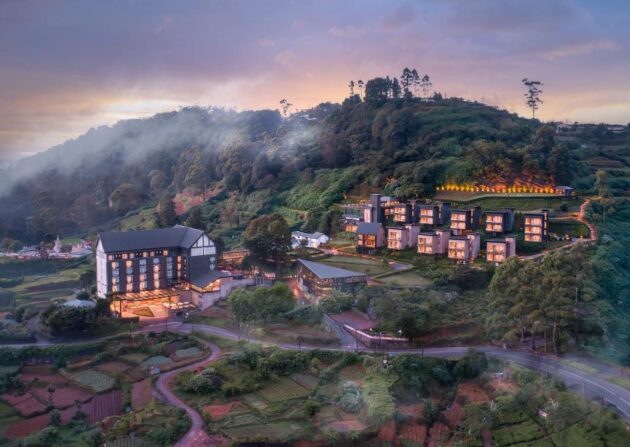
Luxury/Heritage: The Grand Hotel Nuwara Eliya, Jetwing St. Andrews, or Heritance Tea Factory (a converted tea factory with unique charm).
Mid-range: The Montfort Nuwara Eliya or boutique colonial bungalows.
Budget: Hostels like HI Lanka or simple guesthouses with great views.
Staying in a heritage property with fireplaces and afternoon tea on the lawn enhances the “Little England” feel.
Where to Eat
Try fresh Ceylon tea and local Sri Lankan rice & curry.
Colonial-style high tea at the Grand Hotel.
Restaurants around Gregory Lake or the town center offer both local and international cuisine.
Don’t miss tasting different grades of tea at the factories.
Practical Tips
What to bring: Warm clothing (evenings can be chilly), comfortable walking shoes for hikes, rain jacket, sunscreen, and insect repellent.
Photography: The glow of tea plantations at golden hour is magical; early mornings offer the best light and fewer crowds.
Respect the environment: Stick to marked trails in national parks and avoid littering in the fragile highland ecosystem.
Duration: Spend at least 2–3 nights to fully enjoy the town and nearby attractions.
Combine with: Ella (for hiking and waterfalls) or Kandy (for cultural sites) in a classic hill country itinerary.
Final Thoughts
Nuwara Eliya offers a refreshing, serene contrast to Sri Lanka’s beaches and ancient cities. Whether you’re sipping tea amid misty hills or hiking to dramatic viewpoints, this highland gem leaves visitors with lasting memories of Sri Lanka’s cool, green heart.
Safe travels and enjoy your time in Little England!