
Polonnaruwa Travel Guide (2026)
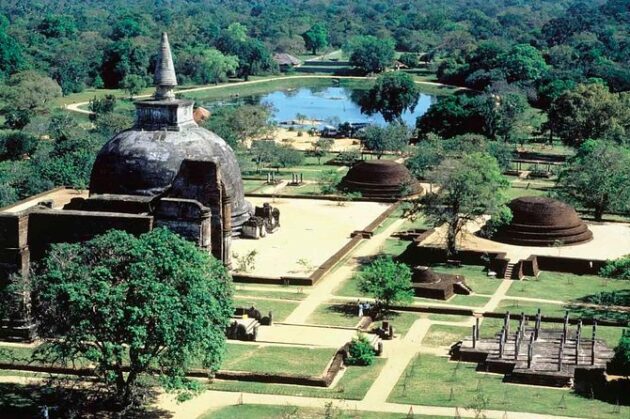
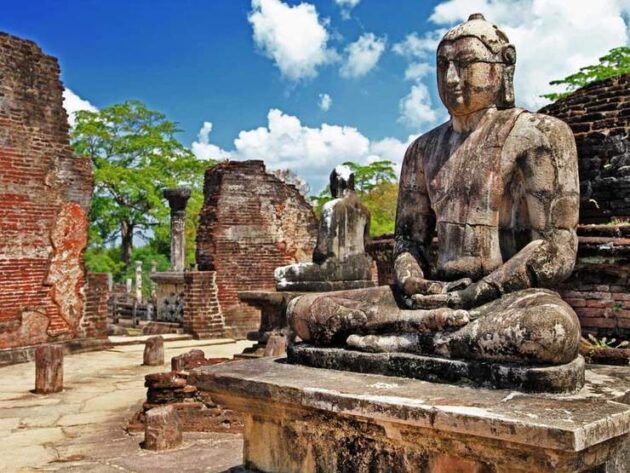
Polonnaruwa, a UNESCO World Heritage Site, stands as one of Sri Lanka’s most impressive archaeological treasures. It served as the island’s second capital from the 11th to 13th centuries after the fall of Anuradhapura. Built by kings like Parakramabahu I, the city features beautifully preserved ruins of palaces, temples, stupas, and intricate Buddha statues that showcase the golden age of Sinhalese Buddhist civilization and architecture.
Often visited as part of the Cultural Triangle (along with Sigiriya and Anuradhapura), Polonnaruwa offers a more compact and well-preserved site than its older counterpart. It blends history, serene landscapes, and the massive Parakrama Samudra reservoir, making it a highlight for history lovers and cultural travelers.
Why Visit Polonnaruwa?
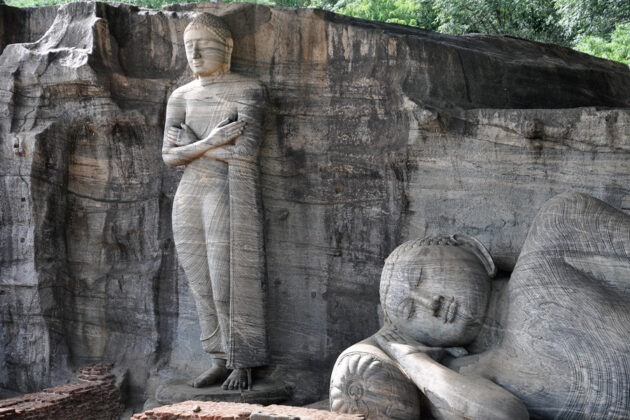
Explore remarkably intact medieval ruins, including giant rock-carved Buddha statues at Gal Vihara.
Wander through the Sacred Quadrangle (Dalada Maluwa), a cluster of ornate temples and shrines.
Enjoy a peaceful, less crowded atmosphere compared to busier sites like Sigiriya.
Combine with wildlife safaris in nearby Minneriya or Kaudulla National Parks, famous for elephant gatherings.
How to Get There
Polonnaruwa lies in Sri Lanka’s North Central Province, about 220 km northeast of Colombo.
From Colombo: 4.5–6 hours by car/taxi or train (to Polonnaruwa or nearby Habarana) + transfer. Private transfers are comfortable and recommended for first-timers.
From Sigiriya/Dambulla: Only 1–2 hours by taxi, tuk-tuk, or bus — the most common route for Cultural Triangle travelers.
From Anuradhapura: Around 2–3 hours by road.
Public Transport: Buses run regularly from major towns; trains connect Colombo to Polonnaruwa station (then a short tuk-tuk ride to the ancient city).
Renting a car with driver or joining a guided day tour from Sigiriya is the easiest option.
Best Time to Visit
Polonnaruwa has a dry-zone climate and remains accessible year-round, but the ideal periods are:
December to March — Pleasant weather with lower rainfall and cooler temperatures.
May to September — Drier months with plenty of sunshine (peak dry season in the region).
Avoid the northeast monsoon (October–January) if possible, as heavy rains can make exploration less comfortable. Visit early in the morning (starting around 8–9 AM) to beat the heat and crowds — the site gets very hot by midday.
Top Attractions in the Ancient City
The archaeological park is large and flat, best explored by bicycle (rentals available near the entrance) or with a tuk-tuk/driver for a few hours.
Polonnaruwa Museum — Start here for context and models of the ancient city (ticket includes museum entry).
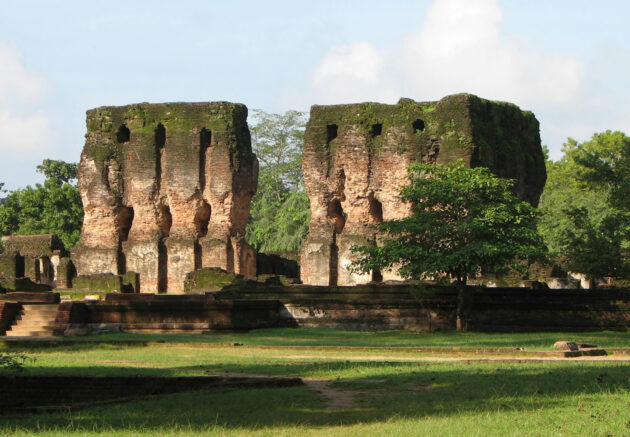
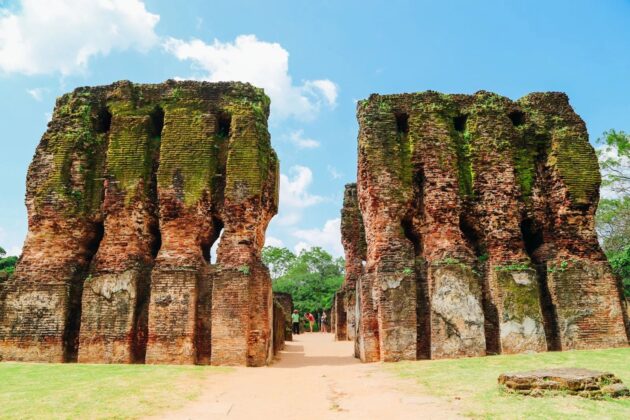
Royal Palace Complex — Remains of King Parakramabahu’s grand palace, audience hall with elephant carvings, and the king’s bathing pool (Kumara Pokuna).
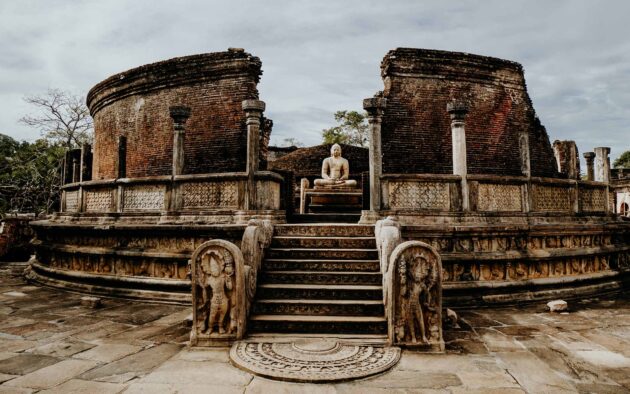
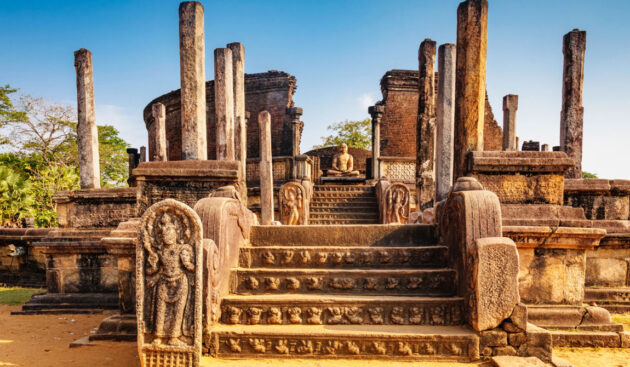
Sacred Quadrangle (Dalada Maluwa) — A raised platform with multiple shrines, including the Vatadage (circular relic house with beautiful moonstones and guard stones), Hatadage, and Atadage. This is one of the most photogenic areas.
Gal Vihara — The undisputed highlight: four magnificent Buddha statues carved directly into a granite rock face, including a 14-meter reclining Buddha. The serene expressions and detail are breathtaking.
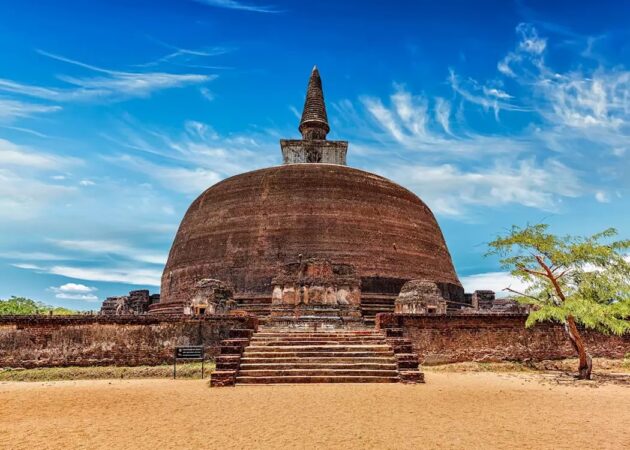
Rankoth Vehera — A massive brick stupa (one of the largest in Sri Lanka) resembling those in Anuradhapura.
Lankatilaka Image House — A towering brick structure that once housed a large standing Buddha.
Parakrama Samudra — The enormous ancient reservoir (sea of Parakrama) that still supplies water to the region — great for a scenic walk or sunset views.
Other notable spots: Shiva Devale (Hindu temple remains from the Chola period), Potgul Vehera, and various monastic complexes.
Practical Information
Entry Fee: Approximately US$30 per adult for non-SAARC foreigners (half price for SAARC countries with passport proof). Children pay half. Tickets are purchased at the museum or online via the official e-ticket system.
Opening Hours: Generally 7:00 AM to 6:00 PM (confirm locally as hours can vary slightly).
Duration: 3–5 hours is ideal for a thorough visit; allocate a full day if combining with the museum and a relaxed pace.
Getting Around the Site: Rent a bicycle (cheap and fun on flat paths) or hire a tuk-tuk with driver/guide. Guided tours with licensed guides provide deeper historical insights.
Where to Stay
Most visitors stay 1 night in Polonnaruwa or base themselves in nearby Sigiriya/Habarana for convenience.
Luxury: EKHO Lake House or The Lake House Polonnaruwa — beautiful lakeside views and pools.
Mid-range: Hotel Sudu Araliya, Giritale Hotel, or Deer Park Hotel.
Budget/Guesthouses: Numerous comfortable options in the Old Town or New Town area, many with gardens and friendly hosts (e.g., places near the lake offer great value).
Staying lakeside allows pleasant evening walks and easier access to the ancient city.
What to Bring & Tips for Visitors
Wear modest clothing (shoulders and knees covered) out of respect for the sacred Buddhist sites.
Bring sunscreen, hat, water, and comfortable walking shoes — the site is expansive and unshaded in places.
Mosquito repellent is useful, especially near the reservoir.
Photography is allowed, but avoid flash on statues and be respectful.
Consider hiring a knowledgeable local guide for richer stories behind the ruins.
Combine your visit with a Minneriya National Park safari in the afternoon for elephant spotting (especially during the dry season).
Pro Tip: Arrive early to enjoy softer light and fewer people. The heat builds quickly, so pace yourself and take breaks in shaded areas.
Final Thoughts
Polonnaruwa offers a fascinating glimpse into Sri Lanka’s medieval glory, with its masterful stone carvings, towering stupas, and tranquil Buddha figures. Whether you’re tracing the island’s Buddhist heritage or simply soaking in ancient grandeur, this well-preserved city delivers a memorable and photogenic experience.
Pair it with Sigiriya’s rock fortress and Anuradhapura for the ultimate Cultural Triangle adventure. Safe travels and enjoy stepping back in time in one of Sri Lanka’s most enchanting historical sites!