
A Travel Guide to Minneriya National Park (2026)
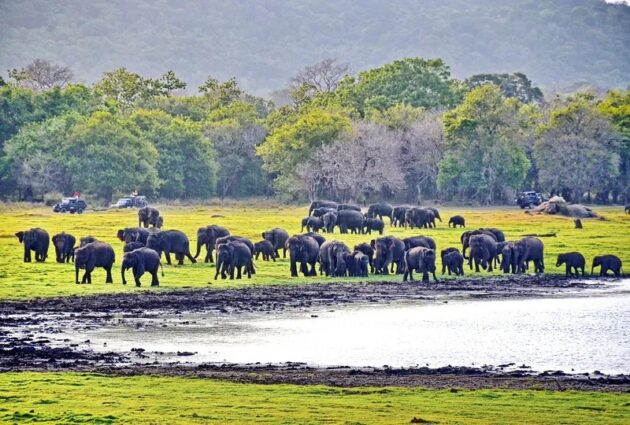
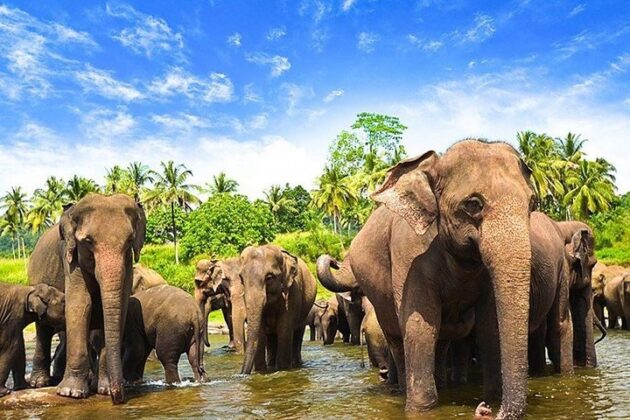
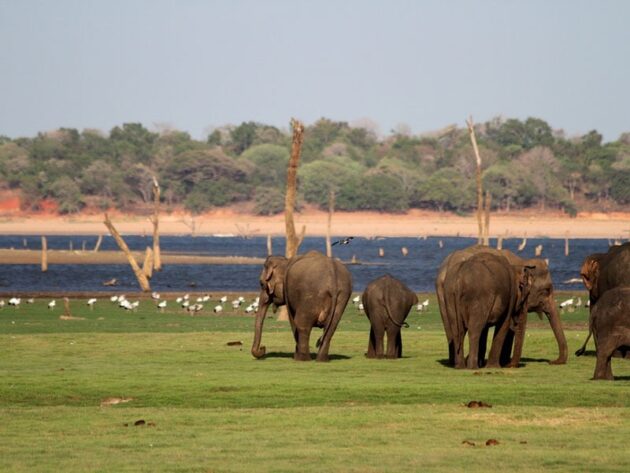
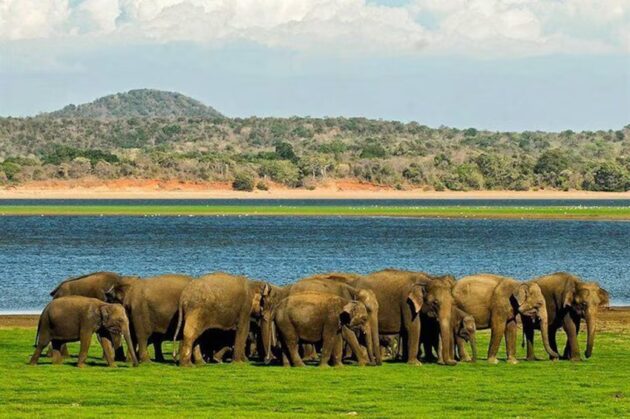
Minneriya National Park, located in Sri Lanka’s North Central Province, is one of the country’s premier wildlife destinations and a must-visit for anyone seeking an unforgettable safari experience. Spanning approximately 8,900 hectares (89 sq km), the park is centered around the ancient Minneriya Tank—a massive reservoir built in the 3rd century AD. It is world-famous for the “Great Elephant Gathering,” where hundreds of Asian elephants congregate around the tank during the dry season, creating one of Asia’s largest and most spectacular wildlife events. Beyond elephants, the park’s diverse ecosystems of forests, grasslands, wetlands, and scrub support a rich array of wildlife, making it a highlight of Sri Lanka’s Cultural Triangle.
Why Visit Minneriya National Park?
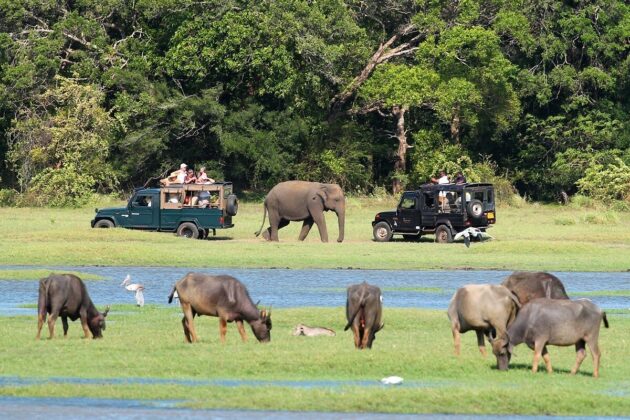
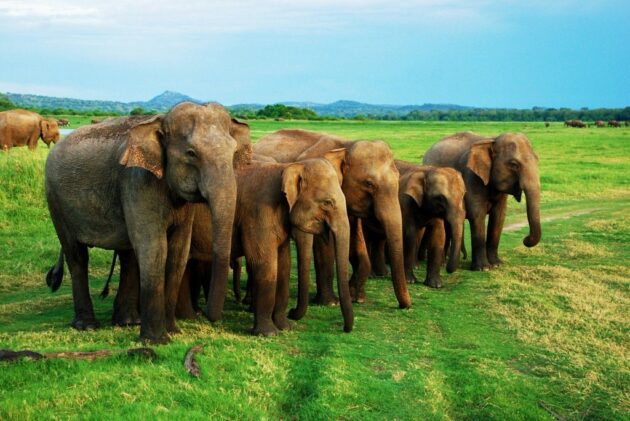
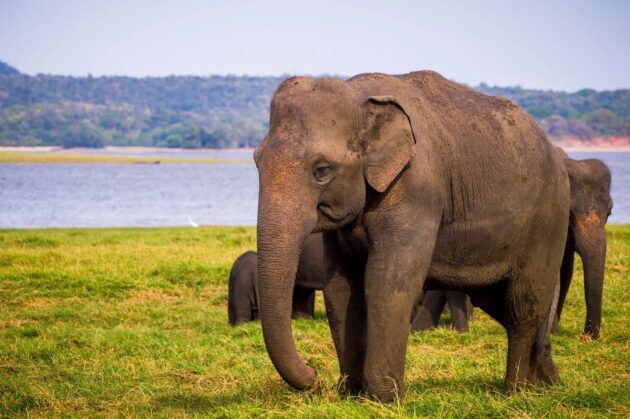
This park stands out for its reliable and large-scale elephant sightings—herds of 100 to over 300 elephants are common at peak times, far larger than in many other Sri Lankan parks. It offers excellent opportunities to see toque macaques, sambar deer, water buffalo, peacocks, numerous bird species (resident and migratory), and occasional reptiles like crocodiles and pythons. Leopards are present but rarer. Its location near ancient cultural sites like Sigiriya Rock and Polonnaruwa makes it ideal for combining nature and history. The park is accessible, well-managed, and suitable for families, first-time safari-goers, and experienced wildlife enthusiasts alike.
How to Get There
Minneriya National Park is conveniently located in the heart of the Cultural Triangle:
From Sigiriya: 20–30 minutes by road (the most popular base).
From Habarana: Just 15–20 minutes—many visitors stay here.
From Polonnaruwa: About 30–45 minutes.
From Colombo: A 3–4 hour drive (approximately 180–200 km) via the A6 highway.
Most travelers arrive by private car, taxi, or tour van. Public buses run between Dambulla, Habarana, and Polonnaruwa, but hiring a driver or joining a safari tour with hotel pickup is far more convenient. Domestic flights to nearby Sigiriya or Trincomalee are available but less common for this route. Many safari operators offer free or low-cost transfers from hotels within a 5–10 km radius of the park gate.
Best Time to Visit
The park is open daily from 6:00 AM to 6:30 PM year-round. However, the optimal time is during the dry season (May to September), with the absolute peak being August to October. This is when the famous Elephant Gathering occurs—elephants from surrounding areas migrate to the Minneriya Tank for water and fresh grass as other water sources dry up.
Afternoon safaris (starting 2:00–3:00 PM) are generally best, as elephants gather at the water’s edge toward evening. The wet season (October to January) brings greener landscapes but fewer concentrated sightings and potentially muddy roads. Weather is typically warm and sunny during peak months, though early mornings and evenings can be cooler.
What to Do
The primary (and only) way to explore the park is on a jeep safari. There are no walking trails or boat options inside the park.
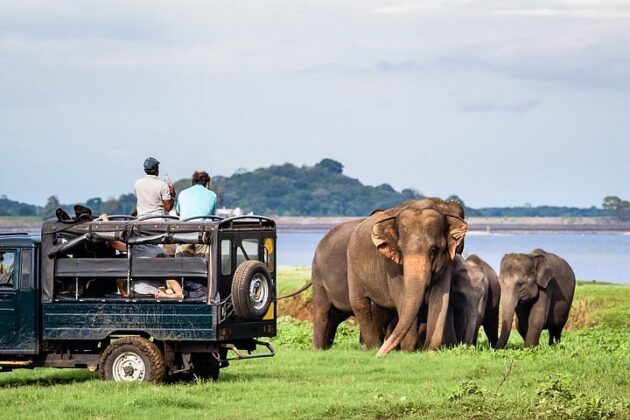
Jeep Safari Experience: Expect a 3–4 hour drive through open grasslands and around the reservoir. Your driver-guide will navigate dirt tracks, stopping for wildlife sightings. The highlight is watching massive elephant herds drinking, bathing, and socializing.
Morning vs. Afternoon: Morning offers cooler temperatures and active birds; afternoon is superior for large elephant groups.
Other Wildlife: Keep binoculars ready for monkeys swinging through trees, deer grazing, and colorful birds like peacocks and kingfishers.
Safaris are conducted in open 4×4 jeeps (usually seating 4–6 people). Private jeeps provide the most comfortable and flexible experience.
Booking a Safari and Tour Operators
You cannot self-drive or enter without a licensed jeep and driver. Booking is straightforward:
Cost: Private jeep safari (including park entrance fees, driver, and taxes) typically ranges from $40–$65 USD per person, depending on group size and whether it’s shared or private. Entrance fees alone for foreigners are approximately $35–$45 USD per adult (children lower). Prices can vary slightly by season—always confirm what’s included.
How to Book: Through your hotel or guesthouse (easiest). Online via platforms like GetYourGuide or Viator. Directly with reputable local operators such as Minneriya Safari Tours, Minneriya Wild Safaris, or similar certified companies.
Book at least a day or two in advance, especially during August–September. Choose operators with good reviews for knowledgeable drivers who prioritize ethical viewing (no crowding animals or off-road driving).
What to Bring
Neutral-colored, comfortable clothing (long sleeves and pants help against insects and sun).
Hat, sunglasses, sunscreen, and insect repellent.
Binoculars and a camera with zoom lens (the elephants are often at a distance).
Reusable water bottle and snacks (limited facilities inside).
Light jacket or rain cover (for early morning or unexpected showers).
Cash (for any extras) and a passport copy for entrance formalities.
Drones are strictly prohibited. Leave the park as pristine as you found it—no feeding animals or littering.
Where to Stay
There is no accommodation inside the park, but excellent options surround it:
Sigiriya or Habarana (recommended): These are the closest and most convenient bases, with a wide range of eco-lodges, luxury resorts, boutique hotels, and budget guesthouses. Many properties offer pools, gardens, and direct safari booking assistance.
Polonnaruwa: A good alternative if you’re focusing on ancient ruins, with slightly more affordable stays.
Look for places with wildlife-friendly practices and strong reviews for location and service. Camping is not available in or near the park.
Tips for a Great Experience
Opt for a private or small-group jeep for better wildlife viewing and comfort.
Combine your visit with nearby attractions: climb Sigiriya Rock in the morning, then do an afternoon safari.
Follow your guide’s instructions—stay seated in the vehicle and maintain a respectful distance from animals.
Peak season (August–October) gets busy; arrive early at the gate to avoid queues.
Support ethical tourism: choose operators who follow park rules and contribute to conservation.
Final Thoughts
Minneriya National Park delivers one of Sri Lanka’s most awe-inspiring wildlife spectacles—the chance to witness hundreds of wild Asian elephants in their natural habitat is truly bucket-list worthy. Whether you’re drawn by the elephants, the birds, or the serene reservoir landscape, a safari here combines raw nature with easy access to the country’s cultural heartland. Plan your visit during the dry season, book a quality jeep tour, and prepare to be amazed by one of Asia’s greatest natural gatherings.
Safe travels and enjoy the wild side of Sri Lanka!