
A Travel Guide to Kandy (2026)
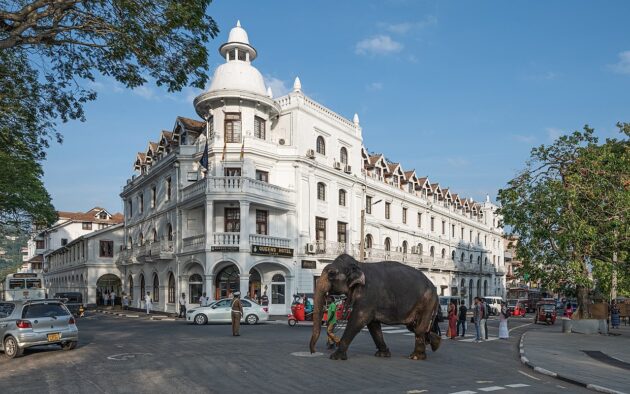
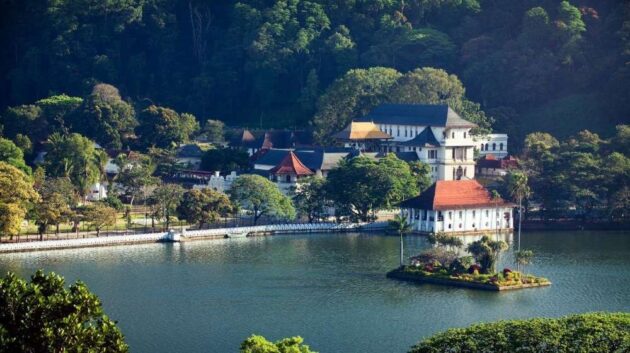
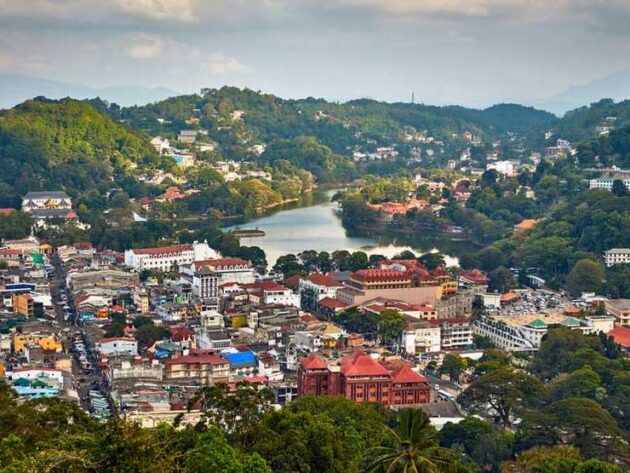
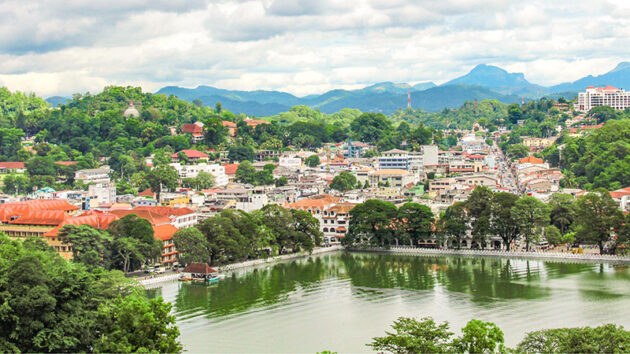
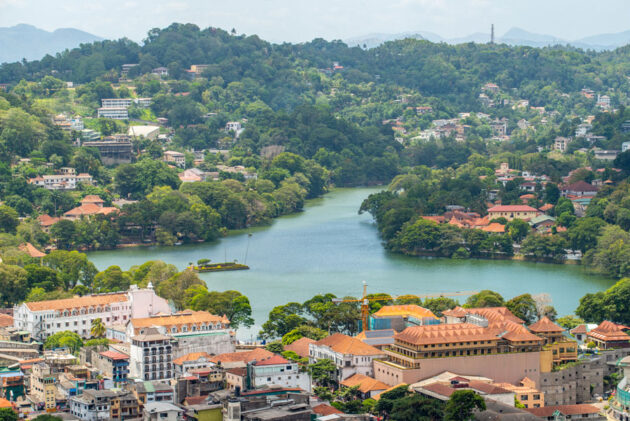
Kandy, nestled in the lush hills of central Sri Lanka, is the country’s cultural and spiritual heart. Once the last capital of the ancient Sinhalese kings, this UNESCO World Heritage Site blends rich Buddhist heritage, colonial charm, and natural beauty. At its center lies the sacred Temple of the Tooth Relic (Sri Dalada Maligawa), one of the most revered Buddhist sites in the world. Surrounded by misty mountains, an artificial lake, and vibrant markets, Kandy offers a perfect mix of history, culture, and relaxation.
Why Visit Kandy?
Kandy represents the soul of Sri Lankan culture. It houses the Sacred Tooth Relic of the Buddha, attracting pilgrims and travelers alike. The city’s compact size makes it easy to explore on foot or by tuk-tuk, while its cooler hill-country climate provides a refreshing break from the coastal heat. Highlights include colorful Kandyan dance performances, scenic viewpoints, and nearby tea plantations. During the Esala Perahera festival (typically July/August), the city comes alive with elaborate processions featuring decorated elephants, dancers, and fire performers — one of Asia’s most spectacular cultural events.
How to Get There
Kandy is well-connected and lies about 115–120 km northeast of Colombo:
From Bandaranaike International Airport (CMB): The journey takes 2.5–4 hours depending on traffic and mode of transport.
Private transfer/taxi: Most comfortable option (around $50–100 USD); many hotels arrange this.
Train: Scenic but slower; change in Colombo if needed.
Bus: Affordable express buses from Colombo Fort or airport area (cheapest but can be crowded).
Rideshare apps: PickMe or Uber for flexibility.
From Colombo: Train is highly recommended for the winding mountain views (about 3–4 hours). Buses are frequent and budget-friendly.
From other destinations: Scenic trains from Ella or Nuwara Eliya are popular among travelers.
Renting a car with driver is common for multi-day trips and offers flexibility for stops along the way.
Best Time to Visit
December to April: Peak dry season with pleasant weather, ideal for sightseeing and festivals.
July/August: Best for the famous Esala Perahera festival, though expect crowds and higher prices — book accommodations months in advance.
Shoulder seasons (September–October or May): Fewer crowds and lower costs, though short rains are possible.
Kandy’s hill location keeps temperatures milder (around 20–28°C / 68–82°F) year-round, but evenings can feel cool. Avoid heavy monsoon periods if possible, as landslides can affect hill roads.
Top Things to Do
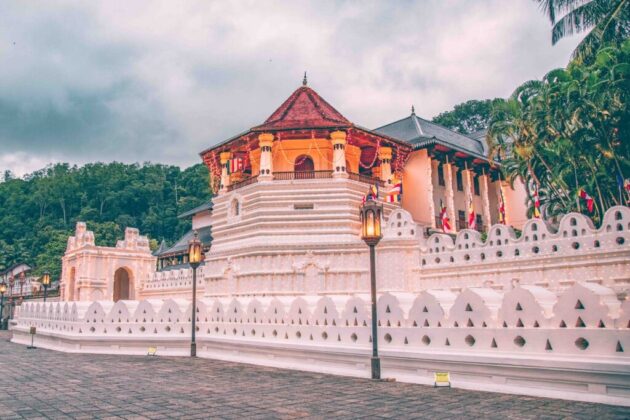
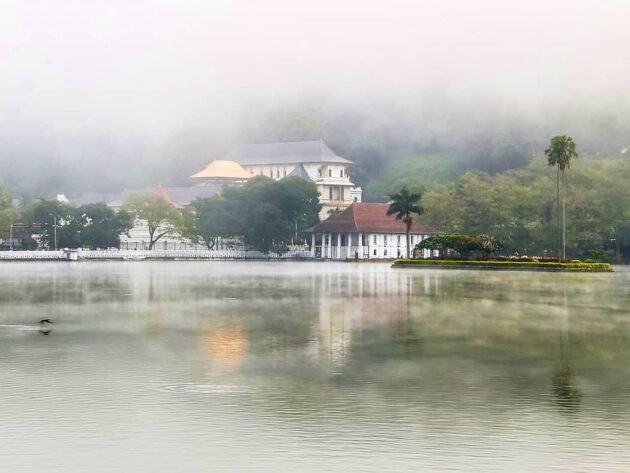
Temple of the Sacred Tooth Relic (Sri Dalada Maligawa): The undisputed highlight. Join daily puja (offerings) ceremonies (morning, midday, evening) to experience the temple as a living place of worship. Dress modestly (shoulders and knees covered; sarongs available for rent). The complex includes beautiful shrines, museums, and the octagonal pavilion.
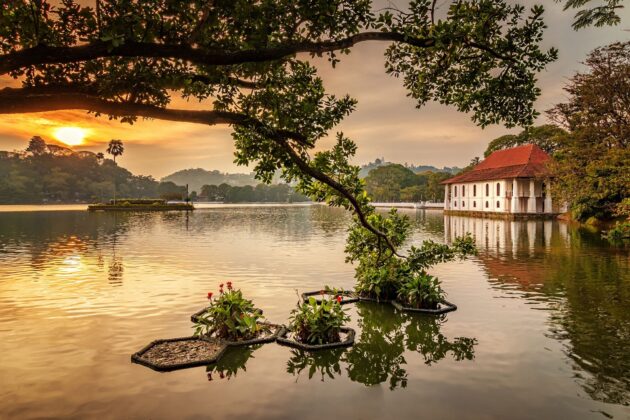
Kandy Lake (Bogambara Lake): Take a peaceful walk around this artificial “Sea of Milk” created in the 19th century. Golden hour offers beautiful reflections, though watch for monkeys and crows. It’s a lovely spot for people-watching and relaxation.
Royal Botanical Gardens, Peradeniya: Just 5–6 km outside the city, these stunning gardens feature over 4,000 plant species, including giant palms, orchids, and a famous spice garden. Perfect for a half-day stroll (allow 2–3 hours).
Kandyan Cultural Dance Show: Evening performances showcase traditional Kandyan dances with vibrant costumes, drumming, and fire acrobatics. Many shows are held near the temple or in hotels.
Udawattakele Forest Sanctuary: An urban rainforest right behind the Temple of the Tooth. Hike trails for birdwatching, monkeys, and a sense of tranquility.
Viewpoints & Other Temples: Bahirawakanda Buddha Statue for panoramic city views. Sri Maha Bodhi Viharaya or nearby rock temples like Lankatilaka and Gadaladeniya.
Markets & Local Life: Explore the bustling Central Market for spices, fresh produce, and souvenirs. Wander colonial-era streets for a taste of everyday Kandy life.
Optional day trips: Ceylon Tea Museum, nearby tea estates, or Pinnawala Elephant Orphanage (on the way from Colombo).
Where to Stay
Lake Area: Convenient for walking to the temple and lake. Options range from boutique guesthouses to mid-range hotels.
Hillsides: Quieter stays with stunning views and pools (e.g., areas around Rajapihilla or higher elevations).
Budget to Luxury: Budget: McLeod Inn or guesthouses near the lake. Mid-range: Hotels with lake views and easy access. Luxury: Properties with infinity pools and colonial charm.
Book early during festival season. Many accommodations offer free or low-cost shuttles to main sights.
What to Eat
Kandy’s food scene mixes Sri Lankan staples with hill-country influences:
Must-try dishes: Kottu roti, rice and curry (with jackfruit, dhal, and sambols), hoppers, and fresh king coconut.
Street food & markets: Try wattalapam (coconut custard), fresh tropical fruits, and spicy snacks.
Restaurants: Look for places serving authentic Kandyan cuisine. Vegetarian options are widely available due to Buddhist influences.
Drinks: Ceylon tea from local estates and fresh ginger tea for the cooler evenings.
Be mindful of spice levels — many dishes are fiery!
Practical Tips
Dress code: Modest clothing for temples (cover shoulders/knees). Remove shoes and hats before entering sacred areas.
Photography: Allowed in most places, but avoid flashing lights or photographing inside the inner sanctum of the Tooth Temple. Drones are restricted near the temple.
Health & Safety: Exercise increased caution due to occasional civil unrest or terrorism risks. Use mosquito repellent (dengue is a concern). Drink bottled water. Current travel advisories recommend heightened vigilance in public areas.
Currency & Costs: Sri Lankan Rupees (LKR). Kandy is relatively affordable; ATMs are plentiful.
Getting around: Tuk-tuks are cheap and everywhere — negotiate fares. Walking is pleasant in the center.
Sustainability: Support local guides and avoid single-use plastics. Respect religious sites by staying quiet during ceremonies.
Final Thoughts
Kandy offers a deeply immersive experience of Sri Lanka’s heritage and natural beauty. Spend at least 2–3 nights here to soak in the atmosphere — one day for the temple and lake, another for gardens and culture. Combine it with the scenic train ride to Ella or a visit to the Cultural Triangle for a well-rounded trip.
Whether you witness the grand Esala Perahera or simply enjoy a quiet lakeside sunset, Kandy leaves a lasting impression of Sri Lanka’s spiritual and cultural richness.
Safe travels and enjoy this enchanting hill-country gem!