
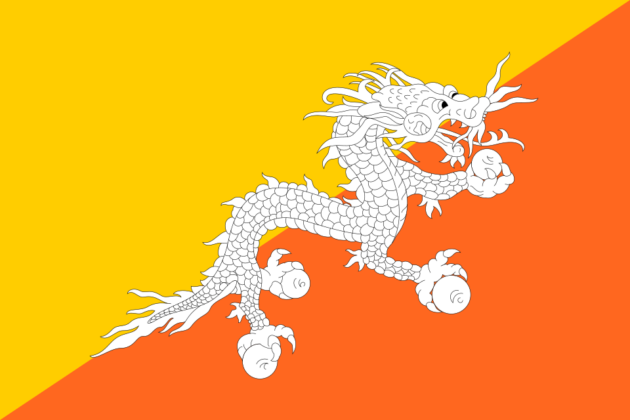
Bhutan Travel Guide (2026)
Bhutan, known as the Land of the Thunder Dragon, is a Himalayan kingdom famous for its stunning landscapes, ancient Buddhist monasteries (dzongs and goembas), commitment to Gross National Happiness (GNH), and sustainable tourism model. It emphasizes “high value, low volume” travel to preserve its culture and environment. Bhutan is carbon-negative, with over 70% forest cover, and offers a peaceful, meaningful experience rather than mass tourism.
Entry Requirements and How to Visit
You cannot travel independently in Bhutan—all international tourists (except citizens of India, Bangladesh, and Maldives) must book through a licensed Bhutanese tour operator. This includes a guide, driver, and pre-arranged itinerary.
Visa: Apply for an e-Visa via your tour operator. It costs about USD $40 (one-time fee). Provide passport details, photo, and travel dates. Processing is straightforward once your tour is confirmed.
Sustainable Development Fee (SDF): The key cost. As of 2026 (through August 31, 2027), it’s USD $100 per person per night for most adult international visitors. Children 6–12 pay $50; under 6 are exempt. This funds education, healthcare, infrastructure, and conservation. Pay in advance with your visa application. Indian nationals pay a lower rate in INR.
Passport: Must be valid for at least 6 months beyond your stay.
Indian, Bangladeshi, and Maldivian citizens: Visa-exempt or simplified permits; different SDF rates may apply.
How to get there
By air: Fly into Paro International Airport (the only international airport). Direct flights are limited—mainly from Bangkok (Thailand), Delhi/Kolkata (India), Kathmandu (Nepal), Singapore, and Dhaka. From the US (e.g., East Coast like Pennsylvania), expect 2–3 flights with layovers (total 20–30+ hours). Common routes: US → Delhi/Kathmandu/Bangkok → Paro. Flights can be pricey ($500–$1,500+ round-trip depending on season and routing).
By land: Possible from India (e.g., Phuentsholing border) for those combining with Indian travel, but air arrival is most common for tourists.
Book well in advance, especially for peak seasons or festivals. Tour operators handle all logistics, including permits for restricted areas.
Best Time to Visit
Peak seasons (recommended for most visitors): March–May (spring) and September–November (autumn). Clear skies, mild temperatures, blooming rhododendrons (spring), and excellent visibility of Himalayan peaks. Ideal for hiking, photography, and festivals. These are the busiest (but still low-volume) periods.
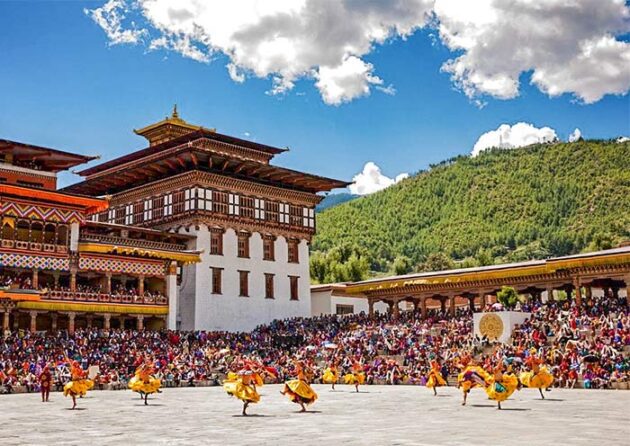
Festivals (Tshechus): Colorful masked dances and celebrations. Key ones include Paro Tshechu (March/April), Thimphu Tshechu (September/October), and others in Punakha or Bumthang. Aligning your trip with a festival adds vibrancy.
Shoulder/Off-season: June–August (monsoon—lush but rainy, fewer crowds, lower costs) or December–February (cold, clear mountain views, winter festivals, but higher altitudes can be snowy).
Trekking: Best in spring and autumn for dry trails.
Top Attractions and Suggested Itinerary
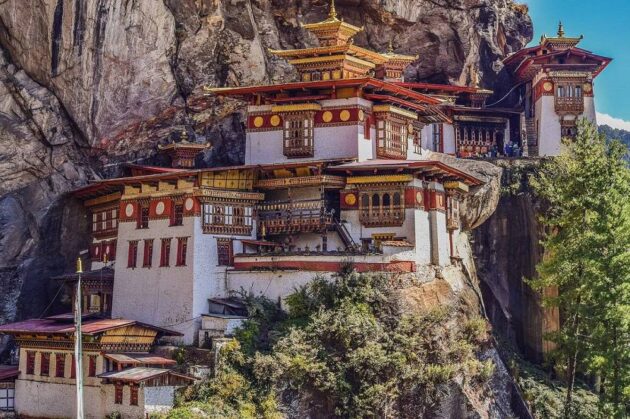
Paro Taktsang
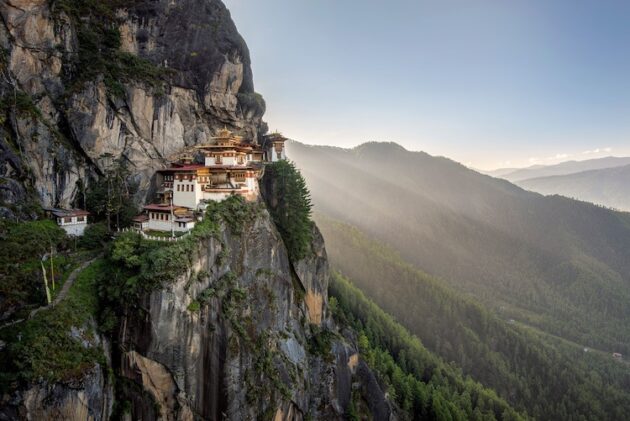
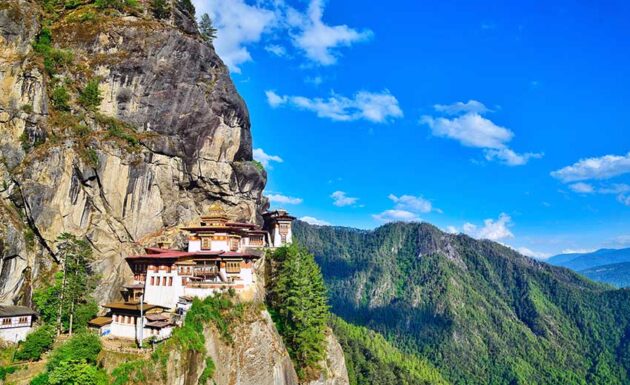
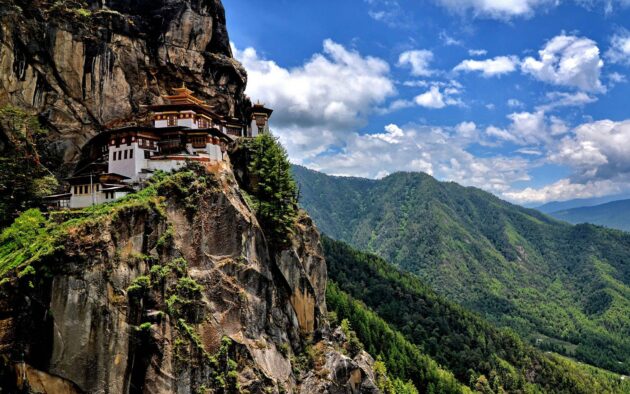
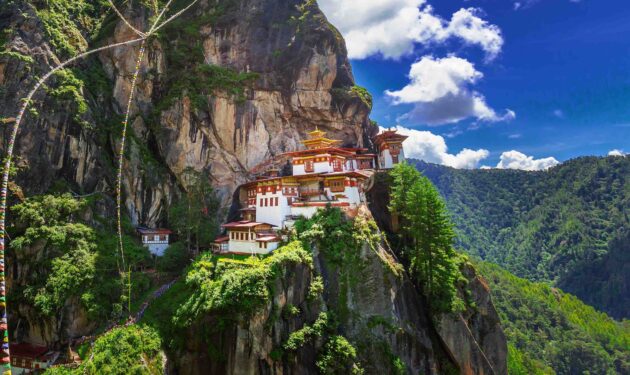
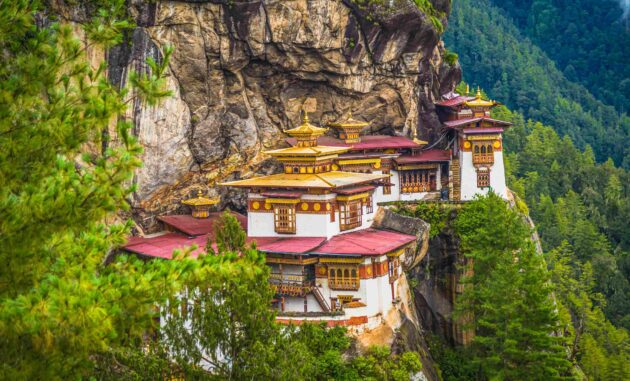
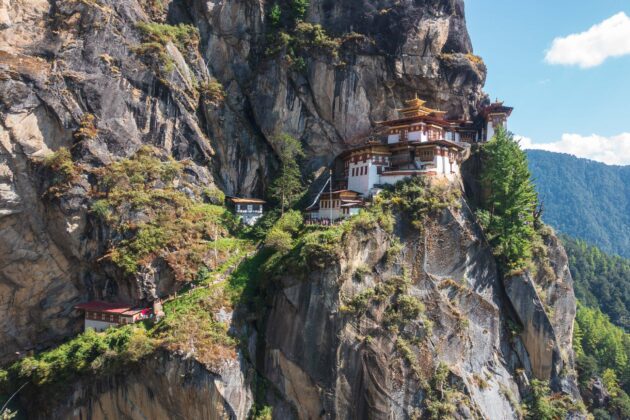
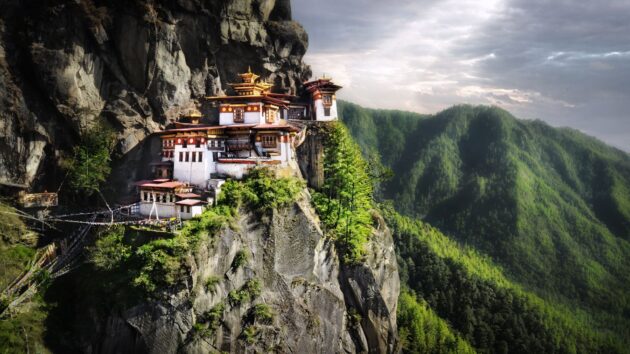
Paro Taktsang, commonly known as Tiger’s Nest Monastery (or Taktsang Palphug), is Bhutan’s most iconic landmark. It clings dramatically to a sheer cliff 900 meters (about 2,950 feet) above the Paro Valley floor, at an elevation of roughly 3,120 meters (10,232 feet). According to legend, in the 8th century, Guru Rinpoche (Padmasambhava)—the revered figure who introduced Vajrayana Buddhism to Bhutan—flew to the site on the back of a tigress (or “tigress lair,” hence the name Taktsang).
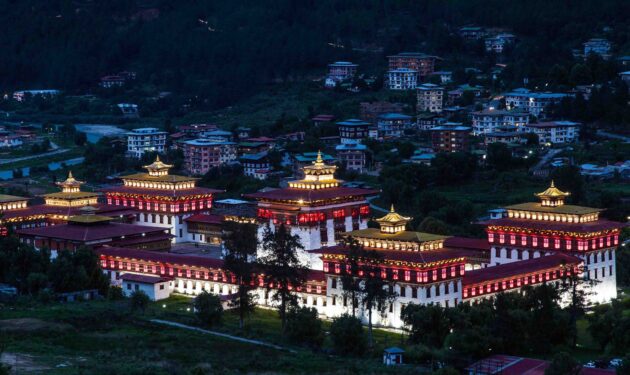
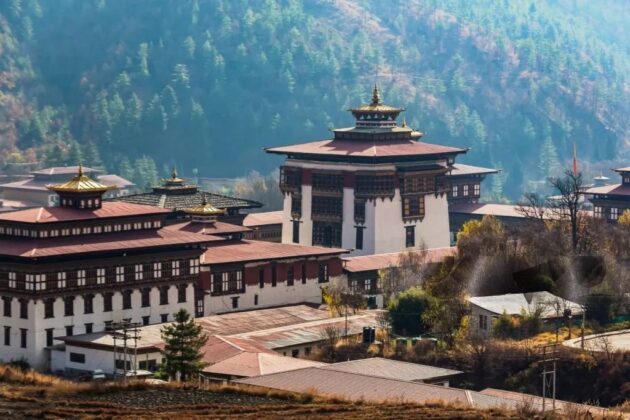
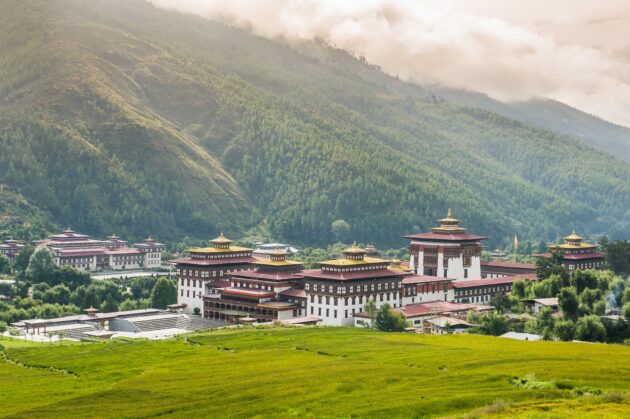
Tashichho Dzong
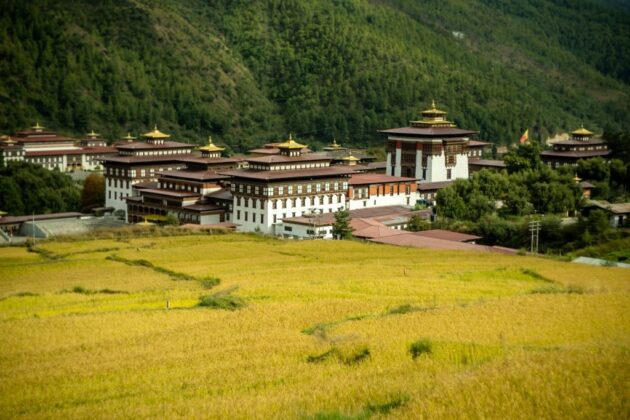
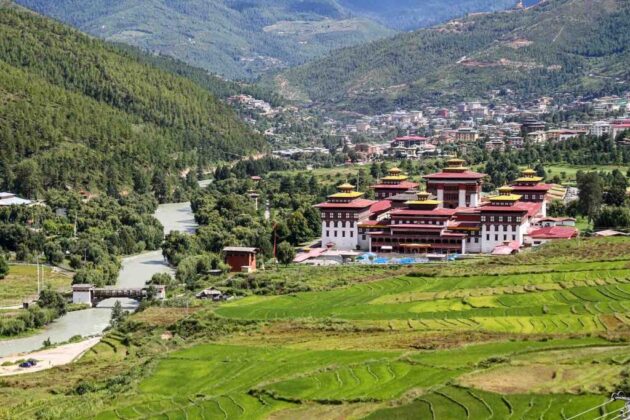
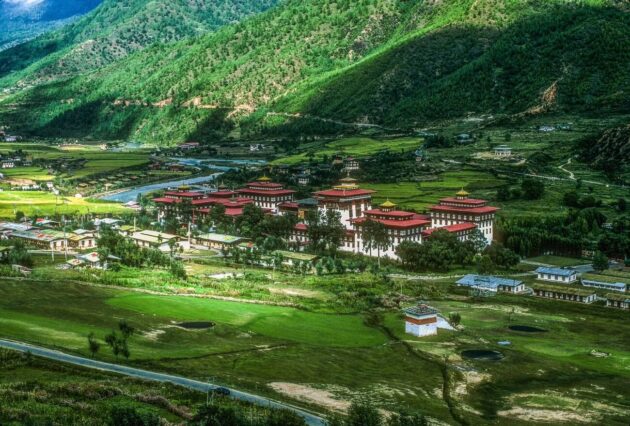
Tashichho Dzong (also spelled Tashichhodzong or Thimphu Dzong), meaning “Fortress of the Glorious Religion,” is one of Bhutan’s most iconic landmarks. Located on the northern edge of Thimphu along the western bank of the Wang Chhu River, it serves as both a grand Buddhist monastery and the primary administrative seat of the Bhutanese government. It houses the King’s throne room, offices for key ministries (including Home Affairs and Finance), and the summer residence of the Je Khenpo (Chief Abbot), along with a large monastic community.
Punakha Dzong
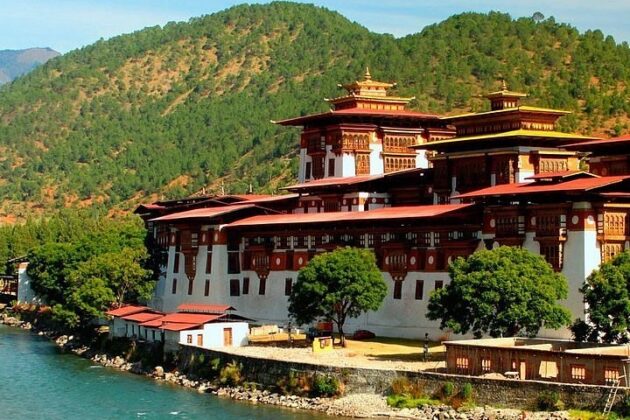
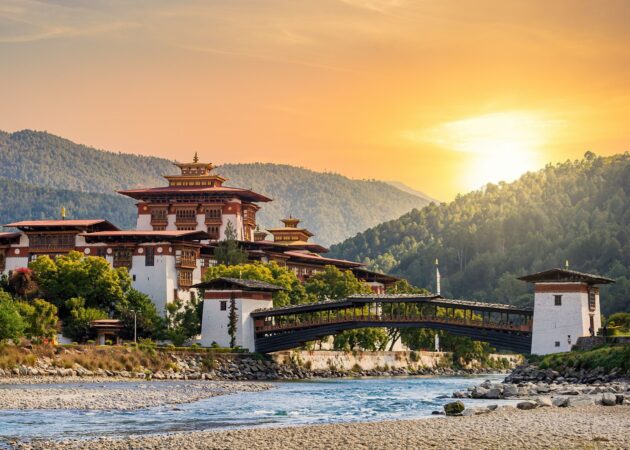
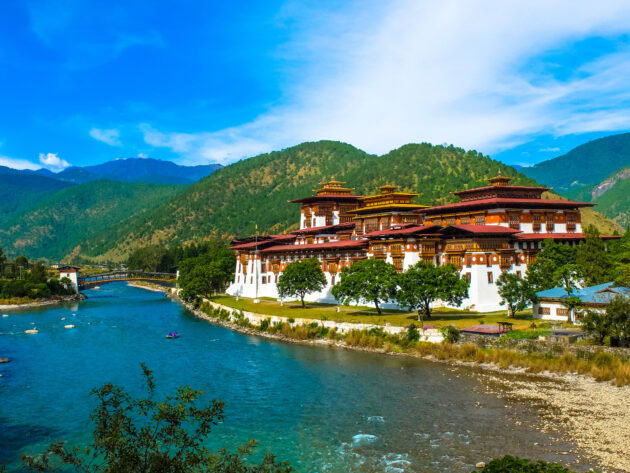
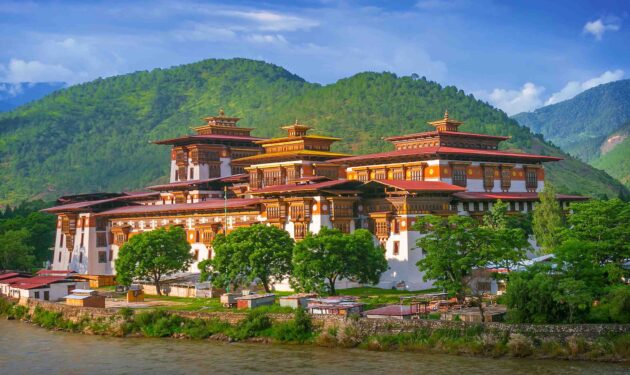
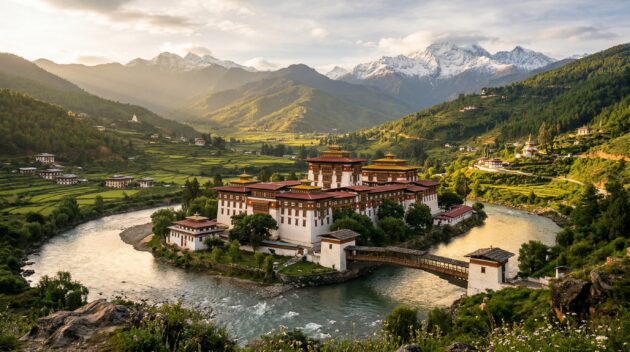
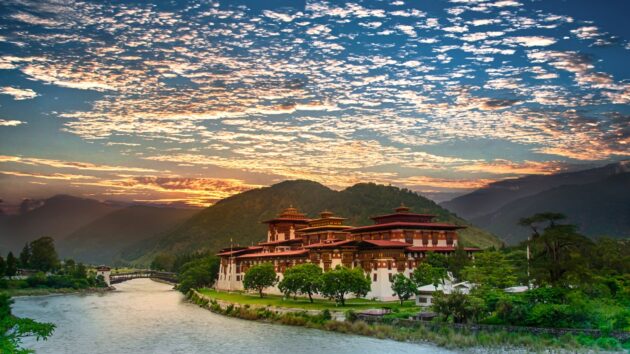
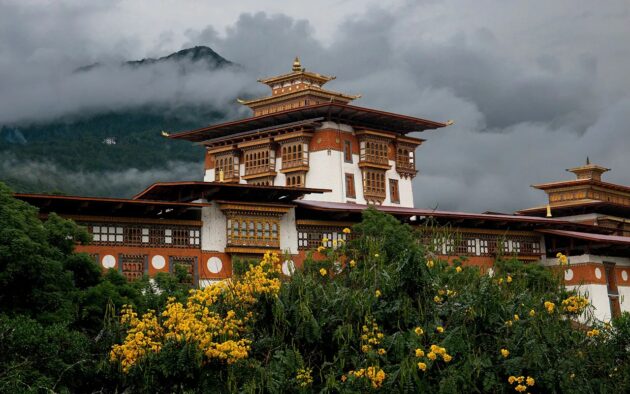
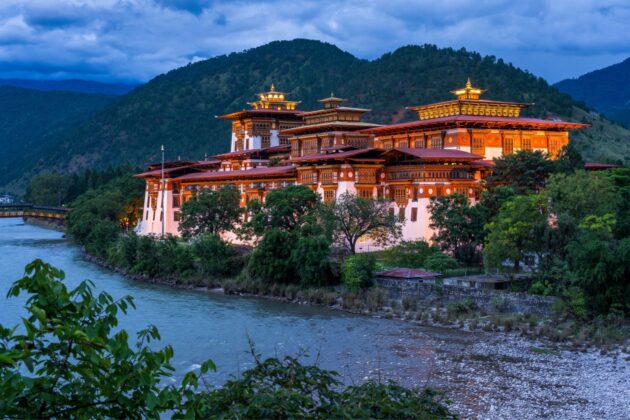
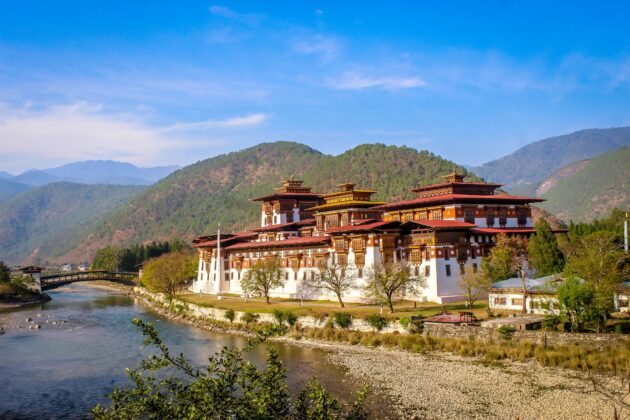
Punakha Dzong, known as the Palace of Great Happiness (or Pungthang Dechen Phodrang), is one of Bhutan’s most iconic and photogenic landmarks. It is the second-oldest and second-largest dzong (fortress-monastery) in the country, built in 1637–38 by Zhabdrung Ngawang Namgyal, the unifier of Bhutan.
Costs
Bhutan isn’t a budget backpacker destination due to the SDF and required operator package, but it’s all-inclusive for many services.
Daily package cost (per person): Often quoted as $250–$800+ total (including SDF, 3-star accommodation, meals, private transport, guide, and entries). Budget/mid-range: ~$250–$400; luxury: $800–$2,000+.
Breakdown (additional to SDF): Accommodation: Included in packages (3-star standard; upgrade for luxury resorts). Meals: Typically included (Bhutanese cuisine: ema datshi—chili cheese, momos, red rice, thukpa). Transport/Guide: Private vehicle and English-speaking guide included.
International flights: $500–$1,500+ round-trip from the US.
Total for 7 nights/8 days: Expect $2,000–$5,000+ per person (including flights), varying by group size (cheaper per person in small groups) and hotel tier. Families get child discounts on SDF.
Tips for managing costs: Travel in shoulder season, join a small group, or choose standard 3-star hotels.
Transportation, Food, and Practical Tips
Inside Bhutan: All handled by your tour operator—private cars/vans on winding mountain roads. Domestic flights are rare.
Food: Mildly spicy Bhutanese fare (vegetarian-friendly). Try local specialties; hotels often serve a mix of Bhutanese, Indian, and continental. Water: Bottled or boiled.
Currency: Bhutanese Ngultrum (BTN), pegged to Indian Rupee (INR). USD widely accepted in tourist areas; ATMs limited—bring cash.
Language: Dzongkha (official); English widely spoken by guides and in tourism.
Health/Safety: Altitude (Paro ~7,200 ft; higher passes). Acclimatize, stay hydrated. Bhutan is very safe; low crime. No major health risks beyond standard travel (check vaccinations). Smoking restricted; plastic bags banned.
Packing: Layers for variable weather, modest clothing (cover shoulders/knees at religious sites), comfortable hiking shoes, reusable water bottle, sunscreen, hat, binoculars for views/wildlife. Power: Mix of plugs (types D, F, G).
Culture and Etiquette
Do: Dress modestly at monasteries (no shorts/tank tops). Walk clockwise around chortens/prayer wheels. Remove shoes before entering temples. Greet with “Kuzu zangpo la” (hello). Accept offered tea graciously. Support local artisans by buying handicrafts.
Don’t: Touch religious artifacts or point feet at them/people. Take photos inside temples without permission. Litter or disturb nature/wildlife. Give money/sweets to children (encourages begging). Smoke near religious sites. Discuss sensitive politics unless locals initiate.
Responsible travel: Follow “leave no trace.” Bhutan values sustainability—minimize waste, stay on trails.
Final Tips for a Memorable Trip
Start planning 3–6 months ahead (longer for festivals).
Choose a reputable licensed operator (many specialize in cultural, trekking, or wellness trips).
Embrace the slower pace—Bhutan rewards mindfulness over checklists.
From Pennsylvania (US East Coast), factor in jet lag and long flights; consider a stopover in Asia.
Final Thoughts
Bhutan offers a rare blend of natural beauty, spiritual depth, and intentional tourism. It’s not cheap or easy to access, but the experience—hiking to Tiger’s Nest with prayer flags fluttering or witnessing a tshechu—feels transformative. For the latest details, consult official sources like bhutan.travel or your chosen operator, as policies can evolve. Safe travels!