

South Korea Travel Guide (2026): A Vibrant Blend of Tradition, Modernity, and Flavor
South Korea (officially the Republic of Korea) offers an incredible mix of ancient palaces, futuristic skyscrapers, stunning natural landscapes, and world-renowned cuisine. From the bustling streets of Seoul to the serene beaches of Jeju Island and the dynamic port city of Busan, it’s a destination that rewards first-timers and repeat visitors alike. Efficient public transport, high safety standards, and friendly locals make it one of Asia’s most accessible and enjoyable countries to explore.
Best Time to Visit
The best times to visit are spring (March–May) and autumn (September–November).
Spring: Cherry blossoms transform cities and parks into pink wonderlands, especially in late March to mid-April. Mild temperatures are perfect for sightseeing.
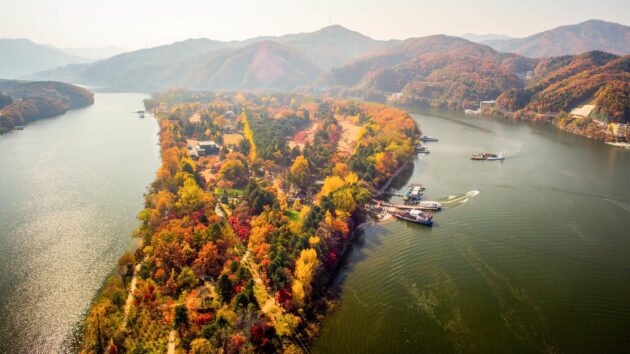
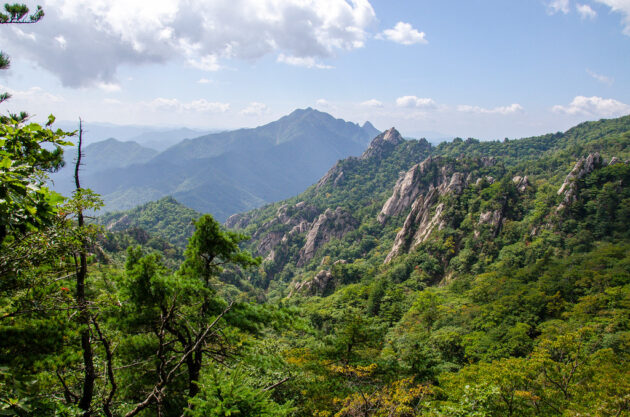
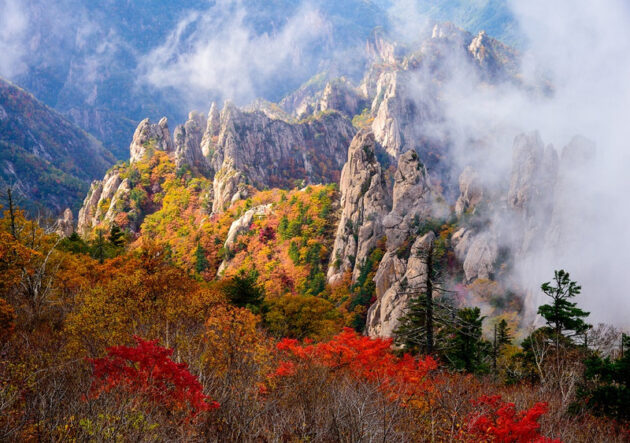
Autumn: Crisp air, vibrant fall foliage in the mountains (e.g., Seoraksan), and comfortable hiking weather make this many travelers’ favorite season. October often stands out as ideal.
Summer (June–August): Hot and humid with occasional heavy rain (monsoon season). Great for beaches but less ideal for cities.
Winter (December–February): Cold and snowy, ideal for winter festivals, skiing, or enjoying hot foods and indoor attractions. Fewer crowds and lower prices.
Avoid major holidays like Lunar New Year (Seollal) and Chuseok if you dislike crowds, though they offer unique cultural experiences.
Visa and Entry Requirements
Many nationalities (including the US, Canada, UK, EU countries, Australia, etc.) can enter visa-free for up to 90 days for tourism. The K-ETA (Korea Electronic Travel Authorization) is currently exempted for many visitors through December 31, 2026. Check the official K-ETA site or your local Korean embassy for your nationality.
A valid passport is required. Download apps like the official Korea travel apps or “Emergency Ready” for alerts. Register with your embassy for peace of mind.
Getting There and Around
Flights: Incheon International Airport (near Seoul) is the main gateway, with excellent facilities. Gimpo serves domestic flights.
Domestic Travel: KTX high-speed trains: Fast and comfortable for inter-city trips (Seoul–Busan in ~2.5 hours). Buses: Reliable and affordable. Domestic flights: Quick to Jeju Island.
Within Cities: Excellent subway and bus networks. Get a T-Money card (physical prepaid card) at the airport or convenience stores (CU, GS25, 7-Eleven). It works on subways, buses, taxis, and some stores nationwide, with transfer discounts.
Apps: Use Naver Map (better than Google Maps for Korea) for navigation and public transport. Kakao T for taxis.
Top Destinations
Seoul
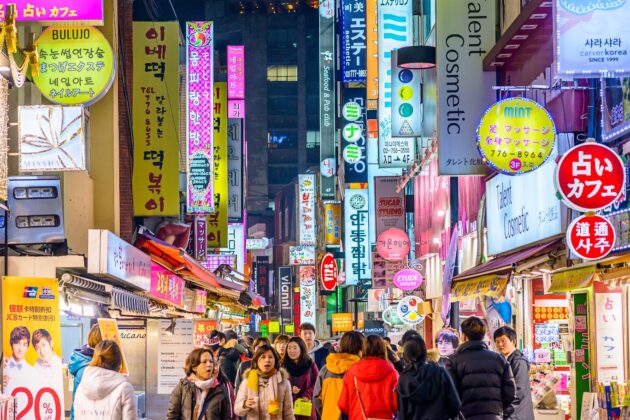
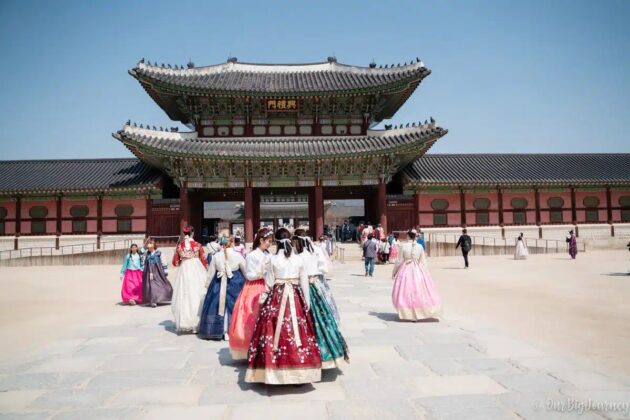
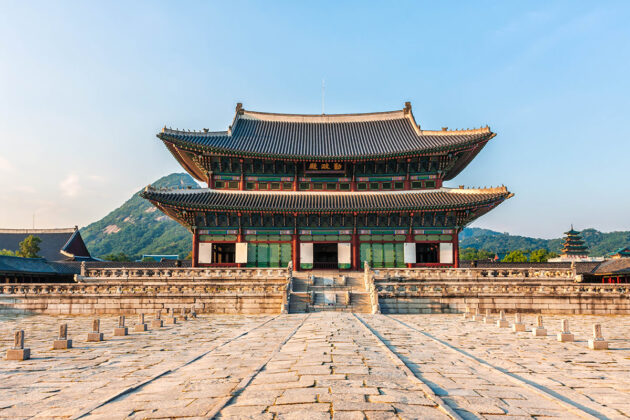
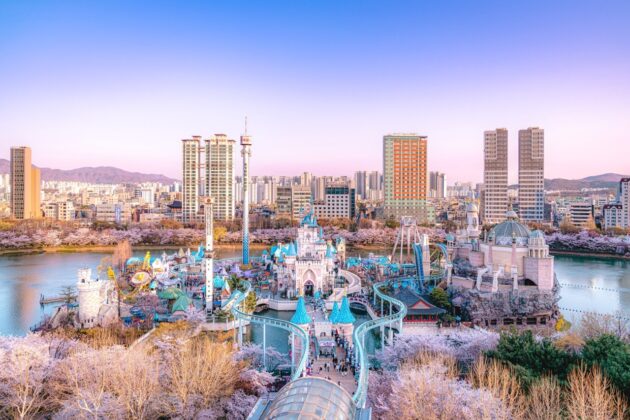
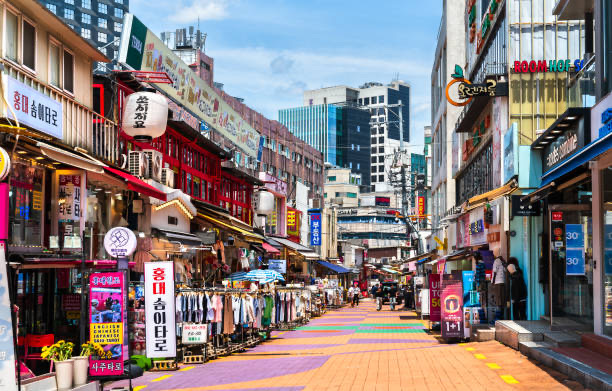
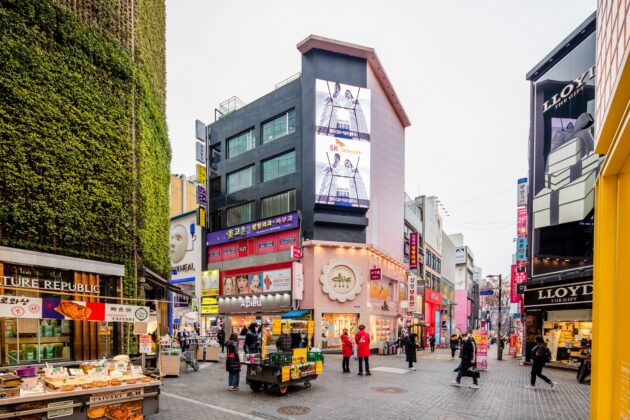
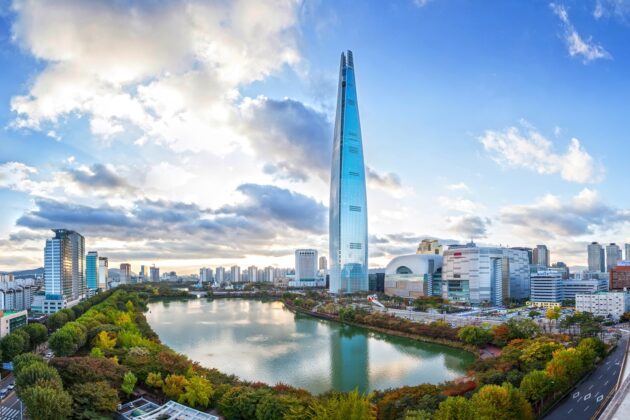
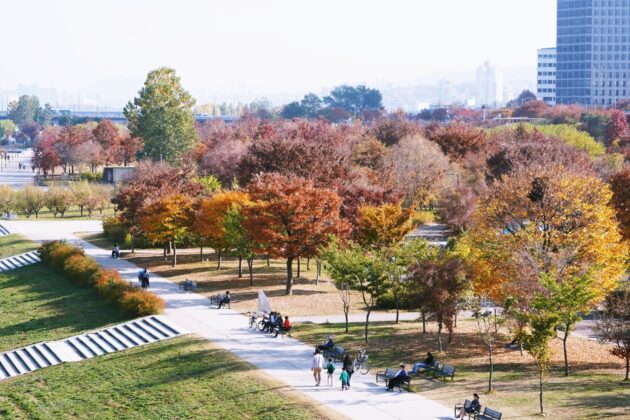
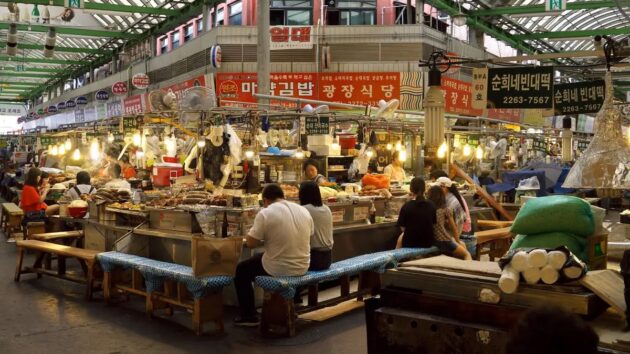
Seoul is a dynamic metropolis where ancient palaces, traditional hanok villages, and Buddhist temples coexist with futuristic skyscrapers, K-pop culture, and world-class food scenes. As one of the most technologically advanced and culturally rich cities in the world, it offers something for every traveler—history buffs, foodies, shoppers, and nightlife seekers alike.
Busan
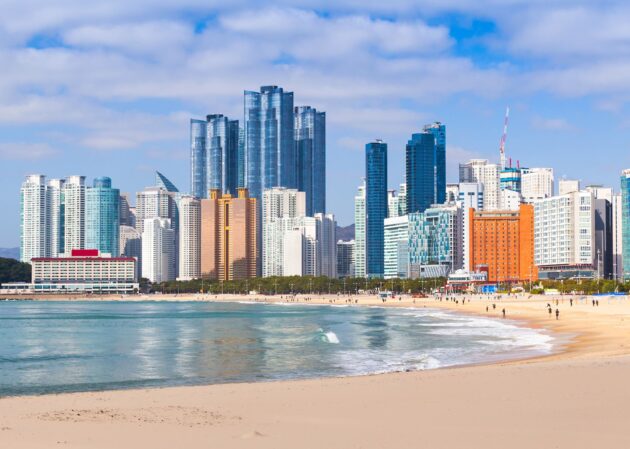
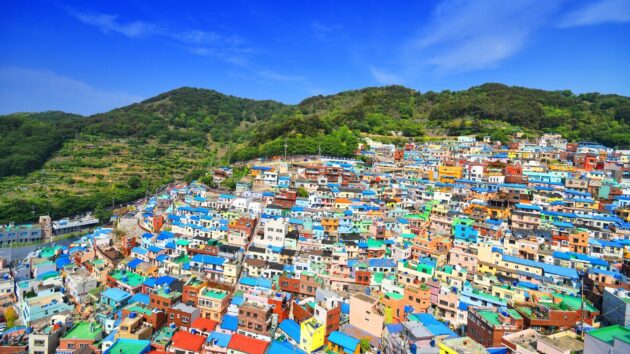
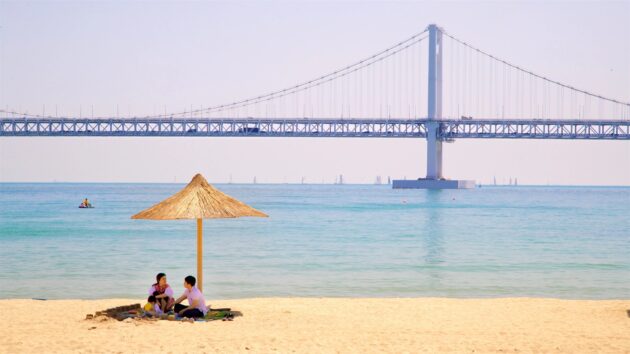
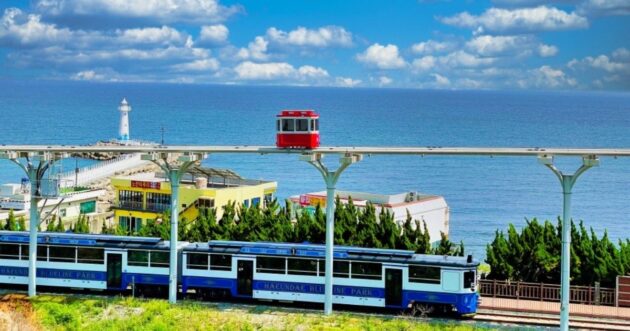
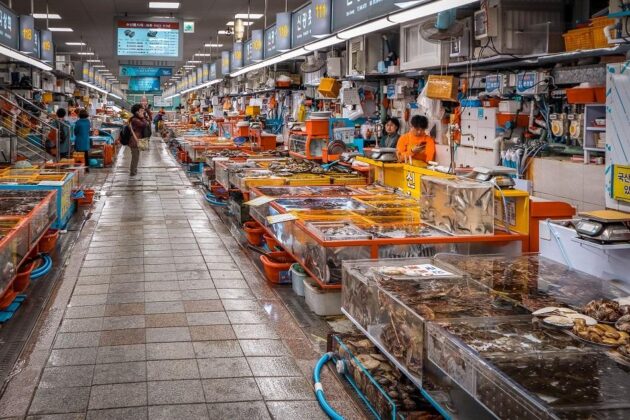
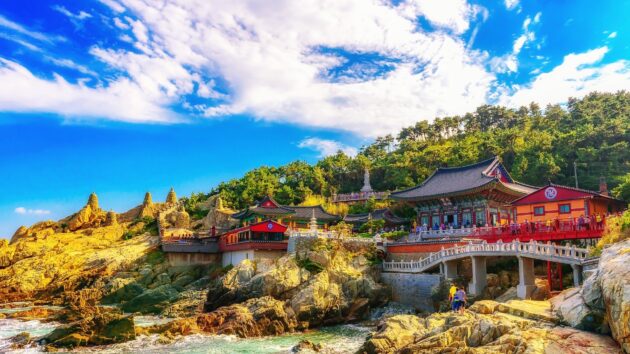
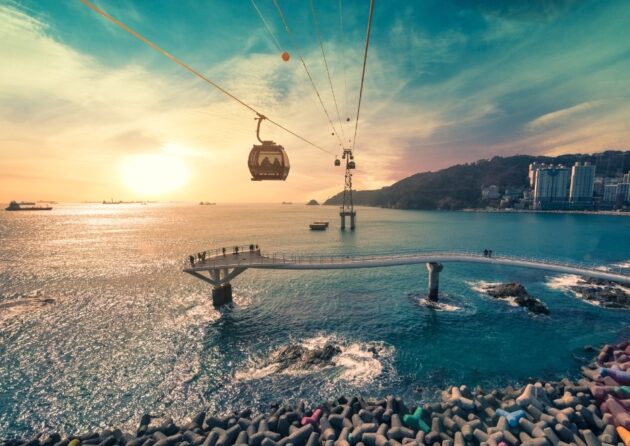
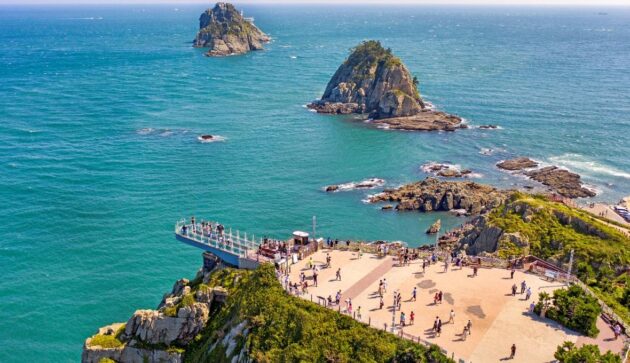
Busan (부산), South Korea’s second-largest city and major port, blends stunning beaches, dramatic cliffs, colorful hillside villages, fresh seafood, and a relaxed yet energetic vibe. Nestled between mountains and the sea, it offers a refreshing contrast to Seoul’s urban intensity. Whether you seek sun, culture, food, or nightlife, Busan delivers.
Jeju Island
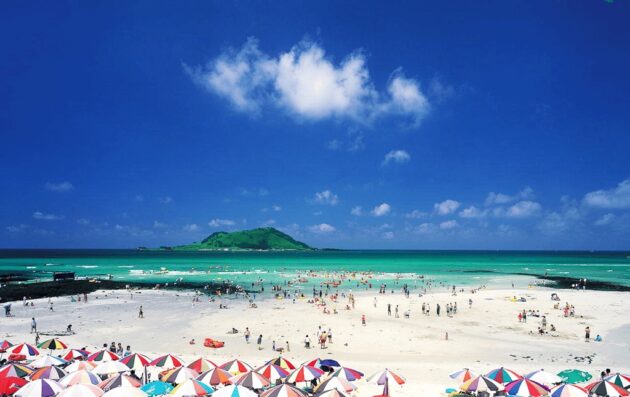
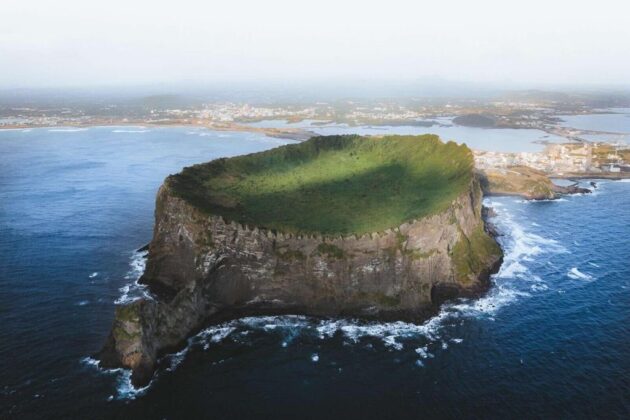
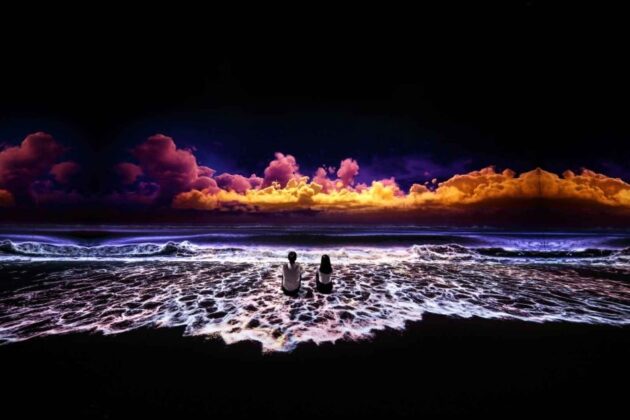
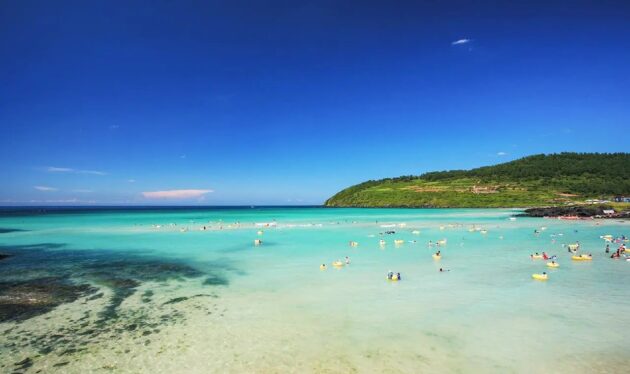
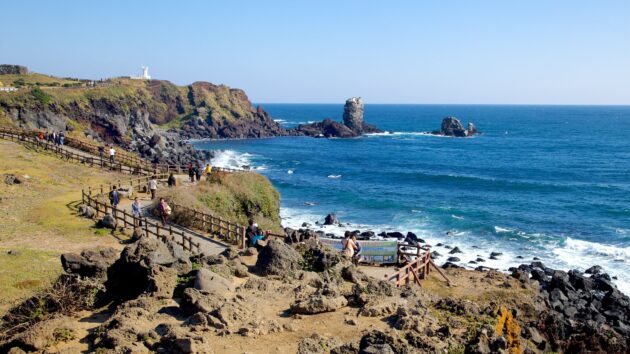
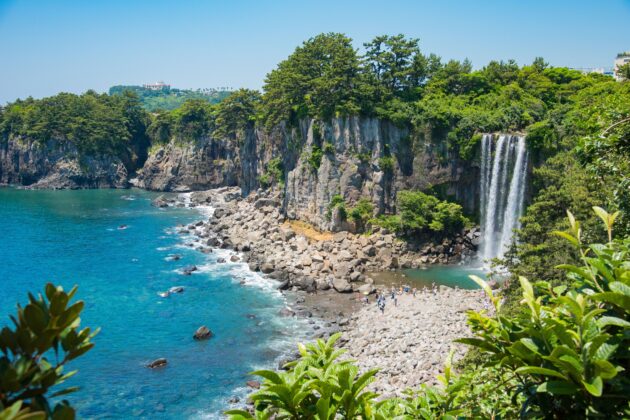
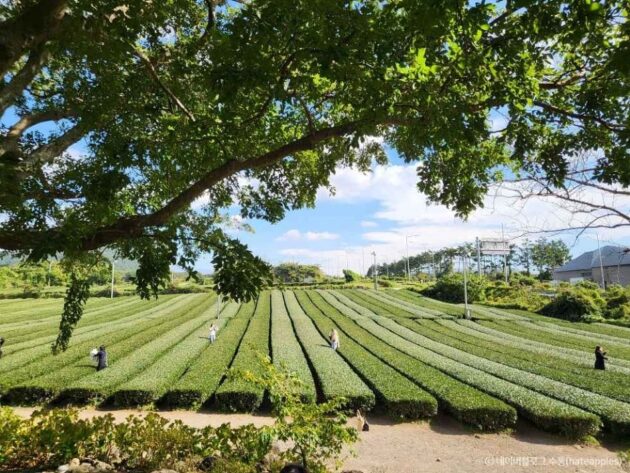
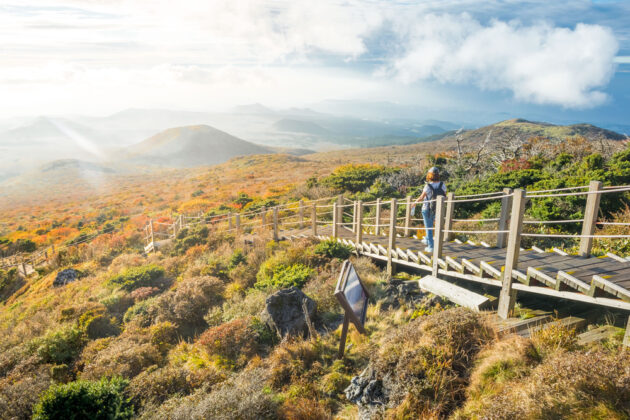
Jeju Island (Jejudo), South Korea, is a volcanic island paradise often called the “Hawaii of Korea.” It features dramatic landscapes, black sand beaches, waterfalls, lava tubes, and a unique cultural heritage recognized as a UNESCO World Natural Heritage site. Hallasan, South Korea’s highest mountain, dominates the center, while the coastline offers scenic cliffs, haenyeo (female divers) culture, and charming cafes.
Gyeongju
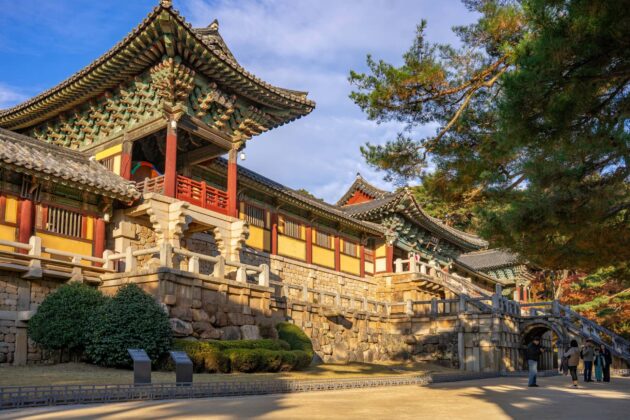
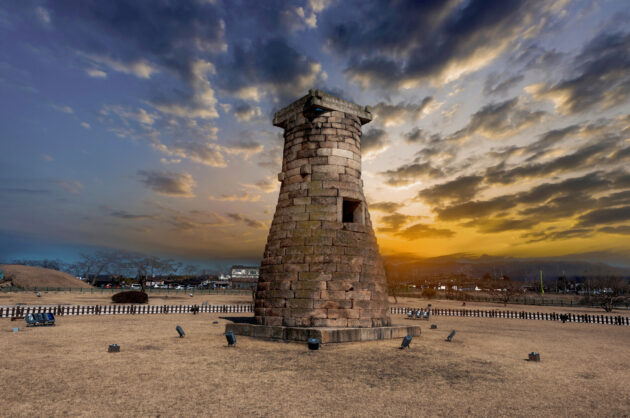
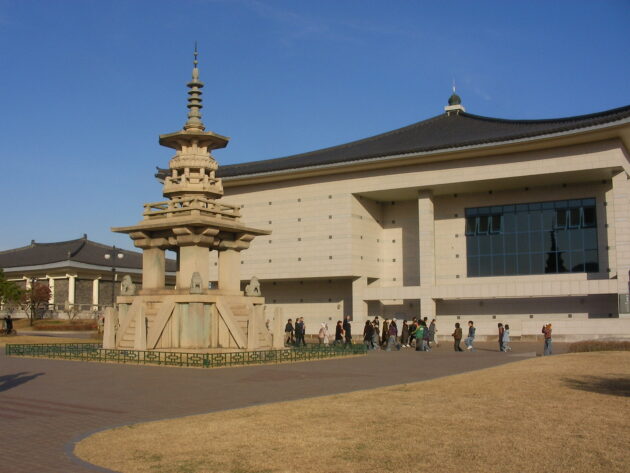
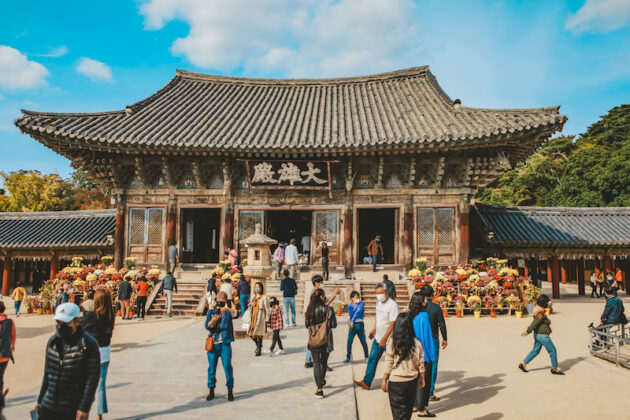
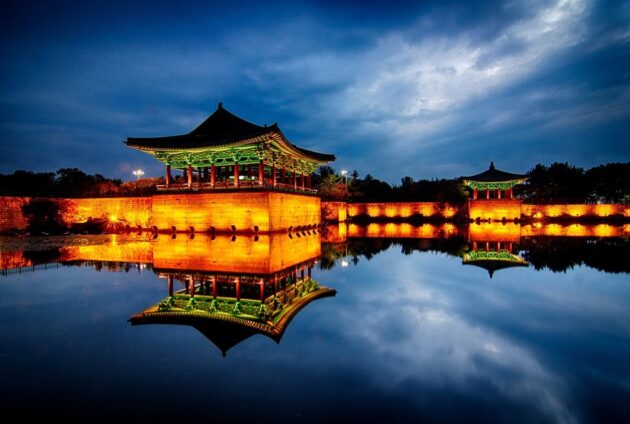
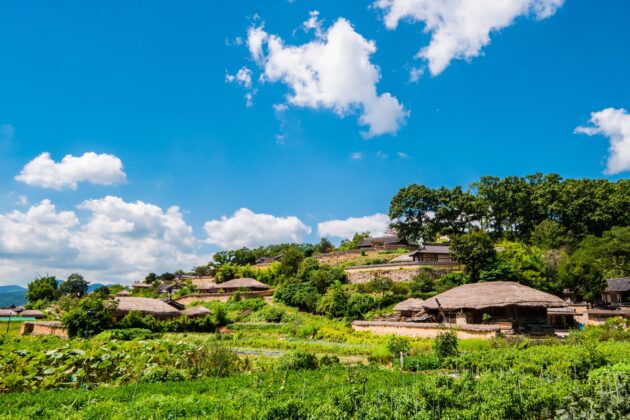
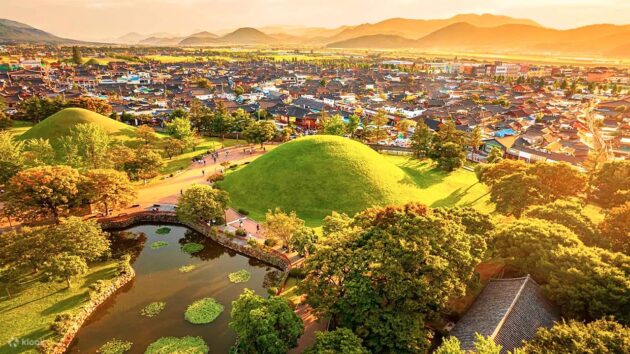
Gyeongju, in North Gyeongsang Province, served as the capital of the ancient Silla Kingdom for nearly 1,000 years. It brims with UNESCO World Heritage Sites, royal tombs, temples, and archaeological treasures. Often called the “museum without walls,” the city blends history, culture, and natural beauty, making it a must-visit destination alongside Seoul and Busan.
Seoraksan
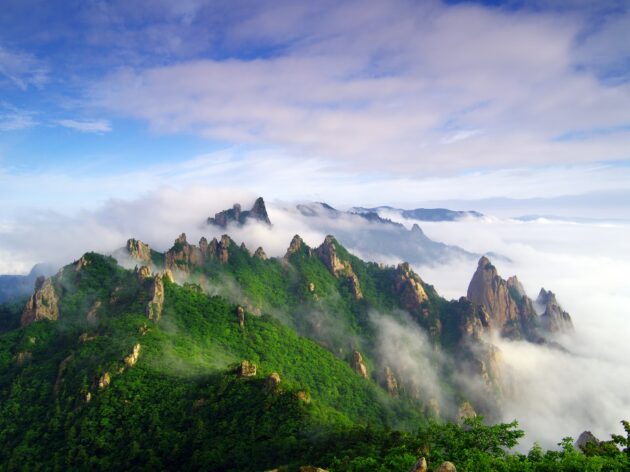
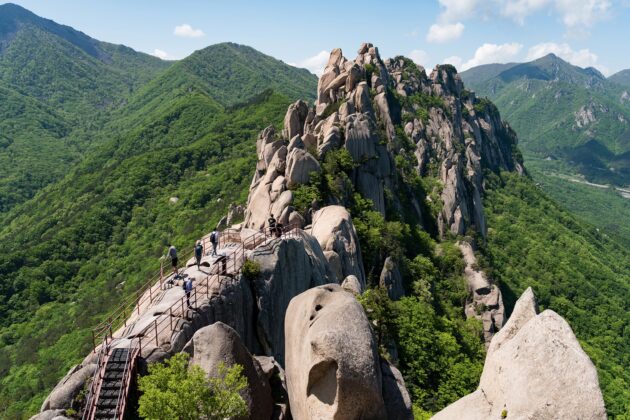
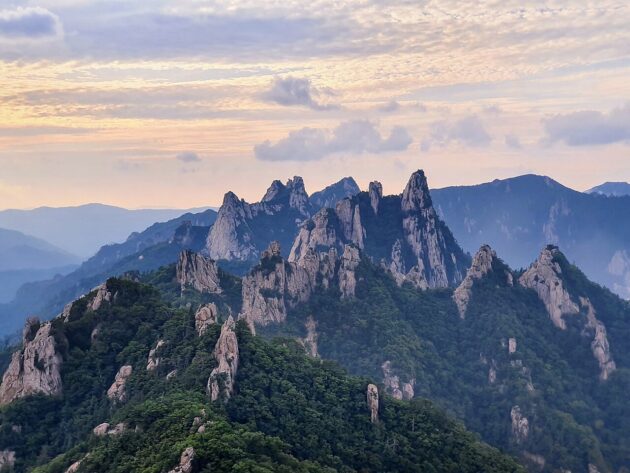
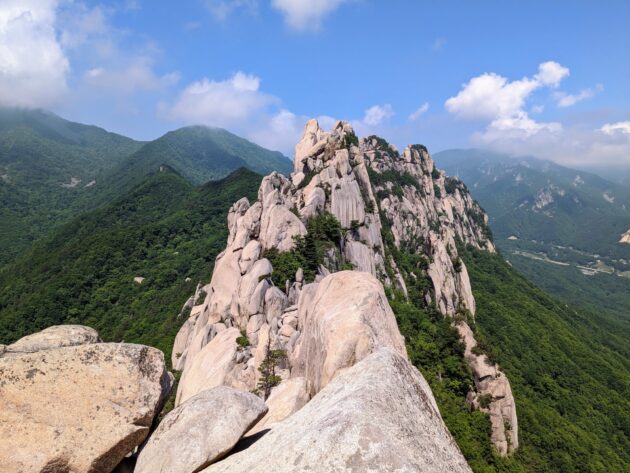
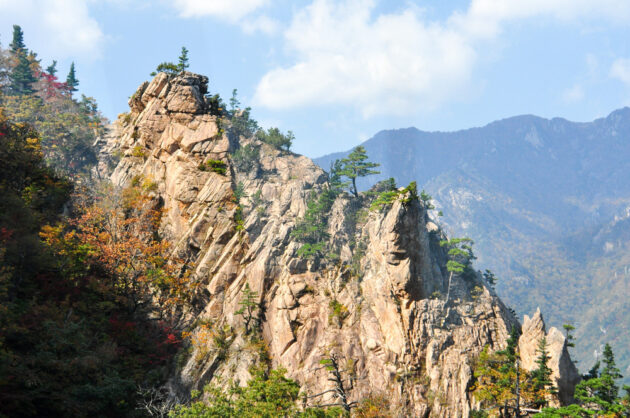
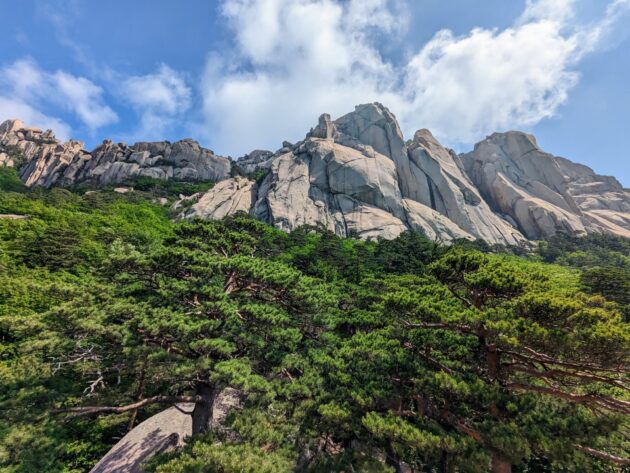
Seoraksan (설악산), often called Mount Seorak, is one of South Korea’s most stunning natural destinations and a UNESCO Biosphere Reserve. Known for its dramatic granite peaks, lush valleys, cascading waterfalls, ancient temples, and vibrant autumn foliage, it ranks as the country’s third-highest mountain range.
Jeonju Hanok Village
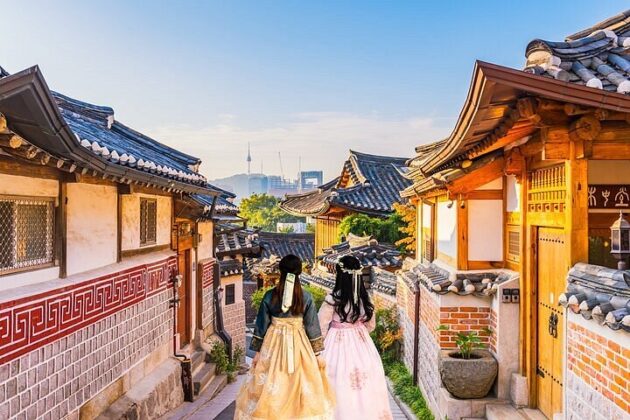
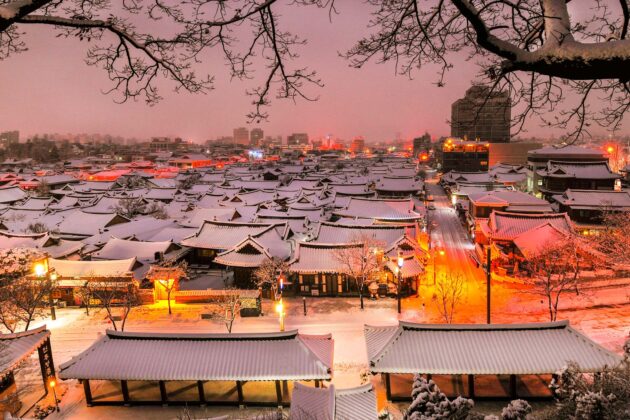
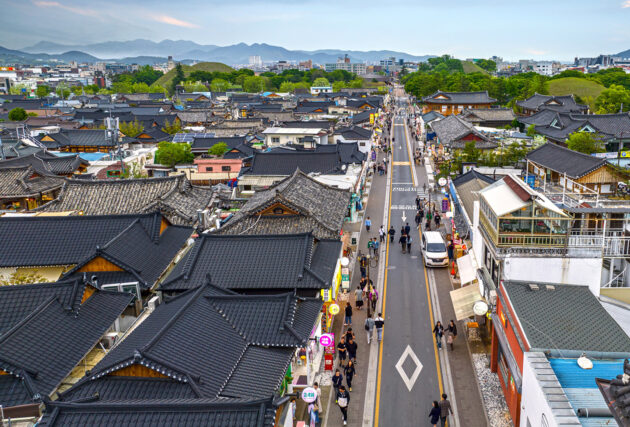
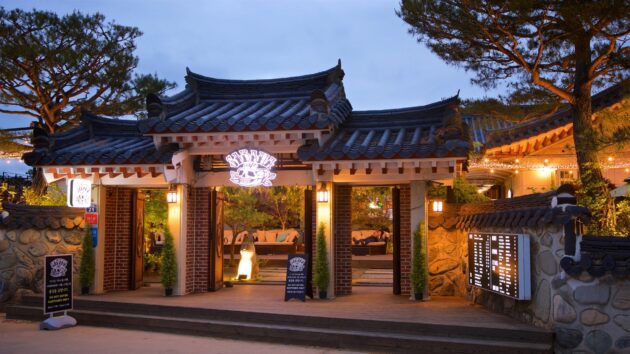
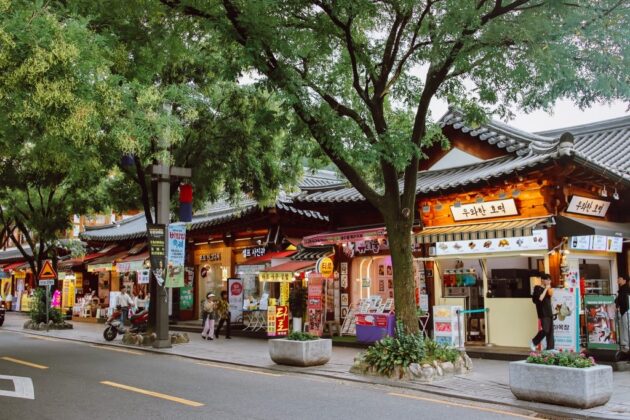
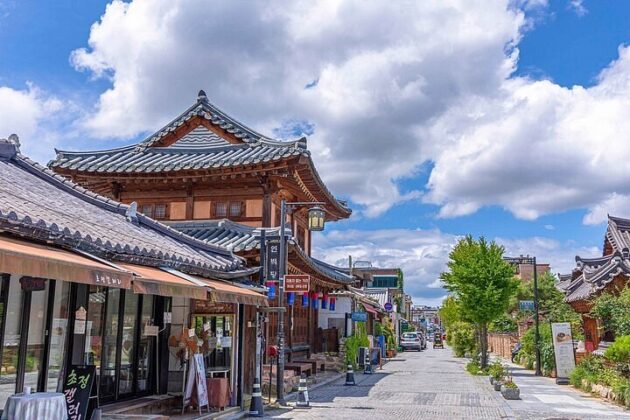
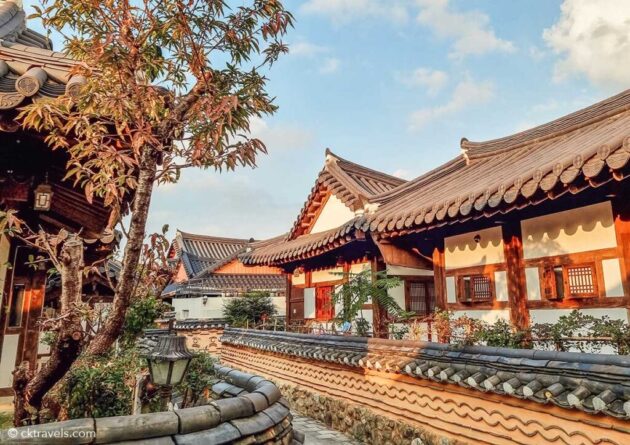
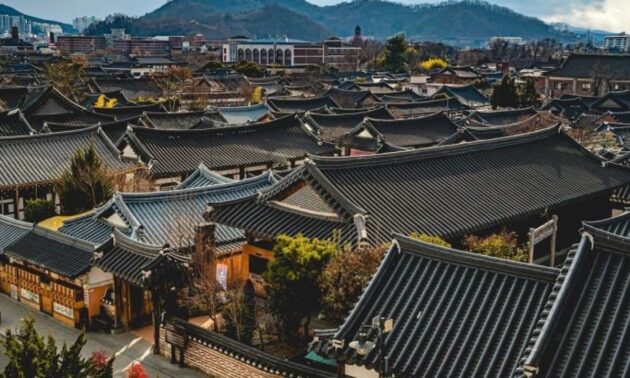
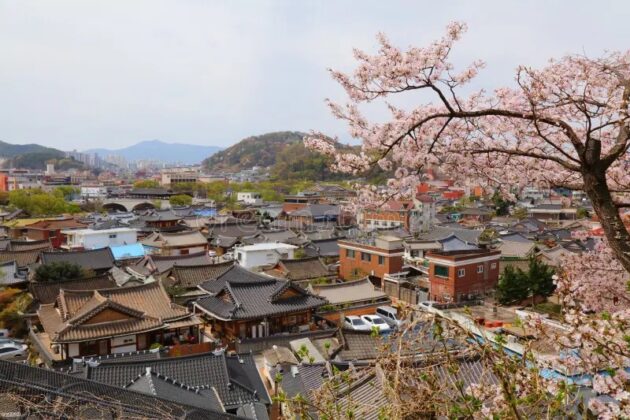
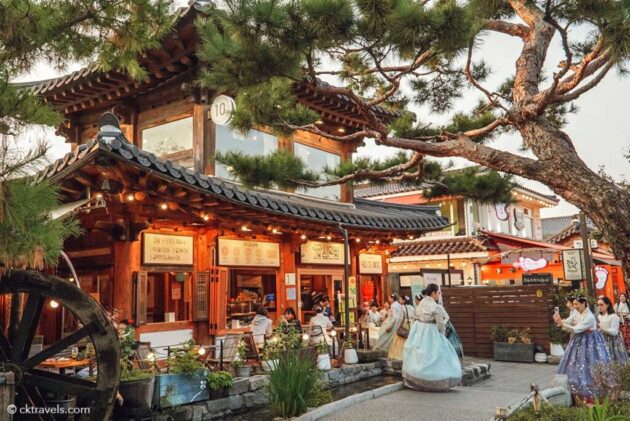
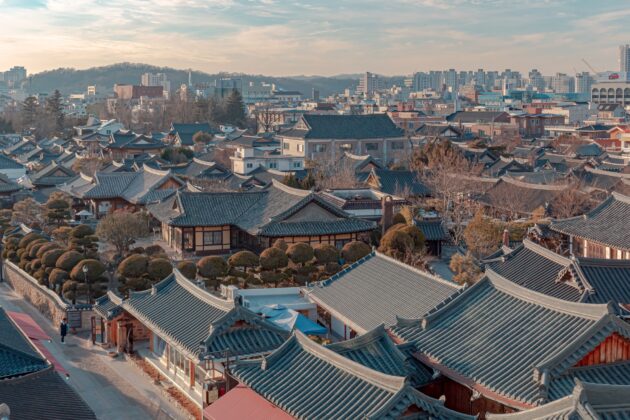
Jeonju Hanok Village is South Korea’s largest and most vibrant traditional hanok village, featuring over 700–800 well-preserved traditional Korean houses (hanoks) in an urban setting. It blends historical charm with modern amenities like cafes, shops, restaurants, and guesthouses. As the birthplace of the Joseon Dynasty and a UNESCO City of Gastronomy, it stands out for its rich heritage, delicious food (especially Jeonju bibimbap), and photogenic streets.
Korean Cuisine: A Foodie’s Paradise
Korean food is bold, diverse, and addictive. Must-try dishes:
Kimchi and Bibimbap (mixed rice bowl).
Korean BBQ (grill your own meats).
Korean Fried Chicken (chimaek — with beer).
Street food favorites: Tteokbokki (spicy rice cakes), Gimbap (seaweed rice rolls), Hotteok (sweet pancakes), mandu (dumplings), and eomuk (fish cakes).
Try local markets, pojangmacha (street tents), and Michelin-recognized spots. Vegetarian/vegan options are growing but communicate clearly.
Culture and Etiquette Tips
Remove shoes when entering homes or certain restaurants.
Use both hands when giving/receiving items, especially to elders.
Pour drinks for others and turn your head when drinking with seniors.
Be mindful of noise in public transport.
Tipping is not customary.
Korea is very safe, but standard precautions apply. Petty crime is low.
Accommodation
Options range from luxury hotels to affordable guesthouses, hanok stays, and Airbnbs. Seoul has everything; book in advance for peak seasons. Look for places near subway stations.
Practical Tips
Currency: Korean Won (KRW). Cards are widely accepted, but carry cash for markets and street food.
Language: English is limited outside tourist areas; use translation apps (Papago is excellent).
SIM Card/eSIM: Buy at the airport for affordable data.
Weather: Pack layers; summers are humid, winters cold.
Sustainability: Follow waste separation rules strictly.
Health: Tap water is safe in most places. Pharmacies are common.
Final Thoughts
South Korea is dynamic, welcoming, and endlessly fascinating. Whether you’re into history, food, K-culture, or nature, you’ll leave wanting more. Plan ahead for popular attractions, embrace the efficiency, and enjoy the “Land of the Morning Calm” that never sleeps. Safe travels! 🇰🇷