
Gyeongbokgung Palace Travel Guide (2026): Seoul’s Majestic Joseon Dynasty Heart
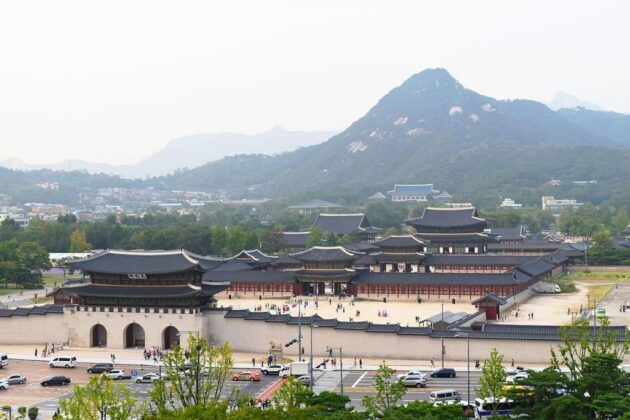
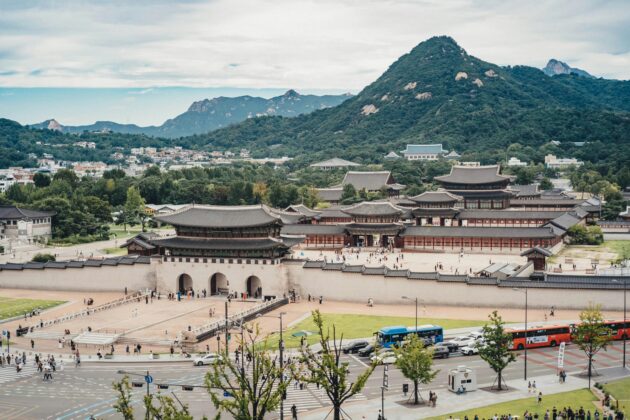
Gyeongbokgung Palace (경복궁), meaning “Palace Greatly Blessed by Heaven,” is the largest and most iconic of Seoul’s Five Grand Palaces. Built in 1395 by King Taejo, the founder of the Joseon Dynasty (1392–1897), it served as the main royal residence and political center. Though largely destroyed during the 1592 Japanese invasion (Imjin War) and later rebuilt in the 19th century under King Gojong, it remains a powerful symbol of Korean sovereignty and traditional architecture.
Today, the palace complex spans a vast area with restored halls, pavilions, and gardens, offering visitors a glimpse into royal life, Korean history, and stunning photo opportunities.
Getting There
Subway (Recommended): Take Line 3 to Gyeongbokgung Station (Exit 5) — a short walk (often via an underground passage) directly to the palace. Alternatively, Line 5 to Gwanghwamun Station (Exit 2), about a 7-minute walk.
Bus: Multiple routes stop nearby; use Naver Map or KakaoMap for real-time info.
Taxi: Convenient from anywhere in Seoul; expect reasonable fares.
Opening Hours & Tickets
Standard Hours (last admission 1 hour before closing): November–February: 9:00 AM – 5:00 PM; March–May & September–October: 9:00 AM – 6:00 PM; June–August: 9:00 AM – 6:30 PM.
Closed: Tuesdays (and the day after certain holidays).
Admission Fees: Adults (19–64): 3,000 KRW (~$2–2.50 USD); Youth (7–18): 1,500 KRW; Free for children under 7, seniors 65+, and anyone wearing hanbok (traditional Korean attire).
Tips: Buy a Royal Palace Pass (around 10,000 KRW for adults) for access to multiple palaces and Jongmyo Shrine within 3 months. Tickets are available on-site or online for special events.
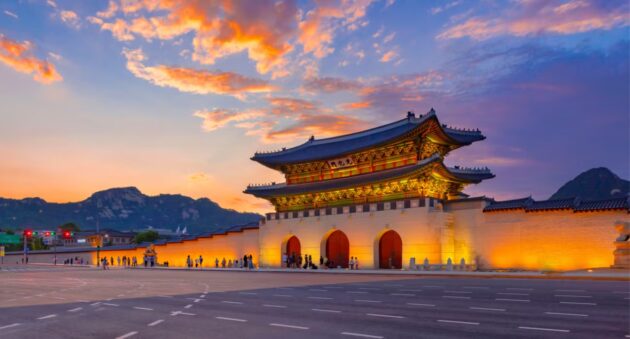
Night Openings: Special illuminated night viewings usually occur in spring (e.g., May–June) and autumn (September–October). Tickets are separate (~3,000 KRW); check dates in advance as they sell out.
Highlights & Must-See Spots
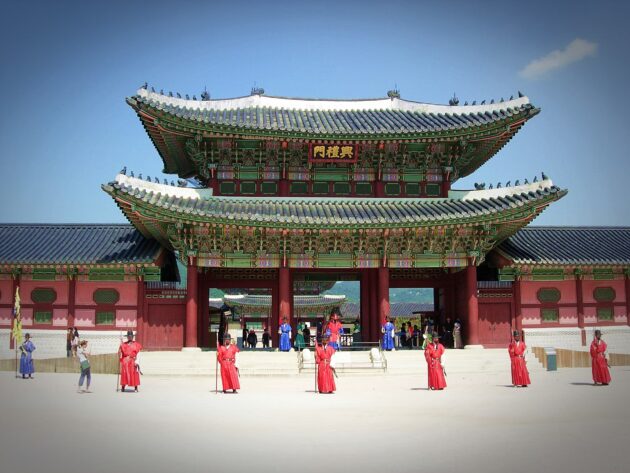
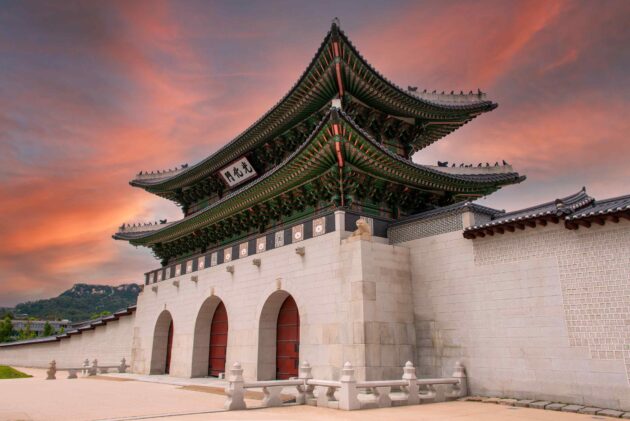
Gwanghwamun Gate: The impressive main southern gate, guarded by stone lions (haetae) and often the site of ceremonies.
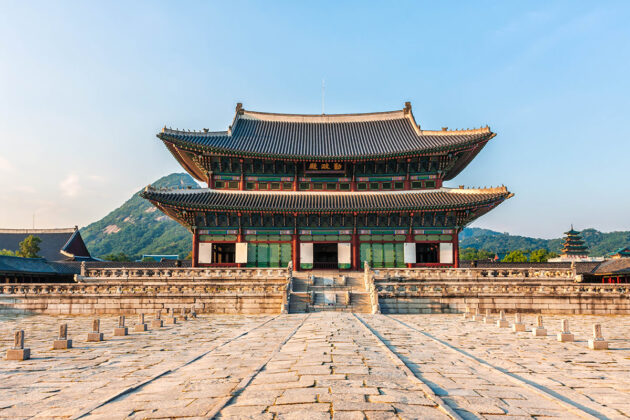
Geunjeongjeon Hall: The throne hall where kings held audiences and ceremonies. It’s one of the most photogenic spots.
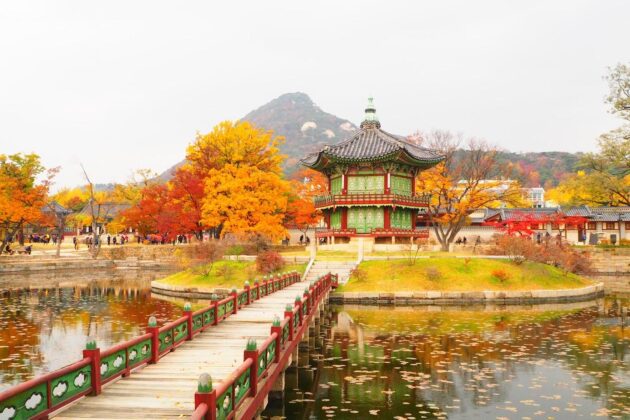
Gyeonghoeru Pavilion: A beautiful two-story pavilion on a lotus pond, used for banquets. It’s especially stunning in any season.
Inner Quarters (e.g., Gangnyeongjeon, Gyotaejeon): Residential areas of the king and queen.
National Folk Museum of Korea and National Palace Museum: Located within or adjacent to the grounds — excellent for deeper cultural context (often included or nearby).
Royal Guard Changing Ceremony: A colorful reenactment at Gwanghwamun Gate (typically 10:00 AM and 2:00 PM, weather permitting; not on Tuesdays). Arrive early for a good view.
Best Time to Visit
Spring (March–May) and Autumn (September–November): Ideal weather, cherry blossoms or vibrant foliage.
Early morning (right at opening) or late afternoon: Fewer crowds and better light for photos.
Avoid peak summer weekends if possible due to heat and crowds. Weekdays are generally quieter.
The palace is large, so plan 2–4 hours for a relaxed visit. Wear comfortable shoes — there’s plenty of walking on uneven surfaces.
Pro Tips
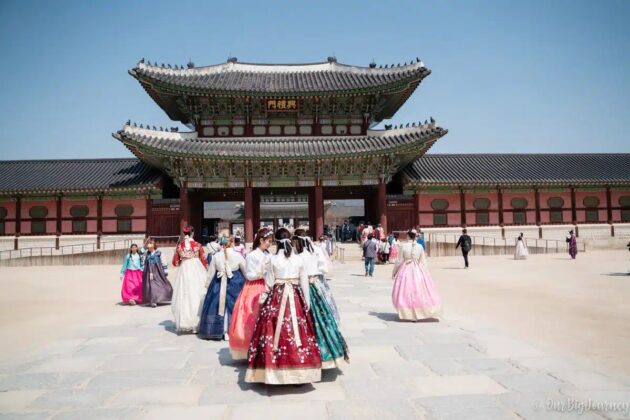
Rent a Hanbok: Shops near the palace offer rentals (often 10,000–30,000 KRW for a few hours). You get free entry, beautiful photos, and an immersive experience.
Guided Tours: Free English tours are often available (e.g., around 11:00 AM, 1:30 PM, 3:30 PM) — check at the information center.
Combine with Nearby Attractions: Bukchon Hanok Village (traditional houses), Insadong (culture & shopping), or Samcheongdong for cafes and streets.
Photography: Golden hour or overcast days work best. Respect restricted areas.
Facilities: Restrooms, cafes, and souvenir shops are available. Wheelchair access is limited in some areas.
Nearby Eats
After your visit, try Korean classics in the area: bibimbap, Korean BBQ, or street food in nearby markets. Seochon Village or Insadong offer great options.
Final Thoughts
Gyeongbokgung is a must-visit for first-timers in Seoul. It beautifully blends history, architecture, and culture in one majestic setting. Whether in hanbok at sunrise or under night lights, it’s an unforgettable Korean experience. Safe travels!