
Travel Guide to Afghanistan (2026)
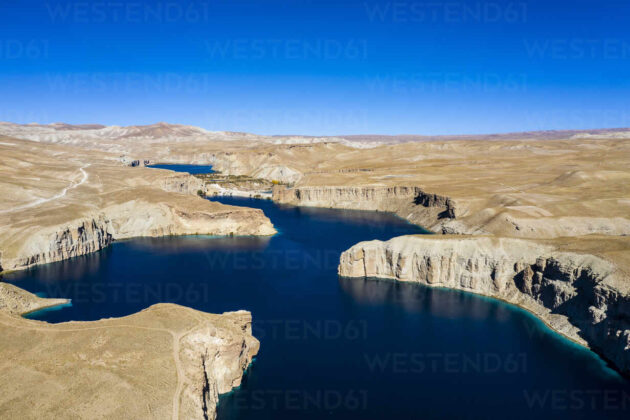
Afghanistan is a land of extraordinary natural beauty, ancient history, and resilient culture, home to stunning landscapes like the turquoise lakes of Band-e Amir, the dramatic cliffs of Bamiyan, and historic sites along the ancient Silk Road. However, as of April 2026, most major governments—including the United States, United Kingdom, Australia, and Canada—strongly advise against all travel to Afghanistan due to ongoing risks of terrorism, kidnapping, arbitrary detention, civil unrest, crime, and limited consular and medical support.
Important Safety Warning
Do not travel is the official stance from the U.S. State Department (Level 4), UK FCDO, Australian Smartraveller, and others. Risks include terrorism, kidnapping, wrongful detention (especially for dual nationals or those perceived as Western), and arbitrary enforcement of strict rules by local authorities.
Women face additional restrictions under current governance, including dress codes and movement limitations.
No U.S. embassy operates in Kabul; consular services are extremely limited.
Natural disasters (earthquakes, floods) and poor healthcare infrastructure add further dangers.
If you decide to go despite warnings, use a reputable local tour operator, obtain all necessary permits, travel in groups, and have comprehensive insurance that covers high-risk areas (most standard policies exclude Afghanistan).
Visa and Entry Requirements
All foreign visitors (except those born in Afghanistan or with specific exemptions) require a visa.
Apply in advance at an Afghan embassy or consulate (e.g., in Dubai, Islamabad, Madrid, or other locations). Some embassies continue issuing visas; others have stopped.
A new eVisa system has been introduced for eligible nationalities, but requirements can change.
Upon arrival, you may need provincial travel permits issued by the Taliban authorities (often arranged by tour operators).
Passport must be valid for at least 6 months. Visas are typically single-entry and valid for 30 days.
Entry points are mainly via Kabul International Airport (KBL) or certain land borders (some borders with Pakistan may be restricted or closed without notice).
How to Get There
By Air: Most travelers fly into Kabul (KBL). Flights operate from major hubs like Dubai, Istanbul, Islamabad, and Doha. Domestic flights connect to cities like Mazar-i-Sharif and Herat.
Overland: Possible from neighboring countries (e.g., Pakistan, Iran, Tajikistan), but borders can close suddenly, and road travel carries high risks.
Internal travel often requires Taliban-issued permits for provinces.
Best Time to Visit (If Traveling)
Spring (March–May) and Autumn (September–November) offer milder weather and clearer skies for sightseeing.
Summers can be extremely hot in lowlands; winters bring heavy snow in the mountains, making roads impassable.
Note: Weather patterns can be disrupted by climate factors.
Top Attractions
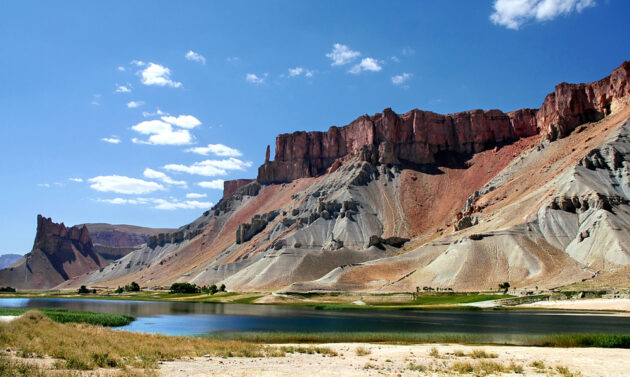
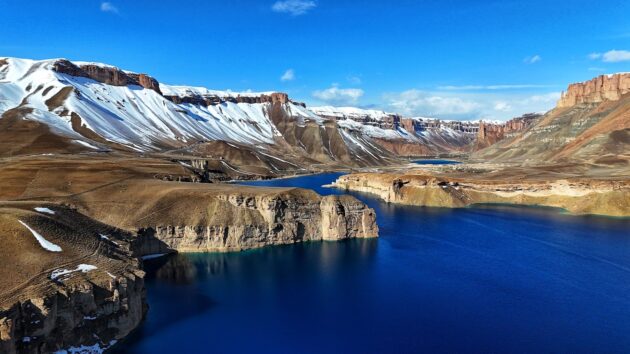
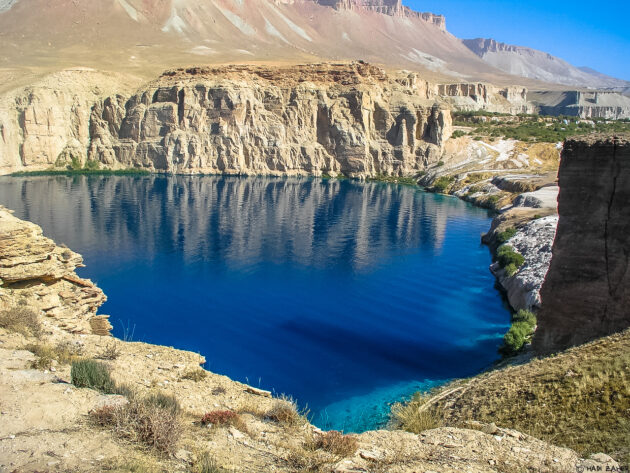
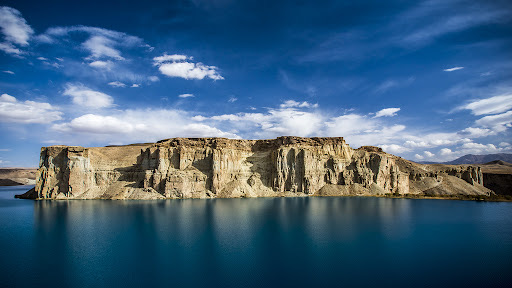
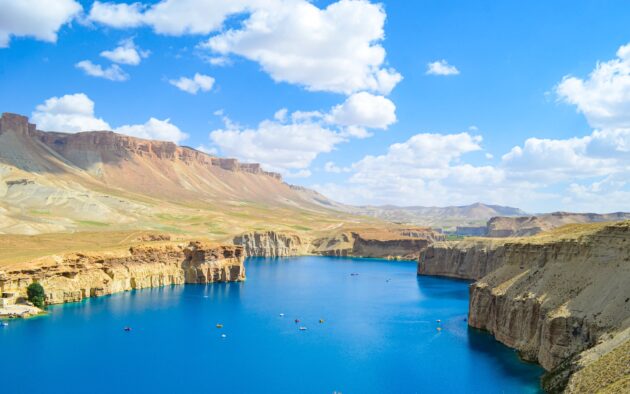
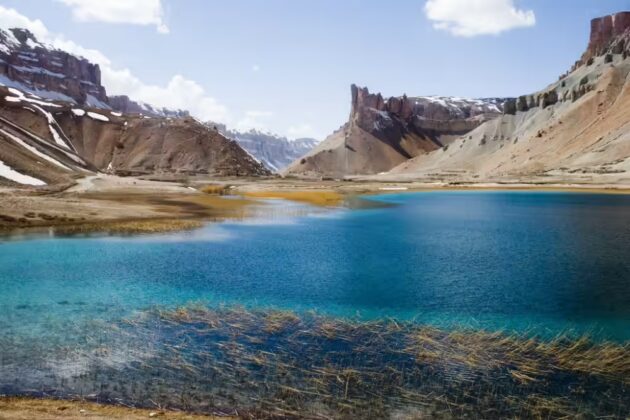
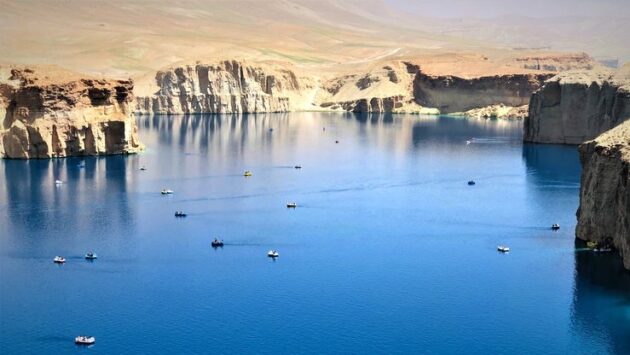
Band-e Amir National Park
Afghanistan’s first national park, famous for its series of vibrant turquoise lakes formed by natural travertine dams. A stunning, otherworldly landscape ideal for hiking and photography.
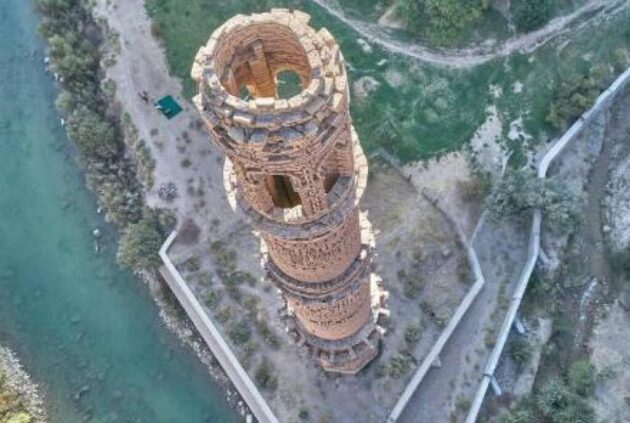
Minaret of Jam
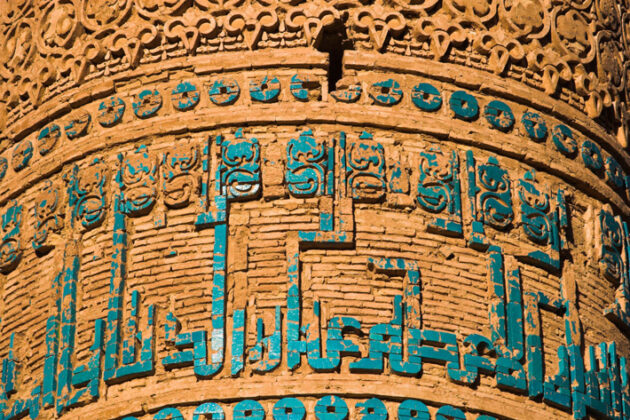
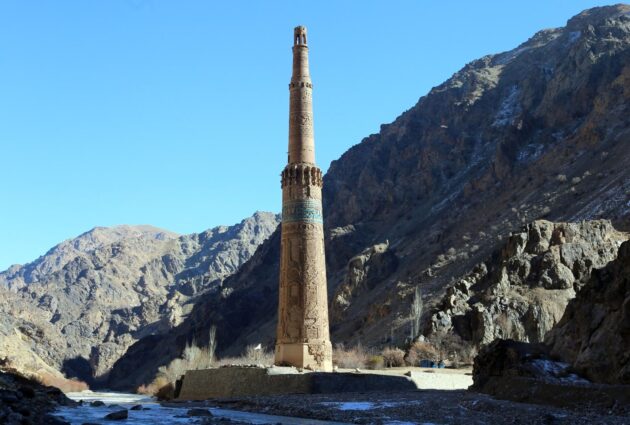
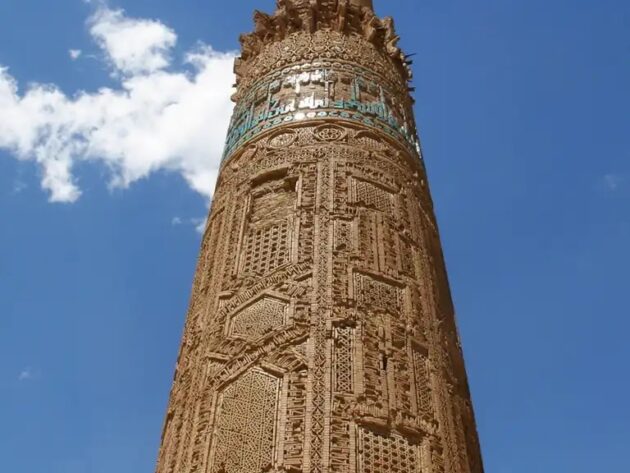
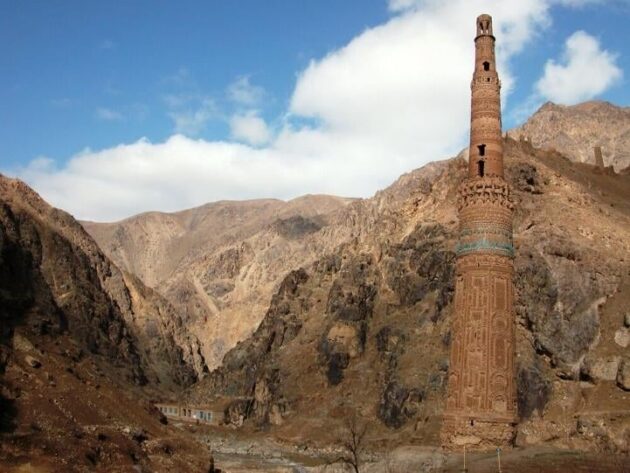
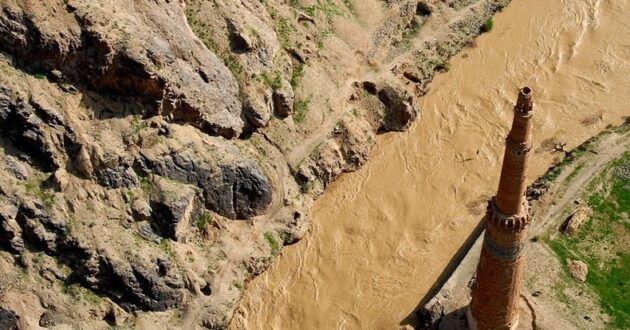
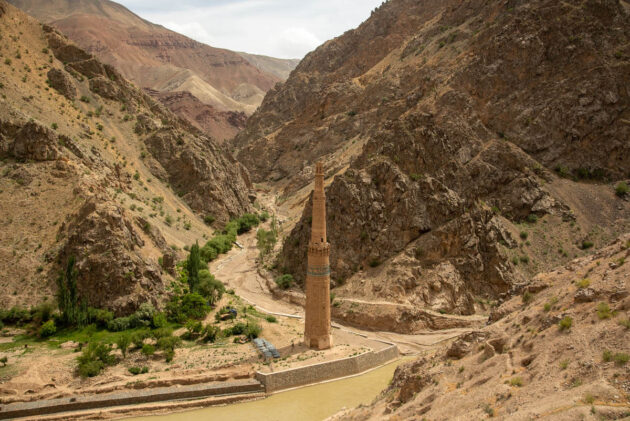
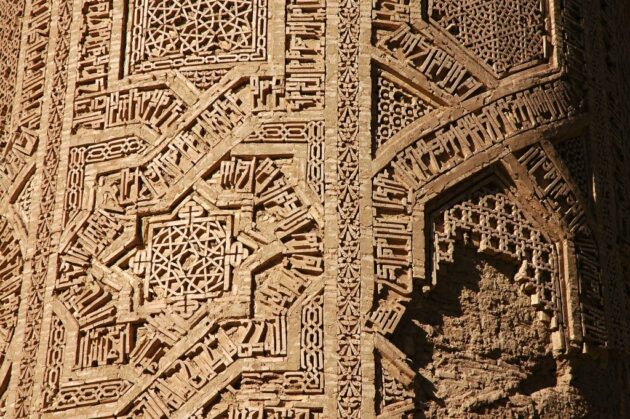
The Minaret of Jam (also known as the Minaret and Archaeological Remains of Jam) is one of Afghanistan’s most extraordinary and remote cultural treasures. This 65-meter (213-foot) tall brick tower, built around 1190–1194 CE during the Ghurid Dynasty by Sultan Ghiyath al-Din Muhammad, stands as the second-tallest ancient minaret in the world (after Delhi’s Qutb Minar).
What to Do
Join organized group tours with experienced local operators who handle logistics, permits, and security.
Cultural experiences: Visit mosques, explore bazaars, and learn about Afghan hospitality (often warm toward respectful visitors).
Nature activities: Hiking in national parks or scenic valleys (with proper guidance).
Photography and history: Focus on landscapes and remaining archaeological sites, but respect local sensitivities—photography of people or certain sites may be restricted.
Swimming or casual recreation is limited due to cultural norms and infrastructure.
Where to Stay
Kabul: A few hotels like the Kabul Serena (higher-end, with security) or simpler guesthouses.
Mazar-i-Sharif and Herat: Modest hotels and guesthouses.
Homestays or basic lodges in rural areas (arranged via tours).
Expect variable standards; electricity and internet can be unreliable.
Practical Tips
Dress and Behavior: Women must wear hijab (headscarf) and modest clothing covering arms and legs. Men should dress conservatively. Follow local customs strictly to avoid issues.
Health: No reliable medical facilities for serious issues; bring comprehensive medical kit and travel insurance. Vaccinations and malaria prophylaxis may be needed.
Money and Communications: ATMs are limited; bring USD cash. Internet and mobile service exist but can be restricted or slow. Local SIMs are available.
Culture and Respect: Afghans are known for hospitality, but strict Islamic rules apply. Avoid political discussions and show respect for local authorities and traditions.
Transportation: Domestic flights are safest for longer distances; road travel (even with drivers) carries risks of checkpoints and breakdowns.
What to Bring: Modest clothing, sturdy shoes, power bank, offline maps, and copies of documents. Leave valuables behind.
Tour Operators: Use well-reviewed companies specializing in Afghanistan (research thoroughly). Solo independent travel is highly discouraged.
Final Thoughts
Afghanistan offers unparalleled historical depth and natural wonders that have captivated travelers for centuries. However, the current security, political, and humanitarian situation makes it one of the most high-risk destinations in the world.
Travel responsibly—and prioritize safety above all. Always verify the latest information from official sources before any decision.
Safe journeys!