
Travel Guide to the Minaret of Jam (2026)
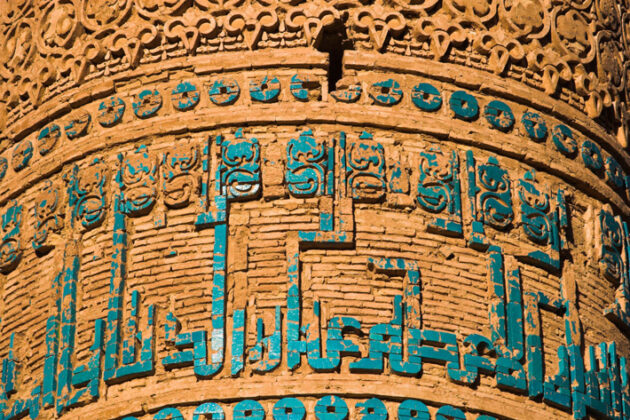
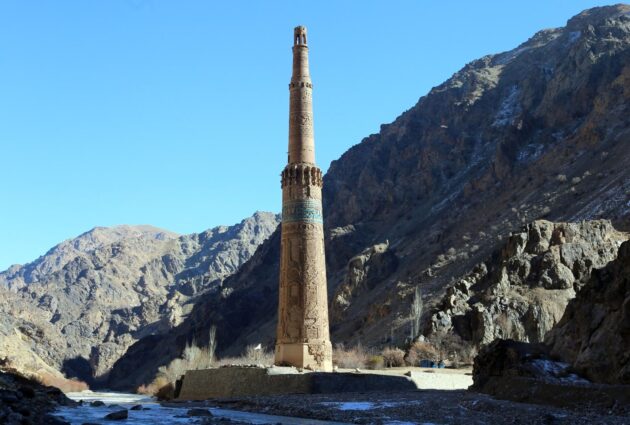
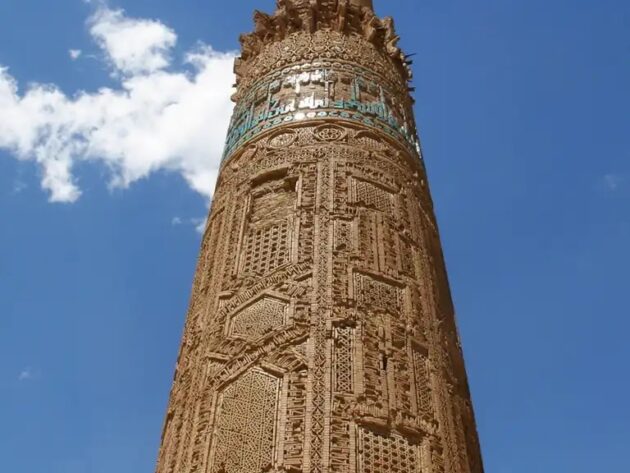
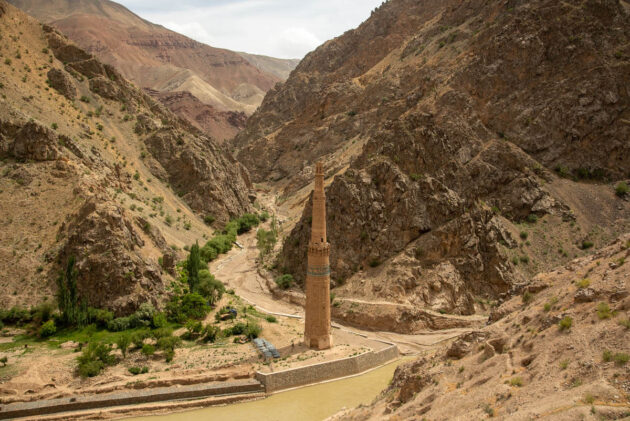
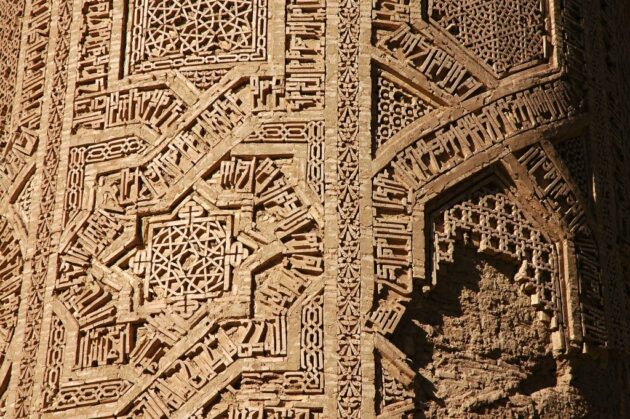
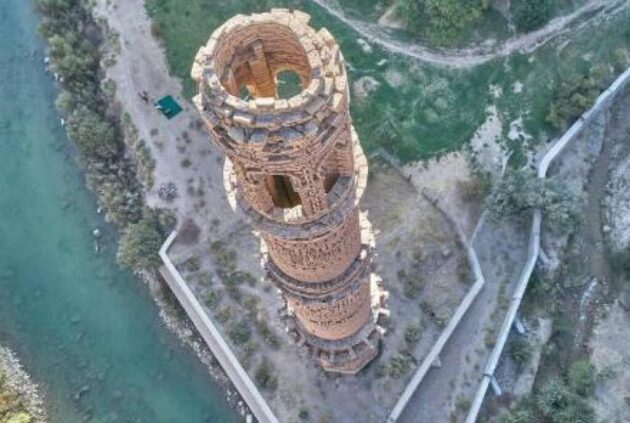
The Minaret of Jam (also known as the Minaret and Archaeological Remains of Jam) is one of Afghanistan’s most extraordinary and remote cultural treasures. This 65-meter (213-foot) tall brick tower, built around 1190–1194 CE during the Ghurid Dynasty by Sultan Ghiyath al-Din Muhammad, stands as the second-tallest ancient minaret in the world (after Delhi’s Qutb Minar). A UNESCO World Heritage Site since 2002, it is renowned for its intricate geometric brickwork, turquoise-glazed tile inscriptions in Kufic script, and Quranic verses that wrap around its tapering cylindrical shafts.
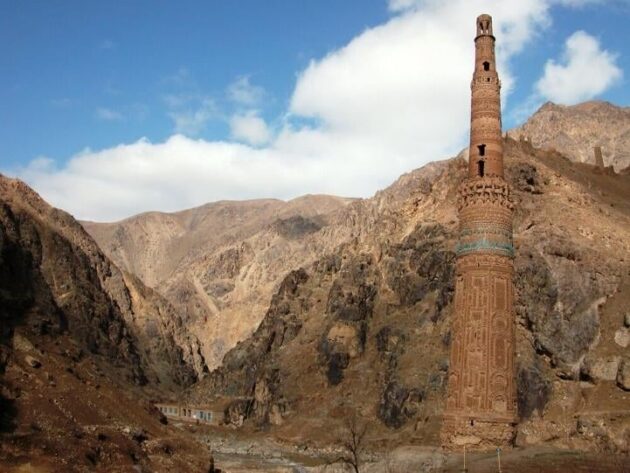
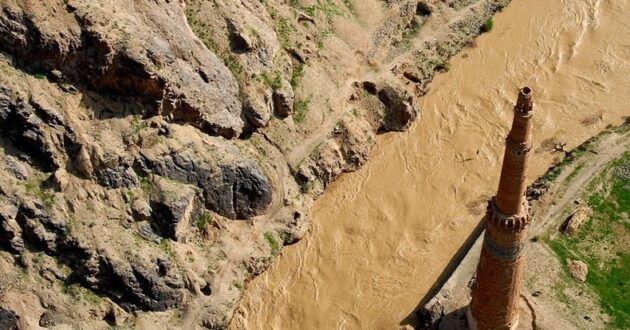
Located in a narrow, rugged valley at the confluence of the Jam Rud and Hari Rud rivers in Ghor Province, central-western Afghanistan, the minaret rises dramatically amid dramatic mountains and a desolate landscape. It is believed to mark the site of the lost Ghurid summer capital of Firuzkuh (Turquoise Mountain). The site feels like a genuine pilgrimage for serious travelers — isolated, awe-inspiring, and far removed from modern tourism infrastructure.
Why Visit the Minaret of Jam?
Architectural Marvel: The minaret features elaborate relief brick patterns, floral motifs, and calligraphy that showcase the height of Ghurid artistry.
Historical Significance: It offers a rare glimpse into the powerful Ghurid Empire (12th–13th century), which once stretched from eastern Iran to northern India.
Adventure & Remoteness: Reaching it involves challenging journeys through stunning highland scenery, making the visit feel earned rather than commercialized.
UNESCO Status: It remains on the List of World Heritage in Danger due to erosion, flooding risks, and past neglect, though some consolidation work (including retaining walls) has been undertaken in recent years.
How to Get There
The Minaret of Jam is extremely remote, with no nearby airport or developed tourist facilities. Access requires multi-day overland travel, often on rough, unpaved roads and mountain tracks.
From Kabul via Bamiyan: A popular route passes through the dramatic landscapes of central Afghanistan, including Bamiyan (famous for its Buddhas). The drive from Bamiyan/Chaghcharan (now often called Firuzkuh area) to the minaret takes about 5 hours on rough roads.
From Herat: Travelers sometimes combine it with a journey from Herat in the west, crossing rugged highlands (a long, adventurous overland trip).
Public Transport Option: Shared minibuses or hitchhiking segments exist (e.g., from Chaghcharan toward Herat, getting off at the Jam junction), but roads are bone-rattling and space is limited.
Most visitors join organized tours with experienced operators (such as Koryo Tours or local Afghan specialists) that handle logistics, vehicles (often 4×4), permits, and security. Independent travel is possible for very experienced overlanders but requires strong local knowledge and flexibility.
Best Time to Visit
Optimal Seasons: Late spring (April–May) or early autumn (September–October) offer milder temperatures (daytime 20–25°C / 68–77°F), fewer extremes, and better road conditions.
Avoid: Winter (heavy snow blocks routes) and peak summer (scorching heat in the valley) or periods of high flood risk (often spring).
Daylight is generous in shoulder seasons, ideal for exploration.
What to Expect at the Site
Spend time admiring the minaret up close — hike around the base, observe the detailed brickwork and remaining turquoise tiles, and soak in the serene, isolated valley setting.
The surrounding archaeological remains are limited and mostly buried, but the minaret itself is in relatively good condition despite erosion threats.
No entrance fee or formal facilities exist; it’s a raw, untouched experience with no crowds, souvenir stalls, or cafes — just you, history, wind, and nature.
Some tours include camping by the river for an immersive overnight stay.
Permits and Practicalities
Permits: Required for travel in many areas of Afghanistan. Taliban authorities issue permissions at checkpoints. Organized tours usually arrange these; independent travelers must obtain them in advance (often in Kabul or provincial centers).
Transportation: Expect long, rough drives in 4×4 vehicles or local minibuses. Comfort is minimal.
Accommodation: Very basic. Nearby options are simple guesthouses or hotels in small towns like Shahrak or Firuzkuh (e.g., Firuzkuh Palace Hotel in some itineraries). Many tours include camping near the site.
What to Bring: Sturdy hiking shoes, warm layers (nights can be cold), sun protection, plenty of water/snacks, power bank, and a good camera (though respect local sensitivities). Eco-friendly practices are essential — leave no trace.
Tips for a Responsible Visit
Respect Local Customs: Dress modestly (long sleeves, pants/skirts for women; headscarf recommended). Follow guidance from your hosts or guides regarding photography and interactions with locals/Taliban checkpoints.
Health & Insurance: Medical facilities are extremely limited. Purchase comprehensive travel insurance with medical evacuation coverage.
Cultural Sensitivity: The site holds significance for locals; treat it with respect. Some Afghans view reaching Jam as a form of pilgrimage.
Combine with Other Sights: Many itineraries pair it with Bamiyan Valley, the Blue Lakes (Band-e-Amir National Park), or historic Herat for a richer central Afghanistan experience.
Environmental Awareness: The site faces threats from flooding and erosion — avoid any actions that could damage the fragile area.
Final Thoughts
Visiting the Minaret of Jam is a profound, bucket-list adventure for intrepid travelers drawn to remote historical wonders. Its towering elegance in a wild, forgotten valley offers a powerful connection to Afghanistan’s medieval past. However, due to the country’s complex security situation and challenging logistics, it is best undertaken with thorough research, professional guidance, and realistic expectations.
This is not a casual tourist destination — it is a rewarding journey that demands preparation, resilience, and respect for the land and its people.
Safe (and responsible) travels — may your journey to Jam be as memorable as the monument itself.