
Travel Guide to Band-e Amir National Park (2026)
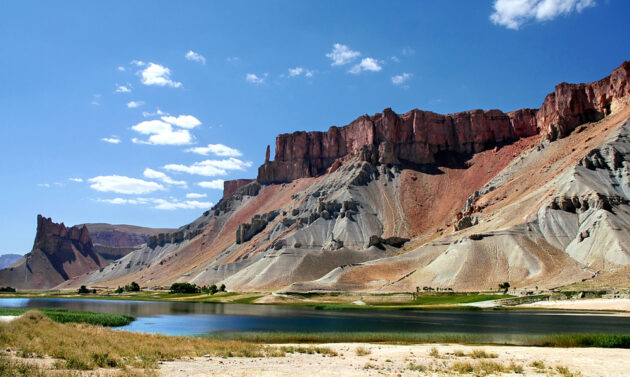
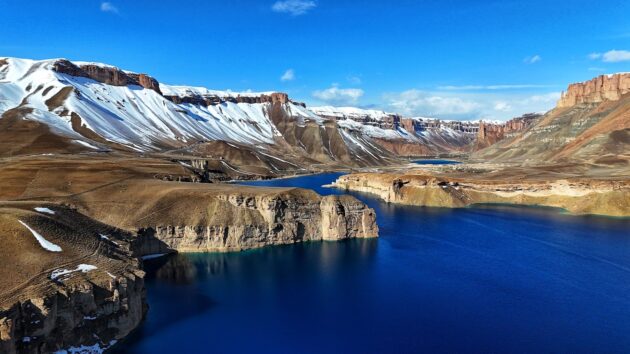
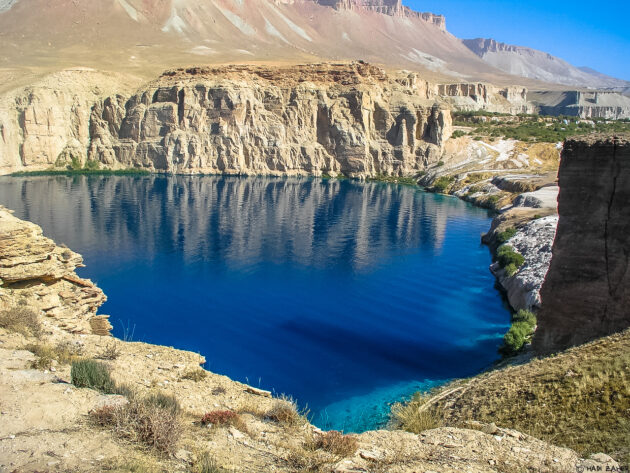
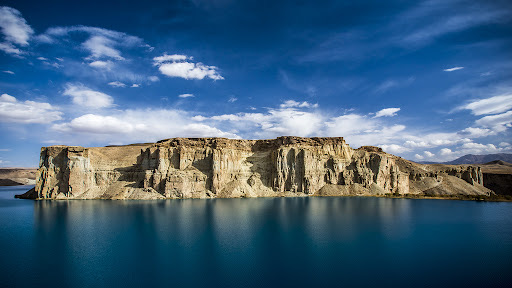
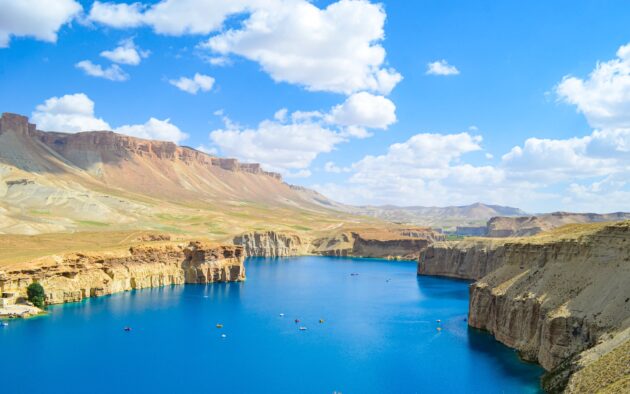
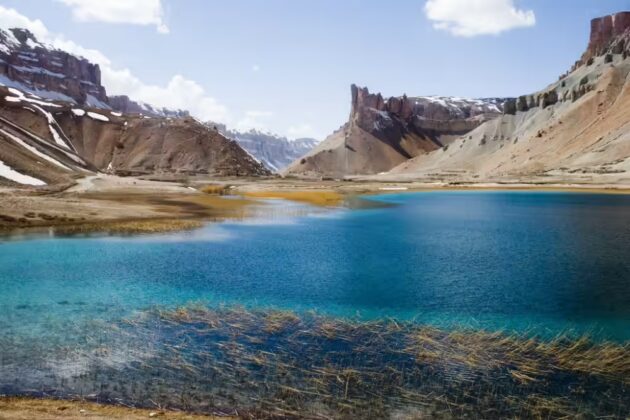
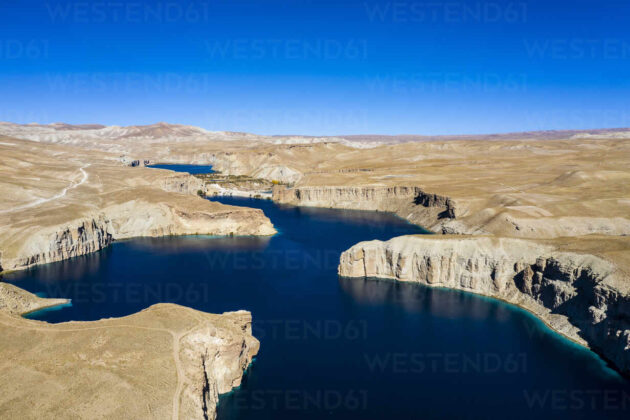
Band-e Amir National Park, Afghanistan’s first national park (established in 2009), is a breathtaking natural wonder located in the Bamiyan Province in the central Hindu Kush mountains. Famous for its series of six stunning turquoise lakes formed by natural mineral dams, the park is often called the “Grand Canyon of Afghanistan” or the “Lapis Lazuli Lakes.”
At an altitude of around 2,900–3,000 meters (about 9,500–9,800 feet), the vivid blue waters contrast dramatically with the red cliffs, rocky landscapes, and surrounding mountains, creating one of the most photogenic and serene spots in the country.
Why Visit Band-e Amir?
Natural Beauty: Six interconnected lakes with crystal-clear, mineral-rich turquoise water.
Unique Geology: Natural travertine dams create cascading waterfalls and deep pools.
Cultural Experience: A beloved spot for Afghan picnics, family outings, and boat rides.
Nearby Attractions: Combine with the Bamiyan Valley and the UNESCO-listed (destroyed) Buddhas of Bamiyan site.
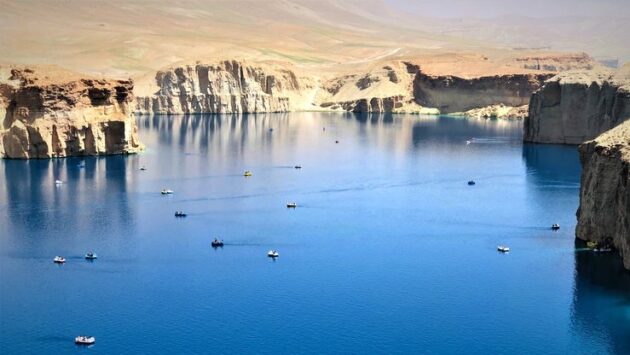
The six main lakes include: Band-e Haibat (Dam of Awe) — The largest and most visited, with boat rentals and the best facilities. Band-e Zulfiqar, Band-e Paneer, Band-e Pudina, Band-e Qamber, and others.
How to Get There
Band-e Amir is remote and best accessed via Bamiyan:
From Kabul to Bamiyan: Shared taxis or private vehicles (4–6 hours drive, scenic but winding mountain roads). Cost: Around 500–600 AFN per person for shared transport. Flights operate occasionally from Kabul to Bamiyan (limited schedule, ~$100+ one way).
From Bamiyan to Band-e Amir: Approximately 75 km (46 miles) west of Bamiyan city. Drive time: 2–3 hours (longer in poor weather). Options: Hire a private taxi for the day (~1,500–2,000 AFN round trip) or take shared taxis/minivans (cheaper but less flexible). A 4×4 vehicle is recommended, especially in winter or after rain.
Entrance fee to the park is modest (around 200–270 AFN, plus parking).
Note: Roads can be rough, dusty, or snowy. Landmines were historically an issue but most have been cleared along main paths—still, stick to marked trails and follow local advice.
Best Time to Visit
Optimal Season: Late spring to early autumn (May–October). Summer (June–August) offers the warmest weather and most vibrant lake colors, though it can get busy with local visitors.
Shoulder Seasons: Spring (March–May) and autumn (September–November) bring pleasant temperatures and fewer crowds, with beautiful reflections in the lakes.
Winter: Lakes may freeze, creating a dramatic icy landscape, but roads to Bamiyan and the park often become dangerous or impassable due to snow. Avoid deep winter unless experienced with harsh mountain conditions.
Sunrise at Band-e Haibat is particularly magical for reflections and photos.
What to Do
Boat Rides: Rent pedal boats (including swan-shaped ones) or small motorboats on Band-e Haibat—very popular with families.
Hiking & Viewpoints: Walk along the natural dams and boardwalks between lakes. Short hikes offer panoramic views of multiple lakes and the surrounding cliffs.
Picnicking: Locals love picnicking here; bring snacks or enjoy simple tea houses (chaikhana).
Photography & Relaxation: The contrast of blue water against red rock is stunning. Early morning or late afternoon light is best.
Combine with Bamiyan: Visit the Buddha niches, Dragon Valley, or other sites in the valley for a fuller trip.
Swimming is sometimes possible but check local conditions and water safety (cold, deep lakes).
Where to Stay
Simple guesthouses and chaikhana (tea houses) around Band-e Haibat.
Camping is possible and popular (bring your own gear; facilities are limited).
Most visitors base themselves in Bamiyan town, which has a wider range of hotels and guesthouses (e.g., Bam-e Asia Hotel or similar options mentioned in tours).
For comfort and safety, many international travelers join organized group tours that handle logistics, permits, and accommodation.
Practical Tips
Safety First: Travel with a reputable tour operator experienced in Afghanistan (e.g., Koryo Tours, Young Pioneer Tours, or local guides). Independent travel increases risks. Monitor security updates closely—incidents have occurred in the broader Bamiyan area.
Women Travelers: Restrictions on women exist under current authorities. Foreign women have sometimes been denied entry to the park or required special permits. Policies can change; check with your tour operator or local contacts in advance.
Permits & Visas: A visa for Afghanistan is required. Some provinces (including Bamiyan) may need additional travel permits from relevant ministries. Tour companies often assist with this.
What to Bring: Warm layers (nights are cold even in summer due to altitude), sunscreen, hat, sturdy shoes, reusable water bottle, snacks, and cash (AFN). Respect local customs—dress modestly.
Health & Facilities: Limited medical services; bring any needed medications. Altitude can be an issue—acclimatize properly.
Respect the Environment: Avoid littering; the park is protected but facilities are basic.
Final Thoughts
Band-e Amir National Park offers one of Afghanistan’s most unforgettable natural experiences—the vivid turquoise lakes against dramatic mountain scenery feel almost otherworldly. With careful planning and respect for local realities, it remains a highlight for adventurous travelers drawn to its raw beauty and cultural significance.
Safe and responsible travels! If joining a tour, verify all details directly with operators for the latest conditions.