Kyrgyzstan Travel Guide (2026)
Kyrgyzstan, a landlocked gem in Central Asia, is a paradise for adventurers seeking dramatic mountain landscapes, nomadic culture, pristine lakes, and Silk Road history. Often called the “Switzerland of Central Asia,” this mountainous country offers world-class trekking, horse riding, yurt stays, and warm hospitality. With over 90% of its territory above 1,000 meters, Kyrgyzstan feels untouched and authentic—perfect for those wanting an off-the-beaten-path experience without extreme difficulty.
Why Visit Kyrgyzstan?
Stunning Nature: Towering peaks, alpine lakes that never freeze (like Issyk-Kul), and vast jailoo (summer pastures) dotted with yurts.
Nomadic Culture: Stay in traditional yurts, ride horses with local herders, and experience eagle hunting or felt-making workshops.
Adventure Opportunities: Multi-day treks, high-altitude hiking, and cultural immersion in one of the most welcoming countries in the region.
Affordability and Accessibility: Budget-friendly, with easy visa policies for many nationalities and a growing but still uncrowded tourism scene.
How to Get There
By Air: Fly into Manas International Airport (FRU) in Bishkek, the capital. Direct or connecting flights are available from major hubs in Europe, Asia, Turkey, and the Middle East (e.g., via Istanbul or Dubai). Some flights also reach Osh in the south.
Overland: Common routes include from Almaty (Kazakhstan) by shared taxi or bus (about 4-5 hours), or from China/Uzbekistan/Tajikistan. Border crossings are generally straightforward but check current conditions.
Visa: Many nationalities (including EU, US, Canada, UK, Australia) enjoy visa-free entry for 30-60 days. Others can apply for an affordable e-visa online. For stays longer than allowed, register with authorities if required.
Best Time to Visit
The ideal season is June to September (summer), when mountain roads and passes are open, weather is warm and dry, and yurt camps operate. July-August is peak for trekking but can be busier. September offers beautiful autumn colors with fewer crowds.
Shoulder Seasons (May, October): Milder weather, blooming flowers or golden landscapes, but some high areas may still have snow.
Avoid Winter (November-March): Cold, snowy, and many roads/trails are inaccessible.
Top Places to Visit
Bishkek (Capital City)
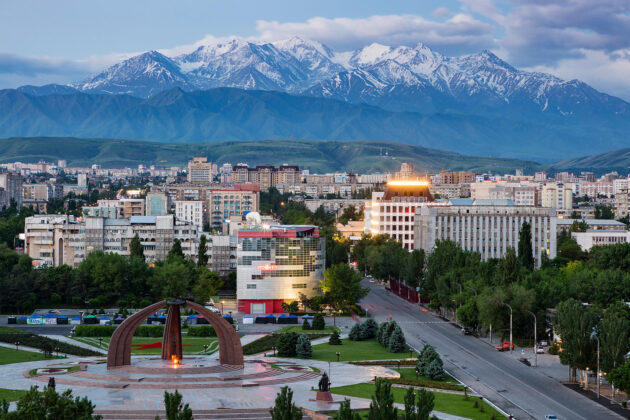
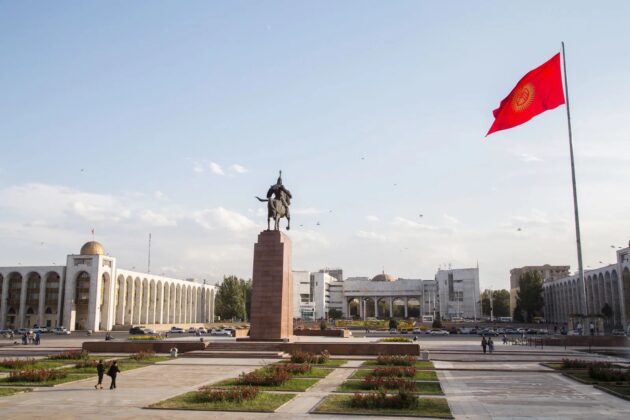
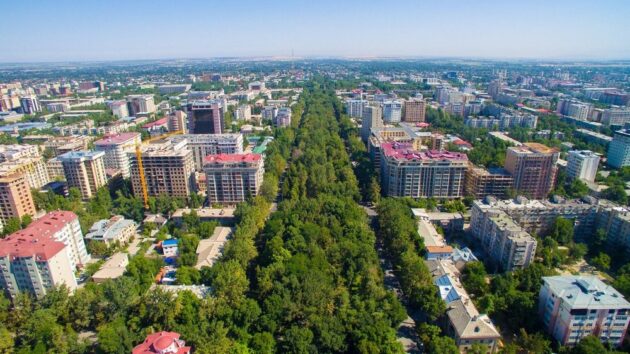
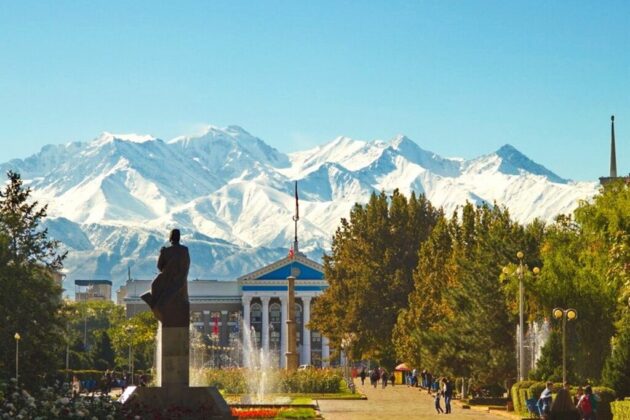
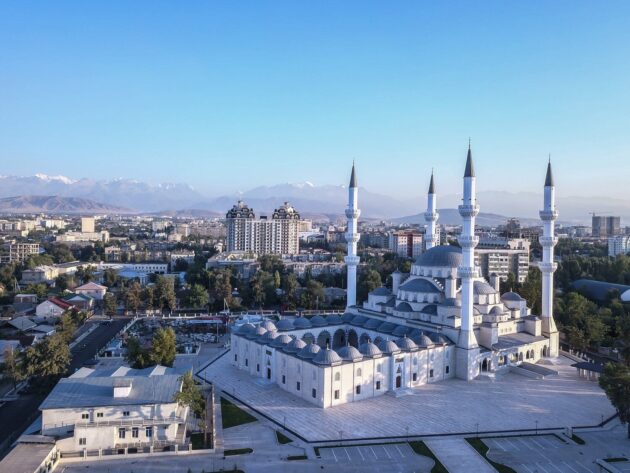
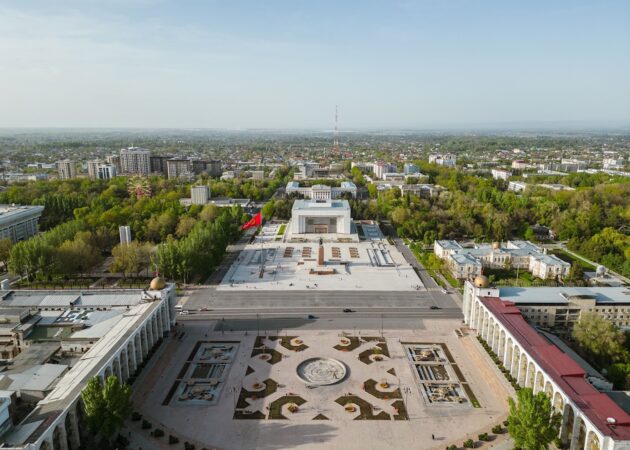
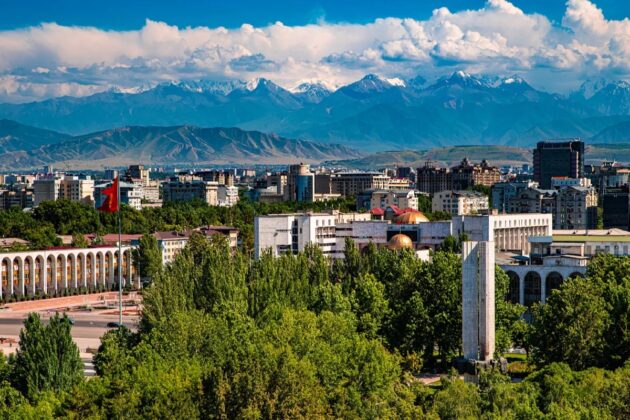
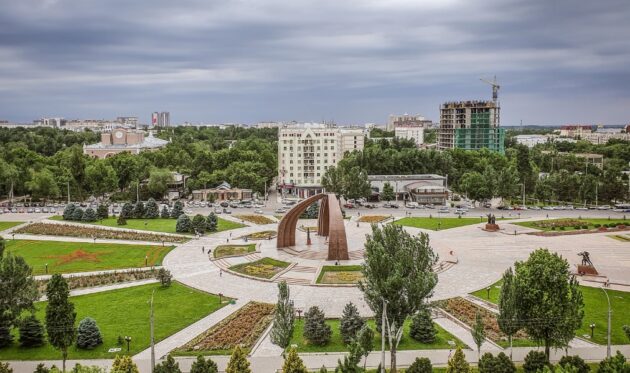
The vibrant capital with Soviet-era architecture, bustling Osh Bazaar (great for shopping and street food), Ala-Too Square, and nearby day trips. Use it as a base for acclimatization.
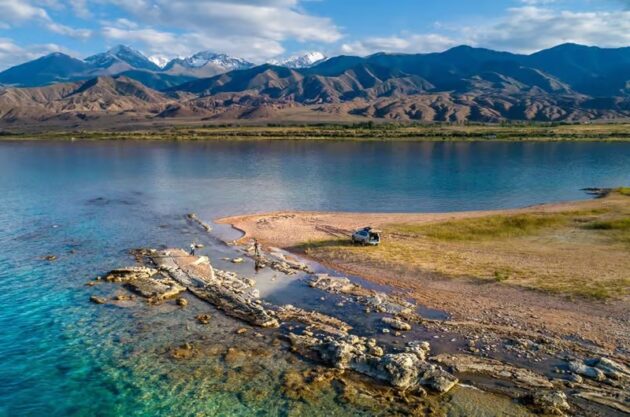
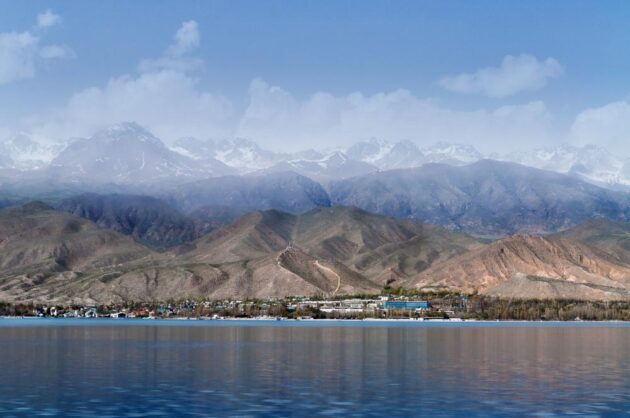
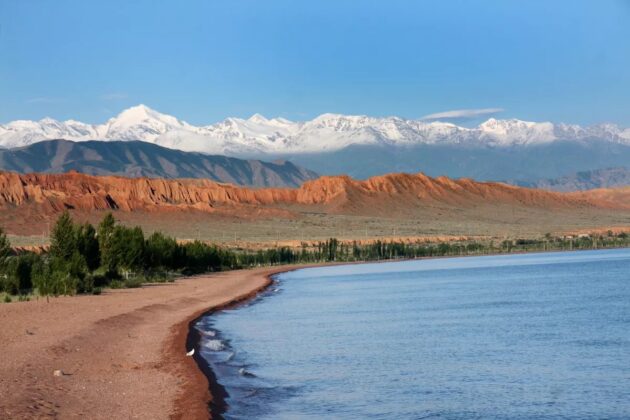
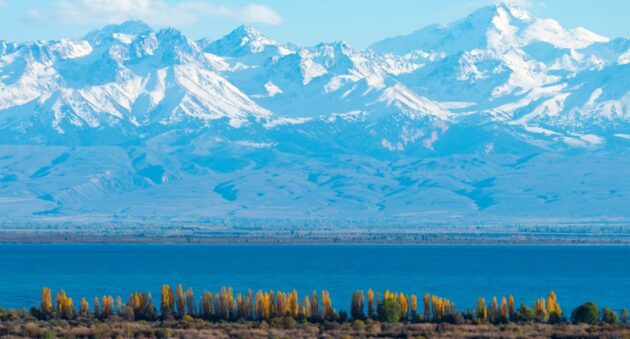
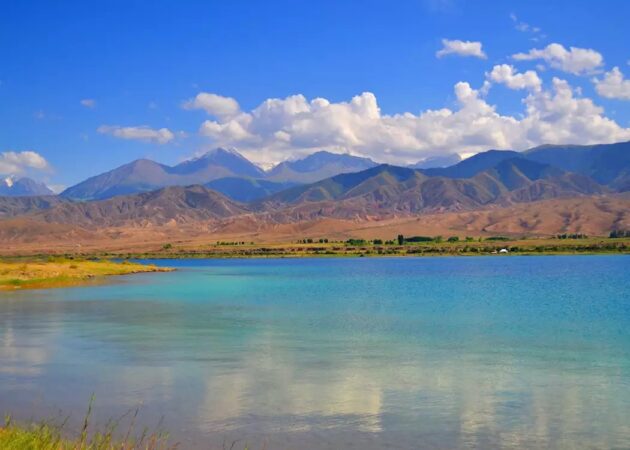
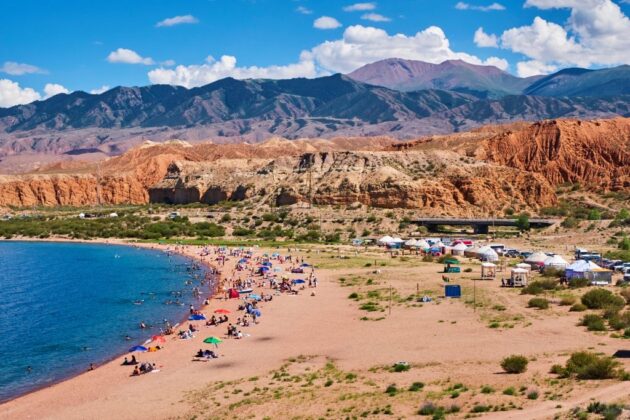
Issyk-Kul Lake
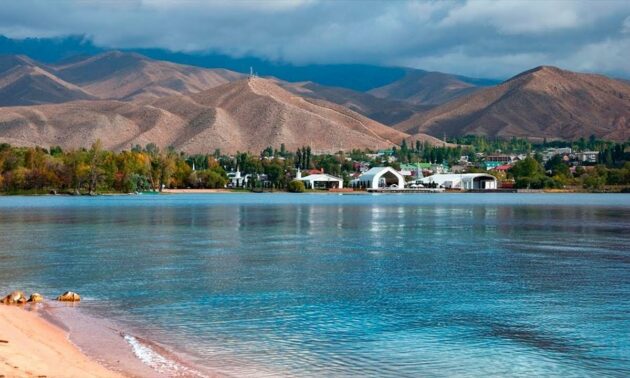
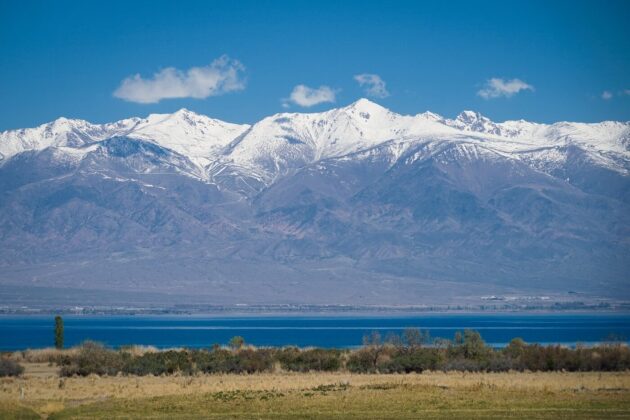
The “Pearl of Central Asia,” a massive high-altitude lake surrounded by mountains. Relax on beaches, visit hot springs, or explore the northern/southern shores. Base in Karakol for access to Jeti-Oguz (Seven Bulls) Canyon and Altyn Arashan.
What to Do
Horse Riding & Yurt Stays: Experience nomadic life—many tours include multi-day horse treks ending at family-run yurt camps with fresh kumis (fermented mare’s milk) and home-cooked meals.
Trekking: From day hikes in Ala Archa to multi-day routes in the Tien Shan, including to Ala-Kul or Inylchek Glacier.
Cultural Experiences: Visit eagle hunters, learn felt-making, or attend local festivals.
Water Activities: Swim or boat on Issyk-Kul (it never freezes).
Road Trips: Rent a car or join a 4×4 tour to explore remote areas—scenic drives are a highlight themselves.
Guided tours (small-group or private) are popular for logistics, especially for first-timers. Operators like those offering Intrepid or local agencies provide reliable options.
Getting Around
Marshrutkas (Minibuses): Cheap and frequent between main towns (e.g., Bishkek to Issyk-Kul).
Shared Taxis: Faster and more comfortable for longer distances; negotiate or use apps.
Rental Car/4×4: Best for flexibility, especially in mountains—essential for remote spots. Roads can be rough; avoid night driving.
Within Cities: Yandex Go (ride-hailing app) works well in Bishkek and Karakol. Walking or local buses/trolleybuses are fine in smaller places.
Domestic Flights: Quick hops between Bishkek and Osh.
Public transport is affordable but can be slow and crowded in peak season.
Where to Stay
Bishkek: Mix of modern hotels, guesthouses, and hostels (e.g., budget options near the center).
Issyk-Kul Area: Lakeside resorts, guesthouses in Karakol, or beach yurts.
Mountains & Lakes: Traditional yurts at Song-Kul or other jailoos—authentic and immersive (bring warm layers as nights get cold).
Booking Tip: Use platforms like Booking.com or contact locals directly for yurt stays. Homestays offer great value and cultural insight.
What to Bring & Practical Tips
Essentials: Sturdy hiking boots, layers for variable mountain weather (warm days, cold nights), rain jacket, sunscreen, hat, and reusable water bottle. Modest clothing for cultural sites.
Health & Safety: Kyrgyzstan is generally very safe (Level 1 precautions). Drink bottled water, get recommended vaccines (Hep A, Typhoid), and buy travel insurance covering trekking. Altitude sickness is possible—acclimatize properly.
Money: Kyrgyz Som (KGS); ATMs in cities, but carry cash for rural areas. Credit cards are limited outside Bishkek.
Language: Russian and Kyrgyz are main languages; English is growing in tourist spots but limited elsewhere. Learn basic phrases or use translation apps.
Respect Local Customs: Remove shoes in homes/yurts, accept hospitality graciously, and ask before photographing people.
Food: Try laghman (noodles), plov, shashlik, and fresh dairy. Vegetarian options exist but are less common—communicate clearly.
Costs are low: Expect $30-60 per day for budget/mid-range travel (food, lodging, transport).
Final Thoughts
Kyrgyzstan rewards those who embrace its rugged beauty and warm people. Whether trekking high passes or sharing tea in a yurt, it offers a profound connection to nature and ancient traditions. Plan ahead for logistics in remote areas, but once there, go with the flow—Central Asian hospitality will take care of the rest.
Safe travels and enjoy the “roof of the world”! 🏔️