
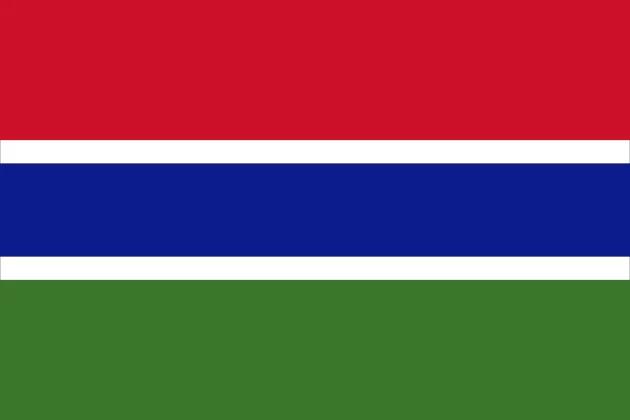
Gambia Travel Guide (2026)
Gambia is a narrow, river-shaped country in West Africa, surrounded by Senegal on three sides. Despite its small size (just 11,300 km²), it offers stunning Atlantic beaches, vibrant birdlife, rich Mandinka and Wolof culture, and a relaxed vibe that makes it one of the most accessible and welcoming destinations in West Africa.
Best Time to Visit
Dry Season (November – April): The best time to visit. Warm, sunny days (25–32°C), low humidity, and almost no rain. Perfect for beach holidays and wildlife viewing.
Shoulder Months (May & October): Fewer crowds and lower prices.
Rainy Season (June – September): Hotter, very humid, with heavy afternoon showers. Roads can become difficult, but prices are lowest and the landscape is lush.
Peak Season: December to February (European winter escape).
Visa & Entry Requirements
Most nationalities (including EU, UK, US, Canada, Australia) get a visa on arrival (valid for 90 days).
Cost: Approx. $20–60 USD depending on nationality.
Passport must be valid for at least 6 months.
Yellow fever vaccination certificate is officially required (strongly recommended to carry it).
How to Get There
Main Airport: Banjul International Airport (BJL).
Direct flights from: London (British Airways, TUI, easyJet, Gambia Bird); Brussels, Frankfurt, Madrid, Stockholm, Copenhagen, Zurich (seasonal charters); Dakar (Air Senegal, Transair).
Many visitors fly into Dakar (Senegal) and take a road transfer (4–5 hours) or domestic flight.
Top Destinations & Attractions
Kololi (The Tourist Coast)
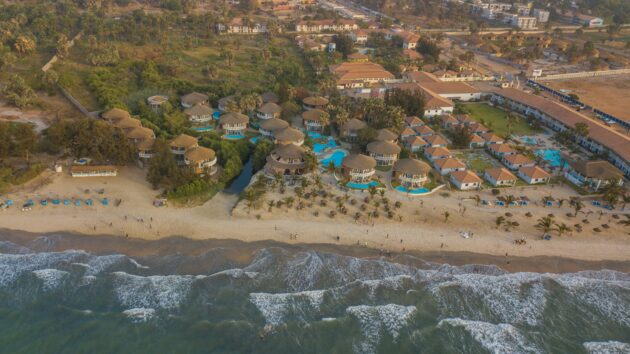
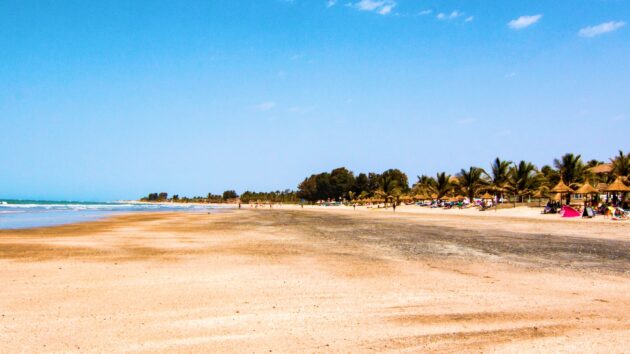
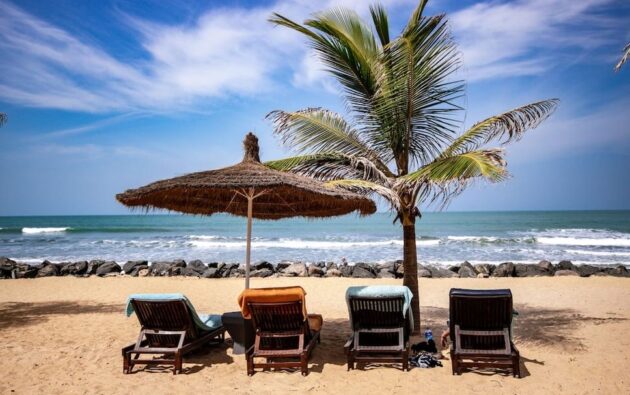
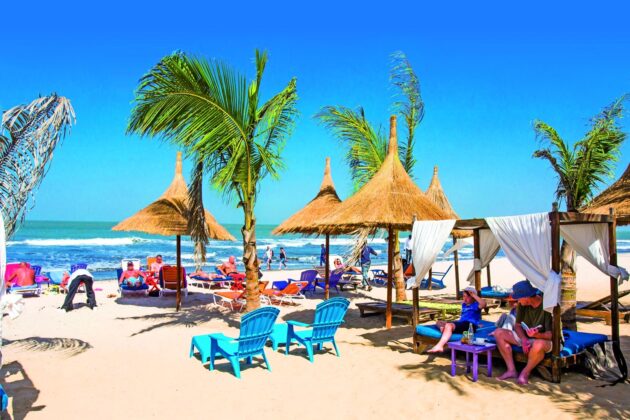
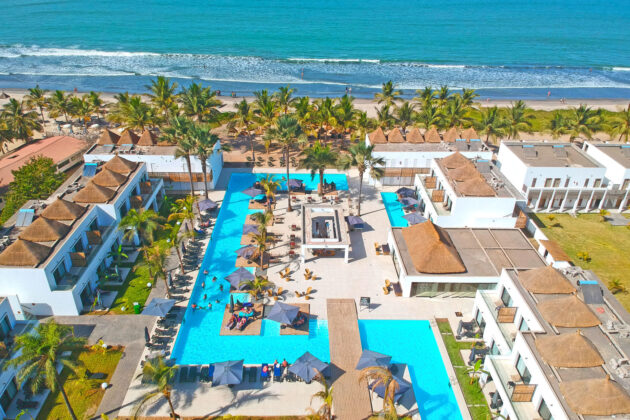
Kololi is a vibrant coastal resort town in The Gambia, known for its stunning beaches along the Atlantic Ocean, lively nightlife, and bustling tourism scene. Situated within the greater Banjul area, it offers a mix of relaxation and entertainment, with beachfront bars, restaurants serving local and international cuisine, and markets where visitors can buy traditional crafts.
Wassu Stone Circles
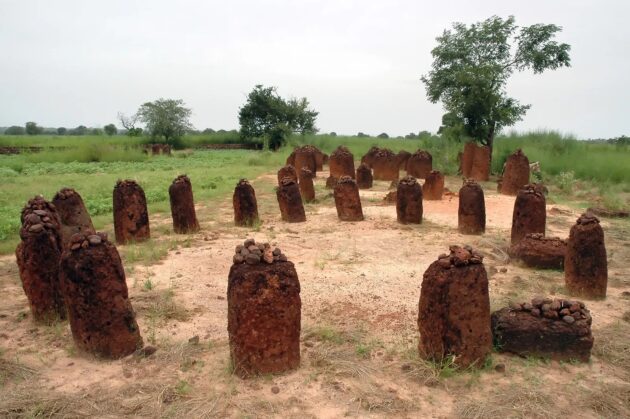
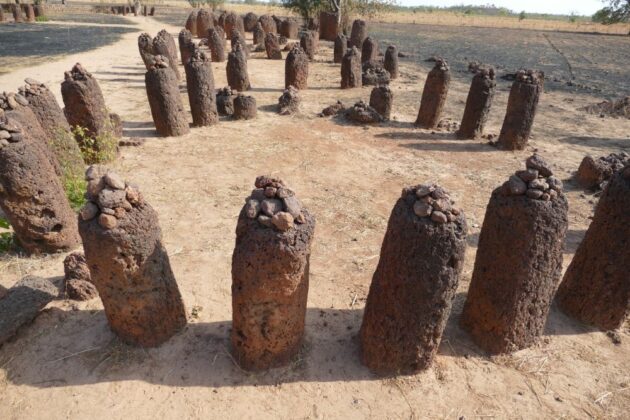
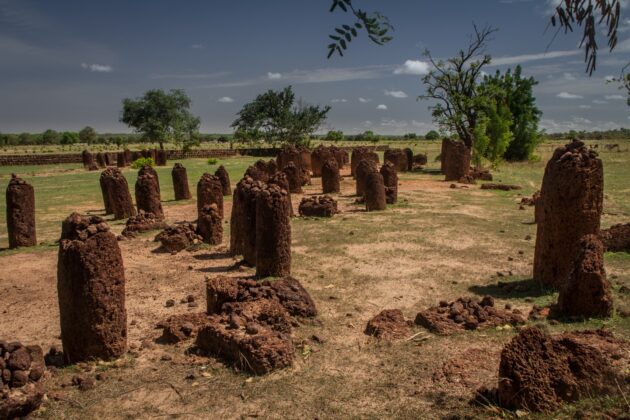
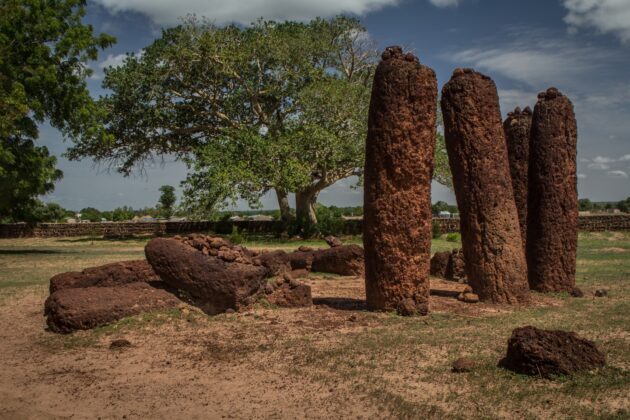
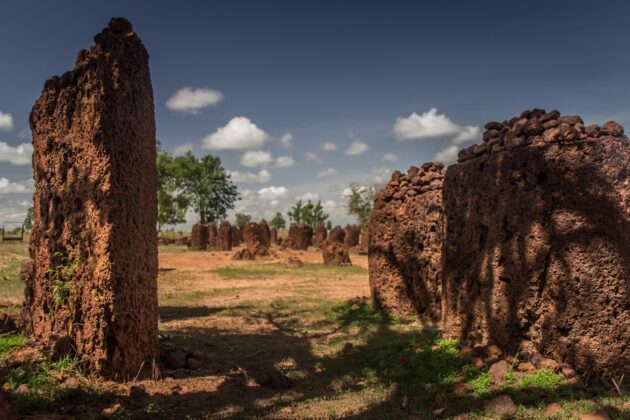
The Wassu Stone Circles, located in the Niani District of the Gambia, are part of a larger group of megalithic structures along the Gambia River and form a UNESCO World Heritage site. Comprising roughly eleven circles of laterite stone pillars, these ancient monuments are believed to date back to between the 3rd century BCE and the 16th century CE, serving as burial grounds that reflect sophisticated social structures and spiritual beliefs.
River Gambia Cruises
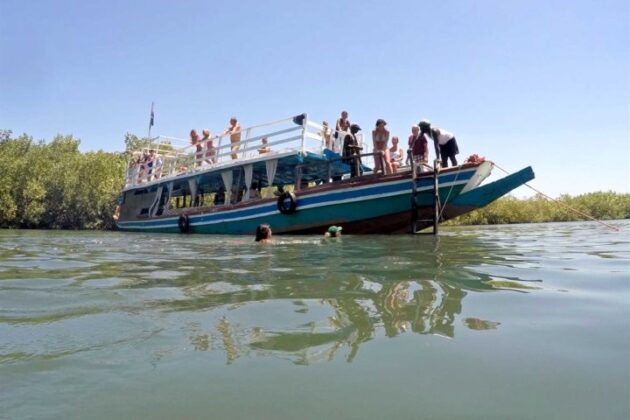
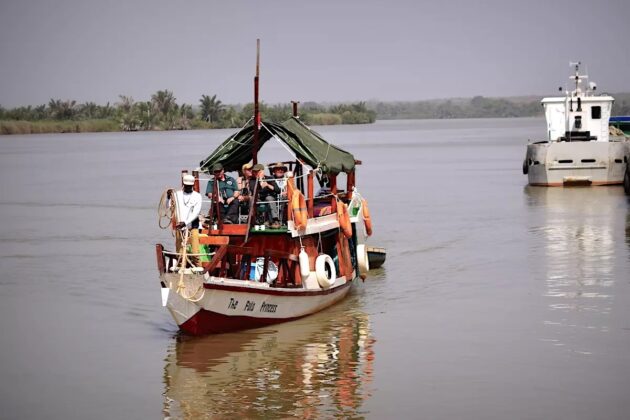
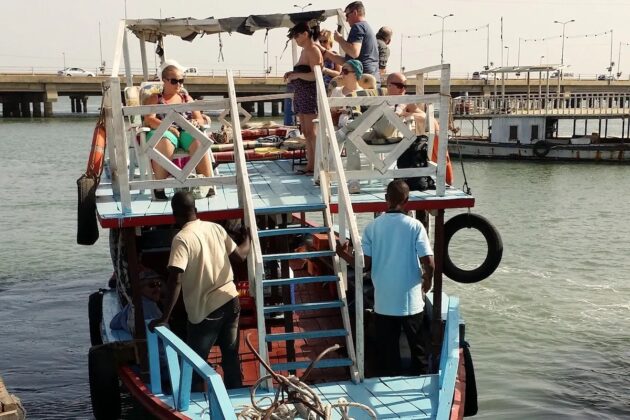
River Gambia Cruises offers a unique and tranquil way to explore The Gambia, taking visitors along the calm, winding waters of the River Gambia through lush mangrove forests, sleepy riverside villages, and rich birdlife. These cruises range from short sunset trips to multi-day journeys as far inland as the River Gambia National Park, home to hippos, crocodiles, and chimpanzees.
Things to Do
Beach relaxation and swimming
Birdwatching (The Gambia is a top destination – over 500 species)
Cultural tours (village visits, drumming & dancing workshops)
Chimpanzee rehabilitation projects (River Gambia National Park)
Fishing trips (excellent for barracuda, snapper)
Market visits: Serekunda Market, Albert Market (Banjul)
Nightlife in Senegambia strip (bars, clubs, live music)
Gambian Food & Cuisine
Must-try dishes: Domoda (peanut stew with rice); Benachin (Jollof-style rice); Yassa (onion and lemon chicken/fish); Afra (spicy grilled meat); Fresh oysters (very popular and cheap); Tapalapa (baguette-style bread).
Best places: Local “chop houses,” hotel buffets, and Ali Baba’s, The Clay Oven, or beachside barras.
Where to Stay
Luxury: Coco Ocean Resort & Spa (Kololi); Mandina Lodges (Makasutu Forest – eco-luxury).
Mid-range: Kombo Beach Hotel; Ocean Bay Hotel; Ngala Lodge (very popular with British visitors).
Budget: Badala Park Hotel (Kotu); Guesthouses in Gunjur or Kartong.
Transportation
Green Tourist Taxis (official, yellow-green)
Gele-gele (shared minivans) – cheap but chaotic
Private drivers (best option for safety and convenience – ~$30–50/day)
Ferries across the river (Barra Ferry)
Safety & Health
The Gambia is generally safe for tourists, especially in resort areas.
Avoid walking alone at night outside resorts.
Petty theft can occur — use hotel safes.
Malaria: High risk — take prophylaxis and use repellent.
Drink bottled water.
Sun protection is essential.
Culture & Etiquette
The Gambia is predominantly Muslim but very tolerant.
Dress modestly when visiting villages (cover shoulders and knees).
Greet people with “As-salaam alaikum” or “Hello”.
Haggling is expected in markets.
Photography: Always ask permission for people.
Practical Tips
Currency: Dalasi (GMD). ATMs available in Banjul, Kololi, and Brikama. Euros and Pounds are widely accepted in tourist areas.
Language: English is the official language — very easy to get around.
Power: Type G plugs (UK style), 220V.
Internet: Decent 4G in tourist areas. Buy a local SIM (Africell or Gamcel) on arrival.
Best Souvenirs: Batik fabric, wooden carvings, musical instruments, shea butter.
Suggested Itinerary (7 Days)
Day 1-3: Beach relaxation in Kololi/Senegambia
Day 4: Roots tour (Jufureh + James Island)
Day 5: Abuko Reserve + craft market
Day 6: Day trip to Gunjur or Kartong
Day 7: River cruise or free beach day
Final Thoughts
The Gambia offers incredible value for money, warm hospitality, and a perfect mix of beach, nature, and culture. It’s particularly ideal for first-time visitors to Africa.