

Travel Guide to Yemen (2026)
Yemen, located on the southern tip of the Arabian Peninsula, is a land of extraordinary contrasts: ancient mud-brick skyscrapers, UNESCO World Heritage sites, dramatic mountain landscapes, and the otherworldly Socotra Archipelago often called the “Galápagos of the Indian Ocean.” Historically known as “Arabia Felix” (Fortunate Arabia) for its fertile highlands and incense trade routes, Yemen boasts rich cultural heritage, including the Old City of Sana’a, the “Manhattan of the Desert” in Shibam, and unique biodiversity.
Tourism infrastructure is extremely limited or nonexistent in most areas. Some tour operators promote Socotra, but official advisories warn that safety claims may be misrepresented. Travel to Yemen carries extreme risks, and many insurance policies will not cover trips there. This guide is for informational purposes only and does not encourage travel.
Why Yemen Was Once a Bucket-List Destination
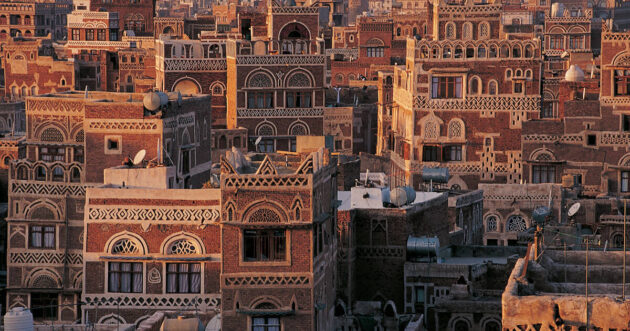
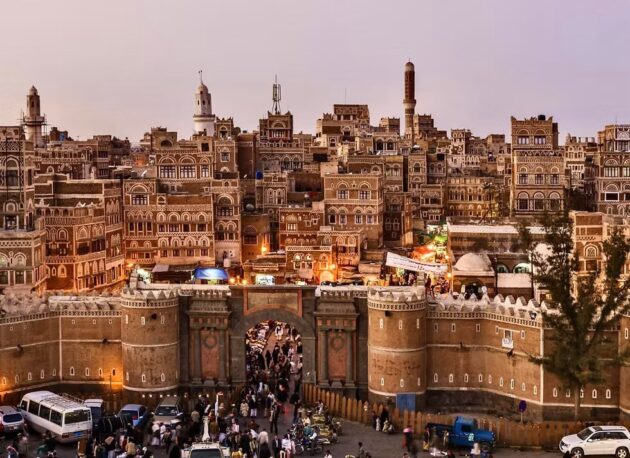
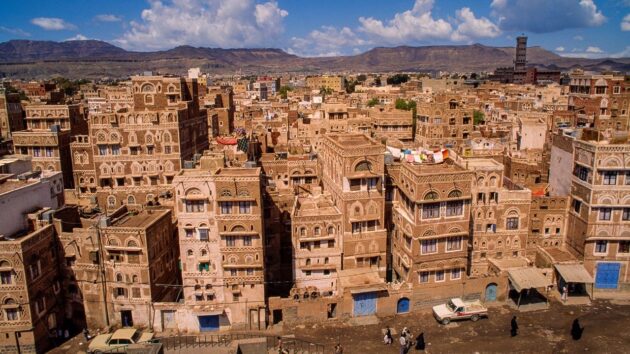
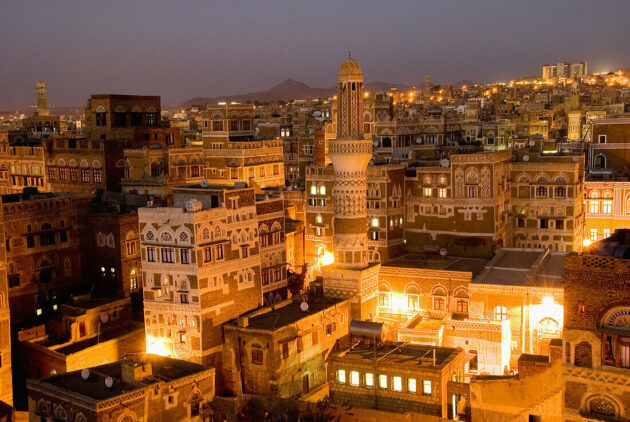
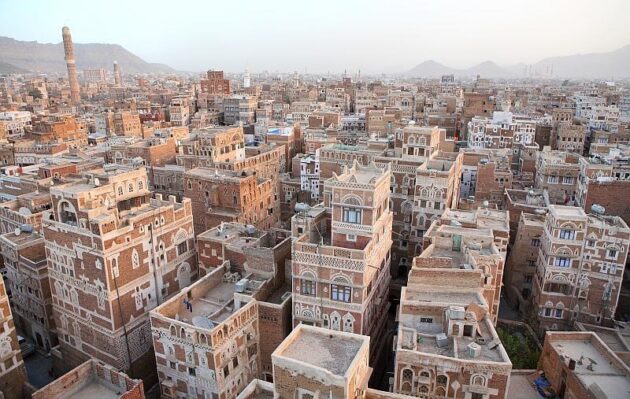
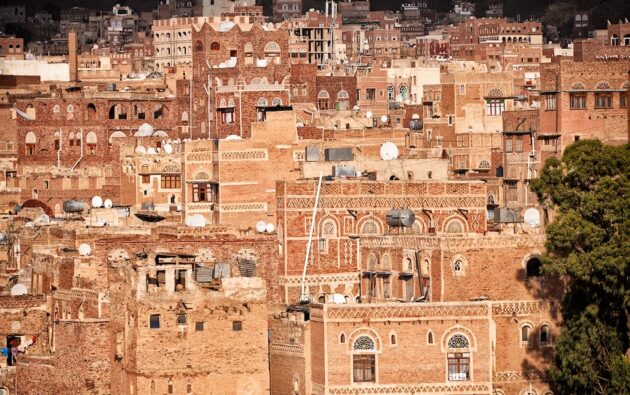
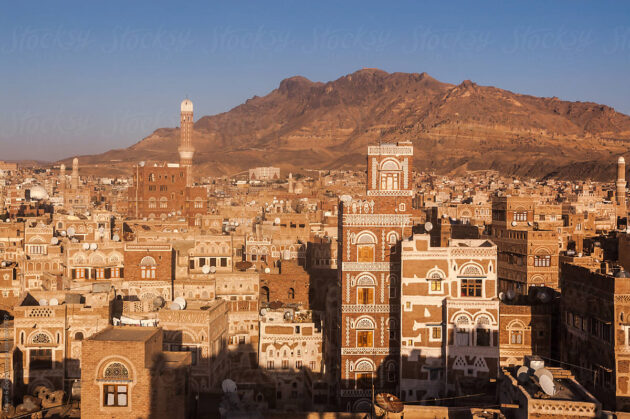
Cultural Treasures: Old Sana’a (UNESCO) with its gingerbread-like tower houses; Shibam’s towering mud-brick buildings; ancient Marib Dam ruins linked to the Queen of Sheba legend.
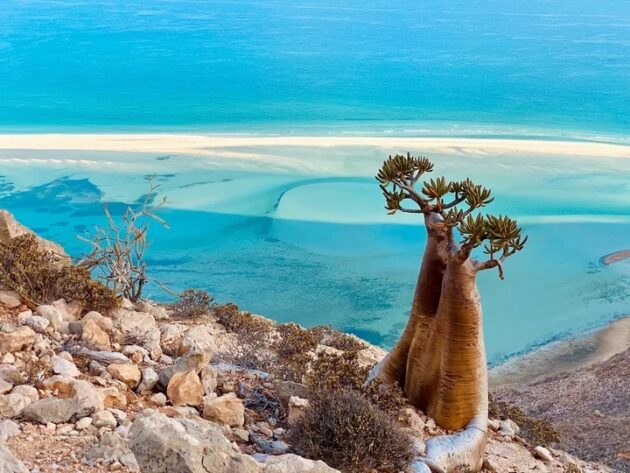
Natural Wonders: Socotra’s Dragon Blood Trees, endemic plants, pristine beaches (Qalansiyah, Shoab, Arher), lagoons, and rugged mountains.
Landscapes: Jabal Haraz mountains, Wadi Do’an canyons, and coastal areas with colonial-era architecture in Aden.
Unique Experiences: Traditional Yemeni architecture, frankincense routes, and one of the most biologically diverse islands on Earth.
How to Get There
By Air: Very limited options. Socotra may have occasional flights via regional hubs (e.g., Jeddah or Aden), but schedules are unreliable and subject to sudden cancellation due to security or conflict.
Visa: Tourist visas are difficult to obtain. Most embassies require invitation letters and are not issuing them freely. Some nationalities historically qualified for visa on arrival, but this is not practical in the current climate. Check with Yemeni diplomatic missions well in advance—many services are paused.
Entry Points: Aden or Socotra are the most mentioned, but access is inconsistent.
Best Time to Visit
Traditionally October to March (cooler, drier weather in highlands and Socotra). Avoid the hot summer months.
Top Attractions
Detwah Lagoon Ramsar Site
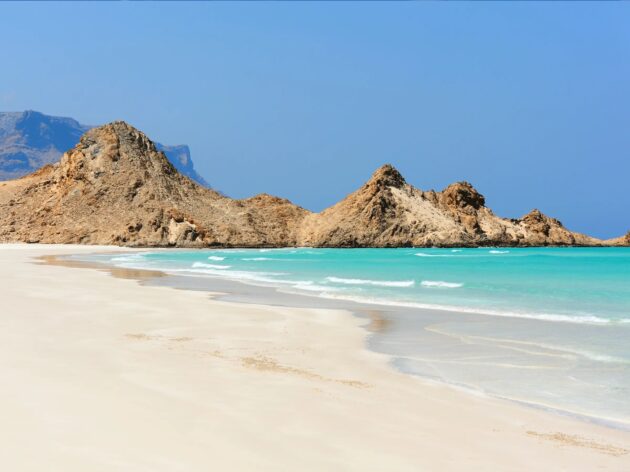
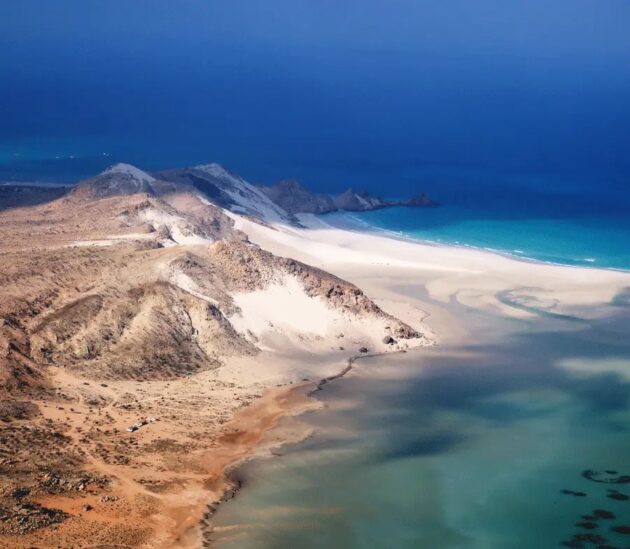
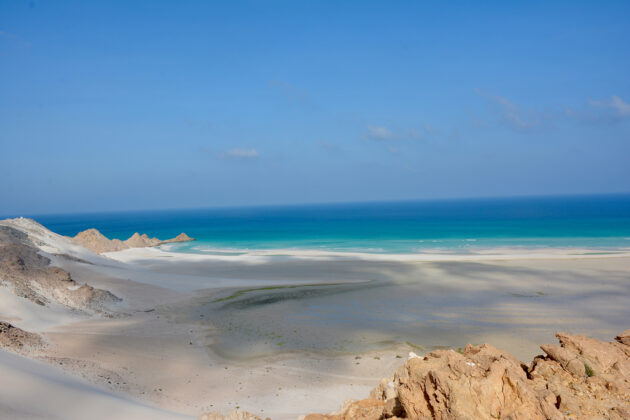
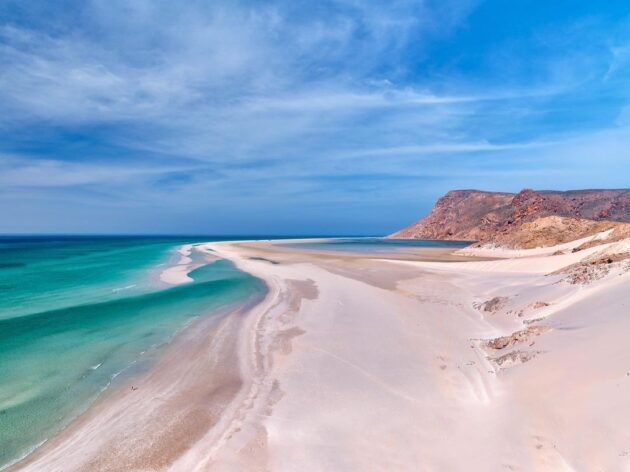
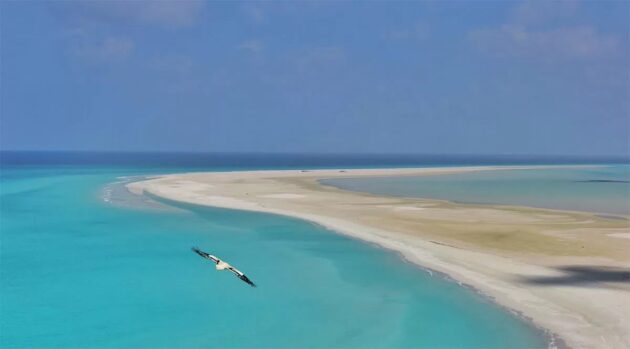
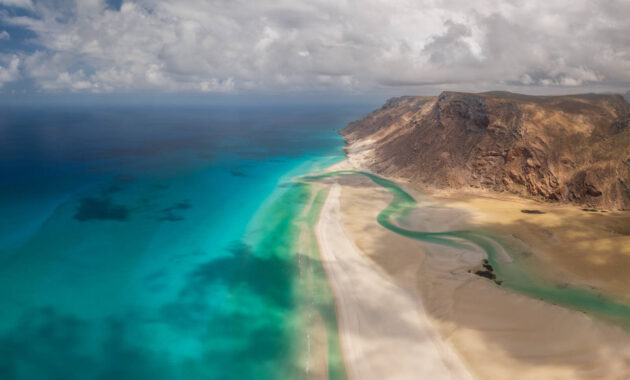
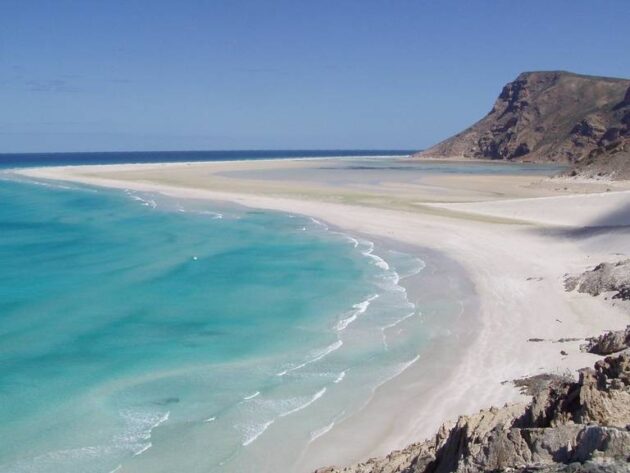
Detwah Lagoon (also spelled Dewtah or Detwa) is one of the most breathtaking natural wonders on Socotra Island, Yemen. Located on the northwest coast near the fishing village of Qalansiyah, this pristine saline lagoon features striking turquoise waters, white sandy shores, shallow sandbanks, and dramatic surrounding hills. The lagoon supports rich marine life, including sea turtles, dolphins, stingrays, juvenile fish, and seagrass beds, along with numerous bird species.
Old City of Sana’a
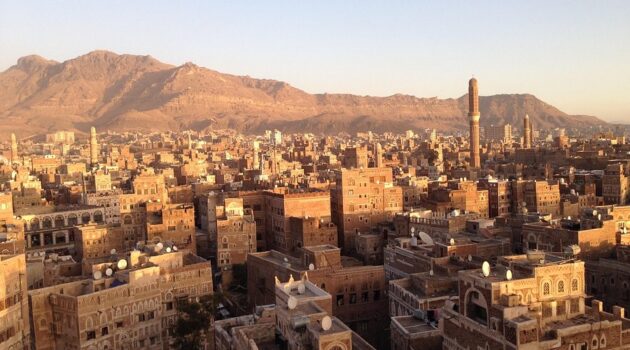
The Old City of Sana’a is one of the world’s oldest continuously inhabited cities and a UNESCO World Heritage Site since 1986 (currently listed as in danger). Located at an altitude of about 2,200 meters in a mountain valley, it features a stunning collection of over 6,000 multi-story tower houses built from rammed earth and burnt brick, decorated with intricate white gypsum patterns and colorful qamariya (stained-glass windows).
What to Expect If Traveling
Accommodation: Very limited; basic guesthouses or camps on Socotra.
Transportation: Private 4×4 vehicles with local guides; internal movement is risky.
Food & Culture: Yemeni cuisine (salta, mandi, fresh seafood on coast), strong hospitality tradition, qat chewing custom (cultural but not for everyone).
Health Risks: Polio vaccination recommended/boosters advised; other concerns include leishmaniasis, poor medical infrastructure, and lack of emergency services.
Practical Tips
Travel only with experienced, reputable local operators if at all.
Register with your embassy (if possible) and have comprehensive insurance that explicitly covers high-risk areas (rare).
Respect local customs: modest dress, especially for women; photography restrictions in sensitive areas.
No reliable tourism support; emergency evacuation would be extremely difficult and costly.
Final Thoughts
Yemen holds some of the most unique cultural and natural treasures in the Middle East and the world. Its ancient cities, dramatic landscapes, and biodiversity make it a dream for adventurous travelers in peaceful times. However, as of 2026, the security situation remains highly volatile, and all major governments strongly advise against any travel to Yemen, including Socotra.
For most people, it is wiser to admire Yemen’s beauty from afar through documentaries, books, and virtual resources until a stable peace allows safe, responsible tourism to return. Monitor official travel advisories closely, as the situation can change rapidly.
Stay safe and travel responsibly. If your plans involve high-risk destinations, consult professional security advice and your government’s latest guidance before any decision.