
Myanmar Travel Guide (2026)
Myanmar (also known as Burma) offers one of Southeast Asia’s most captivating travel experiences, with ancient temples, serene lakes, vibrant pagodas, rich Buddhist culture, and friendly people. However, the country faces ongoing civil unrest and armed conflict following the 2021 military coup. Many governments, including the US (Level 4: Do Not Travel) and Australia (Do Not Travel), strongly advise against all travel due to risks like civil unrest, arbitrary law enforcement, limited healthcare, landmines in some areas, crime, and wrongful detentions.
Tourist areas like Yangon, Bagan, Mandalay, and Inle Lake are generally reported as relatively stable and accessible by recent travelers, with no widespread visible violence in core zones. Many visitors describe feeling safe when sticking strictly to these spots, using common sense, and avoiding politics or sensitive topics. That said, the situation remains fluid—check official advisories right before travel, register with your embassy (e.g., STEP for US citizens), and purchase comprehensive travel insurance that includes medical evacuation.
Visa and Entry Requirements
Most nationalities need a tourist e-Visa in advance (single entry, up to 28 days stay, approval valid 90 days). Apply officially at evisa.moip.gov.mm.
Processing takes at least 3 working days. Entry is typically via Yangon (RGN) or Mandalay (MDL) international airports (some land borders like Kawthaung may be restricted or require extra planning). Stay only in licensed accommodations. Some nationalities have short visa exemptions or visa-on-arrival options—verify for your passport.
Best Time to Visit
The ideal period is the cool, dry season from November to February (peak tourist time): pleasant temperatures (around 29–31°C/84–88°F daytime), clear skies, and comfortable exploration of temples and lakes. Avoid the hot season (March–May, very humid) and rainy/monsoon season (May–October, heavy afternoon rains, though central areas like Bagan see less). Festivals (e.g., pagoda events in January/February) add cultural depth during the dry months.
Top Places to Visit
Yangon (Rangoon)
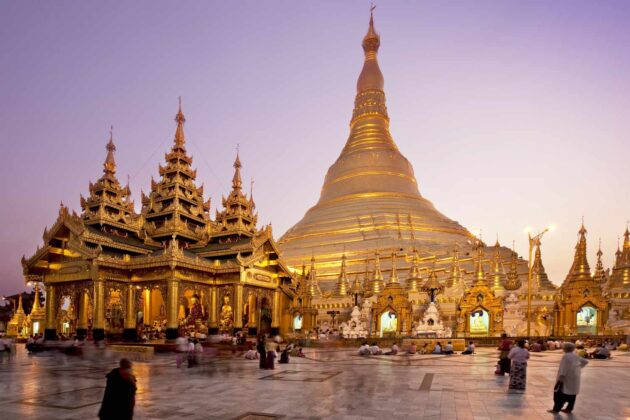
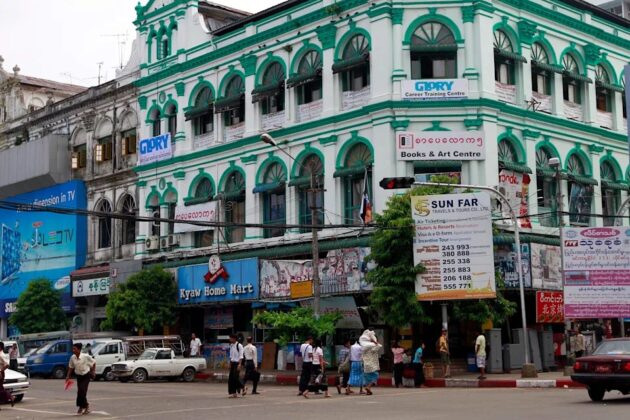
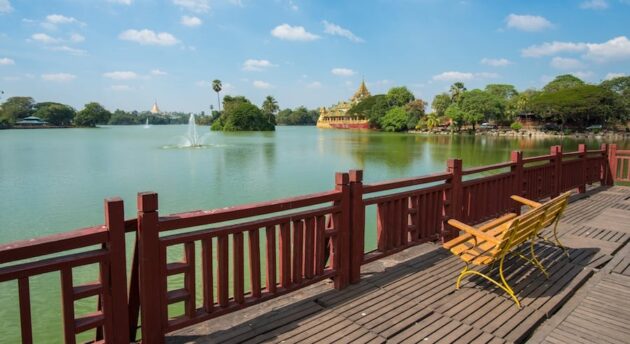
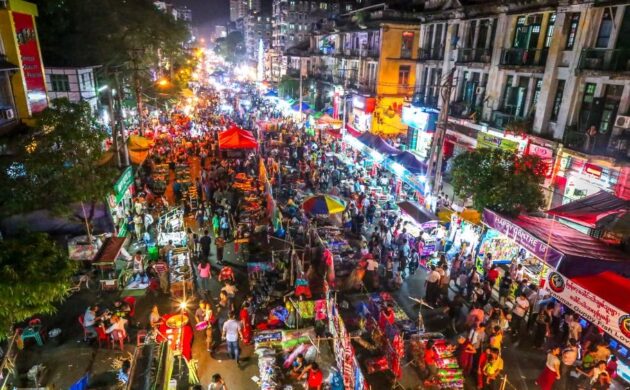
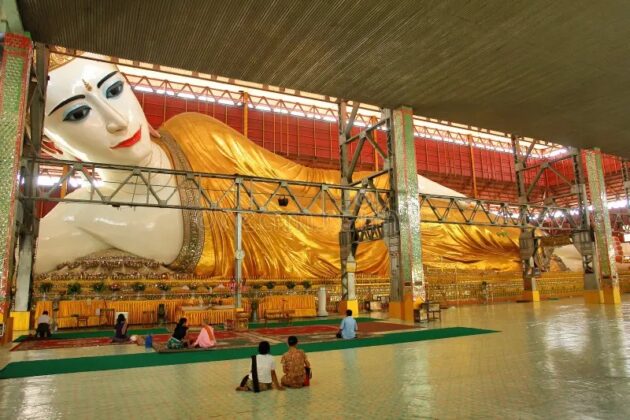
Yangon (formerly Rangoon) is Myanmar’s largest city and its commercial heart, blending a rich collection of golden pagodas, faded colonial architecture, bustling markets, and vibrant street life. While no longer the official capital, it serves as the primary gateway for most international visitors, with Yangon International Airport (RGN) handling the majority of flights.
Bagan
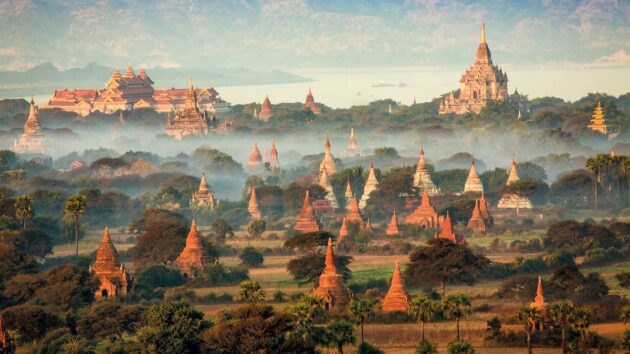
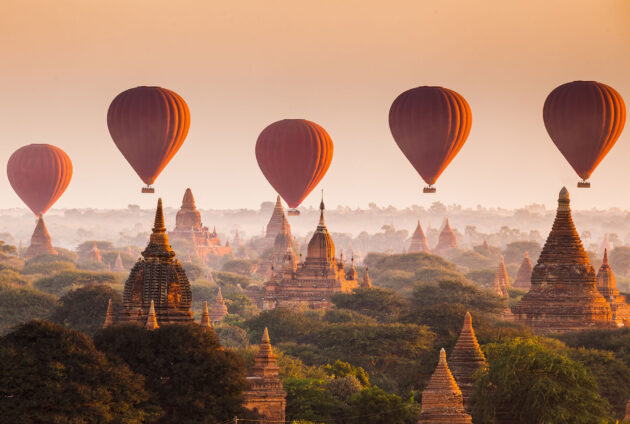
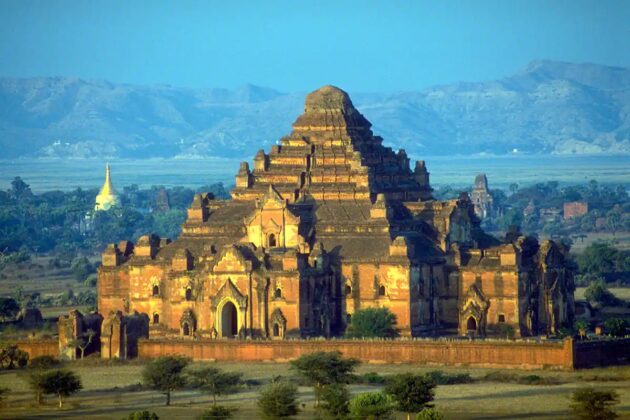
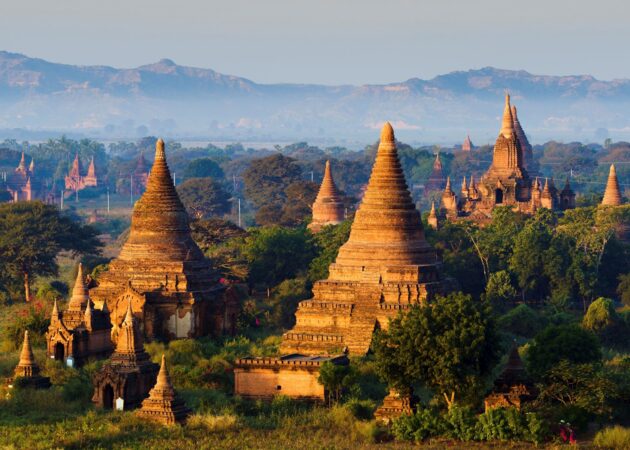
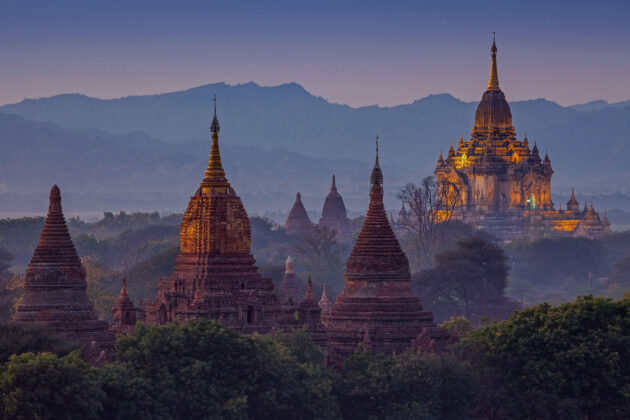
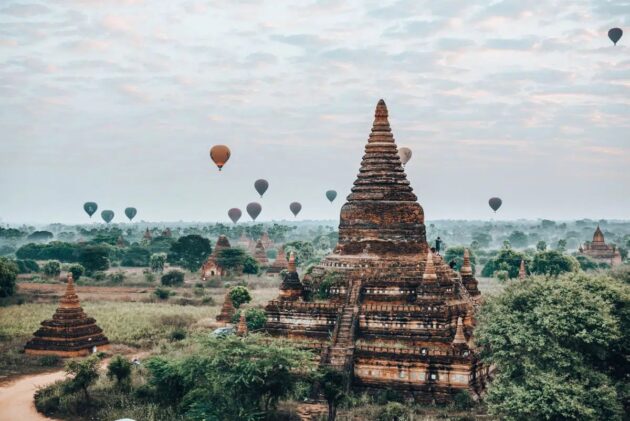
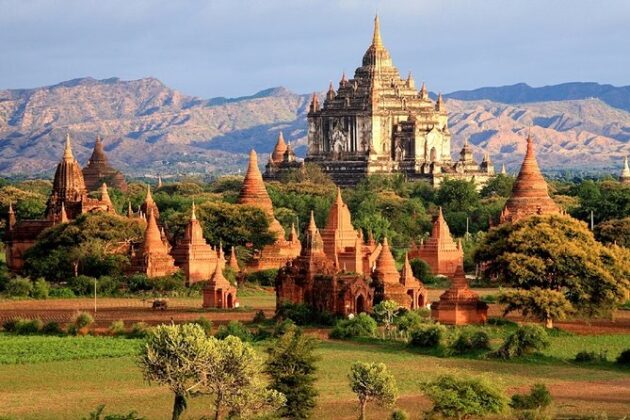
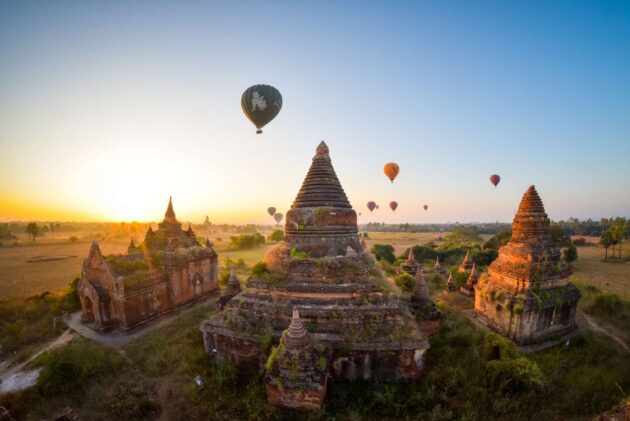
Myanmar’s highlight—an archaeological wonder with over 2,000 ancient Buddhist temples and pagodas across a vast plain. Explore by e-bike at sunrise/sunset (Ananda Temple, Dhammayangyi, Shwezigon are standouts). Magical and photogenic.
Mandalay
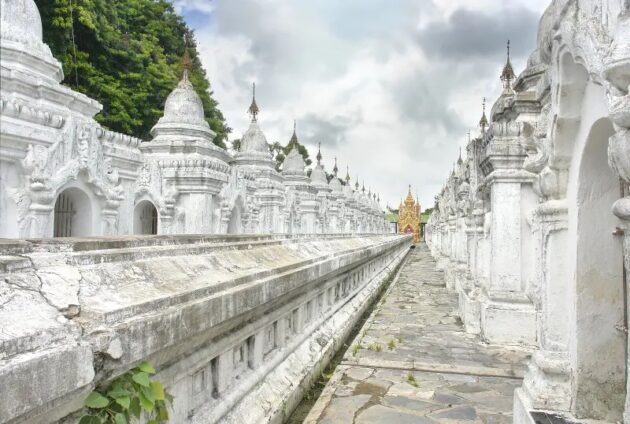
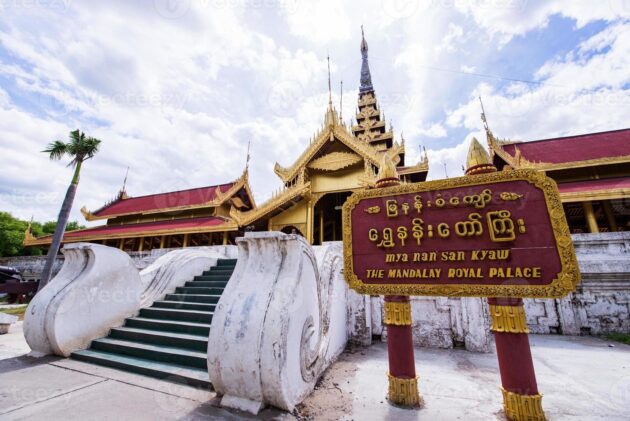
Mandalay, Myanmar’s second-largest city and former royal capital, offers a rich blend of Buddhist heritage, traditional crafts, and historical sites. Located in the central dry zone along the Irrawaddy River, it serves as a cultural hub with fewer overt tourist crowds than Yangon or Bagan, making it ideal for immersive experiences in monasteries, artisan workshops, and nearby ancient capitals.
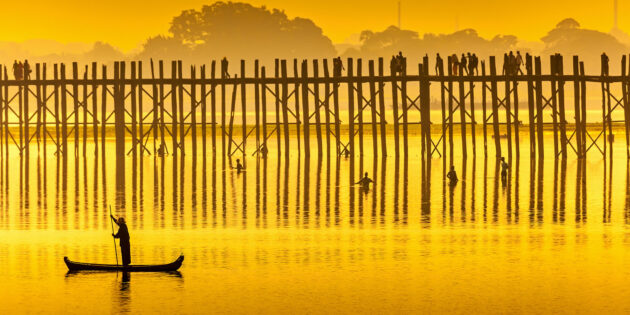
Inle Lake
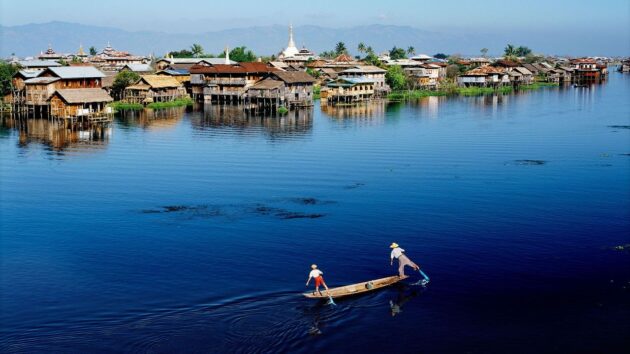
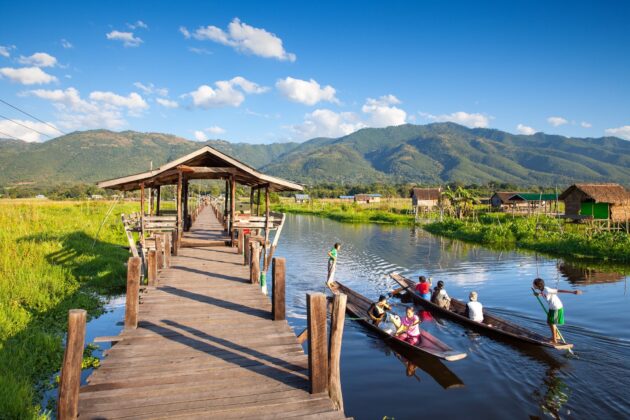
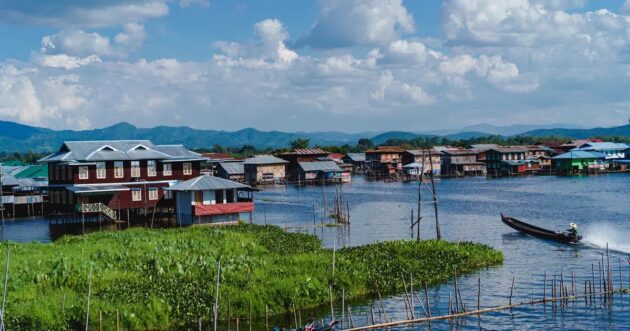
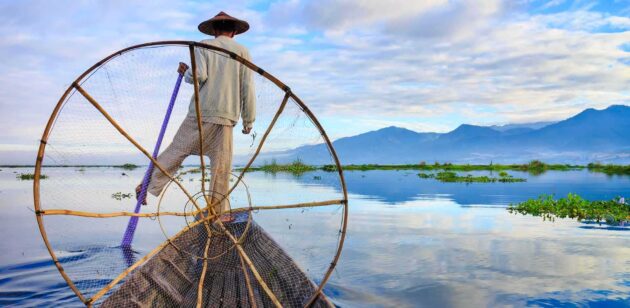
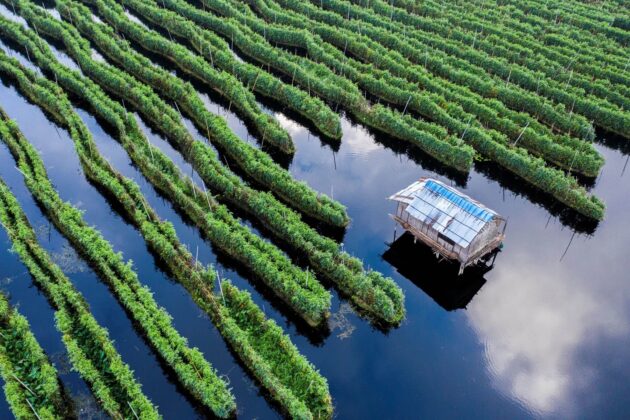
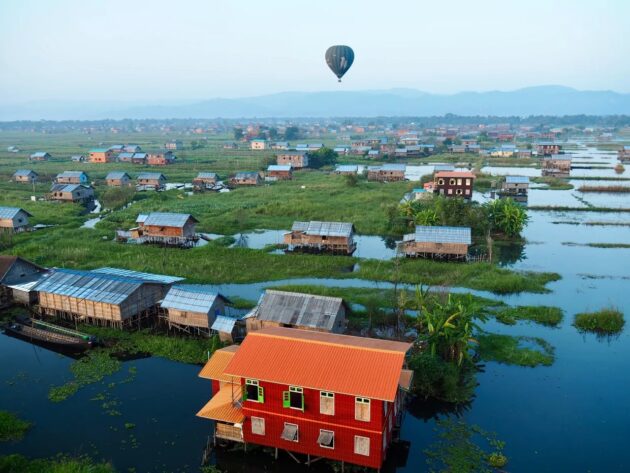
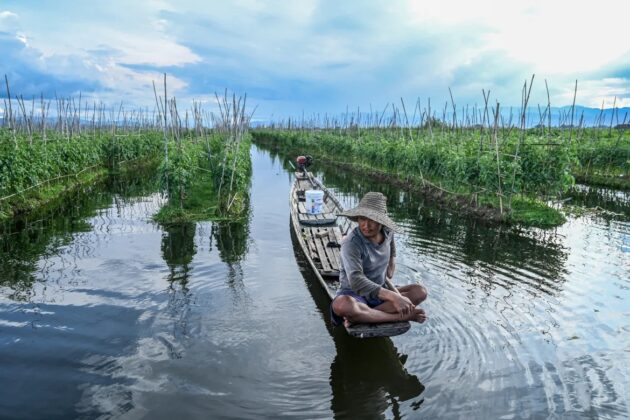
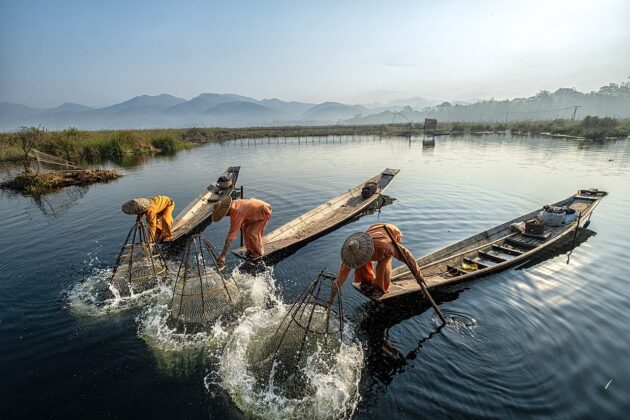
Inle Lake (also spelled Inlay Lake), located in southern Shan State, Myanmar, is one of the country’s most iconic destinations. This large, shallow freshwater lake sits in a highland valley surrounded by hills, famous for its unique Intha people who live in stilt houses, row boats with one leg, cultivate floating gardens, and maintain traditional crafts and fishing methods.
Ngapali Beach
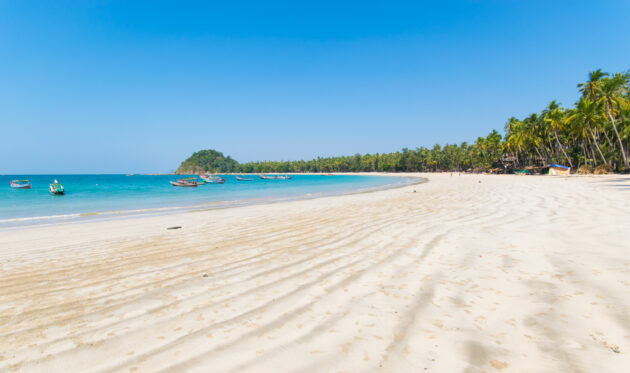
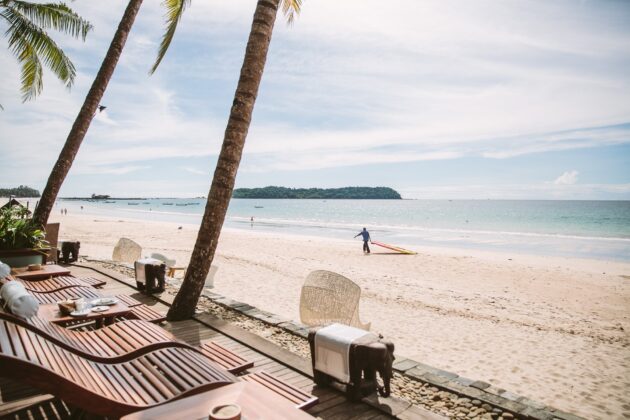
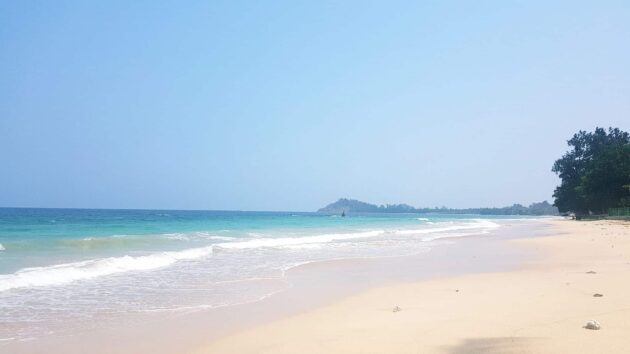
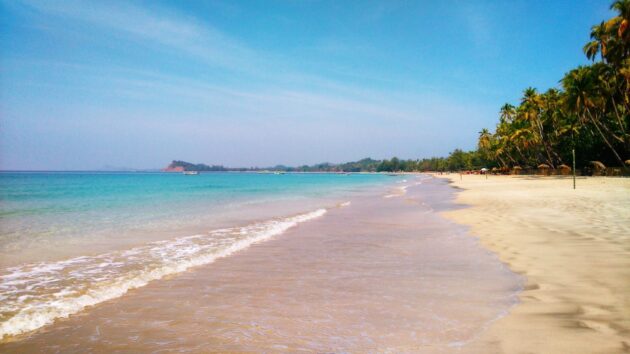
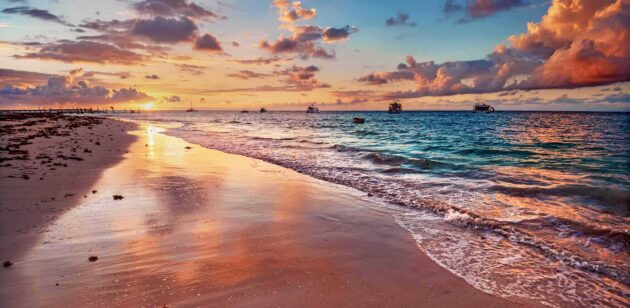
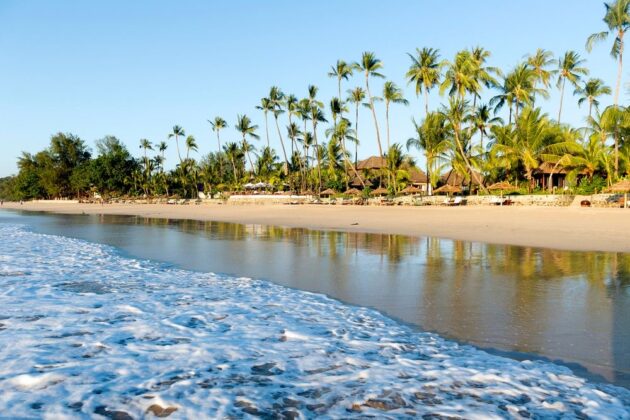
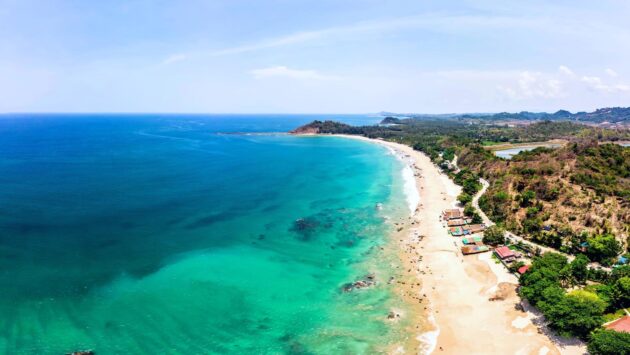
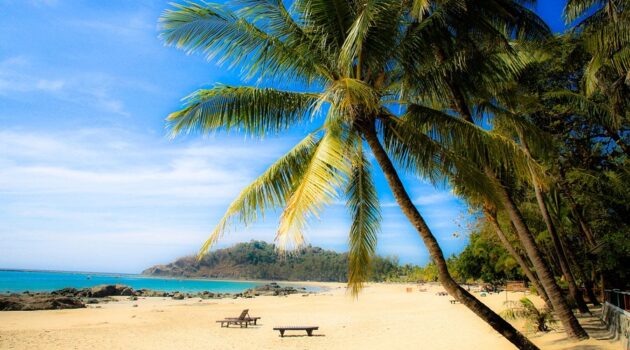
Ngapali Beach (pronounced “Na-pa-lee”), often called Myanmar’s premier beach destination, is a stunning stretch of powdery white sand and palm-fringed shoreline along the Bay of Bengal in Rakhine State, western Myanmar. It lies about 7 km from the town of Thandwe (also spelled Sandoway) and features calm turquoise waters, traditional fishing villages, and a relaxed vibe compared to busier Southeast Asian beaches.
Practical Tips
Money: Cash is king—bring crisp, new USD ($50/$100 bills, unmarked/no damage) for the best informal exchange rates (often far better than official banks/ATMs, which can be unreliable). Exchange gradually in Yangon or Mandalay via trusted guides/hotels. Cards are rarely accepted; ATMs limited. Budget ~$40–70/day for budget/mid-range travel (accommodation, food, transport).
Internet & Connectivity: Social media (Facebook, Instagram, etc.) often blocked—install a reliable VPN (e.g., NordVPN, ProtonVPN, or ExpressVPN) before arrival. Get a local SIM (MPT, Atom, or similar) at the airport for data; coverage is decent in tourist areas but spotty elsewhere. Download offline maps (Maps.me or Google Maps).
Transportation: Fly into Yangon/Mandalay. Use VIP overnight buses between cities (reclining seats, AC). E-bikes/scooters in Bagan (helmets advised). Taxis or hotel-arranged transport in cities. Avoid night travel where possible due to curfews/roads.
Health & Safety: Tap water is not safe—stick to bottled or purified. Healthcare is limited; bring medications and get evacuation insurance. Dress modestly at religious sites (shoulders/knees covered; remove shoes). Respect local customs—no politics, no photos of military/checkpoints. Power outages and traffic can be chaotic.
Culture & Etiquette: Predominantly Theravada Buddhist—be respectful at pagodas. Locals are welcoming; support small businesses where possible. English is somewhat spoken in tourist spots.
Important Warnings
The ethical dimension is complex: tourism revenue can indirectly support the regime, so many travelers prioritize local, independent businesses and small operators over government-linked ones.
Monitor curfews (sometimes midnight–4 AM in cities), protests, and news. Delete sensitive photos/materials from devices.
Drones often require permits and are risky.
Natural risks: cyclones, earthquakes, poor road conditions.
Final Thoughts
Myanmar rewards responsible, informed travelers with unforgettable sights and warm hospitality, but preparation and flexibility are essential in the current climate. Verify all details (visas, flights, advisories) close to your trip, as rules and conditions can shift. If you’re planning a visit, consider joining a small group tour or hiring a local guide for smoother navigation. Safe travels!