
Yangon Travel Guide (2026)
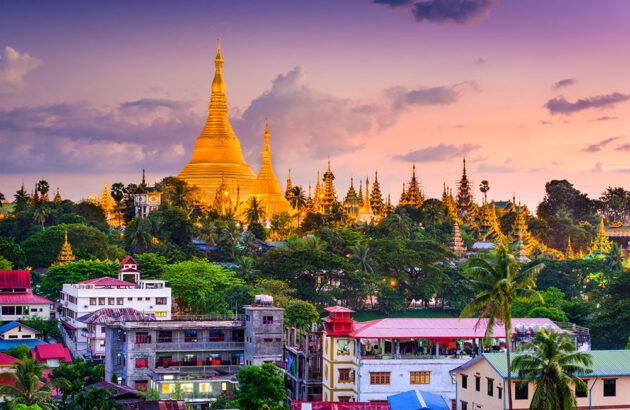
Yangon (formerly Rangoon) is Myanmar’s largest city and its commercial heart, blending a rich collection of golden pagodas, faded colonial architecture, bustling markets, and vibrant street life. While no longer the official capital, it serves as the primary gateway for most international visitors, with Yangon International Airport (RGN) handling the majority of flights.
Important Safety and Travel Advisory
Yangon is generally considered one of the calmer major cities for tourists (“green zone” in some assessments), with daily life, markets, and major sites like Shwedagon Pagoda continuing to operate. However, explosions or security incidents can occur, protests should be strictly avoided, and travel outside main tourist areas carries higher risks. Road travel can be restricted, checkpoints common, and situations may change rapidly. Check your government’s latest travel advice before booking, ensure comprehensive travel insurance that covers the region, and monitor local developments closely. Stick to registered hotels and established tourist spots if you decide to visit.
Best Time to Visit
Yangon has a tropical monsoon climate. The best time is the cool, dry season from November to February, with pleasant temperatures (around 20–32°C / 68–90°F), lower humidity, and minimal rain—ideal for sightseeing and walking. Peak season brings more visitors but comfortable conditions.
March–May: Hot and increasingly humid (up to 40°C / 104°F); April features the lively Thingyan Water Festival (Myanmar New Year).
June–October: Monsoon rains; some flooding possible, but fewer crowds and lower prices.
Avoid if heavy rain disrupts plans, though indoor sites and pagodas remain visitable.
Getting There and Around
Airport to City Center: Yangon International Airport is about 15–20 km (9–12 miles) from downtown. Options include:
Taxi (official stands): Negotiate or use Grab app; expect 20,000–25,000 MMK (~USD 5–6) to downtown, 30–60 minutes depending on traffic.
Airport shuttle bus: Cheaper option to central points like Sule Pagoda area.
Public bus (YBS): Budget-friendly but slower and less convenient with luggage.
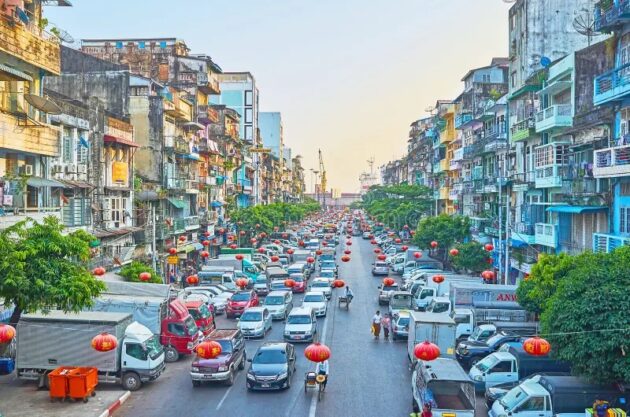
Within Yangon: Traffic is heavy. Use Grab (widely available and recommended) for taxis. Other options: walking in downtown/colonial areas, local buses, or the scenic Yangon Circular Train (a slow, local experience circling the city—great for people-watching). Motorbike taxis or bicycle rentals for shorter distances in quieter areas.
Money and Practical Tips
Currency: Myanmar Kyat (MMK). Bring clean, crisp US dollars for exchange (better rates than ATMs in some cases). Exchange at authorized centers or hotels in downtown; avoid airport rates if possible. Cash is king—many places don’t accept cards, and ATMs can have limits or fees. Declare large amounts (>USD 10,000) on entry.
SIM Card/Internet: Buy a local SIM (MPT, ATOM, or others) at the airport or official shops—passport required. Tourist packs offer data; coverage is good in Yangon but can be spotty elsewhere. eSIM options exist for convenience. WiFi is available in hotels and some cafes, but expect occasional slowdowns.
Other Essentials: Dress modestly at religious sites (cover shoulders/knees; remove shoes/hats). Stay hydrated; use reputable bottled water. English is somewhat spoken in tourist areas.
Top Things to Do in Yangon
Shwedagon Pagoda
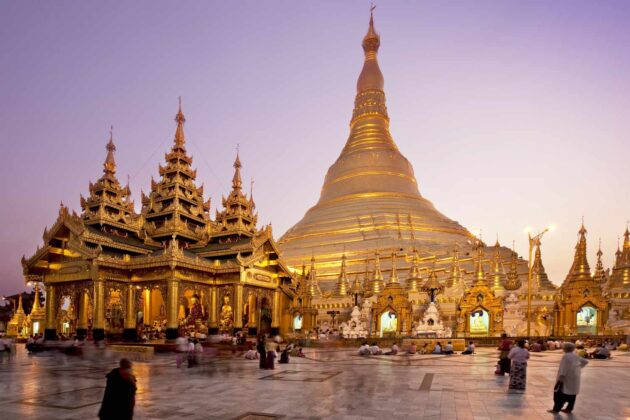
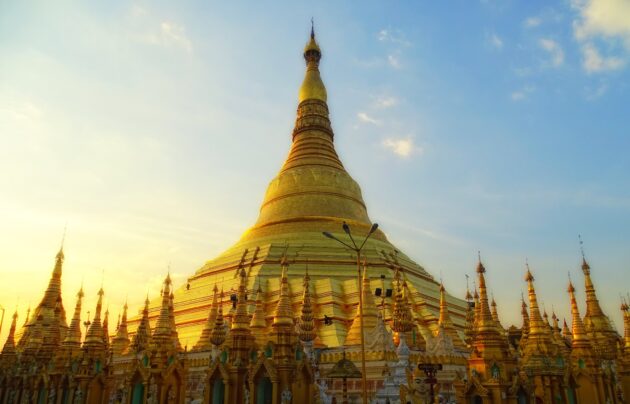
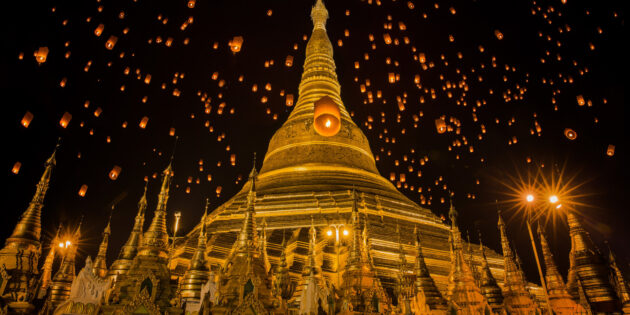
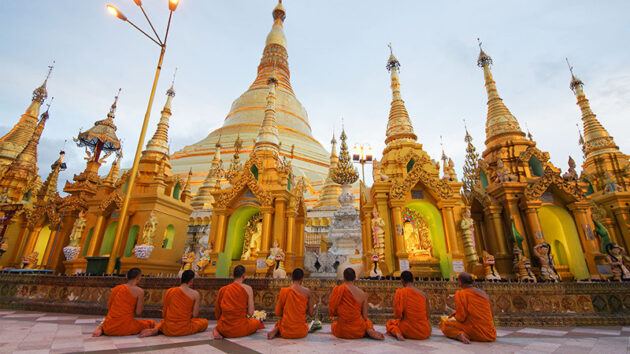
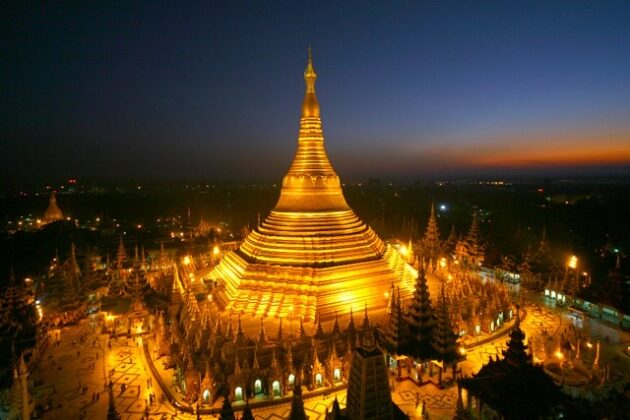
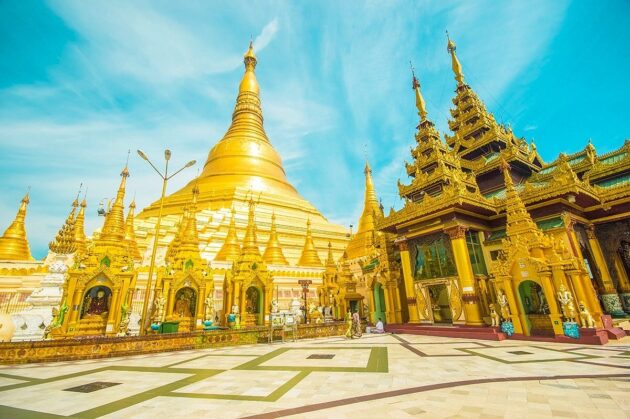
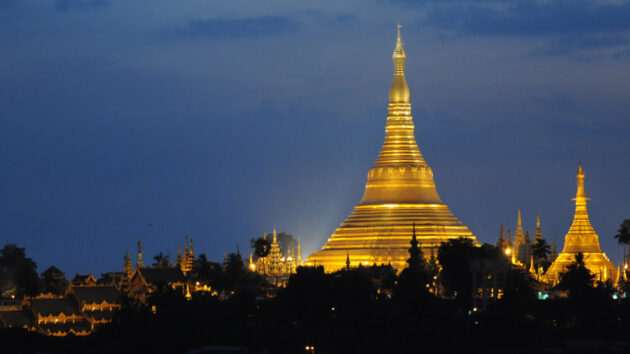
Shwedagon Pagoda (also known as the Golden Pagoda or Great Dagon Pagoda) is Myanmar’s most sacred Buddhist site and a dazzling landmark dominating Yangon’s skyline. Perched atop Singuttara Hill in the Dagon Township, this gilded stupa is believed to enshrine relics of four previous Buddhas, including eight strands of hair from Gautama Buddha himself.
Colonial Downtown
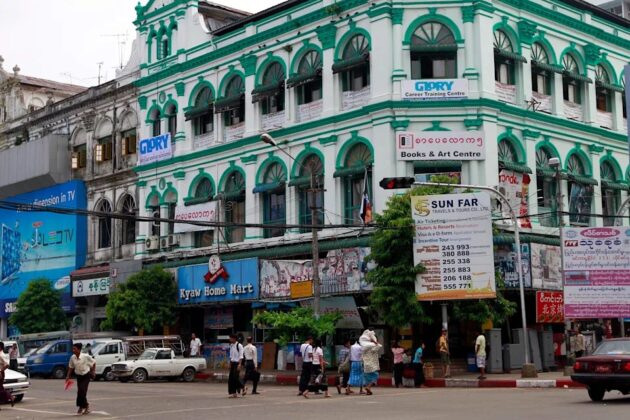
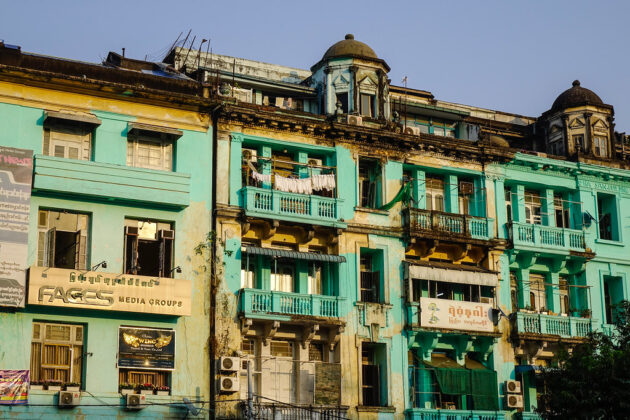
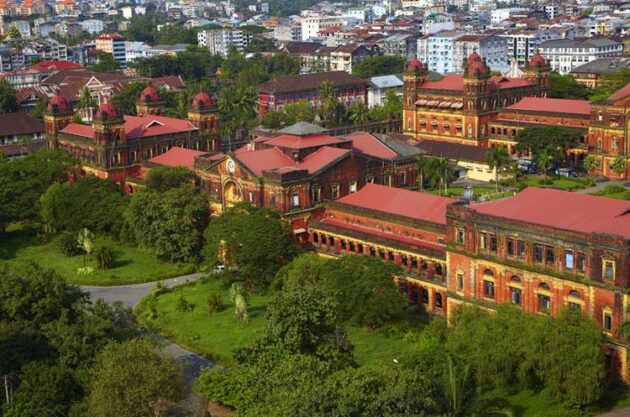
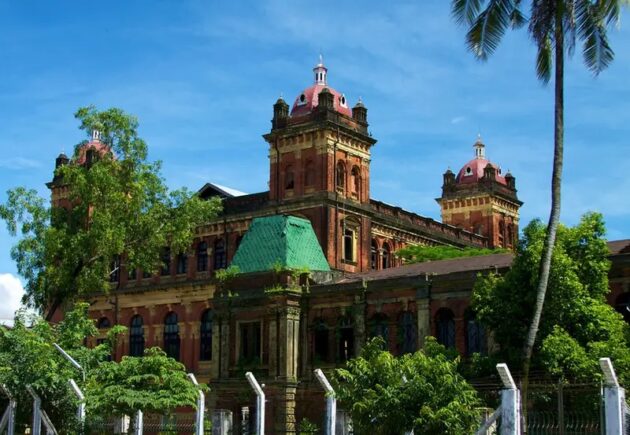
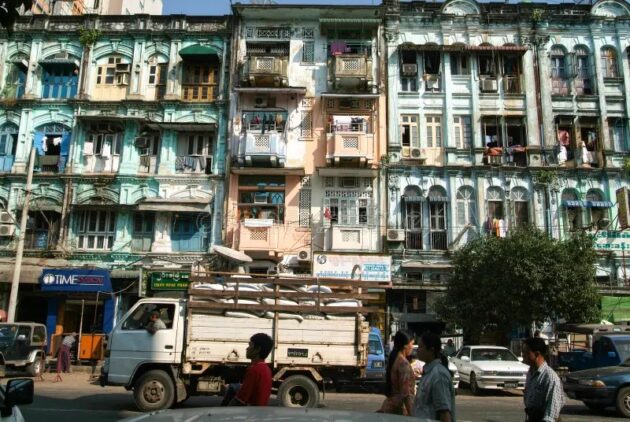
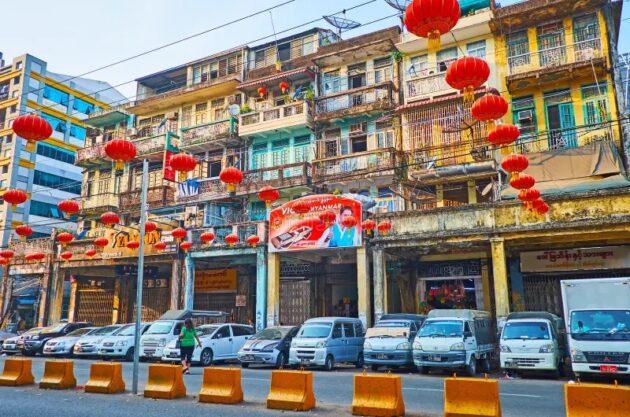
Colonial Downtown, Yangon, Myanmar, is a captivating historic district characterized by a remarkable collection of 19th and early 20th-century colonial-era architecture, featuring buildings such as the former Secretariat, Strand Hotel, and various government offices that reflect British, Indian, and European influences. Despite decades of neglect, this area retains a hauntingly beautiful, time-worn charm with its grand neoclassical, Victorian, and art deco facades lining bustling streets filled with local markets, street vendors, and everyday Burmese life.
Bogyoke Aung San Market (Scott Market)
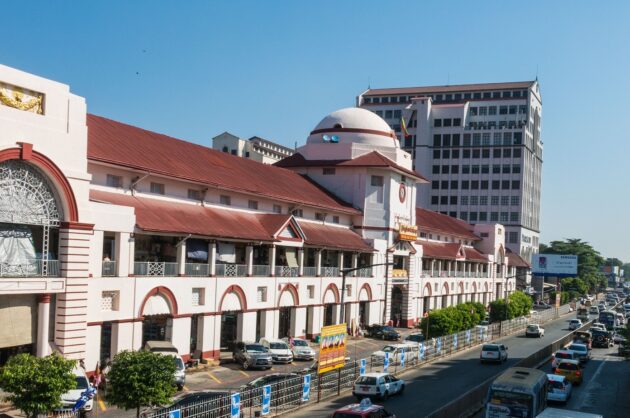
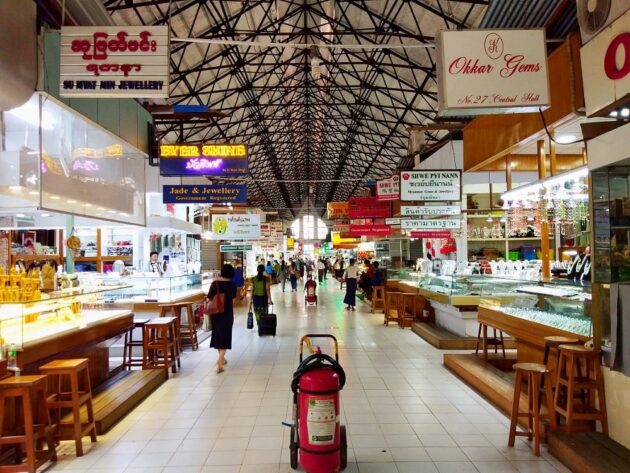
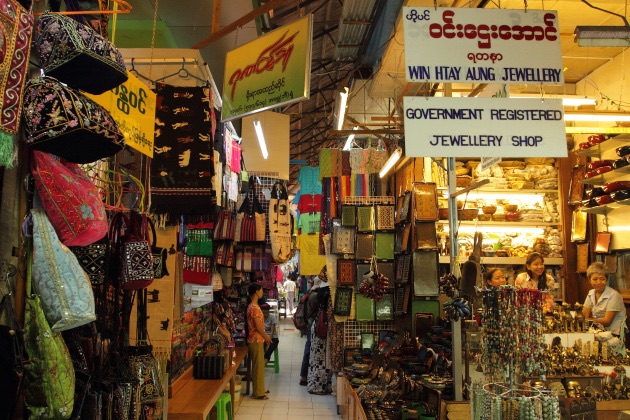
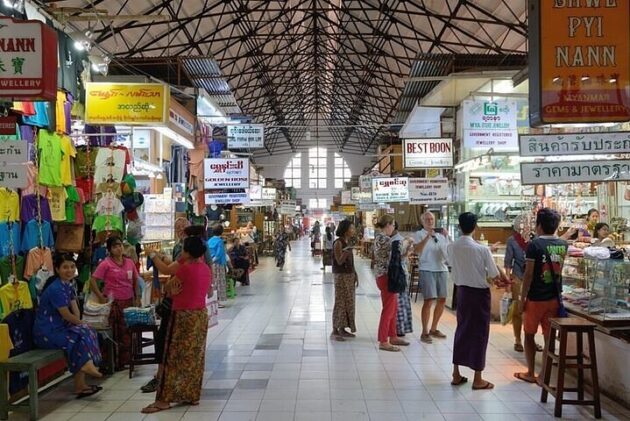
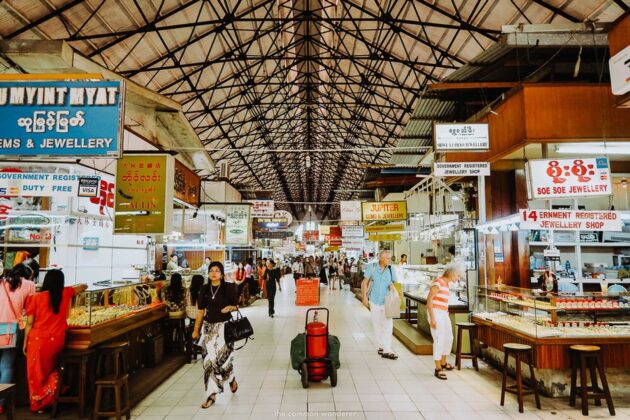
Bogyoke Aung San Market, located in the heart of Yangon, Myanmar, is a bustling and historic landmark dating back to 1926. Also known as Scott’s Market, this sprawling complex is a paradise for shoppers and culture enthusiasts, offering an extensive array of traditional Burmese handicrafts, jewelry, antiques, textiles, art, and souvenirs. Housed under a distinctive domed roof with a grid-like layout, the market is not only a vibrant commercial hub but also a glimpse into the country’s colonial-era architecture and local daily life, making it a must-visit destination for both tourists and locals alike.
Kandawgyi Lake
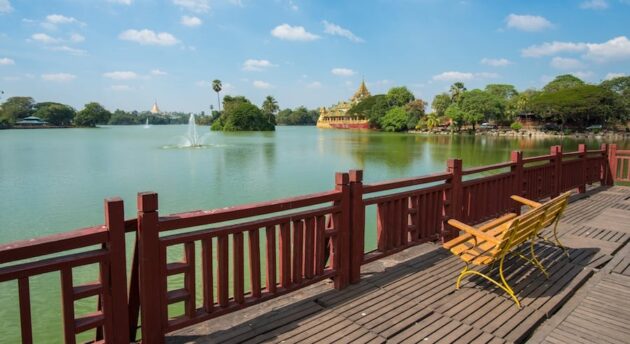
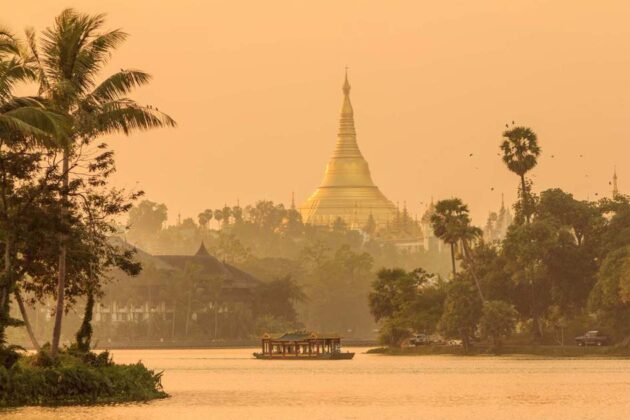
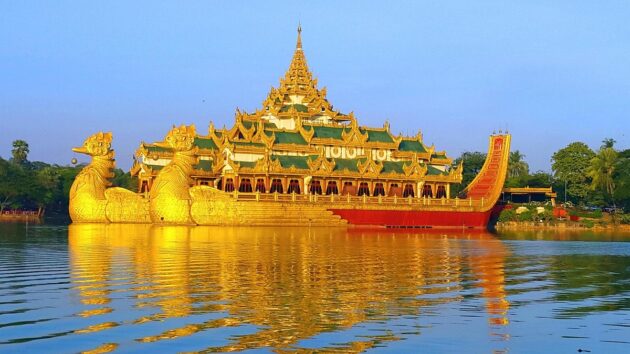
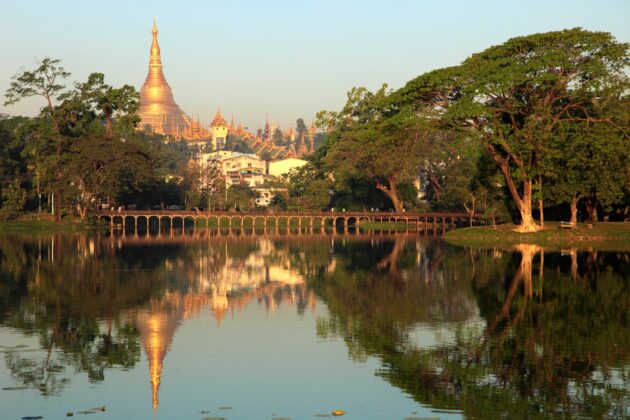
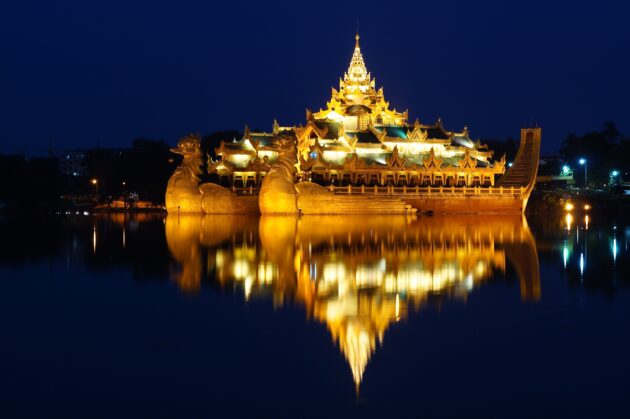
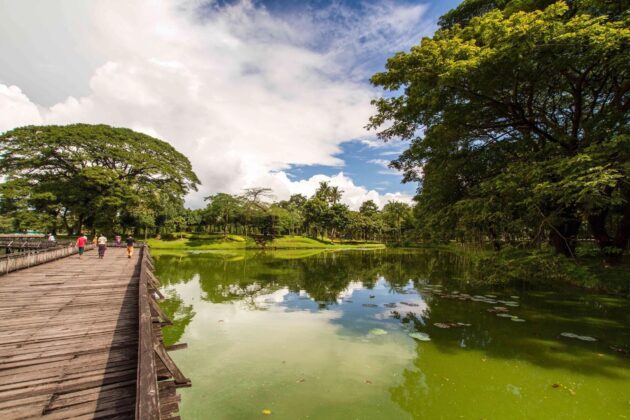
Kandawgyi Lake, located in Yangon, Myanmar, is a serene artificial lake known for its picturesque setting and iconic landmark, the Karaweik Palace—a dazzling replica of a royal barge shaped like the mythical bird, Karaweik. Surrounded by lush greenery and providing stunning reflections of the Shwedagon Pagoda, especially at sunset, the lake offers a peaceful escape from the bustling city.
Chaukhtatgyi Buddha Temple
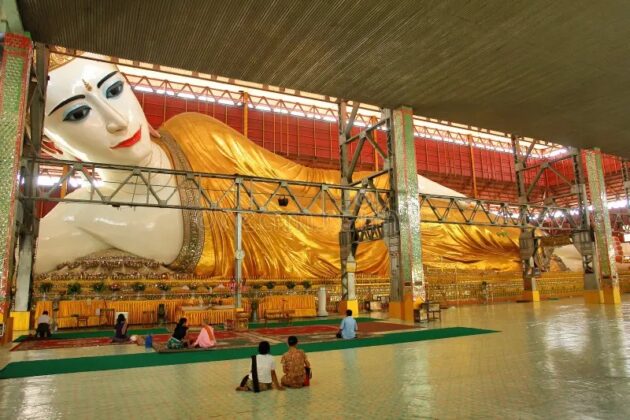
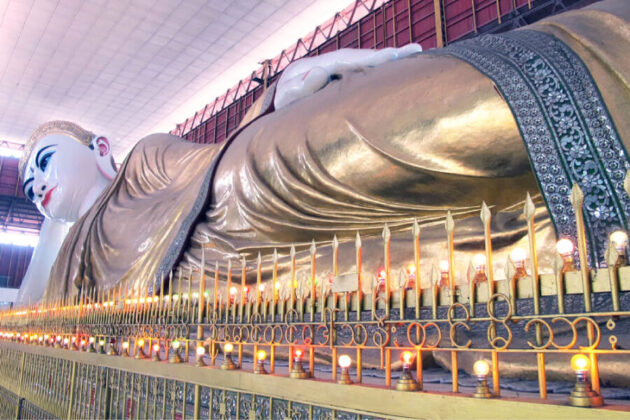
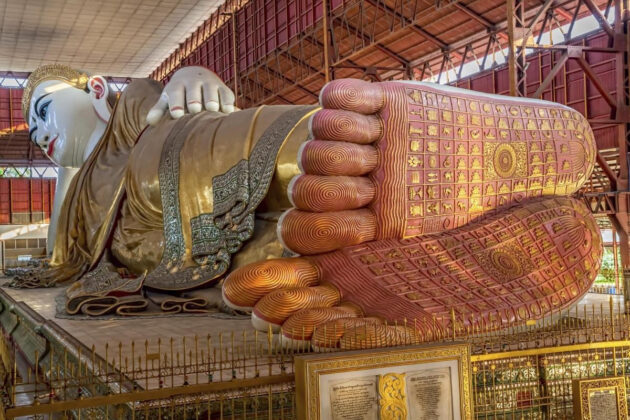
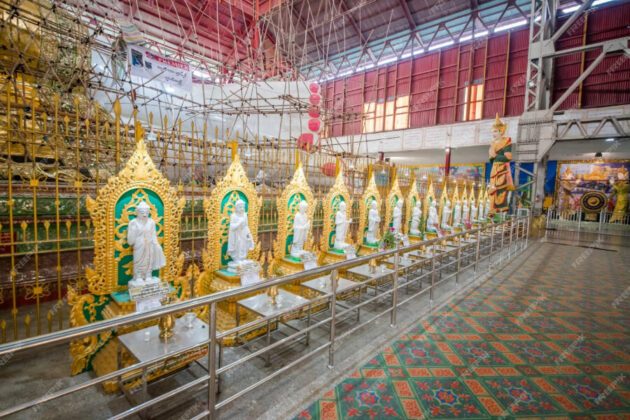
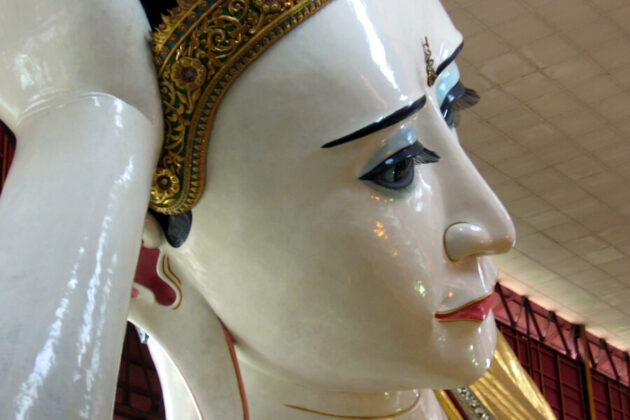
The Chaukhtatgyi Buddha Temple in Yangon, Myanmar, is best known for its stunning 66-meter-long reclining Buddha statue, one of the largest and most revered in the country. Unlike many other reclining Buddha images, this one features a uniquely serene expression with glass eyes and elaborately painted toenails, each bearing symbolic carvings representing the 108 auspicious marks of the enlightened Buddha.
Chinatown and Street Food
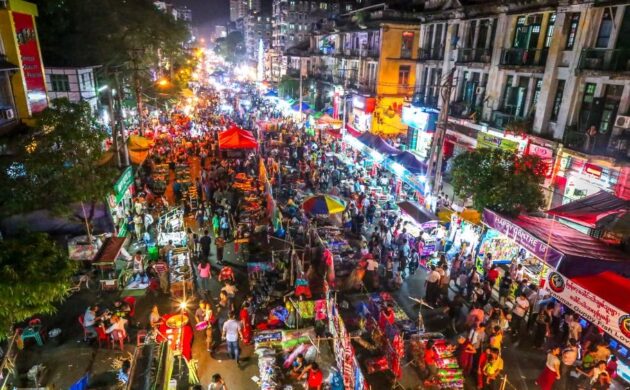
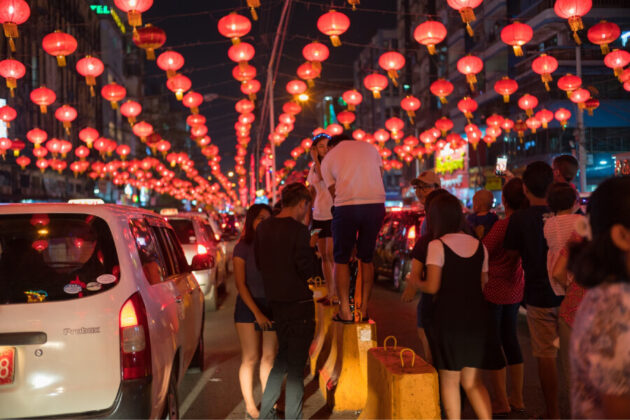
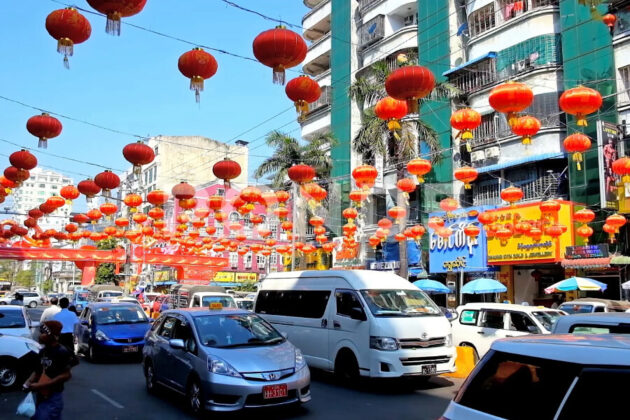
Vibrant area for fresh markets, tea shops, and evening grills on 19th Street. Try mohinga (fish noodle soup), tea leaf salad, or grilled snacks. Yangon’s food scene mixes Burmese, Indian, and Chinese influences—eat at street stalls or tea houses for authentic, affordable meals.
Where to Stay
Downtown/Colonial Area: Convenient for Sule Pagoda and walking—mix of budget guesthouses and heritage hotels like The Strand.
Near Shwedagon or Kandawgyi: Quieter, greener options with lake views.
Luxury: Lotte Hotel or similar; mid-range and budget plentiful. Book registered accommodations.
Final Thoughts
Yangon rewards slow exploration—wander, people-watch in tea shops, and soak in the spiritual energy of its pagodas. If traveling onward, common routes include buses/flights to Bagan (temples) or Mandalay.