Nepal Travel Guide (2026)
Nepal, home to eight of the world’s 14 highest mountains including Mount Everest, blends breathtaking Himalayan scenery, rich cultural heritage, ancient temples, and diverse landscapes from subtropical jungles to alpine peaks. It’s a premier destination for trekking, wildlife safaris, spiritual exploration, and adventure. The “Visit Nepal 2026” campaign highlights improved infrastructure, sustainable tourism, and restored heritage sites, making it an exciting time to visit.
Best Time to Visit
Autumn (September–November): Often considered the best overall, with clear skies, mild temperatures, excellent mountain views, and ideal trekking conditions. Peak tourist season, so book ahead.
Spring (March–May): Great for trekking with blooming rhododendrons, pleasant weather, and good visibility (though dustier skies later in the season).
Winter (December–February): Cooler and drier, with fewer crowds; suitable for lower-altitude activities but cold at higher elevations.
Monsoon/Summer (June–August): Heavy rains make trekking slippery and views obscured, though it’s greener and less crowded; better for cultural sites in the Kathmandu Valley.
For high-altitude treks like Everest Base Camp or Annapurna, aim for October–November or March–April. Weather in Kathmandu is milder year-round, while mountain areas vary dramatically by altitude.
Visa and Entry Requirements
Most nationalities, including US citizens, can obtain a Tourist Visa on Arrival at Tribhuvan International Airport (Kathmandu) or land borders. Exceptions include citizens of certain countries (e.g., Nigeria, Ghana, Afghanistan) who must apply in advance at a Nepali embassy.
Requirements: Passport valid for at least 6 months with at least one blank page; recent passport photo; visa fee paid in cash (USD or other major currencies accepted).
Durations and Fees (approximate; confirm on arrival): 15 days (~$30), 30 days (~$50), 90 days (~$125). Multiple-entry options available.
US Citizens: Eligible for visa on arrival; children under 10 (except US citizens in some cases) may qualify for gratis (free) visas.
Indian citizens do not need a visa.
No COVID-related quarantine or testing requirements as of 2026; the situation has normalized.
Always check the official Nepal Immigration website or your government’s travel advisory for the latest details before travel.
Top Destinations and Attractions
Kathmandu
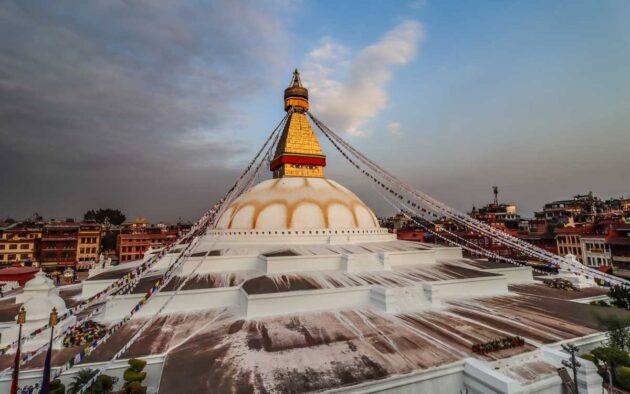
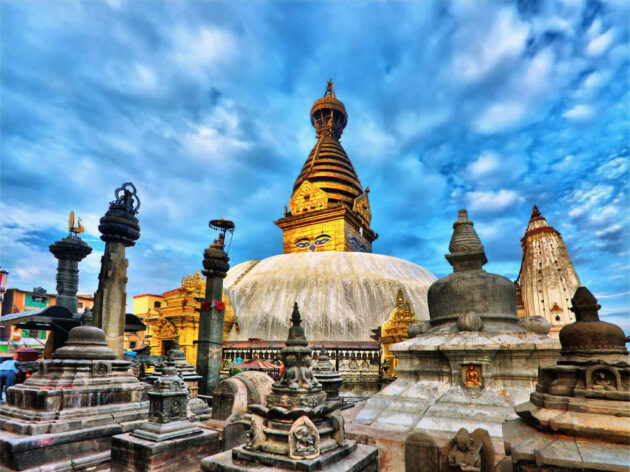
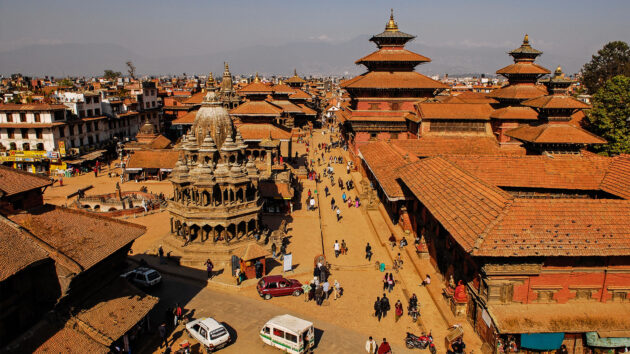
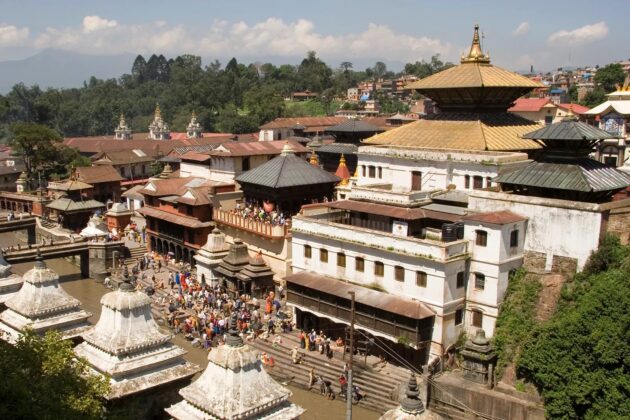
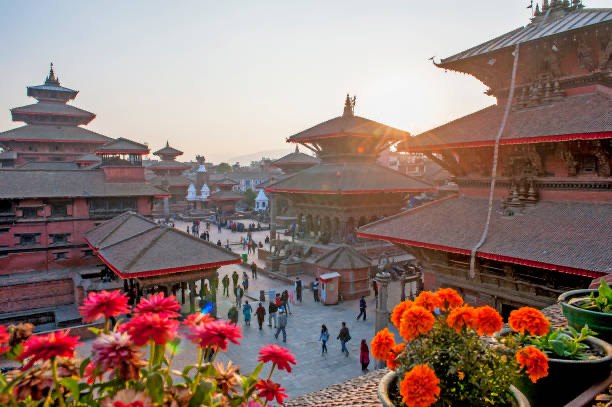
Kathmandu, Nepal’s vibrant capital nestled in the Kathmandu Valley at about 1,400 meters (4,600 feet) elevation, blends ancient temples, bustling markets, and Himalayan views with a lively mix of Hindu and Buddhist traditions. It’s a sensory-rich gateway to Nepal—think chaotic streets, prayer flags, incense, and the backdrop of snow-capped peaks on clear days. The valley holds seven UNESCO World Heritage Sites, making it a cultural powerhouse despite challenges like traffic, pollution, and occasional seismic risks (noting the 2015 earthquake’s lingering reconstruction).
Best Treks in Nepal
Everest Base Camp
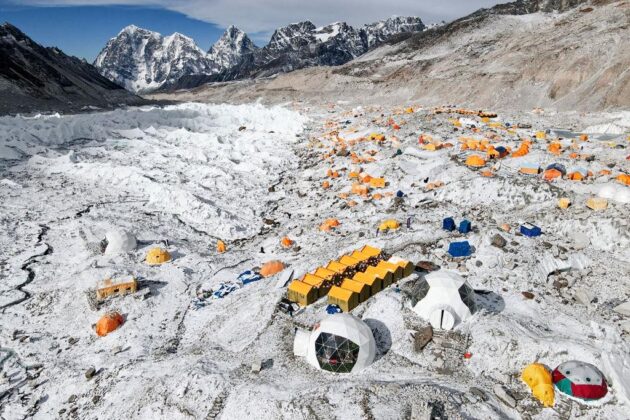
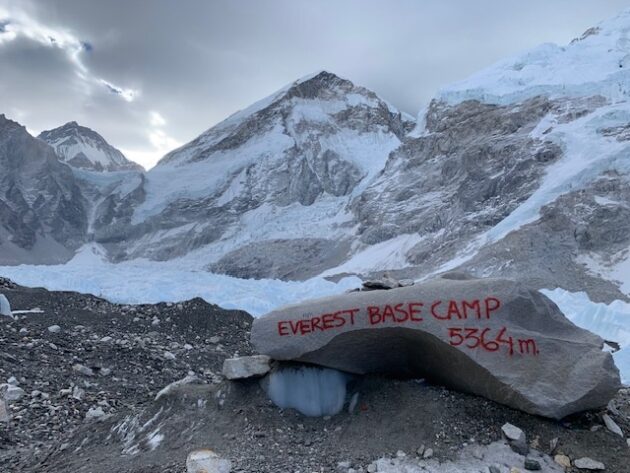
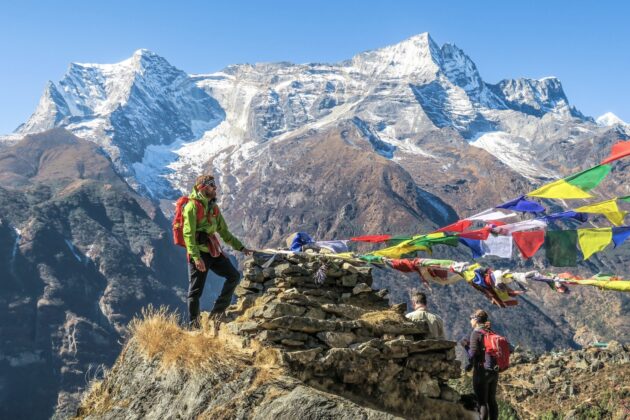
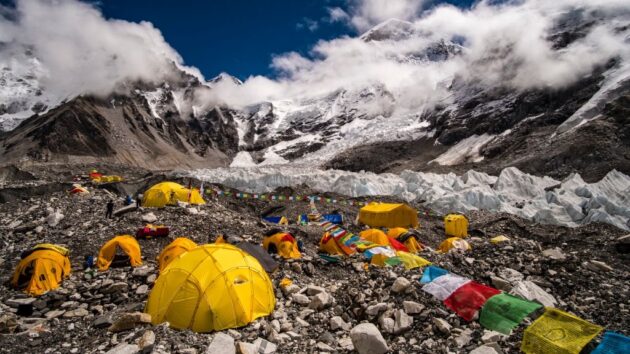
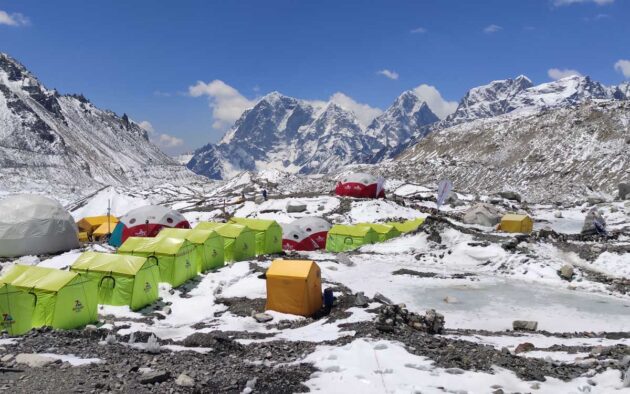
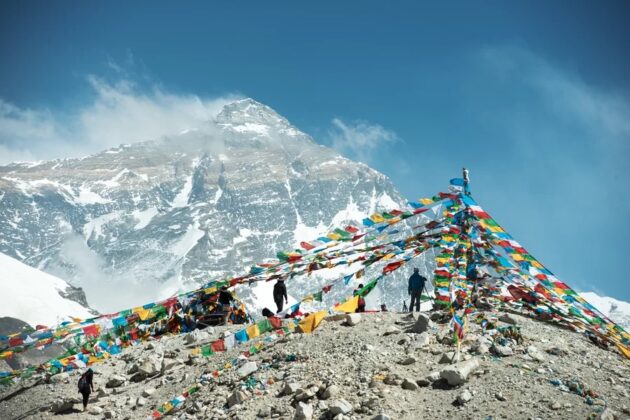
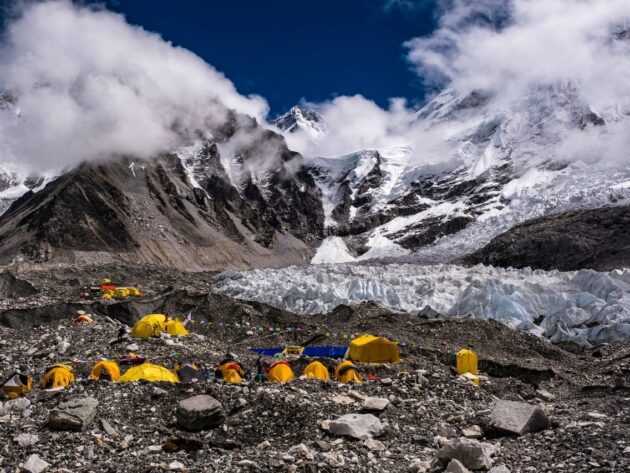
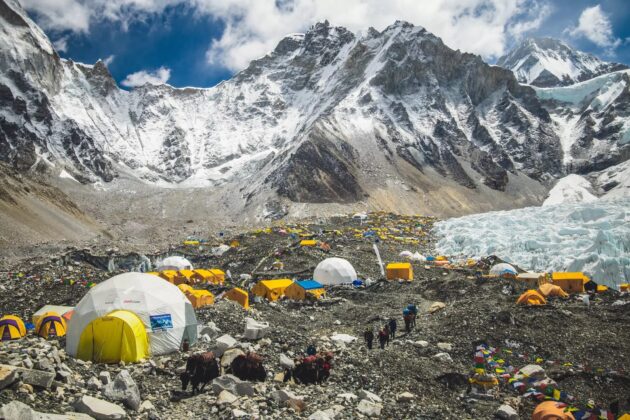
This iconic adventure takes you to the base of the world’s highest mountain (Mount Everest, 8,849 m / 29,032 ft), offering stunning Himalayan views, Sherpa culture, and high-altitude challenges. The trek itself reaches about 5,364 m (17,598 ft) at EBC, with the best viewpoints often at Kala Patthar (5,545 m / 18,192 ft).
Annapurna Base Camp
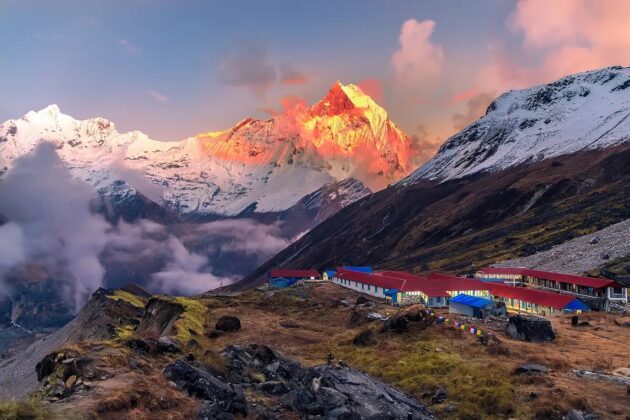
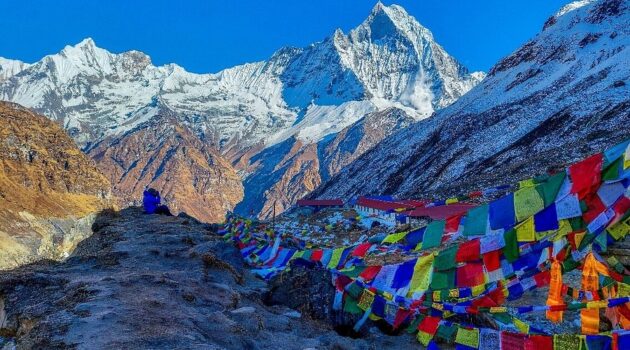
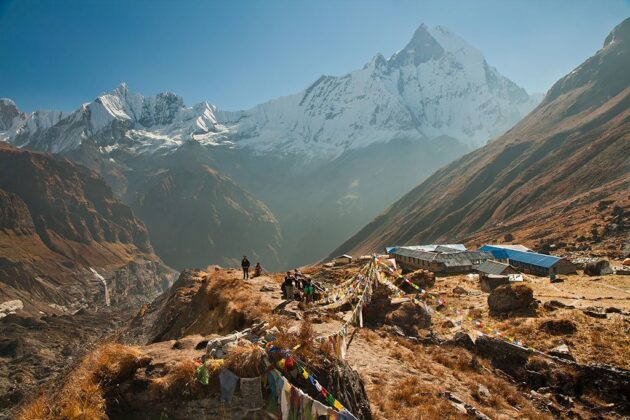
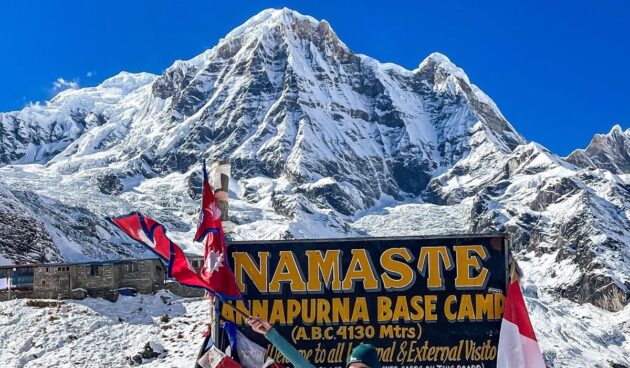
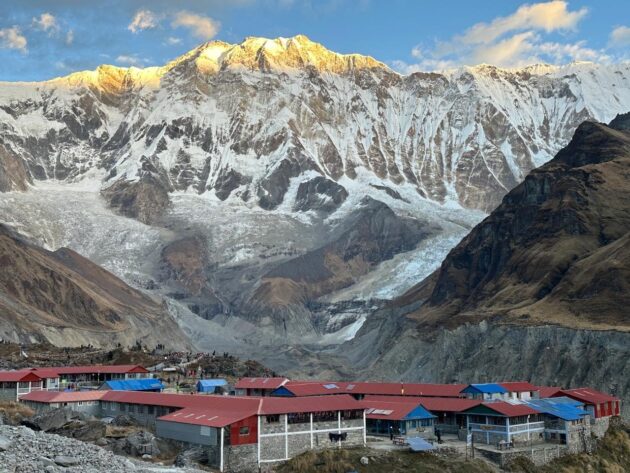
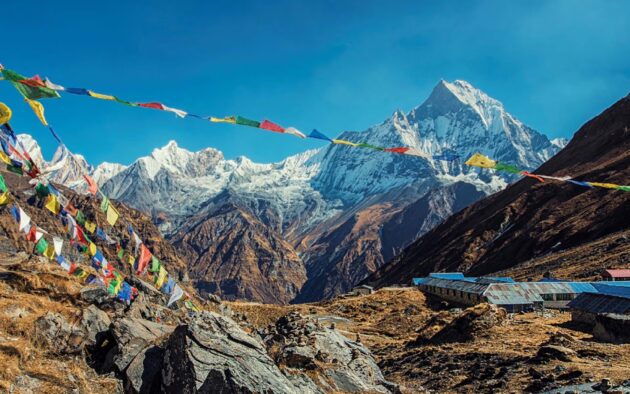
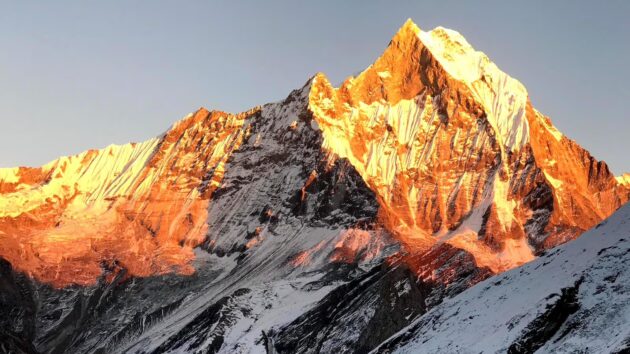
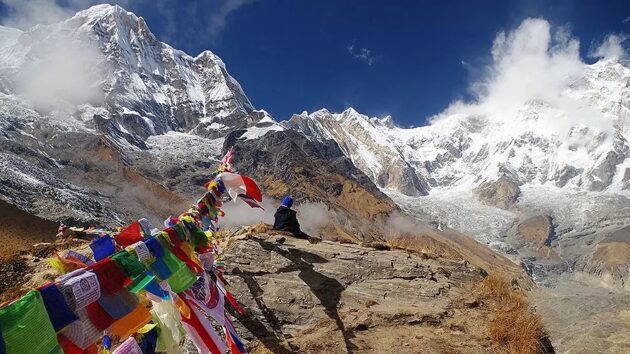
Annapurna Base Camp (ABC) Trek, also known as the Annapurna Sanctuary Trek, is one of Nepal’s most popular and rewarding hikes. It takes you deep into the heart of the Annapurna mountain range in the Annapurna Conservation Area, ending at a dramatic amphitheater surrounded by towering peaks like Annapurna I (8,091 m / 26,545 ft), Machapuchare (Fishtail), and others.
Practical Tips
Getting Around: Fly into Kathmandu (TIA). Domestic flights to Pokhara, Lukla, etc., are common but weather-dependent. Tourist buses or private transfers for roads (winding and sometimes rough—prepare for motion sickness). Taxis/rideshares in cities; negotiate fares.
Transportation Safety: Roads can be challenging; use reputable operators. Avoid night buses if possible.
Health and Safety: Nepal is generally safe for tourists, though exercise increased caution due to occasional civil unrest (current US advisory: Level 2). Avoid large crowds during protests. Petty theft occurs in tourist areas—use a money belt. Medical facilities are limited outside Kathmandu/Pokhara; get comprehensive travel insurance with medical evacuation. Key risks: altitude sickness (ascend slowly), traveler’s diarrhea (drink bottled/purified water), mosquito-borne illnesses in lowlands. Vaccinations recommended (hepatitis A, typhoid, etc.); consult a travel clinic. No yellow fever requirement from the US.
Currency and Costs: Nepali Rupee (NPR). ATMs available in cities. Nepal is budget-friendly:
Budget traveler: $20–40/day (hostels, local food like dal bhat ~$3–5, public transport).
Mid-range: $40–80/day (comfortable hotels, guided activities).
Trekking: $25–80+/day depending on guided vs. independent, luxury level.
International flights from the US: ~$900–1,200 round-trip.
Food: Try momos (dumplings), dal bhat (national staple with unlimited refills), thukpa, or Newari cuisine. Vegetarian options abundant. Street food is tasty but choose busy stalls for safety.
Culture and Etiquette: Respect religious sites (remove shoes, dress modestly, no leather inside temples). Tipping is appreciated for guides/porters. English is widely spoken in tourist areas; Nepali is the main language.
Packing Essentials: Layers for variable temperatures, sturdy hiking boots, rain gear (even in dry seasons), headlamp, reusable water bottle with purifier, sunscreen, and altitude meds if trekking high. Power outlets are Type C/D/M; bring adapters.
Final Thoughts
Nepal rewards those who embrace its mix of chaos and serenity. Prepare for altitude and roads, stay flexible with weather, and you’ll have an unforgettable experience amid the world’s tallest peaks and warmest hospitality. Safe travels! If you have specific interests (e.g., budget, trek length, or group size), provide more details for tailored advice.