
Patan Durbar Square Travel Guide (2026)
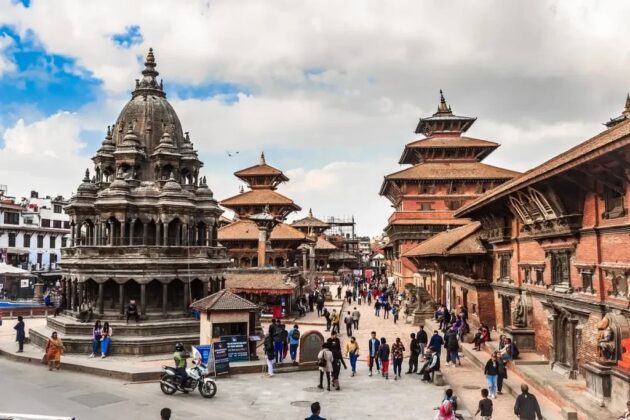
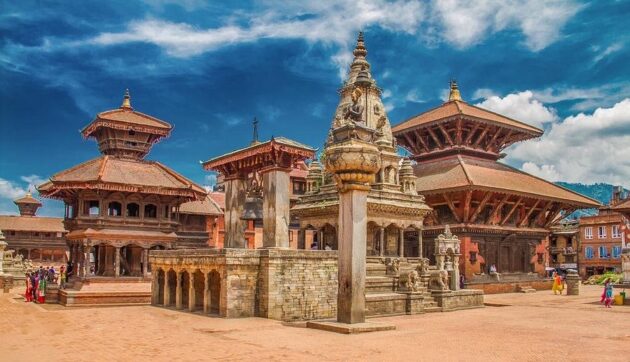
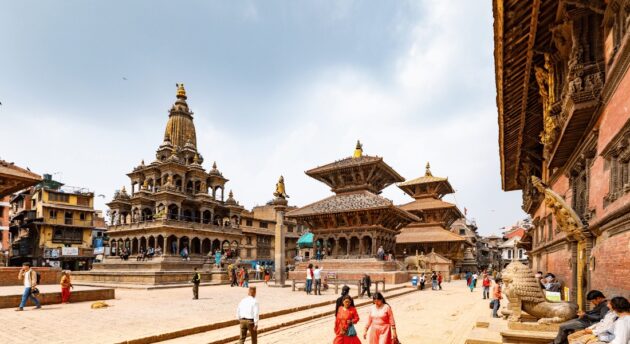
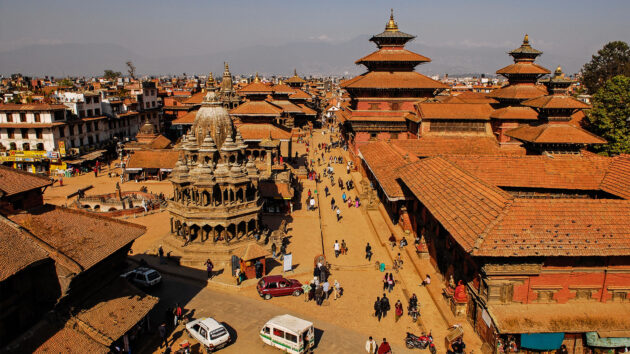
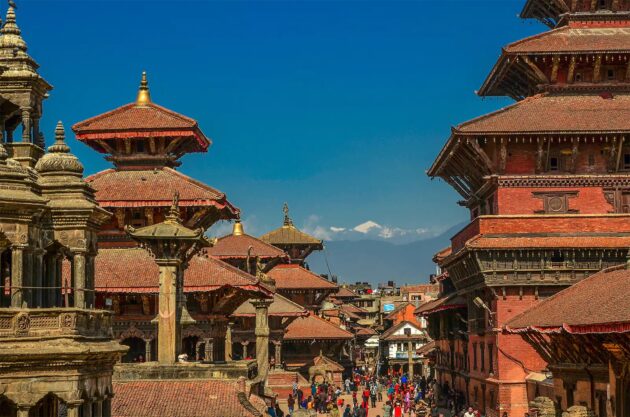
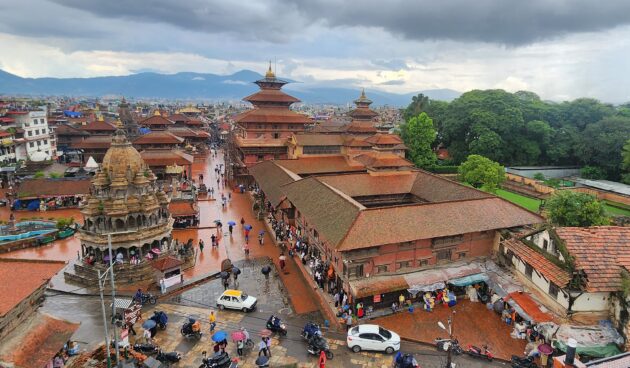
Patan Durbar Square (also known as Lalitpur Durbar Square) is one of the three royal palace squares in Nepal’s Kathmandu Valley and a UNESCO World Heritage Site (inscribed in 1979 as part of the Kathmandu Valley listing). Located in the heart of Lalitpur (Patan), about 5-6 km south of central Kathmandu (e.g., Thamel), it stands out for its refined Newari architecture, harmonious blend of Hindu and Buddhist monuments, and reputation as Nepal’s “City of Fine Arts.” Many consider it the most beautiful and artistically rich of the valley’s Durbar Squares.
The square features a dense concentration of temples, palaces, courtyards (chowks), and intricate carvings dating primarily from the Malla period (14th–18th centuries), with some elements even older. It remains a living cultural space where locals perform daily rituals amid stunning medieval structures.
History and Significance
Patan is one of Nepal’s oldest cities, with roots traced to the 3rd century BC (Kirat period) and significant development under the Lichhavi and Malla dynasties. The square served as the royal palace complex until Nepal’s unification in 1768. It showcases exceptional Newari craftsmanship in wood, stone, and metal, reflecting a deep synthesis of Hindu and Buddhist traditions.
The 2015 earthquake caused notable damage, but extensive restoration efforts (led by groups like the Kathmandu Valley Preservation Trust and the Department of Archaeology) have largely restored key monuments using traditional techniques and materials. Now, the square is in excellent condition, with most structures fully accessible and ongoing work minimal.
How to Get There
From Thamel (Kathmandu): ~20–40 minutes by taxi (traffic-dependent; ~6–7 km). Use ride-hailing apps like Pathao or InDrive for convenience, or negotiate a fixed rate.
Other options: Local bus from Ratna Park or walking (possible but not recommended in heat/traffic). Taxis are the most reliable and common choice for visitors.
Entry Fees and Practical Info
Foreigners: NPR 1,000 (includes access to Patan Museum). SAARC/BIMSTEC nationals: NPR 250. Nepali citizens: Free. Keep your ticket; it can often be validated for multiple days with passport/visa.
Opening: Generally dawn to dusk (square is open daily); museum hours may vary (check locally, e.g., closed Tuesdays or half-days on Mondays in some cases).
Best time to visit: Early morning (7–10 AM) for soft light, fewer crowds, and photography; late afternoon (4–7 PM) for vibrant atmosphere. Avoid peak midday heat. Spring (Mar–May) and autumn offer pleasant weather.
Duration: 2–4 hours for the square; add time for the museum and nearby alleys.
Tips: Wear comfortable shoes (brick/paved surfaces). Respect religious sites—no shoes inside certain temples. Watch for pickpockets in crowded areas. Entry fees support conservation.
Top Attractions
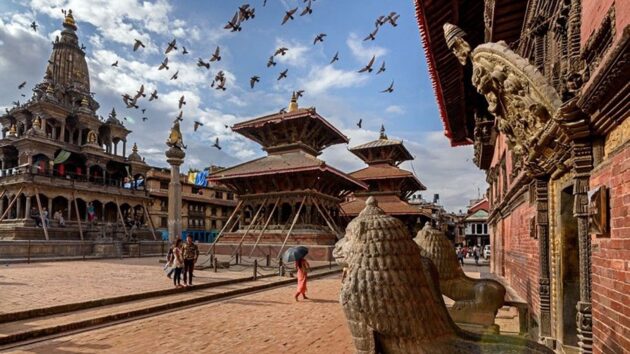
Krishna Mandir: The iconic stone temple (built 1637) with 21 gilded spires/shikharas. It’s a masterpiece of carved stone depicting scenes from the Mahabharata and Ramayana.
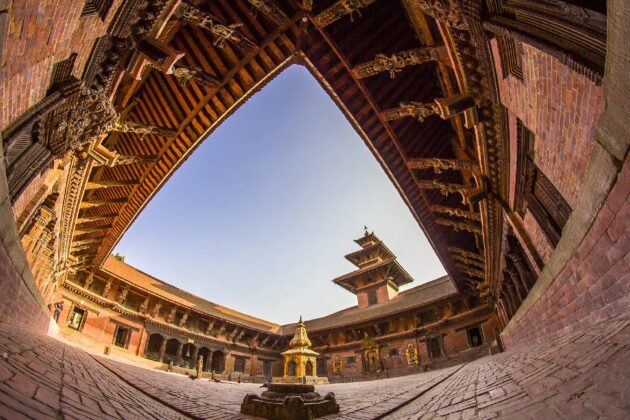
Royal Palace and Chowks: Includes Mul Chowk, Keshav Narayan Chowk, and Sundari Chowk (with its beautiful sunken step-well). The palace complex houses the Patan Museum, featuring exquisite bronze, wood, and stone artifacts in a restored historic setting—highly recommended and included with square entry.
Hiranya Varna Mahavihar (Golden Temple): A short walk north of the square; a stunning Buddhist monastery with gilded roofs, intricate carvings, and a peaceful courtyard (often called the “Golden Temple”).
Other highlights: Bhimsen Temple, Vishwanath Temple, Taleju Bell, stone and wood carvings throughout, and surrounding bahals (courtyards). The square has over 50 major temples/monuments in a compact area.
Nearby Attractions and Experiences
Patan rewards wandering its narrow alleys, which are filled with hidden temples, artisan workshops (metalwork, woodcarving, thangka painting), and traditional Newari houses. Don’t miss:
Exploring more of Lalitpur’s 1,200+ Buddhist monuments.
Nearby sites like the Mahabouddha Temple (a miniature replica of Bodh Gaya) or Jawalakhel for Tibetan refugee handicrafts.
Food and Stay
Restaurants nearby: Try Newari and Nepali cuisine at spots like Yala Garden Cafe, Cafe Swotha, or Cafe de Patan. Options range from casual rooftop views to traditional thali meals.
Accommodation: Boutique heritage hotels and guesthouses near the square (e.g., Traditional Stay, Hotel Timila, or properties in the historic buildings) offer immersive stays. For luxury, look slightly farther like Hotel Himalaya. Many visitors base in Thamel but spend a full day (or overnight) in Patan for a quieter vibe.
Visitor Tips
Hire a licensed local guide near the ticket office for deeper insights into carvings and history (~NPR 1,500–2,000 for 1–2 hours).
Combine with Kathmandu Durbar Square and Bhaktapur for a full valley heritage day (private tours available).
The area is lively but respectful—photograph freely in public spaces, but be mindful inside active temples.
Patan feels less touristy than Kathmandu’s Durbar Square, with a more intimate, artistic atmosphere.
Final Thoughts
Patan Durbar Square is a highlight of any Nepal trip, offering a perfect mix of history, art, spirituality, and living culture. Plan at least half a day, and consider returning for different lighting or festivals. Safe travels!