
Boudhanath Stupa Travel Guide (2026)
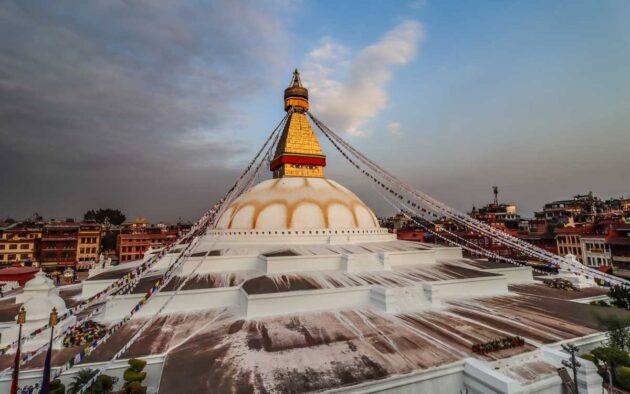
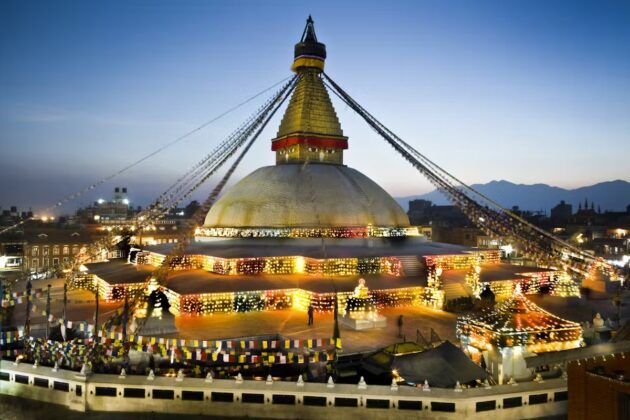
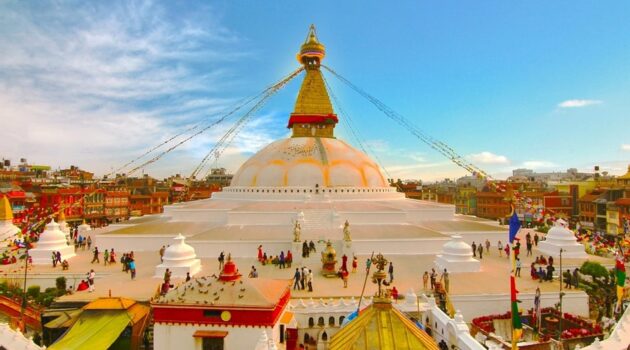
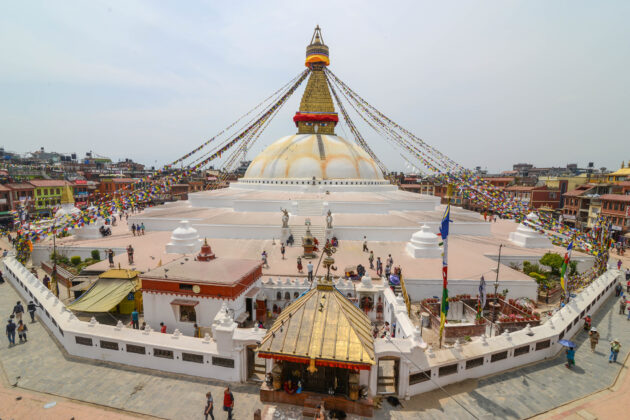
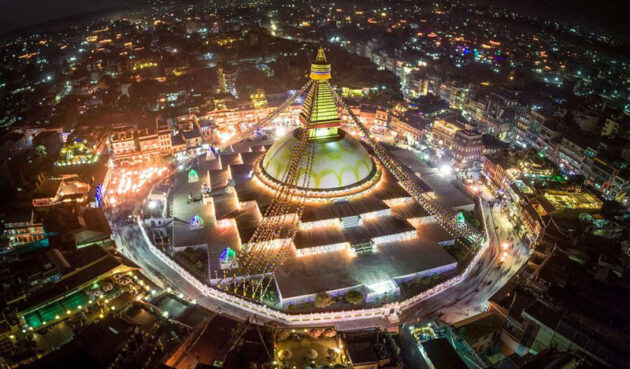
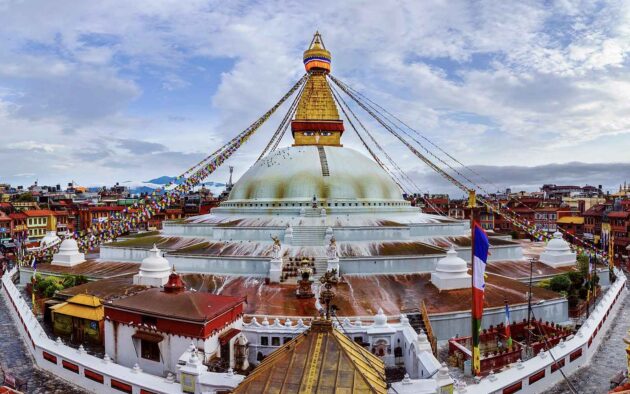
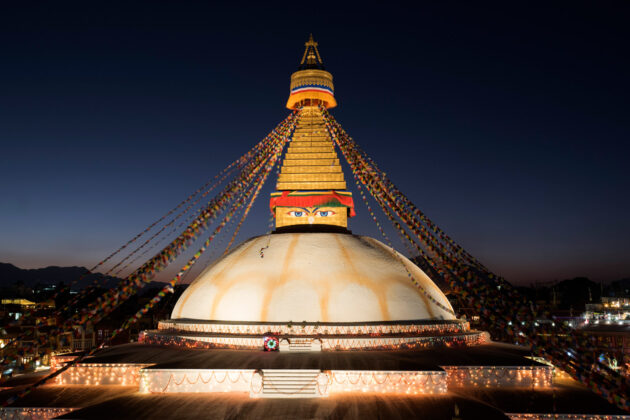
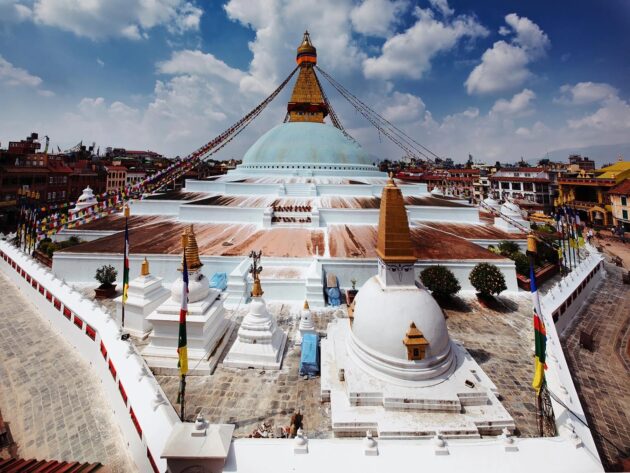
Boudhanath Stupa (also known as Boudha Stupa or Khasti Chaitya) is one of the largest spherical stupas in the world and a major center of Tibetan Buddhism outside Tibet. This UNESCO World Heritage Site stands about 36 meters (118 feet) tall, with a massive white dome shaped like a mandala, topped by a golden spire and the iconic “all-seeing eyes” of the Buddha painted on the harmika (cube section).
The stupa is located in the Boudha neighborhood, roughly 6–11 km northeast of central Kathmandu (about 20–30 minutes by taxi from Thamel, depending on traffic). It serves as a vibrant hub for Tibetan refugees, monks, pilgrims, and travelers.
History and Significance
Legend says an elderly woman (sometimes named Jadzima or Samvari) and her four sons built the stupa after receiving permission from the king (the Tibetan name “Jarung Kashor” means “permission granted” or “it slipped from the mouth”). It is believed to house relics of Kassapa Buddha (a previous Buddha) and other sacred items. Historians date the structure to around the 5th or 14th century, with major renovations after the 2015 earthquake.
As a key pilgrimage site on the ancient Tibet-Nepal trade route, it embodies the enlightened mind of the Buddhas and symbolizes peace, compassion, and the universe. It became central to Tibetan Buddhism after the 1959 influx of Tibetan refugees, who established numerous monasteries (gompas) nearby—over 50 today.
What to See and Do
Circumambulation (Kora): Walk clockwise around the stupa’s base (the large mandala platform) while spinning the hundreds of prayer wheels. This is the main activity for pilgrims and visitors—do it multiple times for a meditative experience. Many locals and monks do this daily, especially early morning or evening.
Prayer Wheels and Flags: Watch (or join) devotees spinning large wheels and colorful prayer flags fluttering from the spire.
Monasteries and Gompas: Explore nearby Tibetan monasteries like Shechen Gompa for architecture, murals, and occasional ceremonies.
Rooftop Views: Climb to one of the surrounding rooftop cafes or terraces for panoramic views of the stupa and the bustling scene below.
People-Watching and Atmosphere: Observe monks in maroon robes, elderly Tibetans with prayer beads, and the lively yet serene energy. It’s especially magical at dawn (peaceful rituals) or dusk (butter lamps lit, golden light).
Practical Info for Visitors
Entry Fee: Approximately NPR 400 for foreign tourists, NPR 100 for SAARC/Indian visitors, and free (or nominal) for Nepalis and children under 10. Tickets are usually purchased at the entrance gates. Fees support maintenance.
Opening Hours: The stupa area is accessible from around 5:00 AM to 9:00 PM (or effectively 24 hours for the outer areas). The site is open daily, with no strict closing.
Best Time to Visit: Time of day: Early morning (6–8 AM) for serenity and rituals, or late afternoon/evening for golden light, butter lamps, and fewer crowds. Season: Autumn (Sep–Nov) or spring (Mar–May) for clear weather and pleasant temperatures. Avoid monsoon (Jun–Aug) if possible due to rain. Festivals: Losar (Tibetan New Year, often Feb/Mar) or Buddha Jayanti (May) bring vibrant celebrations, thangkas, and extra lamps.
How to Get There
From Tribhuvan International Airport (KTM): Taxi (NPR 800–1200 prepaid or ~NPR 350–500 via apps like Pathao/InDrive), or cheap local buses/microbuses (NPR 20–30, ~45–60 min).
From Thamel (tourist center): Taxi (10–20 min, NPR 300–600) or rideshare apps. Buses are possible but slower.
The area is walkable once you arrive, but traffic can be chaotic—use apps for ease.
Nearby Attractions and Experiences
Combine with Pashupatinath Temple (Hindu site, ~30-min walk or short taxi ride).
Wander the side streets for Tibetan handicrafts, thangka paintings, statues, jewelry, and prayer flags.
Rooftop cafes and restaurants offer great views—popular spots include places like Roadhouse Cafe, Norbulingka, or Garden Kitchen. Try Tibetan/Nepali dishes: momos (dumplings), butter tea, laphing (spicy cold noodles), or yak cheese items.
Tips for a Great Visit
Dress modestly (cover shoulders/knees) out of respect, though it’s less strict than some temples.
Walk clockwise only and avoid pointing feet toward sacred objects.
Bring cash (NPR) for fees, small donations, or street food.
Be respectful of photography—ask before snapping close-ups of people in prayer.
The area can feel touristy but retains strong spiritual energy; spend at least 1–2 hours (or more if joining a kora).
Air quality in Kathmandu can vary; early mornings are often clearer.
For deeper immersion, visit a monastery or join a short meditation session if available.
Final Thoughts
Boudhanath offers a perfect blend of spiritual depth, cultural vibrancy, and photographic beauty. Whether you’re seeking peace, history, or just a memorable Kathmandu experience, it’s a must-visit. Safe travels! If you’re planning a longer trip, consider pairing it with Swayambhunath (Monkey Temple) or a Himalayan trek.