
Swayambhunath Travel Guide (2026)
Swayambhunath, commonly known as the Monkey Temple, is one of Kathmandu’s most iconic landmarks and a UNESCO World Heritage Site. This ancient Buddhist stupa sits atop a hill in the northwest of the Kathmandu Valley, offering panoramic views of the city below. It is a sacred site revered by both Buddhists and Hindus, symbolizing harmony between the two faiths in Nepal.
History and Significance
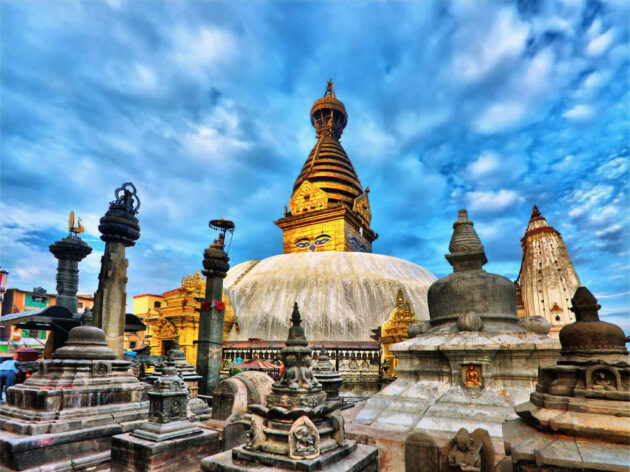
Legend says the Kathmandu Valley was once a lake, and a lotus flower bloomed on its surface. The bodhisattva Manjushri drained the lake, turning the lotus into the hill where the stupa “self-arose” (Swayambhu means “self-existent” or “self-sprung”). The site has been a pilgrimage place for over 2,000 years and is linked to primordial Buddhas. Historical records indicate the stupa was established around the 5th century CE by Licchavi King Vrsadeva (or his grandson Manadeva renovated it). By the 13th century, it became a key center for Tibetan Buddhism. The complex includes the main stupa, monasteries, Hindu temples, shrines, prayer wheels, and statues, blending Buddhist and Hindu elements.
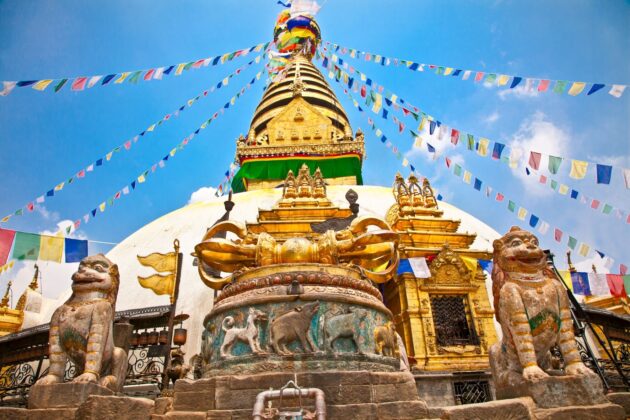
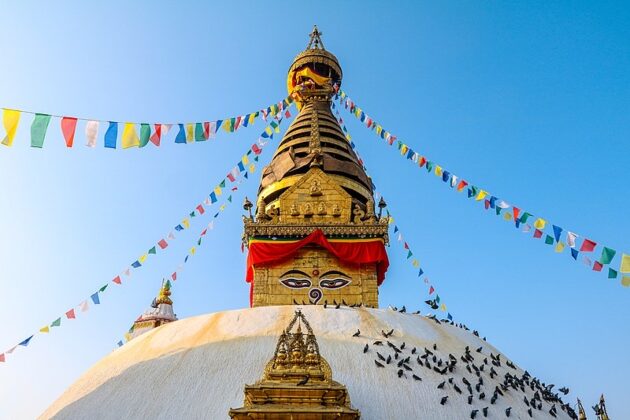
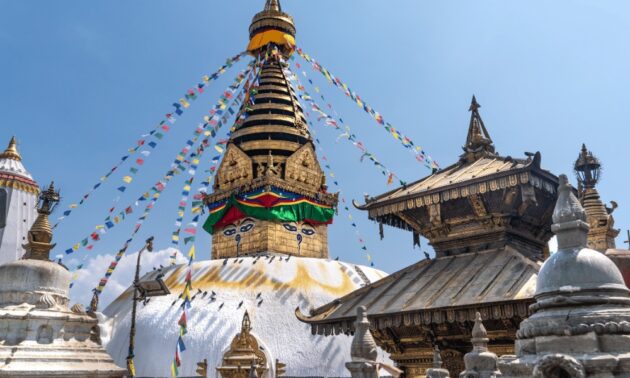
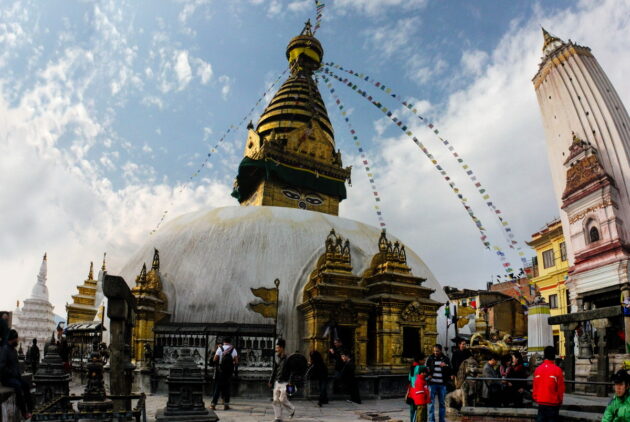
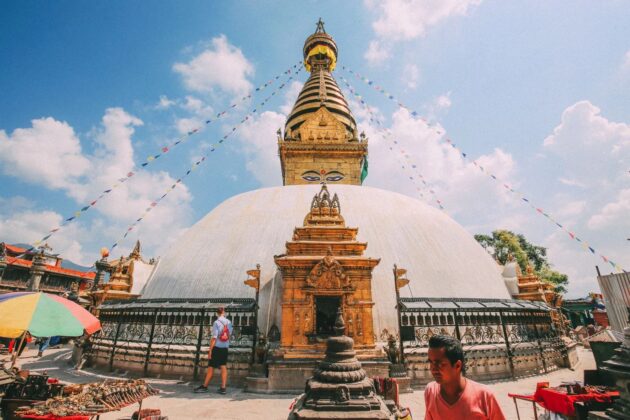
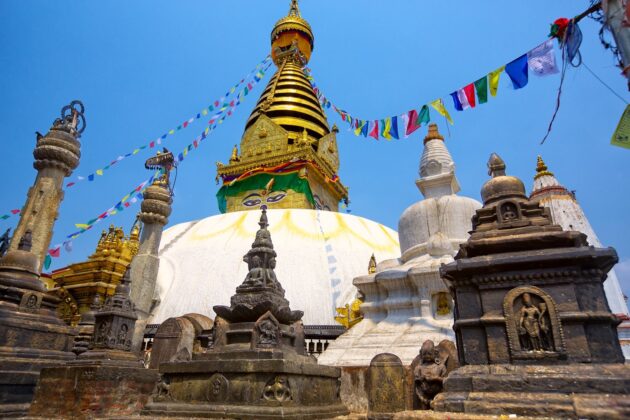
The white dome represents the earth, the gilded spire with Buddha eyes symbolizes wisdom and compassion, and prayer flags flutter in the wind. Monkeys (hence the nickname) roam freely, considered sacred as they relate to the Hindu god Hanuman or local lore.
How to Get There
Swayambhunath is about 3 km (roughly 2 miles) west of central Kathmandu, including the popular tourist area Thamel.
Taxi/Ride-Share: The easiest and quickest option (10–15 minutes depending on traffic). Use apps like Pathao or inDrive, or hail a taxi. Expect NPR 300–500 one way from Thamel; negotiate or arrange a round trip for convenience.
Walking: Possible in 30–45 minutes from Thamel via local streets—enjoyable for experiencing everyday Kathmandu life, but wear comfortable shoes.
Bus: Local buses run nearby (cheap, around NPR 20–30), but less convenient for tourists.
Alternative Access: A paved road allows vehicles to reach near the top on the western side, avoiding the full staircase.
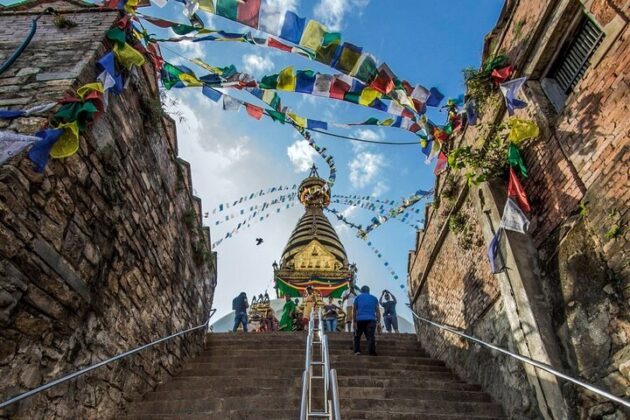
The main eastern entrance features the famous 365 steps (one for each day of the year) leading up the hill. It’s a moderate but steep climb with great views along the way.
Visiting Information
Opening Hours: Open daily from sunrise to sunset (typically around 6 AM to 6 PM), though the site has a spiritual atmosphere around the clock. Some sources note 24/7 access in practice.
Entry Fees: Foreign nationals (non-SAARC): NPR 200 (about USD 1.50). SAARC nationals: NPR 50. Nepali citizens: Free. Children under 10: Usually free. Pay at the ticket counter near the main eastern staircase. Fees support maintenance.
Best Time to Visit: Daytime: Early morning (before 7–9 AM) for fewer crowds, fresh air, monks chanting, and peaceful vibes. Sunrise or sunset offers stunning golden light on the stupa and valley views. Season: October–November (clear skies, pleasant weather) or February–April. Avoid peak monsoon (June–September) for rain and mud on steps. Winters can be cool; summers hot and hazy. Kathmandu Valley air pollution can sometimes obscure distant Himalayan views.
What to See and Do
Climb the steps and circumambulate the stupa clockwise (spin prayer wheels).
Explore monasteries, shrines, Buddha statues, and Hindu temples on the hill.
Watch monkeys (they’re playful but can snatch items).
Enjoy 360° views of Kathmandu Valley.
Observe devotees making offerings, lighting butter lamps, and praying.
Nearby: Natural History Museum (short walk), local markets in areas like Kimdol for souvenirs.
Practical Tips
Monkeys: They are everywhere—do not feed them, keep food/bags secured, and avoid eye contact or sudden movements. They are generally harmless but opportunistic.
Dress Code: Modest clothing—cover shoulders and knees out of respect (scarf or shawl useful). Remove shoes if entering certain shrines.
Footwear: Comfortable walking/hiking shoes for the steps and uneven paths.
Other Essentials: Carry water, sunscreen, hat (sun can be strong), small cash for fees/souvenirs. Avoid bringing visible food.
Safety: Generally safe for tourists during daylight with many visitors. The area quiets at night with poor lighting. Watch for pickpockets in crowded spots; standard Kathmandu precautions apply (e.g., secure valuables). No major recent safety issues specific to the site.
Health/Accessibility: The climb can be tiring at altitude (Kathmandu ~1,400m/4,600 ft); take it slow if you have mobility issues. A vehicle road provides easier access.
Nearby Food and Stay Options
Restaurants near Swayambhunath include local spots like Nirvana Cafe & Restaurant or Garden Terrace for Nepali and international fare with views. For more variety, head back to Thamel (vibrant cafes, momos, dal bhat).
Accommodations: Options range from budget guesthouses to boutique hotels near the site (e.g., Stupa View Inn) or in Thamel (short taxi ride). Many visitors base in Thamel for its central location and amenities.
Combining with Other Sights
Swayambhunath pairs well with a Kathmandu Valley day: visit Boudhanath Stupa, Pashupatinath Temple, or Kathmandu Durbar Square. Guided walking tours from Thamel to Swayambhunath are popular for context.
Final Thoughts
This site captures Nepal’s spiritual essence—vibrant, harmonious, and alive with history and nature. Allow 1–3 hours for a relaxed visit. Enjoy the peaceful chants, fluttering flags, and unforgettable valley panorama! If planning a trip, check current conditions via local sources as weather or minor fees can vary slightly.