
Kathmandu Durbar Square Travel Guide (2026)
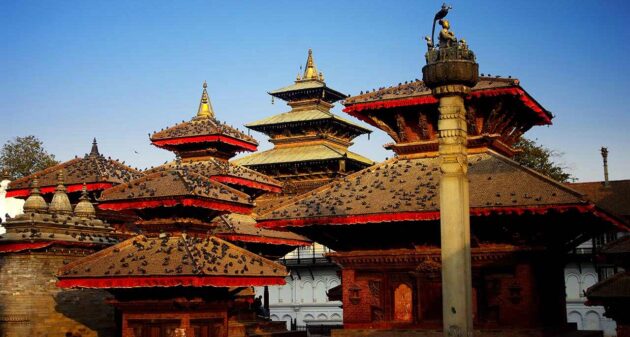
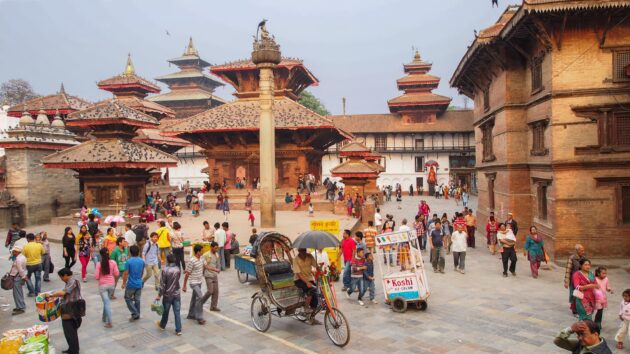
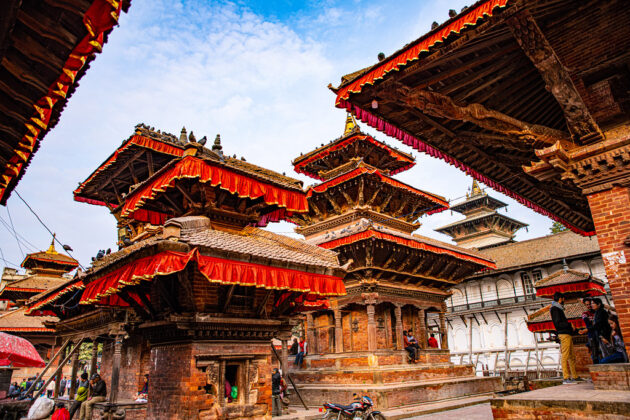
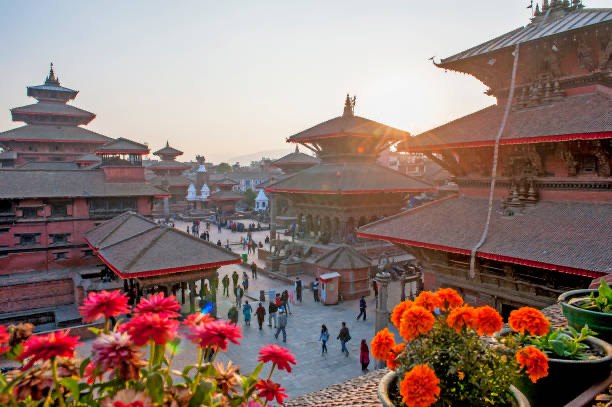
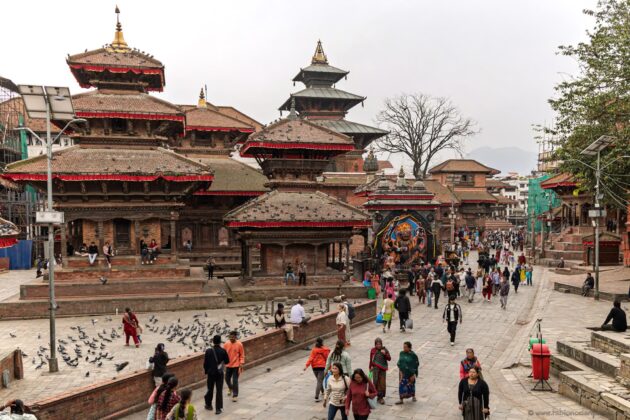
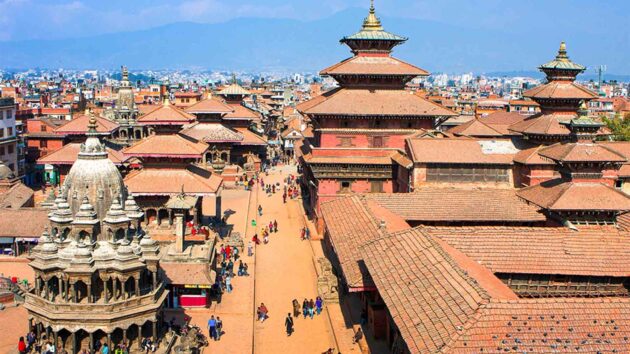
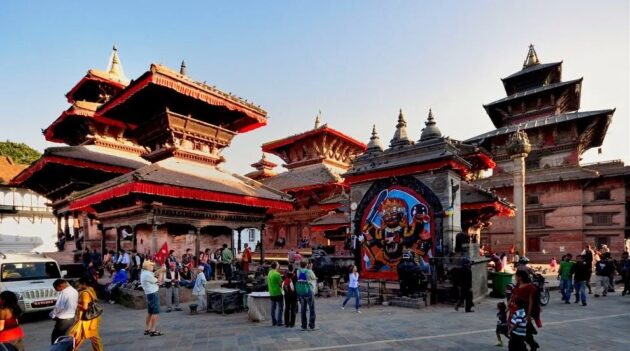
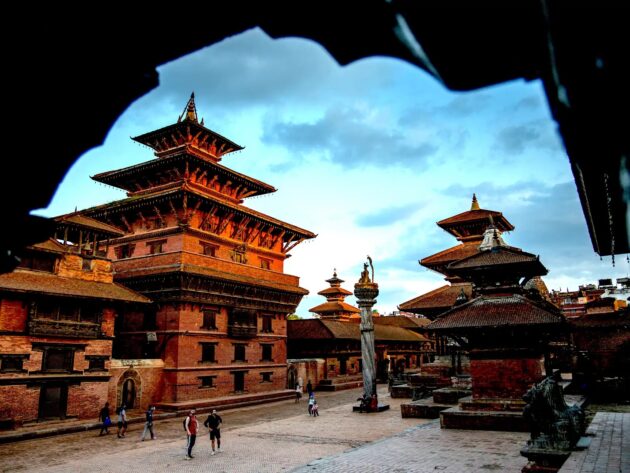
Kathmandu Durbar Square (also known as Hanuman Dhoka Durbar Square or Basantapur Durbar Square) is a vibrant UNESCO World Heritage Site in the heart of old Kathmandu, Nepal. It served as the royal palace complex for the Malla kings (12th–18th centuries) and later the Shah dynasty until the late 19th century. Often called the “Museum of Temples,” it features over 50 temples, palaces, courtyards, statues, and intricate Newari wood carvings, blending Hindu and Buddhist traditions in a living cultural hub.
History and Significance
Construction in the area dates back to the Licchavi period (4th–8th centuries), but most iconic structures were added during the Malla era. The square was the political, religious, and ceremonial center of the Kathmandu Valley. Key events include royal coronations and festivals. The 2015 Gorkha earthquake caused significant damage, collapsing structures like the Kasthamandap pavilion. Extensive restoration using traditional Newari techniques (no nails, hand-carved joints) has rebuilt many monuments, with some scaffolding possibly still visible. Entry fees support ongoing preservation.
Must-See Attractions
Hanuman Dhoka Palace Complex: The old royal palace (named after the monkey god Hanuman statue guarding the entrance). It includes the Tribhuvan Museum (dedicated to three Shah kings) and parts of the Nine-Storey (Nautalle) Durbar.
Kumari Ghar (House of the Living Goddess): Home to the Kumari, a young girl worshipped as the incarnation of the goddess Taleju. You can view her briefly from the courtyard window during certain hours (she rarely appears publicly).
Taleju Temple: A tall, multi-tiered pagoda-style temple (built 1549) dedicated to the royal deity; restricted access for non-Hindus.
Kasthamandap: A restored wooden pavilion (legendarily built from a single tree) that symbolizes the city’s name (“Kathmandu” derives from it).
Other highlights: Shiva-Parvati Temple (with its famous carved window), Maju Deval (pyramidal temple), Kal Bhairav (fearsome black stone statue), Jagannath Temple (erotic carvings), and Gaddi Baithak (European-style pavilion). Wander the surrounding courtyards for hidden shrines and carvings.
The square is lively with locals, pigeons, street vendors, and occasional performances. It’s part of the three main Durbar Squares in the Valley (along with Patan and Bhaktapur).
Practical Information
Entry Fees: Foreign nationals: NPR 1,000 (includes access to the square and Tribhuvan Museum; some sources note up to NPR 1,500 depending on inclusions). SAARC nationals: NPR 500 (or lower in some reports, e.g., NPR 150–750). Nepali citizens: Free. Children under 10: Free. Tickets are available at main gates; multi-day passes may be obtainable at the tourist office inside for longer stays. Bring your passport.
Opening Hours: The open square is accessible 24/7, but museums and some interiors (e.g., 10:30 AM–4:00 PM) close on Tuesdays and public holidays. Best to visit during daylight hours.
Best Time to Visit: Early morning (7–9 AM) for fewer crowds and soft light, or late afternoon for golden hour. Overall best seasons for Kathmandu: March–May (spring, festivals, clear views) or September–November (autumn, pleasant weather, post-monsoon clarity). Avoid peak monsoon (June–August) for rain, though the square remains visitable.
How to Get There
Kathmandu Durbar Square sits in central/old Kathmandu, about 6 km from Tribhuvan International Airport (KTM).
From Thamel (popular tourist area): 20–30 minute walk (flat but watch traffic) or short taxi/rickshaw ride.
From the airport: Taxi (fixed-price options available, ~20–30 minutes depending on traffic) or local bus to Ratna Park/New Road area, then a short walk.
Guided tours from Thamel are common and convenient. Traffic in Kathmandu is chaotic, so allow extra time.
Things to Do
Explore at your own pace with a self-guided walk or hire a local guide for deeper stories (highly recommended for context on carvings and history).
Watch for the Kumari sighting, photograph architecture, and observe daily life.
Shop nearby for handicrafts, souvenirs, and Thangka paintings (bargain politely).
Eat local Newari food: Try chatamari (rice crepe), bara (lentil patties), or momos at surrounding spots. Rooftop cafes offer great views.
Visit during festivals like Indra Jatra or Dashain for colorful processions (check dates as they vary).
Tips for Visitors
Dress and Behavior: Modest clothing (cover shoulders/knees for temples). Be respectful—no climbing on structures, remove shoes where required, and walk clockwise around temples. Photography is generally allowed, but avoid the Kumari directly.
Safety: Pickpockets can be an issue in crowds; keep valuables secure. The area is generally safe during the day but stick to well-lit paths at night. Nepal’s overall travel advisory suggests caution in crowded areas and monitoring local news for demonstrations.
Health/Practical: Wear comfortable shoes for uneven cobblestones. Air quality can be poor—consider a mask. Carry cash (NPR) as small vendors may not accept cards. Hydrate and watch for altitude (Kathmandu is ~1,400m/4,600ft).
Restoration Note: Some sections may still have limited access due to ongoing work post-2015 quake—ask at the ticket office.
Combine with Nearby Sites: Pair with Swayambhunath (Monkey Temple), Boudhanath, or the other Durbar Squares for a full heritage day.
Final Thoughts
Kathmandu Durbar Square offers a sensory immersion in Nepal’s rich history, artistry, and spirituality. Allocate 2–4 hours to soak it in. For the latest updates on fees, access, or events, check with the Nepal Tourism Board or your hotel upon arrival, as conditions can evolve. Safe travels!