

Cape Verde (Cabo Verde) Travel Guide (2026)
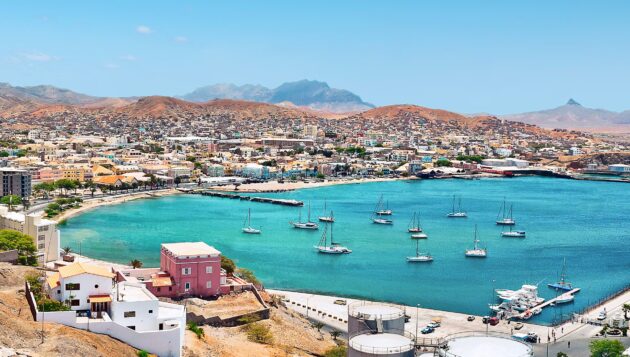
Cape Verde is a stunning volcanic archipelago of 10 islands in the North Atlantic, about 570 km off the coast of Senegal, West Africa. It blends Portuguese colonial heritage, vibrant Creole culture, African roots, and incredible natural diversity — from white-sand beaches and turquoise waters to dramatic mountains, deserts, and active volcanoes. Known for its warm hospitality, morna music (made famous by Cesária Évora), and relaxed island vibe, it’s an excellent destination for beach lovers, hikers, culture enthusiasts, and adventurers.
Best Time to Visit
Cape Verde enjoys warm weather year-round, with temperatures typically between 20–30°C (68–86°F).
November to June: The most popular period. Dry, sunny, and pleasant for beaches, hiking, and outdoor activities. This is peak season for European winter sun seekers.
July to October: Hotter and more humid with occasional rain showers. Good for turtle nesting (especially on Boa Vista) and fewer crowds, but winds can be strong at times.
Carnival in Mindelo (São Vicente) in February/March is a highlight if you enjoy lively festivals.
Visa and Entry Requirements
Most tourists (including from the EU, US, UK, and many other countries) can visit visa-free for up to 30 days. You must register online in advance via the official portal (ease.gov.cv) and pay the airport security fee (around €30 / 3,400 CVE). Extensions or longer stays require a visa.
Passport must be valid for at least 6 months beyond your stay. Check for any health requirements (e.g., vaccinations) before travel.
How to Get There
Flights: International flights mainly arrive at Sal (SID) or Praia (RAI) on Santiago. Direct flights from Europe (Lisbon, Amsterdam, etc.), the US, and some African cities. Airlines like TAP, Cabo Verde Airlines, and others operate routes.
Inter-island travel: Use domestic flights (Cabo Verde Airlines) or ferries. Book in advance, especially in peak season.
Main Islands and Attractions
Cape Verde’s islands are divided into Barlavento (northern/windward) and Sotavento (southern/leeward). Each has a unique character:
Sal
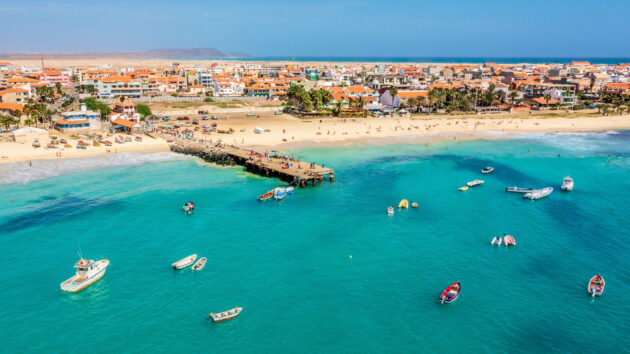
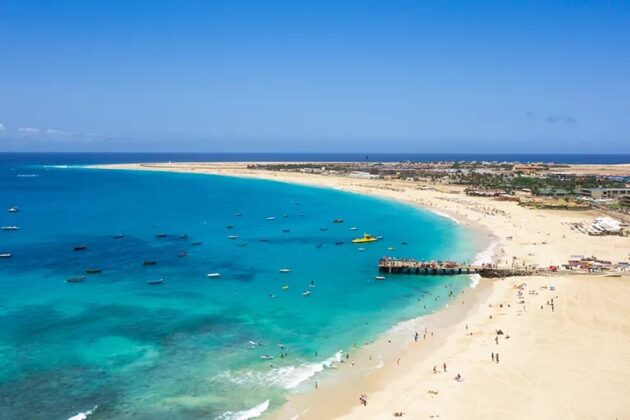
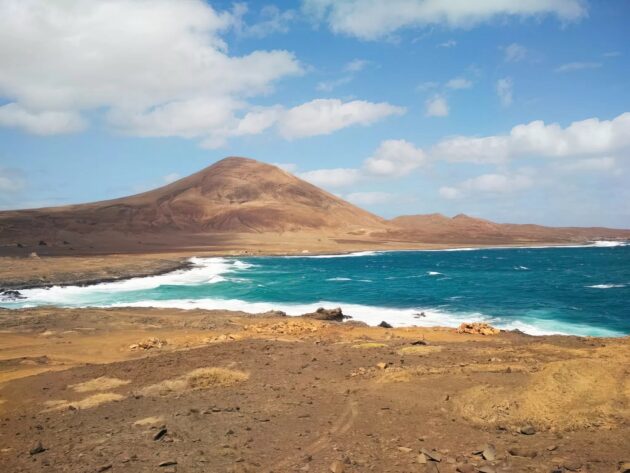
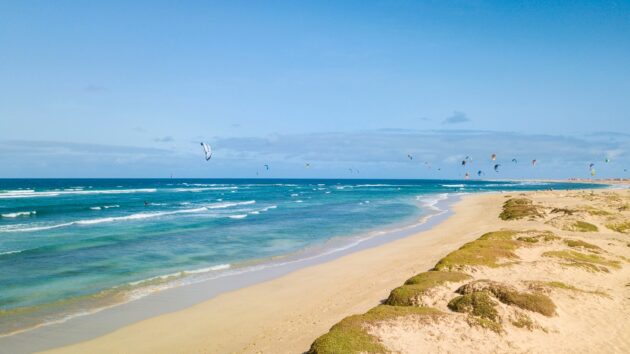
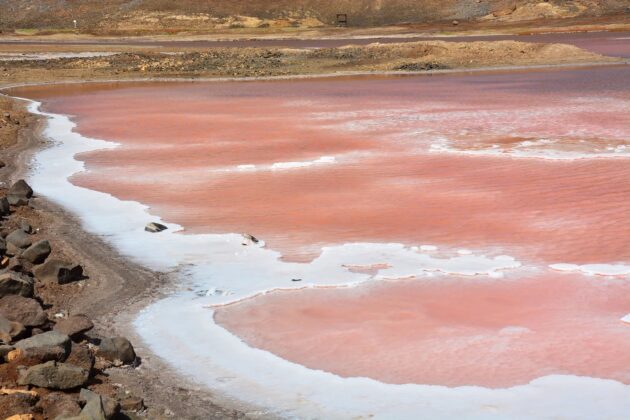
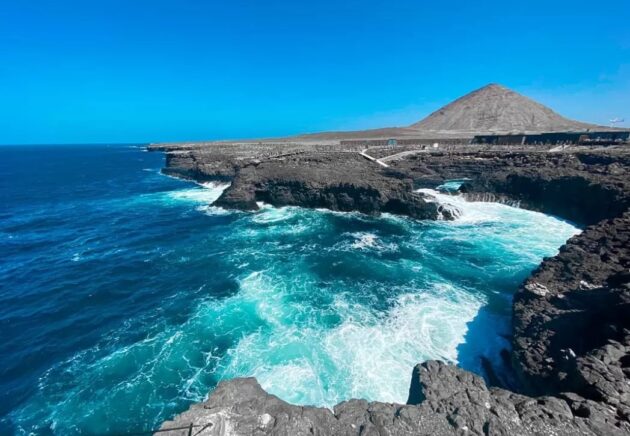
Flat, beach-focused island with world-class white sands. Highlights: Praia de Santa Maria, Pedra de Lume salt pans, Buracona natural pool (“Blue Eye”), shark watching/snorkeling at Shark Bay, and kitesurfing/windsurfing.
Boa Vista
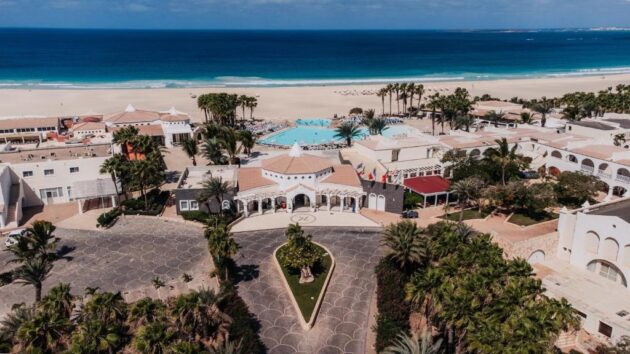
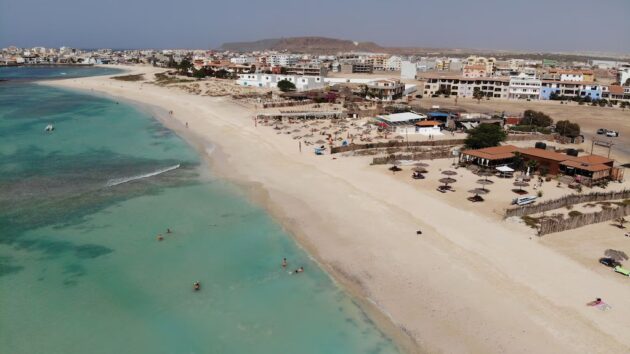
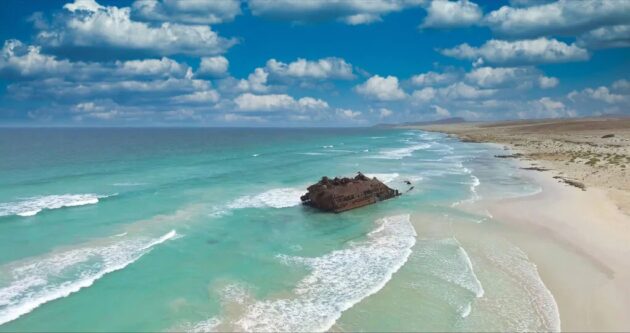
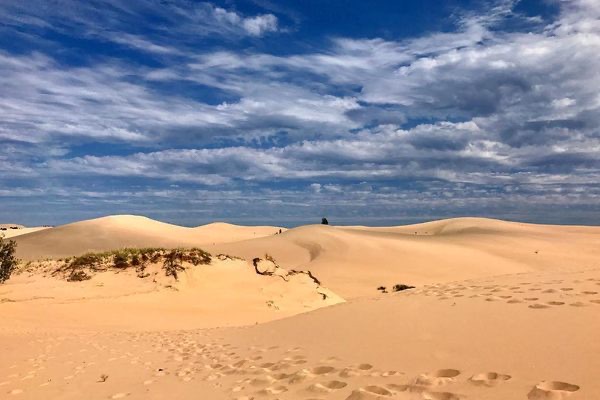
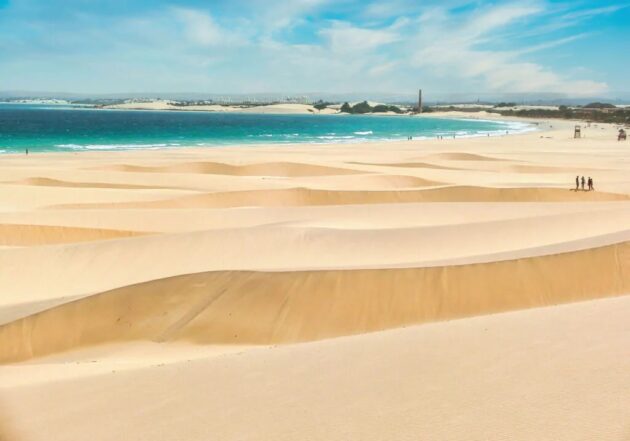
Known for vast dunes, long beaches (e.g., Santa Monica, Praia de Chaves), and turtle nesting. Great for relaxation and desert-like landscapes.
Santiago
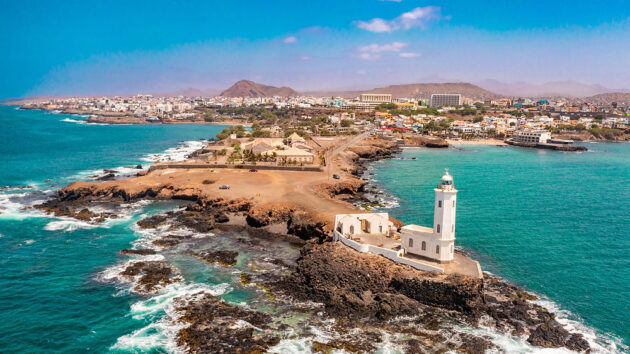
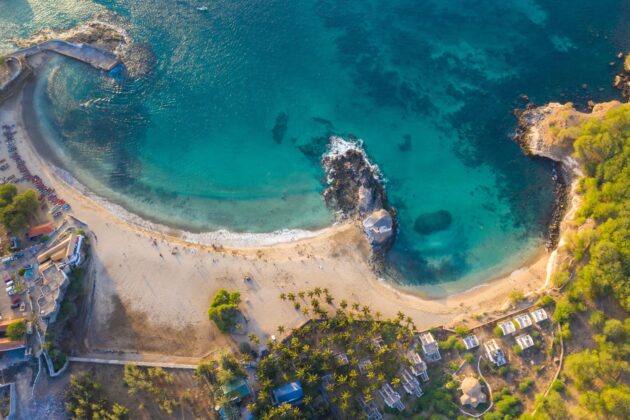
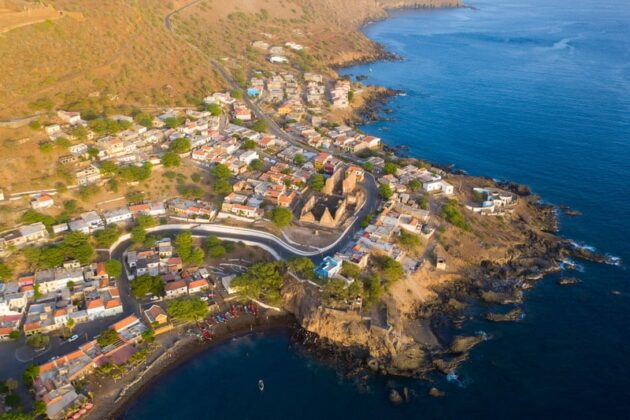
The largest and most populated. Cultural heart with the capital Praia, UNESCO-listed Cidade Velha (historic slave trade site), and beautiful beaches like Tarrafal.

São Vicente
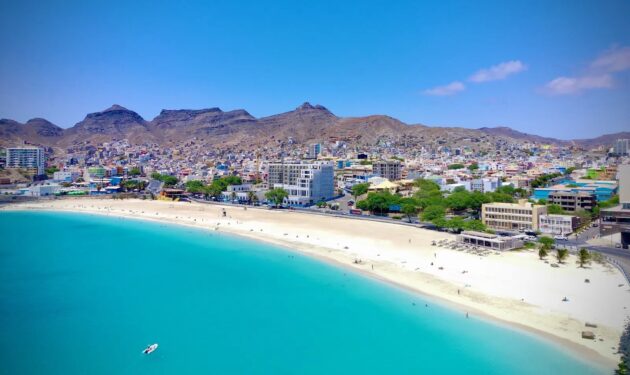
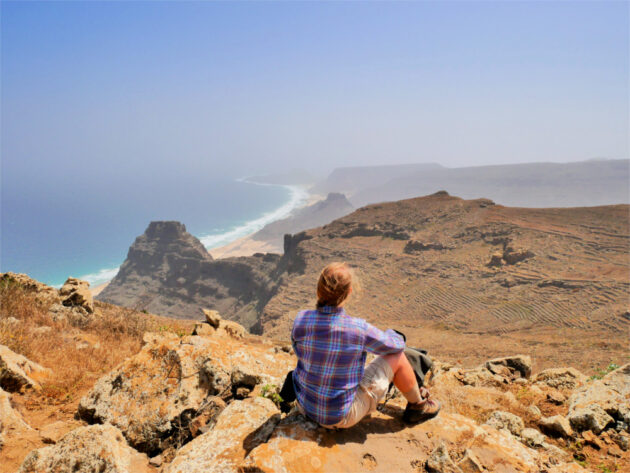
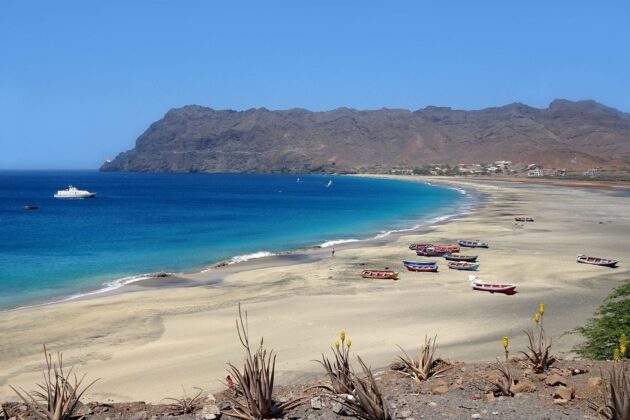
Cultural capital with lively Mindelo — famous for music, Carnival, colonial architecture, and the CNAD arts center.
Santo Antão
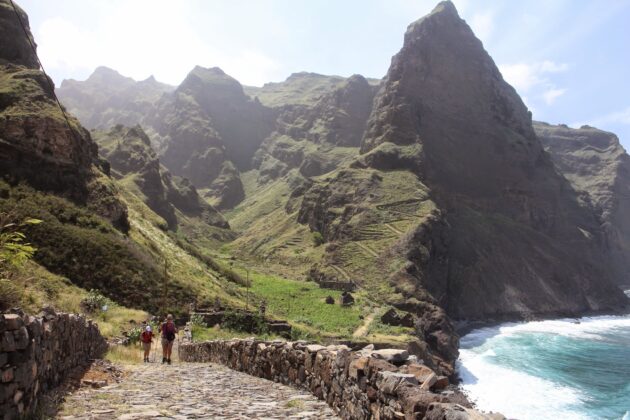
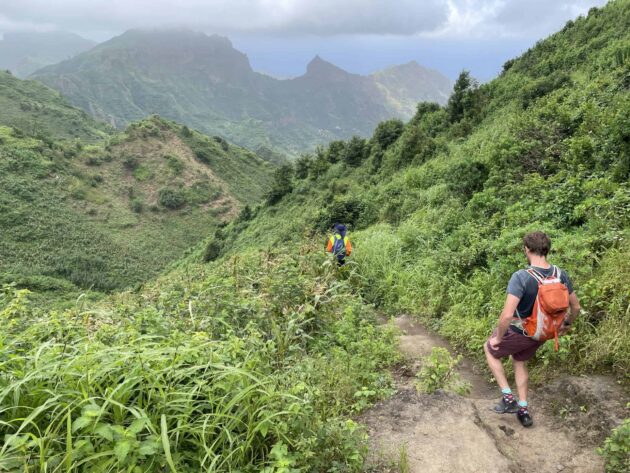
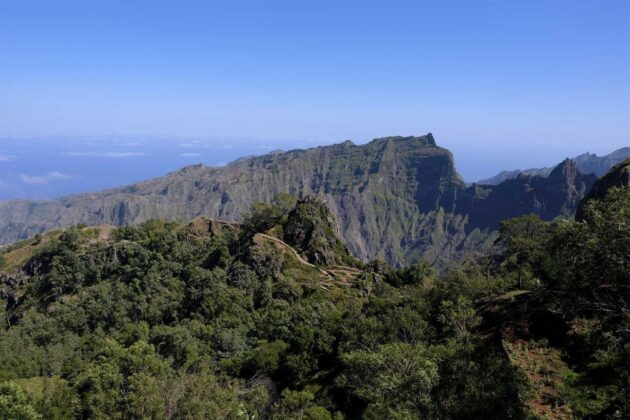
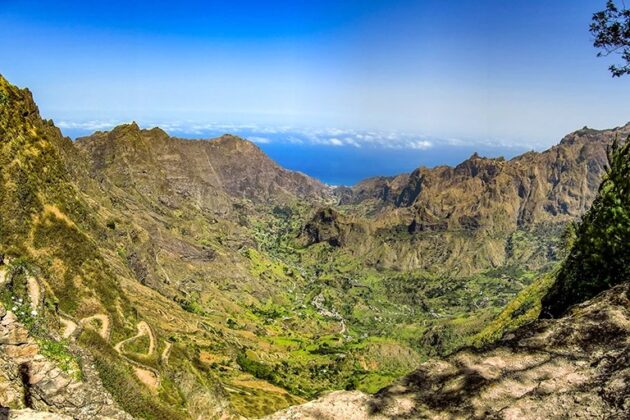
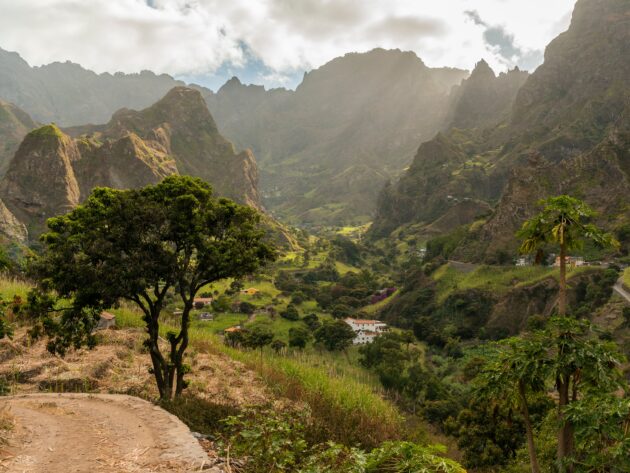
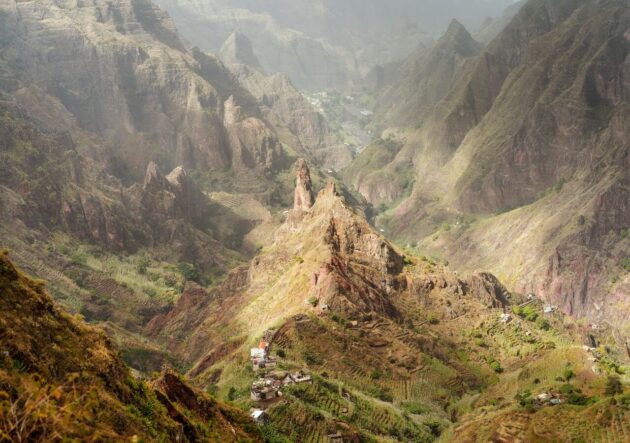
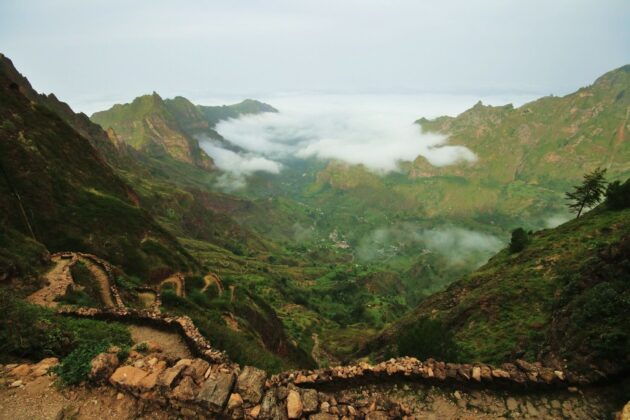
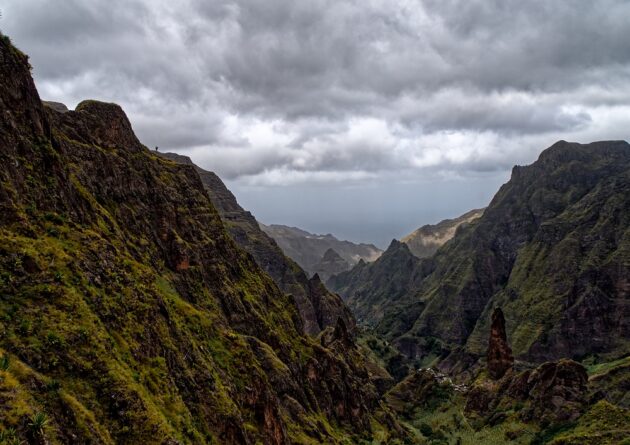
Paradise for hikers. Dramatic valleys (Paúl Valley), mountains, and lush landscapes. Ribeira Grande and hiking trails are must-dos.

Fogo
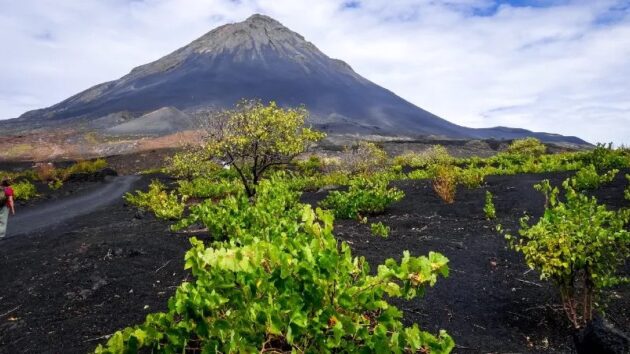
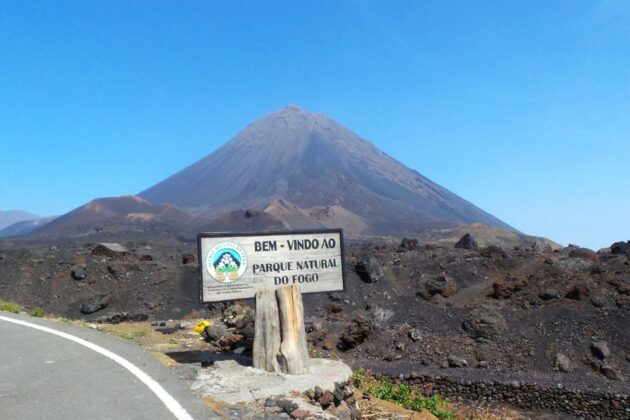
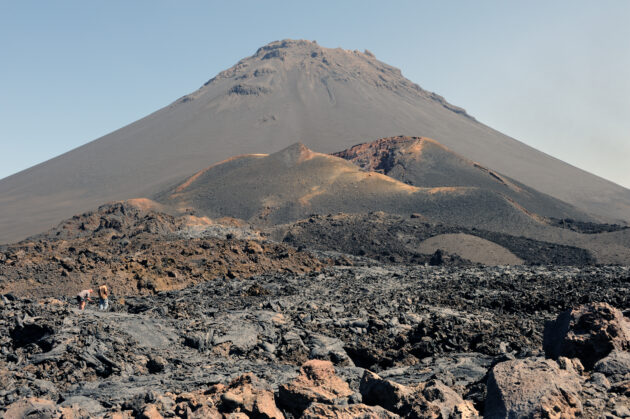
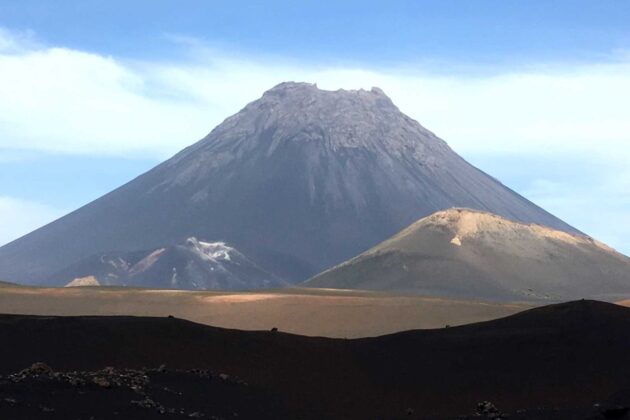
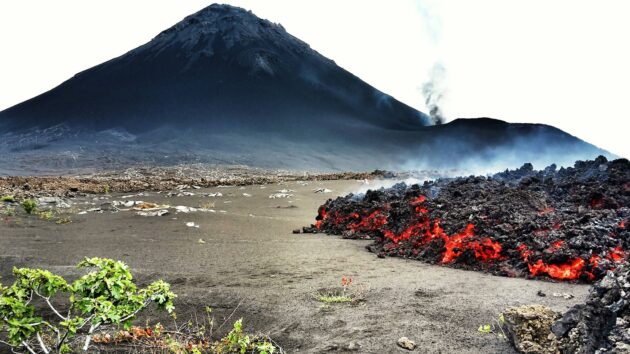
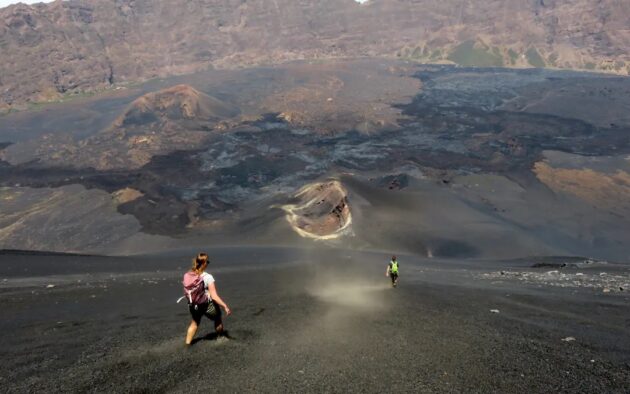
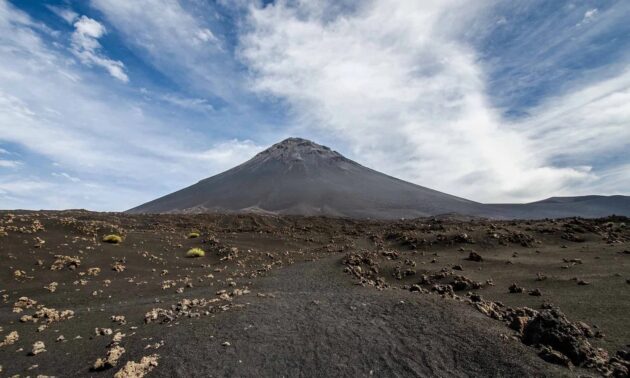
Home to the active Pico do Fogo volcano (hike to the crater!). Charming villages and wine production.

Top Things to Do
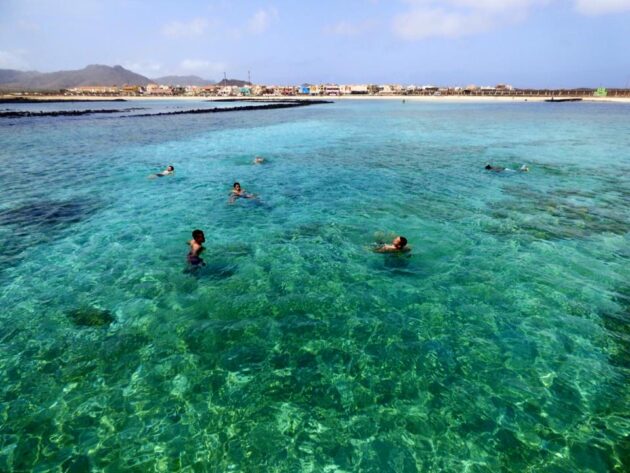
Relax on pristine beaches and swim in crystal-clear waters.
Hike volcanoes and green valleys (Santo Antão and Fogo).
Experience local music and nightlife in Mindelo.
Snorkel/dive with nurse sharks, turtles, or whales (seasonal).
Explore salt pans and dunes.
Visit historic sites like Cidade Velha.
Try island-hopping for variety.
Food and Drink
Cape Verdean cuisine features fresh seafood, cachupa (national dish — stew with corn, beans, and meat), grilled fish, and Portuguese influences. Try local specialties like pastel de peixe or jagacida.
Drinks: Grogue (sugarcane spirit), local wines from Fogo, and fresh fruit juices. Many resorts offer all-inclusive options, but local eateries are affordable and authentic.
Accommodation
Resorts: Plenty on Sal and Boa Vista (all-inclusive popular with Europeans).
Guesthouses & Boutique Hotels: Better for cultural immersion on Santiago, São Vicente, and Santo Antão.
Budget: Backpackers can manage on $40–60/day; mid-range to luxury options are widely available.
Getting Around
Flights: Fastest for longer distances.
Ferries: Cheaper but weather-dependent.
Taxis & Shared Taxis (Aluguer): Common on islands.
Car Rental: Recommended for flexibility (4×4 useful on rough roads). Drive on the right.
Safety and Practical Tips
Cape Verde is generally safe (US Level 1 advisory), but exercise caution in Praia and busy tourist areas for petty theft.
Strong currents at some beaches — swim only where safe.
Use reputable taxis; ATMs are available but carry cash (CVE or Euros).
English is spoken in tourist areas; Portuguese and Creole are main languages.
Pack: Light layers, sunscreen, reef-safe products, sturdy shoes for hiking, and cash.
Health: Drink bottled water; standard travel insurance recommended.
Suggested Itineraries
Beach Relaxation (7–10 days): Sal + Boa Vista.
Culture & Nature (10–14 days): São Vicente + Santo Antão + Santiago.
Adventure Mix (2 weeks): Combine beaches with Fogo volcano and Santo Antão hikes.
Final Thoughts
Cape Verde offers incredible value and variety. Whether you’re seeking Caribbean-like beaches or rugged African island adventures, it delivers. Plan ahead for inter-island transport, embrace the morabeza (welcoming spirit), and enjoy one of the Atlantic’s best-kept secrets!
Safe travels! 🇨🇻