

Philippines Travel Guide (2026): Beaches, Islands, Adventure, and Warm Hospitality
The Philippines, an archipelago of over 7,000 islands in Southeast Asia, offers stunning white-sand beaches, vibrant marine life, dramatic limestone cliffs, lush mountains, and rich cultural heritage. It blends Spanish, American, Malay, and Chinese influences. Whether you seek relaxation, diving, island-hopping, or cultural immersion, this destination delivers. Filipinos are known for their warmth and hospitality (“hospitality” is a national trait).
Best Time to Visit
The dry season (December to May) is ideal, especially December to February for cooler, drier weather perfect for beaches and outdoor activities. March to May brings hotter temperatures but fewer crowds in some areas. The wet season (June to November) features more rain and typhoon risks, though showers are often short and prices drop.
Peak season (December–February) sees higher prices and crowds in popular spots like Boracay and Palawan. Shoulder months (November or March–April) offer a good balance.
Visa and Entry Requirements
Most visitors (including those from the US, EU, Australia, and many others) receive visa-free entry for up to 30 days. You need a passport valid for at least 6 months and a return/onward ticket. Extensions are possible at immigration offices. Check current rules before travel, as requirements can change. No special vaccinations are universally required, but standard ones (hepatitis, typhoid) are recommended.
Top Destinations
El Nido
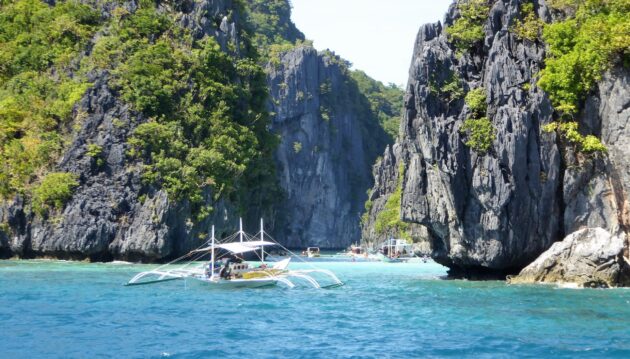
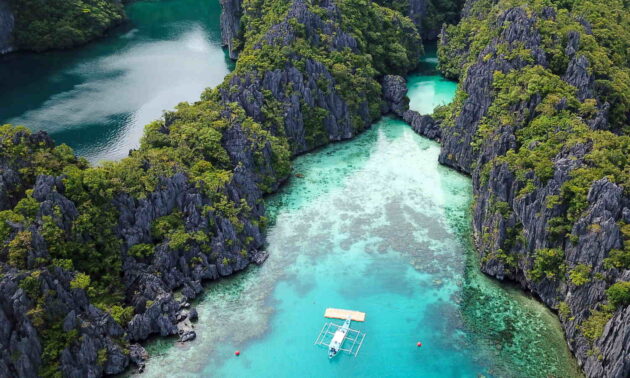
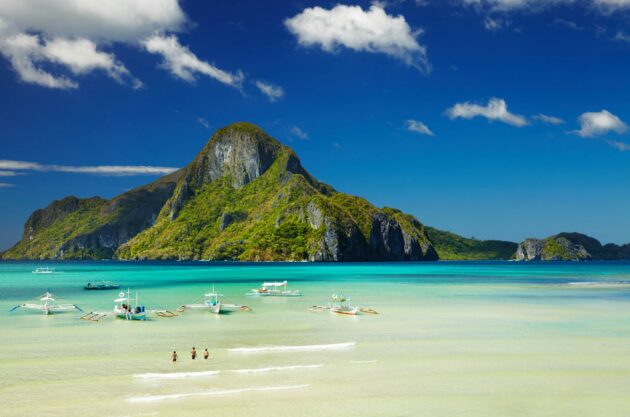
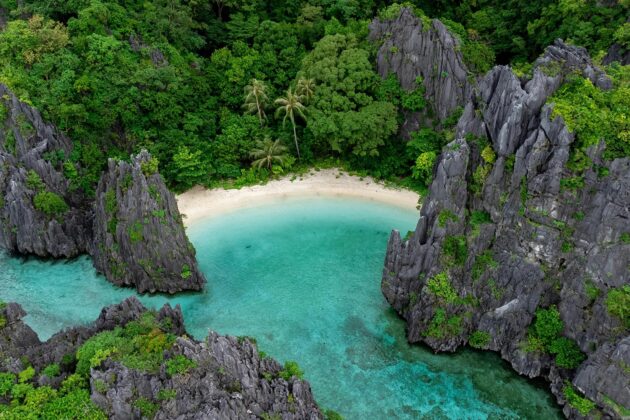
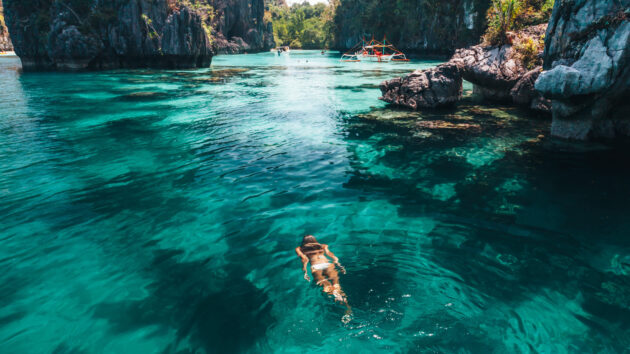
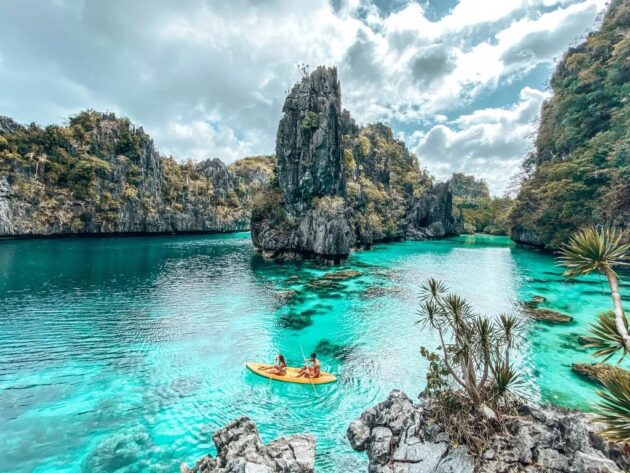
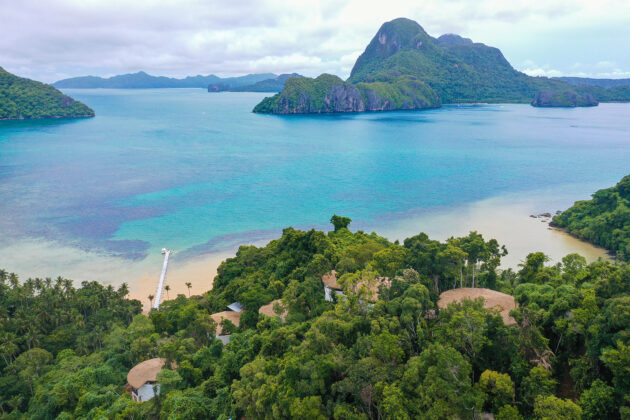
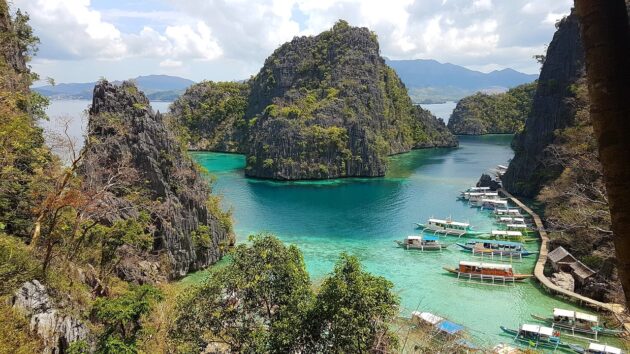
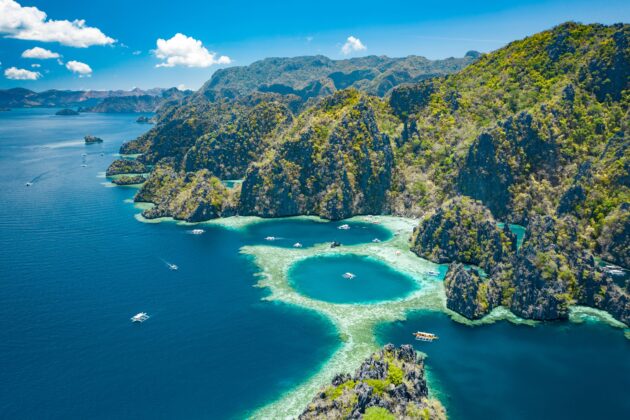
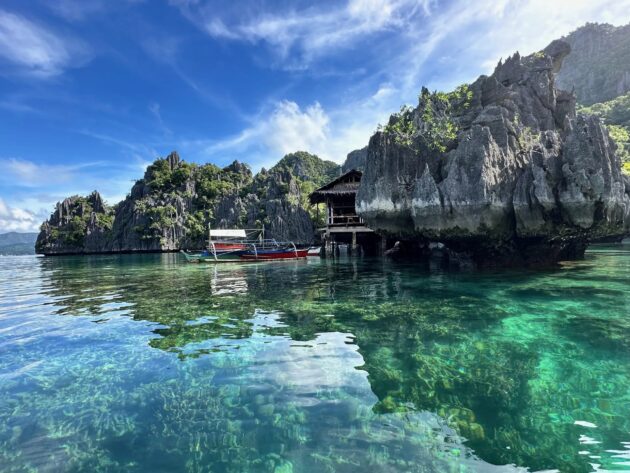
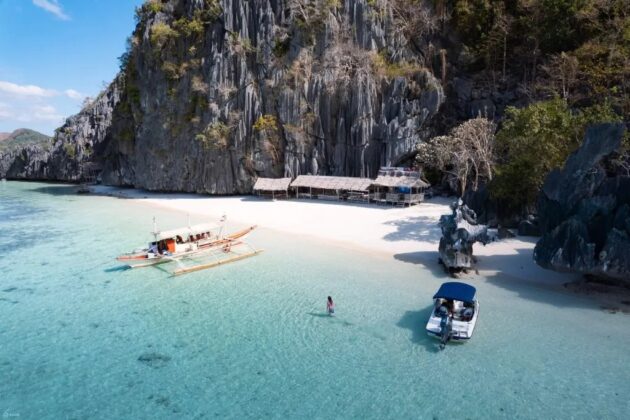
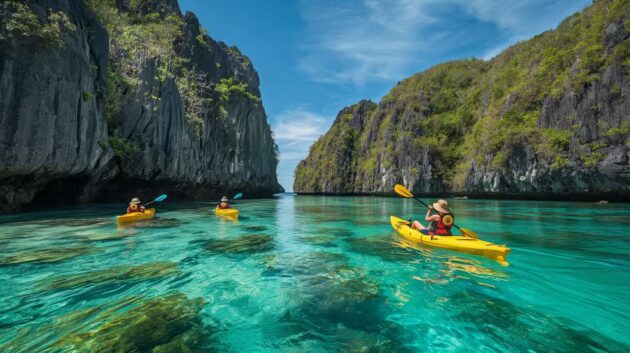
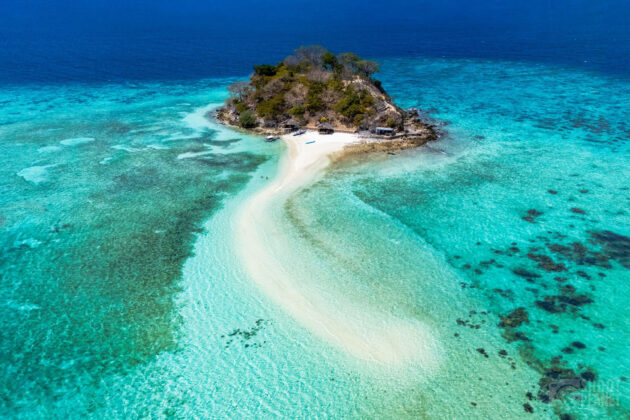
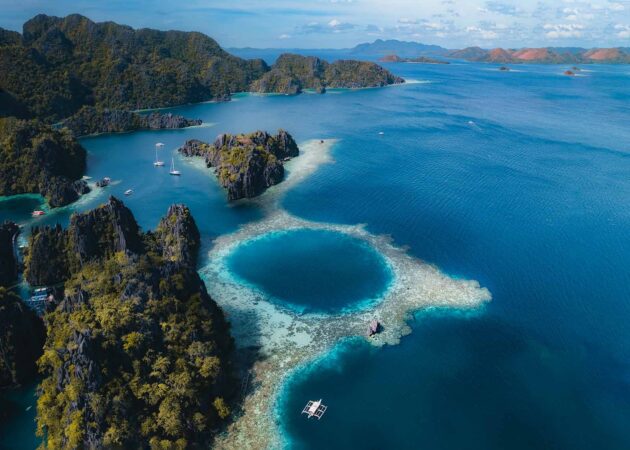
El Nido, located on the northern tip of Palawan island, is one of the Philippines’ most breathtaking destinations. Famous for its dramatic limestone cliffs, turquoise lagoons, hidden beaches, and vibrant marine life, it offers world-class island hopping in Bacuit Bay. Often compared to a more rugged version of the Thai islands or Ha Long Bay, El Nido delivers raw natural beauty that continues to draw travelers.
Coron
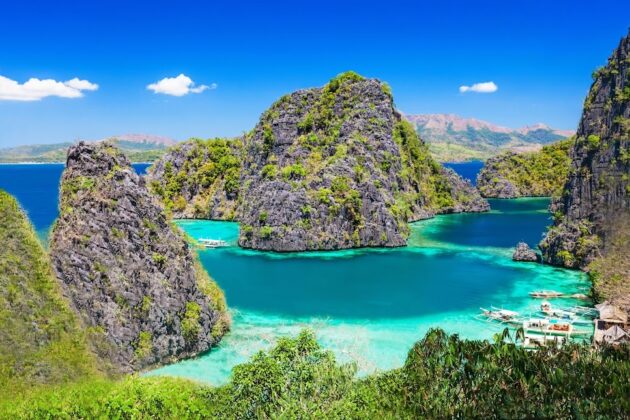
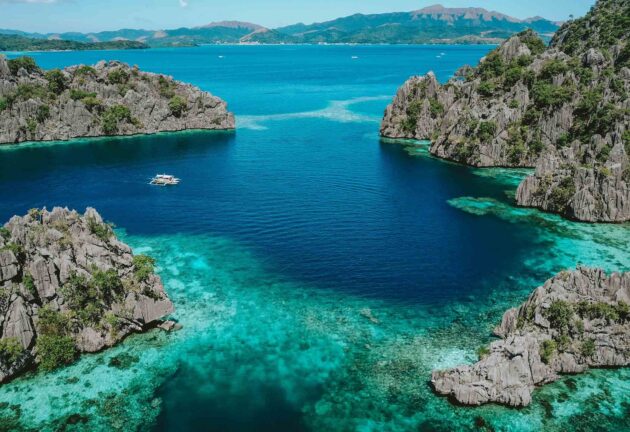
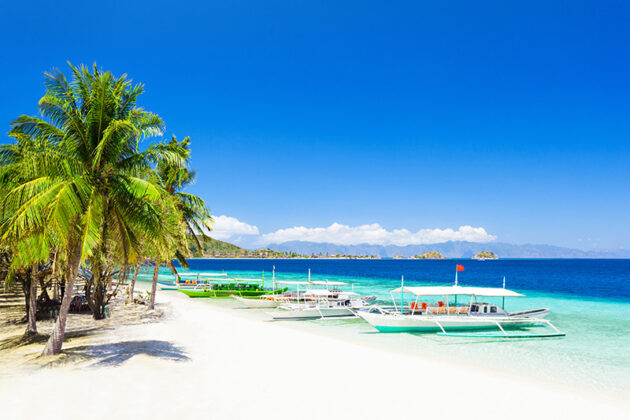
Coron, in the northern part of Palawan province, is a tropical paradise renowned for its crystal-clear lagoons, limestone cliffs, pristine beaches, vibrant coral reefs, and world-class WWII shipwreck diving sites. Part of the Calamian Islands, it offers a mix of adventure (island hopping, snorkeling, diving) and relaxation, often feeling less crowded than El Nido.
Puerto Princesa Subterranean River National Park
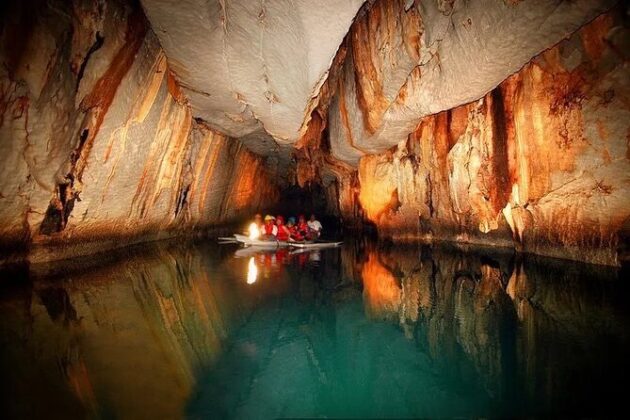
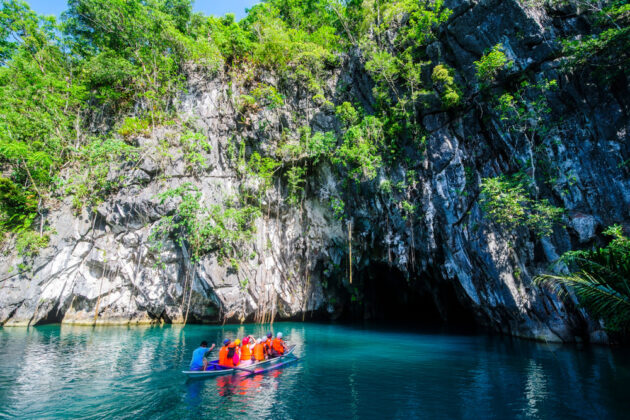
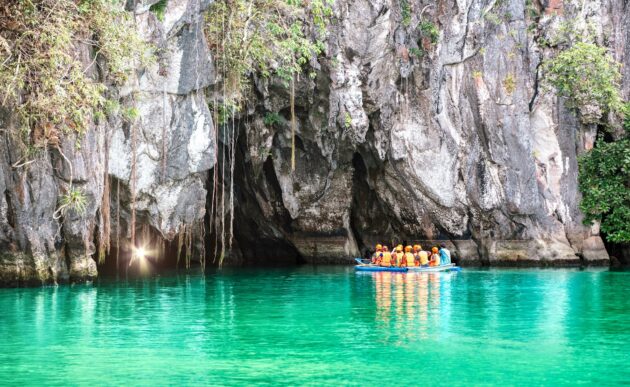
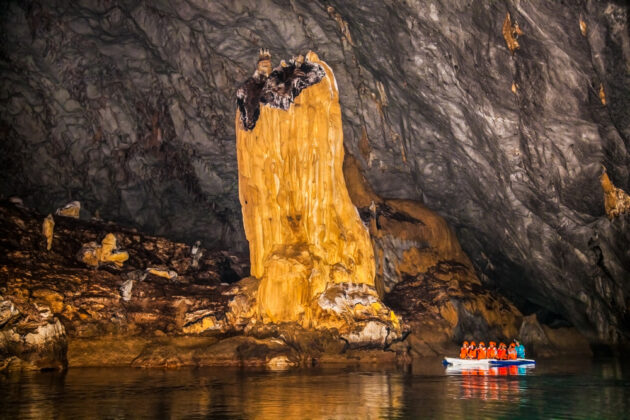
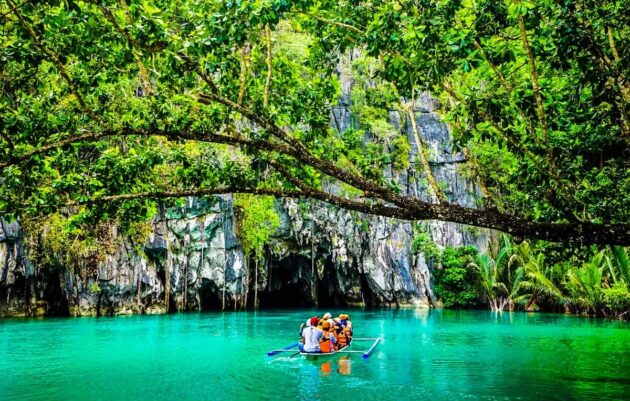
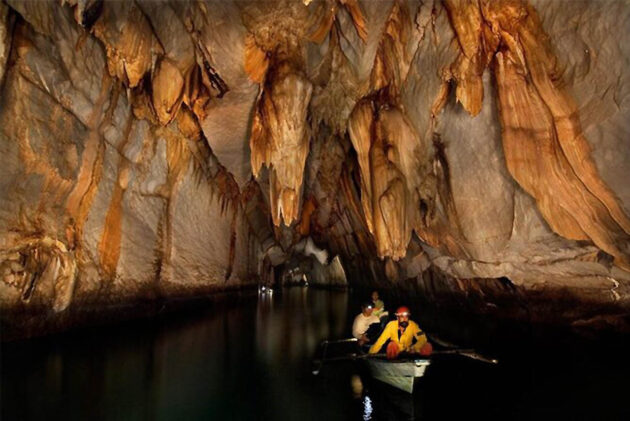
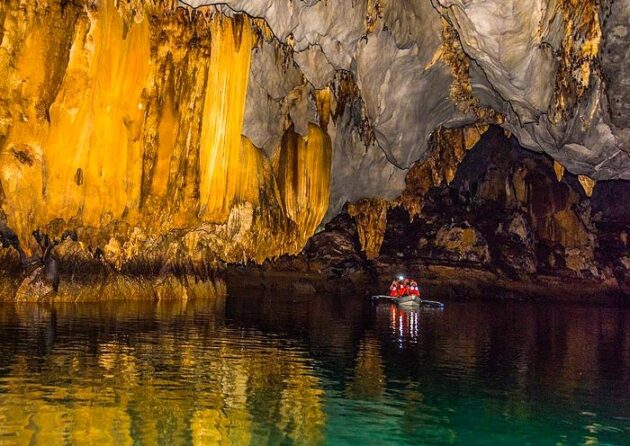
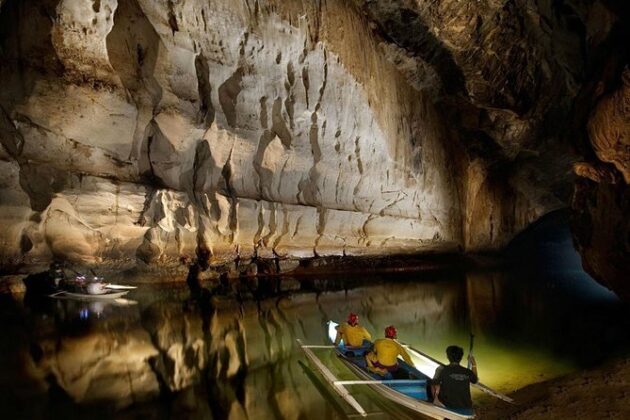
The Puerto Princesa Subterranean River National Park is a UNESCO World Heritage Site and one of the New 7 Wonders of Nature. It features one of the world’s longest navigable underground rivers (over 8.2 km / 5.1 miles), which flows directly into the sea beneath dramatic limestone karst formations. Visitors paddle about 1.5 km through a stunning cave system filled with impressive stalactites, stalagmites, and rock formations resembling animals, cathedrals, or fantasy landscapes.
Boracay
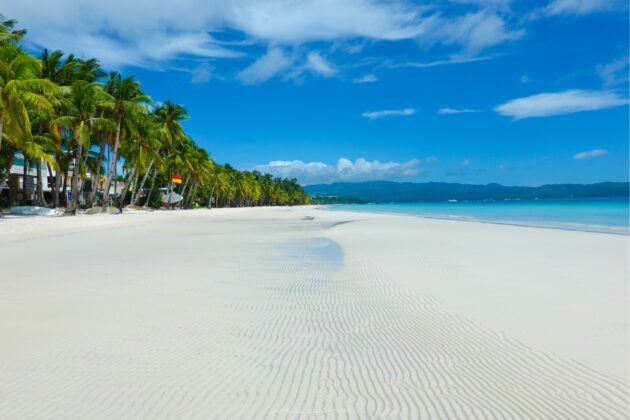
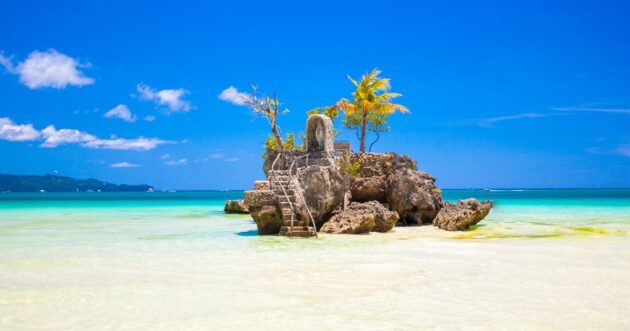
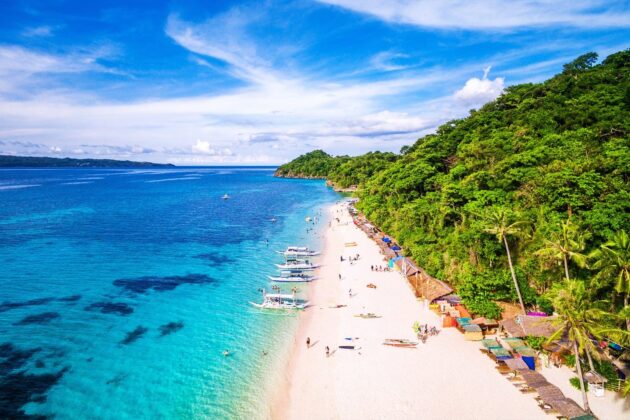
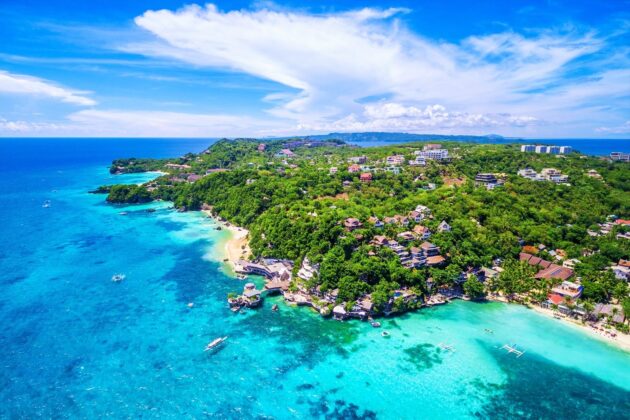
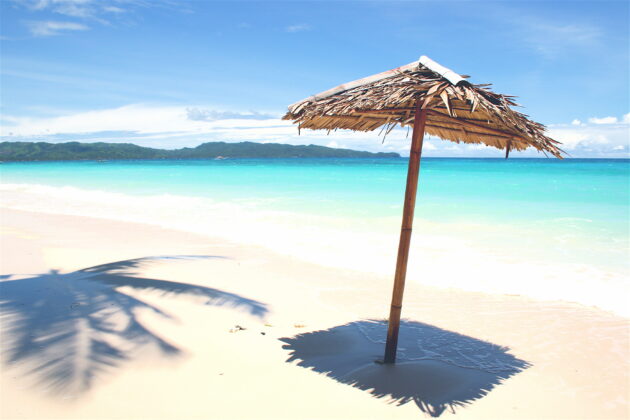
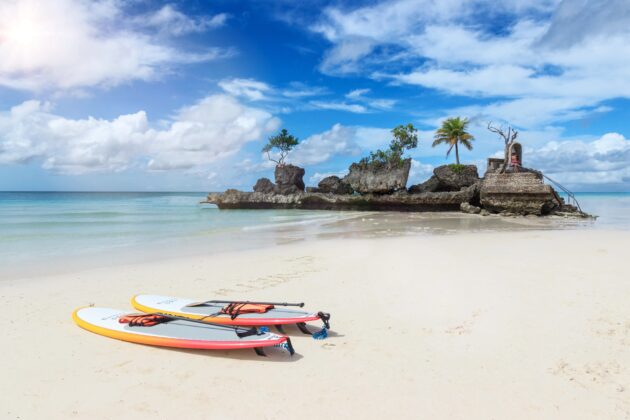
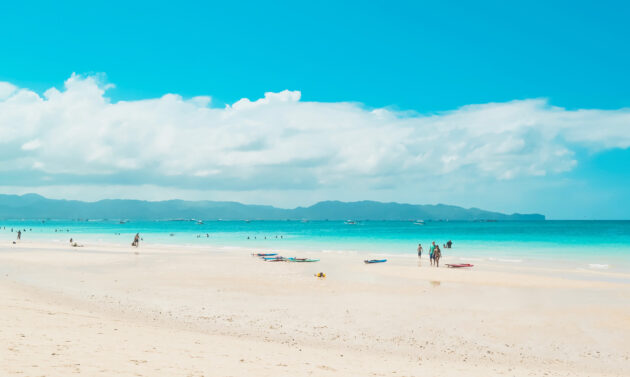
Boracay is one of the world’s most famous islands, renowned for its powdery white-sand beaches, crystal-clear turquoise waters, vibrant nightlife, and exciting water activities. Often voted among the best islands globally, it reopened with stricter environmental rules after a 2018 closure, making it cleaner and more sustainable today.
Food Highlights
Filipino cuisine is flavorful and comforting:
Adobo (meat in soy-vinegar-garlic sauce). Lechón (roasted pig). Sinigang (tangy sour soup). Lumpia (spring rolls). Fresh seafood, grilled meats, and halo-halo (shaved ice dessert). Try street food and regional specialties. Breakfast often includes “silog” (sinangag + itlog — garlic rice + egg with meat).
Portions are generous, and rice accompanies most meals.
Getting Around
Flights: Fastest between major islands.
Ferries: Scenic but check schedules (e.g., 2Go).
Local transport: Jeepneys (colorful, cheap), tricycles, Grab (ride-hailing app).
Rent scooters on islands (with caution; helmet recommended).
Practical Tips
Budget: Budget travelers: $30–50/day. Mid-range: $70–150/day (including activities). Luxury resorts are affordable compared to other destinations. Costs have risen but remain reasonable.
Currency: Philippine Peso (PHP). ATMs are widespread; cards accepted in tourist areas.
Language: English is widely spoken and an official language — communication is easy.
Safety: Exercise increased caution due to crime and occasional unrest in certain areas (e.g., avoid Sulu Archipelago and Mindanao conflict zones). Tourist areas are generally safe; use common sense, avoid flashing valuables, and check advisories.
Health: Use mosquito repellent (dengue risk), stay hydrated, and buy travel insurance. Tap water is not always drinkable.
Sustainability: Support eco-friendly tours, avoid single-use plastics, and respect marine life (no touching corals).
Packing Essentials
Light clothing, swimwear, reef-safe sunscreen, rain jacket (even in dry season), comfortable shoes for hiking/boats, power bank, and adapters (Type A/B/C plugs).
Final Thought
The Philippines rewards those who embrace its “island time” pace. Slow down, chat with locals, and enjoy the sunsets. Whether it’s your first Southeast Asia trip or a repeat visit, the “Pearl of the Orient” creates unforgettable memories. Safe travels! 🇵🇭