
Boracay Travel Guide (2026): Philippines’ Tropical Paradise
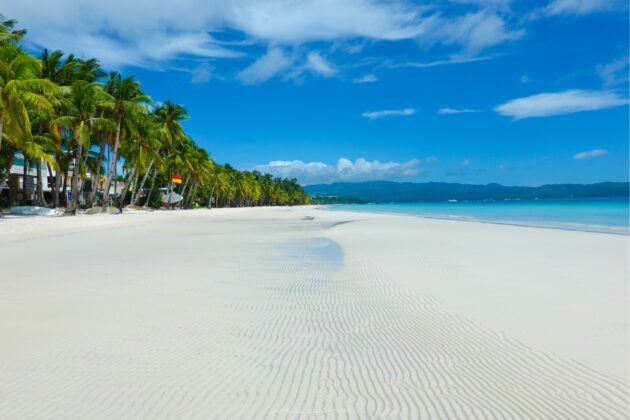
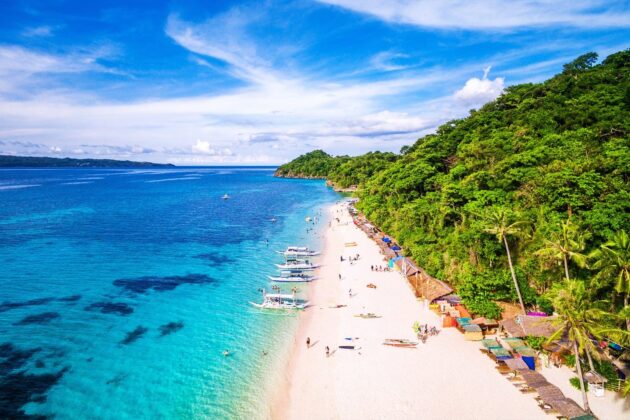
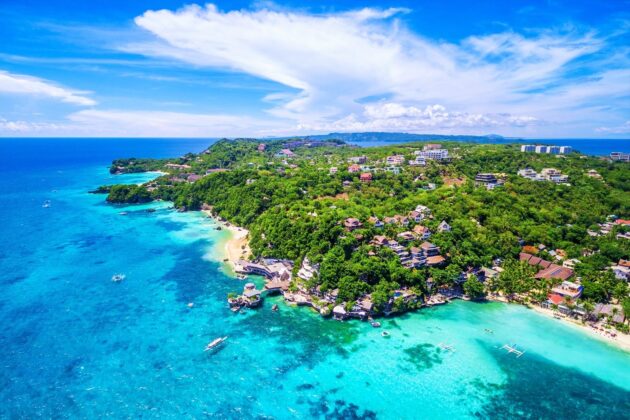
Boracay is one of the world’s most famous islands, renowned for its powdery white-sand beaches, crystal-clear turquoise waters, vibrant nightlife, and exciting water activities. Often voted among the best islands globally, it reopened with stricter environmental rules after a 2018 closure, making it cleaner and more sustainable today.
Best Time to Visit
The dry season (November to April/May), known as Amihan season, offers sunny skies, low humidity, and calm seas—ideal for beachgoing, swimming, and water sports. Peak months are December to March, with the busiest periods around Christmas, New Year, and Easter.
February–March: Often ideal for pleasant temperatures and good conditions.
May to early June: Great for fewer crowds and clear waters after the main dry season.
Wet season (June–October): Cheaper and quieter, but expect more rain and potential typhoons. Off-season visits reveal a calmer, more local side of the island.
How to Get There
There are no direct international flights to Boracay. Most travelers fly into Manila or Cebu, then take a domestic flight.
Recommended Route (Fastest): Fly to Caticlan Airport (MPH) — closest option (short flight from Manila). Tricycle to Caticlan Jetty Port. Pay fees: Environmental fee (~300 PHP / ~$5 in 2026), terminal fee, etc. Short ferry/boat ride (10–15 minutes) to Boracay. E-trike, tricycle, or hotel transfer to your accommodation.
Alternative: Kalibo Airport (KLO) is cheaper for some flights but involves a longer (1.5–2 hour) van/transfer to the port.
Pro Tip: Book flights and transfers in advance during peak season. Many use services like My Boracay Guide for reliable airport transfers.
Getting Around Boracay
E-trikes/Tricycles: Main mode of transport; negotiate fares or use fixed rates where available.
Walking: Easy along White Beach.
Motorbike rental or bikes for more flexibility (with caution).
Hop-on-hop-off options or island tours are available.
Where to Stay
Boracay’s main beach is divided into Stations:
Station 1 (White Beach north end): Quieter, upscale, great for relaxation. Top picks: Discovery Shores, The Lind Boracay, Henann Crystal Sands.
Station 2: Central, lively with shops (D’Mall), restaurants, and nightlife. Good mix of mid-range options like Henann Regency.
Station 3: Budget-friendly, more relaxed.
Other areas: Bulabog Beach (for wind/kitesurfing), or luxury resorts like Shangri-La Boracay or Crimson Resort & Spa for private beaches and high-end vibes.
Accommodations range from hostels (~$20–50/night) to luxury resorts ($200+). Book beachfront or near White Beach for the best experience.
Top Things to Do
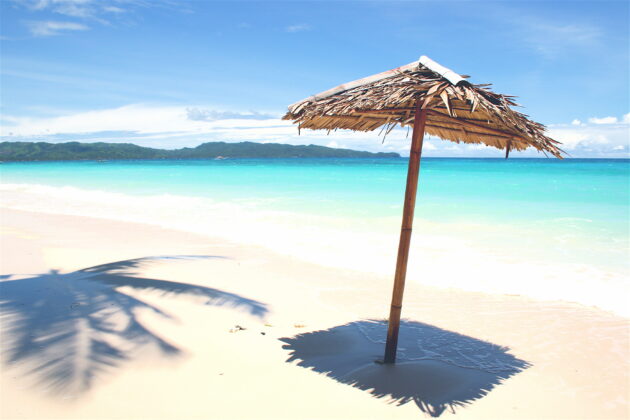
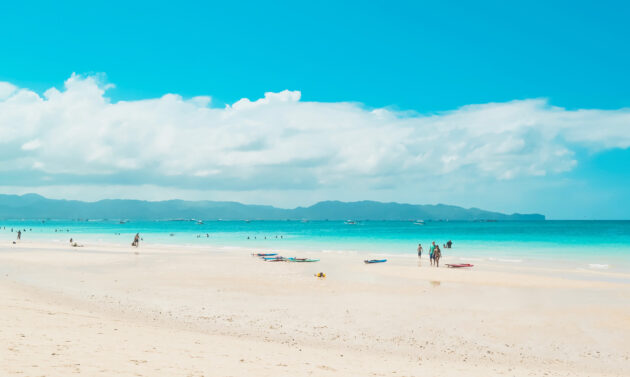
Relax on White Beach — The iconic 4km stretch of fine white sand. Walk, swim, or watch stunning sunsets.
Island Hopping & Snorkeling — Visit Puka Shell Beach, Crystal Cove, or Crocodile Island. Tours often include lunch and snorkel gear.
Water Sports — Parasailing, jet skiing, kite surfing (Bulabog Beach), scuba diving, or stand-up paddleboarding.
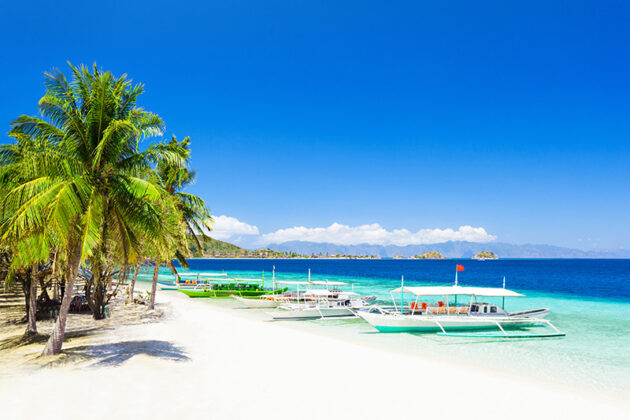
Paraw Sailing — Traditional outrigger sailboat rides, especially at sunset.
Puka Shell Beach & Diniwid Beach — Quieter northern beaches with beautiful shells and seclusion.
Mount Luho Viewpoint — Hike or take a tricycle for panoramic island views.
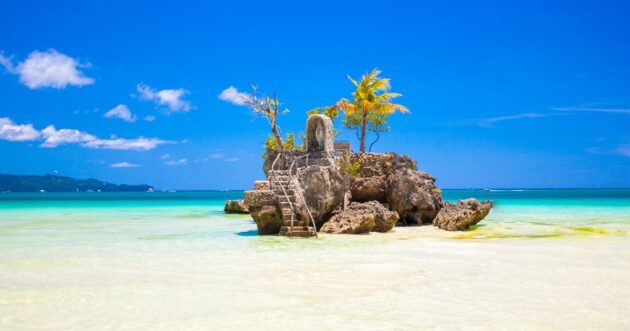
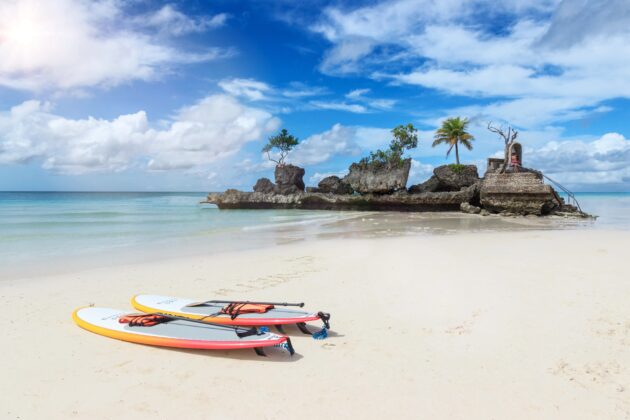
Willy’s Rock — Iconic rock formation in the sea at Station 1.
Nightlife — Bars, live music, and parties along White Beach, especially Station 2.
Sunset Cruises or Beach Bonfires.
ATV Adventure or Helmet Diving — For thrill-seekers.
Food & Dining
Boracay offers fresh seafood, Filipino classics, and international options. Must-tries:
Grilled seafood and lechon (roast pork). Halo-halo or fresh mango shakes. Beachfront dining with views. D’Mall for variety (restaurants, bars, shops). Local favorites: Inasal (chicken), adobo, or fresh catches. Many resorts offer great buffets.
Vegetarian/vegan and international cuisines (Italian, Thai, etc.) are widely available.
Practical Tips
Currency: Philippine Peso (PHP). ATMs available; cards widely accepted in tourist areas.
Fees: Environmental fee + others upon entry (total around $5–10+).
Safety: Generally safe for tourists, but watch belongings, avoid isolated areas at night, and use reputable operators. Swim in designated areas.
Environment: No single-use plastics; don’t take sand/corals as souvenirs. Support eco-friendly operators.
What to Pack: Sunscreen (high SPF), reef-safe options, hat, swimsuits, light clothing, insect repellent, and cash.
Internet: SIM cards or eSIMs available; many hotels have Wi-Fi.
Final Thoughts
Boracay delivers paradise vibes with a mix of relaxation and adventure. Whether you’re seeking luxury, budget fun, or romance, it rarely disappoints. Plan ahead, respect the environment, and enjoy one of the Philippines’ gems!
Safe travels! 🌴 If you have specific preferences (budget, group size, interests), I can refine this further.