A Travel Guide to Namibia (2026)
Namibia is one of Africa’s most extraordinary destinations — a land of vast deserts, dramatic landscapes, incredible wildlife, and minimal crowds. Famous for its red dunes, ancient rock art, desert-adapted animals, and starry skies, Namibia offers an unforgettable self-drive adventure or guided safari experience. This comprehensive travel guide will help you plan your trip.
Why Visit Namibia?
Namibia stands out for its otherworldly beauty: the world’s oldest desert (Namib), massive sand dunes, a huge salt pan filled with wildlife, shipwrecks along the Skeleton Coast, and one of the largest canyons on Earth. With low population density, excellent roads (mostly gravel), and high-quality lodges/camps, it’s ideal for independent travelers seeking adventure and tranquility.
Best Time to Visit
Dry season (May–October) — The most popular and recommended time. Cooler temperatures, virtually no rain, clear skies for stargazing, and animals concentrate around waterholes (perfect for Etosha safaris). Peak season is July–September.
Green/wet season (November–April) — Hotter, occasional heavy rain, lush landscapes, fewer tourists, lower prices. Good for photography and birdwatching, but some roads may become impassable and wildlife more dispersed.
How to Get There
Main entry point: Hosea Kutako International Airport (WDH) near Windhoek, the capital.
Flights: Direct or one-stop connections from Europe (Frankfurt, London, etc.), South Africa (Johannesburg, Cape Town), and some other hubs.
Visa requirements: Many nationalities (including US, UK, and several others) require a visa. Most can apply for a visa on arrival at major entry points (airports or high-volume borders) or better — apply in advance via Namibia’s online e-Visa portal to avoid delays. Check the official Namibian immigration website or your nearest embassy for the latest list and fees.
Getting Around
Self-drive (recommended): Namibia is made for road trips. Rent a 4×4 (essential for some areas) or a sedan for main routes. Roads are good; many are gravel but well-maintained. Fuel up whenever possible — stations can be 200+ km apart.
Guided tours/safaris: Ideal if you prefer not to drive long distances or want expert guiding.
Domestic flights: Useful for jumping between regions (e.g., Windhoek → Sossusvlei → Etosha).
Top Attractions & Highlights
Deadvlei
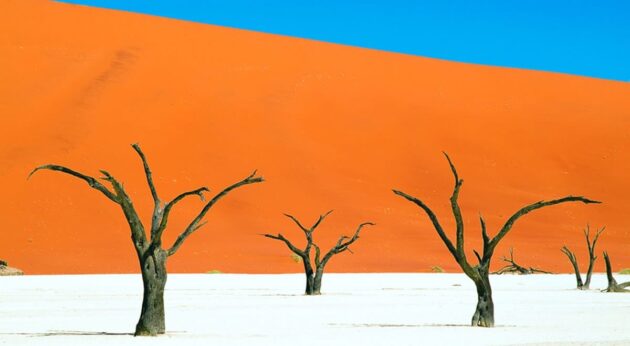
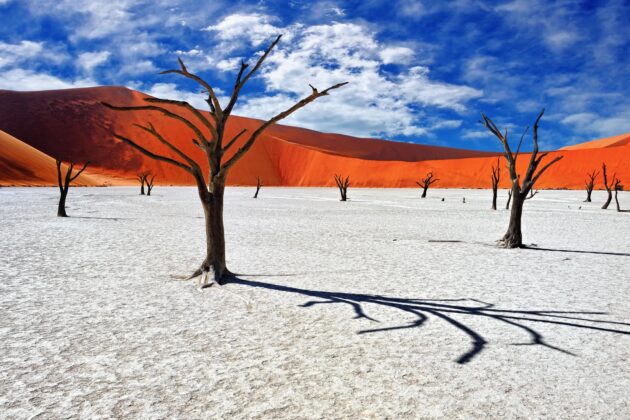
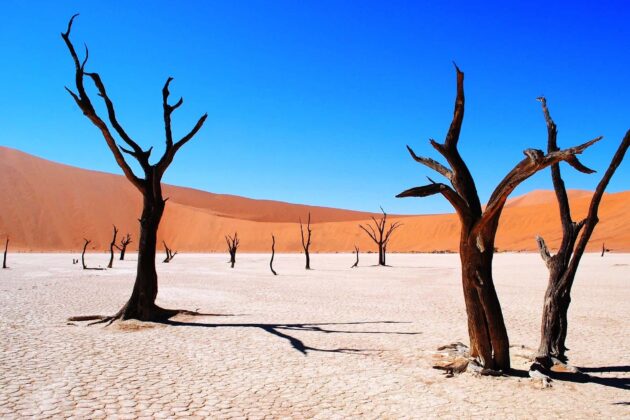
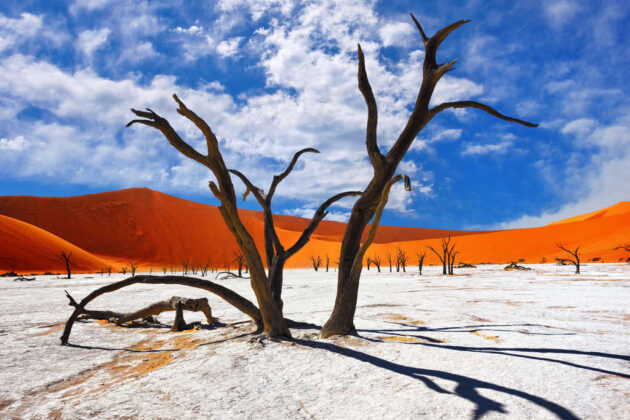
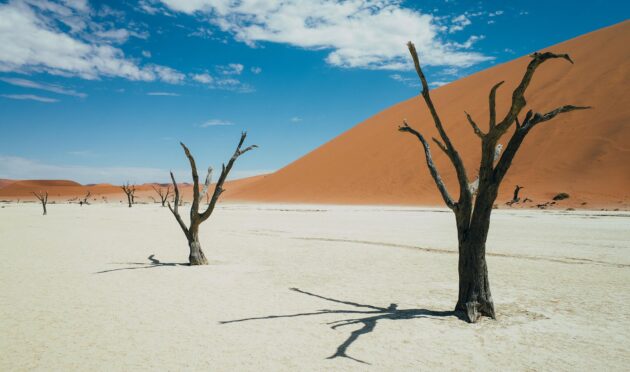
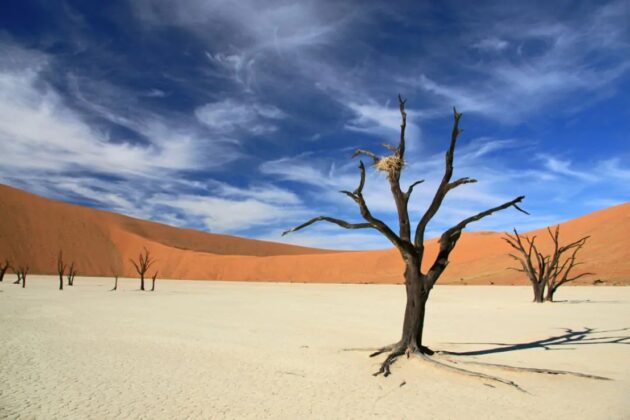
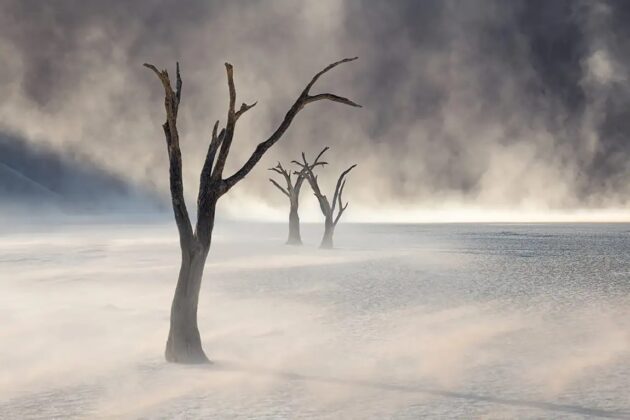
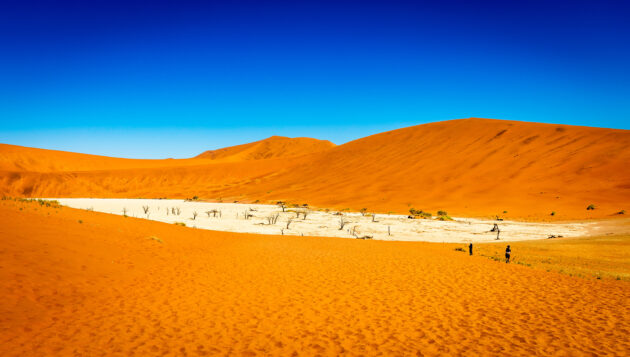
Deadvlei (often spelled Dead Vlei) is one of the most iconic and surreal landscapes on Earth. Located in the Namib-Naukluft National Park in Namibia, this white clay pan is surrounded by towering red sand dunes and dotted with ancient, blackened camel thorn trees that died centuries ago but remain perfectly preserved due to the arid environment.
Etosha National Park
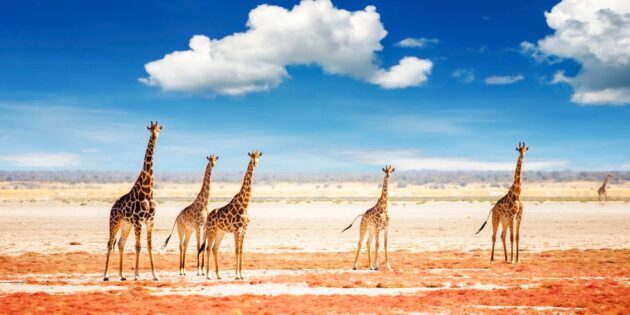
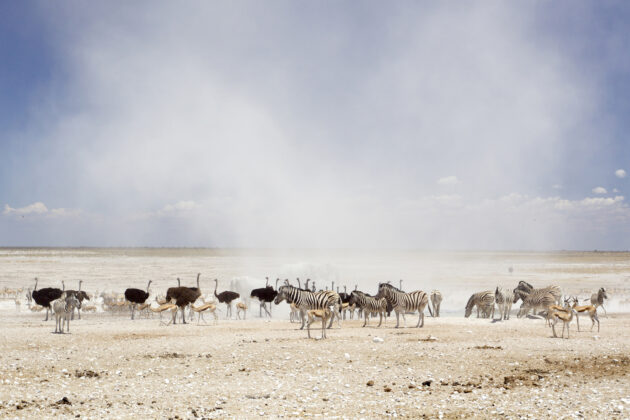
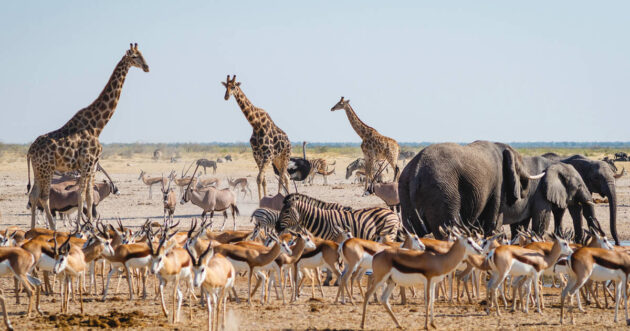
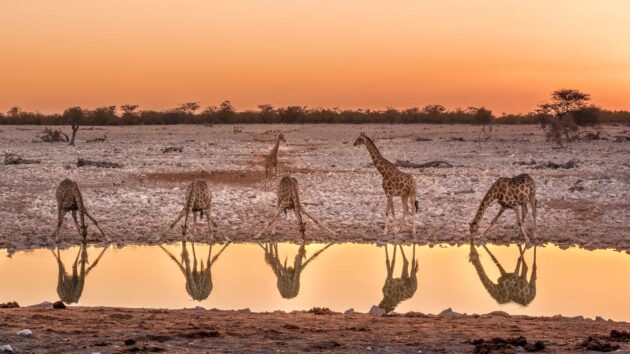
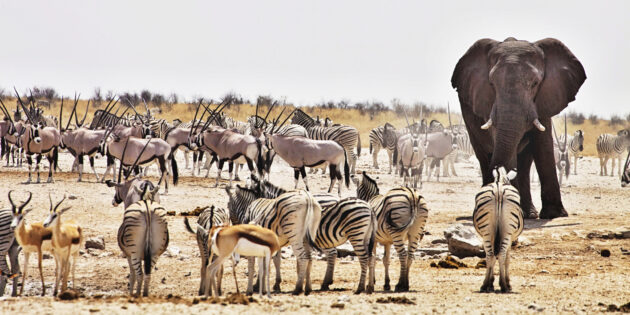
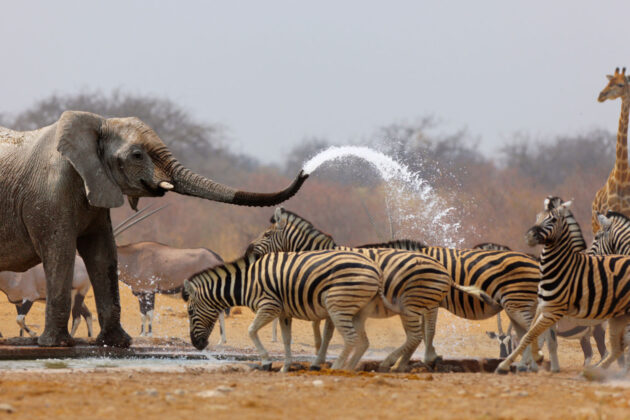
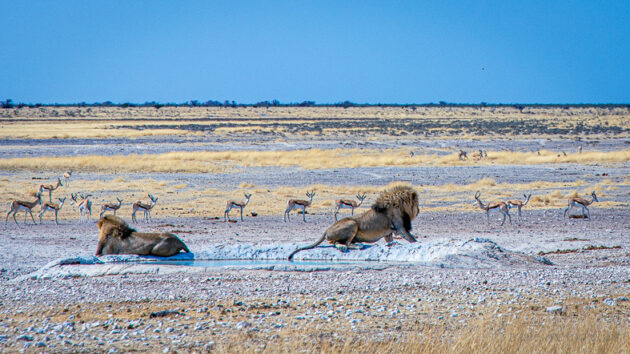
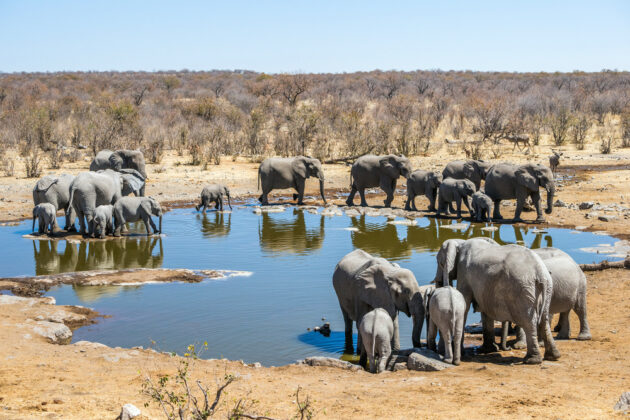
Etosha National Park is one of Africa’s premier wildlife destinations and Namibia’s flagship national park. Famous for its vast, shimmering white salt pan (the Etosha Pan) and exceptional game viewing around permanent waterholes, the park offers some of the best opportunities to see elephants, lions, black rhinos, giraffes, zebras, and more in a dramatic semi-arid landscape.
Fish River Canyon
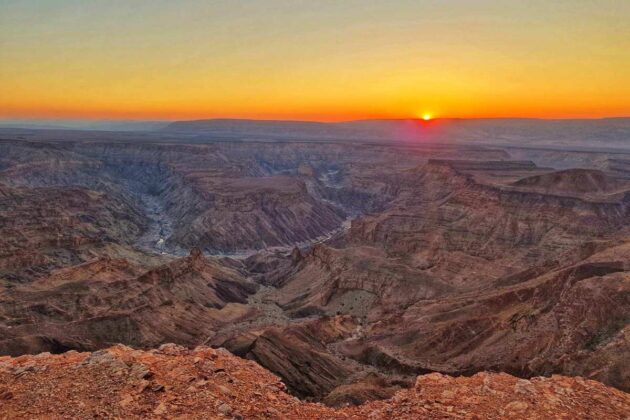
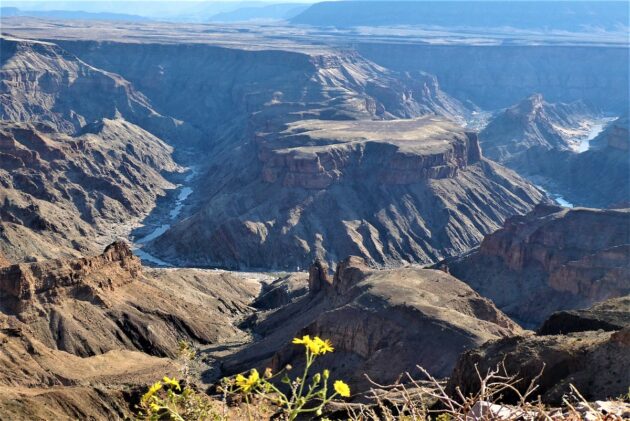
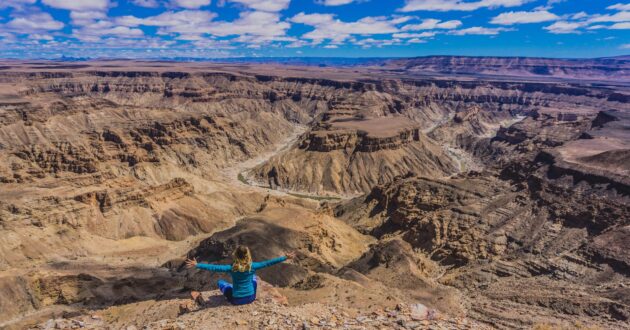
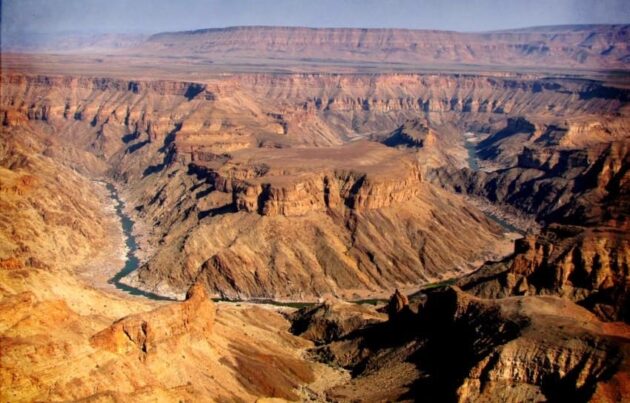
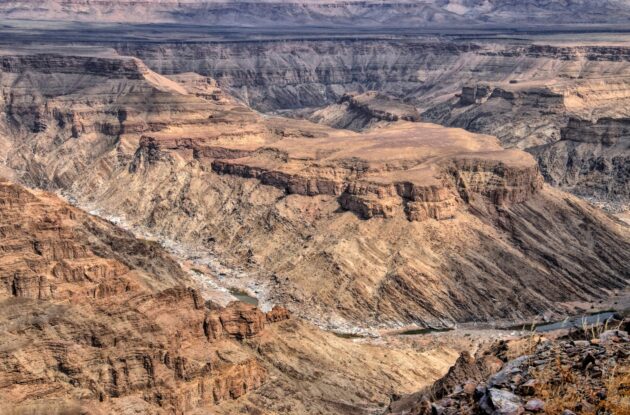
Fish River Canyon, located in southern Namibia, is the largest canyon in Africa and one of the most spectacular natural landmarks on the continent. Stretching approximately 160 kilometers in length, reaching widths of up to 27 kilometers, and plunging to depths of around 550 meters, it was formed over 500 million years by the erosive forces of the Fish River. While not as deep as the Grand Canyon, its vast, arid, and rugged landscape offers breathtaking, dramatic vistas.
Skeleton Coast
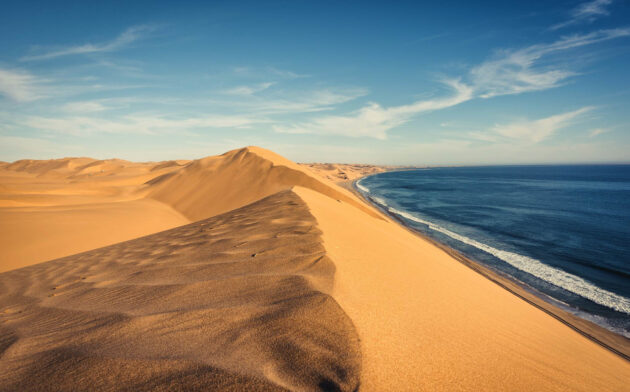
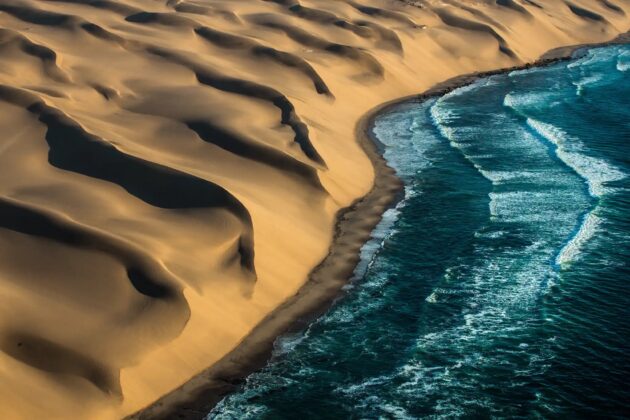
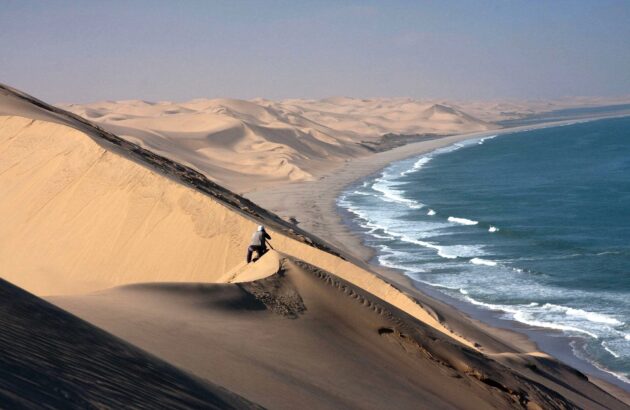
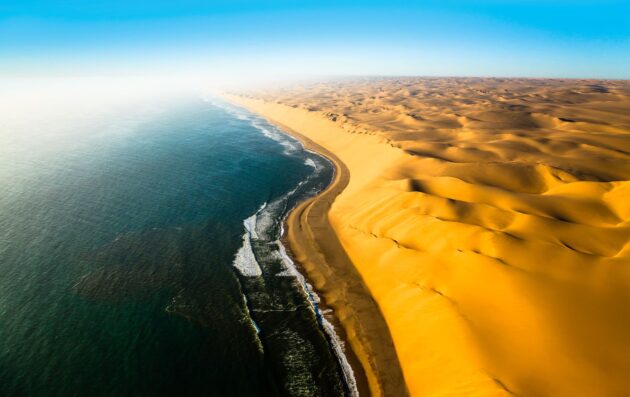
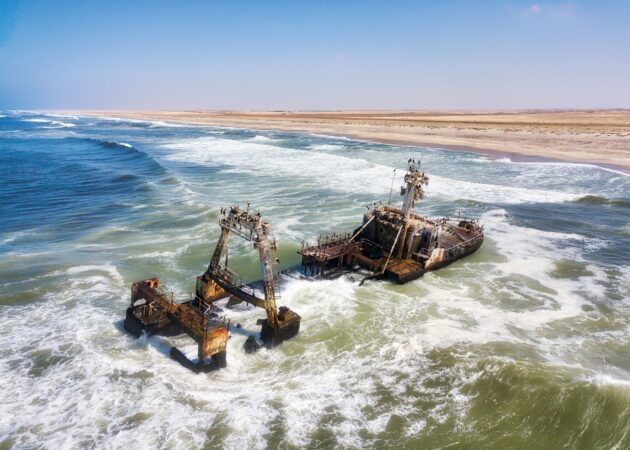
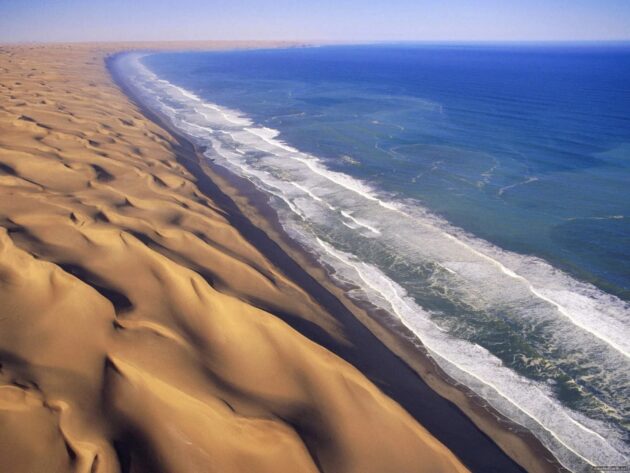
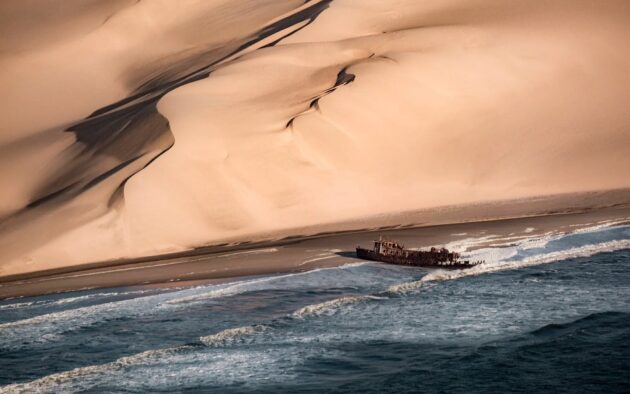
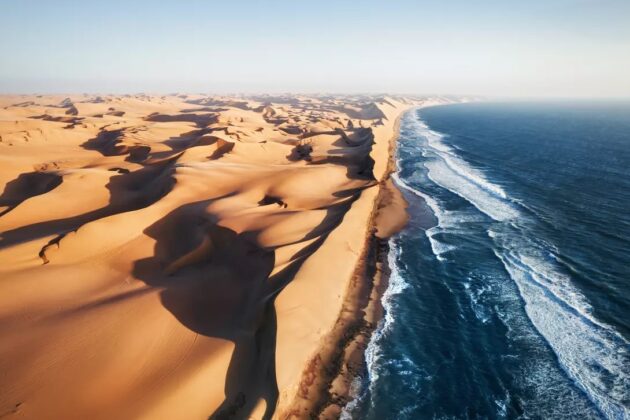
The Skeleton Coast in Namibia is one of the most remote, hauntingly beautiful, and otherworldly destinations on Earth. Stretching roughly 500 km along the Atlantic Ocean from the Ugab River in the south to the Kunene River near the Angolan border, this desolate coastline is where the Namib Desert dramatically meets the cold Benguela Current.
Twyfelfontein
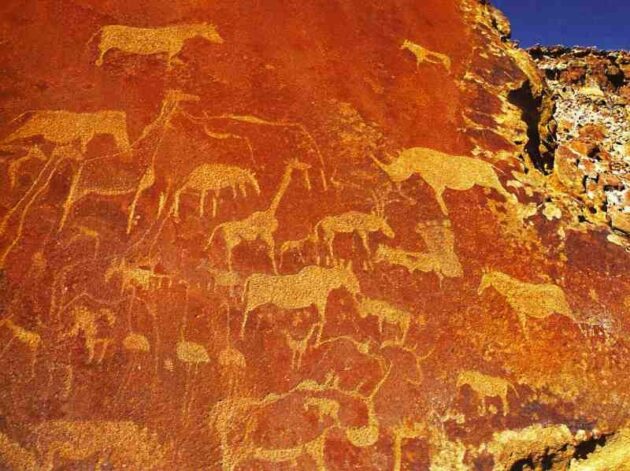
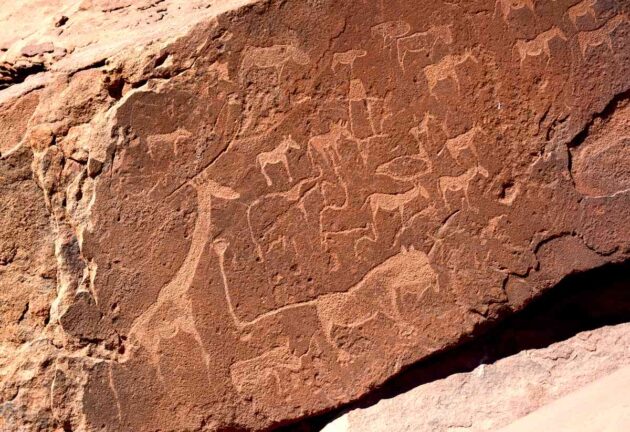
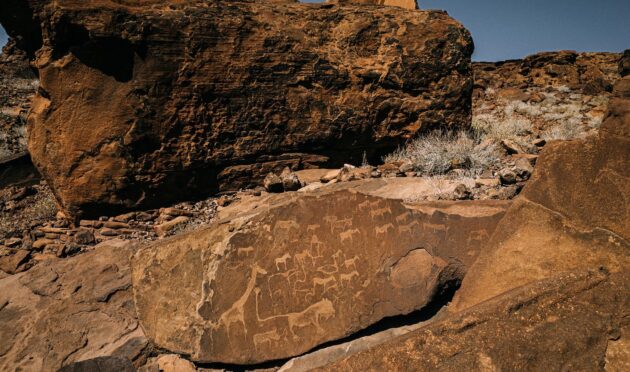
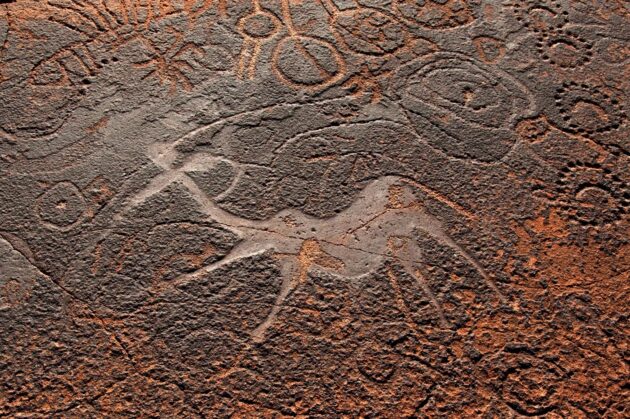
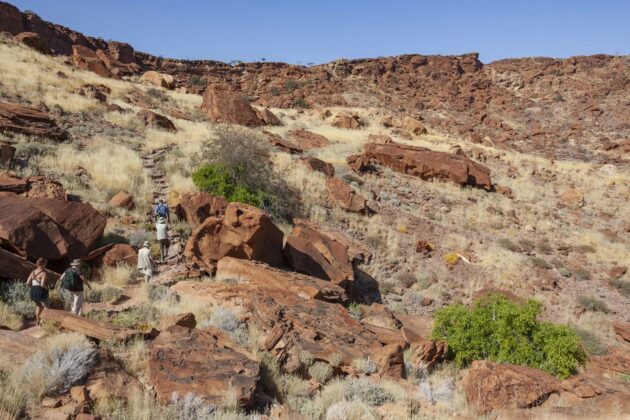
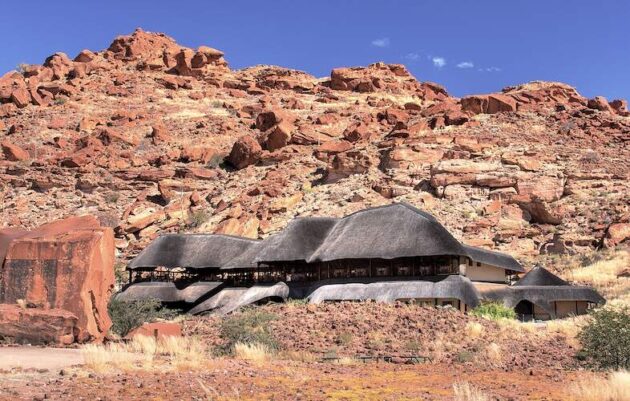
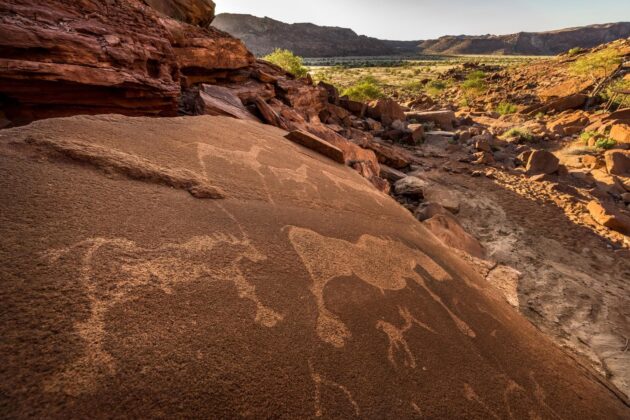
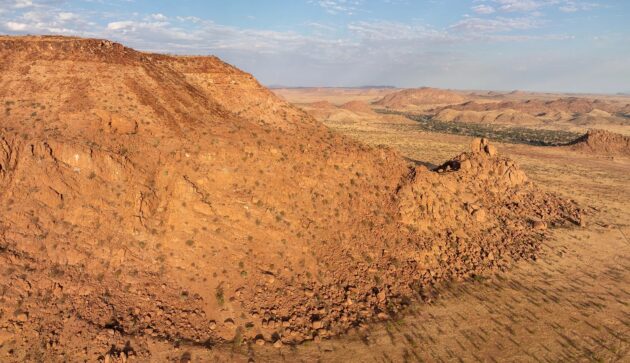
Located in the arid Kunene Region (formerly Damaraland) in northwestern Namibia, this site features one of the largest and best-preserved concentrations of ancient rock art in Africa, with over 5,000 petroglyphs (rock engravings) and around 200 rock paintings dating back 2,000 to 10,000 years.
Sample 14-Day Self-Drive Itinerary
Days 1–2: Arrive Windhoek → Quiver Tree Forest / Fish River Canyon area
Days 3–5: Namib Desert – Sossusvlei, Deadvlei, Sesriem Canyon
Days 6–8: Swakopmund & Walvis Bay – Sandwich Harbour, dunes, coast
Days 9–11: Damaraland – Twyfelfontein, desert elephants, rocky landscapes
Days 12–14: Etosha National Park – game drives, waterholes, wildlife
Day 15: Return to Windhoek / depart
Shorter 10-day version: Focus on Sossusvlei → Swakopmund → Etosha.
Where to Stay
Luxury lodges & tented camps (e.g., Kulala, Onguma, Wilderness camps)
Mid-range guesthouses & rest camps inside national parks
Camping (very popular — bring your own gear or rent)
Practical Tips
Currency: Namibian Dollar (NAD) — pegged 1:1 to South African Rand (ZAR). Both accepted.
Language: English is official; German and local languages also spoken.
Safety: Generally safe for tourists. Drive carefully (gravel roads, animals), avoid night driving, keep valuables hidden. Crime is low in tourist areas.
Health: Malaria risk in northern regions (Etosha, Caprivi) — prophylaxis recommended. Drink bottled water. Travel insurance is essential.
What to pack: Layers (cold mornings/nights), hat, sunscreen, binoculars, good camera, offline maps (e.g., Maps.me), water, snacks.
Photography: Sunrise/sunset are magical — bring extra batteries and memory cards.
Respect nature & culture: Stick to tracks, don’t feed wildlife, ask permission before photographing people (especially Himba communities).
Namibia delivers a rare combination of raw wilderness, breathtaking scenery, and peaceful solitude. Whether you’re chasing dunes at dawn, watching elephants at a waterhole, or sleeping under one of the clearest night skies on Earth, this journey will stay with you forever. Safe travels — Namibia awaits!