

Oman Travel Guide (2026)
Oman is one of the Middle East’s most welcoming and diverse destinations, offering a perfect blend of stunning natural landscapes, rich history, and warm hospitality. From the bustling yet elegant capital of Muscat to dramatic wadis (valleys with turquoise pools), golden desert dunes, ancient forts, and rugged mountains, Oman feels like a world away from its flashier neighbors. It’s safe, relatively uncrowded, and ideal for road trips, adventure, and cultural immersion.
Why Visit Oman?
Oman stands out for its dramatic contrasts: pristine beaches and snorkeling spots, the second-largest canyon in the world at Jebel Shams, star-filled desert nights in Wahiba Sands, and historic towns like Nizwa with lively livestock markets. The country is known for its friendly people, well-preserved traditions, and a relaxed pace that makes it perfect for first-time visitors to the region. Whether you seek hiking, desert camping, or exploring centuries-old forts and souqs, Oman delivers unforgettable experiences.
Best Time to Visit
The ideal time to visit Oman is October to April (winter and shoulder seasons), when temperatures are pleasant (20–30°C / 68–86°F in most areas) and perfect for outdoor activities like hiking wadis, desert safaris, and city exploration.
December–February: Coolest and busiest months; great for Muscat and desert camping.
March–April & October–November: Shoulder season with fewer crowds and comfortable weather.
May–September: Extremely hot (often over 40°C / 104°F) in most of the country — avoid unless heading to Salalah during the Khareef (monsoon) season (July–September), when the south turns lush and green.
How to Get There & Getting Around
Entry: Most nationalities can get a visa on arrival (typically 14–30 days, extendable). Check current requirements with the Royal Oman Police or your airline, as rules can change. A valid passport with at least 6 months validity is required.
Flights: Fly into Muscat International Airport (MCT), the main gateway. Direct flights are available from major hubs in Europe, Asia, and the Middle East.
Getting Around:
Rental Car (recommended for flexibility): A 4×4 is essential for desert dunes, mountain roads, and some wadis. International driving license required; drive on the right.
Taxis, ride-hailing apps (like Uber in Muscat), and organized tours are good alternatives if you prefer not to drive.
Domestic flights to Salalah or ferries are options for longer distances.
Safety Note: Oman is generally very safe with low crime rates, but avoid the Yemen border area due to security concerns. Standard travel insurance is advised.
Top Places to Visit & Things to Do
Muscat (Capital City)
Sultan Qaboos Grand Mosque — A stunning modern masterpiece (open to non-Muslims).
Mutrah Souq & Corniche — Wander the atmospheric old market for spices, frankincense, and silver; enjoy a sunset stroll along the harbor.
Al Alam Palace, forts (like Jalali and Mirani), and the Royal Opera House.
Day trip to Daymaniyat Islands for snorkeling with turtles and vibrant coral reefs.
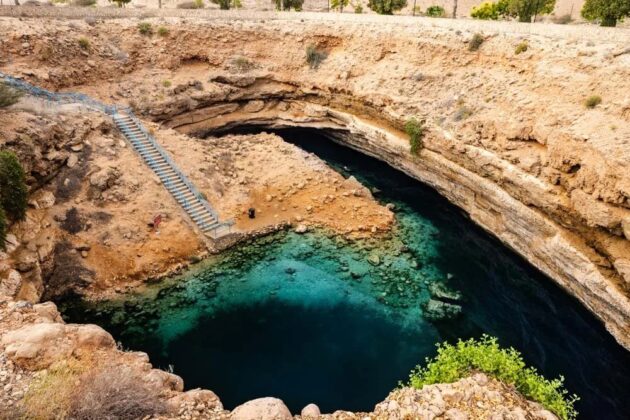
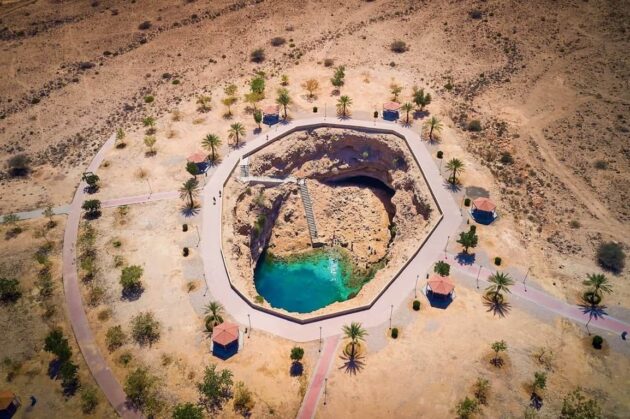
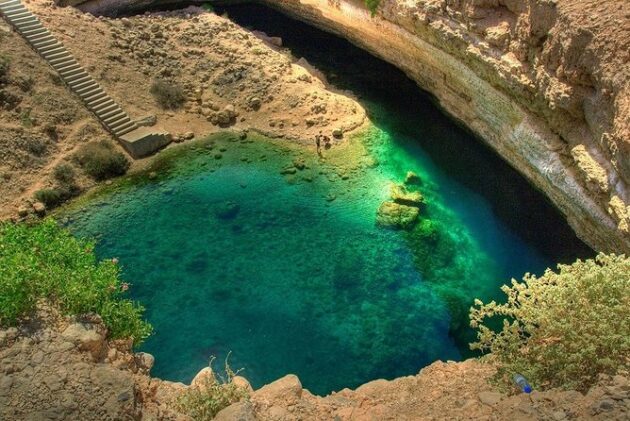
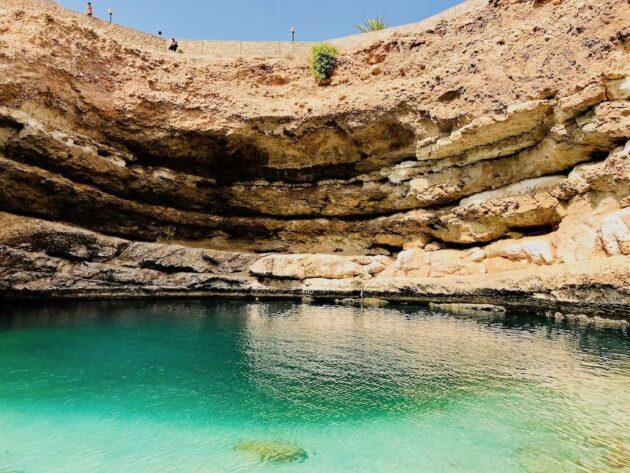
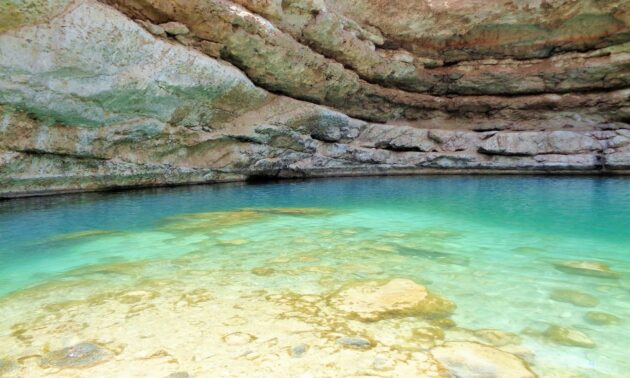
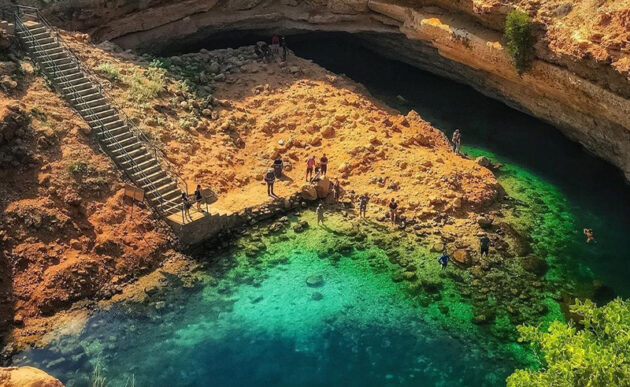
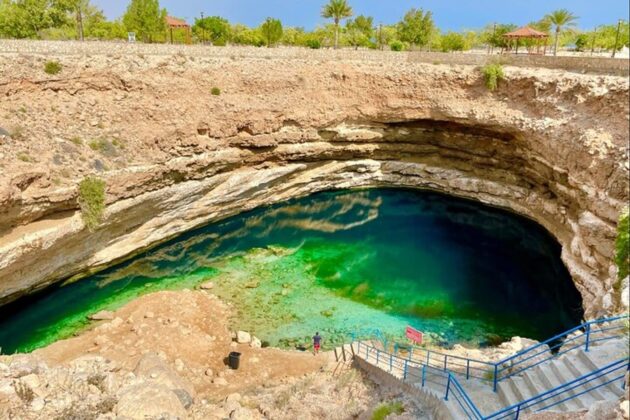
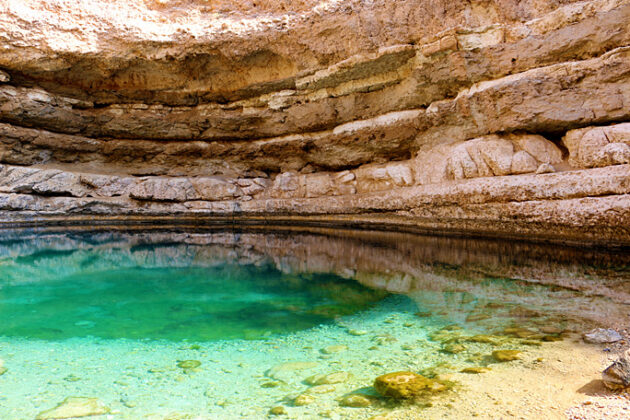
Bimmah Sinkhole
One of Oman’s most iconic spots: hike through a dramatic gorge to crystal-clear turquoise pools and a hidden cave waterfall. Combine with the dramatic Bimmah Sinkhole for swimming.
Wahiba Sands (Sharqiyah Sands)
Experience Bedouin-style desert camping, dune bashing, camel rides, sandboarding, and magical stargazing. Overnight camps offer a highlight of any trip.
Nizwa & the Interior
Known as the “Pearl of Islam,” visit the massive Nizwa Fort, the Friday livestock market, and nearby Bahla Fort and Jabreen Castle (UNESCO sites). Explore traditional villages like Al Hamra and Misfat Al Abryeen with their ancient aflaj (irrigation systems).
Jebel Shams & Jebel Akhdar (The Mountains)
Hike the “Balcony Walk” along the rim of Oman’s Grand Canyon at Jebel Shams. Jebel Akhdar (Green Mountain) offers cooler temperatures, terraced rose gardens, and scenic viewpoints.
Sur & Ras Al Jinz
Visit the historic dhow-building town of Sur and the turtle reserve at Ras Al Jinz for nighttime turtle nesting (best in summer).
Salalah (Southern Oman)
For a different vibe, fly south during Khareef season for lush greenery, waterfalls, and beaches.
Where to Stay
Muscat: Luxury options like The Chedi or Al Bustan Palace; mid-range hotels near Qurum Beach.
Desert: Glamping camps in Wahiba Sands (e.g., 1000 Nights Camp).
Mountains: Boutique stays in Al Hamra or luxury resorts on Jebel Akhdar.
Budget: Guesthouses and Airbnbs in Nizwa or Sur.
What to Bring & Practical Tips
Dress Code: Dress modestly — shoulders and knees covered for both men and women, especially at mosques and in rural areas. Women may want a light scarf for mosques. Loose, breathable clothing is best for the heat.
Cultural Etiquette: Omanis are hospitable. Use your right hand for eating/handshakes. Alcohol is available only in licensed hotels/restaurants (not widely in public). No public displays of affection.
Food: Try Omani staples like shuwa (slow-cooked lamb), machboos (spiced rice with meat), fresh seafood, and dates. Vegetarian options are available.
Essentials: Sunscreen, hat, reusable water bottle, modest swimwear for wadis, and cash for smaller souqs/markets. Respect photography rules at religious sites.
Health: Tap water is generally safe in cities but bottled is recommended. No special vaccinations required beyond routine ones; check for updates.
Final Thoughts
Oman offers an authentic Arabian experience without the overtourism found elsewhere in the region. Its combination of adventure, culture, and natural beauty makes it perfect for road-trippers, nature lovers, and those seeking a peaceful getaway. Plan ahead for car rentals and desert camps during peak season, and embrace the relaxed Omani pace — you’ll leave with memories of turquoise waters, endless dunes, and genuine hospitality.
Safe travels and enjoy the Sultanate of Oman! 🇴🇲