

Pakistan Travel Guide (2026)
Pakistan is a country of stunning contrasts — from the snow-capped peaks of the Karakoram and Himalayas in the north to the historic Mughal cities of the plains, ancient archaeological sites, and bustling urban centers. Known for its warm hospitality, rich cultural heritage, delicious cuisine, and some of the world’s most dramatic landscapes, Pakistan offers an unforgettable travel experience for adventurous visitors.
Why Visit Pakistan?
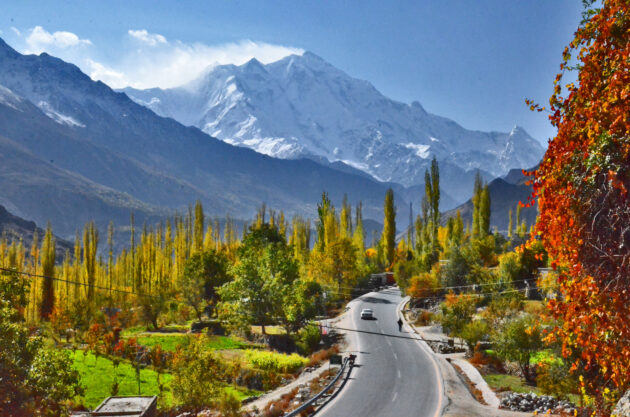
Mountains & Adventure: The Karakoram Highway, Hunza Valley, Fairy Meadows, and peaks like Rakaposhi offer world-class trekking, hiking, and scenic drives.
History & Culture: Mughal-era wonders in Lahore (Badshahi Mosque, Lahore Fort), ancient sites like Mohenjo-daro, and Sufi shrines.
Hospitality: Pakistanis are famously welcoming — expect generous invitations for tea or meals.
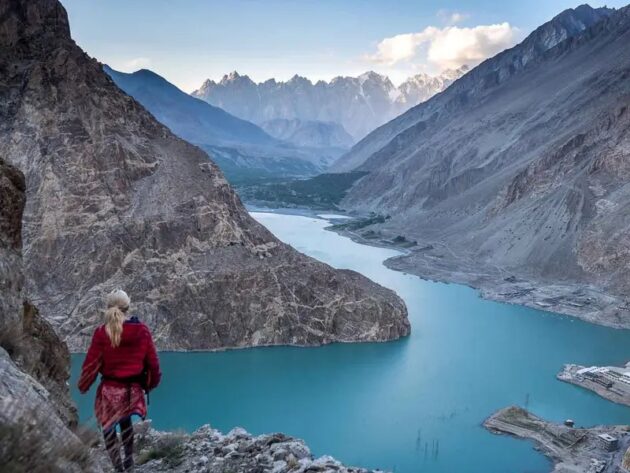
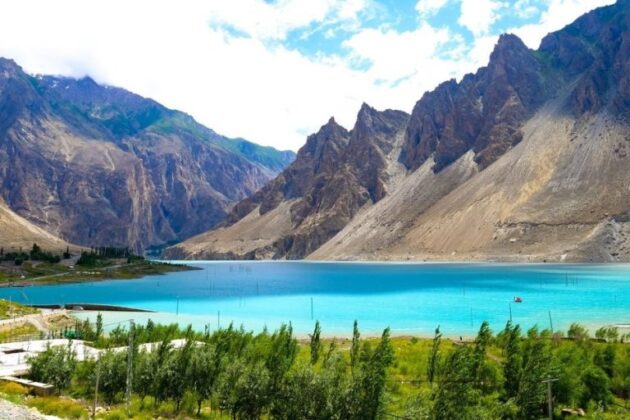
Nature: Turquoise lakes (Attabad), lush valleys, and the world’s second-highest mountain range.
Visa Requirements
All foreign tourists need a visa.
Apply for an e-Visa online via the official Pakistan Online Visa System (visa.nadra.gov.pk).
Processing typically takes 7–10 business days (apply at least 3 weeks in advance).
Requirements usually include proof of accommodation, travel itinerary, and sufficient funds.
Check the official site for your nationality, as fees and eligibility vary.
Best Time to Visit
October to November: Ideal shoulder season — pleasant weather nationwide, clear mountain views, and fewer crowds. Great for combining northern scenery with cultural sites in Lahore and Islamabad.
April to October: Best for the Northern Areas (Hunza, Gilgit-Baltistan) when roads are open and weather is good for trekking.
December to March: Comfortable for southern and central cities (Lahore, Karachi), though northern passes may be snowed in.
Avoid summer extremes (June–August) in the plains due to intense heat.
Top Destinations
Lahore (The cultural heart of Pakistan)
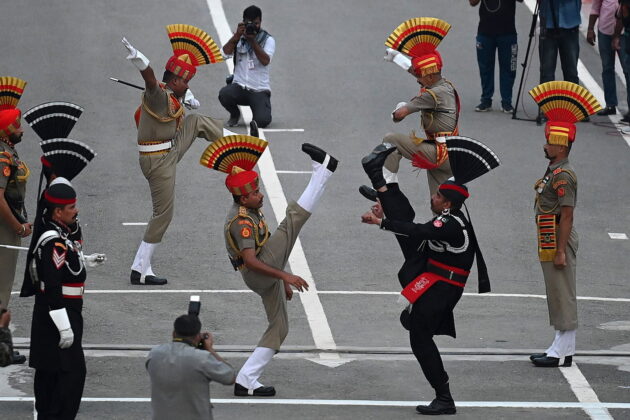
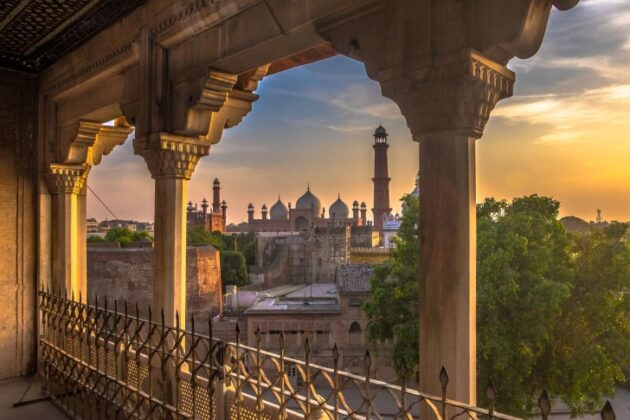
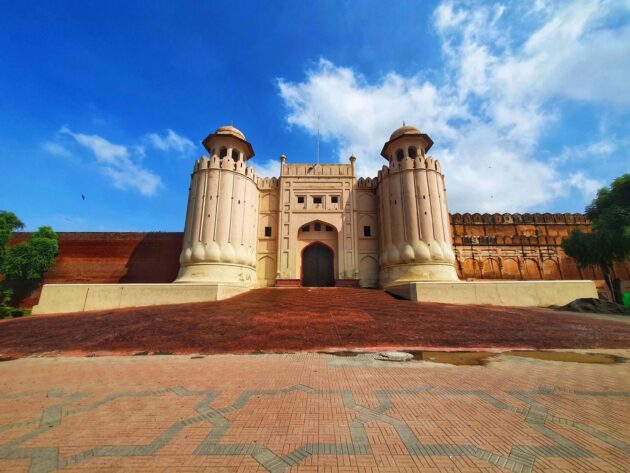
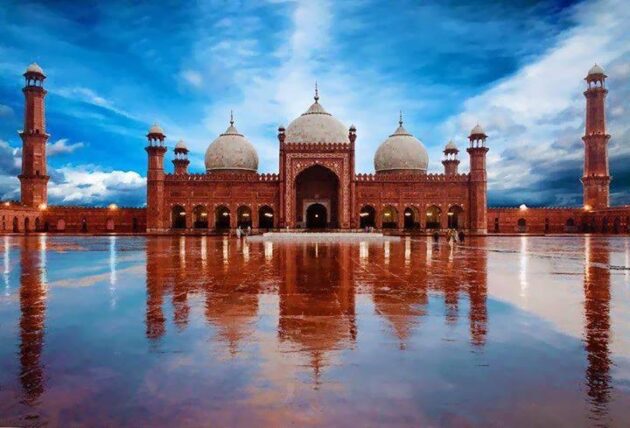
Explore the UNESCO-listed Lahore Fort and Badshahi Mosque, wander the vibrant Walled City, enjoy world-famous street food (nihari, paya, falooda), and visit the Shalimar Gardens. Lahore is famous for its Mughal heritage and lively atmosphere.
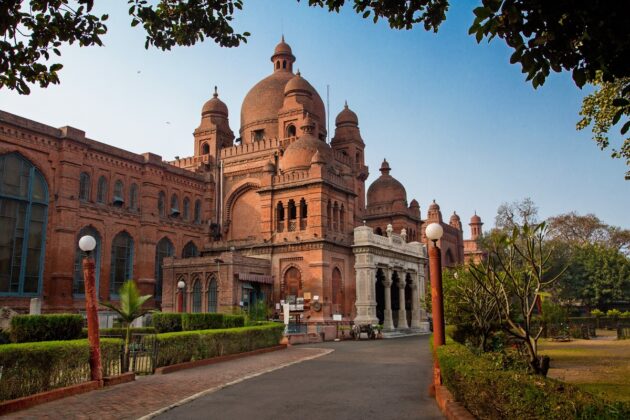
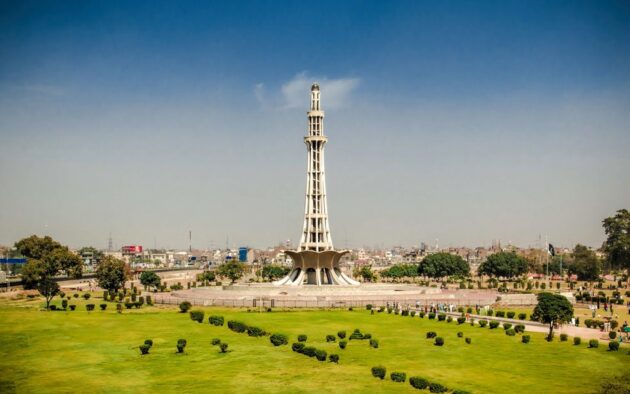
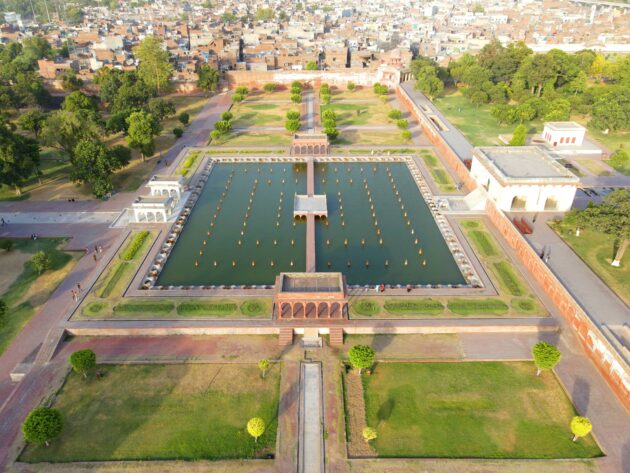
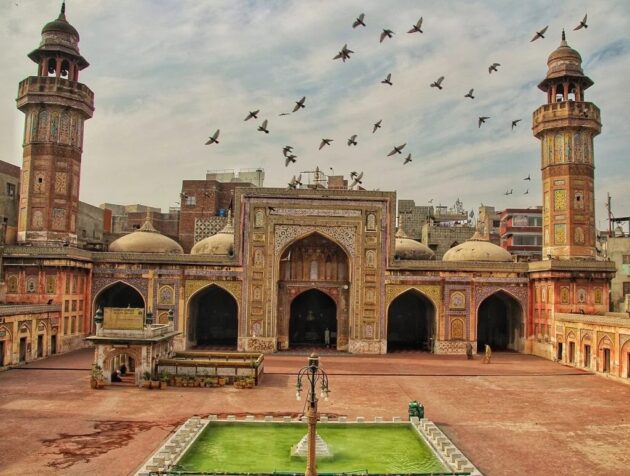
Islamabad (The modern, green capital)
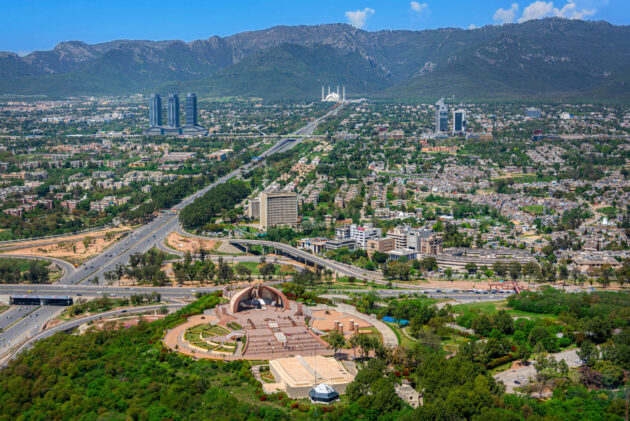
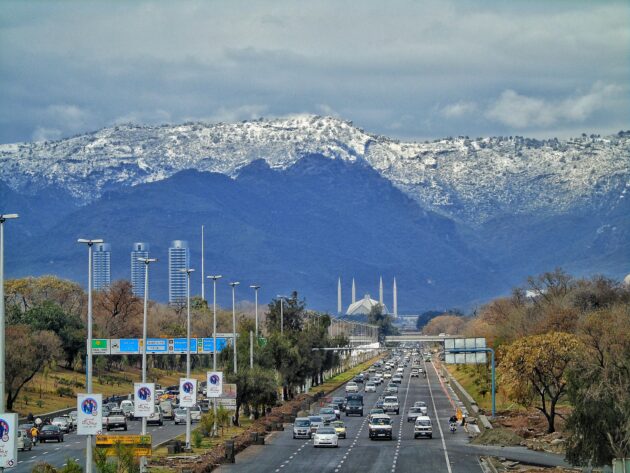
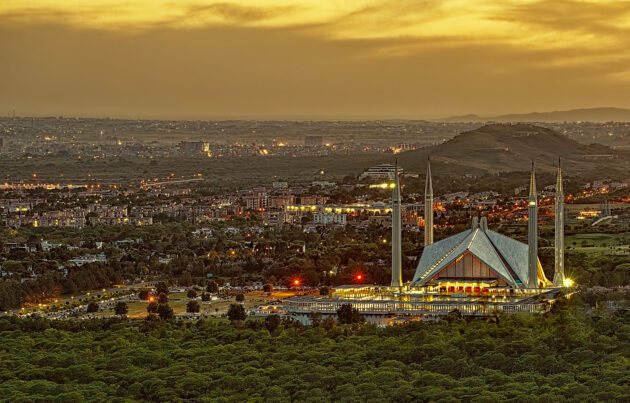
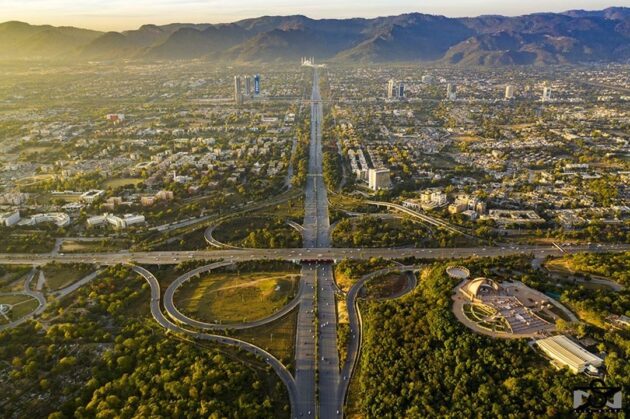
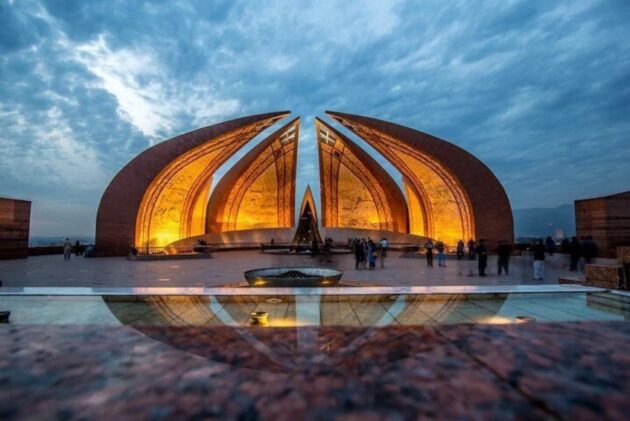
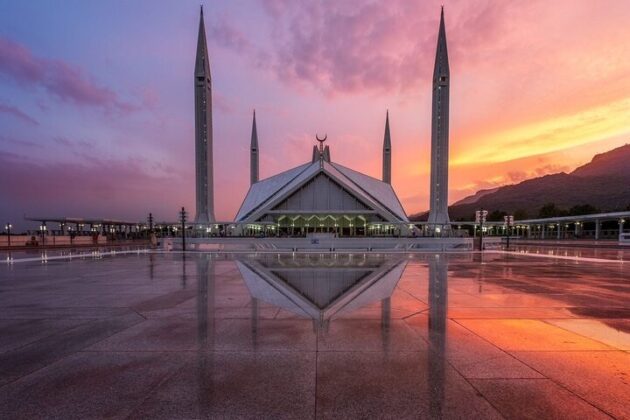
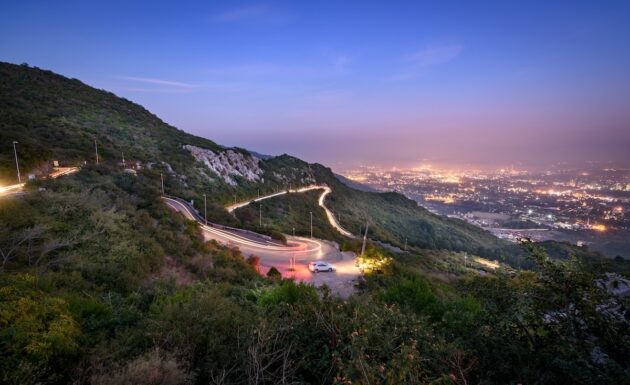
Visit the iconic Faisal Mosque, hike in the Margalla Hills, and explore Pakistan Monument and Lok Virsa Museum. It serves as a convenient base with good infrastructure.
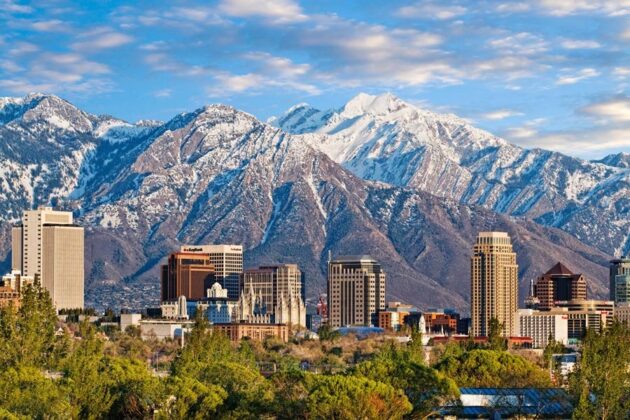
Hunza Valley
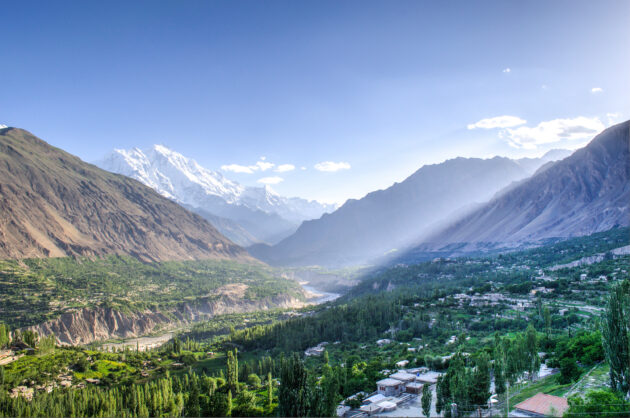
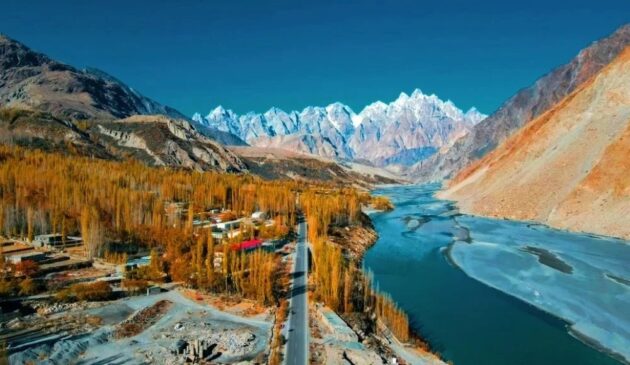
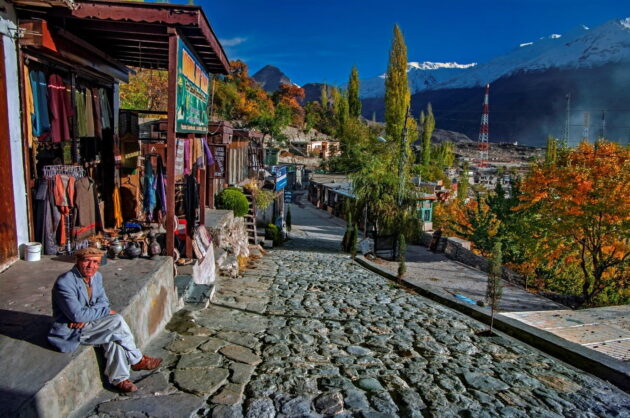
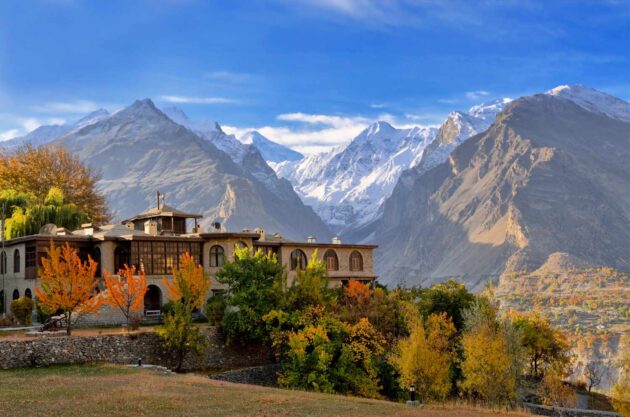
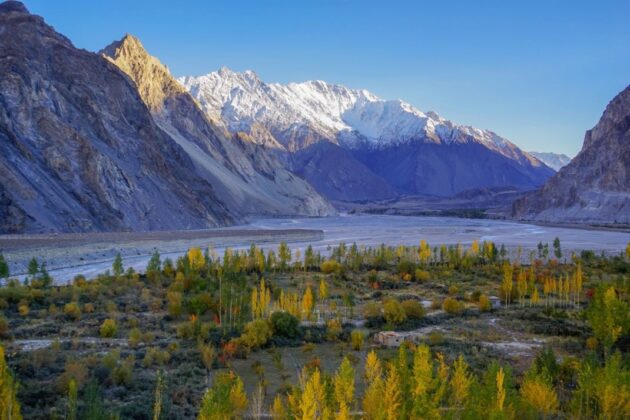
Hunza Valley, often called the “Shangri-La” of Pakistan, is a breathtaking mountain paradise located in the Gilgit-Baltistan region in the far north of the country. Surrounded by the towering peaks of the Karakoram, Himalayas, Hindu Kush, and Pamir ranges, this valley is renowned for its turquoise lakes, apricot orchards, ancient forts, and the legendary Karakoram Highway (KKH) — frequently dubbed the “eighth wonder of the world.”
Getting Around
Domestic Flights: PIA and private airlines connect major cities (Islamabad, Lahore, Karachi, Gilgit, Skardu).
Road Travel: The Karakoram Highway is iconic but winding — best with a driver/guide.
Trains: Scenic but slower (e.g., Lahore to Karachi).
Private Tours: Highly recommended for northern areas — they handle permits, logistics, and safety.
What to Eat
Must-Try: Biryani, nihari, haleem, kebabs, chapli kebab, and street chaat.
Hunza Specialties: Apricot-based dishes, buckwheat bread, and fresh walnuts.
Drinks: Sugarcane juice, lassi, and kahwa (green tea).
Note: Pakistan is a Muslim-majority country — alcohol is restricted (available only with permits in some hotels).
Practical Tips
Currency: Pakistani Rupee (PKR). ATMs are common in cities; carry cash for remote areas.
Clothing: Dress modestly (women: cover shoulders and knees; long scarf helpful). In conservative areas, loose clothing is appreciated.
Health: Drink bottled or purified water. Consider travel insurance covering medical evacuation. No mandatory vaccinations, but check routine ones.
Language: Urdu is national; English is widely understood in tourist areas.
Connectivity: Local SIM cards (Jazz, Telenor) are cheap and useful. Internet is generally good in cities.
Photography: Ask permission before photographing people, especially women or in sensitive areas.
Final Thoughts
Pakistan rewards those who visit with open minds and respect for local customs. Its dramatic landscapes, ancient history, and incredibly hospitable people make it one of Asia’s most underrated destinations. Focus on safe, popular tourist circuits, travel responsibly, and you’ll likely leave with stories and memories for a lifetime.
Safe travels — Pakistan Zindabad!