
Why Visit Badshahi Mosque?
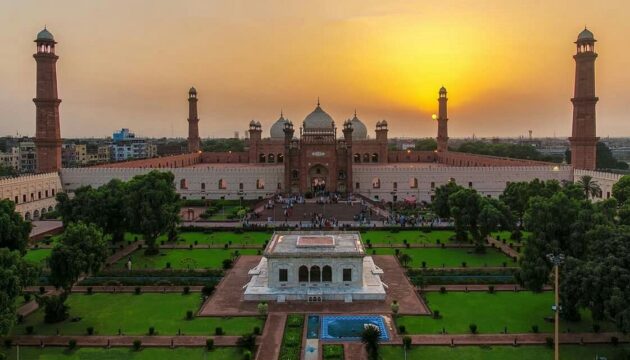
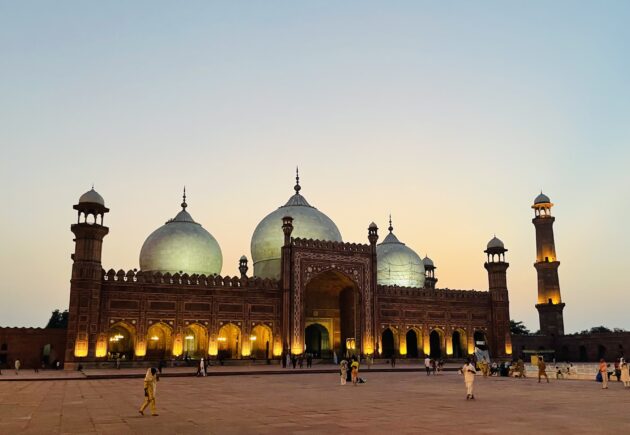
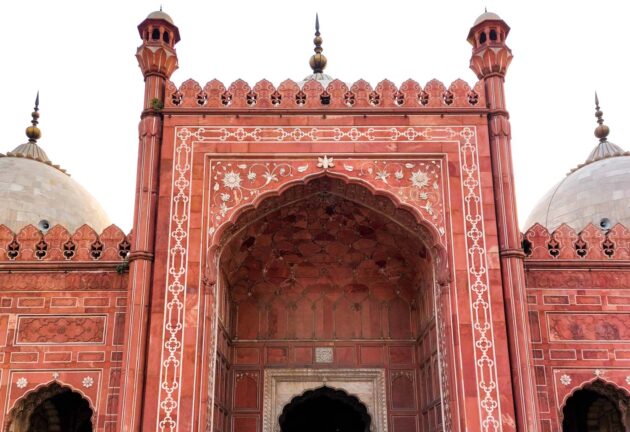
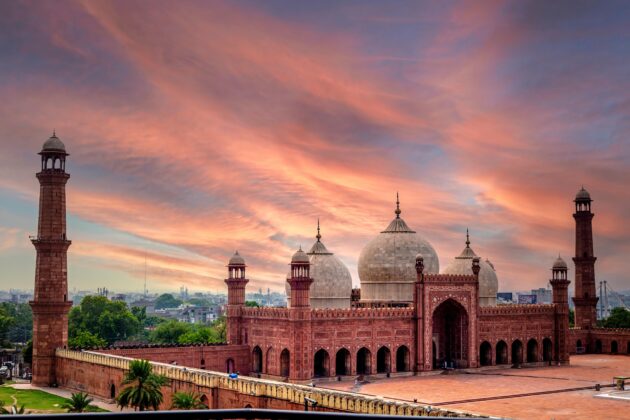
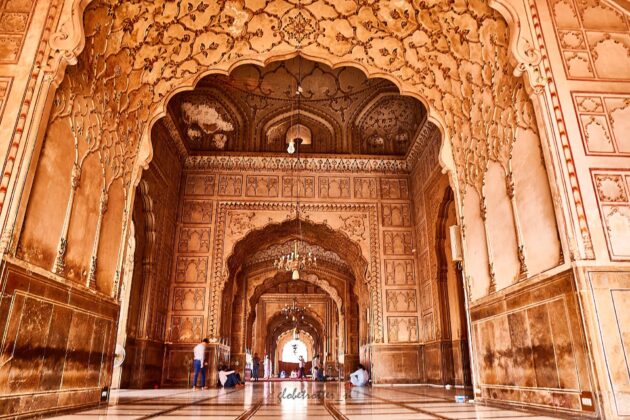
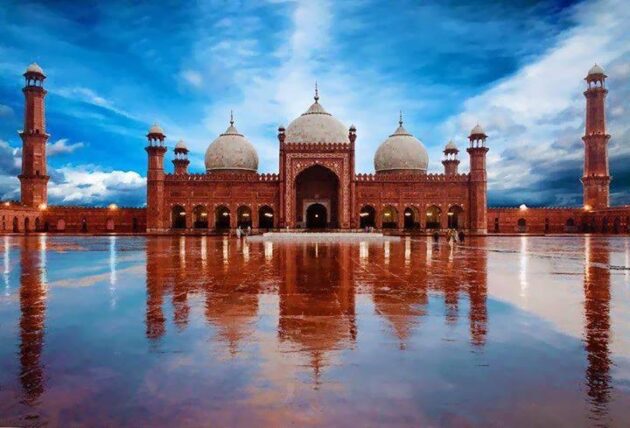
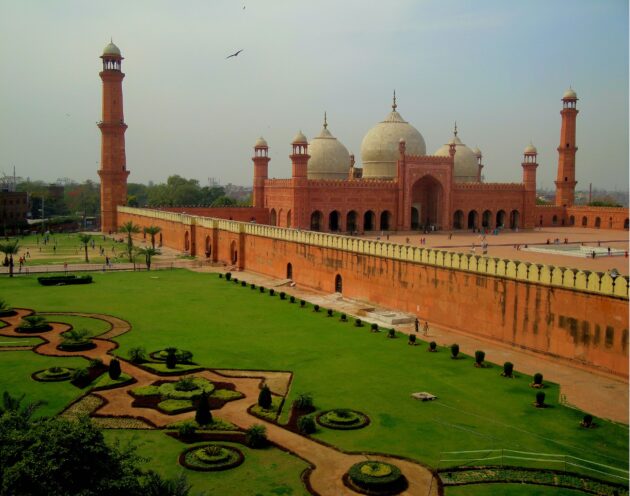
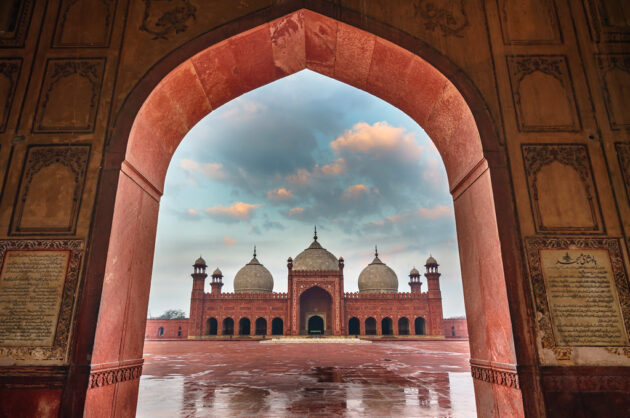
The Badshahi Mosque is one of the most iconic landmarks in Lahore and a masterpiece of Mughal architecture. Commissioned by Mughal Emperor Aurangzeb and completed in 1673, it ranks among the largest mosques in the world, with a vast courtyard that can accommodate up to 100,000 worshippers. Its grand red sandstone facade, intricate white marble inlays, three massive domes, and eight elegant minarets create a stunning visual impact. Located right opposite the historic Lahore Fort in the Walled City (Old City) of Lahore, it offers a perfect blend of history, spirituality, and architectural beauty.
History at a Glance
Built in just two years (1671–1673) during the final flourishing of the Mughal Empire, the mosque reflects the grandeur of Aurangzeb’s reign. It suffered damage during the Sikh era and British colonial period but was later restored. The mosque features beautiful marble work, floral motifs, and Quranic inscriptions. Some areas above the entrance gate reportedly house sacred relics, including hairs of the Prophet Muhammad (access may require a small fee or special permission).
How to Get There
Badshahi Mosque sits in the heart of Lahore’s historic Walled City, adjacent to the Lahore Fort and near Minar-e-Pakistan.
From Lahore Allama Iqbal International Airport: Take a taxi, Careem, or Uber (about 30–45 minutes depending on traffic). Expect to pay around PKR 800–1,500.
From the city center (e.g., The Mall or Gulberg): Use ride-hailing apps, a taxi, or a colorful auto-rickshaw (tuk-tuk). From central Lahore, it costs roughly PKR 200–500.
Within the Old City: Walk or take a short rickshaw ride from nearby gates like Delhi Gate or Bhati Gate. The area is pedestrian-friendly but can be crowded.
Pro tip: Combine your visit with the Lahore Fort (Shahi Qila) — they are literally across from each other, making it easy to explore both in one go.
Best Time to Visit
Daily opening hours: Generally 8:00 AM to 8:00 PM (or until after Isha prayers). It remains open year-round, but avoid prayer times (especially Friday Jummah prayers) if you want a quieter experience for sightseeing.
Optimal timing: Sunset is widely regarded as the best time. The golden hour light makes the red sandstone glow beautifully, and the call to prayer adds a magical atmosphere. Early morning (just after sunrise) offers fewer crowds and soft lighting for photos.
Best season: November to March, when Lahore’s weather is cooler (15–25°C / 59–77°F). Summers (May–September) can be extremely hot (over 40°C / 104°F), making outdoor exploration uncomfortable.
What to Expect and How to Visit
Entry to the main courtyard and prayer hall is free for all visitors. You must remove your shoes before entering — attendants outside will store them for a small fee of about 20 PKR (roughly $0.07 USD). A nominal fee may apply for certain inner rooms or relics.
The vast open courtyard, ornate prayer halls, and towering minarets are the main highlights. You can wander freely (respecting prayer areas), admire the detailed marble work, and enjoy panoramic views from certain spots. Non-Muslim visitors are welcome outside of prayer times.
Photography: Generally allowed in the courtyard and exterior areas. Be respectful of worshippers and avoid flashing or photographing inside active prayer zones without permission.
Dress Code and Etiquette
As an active place of worship, modest clothing is essential:
Cover your shoulders, arms, and legs (no shorts or sleeveless tops).
Women should bring a headscarf (dupatta or scarf) to cover their hair.
Remove shoes at the entrance.
Speak softly, avoid loud behavior, and follow any instructions from mosque staff.
What to Bring
Comfortable walking shoes (you’ll remove them anyway).
A scarf or shawl (especially for women).
Water and light snacks (especially in summer).
Cash in small denominations for shoe storage and possible donations.
Sunscreen, hat, and sunglasses if visiting during the day.
Nearby Attractions
Make the most of your visit by exploring the surrounding area:
Lahore Fort (Shahi Qila): A UNESCO World Heritage Site with palaces, gardens, and museums — spend at least 2–3 hours here.
Walled City of Lahore: Wander the narrow alleys, visit Wazir Khan Mosque, or explore Food Street for local cuisine.
Minar-e-Pakistan: A short walk away in Iqbal Park.
Food Street: Famous for Pakistani street food, kebabs, and nihari — perfect for dinner after sunset at the mosque.
Tips for a Great Experience
Hire a local guide if you want deeper historical insights (many are available near the entrance or through tour operators).
Visit in a group or with a trusted local for added comfort, especially if it’s your first time in the Old City.
Be cautious with shoe attendants — agree on the fee upfront (usually 20 PKR) to avoid overcharging.
Lahore traffic can be chaotic — allow extra time for travel.
Respect local customs and be polite; Pakistanis are generally warm and hospitable toward tourists.
Final Thoughts
Badshahi Mosque is more than just a building — it’s a living symbol of Lahore’s rich Mughal heritage and spiritual heart. A visit here, especially at sunset with the call to prayer echoing across the courtyard, is an unforgettable experience that captures the soul of Pakistan.
Safe travels and enjoy your time in the City of Gardens!