
A Travel Guide to Lahore (2026)
Lahore, the vibrant cultural capital of Pakistan and the heart of Punjab province, is a city that beautifully blends rich Mughal history, bustling bazaars, mouthwatering street food, and warm hospitality. Known as the “Garden of the Mughals” and “City of Gardens,” Lahore offers an unforgettable mix of ancient monuments, lively markets, and modern energy. Whether you’re drawn to grand mosques, historic forts, or endless culinary delights, Lahore promises a sensory-rich experience that captures the soul of Pakistan.
Why Visit Lahore?
Lahore is Pakistan’s second-largest city and a living museum of Mughal architecture, Sufi traditions, and Punjabi culture. Highlights include UNESCO World Heritage Sites like the Lahore Fort and Shalimar Gardens, the majestic Badshahi Mosque, and the chaotic charm of the Walled City. The city is famous for its food scene — from sizzling street kebabs to rich curries — and its friendly locals. It’s an ideal base for exploring Punjab and witnessing the iconic Wagah Border Ceremony. Lahore embodies Pakistan’s hospitality, history, and vibrancy in one energetic package.
How to Get There
By Air: Lahore Allama Iqbal International Airport (LHE) is well-connected with direct international flights from major hubs like Dubai, Istanbul, Doha, London, and many Middle Eastern cities. Domestic flights from Karachi, Islamabad, and other Pakistani cities are frequent and affordable.
By Road/Rail: Lahore has excellent road connections via motorways to Islamabad (about 4-5 hours) and other major cities. The railway network is extensive, with comfortable trains like the Green Line Express linking major destinations.
Once in Lahore, use ride-hailing apps like Careem or Uber for convenient transport. Rickshaws and taxis are widely available but negotiate fares in advance.
Best Time to Visit
The ideal time to visit Lahore is from October to March, during the cooler winter and autumn months. Temperatures are pleasant (typically 10–25°C / 50–77°F), making it perfect for outdoor sightseeing and exploring the Walled City without extreme heat.
Avoid summer (April–September), when temperatures can soar above 40°C (104°F) with high humidity and monsoon rains.
Spring (February–March) occasionally features the colorful Basant kite festival (check dates, as it can be restricted).
Winters can bring fog, but the festive atmosphere and milder days outweigh this.
Top Things to Do and See
Badshahi Mosque
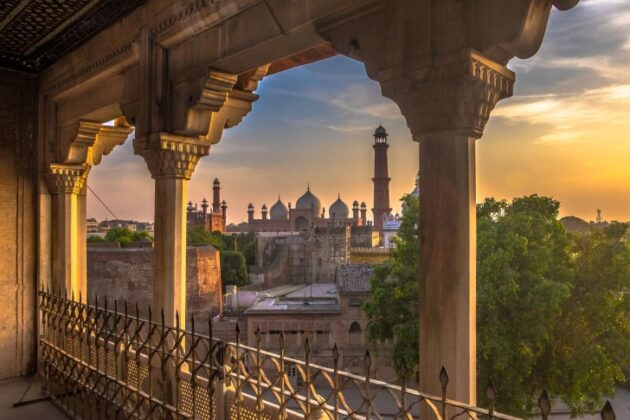
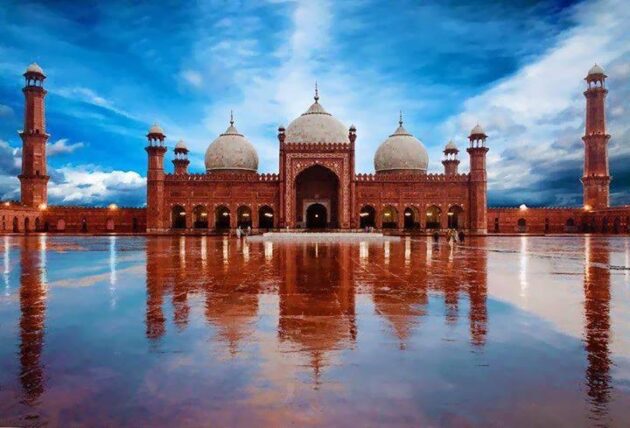
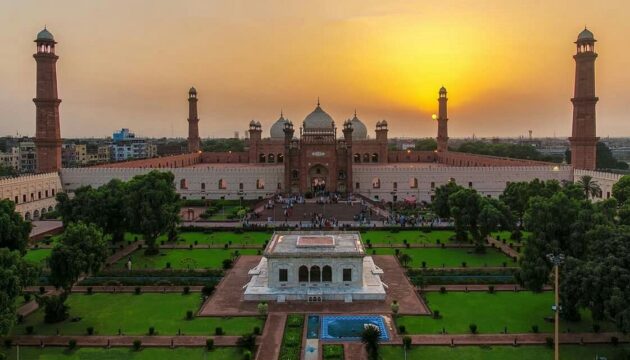
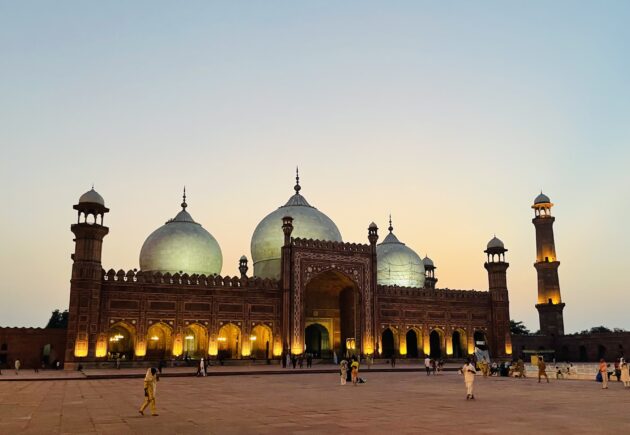
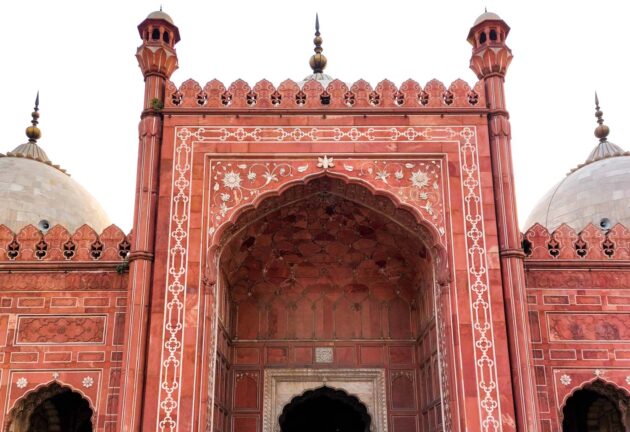
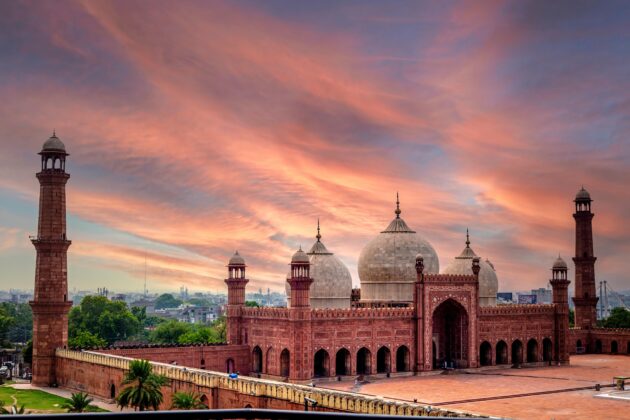
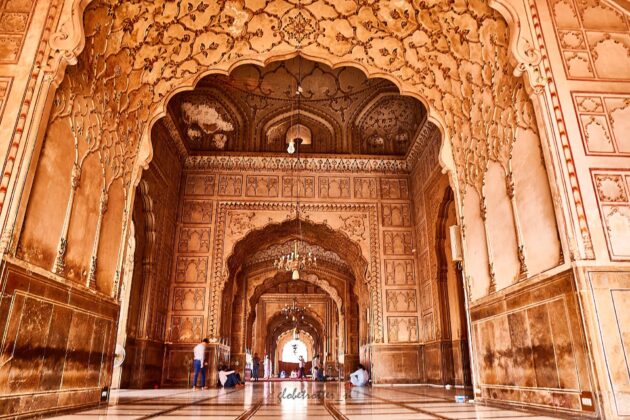
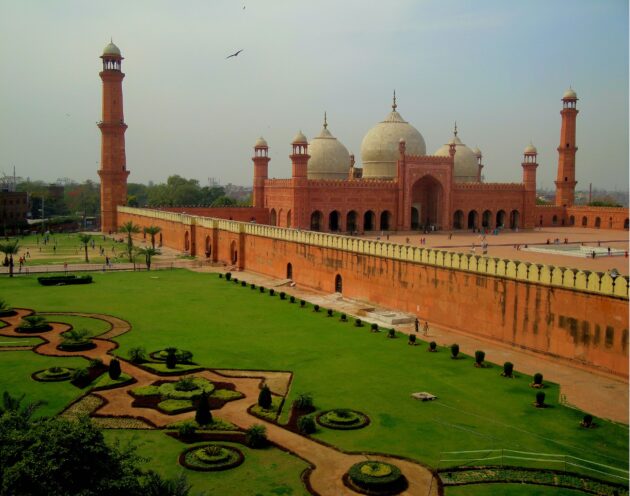
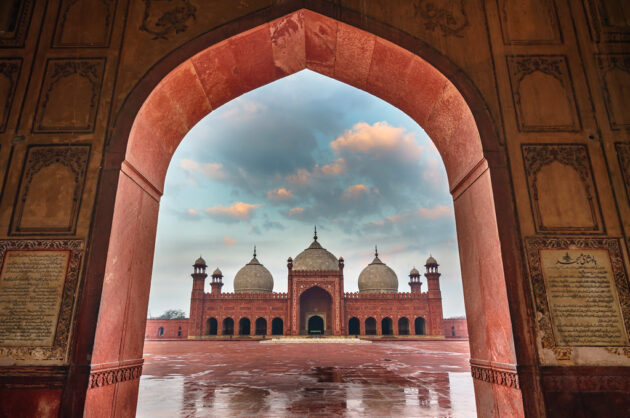
The Badshahi Mosque is one of the most iconic landmarks in Lahore and a masterpiece of Mughal architecture. Commissioned by Mughal Emperor Aurangzeb and completed in 1673, it ranks among the largest mosques in the world, with a vast courtyard that can accommodate up to 100,000 worshippers. Its grand red sandstone facade, intricate white marble inlays, three massive domes, and eight elegant minarets create a stunning visual impact.
Lahore Fort (Shahi Qila)
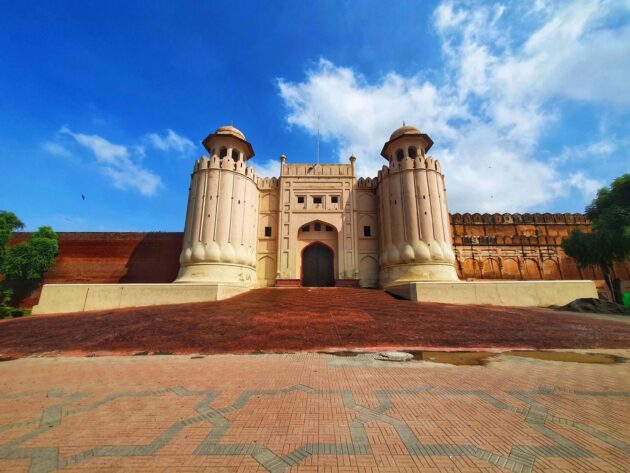
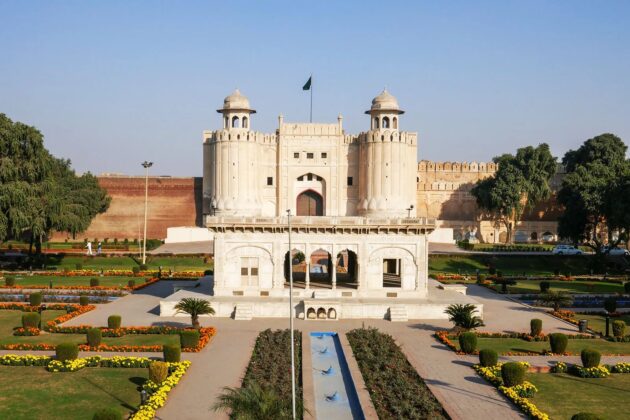
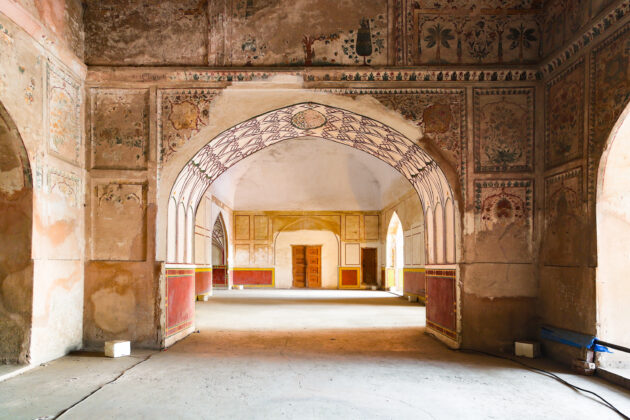
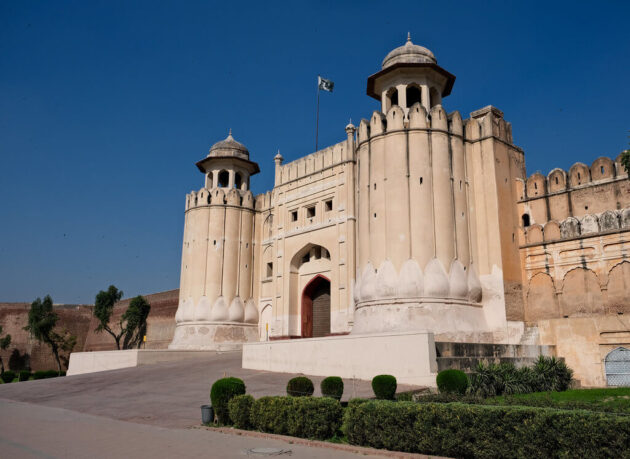
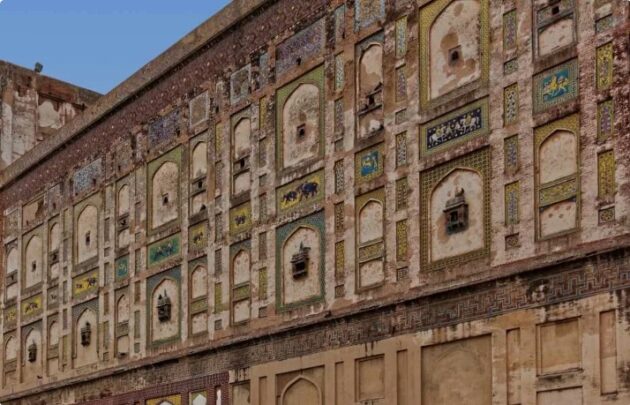
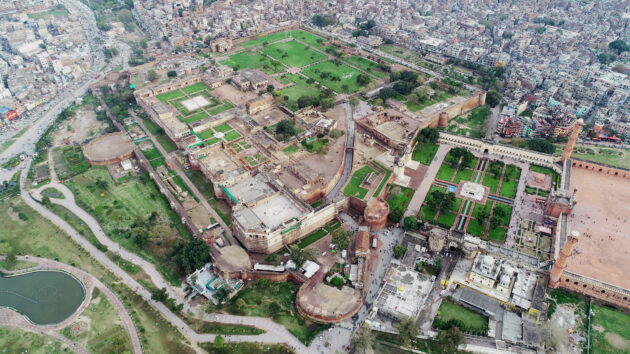
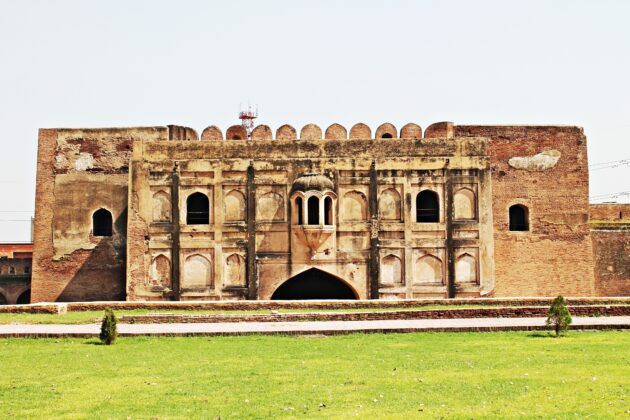
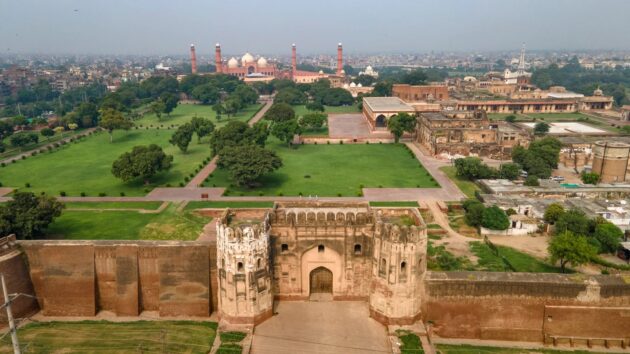
Lahore Fort, also known as Shahi Qila (Royal Fort), is one of Pakistan’s most magnificent historical landmarks and a UNESCO World Heritage Site. Located in the heart of Lahore’s historic Walled City, this sprawling citadel spans over 20 hectares and showcases the grandeur of Mughal architecture. Built and expanded by successive Mughal emperors — notably Akbar, Jahangir, Shah Jahan, and Aurangzeb — the fort served as a royal residence and military stronghold for centuries.
Wazir Khan Mosque
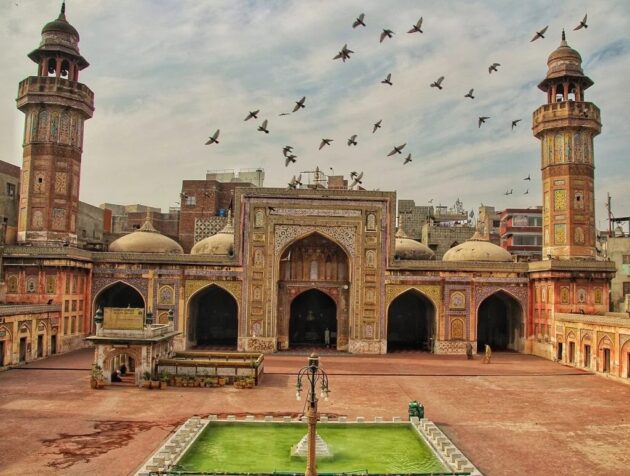
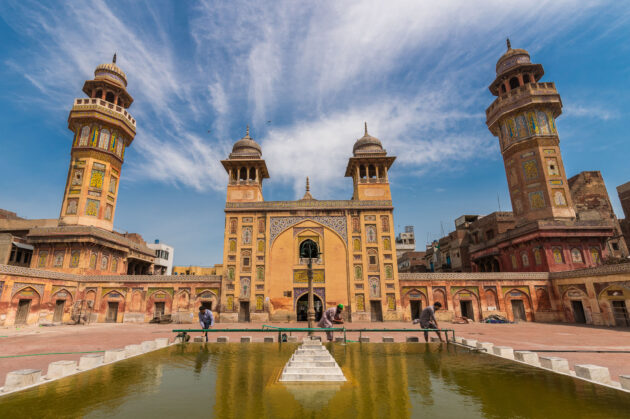
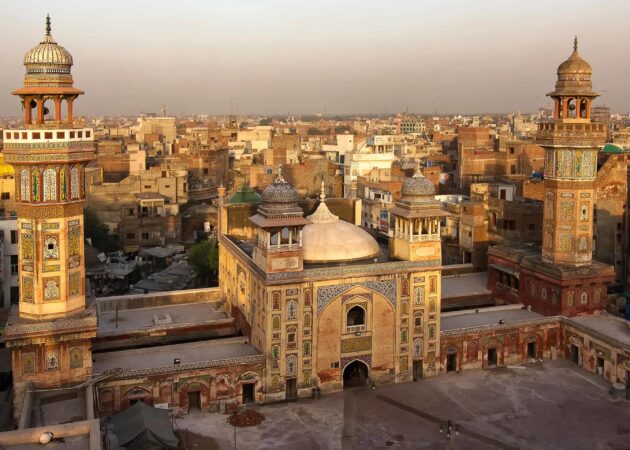
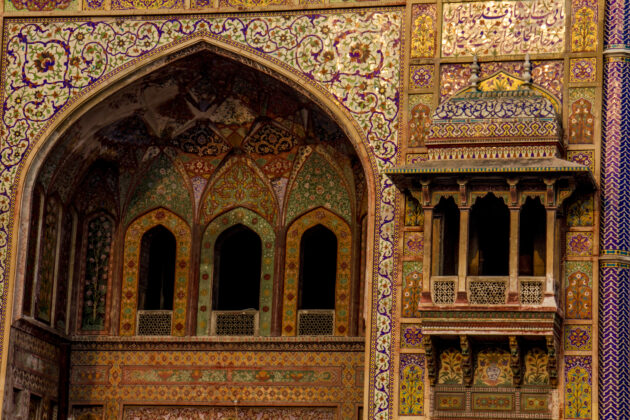
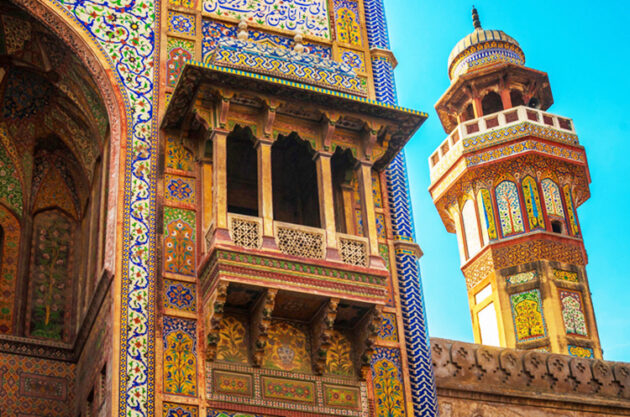
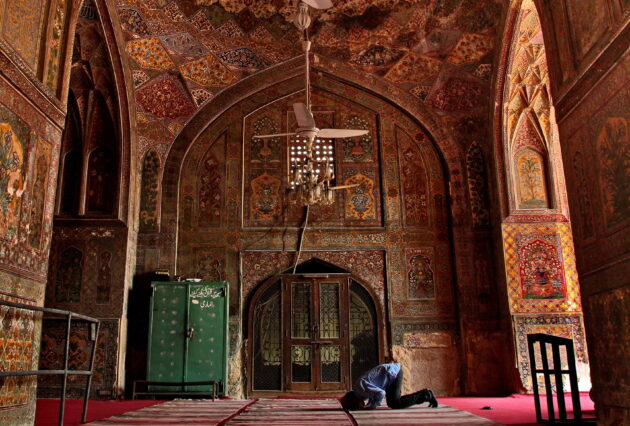
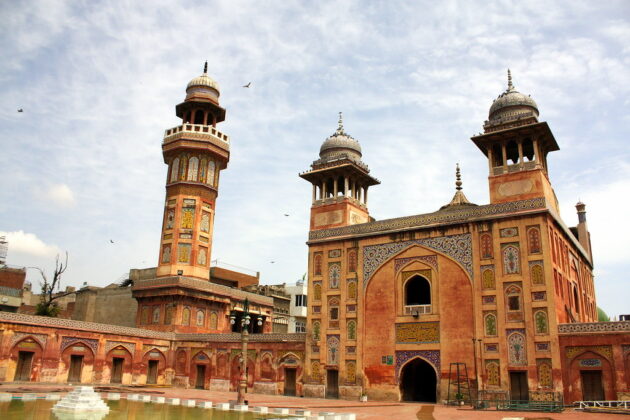
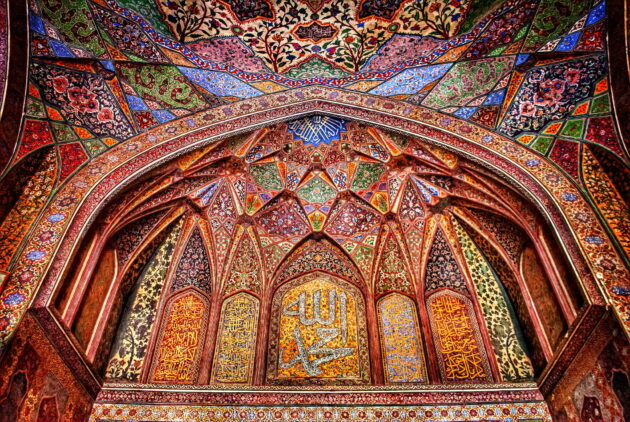
Wazir Khan Mosque (Masjid Wazir Khan) is one of Lahore’s most breathtaking Mughal-era landmarks and is widely regarded as the most ornately decorated mosque from the Mughal period. Built in the 17th century, it dazzles visitors with intricate kashi-kari (glazed tile work), vibrant frescoes, calligraphy, and floral motifs that cover almost every surface.
Shalimar Gardens
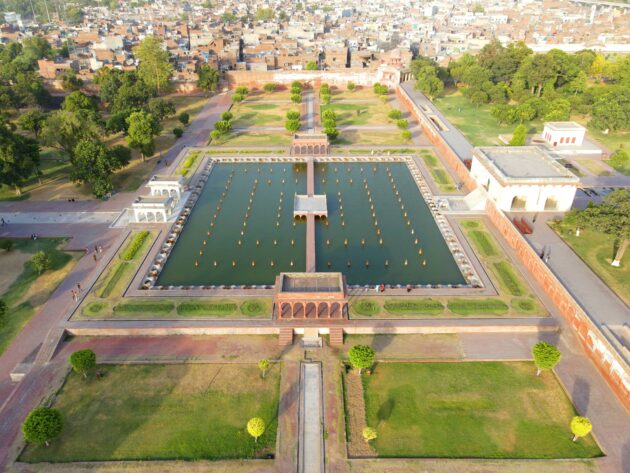
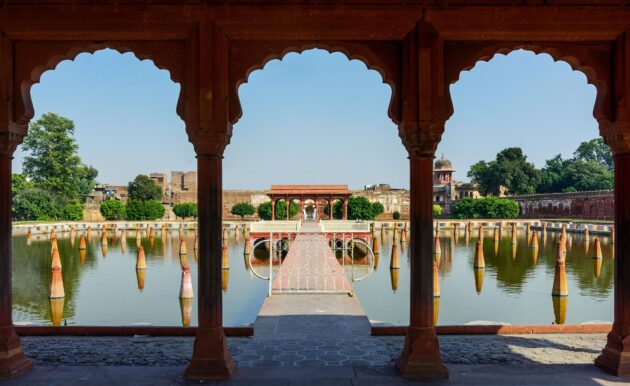
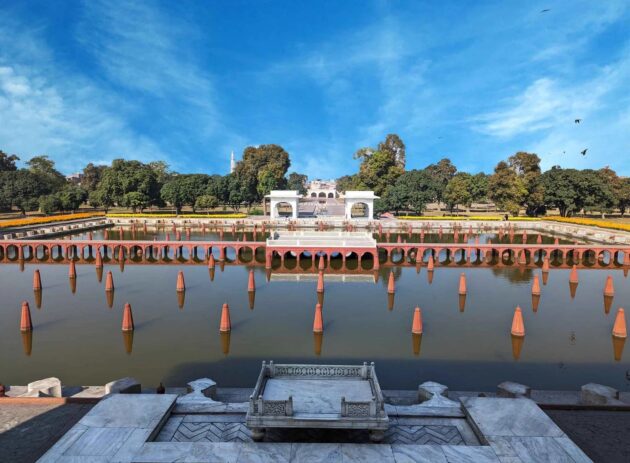
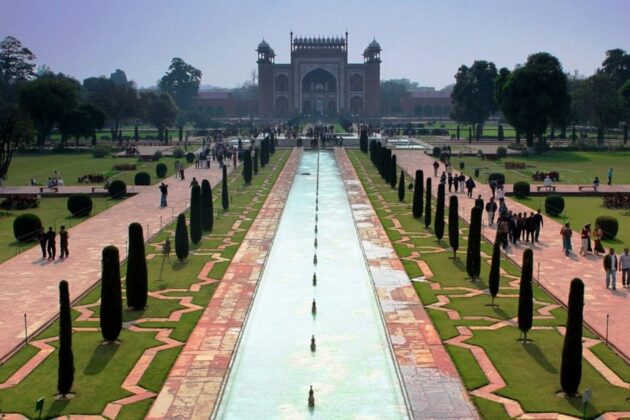
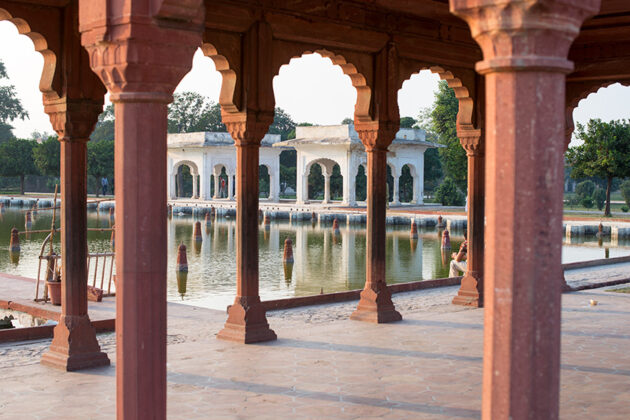
Shalamar Gardens (also known as Shalimar Bagh or Shalimar Gardens) is a magnificent Mughal-era masterpiece and one of Lahore’s most iconic historical attractions. Built in 1641–1642 by Mughal Emperor Shah Jahan (the same ruler who commissioned the Taj Mahal), this UNESCO World Heritage Site represents the pinnacle of Persian-influenced Mughal garden design, blending architecture, water features, and nature in perfect harmony.
Wagah Border Ceremony
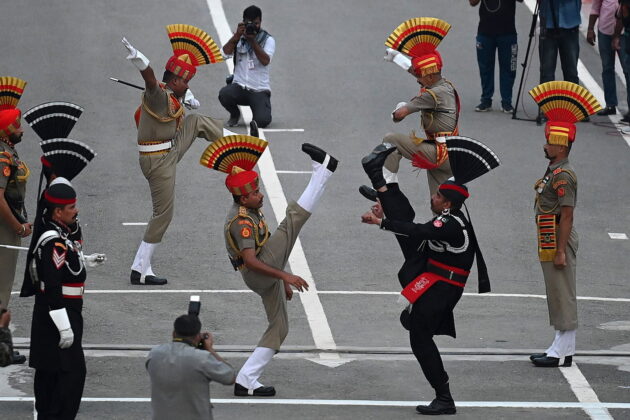
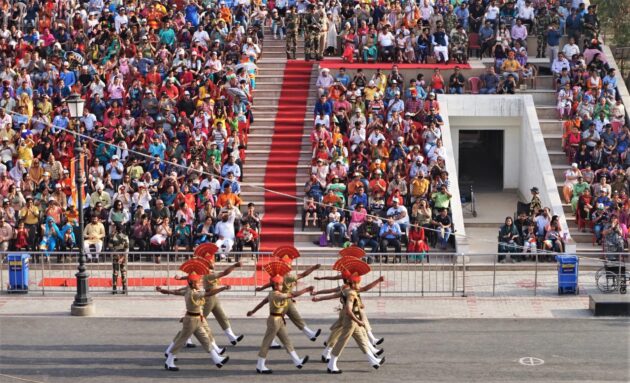
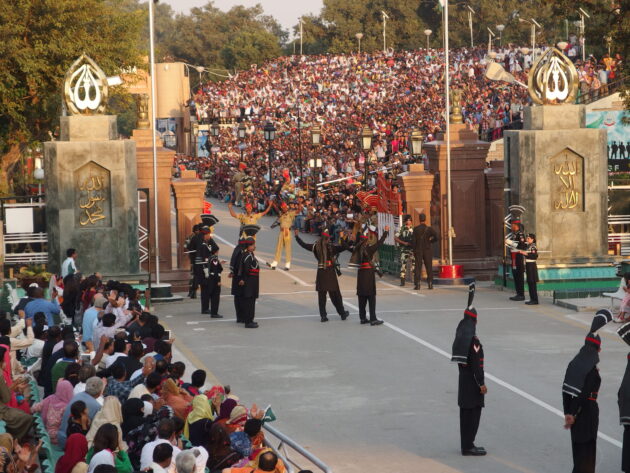
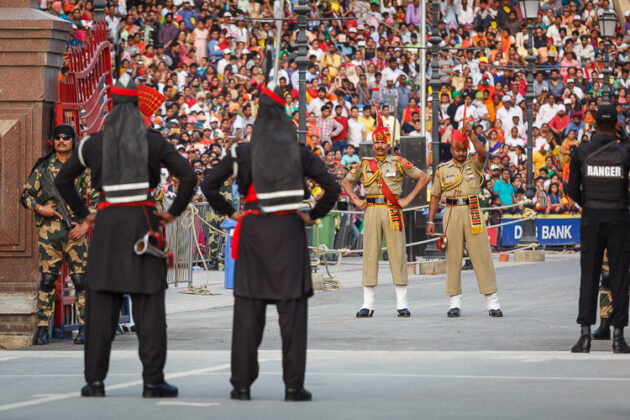
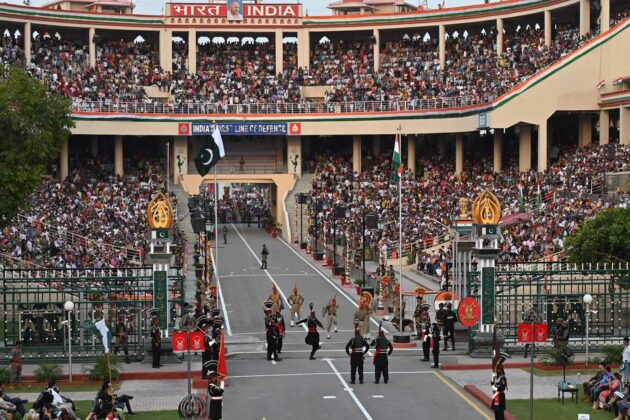
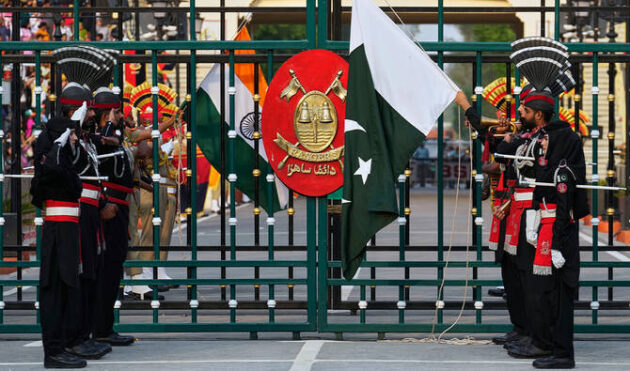
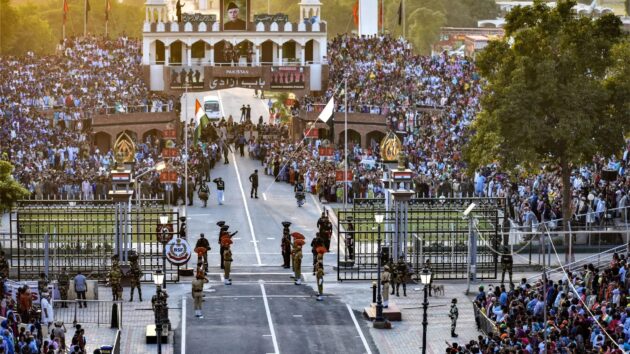
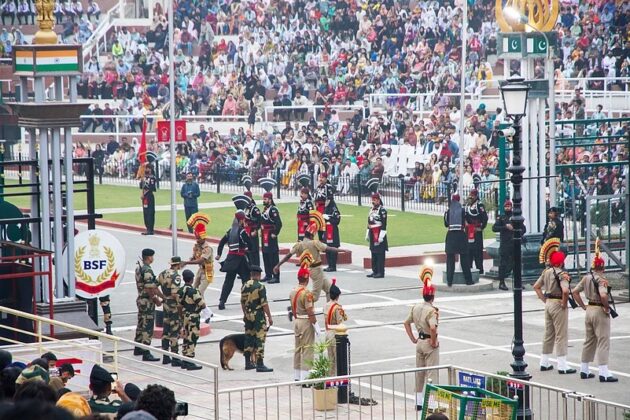
A short drive from Lahore, witness the daily flag-lowering parade between Pakistan and India — a high-energy spectacle of military precision and national pride. Book tickets or join a tour in advance.
What to Eat
Lahore is a food lover’s paradise. Must-tries include:
Street Food: Nihari, paya, siri paya, chicken tikka, and fresh naan from spots like Food Street or old city stalls.
Signature Dishes: Lahori fried fish, butter chicken, haleem, and falooda.
Desserts: Gulab jamun, kheer, and kulfi.
Fine dining options exist in upscale hotels, but the real experience is at bustling roadside eateries. Always choose busy places for freshness, and drink bottled water.
Where to Stay
Luxury: Pearl Continental, Avari Hotel, or Four Points by Sheraton — central locations with excellent amenities.
Mid-Range: Grand Millennium or similar comfortable options near Mall Road or Gulberg.
Budget: Guesthouses and hostels in the Walled City area or near Anarkali for an authentic feel. Many hotels offer airport shuttles.
Practical Tips
Safety: Lahore is generally considered one of Pakistan’s safer major cities for tourists, especially in tourist areas like the Walled City, Gulberg, and Mall Road. However, always check the latest travel advisories from your government (many recommend exercising caution in Pakistan due to regional security concerns). Stick to well-lit, populated areas at night, use registered transport, and avoid border regions or political demonstrations. Tourist police are available in key spots.
Dress Modestly: Cover shoulders and knees; women may feel more comfortable with a scarf. Respect local customs at religious sites (remove shoes, no photos in sensitive areas).
What to Bring: Comfortable walking shoes (streets can be uneven), sunscreen, insect repellent, power adapter, and cash (ATMs are common but carry PKR). Download offline maps and translation apps.
Health: No special vaccinations are mandatory, but check for routine shots and consider hepatitis A/typhoid. Air quality can be poor in winter — wear a mask if sensitive.
Etiquette: Pakistanis are incredibly hospitable. Accept tea invitations, learn basic Urdu greetings, and always ask before photographing people.
Currency & Costs: Pakistani Rupee (PKR). Lahore is affordable — meals from street food cost little, while mid-range hotels are budget-friendly for international standards.
Final Thoughts
Lahore is more than a destination — it’s an immersion into Pakistan’s soul, where ancient grandeur meets everyday warmth. Spend at least 2–4 days to soak in its layers, and consider combining it with day trips to nearby sites. With respectful travel and an open mind, you’ll leave with memories of stunning architecture, incredible flavors, and genuine Pakistani hospitality.
Safe travels to the City of Gardens!