
A Travel Guide to Lahore Fort (2026)
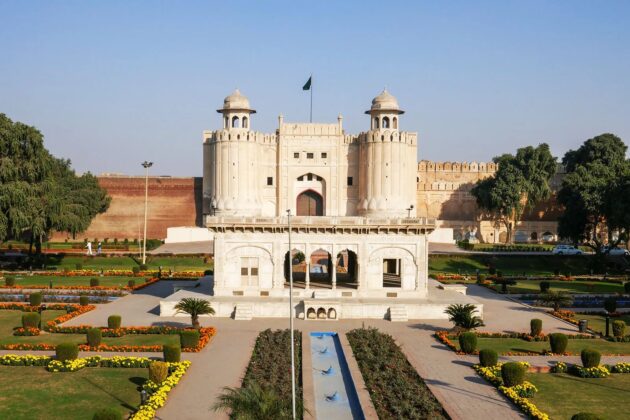
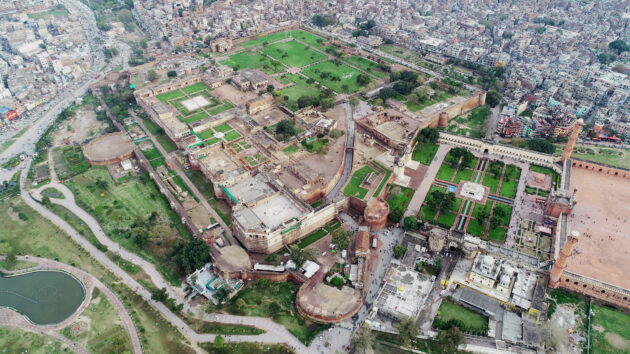
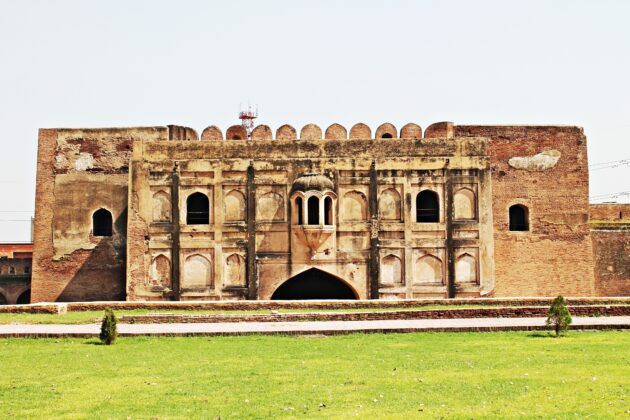
Lahore Fort, also known as Shahi Qila (Royal Fort), is one of Pakistan’s most magnificent historical landmarks and a UNESCO World Heritage Site. Located in the heart of Lahore’s historic Walled City, this sprawling citadel spans over 20 hectares and showcases the grandeur of Mughal architecture. Built and expanded by successive Mughal emperors — notably Akbar, Jahangir, Shah Jahan, and Aurangzeb — the fort served as a royal residence and military stronghold for centuries. It later saw use under Sikh and British rule.
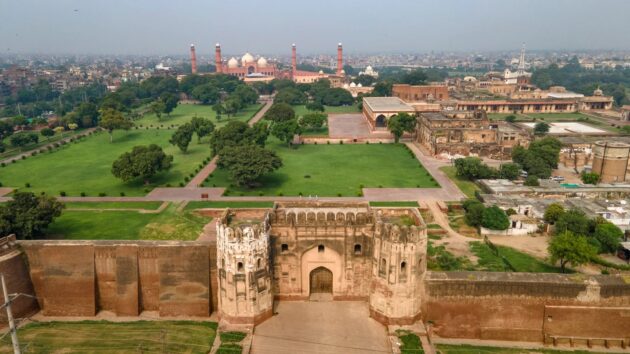
Adjacent to the iconic Badshahi Mosque and overlooking the Hazuri Bagh, Lahore Fort offers a captivating journey through layers of history, intricate marble work, mirrored halls, and lush gardens. It is an essential stop for anyone exploring Lahore’s rich cultural heritage.
Why Visit Lahore Fort?
The fort is a masterpiece of Mughal engineering and artistry. Highlights include:
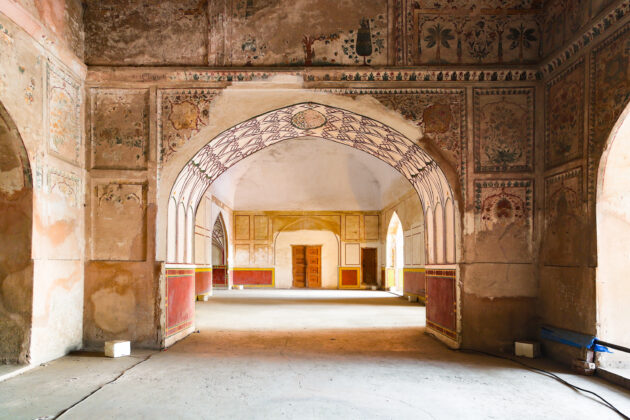
Sheesh Mahal (Palace of Mirrors) — Famous for its dazzling mirrored walls and ceilings that sparkle like stars.
Naulakha Pavilion — A delicate white marble structure with intricate inlay work.
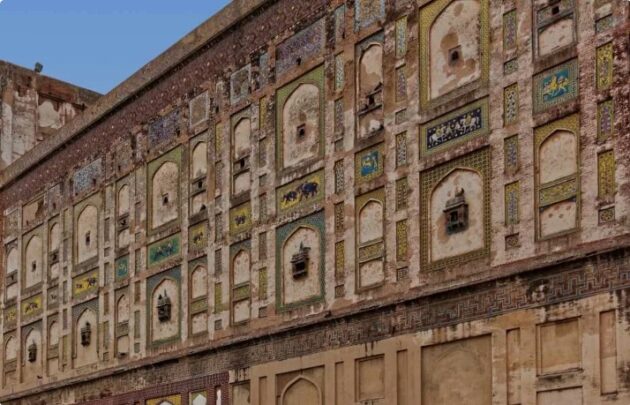
Picture Wall — A massive wall decorated with vibrant glazed tiles depicting animals, humans, and mythical scenes.
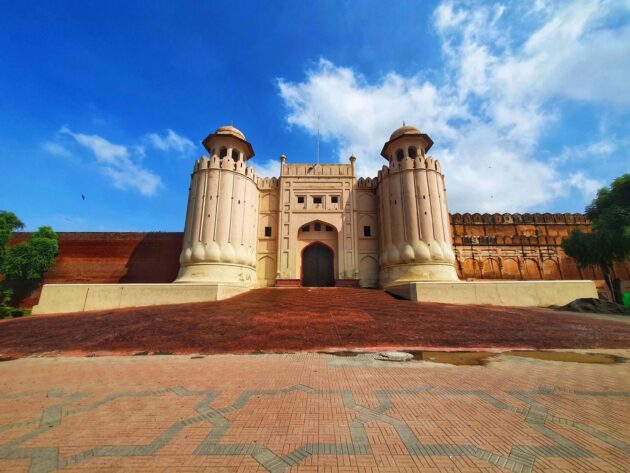
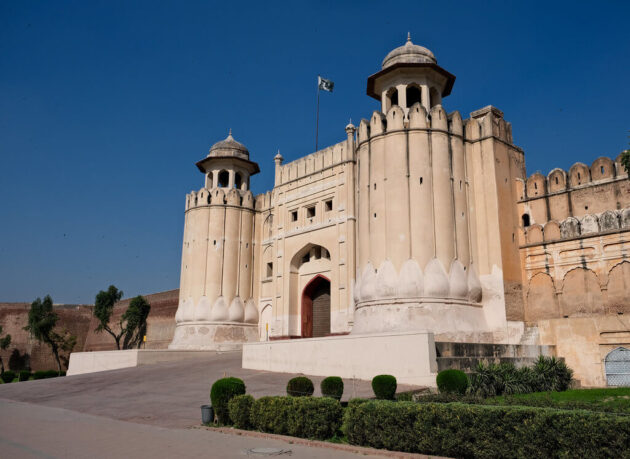
Alamgiri Gate — The grand western entrance built by Aurangzeb, wide enough for elephants.
Moti Masjid (Pearl Mosque) — A small, elegant pearl-like mosque for royal prayers.
Diwan-e-Aam and Diwan-e-Khas — Halls for public and private audiences.
Underground summer rooms and secret passages that add an element of mystery.
The site beautifully blends Persian, Islamic, and Hindu architectural influences, making it a visual and historical feast.
How to Get There
Lahore Fort is situated in the Walled City of Lahore, near the Badshahi Mosque on Fort Road.
From Lahore Airport: Take a taxi, ride-hailing app (Careem or Uber), or pre-arranged hotel transfer (about 45–60 minutes depending on traffic).
Within Lahore: Rickshaws, tuk-tuks, or taxis are the easiest options for navigating the narrow streets of the old city. Walking from nearby sites like Badshahi Mosque or Wazir Khan Mosque is convenient.
Public Transport: Local buses or metro links can get you close, but the final approach is best on foot or by rickshaw due to the pedestrian-friendly (and sometimes congested) old city layout.
Best Time to Visit
Opening Hours: Generally 8:30 AM or 9:00 AM to 5:00 PM daily (some sources note slight variations; confirm on-site). It may be closed or have restricted access on Fridays during prayer times — double-check locally.
Best Months: October to March (cooler winter weather, 15–25°C / 59–77°F) is ideal for comfortable exploration. Summers (May–September) can be extremely hot (up to 40°C+ / 104°F+), so visit early morning or late afternoon.
Time of Day: Early morning for fewer crowds and softer light, or late afternoon for golden-hour photography. Avoid peak midday heat.
Special Experiences: Some evening or “History by Night” tours are occasionally available on weekends (book in advance via official channels).
Entry Fees and Practical Info
Ticket Price (as of recent information): Approximately PKR 500–1,000 for foreign tourists (locals pay much less, around PKR 50). Additional small fees may apply for certain sections like Sheesh Mahal or photography points.
Guides: Hiring a registered local guide (PKR 300–1,500 or more) is highly recommended to understand the history and hidden details. Guides are available inside or can be arranged through tours.
Duration: Allow 2–3 hours to explore thoroughly.
What to See and Do
Enter through the majestic Alamgiri Gate and wander the vast courtyards.
Marvel at the Sheesh Mahal and Naulakha Pavilion — perfect for photos (note any restrictions on flash or tripods).
Admire the detailed Picture Wall and royal gardens.
Visit the small Sikh-era museum inside the fort.
Combine with a visit to the neighboring Badshahi Mosque and a stroll through the Walled City for a full historical experience.
What to Bring and Wear
Comfortable walking shoes — the fort is large with uneven surfaces.
Modest clothing: Cover shoulders, arms, and legs. Women may want a scarf or dupatta for added respect in this cultural site.
Water, sunscreen, hat, and sunglasses (especially in summer).
Camera or phone — photography is generally allowed, but respect any no-photo zones.
Tips for a Great Visit
Hire a Guide — The stories behind the architecture make the visit far more enriching.
Crowd Levels — Weekends and holidays can be busier with local families; weekdays are quieter.
Safety — Lahore Fort is generally safe for tourists and well-visited. Stay aware in the surrounding old city areas, use registered transport, and follow standard big-city precautions. Pakistan’s major cities like Lahore are welcoming to visitors, but modest dress and respect for local customs go a long way.
Combine Attractions — Pair your visit with Badshahi Mosque, Wazir Khan Mosque, Lahore Museum, or a food tour of the Walled City (try local specialties like nihari or falooda nearby).
Night Tours — If available, check for special illuminated evening tours for a magical atmosphere.
Nearby Attractions
Badshahi Mosque (right opposite)
Hazuri Bagh and Baradari
Walled City of Lahore (narrow lanes, street food, traditional crafts)
Shalimar Gardens (another UNESCO site, a short drive away)
Final Thoughts
Lahore Fort stands as a powerful symbol of Pakistan’s Mughal legacy and vibrant history. Whether you’re a history enthusiast, architecture lover, or simply seeking a beautiful cultural experience, a visit here is unforgettable. Plan ahead, take your time wandering its halls and gardens, and immerse yourself in centuries of stories etched in marble and tile.
Safe travels and enjoy the royal splendor of Shahi Qila!