
A Travel Guide to Hunza Valley (2026)
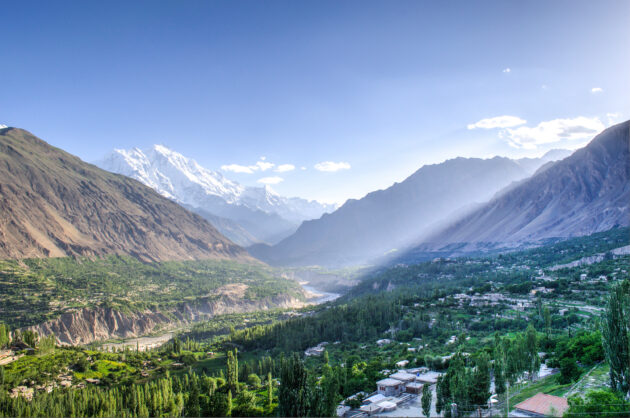
Hunza Valley, often called the “Shangri-La” of Pakistan, is a breathtaking mountain paradise located in the Gilgit-Baltistan region in the far north of the country. Surrounded by the towering peaks of the Karakoram, Himalayas, Hindu Kush, and Pamir ranges, this valley is renowned for its turquoise lakes, apricot orchards, ancient forts, and the legendary Karakoram Highway (KKH) — frequently dubbed the “eighth wonder of the world.” Once a key stop on the ancient Silk Road, Hunza offers a perfect blend of dramatic natural beauty, rich Burusho and Wakhi culture, warm hospitality, and adventure opportunities. It is widely regarded as one of the safest and most tourist-friendly areas in northern Pakistan.
Why Visit Hunza Valley?
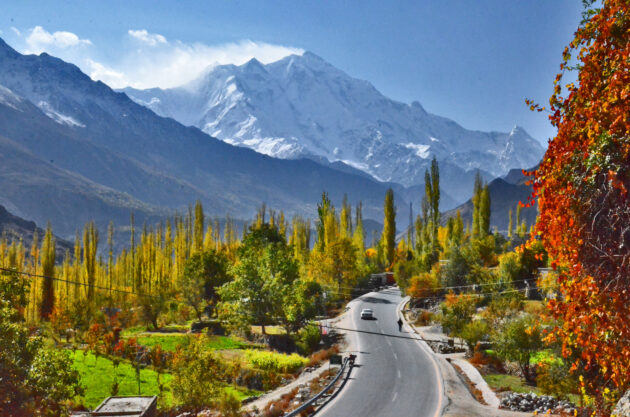
Hunza Valley stands out for its jaw-dropping landscapes, including snow-capped 7,000-meter peaks like Rakaposhi, Ultar Sar, and Lady Finger, crystal-clear glacial lakes, and vibrant seasonal colors — from spring apricot blossoms to autumn golden hues. Visitors can explore historic forts, hike to glaciers, relax by serene lakes, and immerse themselves in local traditions. The people of Hunza are known for their longevity, organic farming, and genuine friendliness, making it a destination that feels both adventurous and rejuvenating.
How to Get There
Reaching Hunza requires some planning, as it is remote:
By Air: Fly into Islamabad (or sometimes Gilgit) from major Pakistani cities or international hubs. From Islamabad, take a domestic flight to Gilgit Airport (about 1 hour), then drive 2–3 hours along the KKH to Karimabad, the main hub of Hunza.
By Road (Karakoram Highway): The most scenic (and popular) option is driving the legendary KKH from Islamabad or Gilgit. The full journey from Islamabad takes 12–20 hours depending on stops, with stunning views but winding, sometimes narrow roads. Private jeeps, shared vans, or organized tours are recommended. In winter, sections may close due to snow.
From China: Cross the Khunjerab Pass (the world’s highest paved border crossing at 4,733m) from Kashgar if you have the necessary visas and permits.
Tip: Road conditions can be affected by landslides, especially after rain or in spring. Check updates locally or through your tour operator.
Best Time to Visit
Peak Season (May to September): Ideal for most travelers. Summer offers clear skies, warm days (15–25°C/59–77°F), excellent trekking, and full access to high passes and lakes. June–August is busiest.
Spring (April–May): Beautiful apricot, cherry, and peach blossoms transform the valley into a floral wonderland. Fewer crowds and pleasant weather.
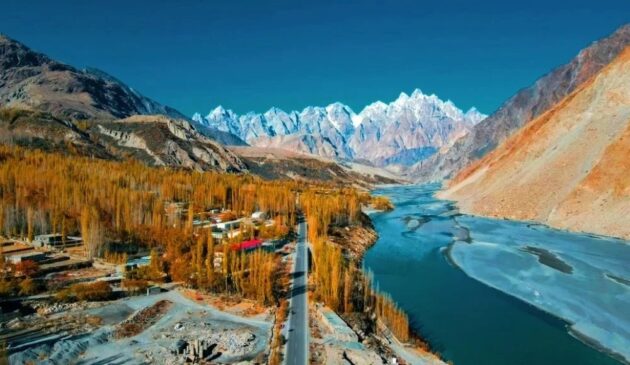
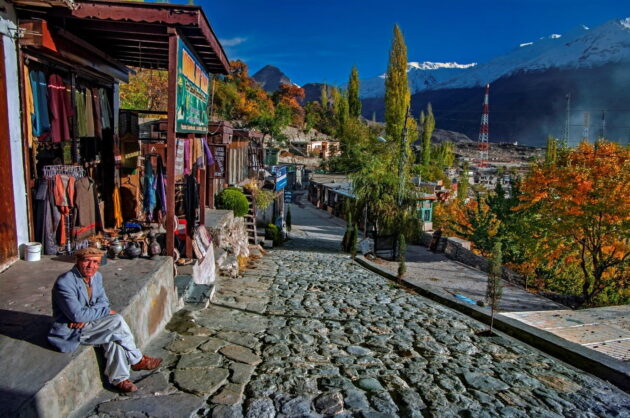
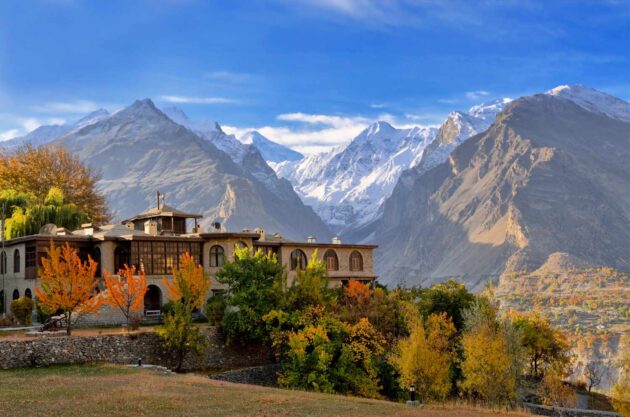
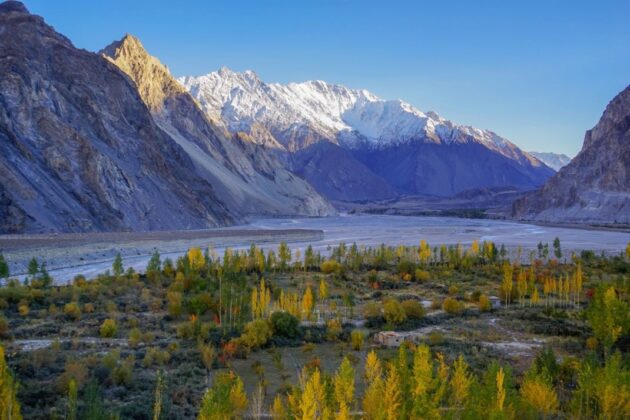
Autumn (October): Stunning golden and red foliage, milder crowds, and comfortable temperatures. Great for photography.
Winter (November–March): Cold and snowy with limited access; suitable only for experienced winter travelers or those seeking solitude. Many roads and attractions may be closed.
Avoid the monsoon-influenced periods if possible, though Hunza is relatively dry.
What to Do
Visit Historic Forts: Baltit Fort (Karimabad): A 700+ year-old UNESCO-recognized masterpiece and former royal residence with panoramic valley views and cultural exhibits. Altit Fort: Older (over 900–1,100 years), perched dramatically on a cliff with beautiful gardens and insights into ancient Hunza life.
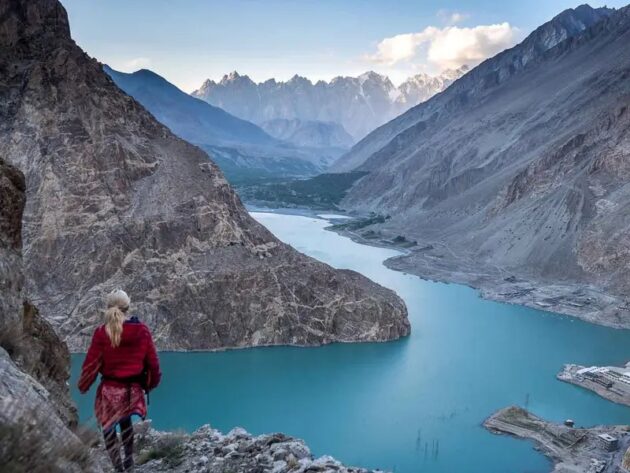
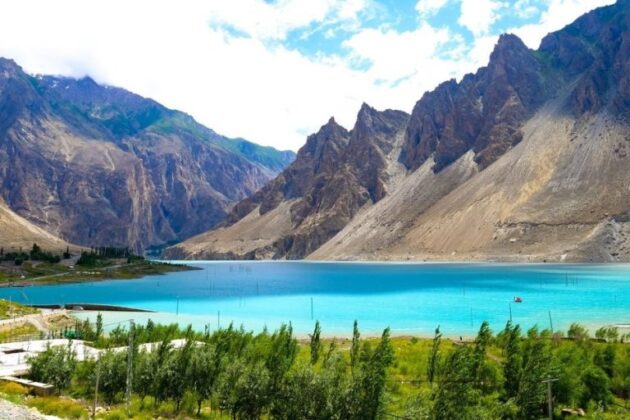
Lakes and Viewpoints: Attabad Lake: A stunning turquoise lake formed by a 2010 landslide; enjoy boating, jet-skiing, or simply soaking in the views. Borith Lake: A peaceful high-altitude lake near Passu with great hiking nearby. Eagle’s Nest (Duikar): A viewpoint above Karimabad for sunrise/sunset panoramas over Rakaposhi and the valley.
Iconic Landscapes and Hikes: Passu Cones (Cathedral Peaks) and Passu Glacier: Dramatic rock spires and glacier views in Upper Hunza (Gojal). Hussaini Suspension Bridge: A thrilling (and swaying) bridge over the Hunza River — not for the faint-hearted. Short hikes to glaciers (e.g., Hopper or Ultar) or longer treks in the surrounding mountains.
Khunjerab Pass: Drive to the Pakistan-China border for high-altitude scenery and a sense of the ancient Silk Road.
Cultural Experiences: Visit local villages like Gulmit or Ganish, try traditional Hunza cuisine, attend polo matches (the national sport), or learn about organic farming and Burushaski language.
Where to Stay
Karimabad (Central Hunza): The most convenient base with a range of options — from budget guesthouses and homestays to mid-range hotels and luxury resorts with valley views (e.g., Darbar Hotel or Eagle’s Nest resorts).
Gulmit/Passu (Upper Hunza): Quieter, more dramatic settings with boutique guesthouses and eco-lodges.
Altit Village: Charming stays near the fort for a cultural immersion.
Many accommodations offer home-cooked meals featuring local apricots, walnuts, and fresh produce. Book in advance during peak summer.
What to Eat
Chapshuro (meat-filled bread) and Hunza pie.
Apricot-based dishes, walnut cake, and dried fruits.
Butter tea or local herbal teas.
Try homestays for authentic meals — many emphasize longevity-promoting local ingredients.
Practical Tips
Safety: Hunza is consistently described as one of the safest parts of Pakistan for tourists, with very low crime and welcoming locals. However, follow general travel advisories: stick to tourist areas, use reputable operators, and monitor road/ weather conditions. Solo female travelers often report feeling comfortable here.
What to Bring: Layers for temperature changes (cold nights even in summer), sturdy shoes for hiking, sunscreen, altitude sickness medication (if going high), cash (ATMs are limited), and a power bank. Respect local conservative customs — dress modestly.
Health & Altitude: Acclimatize gradually as elevations range from 2,000m to over 4,000m. Stay hydrated and be prepared for basic medical facilities.
Transportation: Hire a local jeep/driver for flexibility. The KKH is scenic but demands cautious driving.
Sustainability: Support eco-friendly tourism, avoid single-use plastics, and respect the fragile mountain ecosystem.
Final Thoughts
Hunza Valley is a bucket-list destination that delivers unparalleled mountain scenery, profound cultural encounters, and a sense of timeless peace. Whether you’re road-tripping the Karakoram Highway, hiking to glacial viewpoints, or simply unwinding by a turquoise lake, the valley leaves a lasting impression of nature’s grandeur and human resilience.
Plan carefully, embrace the slow pace of mountain life, and prepare to be awed by one of the world’s most beautiful places.
Safe travels and enjoy the magic of Hunza!