

Japan Travel Guide (2026)
Japan is a captivating blend of ancient traditions and futuristic innovation. From the neon-lit streets of Tokyo to the serene temples of Kyoto, snow-capped mountains, and pristine beaches, it offers something for every traveler. Whether you’re a first-time visitor or returning for deeper exploration, Japan delivers unforgettable experiences.
Best Time to Visit
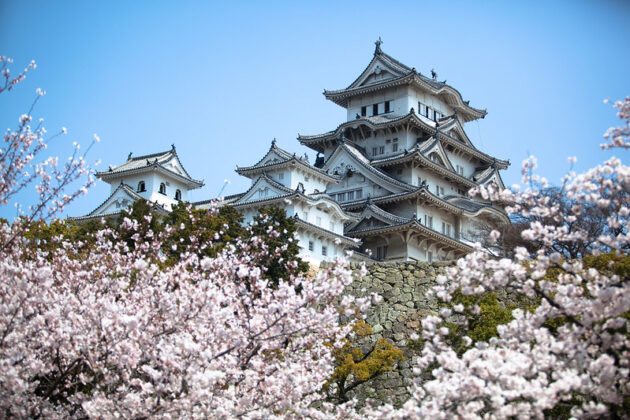
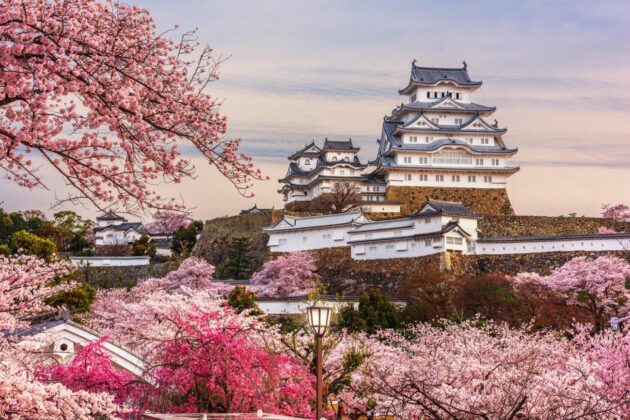
Spring (March–May): Cherry blossoms (sakura) season — the most popular time. Book 6+ months in advance.
Autumn (September–November): Vibrant fall foliage (koyo), pleasant weather, fewer crowds than spring.
Summer (June–August): Festivals (matsuri), fireworks, but hot and humid. Great for hiking and beach trips.
Winter (December–February): Snow festivals, onsen (hot springs), and ski resorts. Fewer crowds and lower prices outside holidays.
Peak seasons: Late March–early April (sakura) and late November (autumn leaves in Kyoto).
Visa & Entry Requirements
Most visitors from the US, EU, UK, Australia, and many other countries can enter visa-free for up to 90 days. Check the latest requirements on the official Japanese immigration website before travel. A return ticket and proof of funds may be requested.
Top Destinations & Attractions
Tokyo
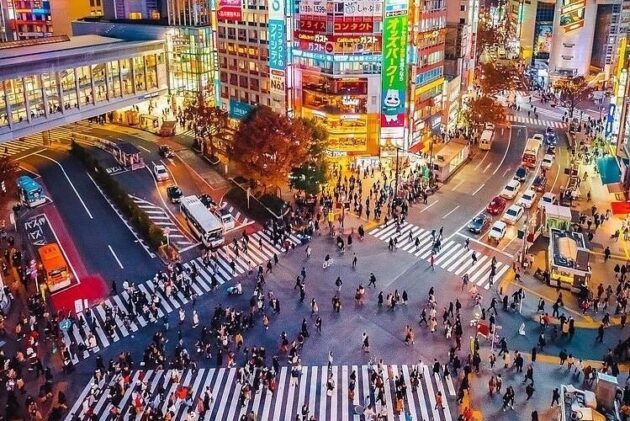
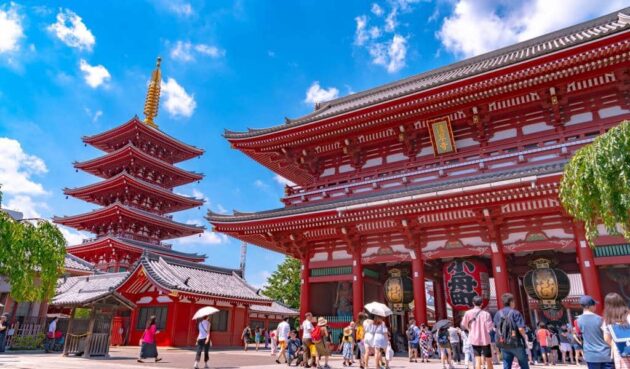
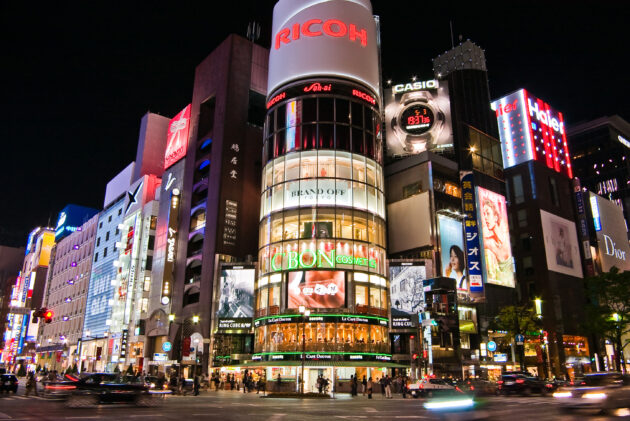
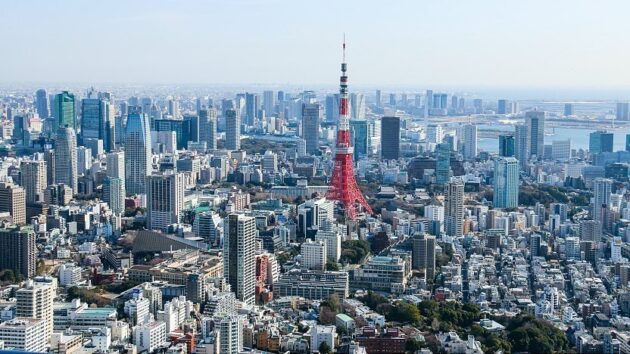
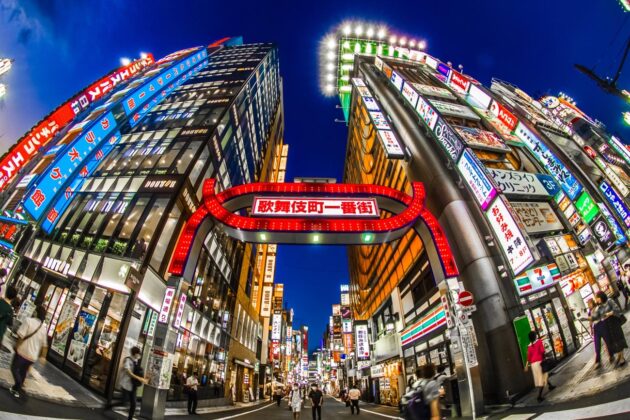
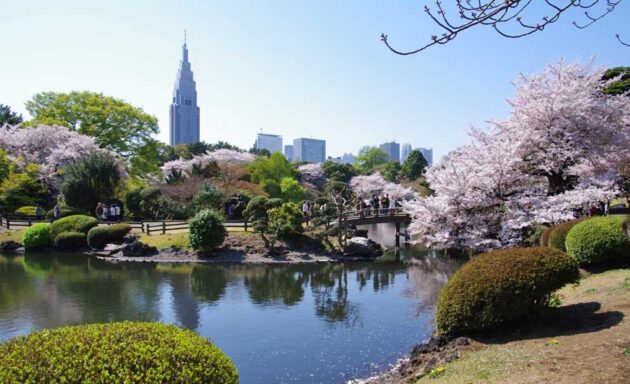
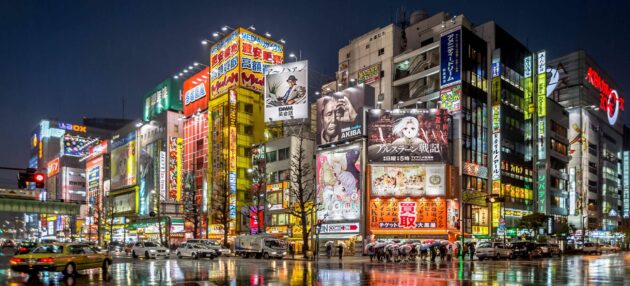
Tokyo is one of the world’s most exciting megacities — a dazzling blend of ultra-modern skyscrapers, ancient temples, neon-lit streets, and serene gardens. With a population of over 37 million in the greater metropolitan area, it offers endless energy, impeccable service, world-class food, and unique cultural experiences.
Kyoto
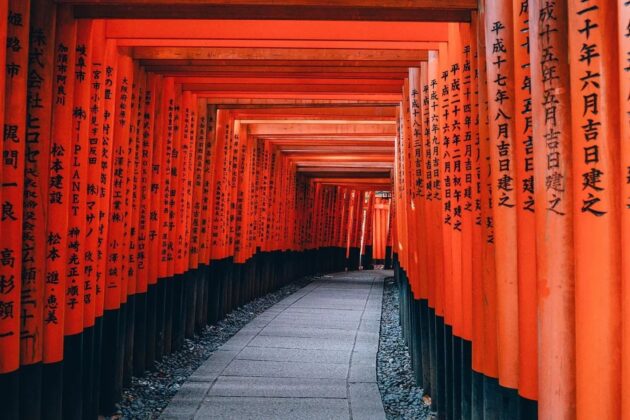
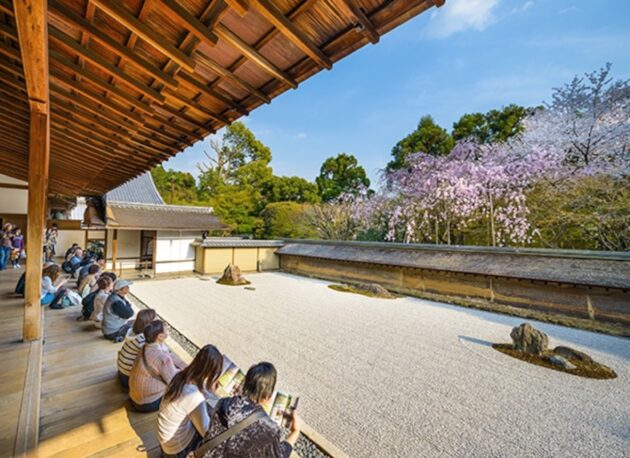
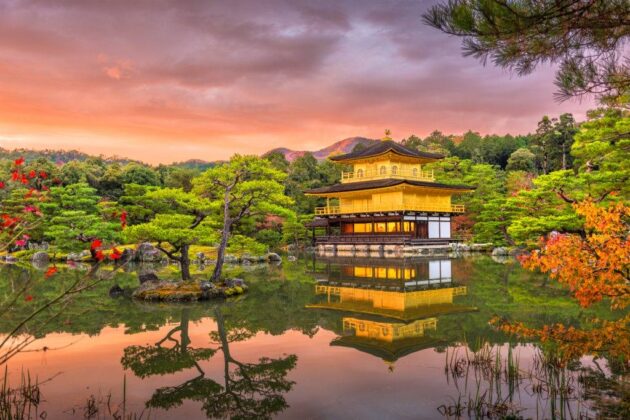
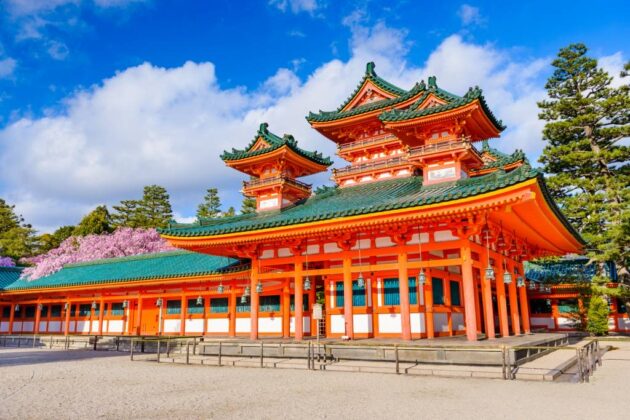
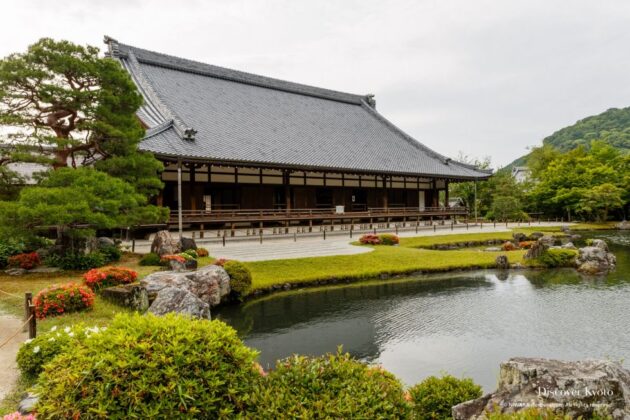
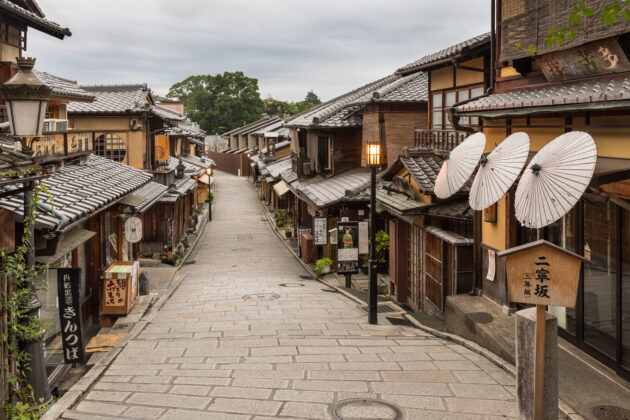
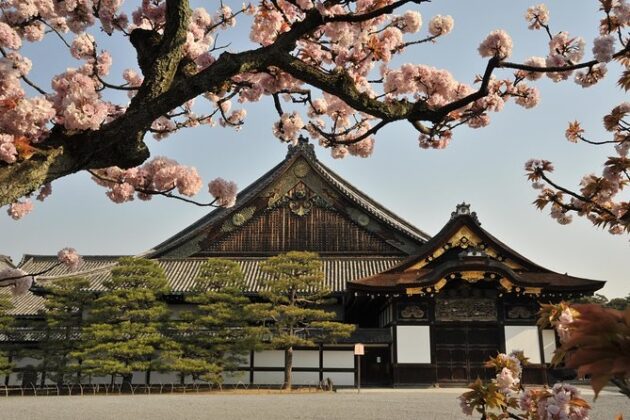
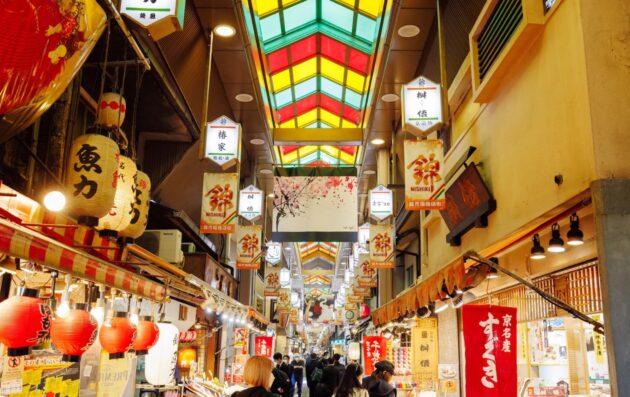
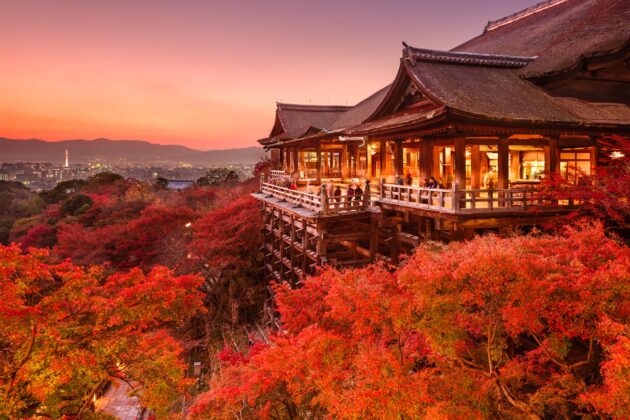
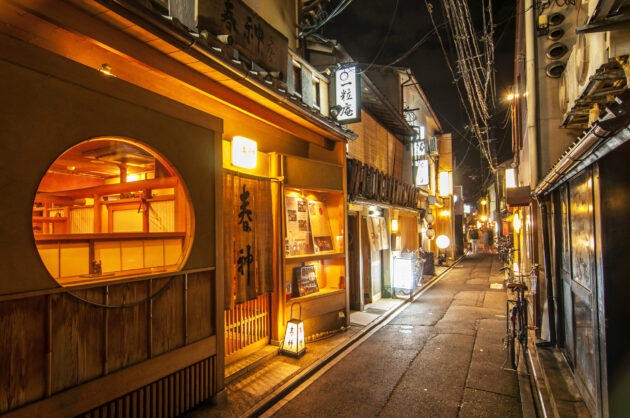
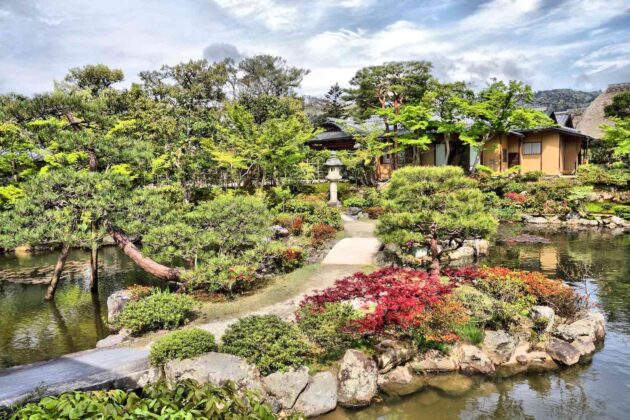
Kyoto, the ancient capital of Japan, is a city where centuries of history, culture, and tradition blend seamlessly with modern life. Famous for its stunning temples, serene gardens, vibrant geisha districts, and seasonal beauty (especially cherry blossoms in spring and autumn foliage), Kyoto offers an unforgettable experience for every traveler.
Mount Fuji
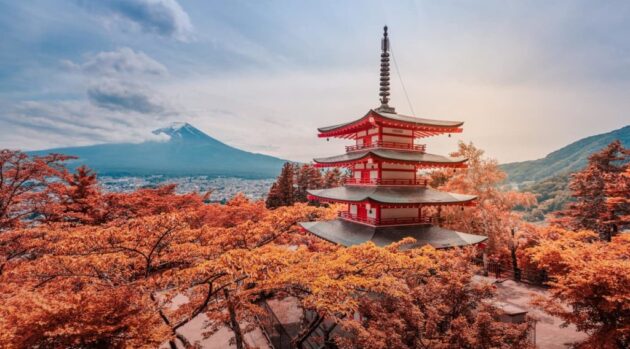
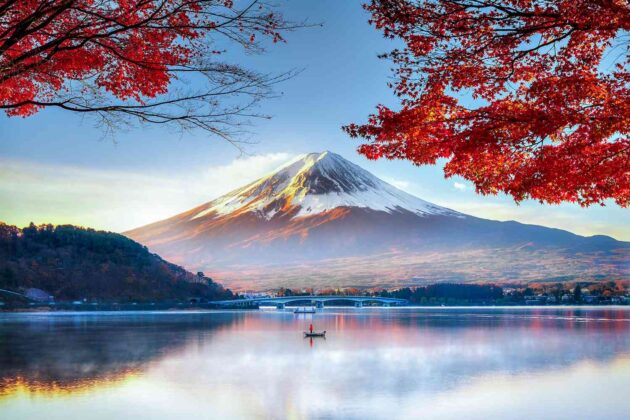
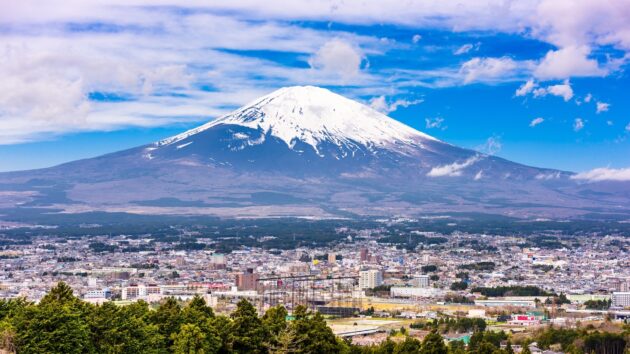
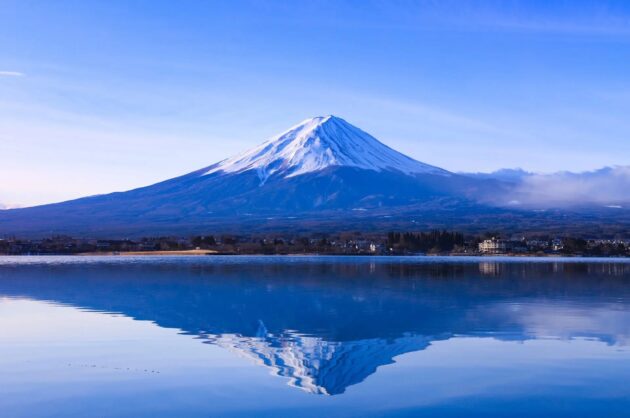
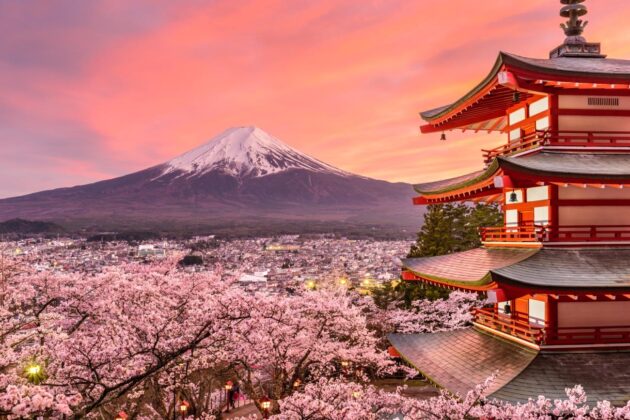
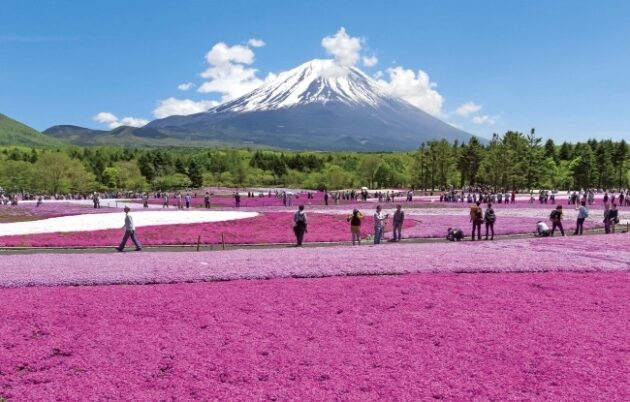
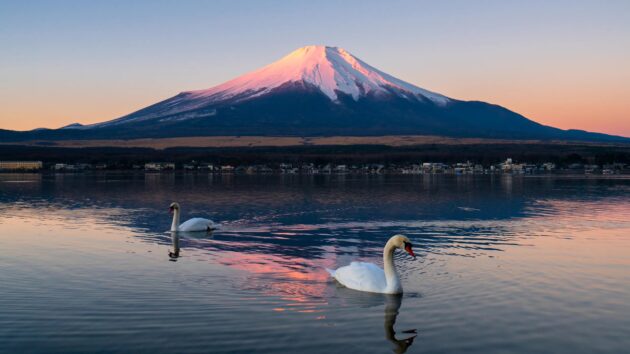
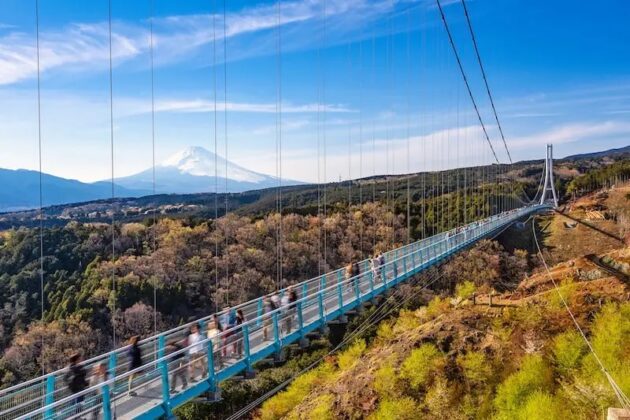
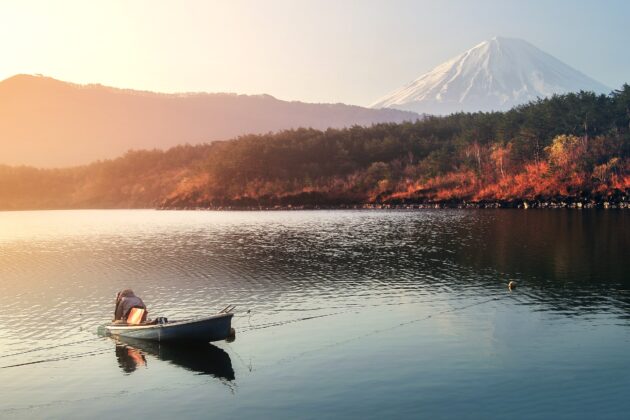
Mount Fuji (富士山, Fujisan) is Japan’s highest mountain at 3,776 meters (12,389 feet) and one of the most recognizable landmarks in the world. A UNESCO World Cultural Heritage Site, it is sacred to the Japanese and attracts climbers, photographers, and nature lovers from around the globe.
Hakone
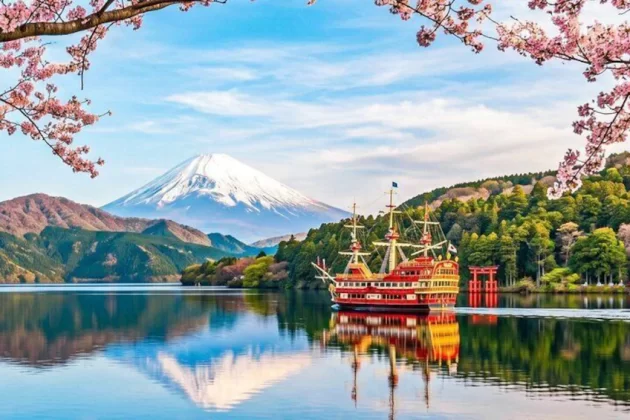
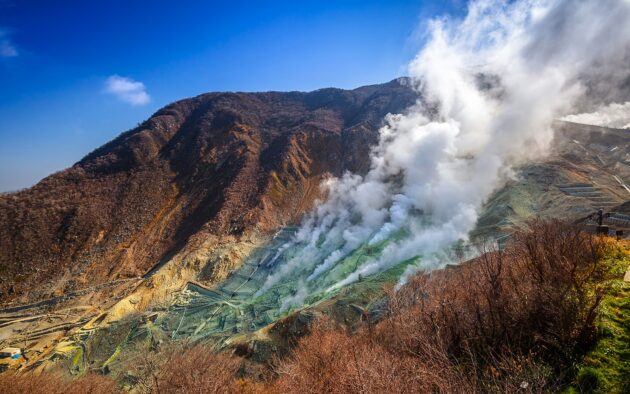
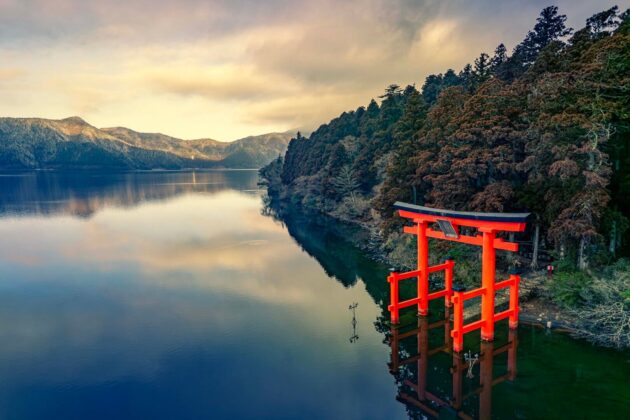
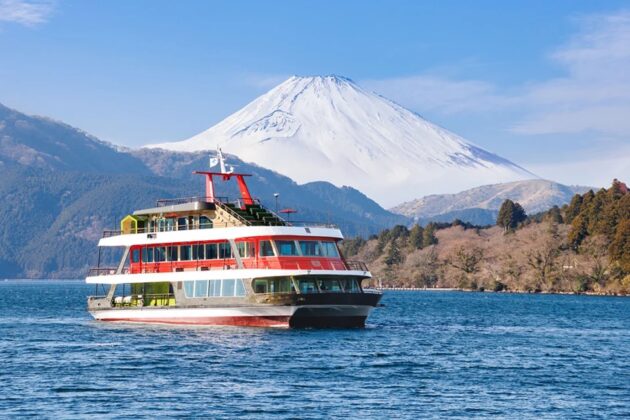
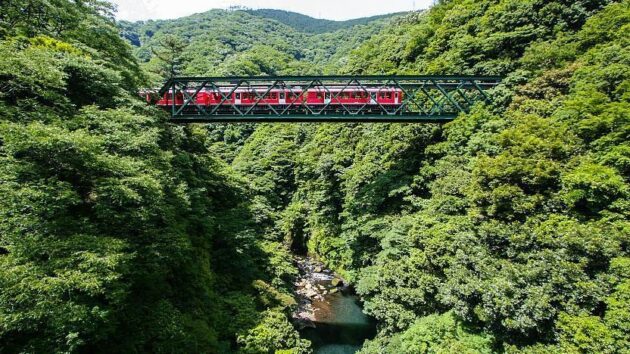
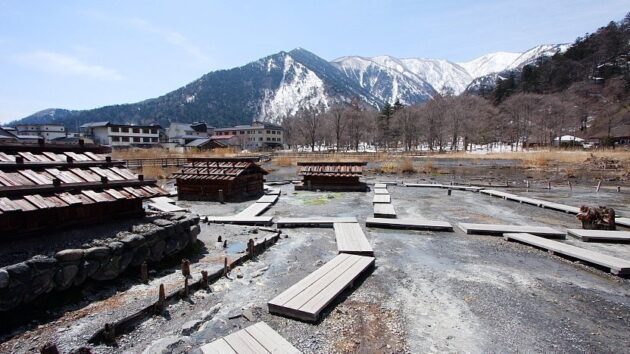
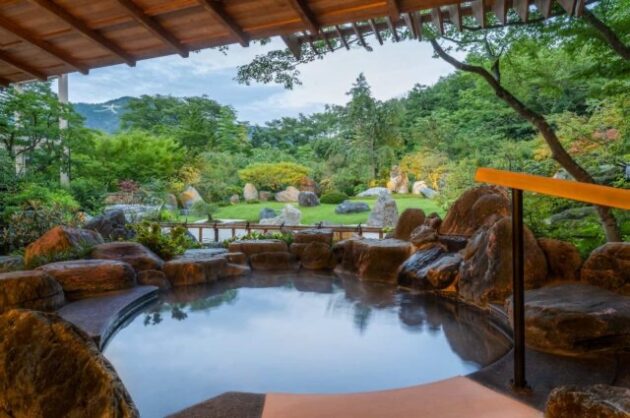
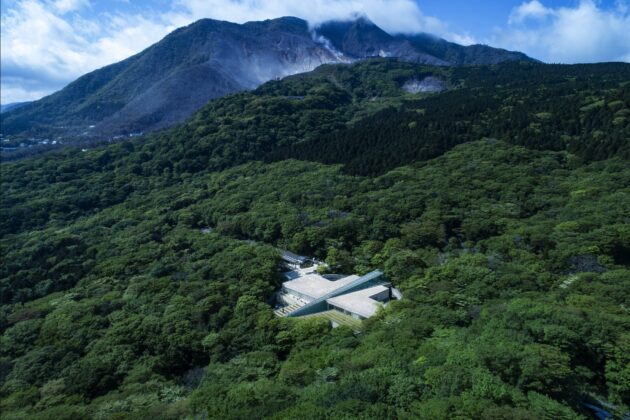
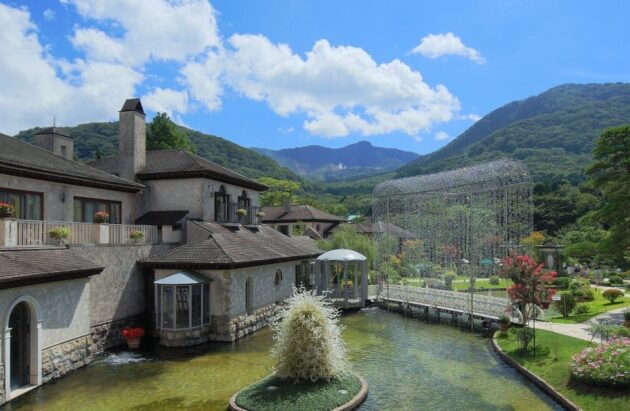
Hakone (箱根), located in Kanagawa Prefecture just 80–100 km southwest of Tokyo, is one of Japan’s most popular weekend getaways. Famous for its volcanic landscapes, world-class onsen (hot springs), beautiful Lake Ashi, and iconic views of Mount Fuji, Hakone offers a perfect mix of nature, culture, and relaxation.
Osaka
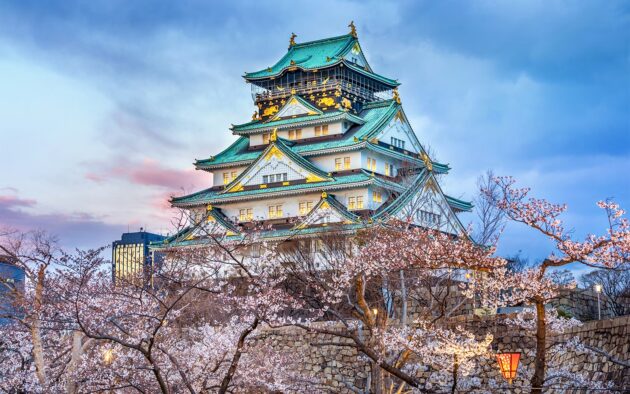
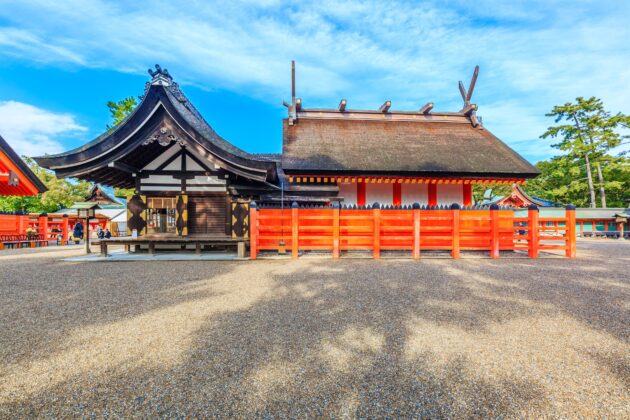
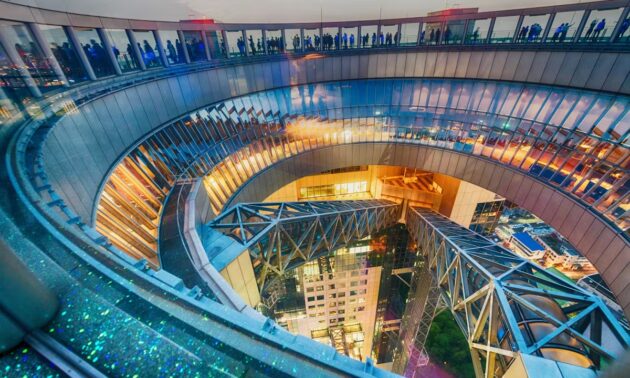
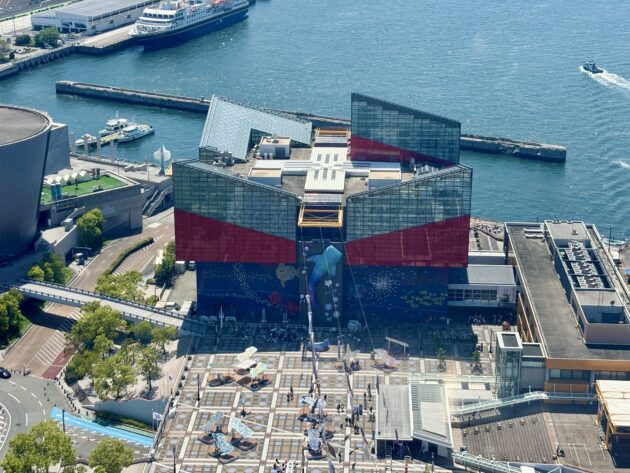
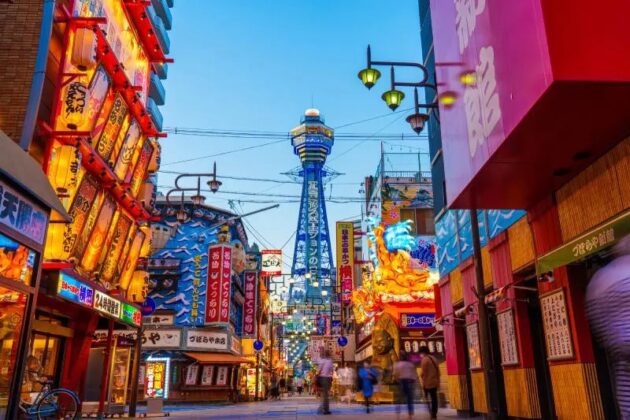
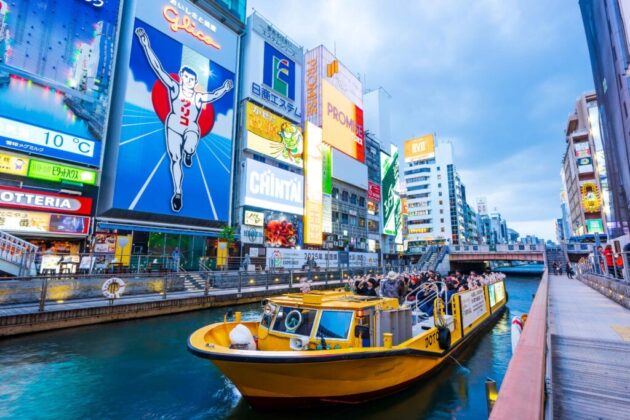
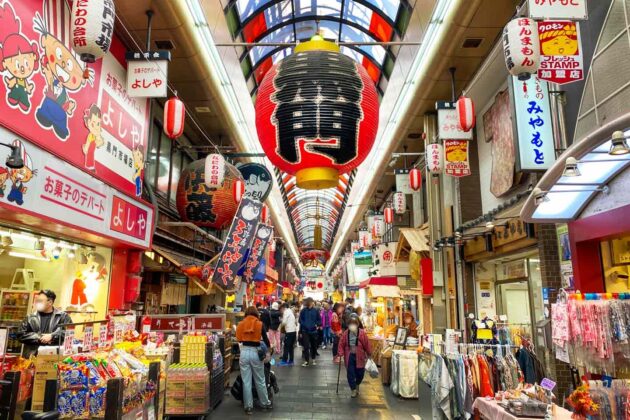
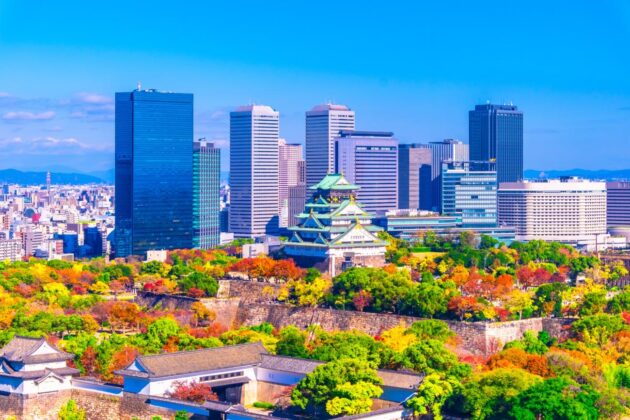
Osaka is Japan’s third-largest city and one of the most fun, food-obsessed, and approachable destinations in the country. Known as “Japan’s Kitchen,” it offers incredible street food, a lively nightlife scene, historic castles, modern architecture, and friendly locals who love to eat and drink.
Sapporo
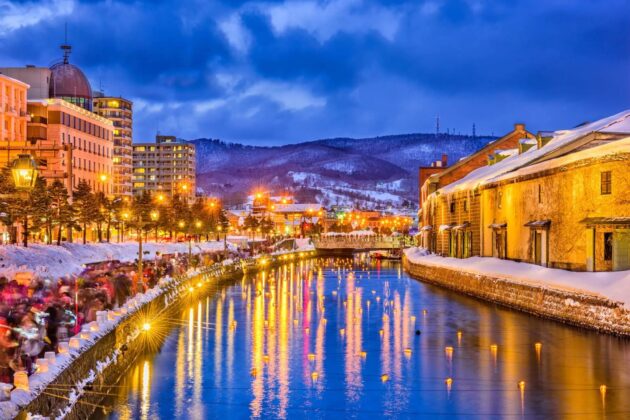
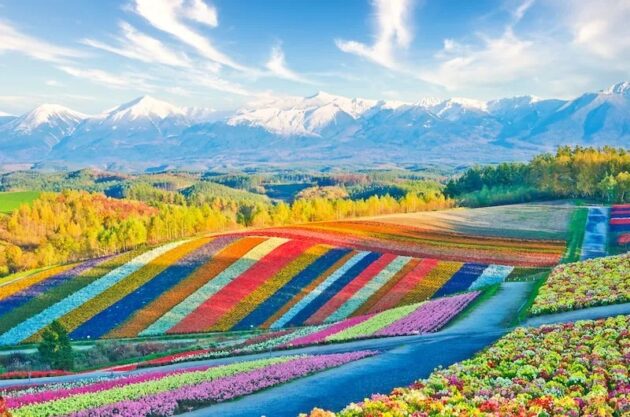
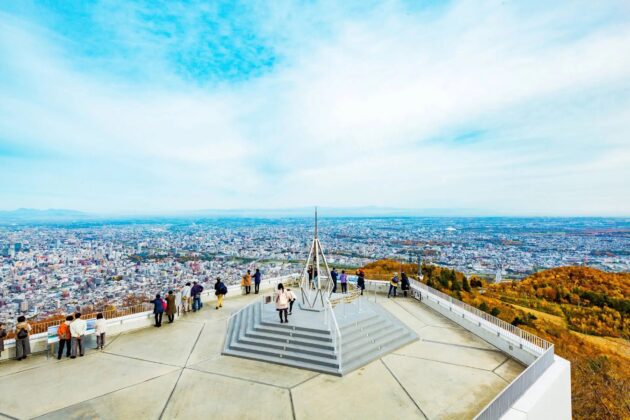
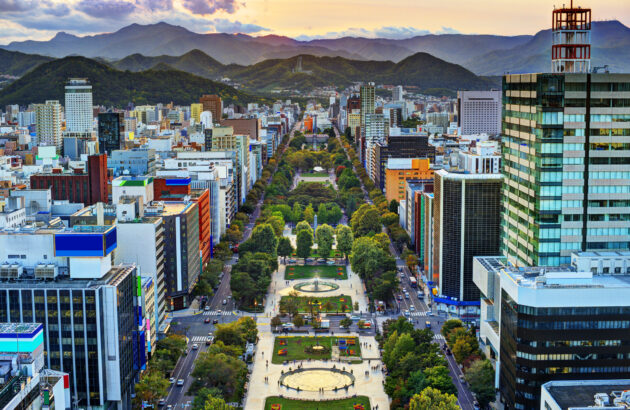
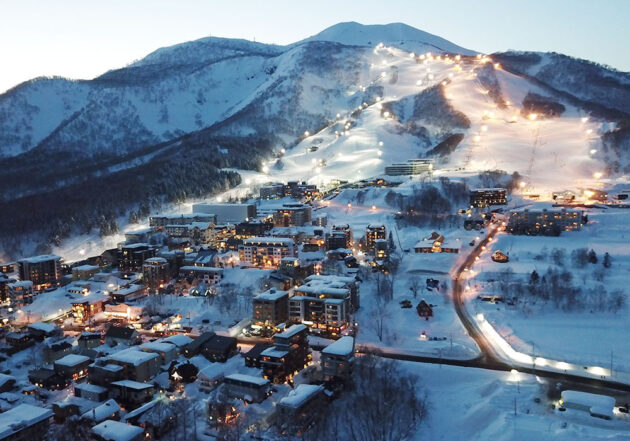
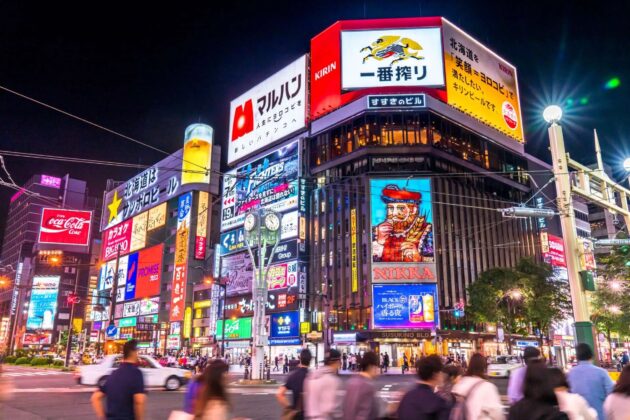
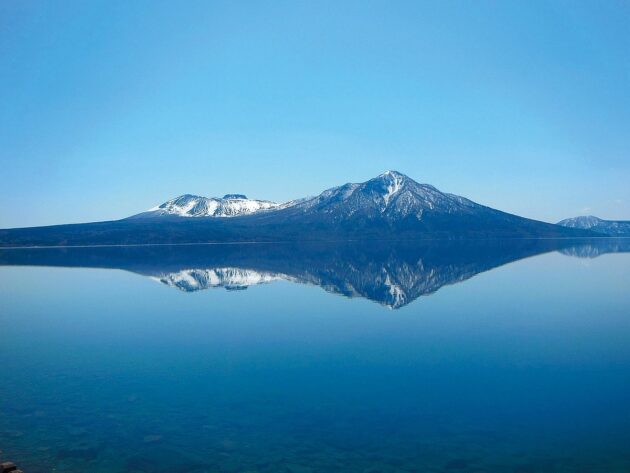
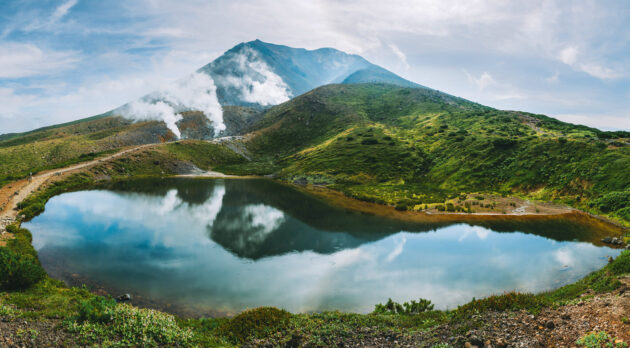
Sapporo, the capital of Hokkaido, is Japan’s fifth-largest city and one of its most livable. Famous for its wide boulevards, snowy winters, excellent beer, and fresh seafood, Sapporo offers a refreshing contrast to the crowded cities of Honshu. It’s modern, clean, and surrounded by nature, making it perfect for both winter snow lovers and summer nature enthusiasts.
Nara
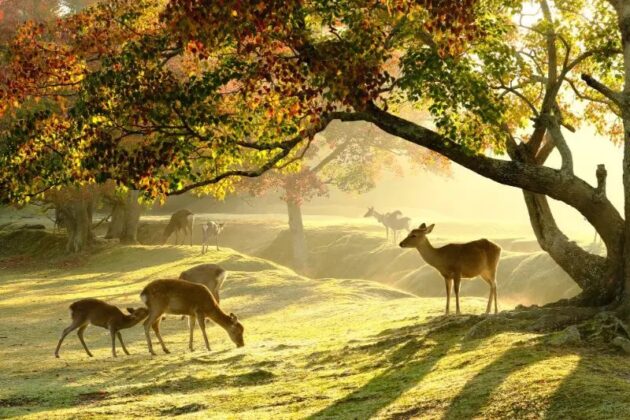
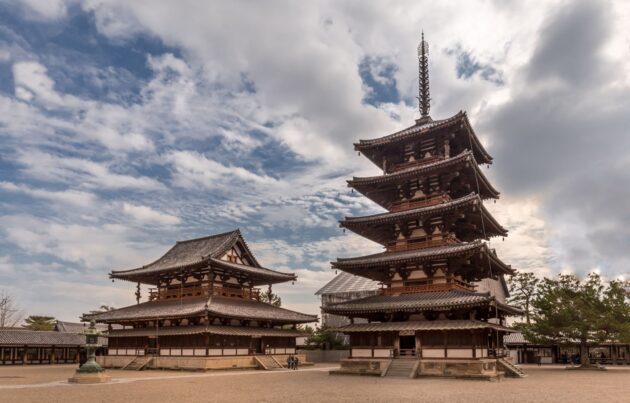
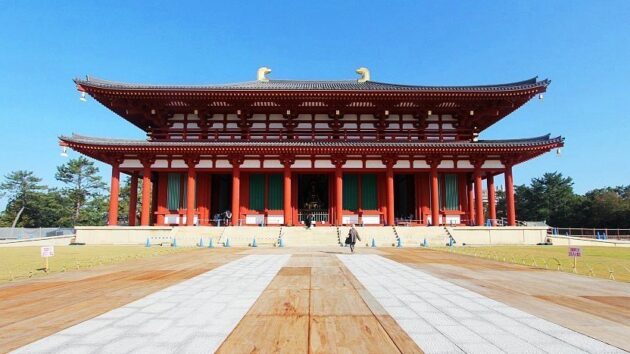
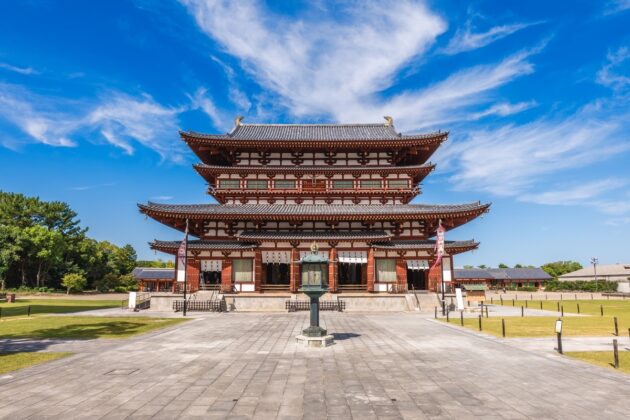
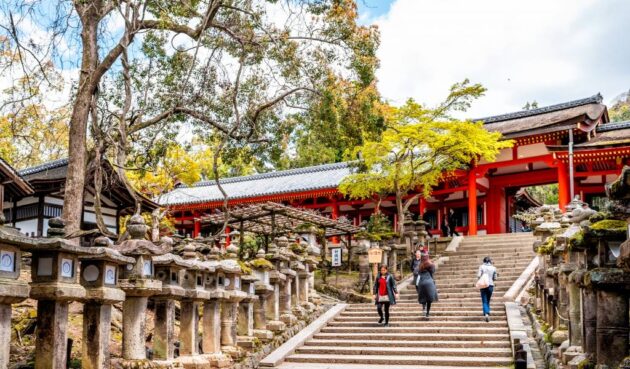
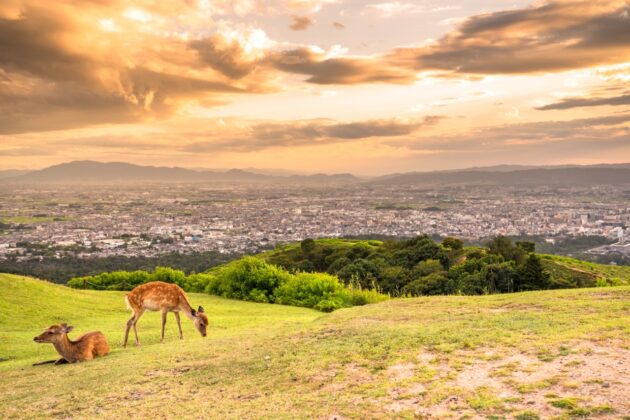
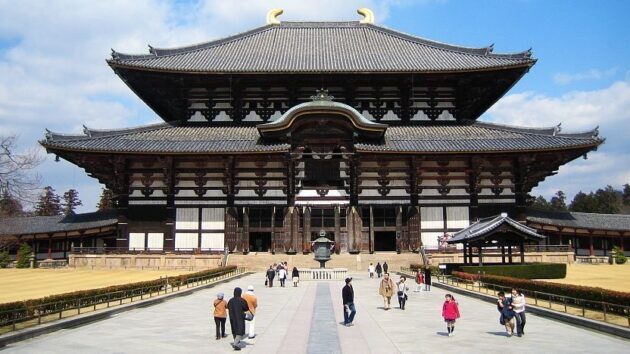
Nara is one of Japan’s most rewarding destinations, offering a perfect blend of ancient history, spiritual tranquility, and adorable free-roaming deer. As Japan’s first permanent capital (established in 710 AD), the city is packed with UNESCO World Heritage Sites and feels refreshingly slower-paced than Kyoto or Tokyo.
Transportation
Japan Rail Pass (JR Pass): Excellent value for multi-city travel. Consider the 7-day or 14-day pass if doing long distances. Activate it upon arrival.
Shinkansen (Bullet Train): Fast, clean, and punctual.
Local Transport: IC cards (Suica or Pasmo) for subways and buses. Very convenient.
Domestic Flights: Cheap with LCCs like Peach or Jetstar for far destinations like Hokkaido or Okinawa.
Japanese Food Highlights
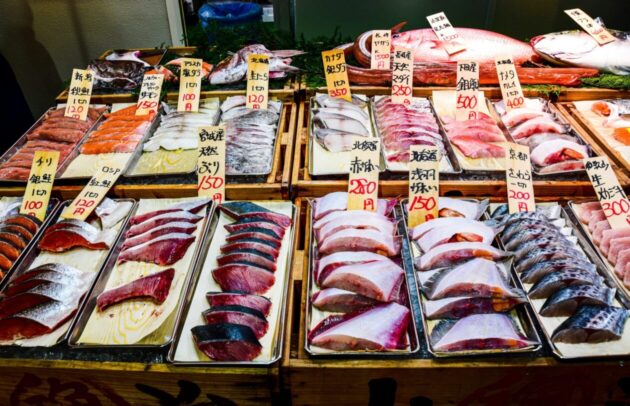
Japan is a food paradise: Sushi & Sashimi; Ramen (try tonkotsu in Fukuoka, miso in Sapporo); Tempura, Wagyu beef (Kobe or Matsusaka); Okonomiyaki & Takoyaki (Osaka); Kaiseki (multi-course traditional meal); Street food at night markets and festivals; Convenience store (konbini) snacks — surprisingly excellent.
Vegetarian/Vegan Tip: Japan is improving but still challenging. Use apps like “HappyCow” and learn phrases like “beji-tarian desu” (I’m vegetarian).
Cultural Etiquette Tips
Remove shoes before entering homes, temples, and some restaurants.
Be quiet on public transport.
No eating while walking (except at festivals).
Tipping is not customary.
Bow instead of handshake.
Use both hands when giving/receiving business cards or money.
Follow onsen rules carefully (tattoos may need covering).
Practical Tips
Money: Cash is still king in many places. ATMs at 7-Eleven are reliable for international cards.
Language: English is limited outside major cities. Download Google Translate with offline Japanese pack. Pocket Wi-Fi or eSIM is highly recommended.
Safety: Japan is one of the safest countries in the world.
Internet: Free Wi-Fi is common at stations, cafes, and hotels.
Packing: Comfortable walking shoes (you’ll walk a lot), portable Wi-Fi, power bank, light rain jacket.
Accommodation: Ryokans (traditional inns) for authentic experience, business hotels for convenience, Airbnbs in cities.
Seasonal Events
Cherry Blossom Festival (March–April)
Gion Matsuri (Kyoto, July)
Obon Festival (August)
Jidai Matsuri (Kyoto, October)
Yuki Matsuri (Sapporo Snow Festival, February)
Final Thoughts
Japan rewards those who embrace its culture with open curiosity. Slow down, observe the small details, and you’ll fall in love with the country.
Safe travels — Yoi tabi o! 🇯🇵