
Nara Park Travel Guide (2026): Deer, Temples, and Ancient Wonders in Japan
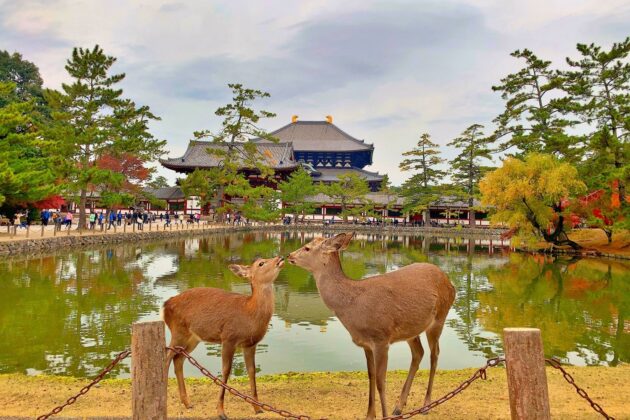
Nara Park (Nara Kōen) is one of Japan’s most enchanting destinations. Located in Nara City, it blends history, nature, and delightful wildlife. As Japan’s first permanent capital (established in 710 AD), Nara boasts UNESCO World Heritage sites. The park itself spans about 660 hectares and is famous for its free-roaming sacred deer and iconic temples like Todai-ji.
It makes for a perfect day trip from Kyoto or Osaka, though staying overnight lets you enjoy it more peacefully.
Why Visit Nara Park?
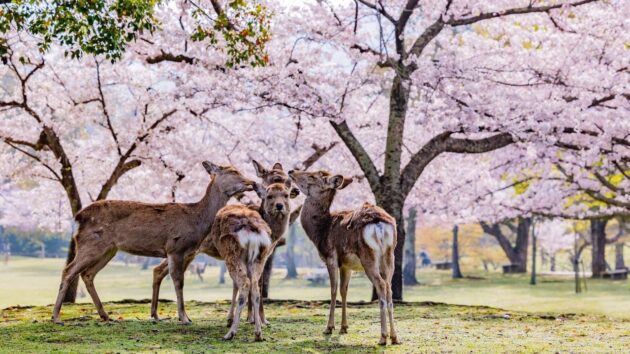
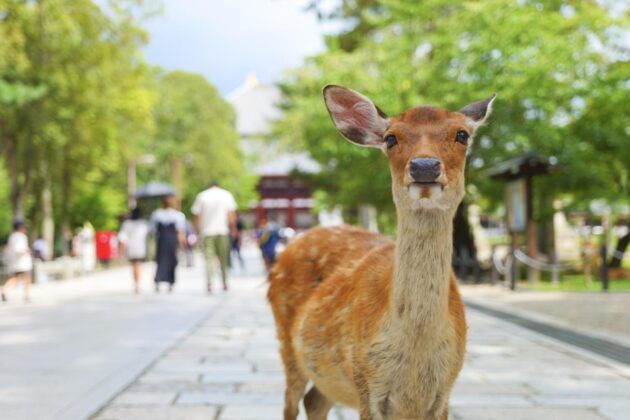
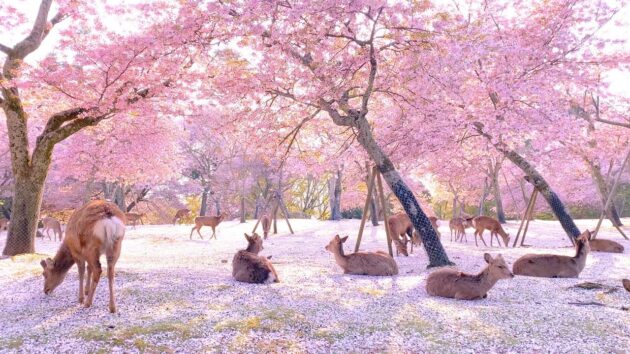
Friendly Deer: Around 1,300 wild but tame Sika deer roam freely. They are considered sacred messengers of the gods in Shinto tradition.
Historic Treasures: Home to massive Buddha statues, ancient temples, and beautiful shrines.
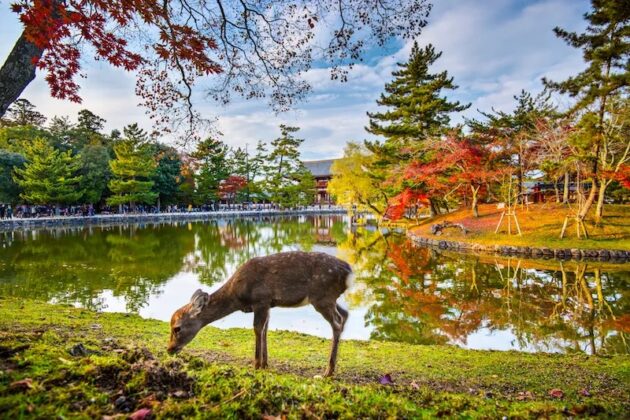
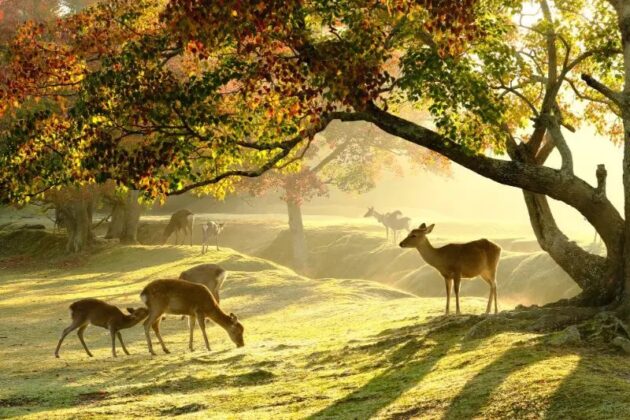
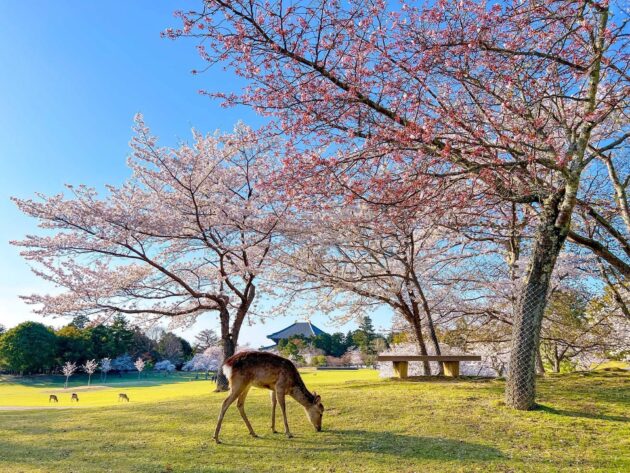
Scenic Beauty: Lush greenery, seasonal flowers (cherry blossoms in spring), and autumn foliage make it photogenic year-round.
How to Get There
Nara is highly accessible:
From Kyoto: Kintetsu Line (recommended): 35 minutes to Kintetsu Nara Station (¥1,280 limited express). JR Nara Line: 45 minutes to JR Nara Station (¥720 rapid).
From Osaka: Kintetsu or JR: 30-45 minutes (around ¥680-1,300).
From Tokyo: Take the Shinkansen to Kyoto (about 2.5 hours), then transfer to Nara.
Pro Tip: Kintetsu Nara Station is closer to the park entrance than JR Nara Station (a 5-10 minute walk vs. 20 minutes). Exit and head east toward the park.
Best Time to Visit
Spring (March-May): Cherry blossoms peak in early April.
Autumn (October-November): Vibrant fall colors.
Avoid peak crowds: Weekends and national holidays. Arrive early morning (before 9 AM) or late afternoon for fewer people and more active deer.
Park is open 24/7 and free to enter. Temples have their own hours (typically 7:30/8 AM – 4:30/5:30 PM).
Top Things to Do in Nara Park
Feed and Interact with the Deer: Buy special shika senbei (deer crackers) for about ¥150-200 per pack. Vendors are scattered throughout the park. Deer often bow for treats (a learned behavior). Important Rules: Only feed deer crackers. Do not feed human food. Be gentle—deer can nip or butt if excited. Keep bags closed as deer may mistake items for food.
Todai-ji Temple: The star attraction features the massive Great Buddha (Daibutsu)—15 meters tall, housed in one of the world’s largest wooden buildings. Entry fee: around ¥800. Don’t miss the pillar with a hole (legend says crawling through brings enlightenment).
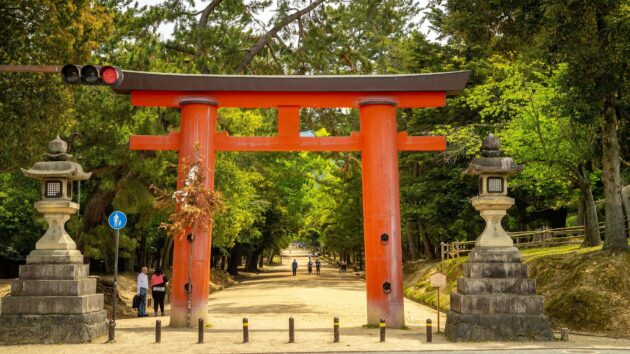
Kasuga Taisha Shrine: Famous for its hundreds of stone lanterns lining the paths. The inner area has an entry fee (around ¥500). Especially magical during lantern festivals.
Other Highlights: Kofuku-ji Temple: Five-story pagoda and National Treasure Hall. Nigatsu-do Hall: Great views over Nara. Mount Wakakusa: Hike for panoramic views (small fee, seasonal access). Isuien Garden or Yoshikien Garden: Peaceful traditional Japanese gardens.
Food Recommendations
Kakinoha-zushi: Sushi wrapped in persimmon leaves (local specialty).
Fresh mochi (pounded rice cakes) — watch demonstrations in the park area.
Street food and matcha treats near the temples.
For sit-down meals: Try kaiseki or simple udon/soba restaurants around the park.
Practical Tips
Wear comfortable shoes: The park involves a lot of walking on uneven paths.
Weather: Bring sun protection in summer; it can get hot and humid.
Deer Etiquette: Respect the animals. They are wild—do not chase or harass them.
Accessibility: Most main paths are walkable, but some areas have steps.
Money: Bring cash for small vendors and temple fees.
Souvenirs: Deer-themed items, local sweets, and crafts.
Final Thoughts
Nara Park offers a magical mix of nature, spirituality, and fun that’s unique in Japan. Whether you spend a few hours feeding deer or a full day exploring temples, it’s a highlight of any Japan trip. Combine it with Kyoto for a perfect Kansai itinerary!
Safe travels! 🦌