
Nara Travel Guide (2026)
Nara is one of Japan’s most rewarding destinations, offering a perfect blend of ancient history, spiritual tranquility, and adorable free-roaming deer. As Japan’s first permanent capital (established in 710 AD), the city is packed with UNESCO World Heritage Sites and feels refreshingly slower-paced than Kyoto or Tokyo. Many visitors come as a day trip from Kyoto or Osaka, but staying overnight lets you experience the city’s magical evening atmosphere.
Best Time to Visit
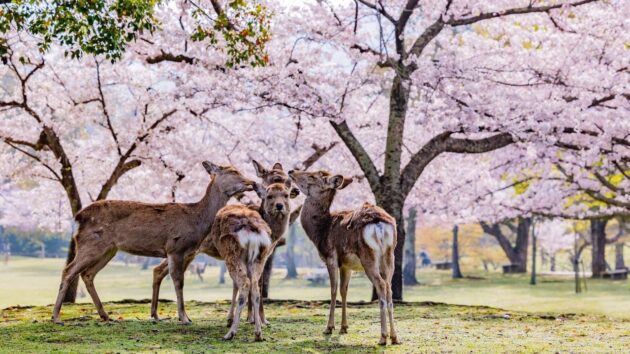
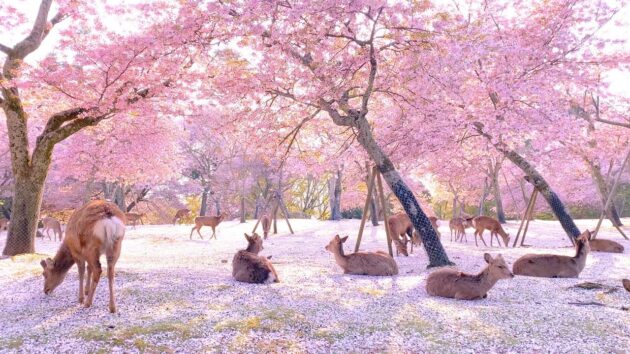
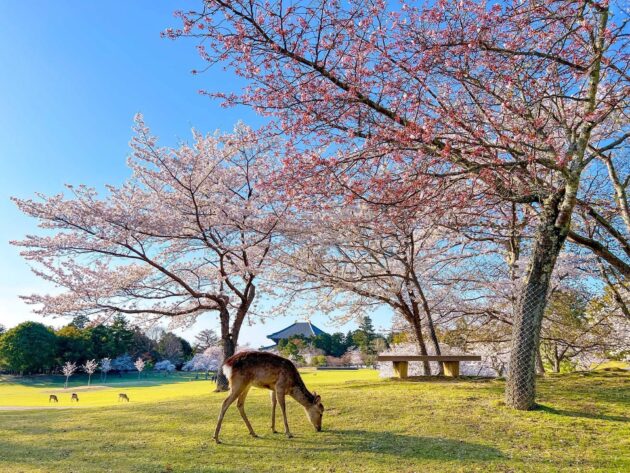
Spring (March–May): Peak season for cherry blossoms. Nara Park is stunning in late March to early April.
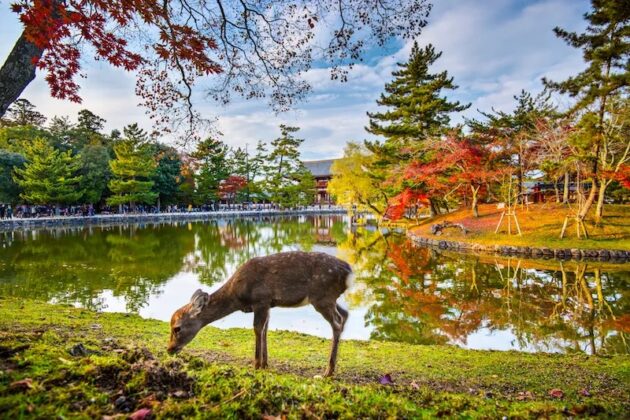
Autumn (October–November): Beautiful fall foliage, especially around temples and Mount Wakakusa.
Summer (June–August): Hot and humid, but fewer crowds mid-week. Avoid Golden Week (late April–early May) and Obon (mid-August) for smaller crowds.
Winter (December–February): Quiet, atmospheric, and great for illuminations. Fewer tourists and lower hotel rates.
How to Get to Nara
Nara is very accessible from the Kansai region:
From Kyoto: 30–45 minutes by JR Nara Line or Kintetsu Railway.
From Osaka: 30–50 minutes (JR or Kintetsu).
From Tokyo: About 3–4 hours via Shinkansen to Kyoto then local train, or direct JR trains.
Airport: Kansai International Airport (KIX) → Osaka → Nara (about 1.5–2 hours total).
Tip: Get an ICOCA card (or Suica/Pasmo) for seamless train and bus travel.
Top Attractions
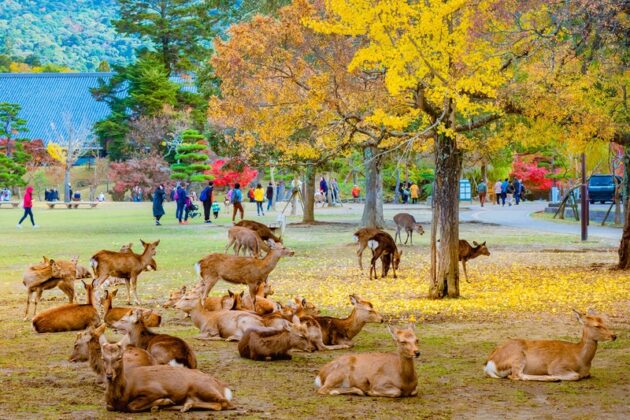
Nara Park (Nara Kōen) & Sika Deer
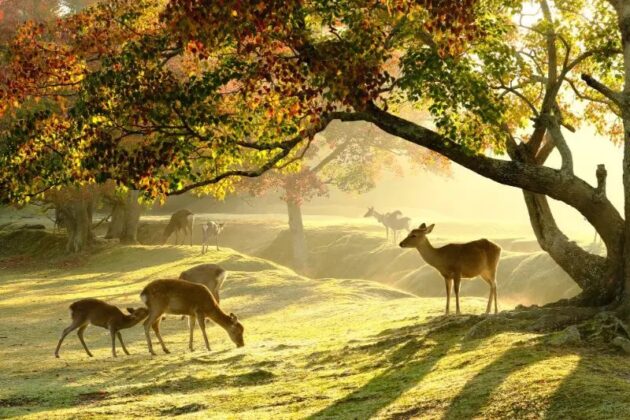
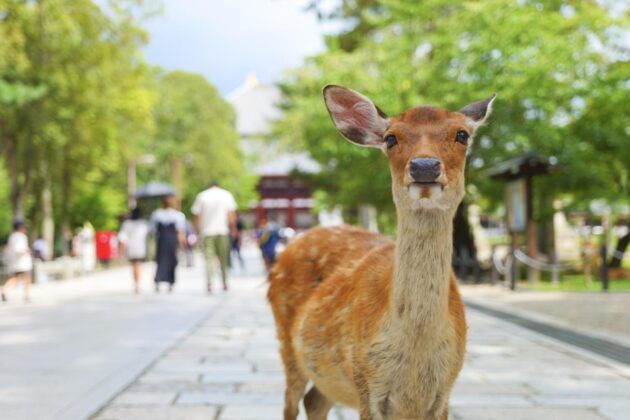
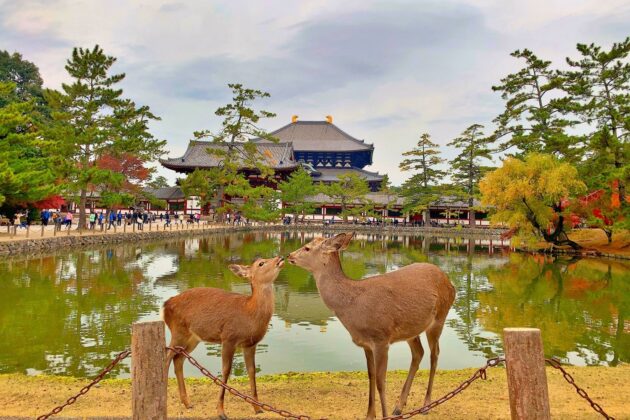
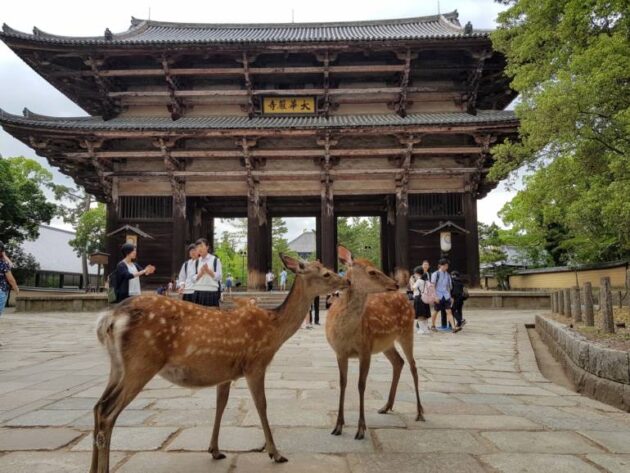
The heart of Nara. Over 1,000 sacred deer roam freely. Buy shika senbei (deer crackers) for ¥200. Bow to them—they often bow back! Best in the early morning before crowds arrive.
Tōdai-ji Temple
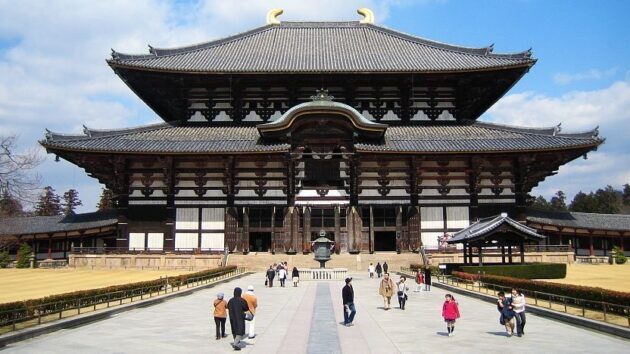
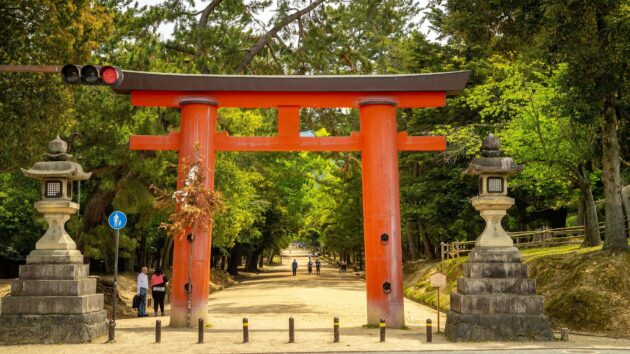
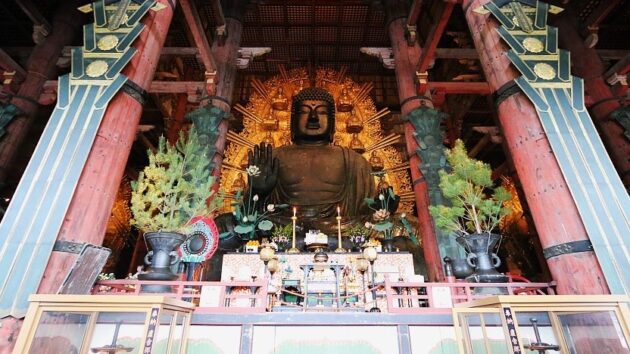
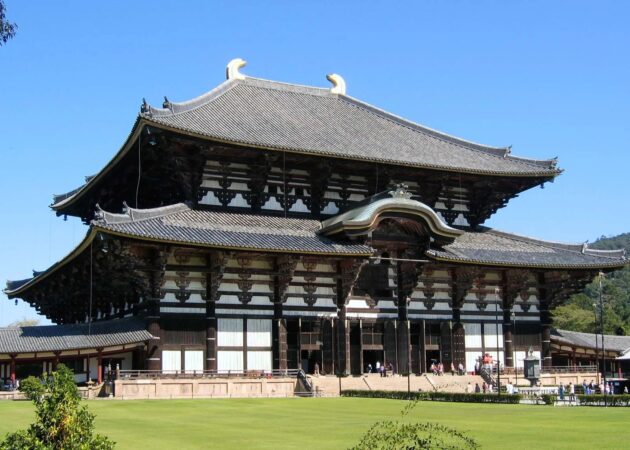
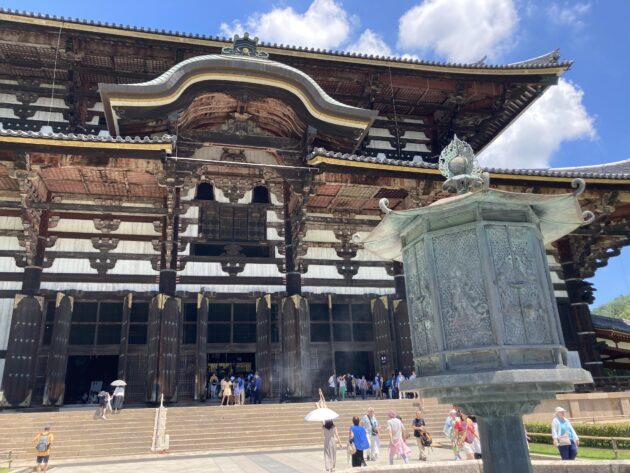
Home to the Daibutsu (Great Buddha), a 15-meter-tall bronze statue cast in 752 AD. The massive wooden hall (Daibutsuden) is one of the world’s largest wooden structures. Don’t miss the Nandaimon Gate with its fierce guardian statues.
Kasuga Taisha Shrine
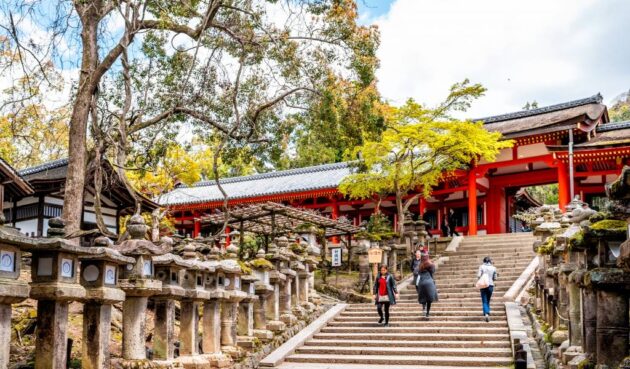
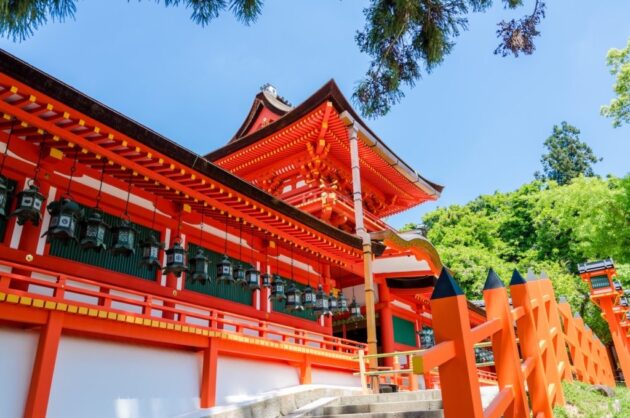
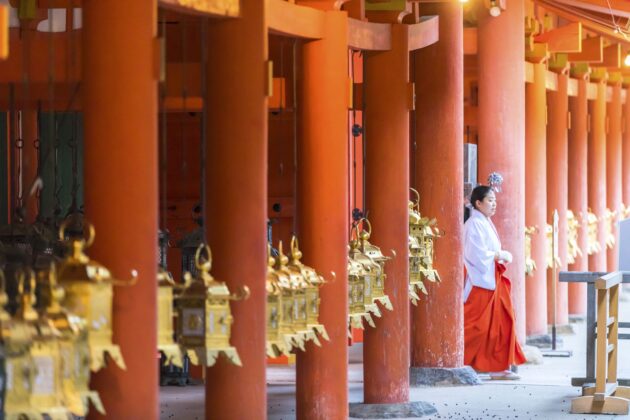
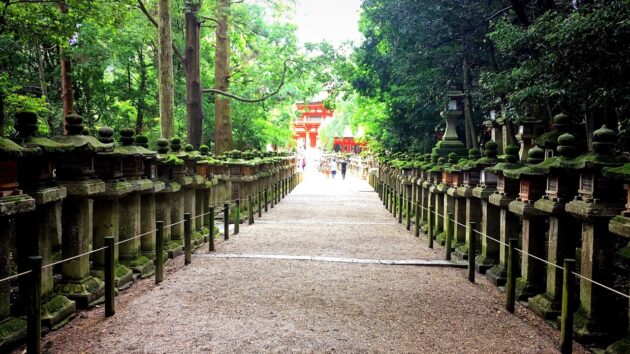
Famous for its thousands of stone and bronze lanterns. The lantern festival (Mantoro) in February and August is spectacular. The surrounding primeval forest feels mystical.
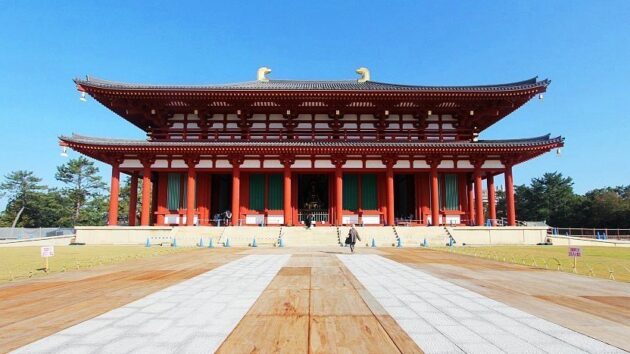
Kōfuku-ji Temple
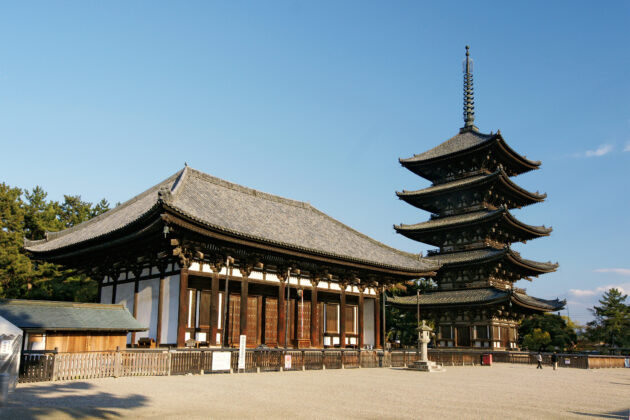
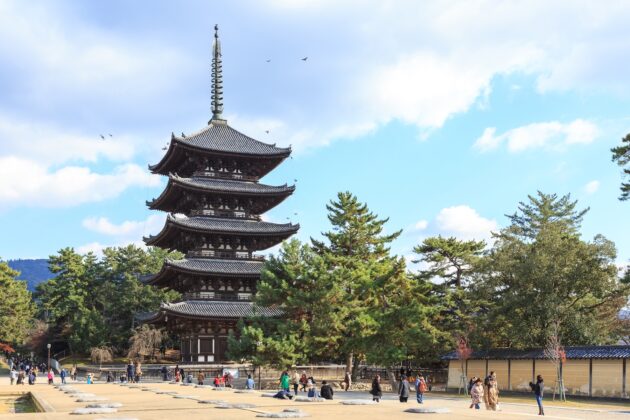
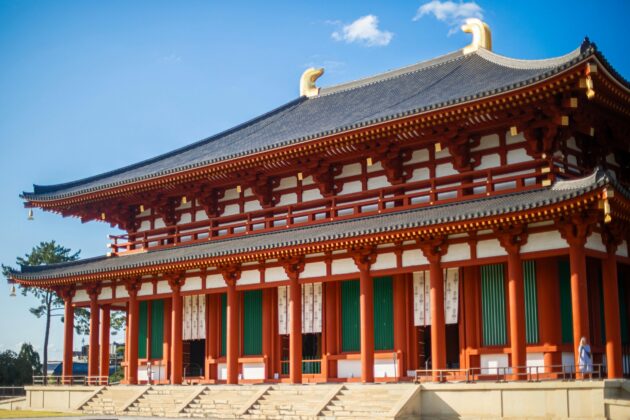
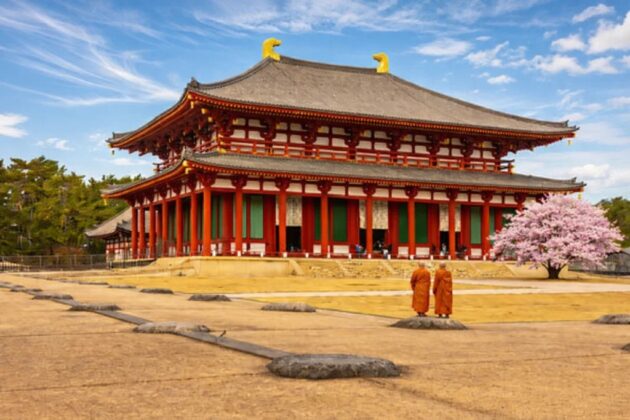
Kōfuku-ji (興福寺, often written as Kofukuji) is one of Nara’s most iconic landmarks and a UNESCO World Heritage Site as part of the Historic Monuments of Ancient Nara. Founded in 669, this ancient Buddhist temple served as the family temple of the powerful Fujiwara clan.
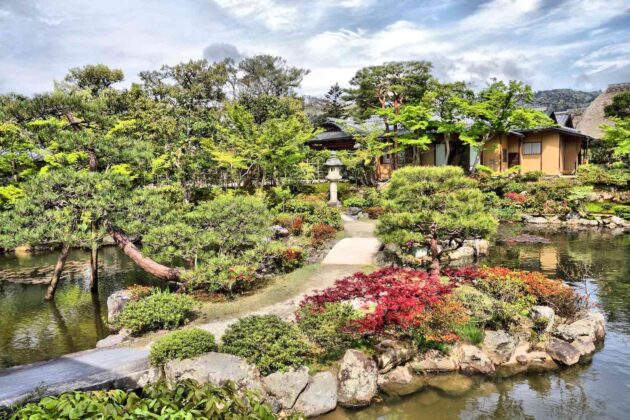
Isuien Garden and Neiraku Museum
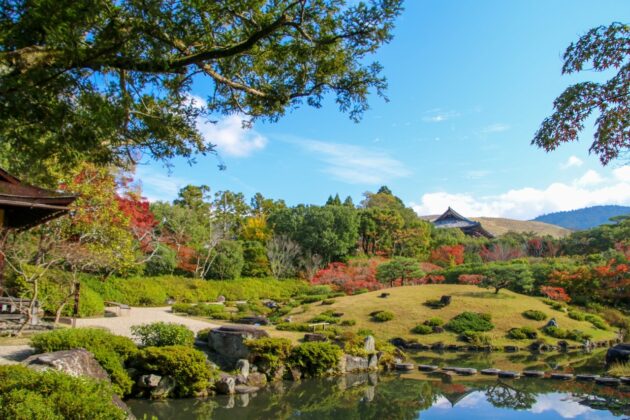
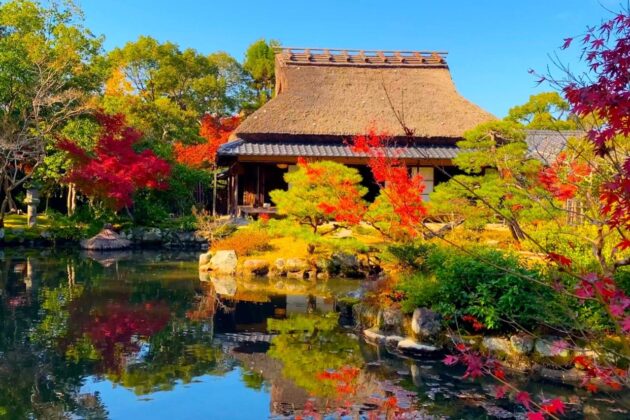
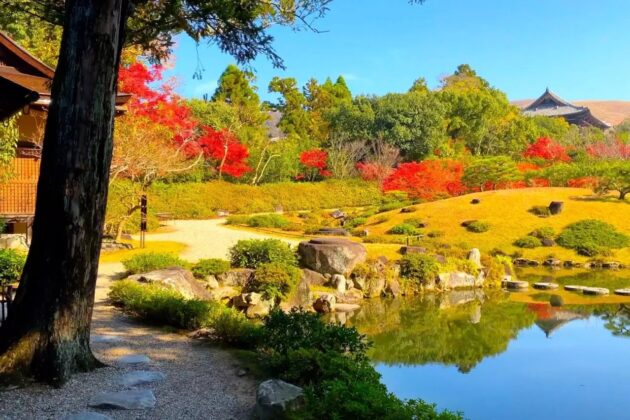
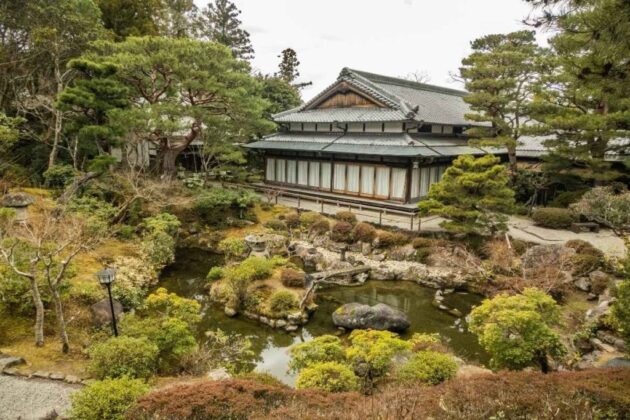
Isuien Garden (依水園, Isuien) is one of Nara’s most beautiful and serene traditional Japanese gardens. Often called one of the finest in the city, it offers a peaceful escape from the crowds of Nara Park and Todaiji Temple while showcasing masterful landscape design. Adjacent to it, the Neiraku Museum (寧楽美術館) complements the visit with a collection of East Asian art and artifacts.
Mount Wakakusa
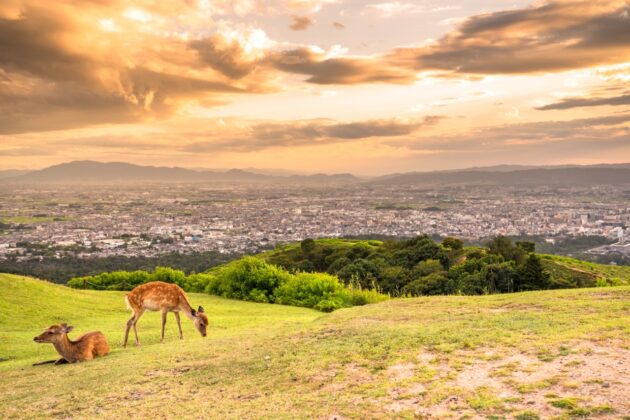
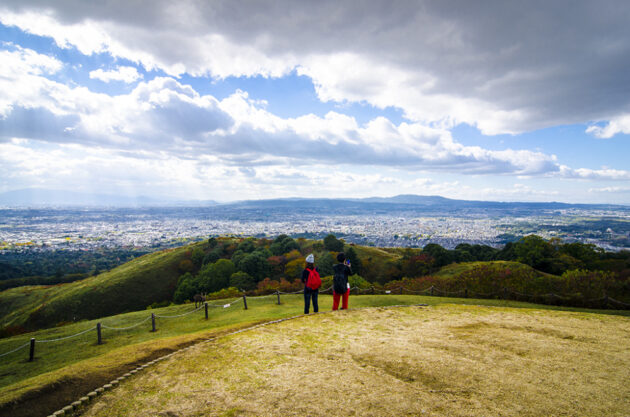
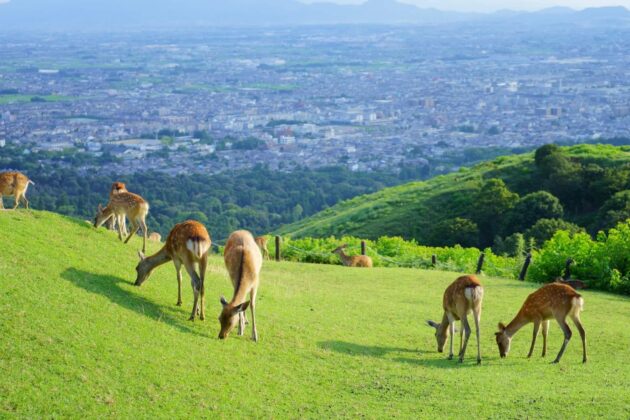
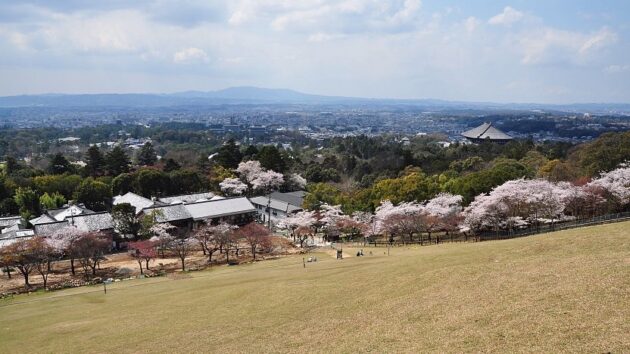
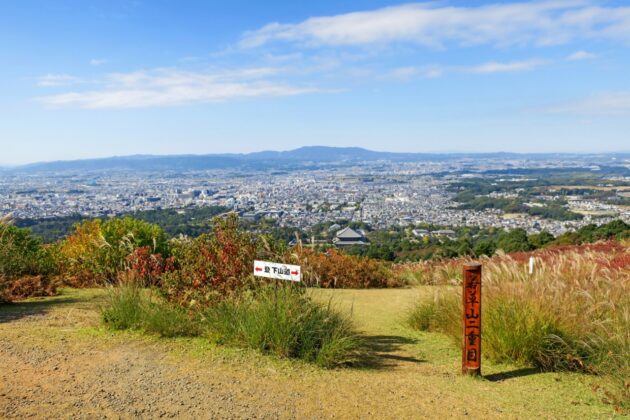
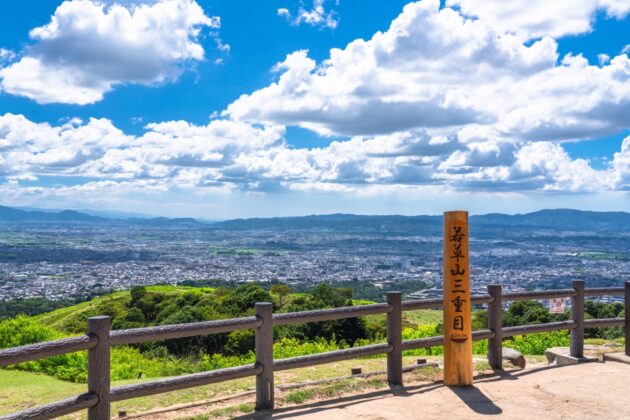
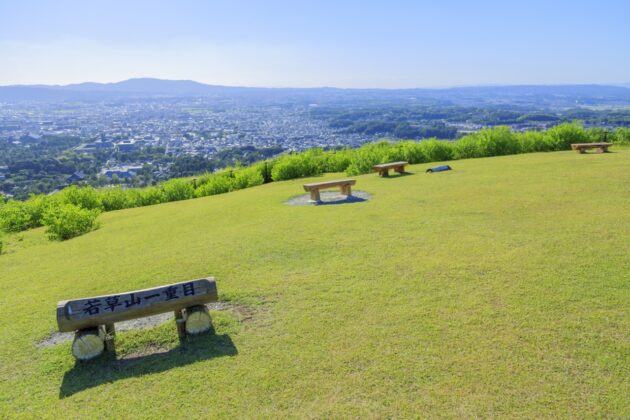
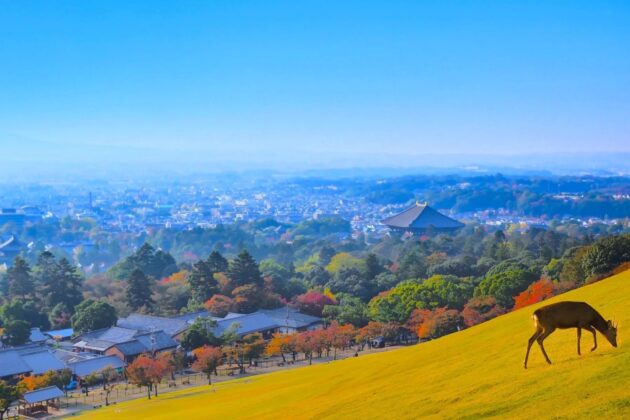
Mount Wakakusa, also known as Mount Mikasa, is a iconic 342-meter grassy mountain located in Nara Park, eastern Nara, Japan. Its gentle slopes, free-roaming deer, and panoramic views over Nara City, Todaiji Temple, and beyond make it a perfect escape from the crowds while offering stunning photo opportunities and a peaceful hike.
Hōryū-ji Temple
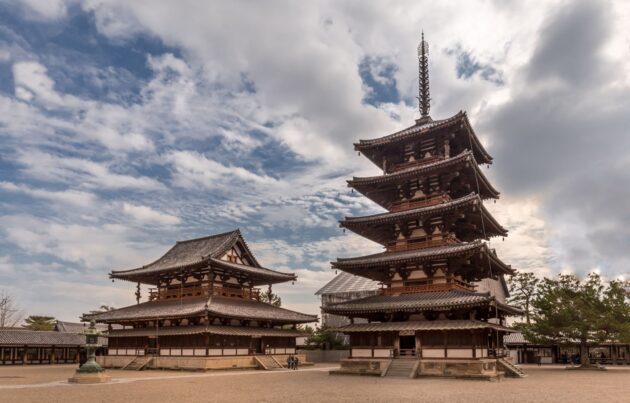
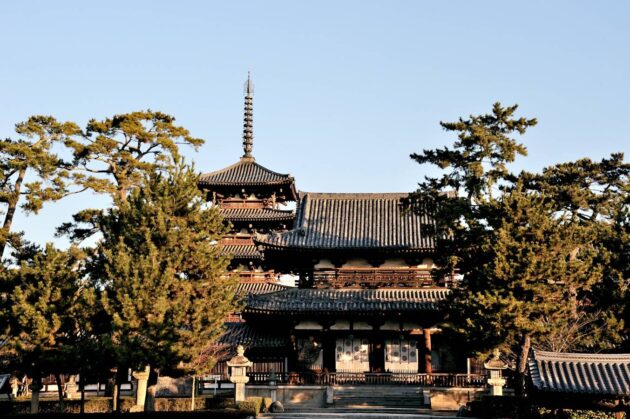
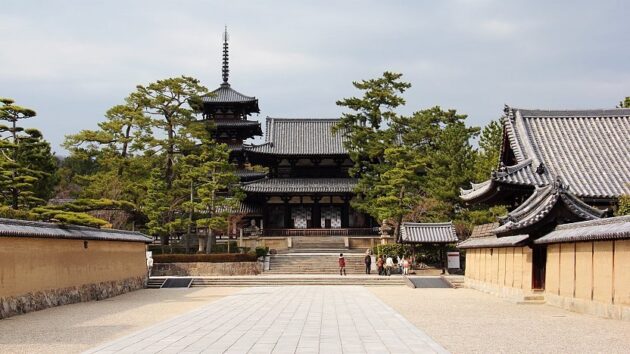
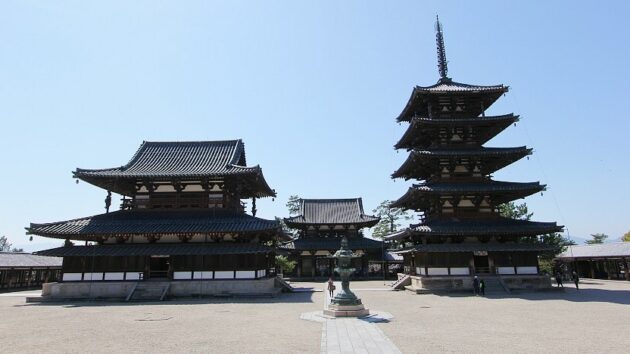
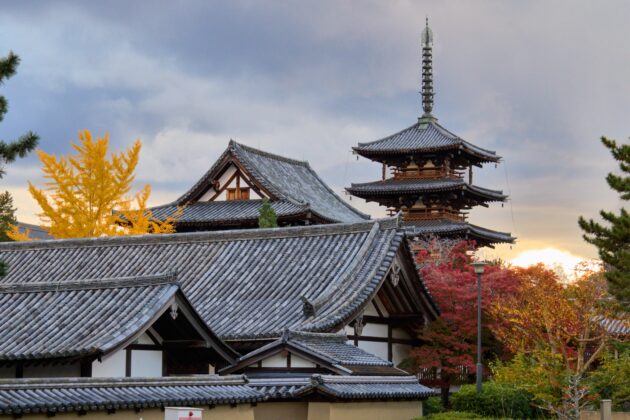
One of the oldest Buddhist temples in Japan (founded 607 AD) and a UNESCO site. Worth the 30-minute bus ride if you love temple architecture.
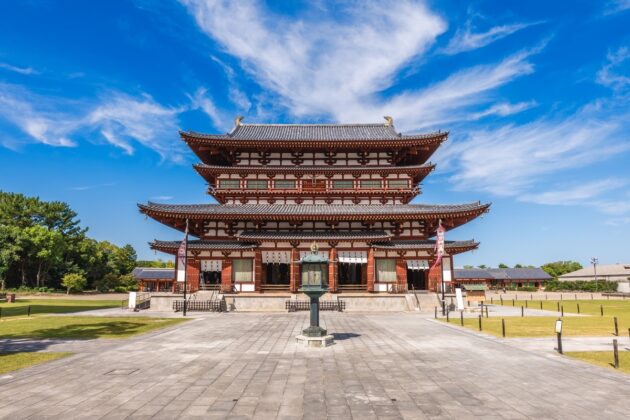
Yakushi-ji
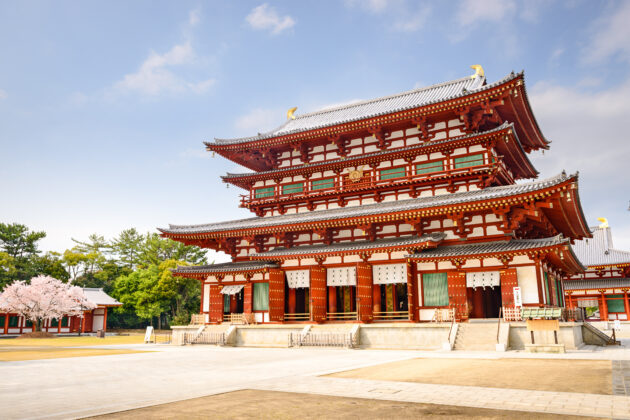
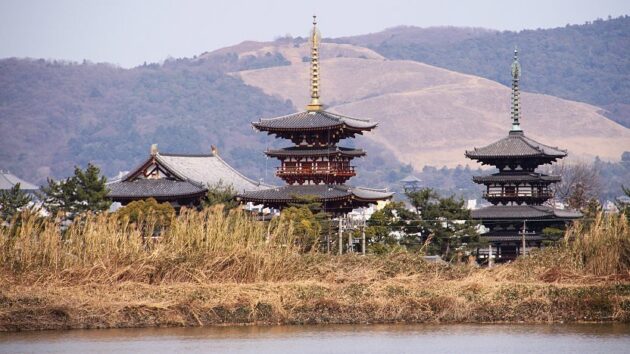
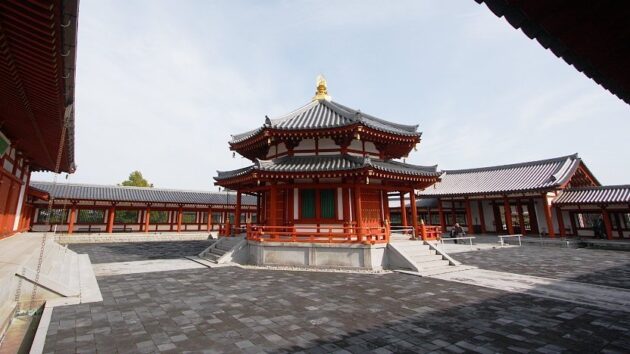
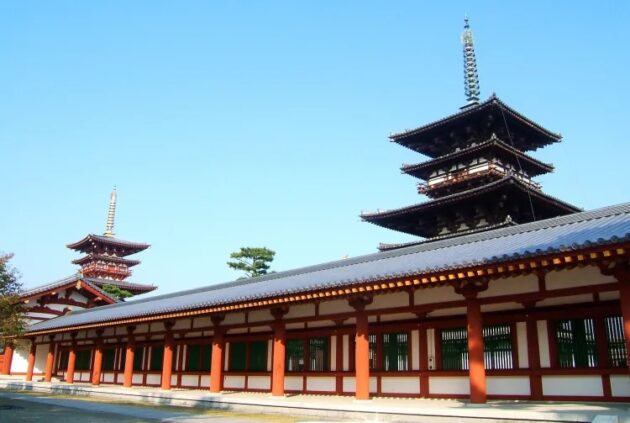
Yakushi-ji (薬師寺) is one of Japan’s most historically significant Buddhist temples and a UNESCO World Heritage Site as part of the “Historic Monuments of Ancient Nara.” Located in the Nishinokyo area of western Nara, it is renowned for its elegant symmetry, ancient architecture, and exquisite Buddhist art, particularly the Yakushi Triad statues.
Food to Try in Nara
Kaki no Ha Sushi: Sushi wrapped in persimmon leaves (unique to Nara).
Miwa Somen: Very thin noodles from nearby Miwa.
Unagi (Grilled Eel): Several excellent restaurants near the park.
Matcha Sweets & Deer-shaped pastries.
Yoshino-ya or local kaiseki for upscale experiences.
Sake: Nara has a long brewing history. Try harushika or visit sake breweries in Naramachi.
Where to Stay
Luxury: Nara Hotel (historic, near the park) or JW Marriott Nara.
Mid-range: Hotels around Nara Station or in Naramachi.
Traditional: Ryokans or machiya guesthouses in the old town.
Budget: Hostels and business hotels near Kintetsu Nara Station.
Practical Tips
Transportation: Most sights are walkable. Rent a bicycle or use the tourist bus.
Crowds: Visit Tōdai-ji right at opening (8:00 AM) to beat groups.
Etiquette: Deer can be pushy—don’t carry food in open bags. Don’t feed them anything except the official crackers.
Money: Many temples charge small entrance fees (¥500–800). Have cash ready.
Language: English signs are common in tourist areas, but learning basic Japanese helps.
Shopping: Deer-themed souvenirs, calligraphy brushes (Nara is famous for them), and green tea products.
Final Thoughts
Nara offers a deeply authentic Japanese experience with fewer crowds than Kyoto. The combination of majestic temples, gentle deer, and rich history makes it unforgettable.