
A Travel Guide to Hong Kong
Hong Kong, a vibrant metropolis where East meets West, is a dazzling blend of towering skyscrapers, bustling markets, serene temples, and stunning natural landscapes. As a Special Administrative Region of China, it offers a unique cultural experience, world-class cuisine, and endless activities for travelers. Whether you’re a first-time visitor or a seasoned explorer, this guide will help you plan an unforgettable trip to Hong Kong.
Why Visit Hong Kong?
Hong Kong is a city of contrasts: futuristic skylines juxtaposed with traditional fishing villages, Michelin-starred restaurants alongside street food stalls, and urban energy balanced by tranquil hiking trails. Famous for its iconic Victoria Harbour, vibrant shopping districts, and cultural landmarks like the Big Buddha, Hong Kong caters to all interests—adventure, food, history, and relaxation. Its efficient public transport and compact size make it easy to explore, while its status as a global hub ensures a cosmopolitan vibe.
How to Get There
Hong Kong is a major international gateway with excellent connectivity:
By Air: Hong Kong International Airport (HKG) is served by over 100 airlines, with direct flights from major cities worldwide. It’s located on Chek Lap Kok Island, about 35 km from downtown. From the airport, take the Airport Express train (24 minutes, HK$115) to Central, or use taxis (HK$300–400) or airport buses (HK$10–40).
By Land/Sea from Mainland China: High-speed trains connect Hong Kong’s West Kowloon Station to cities like Shenzhen (15 minutes) and Guangzhou (1 hour). Book via the China Railway website or 12306 app. Ferries from Shenzhen, Zhuhai, or Macao arrive at Hong Kong’s China Ferry Terminal or Macao Ferry Terminal (HK$150–200, 1–2 hours).
Visa Requirements: Most nationalities (e.g., US, UK, EU, Australia) can enter visa-free for 14–90 days. Check the Hong Kong Immigration Department website for specifics.
Top Attractions
Victoria Harbour
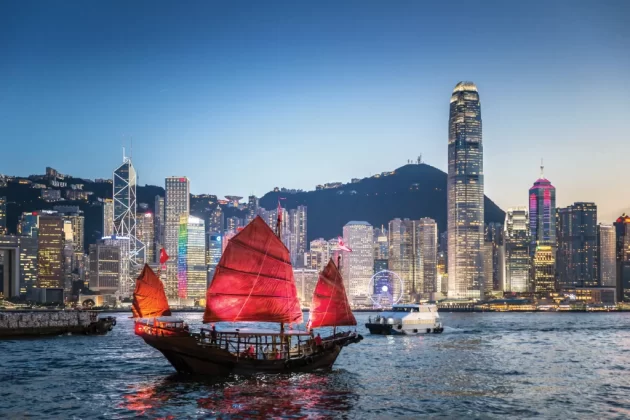
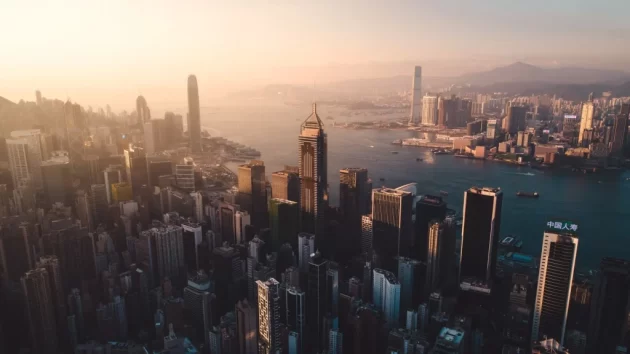
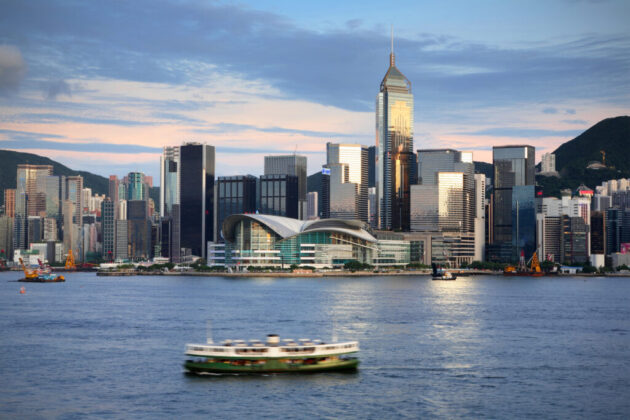
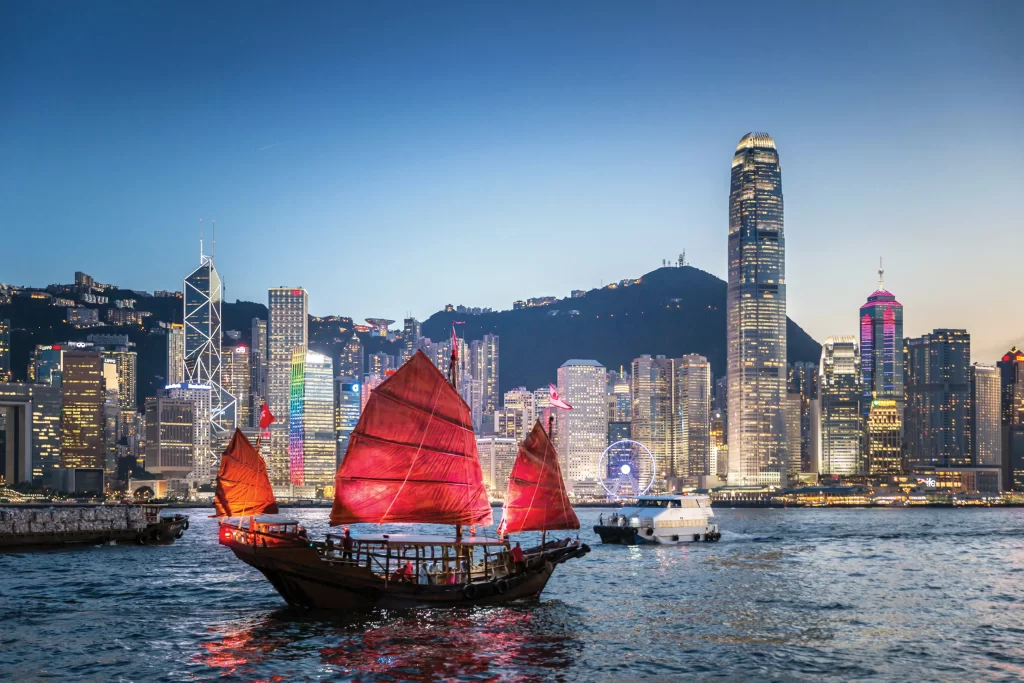
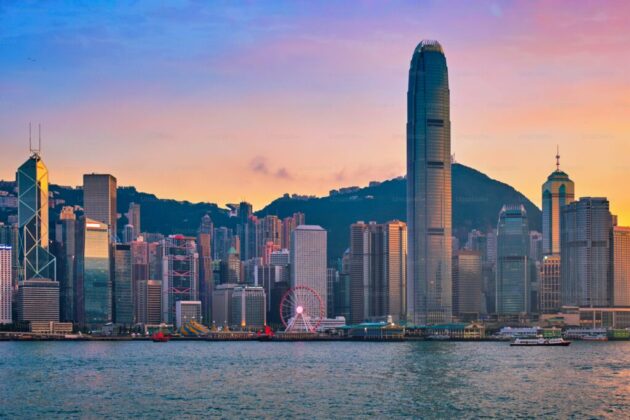
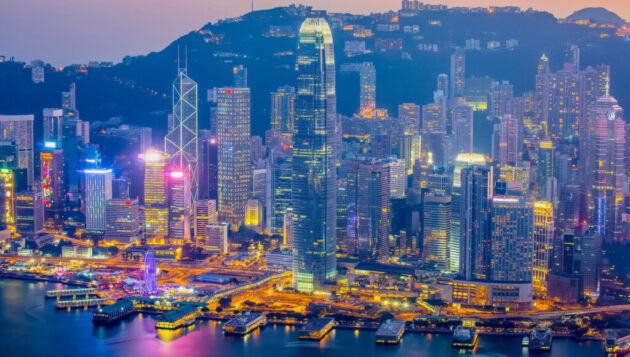
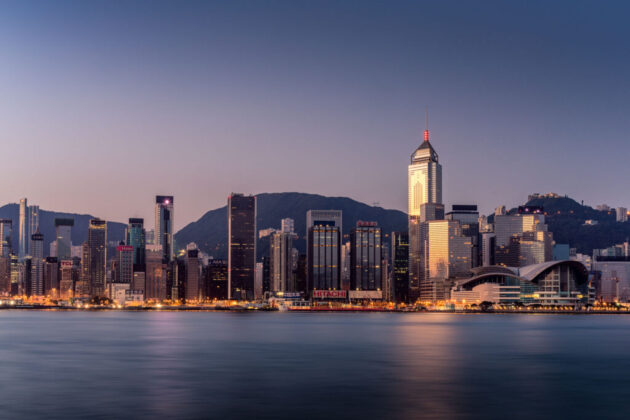
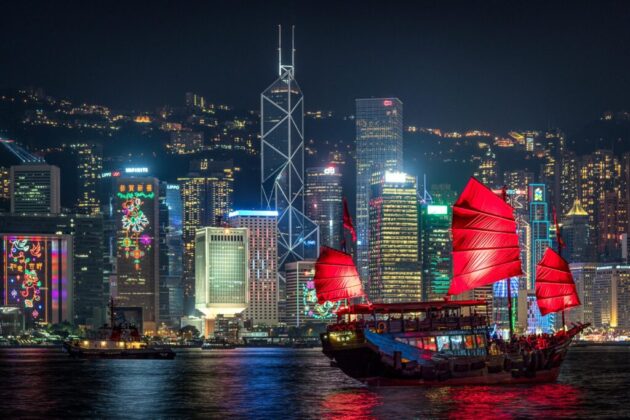
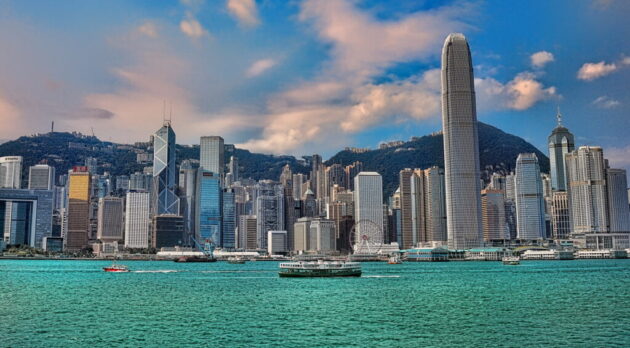
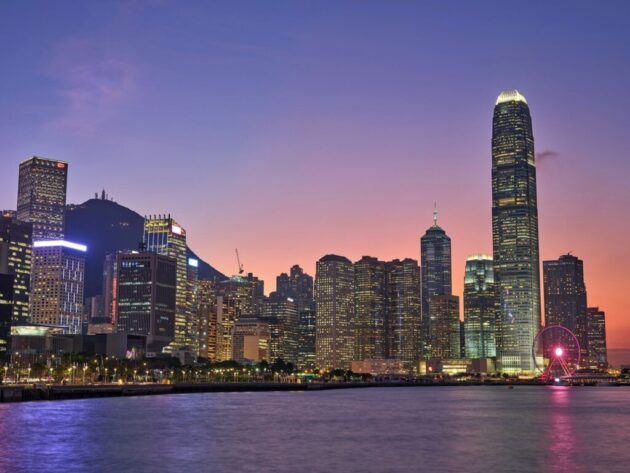
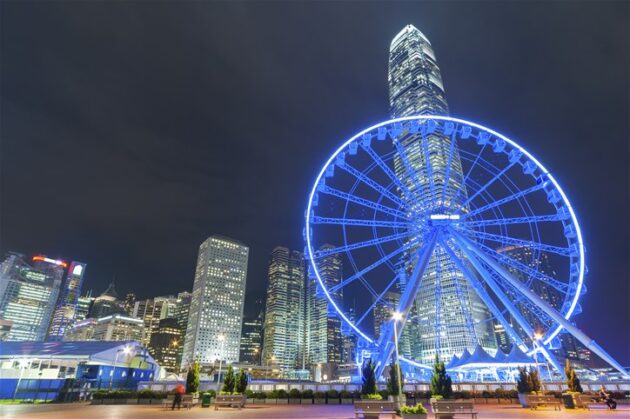
Victoria Harbour is more than just a body of water—it’s a symbol of Hong Kong’s history as a global trading hub and a gateway to its modern identity. The harbor offers panoramic views of towering skyscrapers, including landmarks like the International Commerce Centre (ICC) and Central Plaza, set against the backdrop of Victoria Peak.
Hong Kong Disneyland
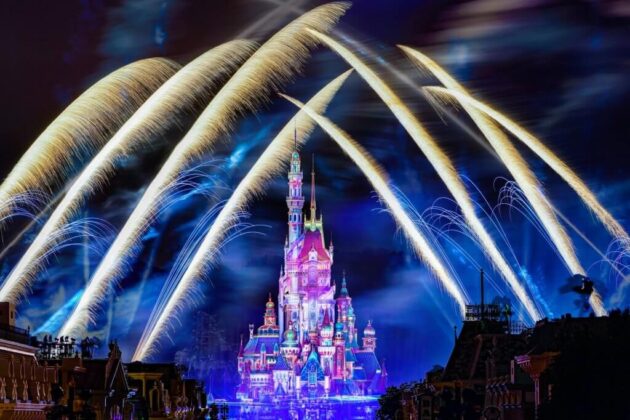
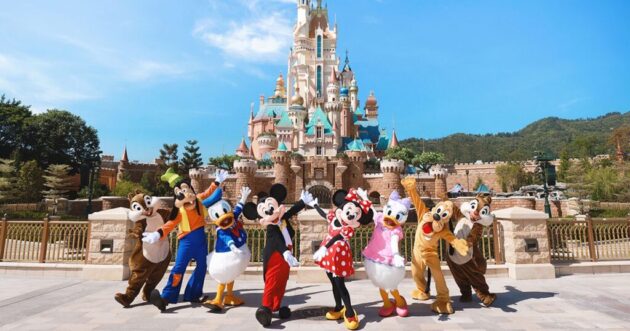
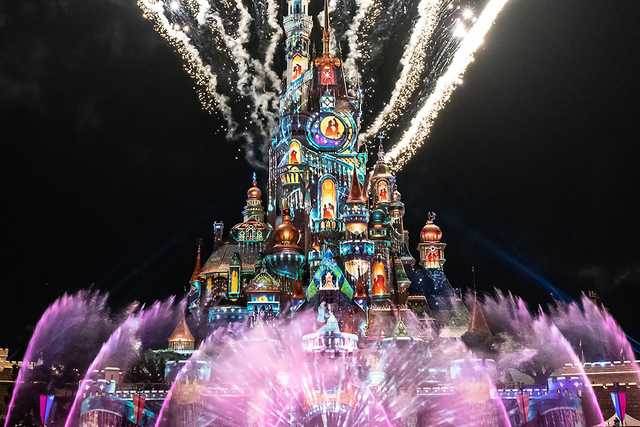
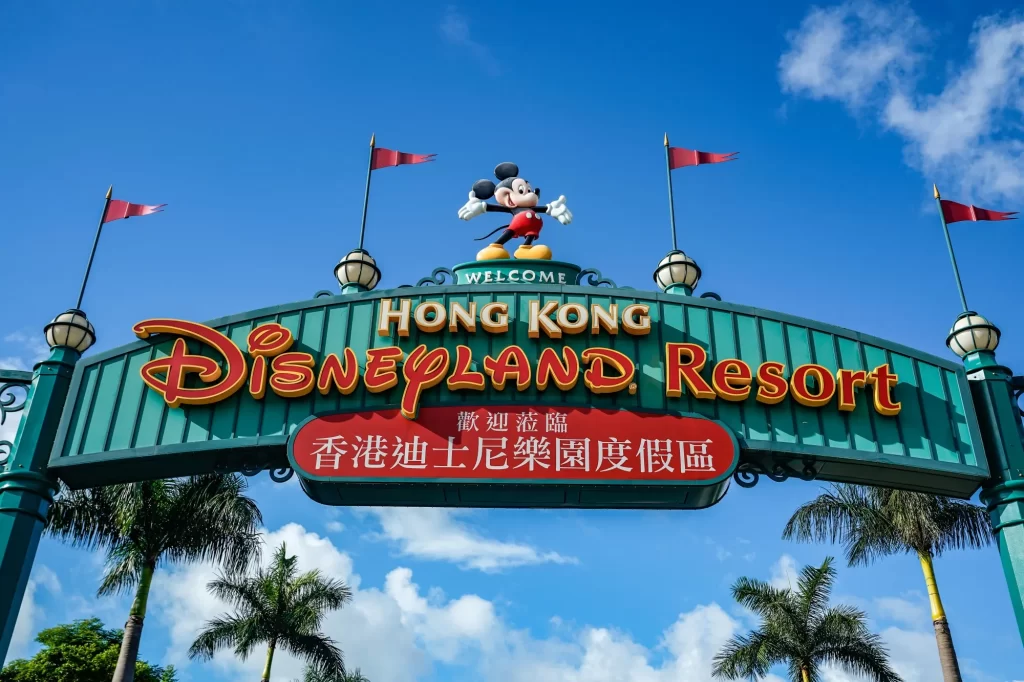
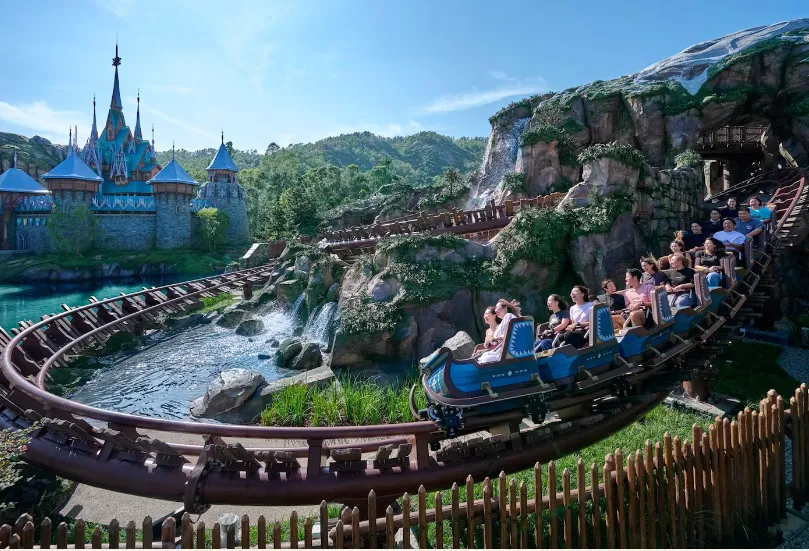
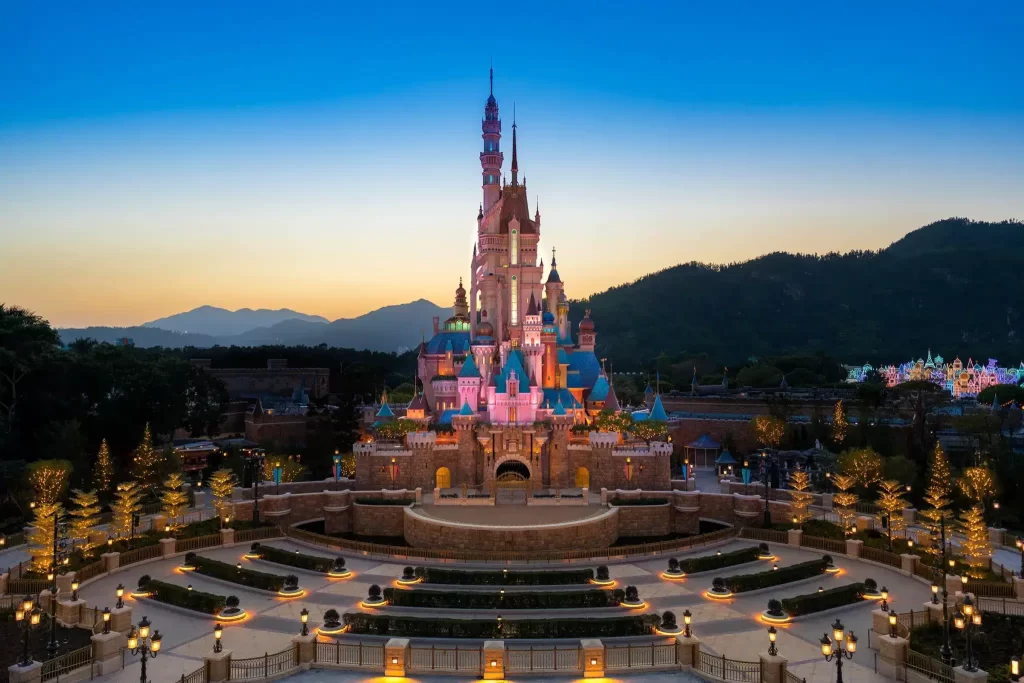
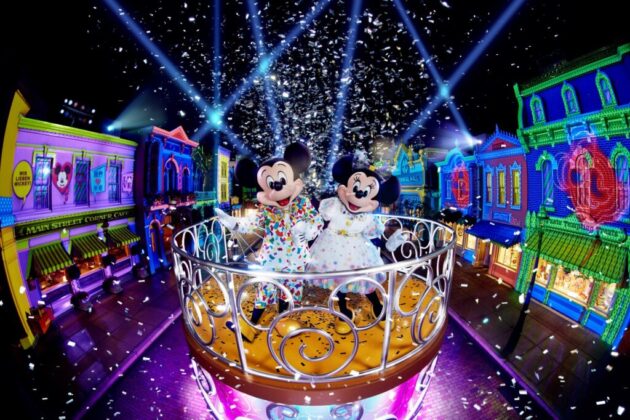
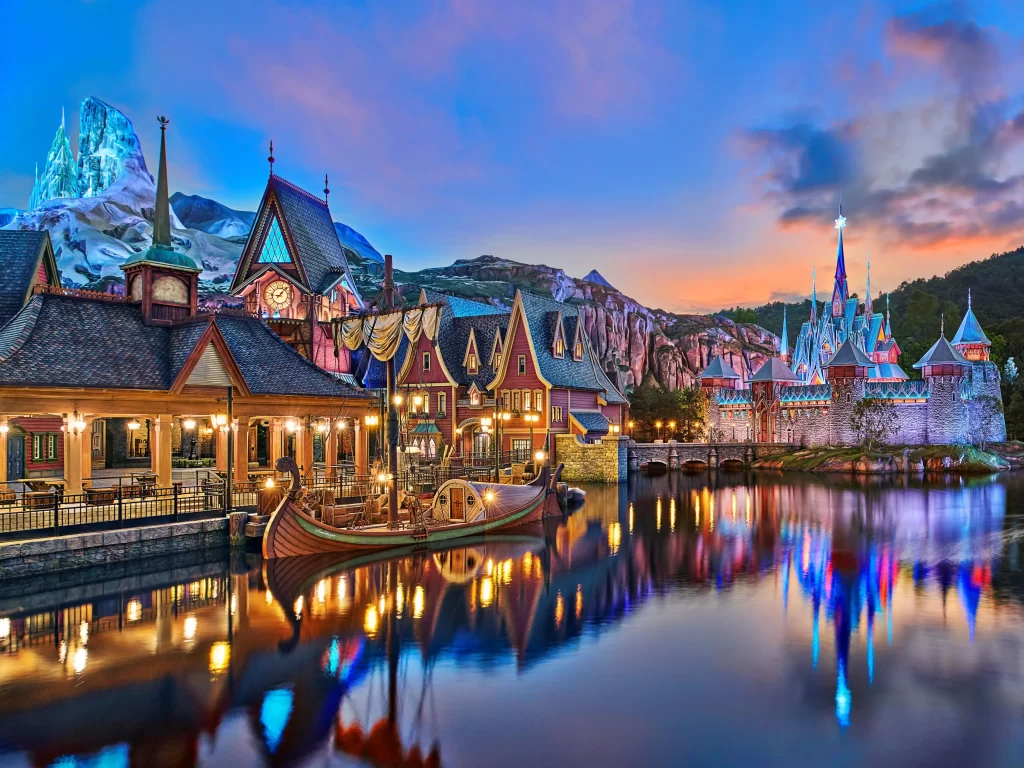
Hong Kong Disneyland offers a compact yet enchanting Disney experience, featuring eight themed lands, including the world’s first World of Frozen, unique rides like Mystic Manor, and a stunning nighttime spectacular, Momentous. Its smaller size (68 acres) makes it easy to explore in one or two days, ideal for travelers short on time. The park incorporates feng shui principles and local cultural elements, such as Disney character-shaped dim sum, setting it apart from other Disney resorts.
Ocean Park Hong Kong
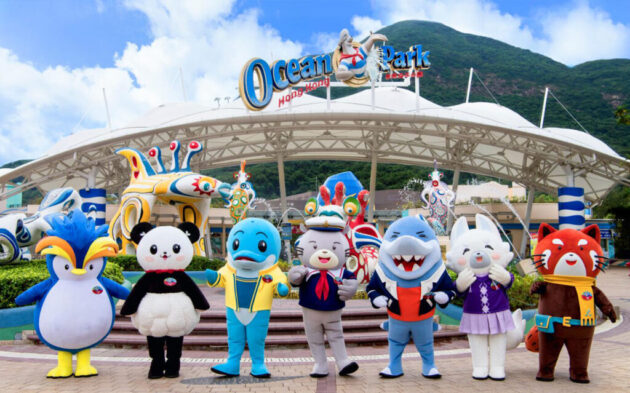
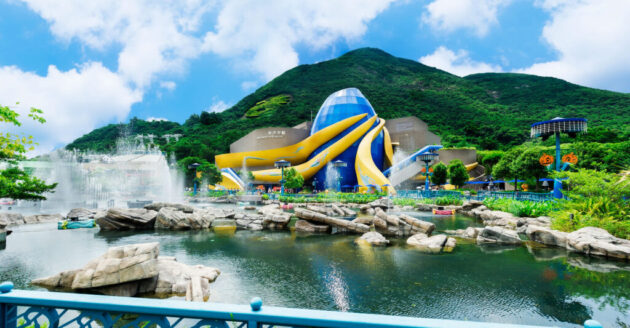
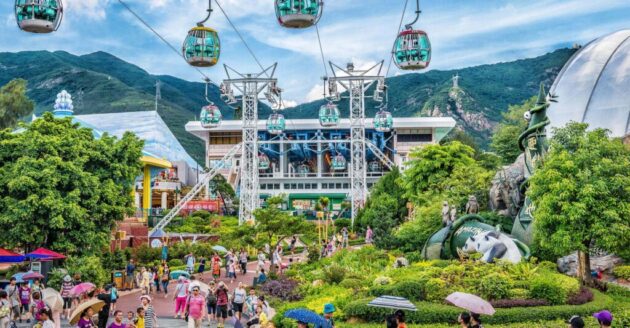
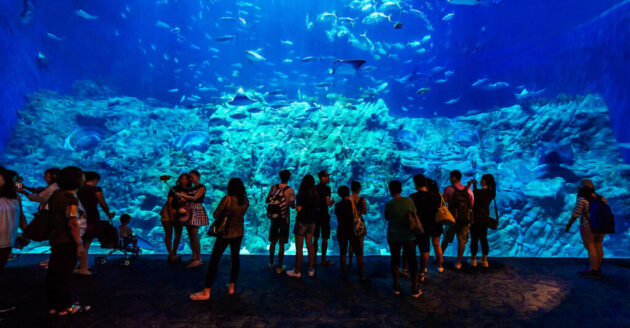
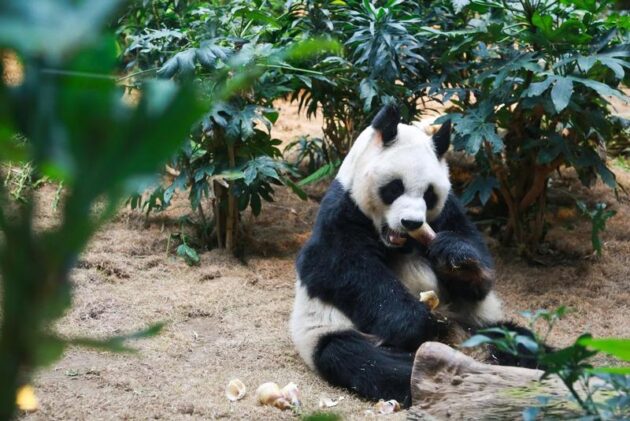
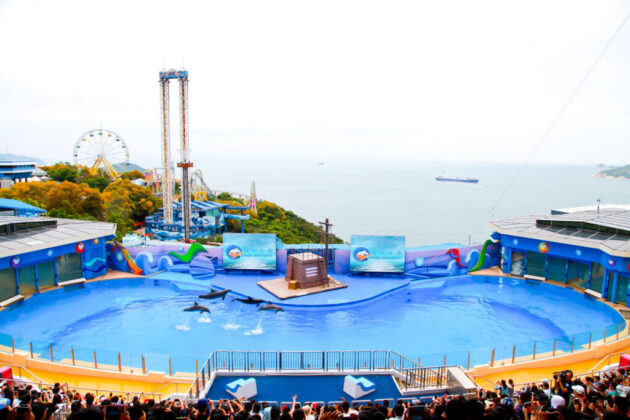
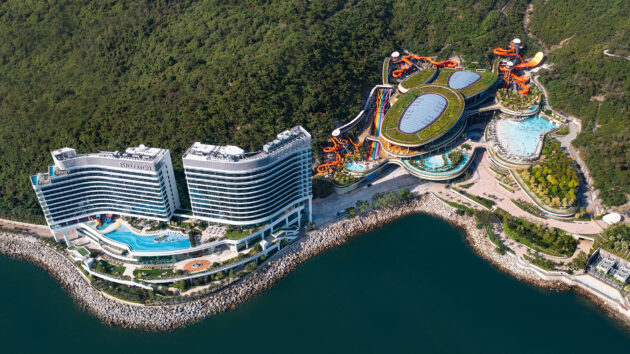
Ocean Park stands out for its diverse offerings, catering to thrill-seekers, families, and animal lovers alike. The park is divided into two main areas—The Waterfront (lowland) and The Summit (headland)—connected by a scenic cable car and the Ocean Express funicular. Highlights include the Grand Aquarium, home to over 5,000 marine creatures, the Giant Panda Adventure featuring adorable pandas, and adrenaline-pumping rides like the Hair Raiser roller coaster.
Victoria Peak
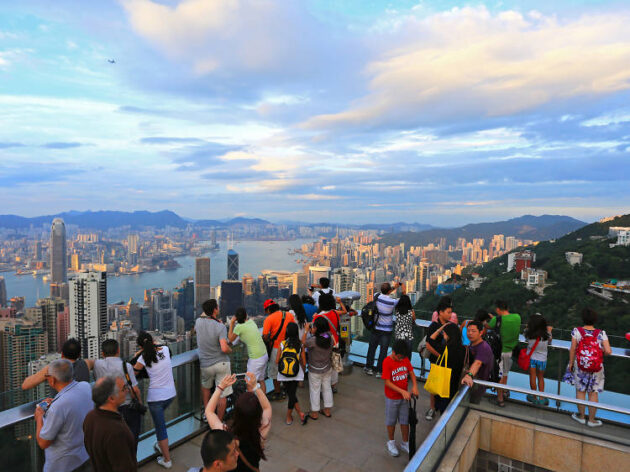
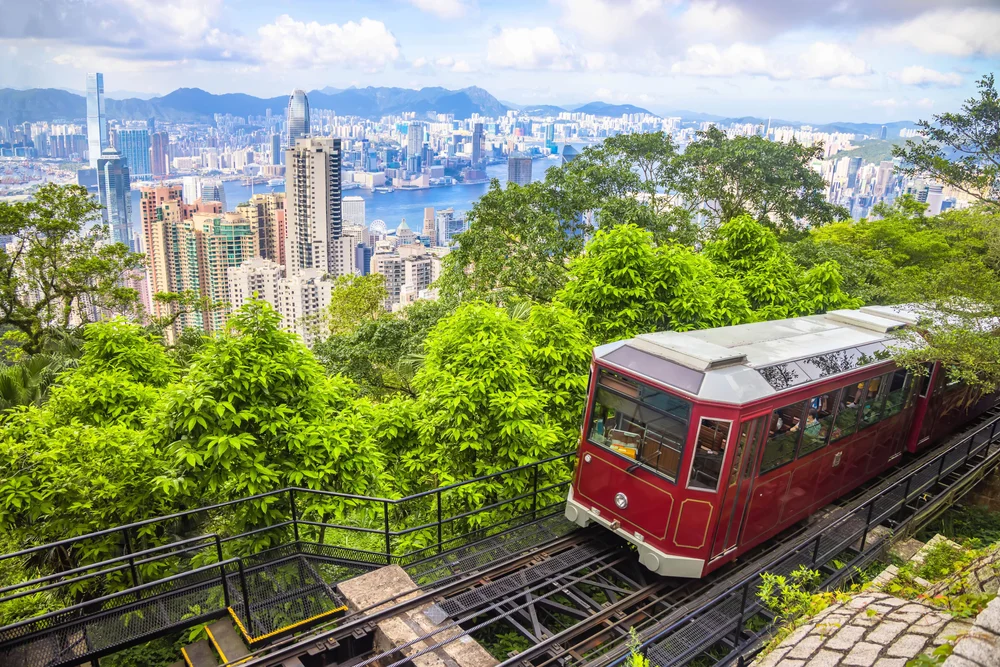
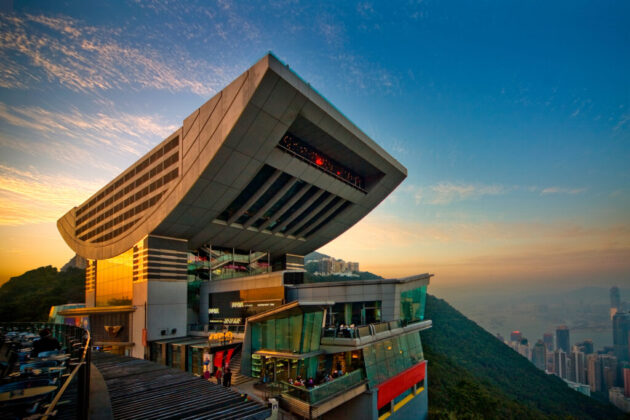
Victoria Peak is synonymous with Hong Kong’s identity, showcasing the city’s dramatic contrast of towering skyscrapers and lush greenery. From the Sky Terrace 428, the highest viewing platform in Hong Kong, you’ll witness a 360-degree view that’s especially stunning at sunset or night when the city lights up. Beyond the views, the Peak offers walking trails, historical sites, and dining options, making it a versatile destination for families, couples, and solo adventurers.


Mong Kok
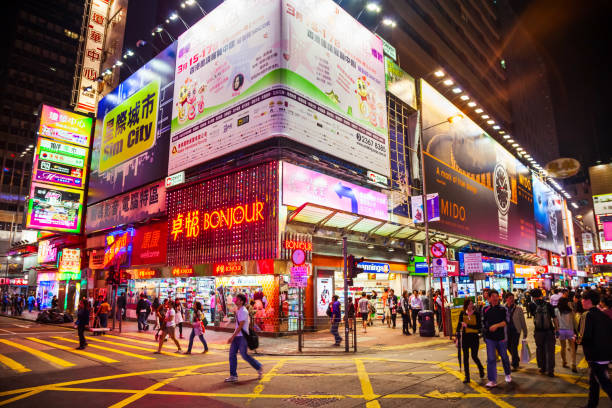
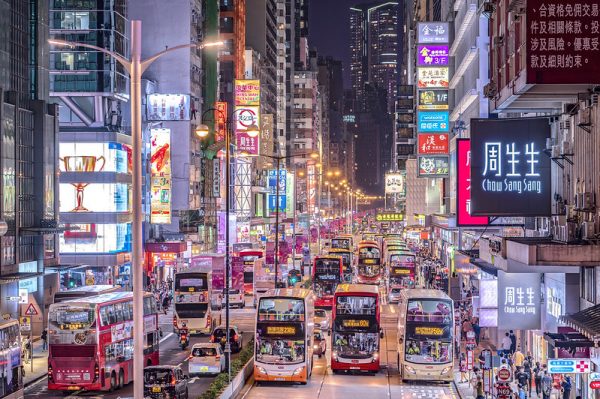
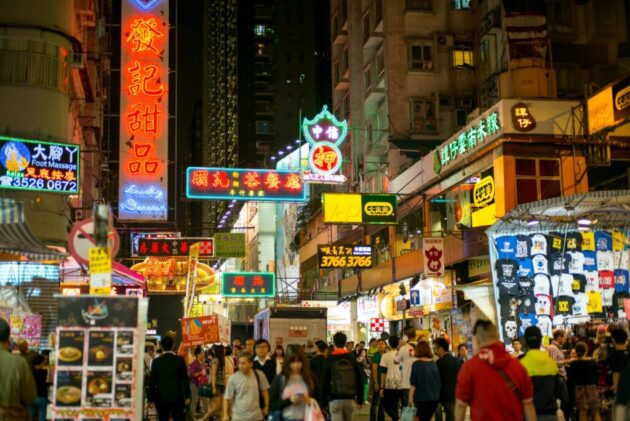
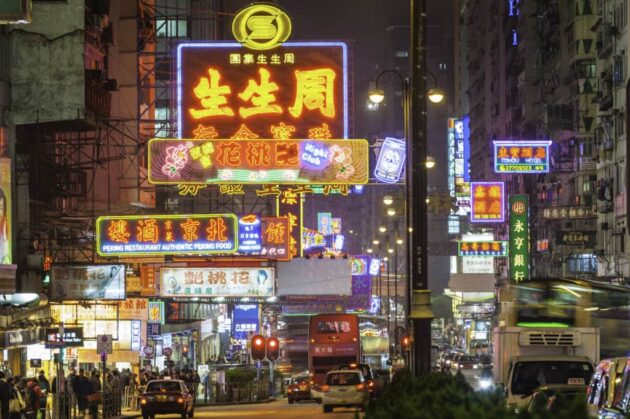
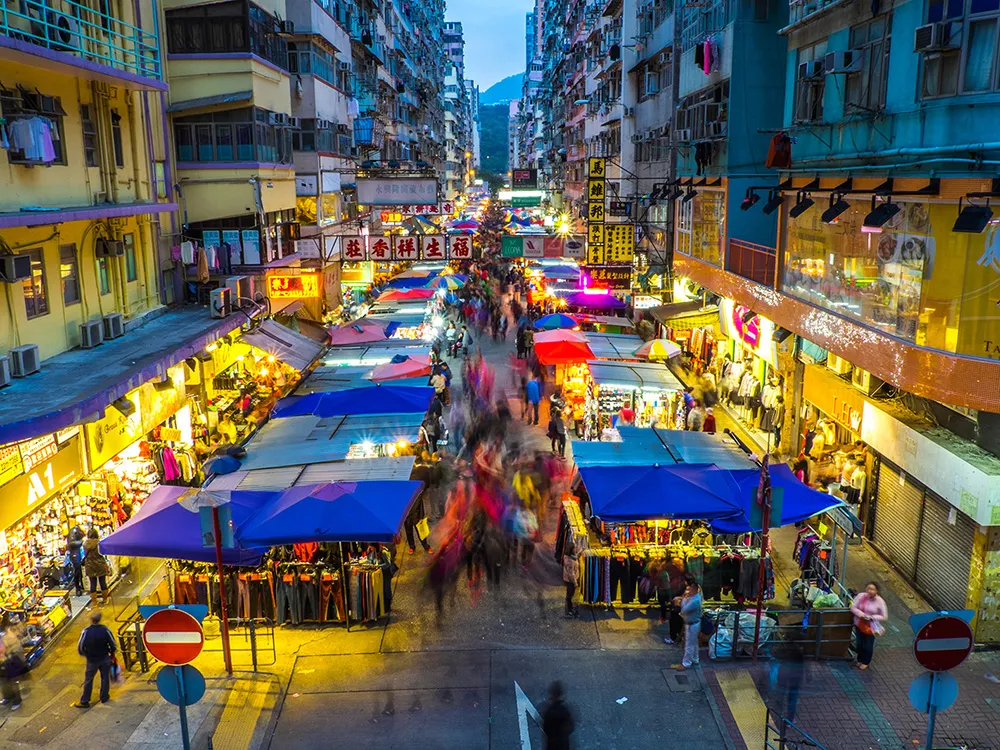
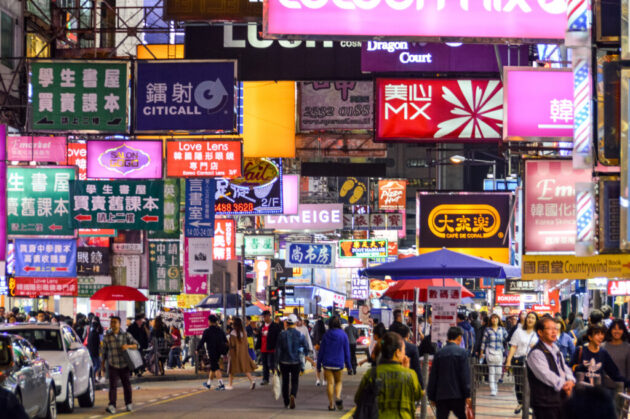
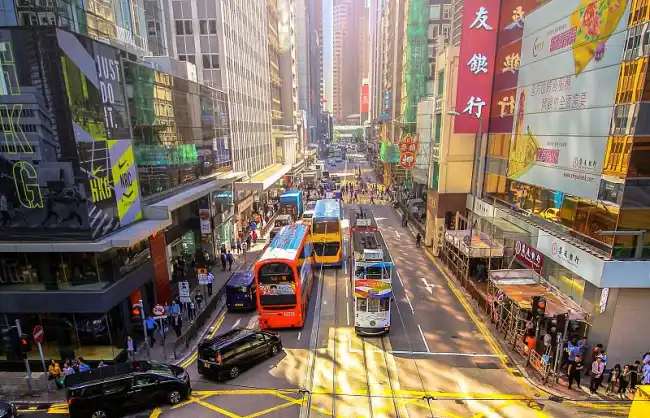
Mong Kok is the epitome of Hong Kong’s urban energy, where old meets new. Its iconic street markets—like Ladies’ Market and Sneaker Street—offer everything from affordable fashion to rare collectibles, while modern malls like Langham Place cater to high-end shoppers. Food stalls serve up Cantonese classics alongside global flavors, and hidden cultural gems, such as street art and traditional shops, add depth to the experience.
Shek O
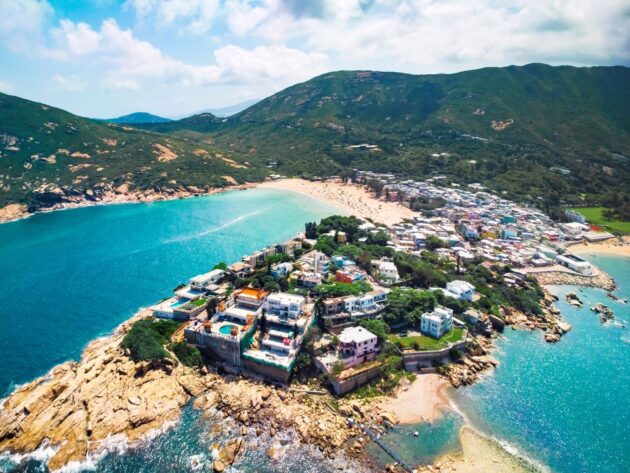
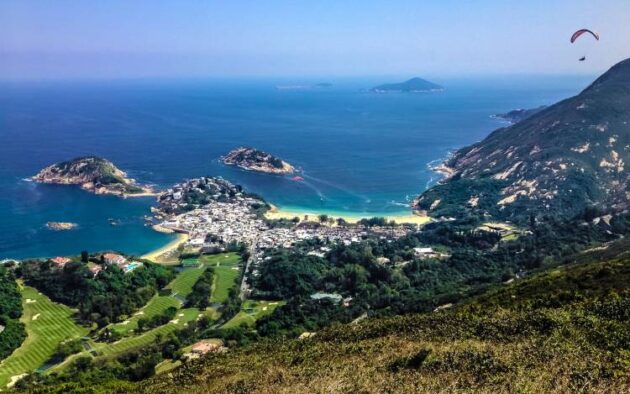
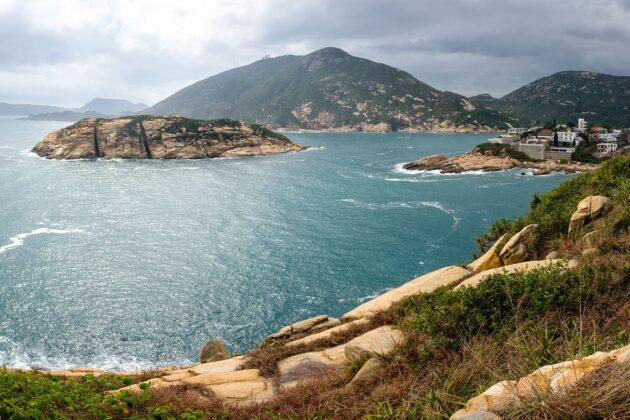
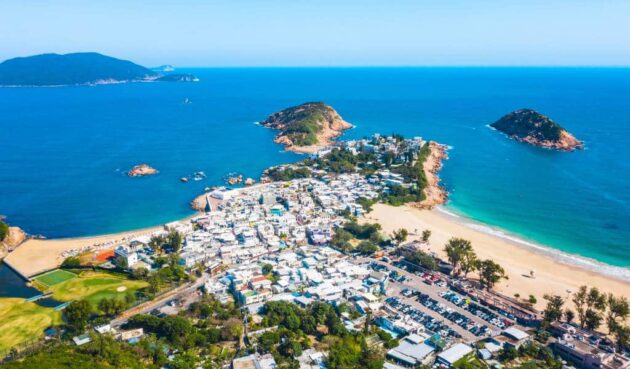
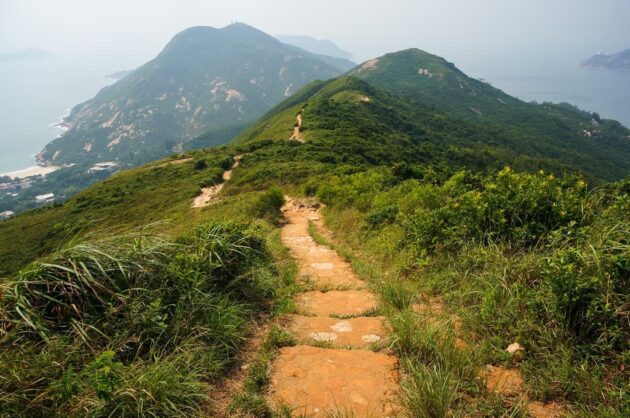
Shek O stands out as one of Hong Kong’s most beloved beach destinations, offering a serene contrast to the urban energy of Central or Kowloon. Its fine sandy beach, framed by lush hills and distinctive reddish-brown rocks, is perfect for sunbathing, windsurfing, or simply soaking in the views of the South China Sea. The nearby Dragon’s Back hiking trail, part of Shek O Country Park, is one of Hong Kong’s most iconic routes, offering breathtaking panoramas.
Central Hong Kong
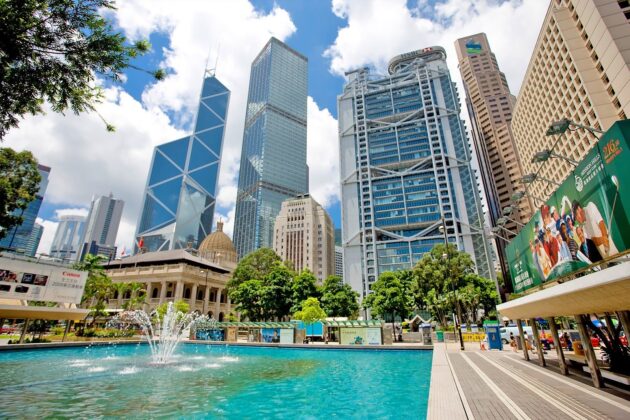
Central is the epicenter of Hong Kong’s business, culture, and lifestyle. It’s home to iconic sights like the Peak Tram, luxurious shopping at IFC Mall, and historic sites like Man Mo Temple. The district’s blend of Michelin-starred restaurants, trendy bars, and bustling street food stalls caters to every taste. With its proximity to Victoria Harbour and excellent public transport, Central is the perfect base to explore Hong Kong’s urban charm and beyond.
Tsim Sha Tsui
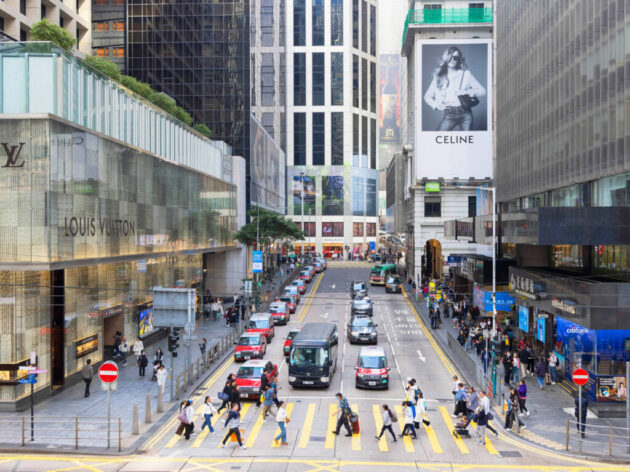
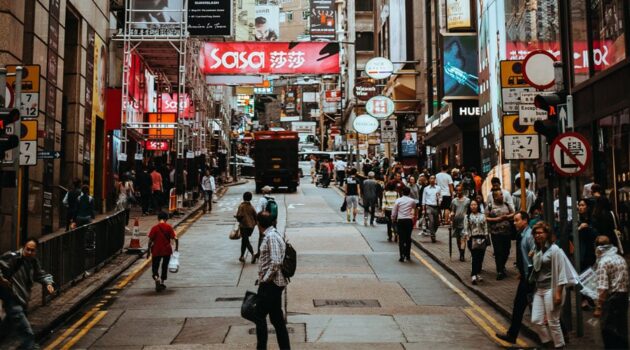
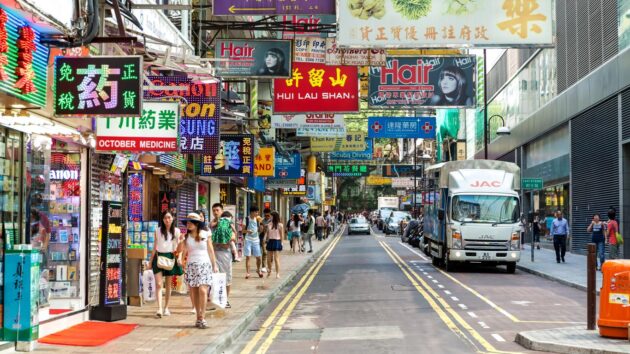
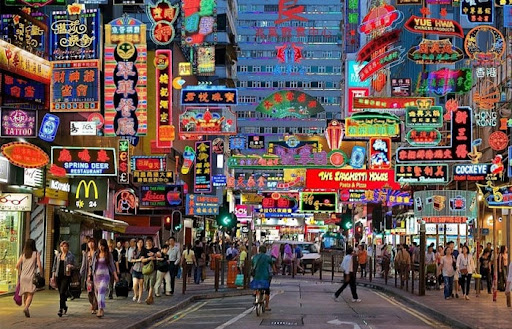
TST is the heartbeat of Hong Kong’s tourism scene, offering a perfect blend of modernity and tradition. It boasts panoramic views of the Hong Kong Island skyline, especially from the Victoria Harbour promenade. The district is a shopper’s paradise with everything from high-end malls to bustling street markets. Cultural attractions like the Hong Kong Museum of Art and historic Kowloon-Canton Railway Clock Tower add depth, while its culinary scene ranges from Michelin-starred restaurants to local dai pai dongs.
Repulse Bay Beach
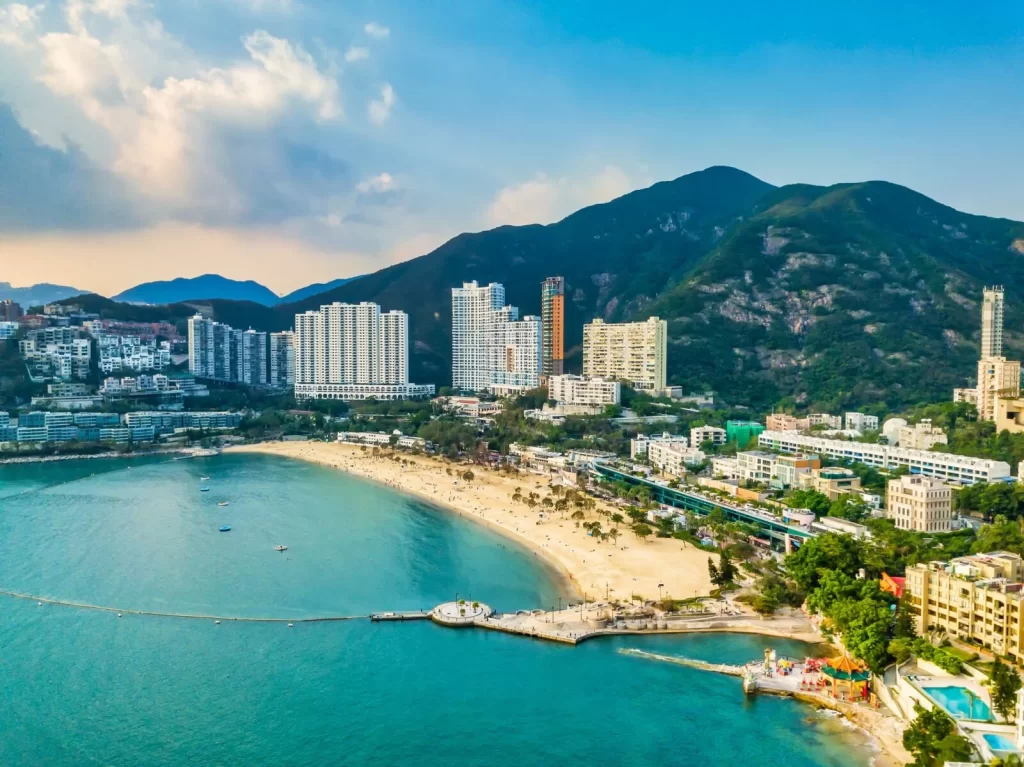
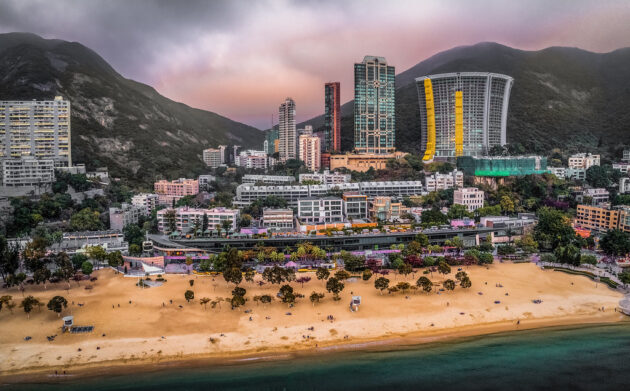
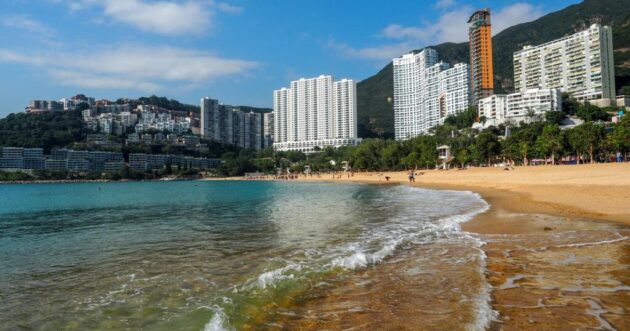
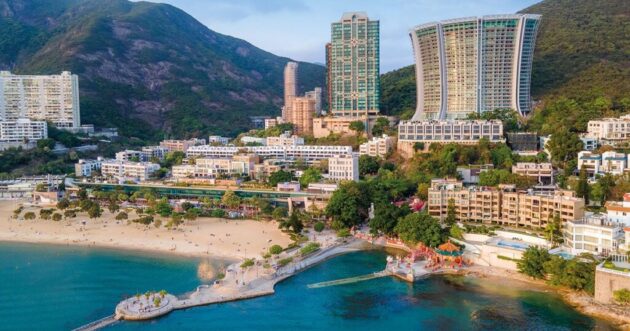
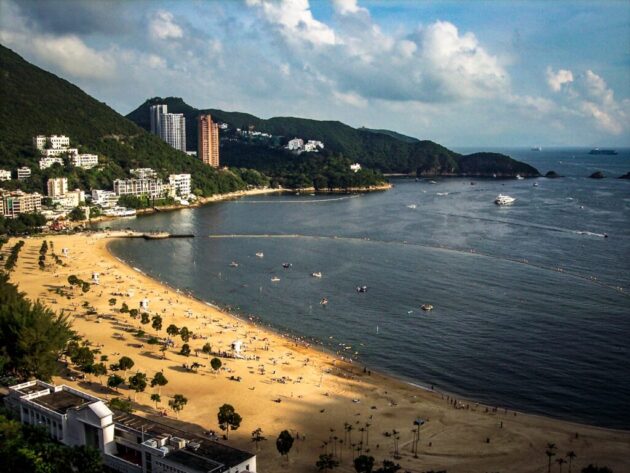
Repulse Bay Beach is Hong Kong’s premier city beach, stretching 292 meters and renowned for its silky sand and calm, clean waters, consistently rated Grade 1 (Good) by the Environmental Protection Department. Surrounded by lush hills and upscale residential areas, it’s a haven for both locals and tourists. The beach is steeped in history, named after a 19th-century British Royal Navy ship, HMS Repulse, or possibly a battle where the British repelled pirates.
Tian Tan Buddha
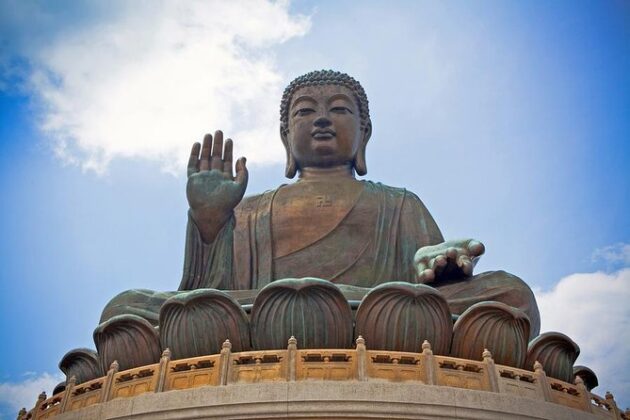
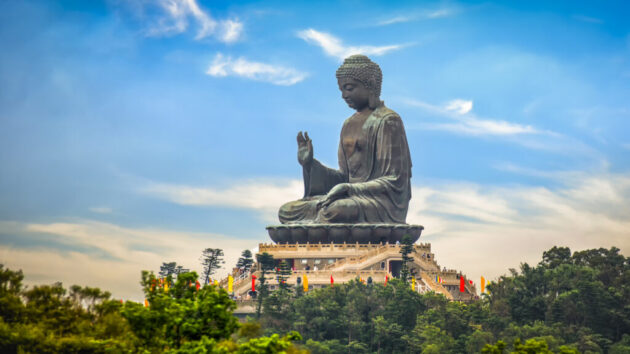
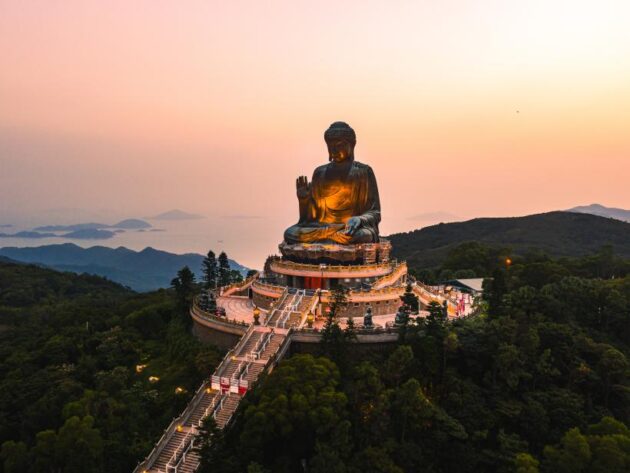
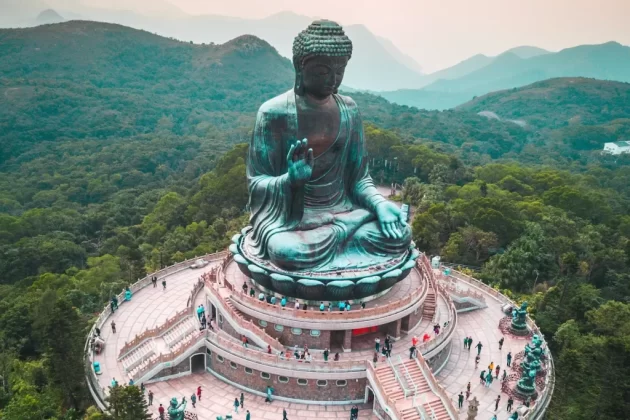
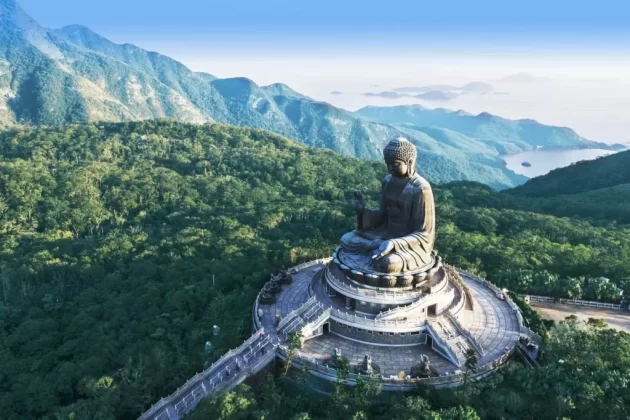
The Tian Tan Buddha is more than just a monumental statue; it’s a symbol of peace, harmony, and Buddhist heritage. Completed in 1993, the statue sits atop a lotus throne, exuding grandeur and tranquility. Visitors can climb 268 steps to its base for panoramic views of Lantau Island’s rolling hills and distant South China Sea. The nearby Po Lin Monastery, Ngong Ping Village, and Wisdom Path add cultural and scenic depth to the experience, making it a perfect day trip for families, spiritual seekers, and sightseers alike.
Tai O
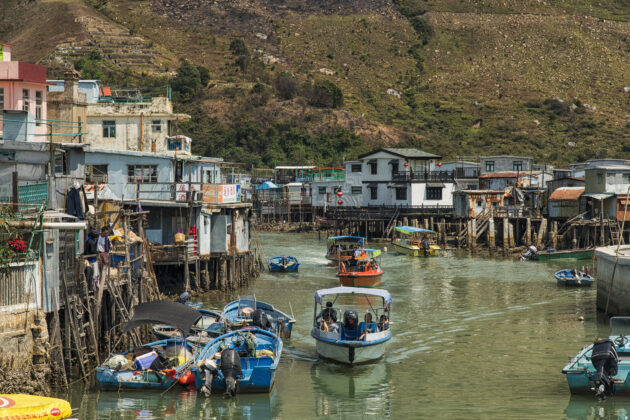
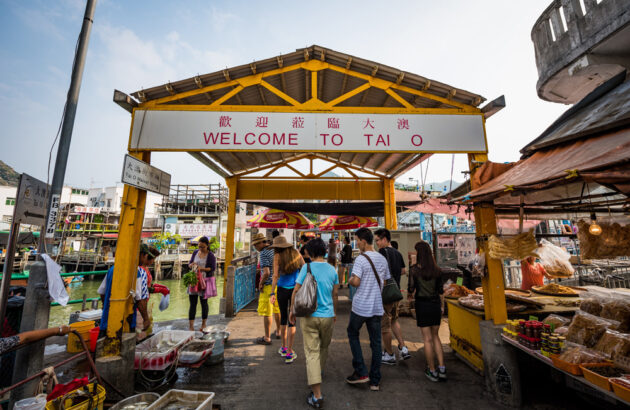
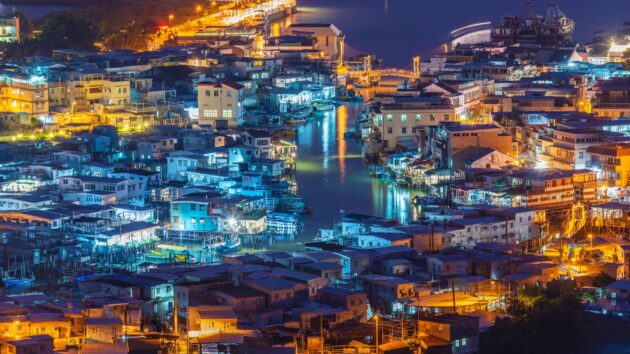
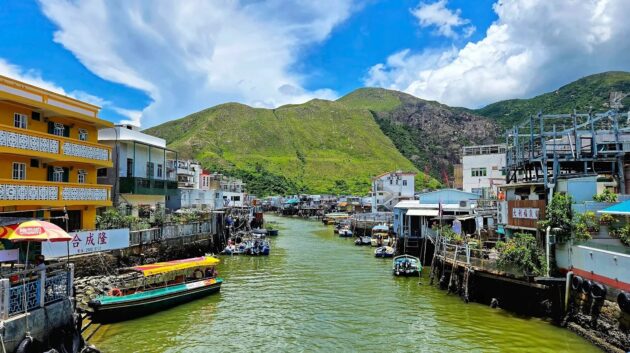
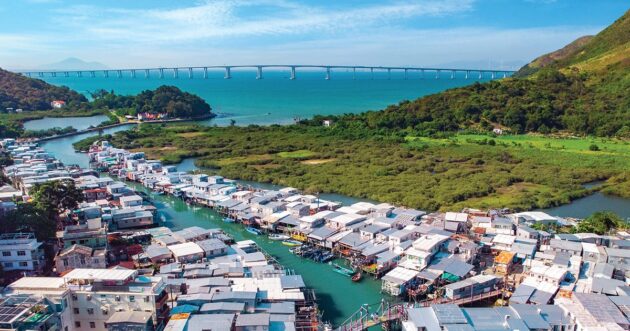
Tai O (大澳), often called the “Venice of Hong Kong,” is a traditional fishing village on the western coast of Lantau Island. Famous for its colorful stilt houses built over tidal waterways, narrow canals, and laid-back atmosphere, it offers a refreshing contrast to Hong Kong’s bustling urban core. Home to the Tanka people with a rich fishing heritage, Tai O features dried seafood, local snacks, boat tours, and scenic views.
Cheung Chau Island
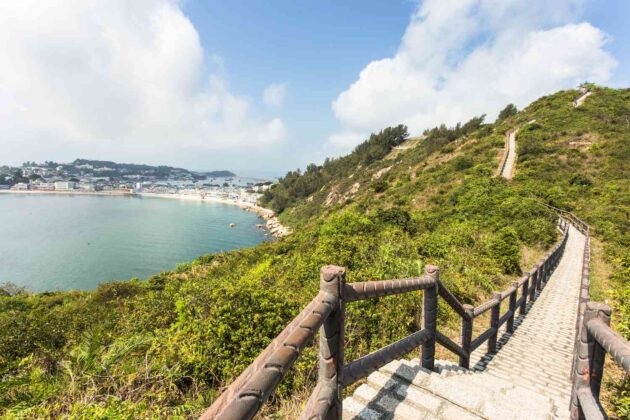
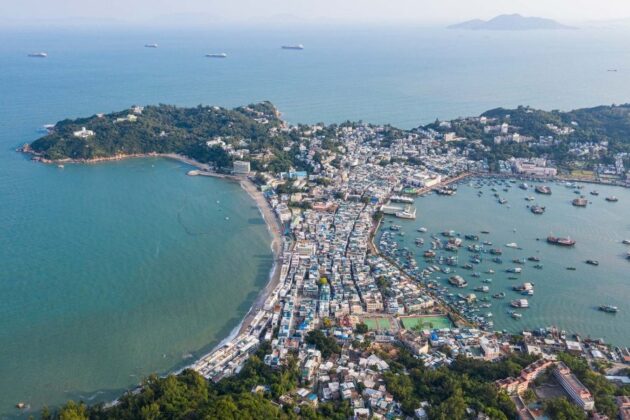
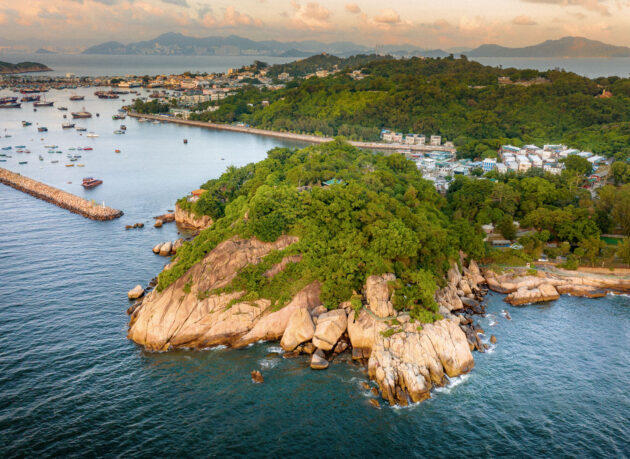
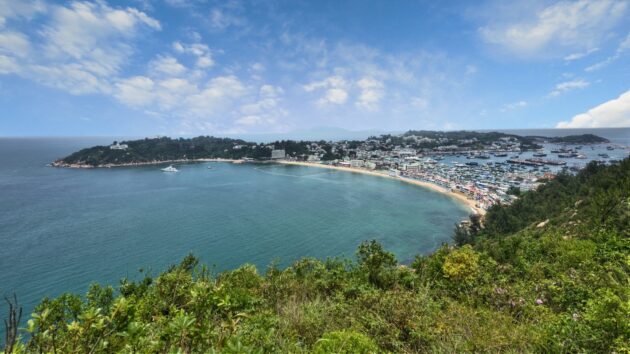
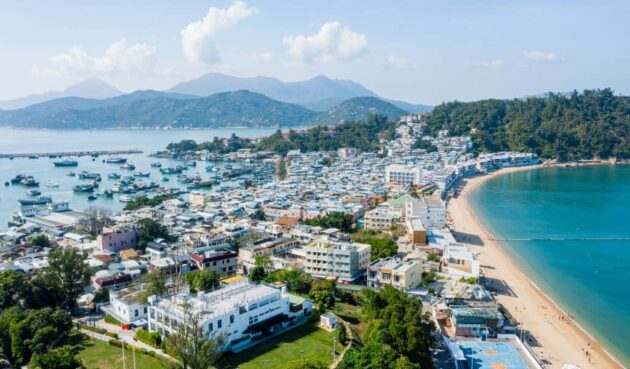
Cheung Chau (長洲, “Long Island” or “Dumbbell Island”) is a charming, car-free outlying island just 10 km southwest of Hong Kong Island. Shaped like a dumbbell with two larger ends connected by a narrow tombolo (sandbar), it offers a relaxed escape from the city’s hustle. With a population of around 20,000–23,000, the island features fresh seafood, beautiful beaches, scenic hiking trails, traditional temples, and a laid-back fishing village vibe.
Lamma Island
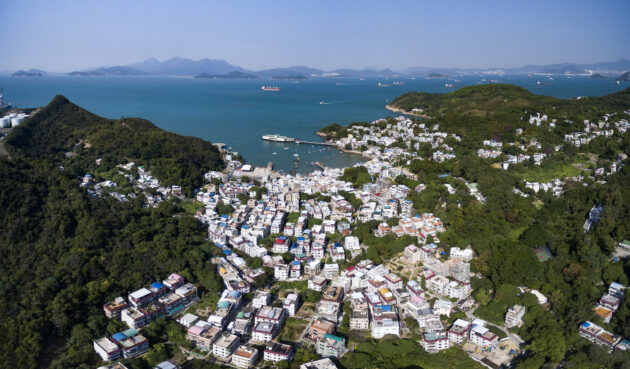
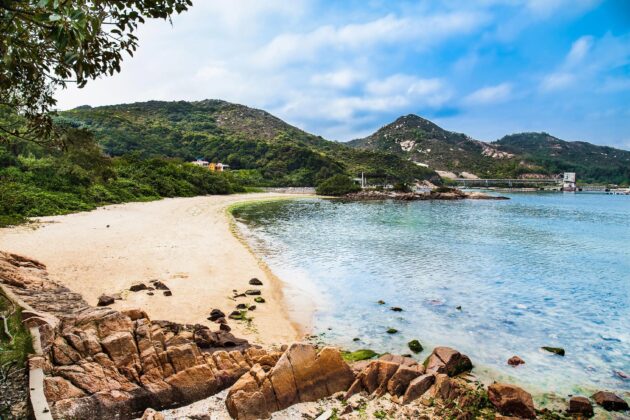
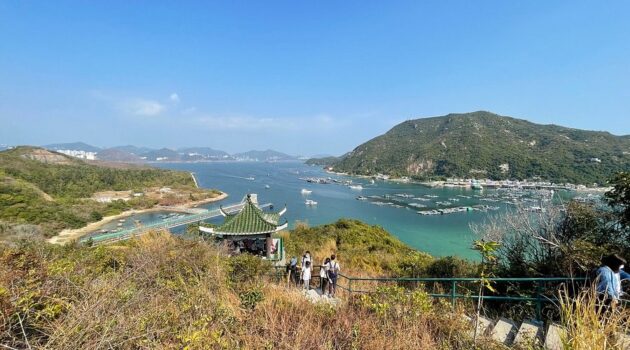
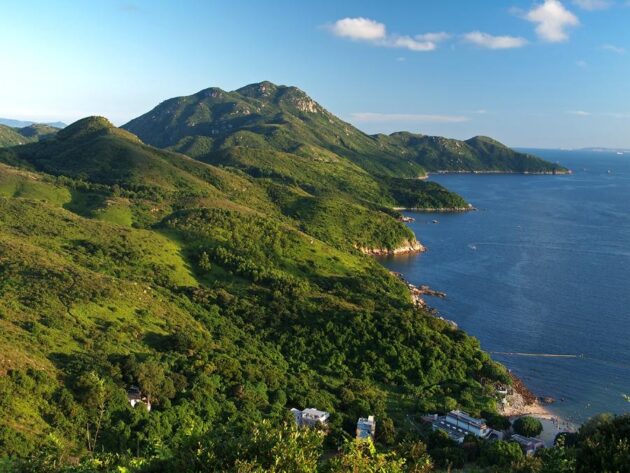
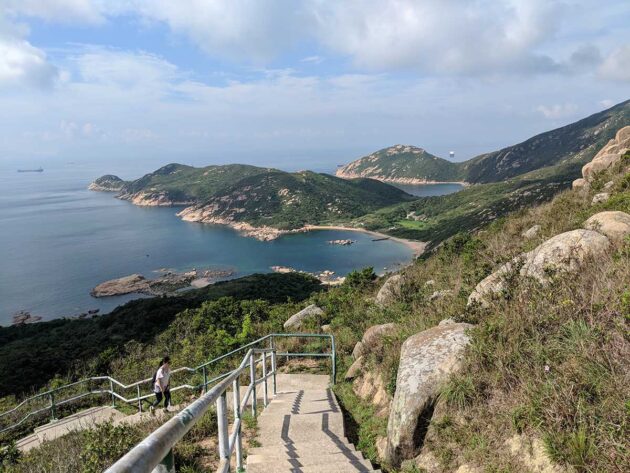
Lamma Island (南丫島, also known as Pok Liu Chau) is Hong Kong’s third-largest island, offering a refreshing contrast to the bustling city. Just a short ferry ride away, it features no cars (only bicycles and pedestrians), rolling hills, beautiful beaches, hiking trails, fresh seafood restaurants, and a relaxed, multicultural vibe with a bohemian history. It’s ideal for a day trip, family outing, or short staycation.
Temple Street Night Market
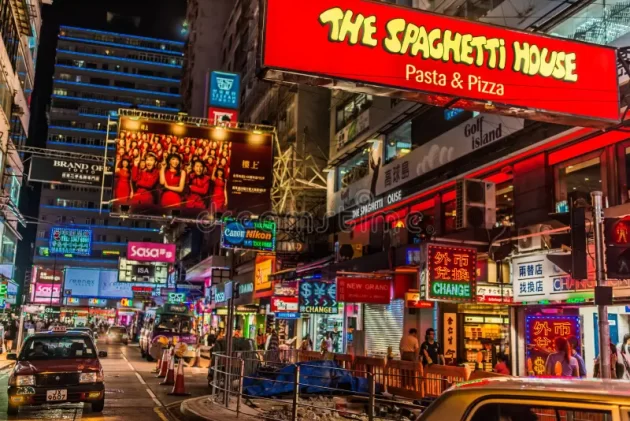
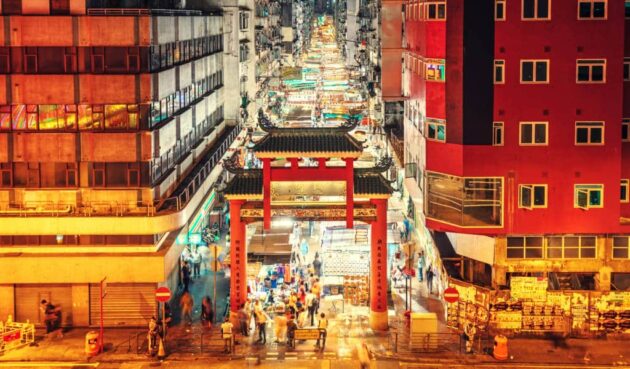
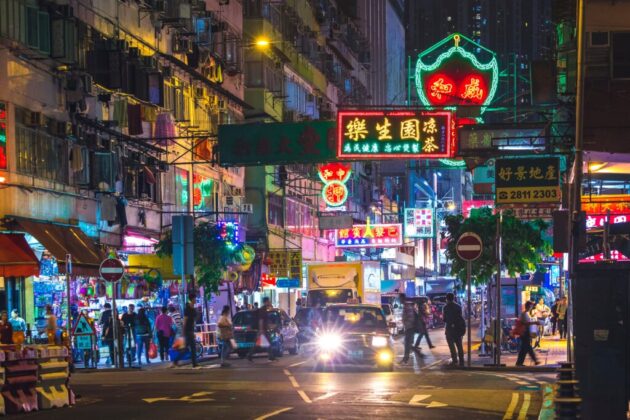
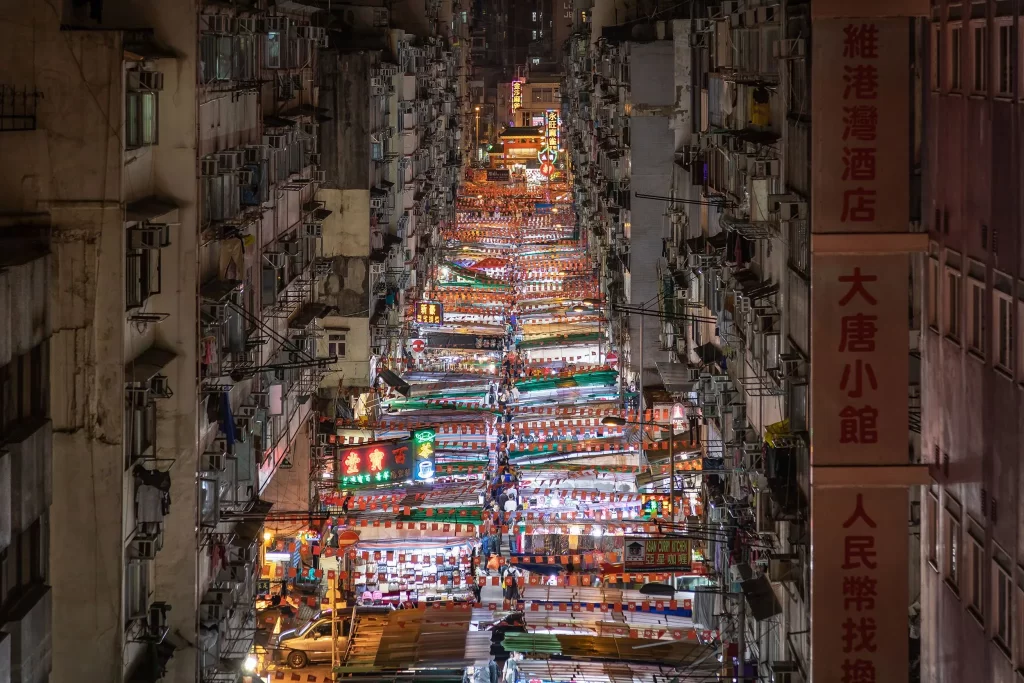
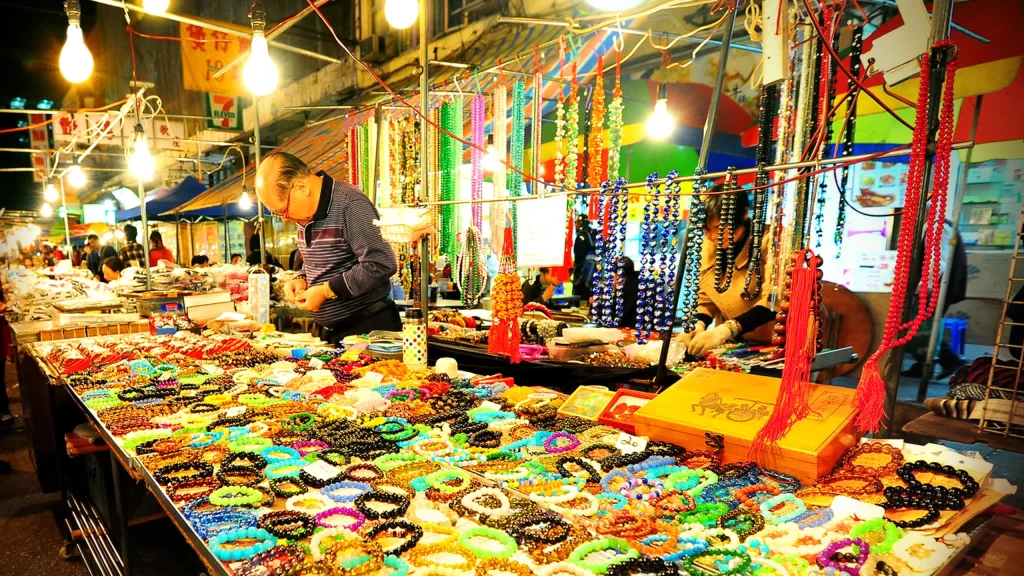
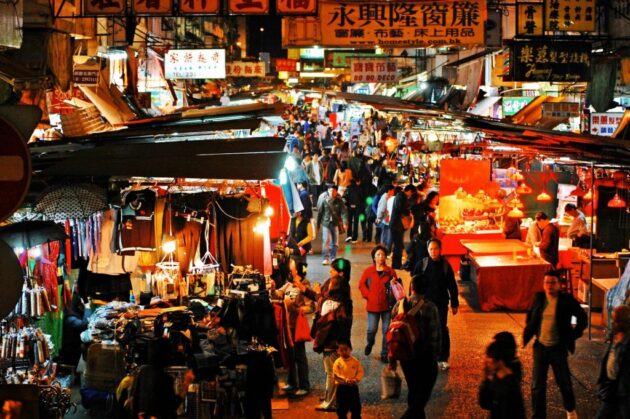
Temple Street Night Market (廟街夜市) is one of Hong Kong’s most iconic and lively night markets. Located in the bustling Jordan and Yau Ma Tei districts of Kowloon, it’s affectionately known as the “Poor Man’s Nightclub.” It offers a vibrant mix of street food, bargain shopping, fortune-telling, Cantonese opera, and authentic local atmosphere that captures the essence of old-school Hong Kong.
Tai Kwun
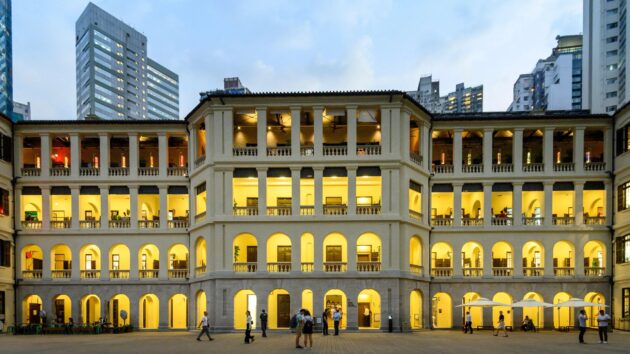
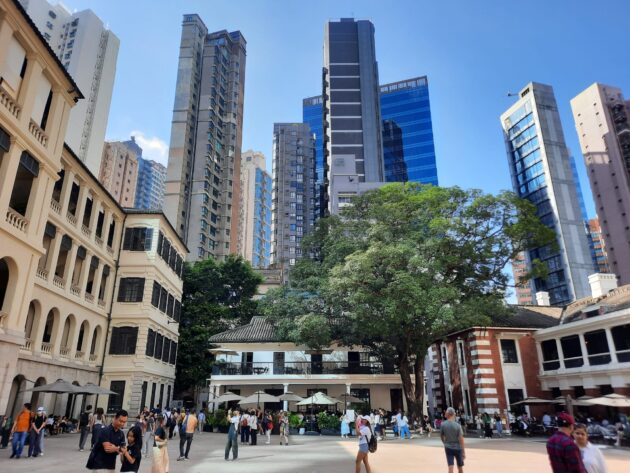
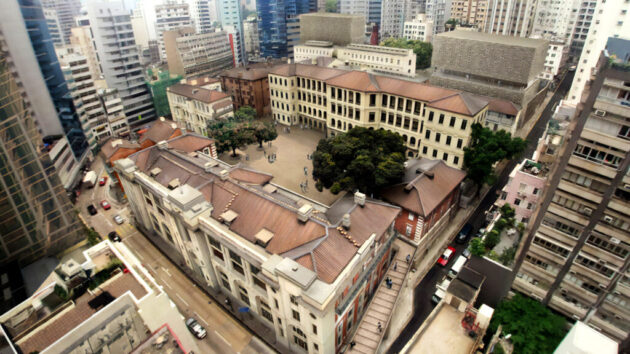
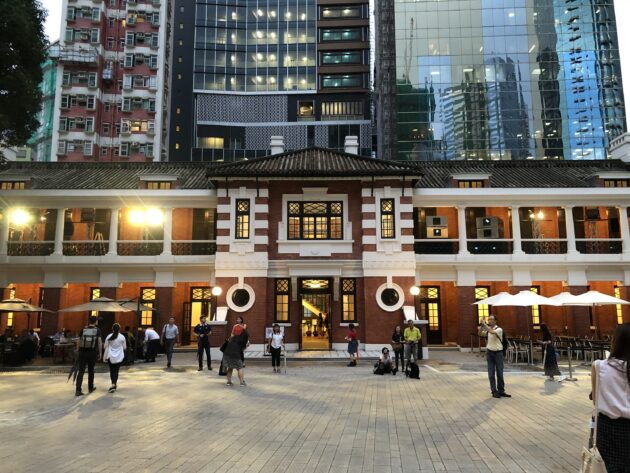
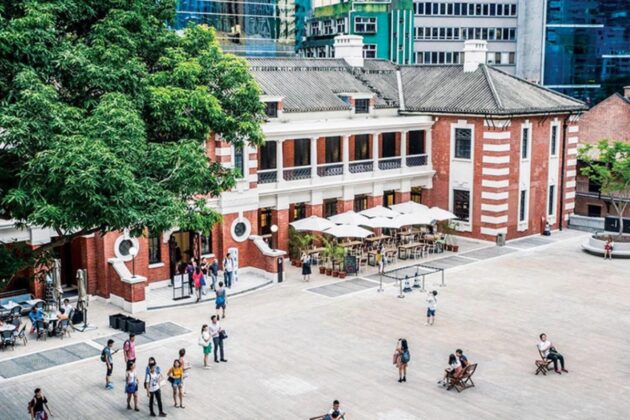
Tai Kwun (大館, meaning “Big Station” in Cantonese) is one of Hong Kong’s most captivating cultural destinations. This revitalized former Central Police Station Compound blends 180+ years of colonial history with contemporary arts, dining, shopping, and events. Opened to the public in 2018 after a major conservation project by The Hong Kong Jockey Club, it features 16 historic buildings (including three Declared Monuments: Central Police Station, Central Magistracy, and Victoria Prison) set around two large courtyards.
Getting Around
Hong Kong’s public transport system is efficient and affordable:
MTR (Metro): Covers Hong Kong Island, Kowloon, and the New Territories. Fares range from HK$5–20. Use an Octopus Card (HK$150, refundable) for seamless payments across MTR, buses, ferries, and shops.
Buses and Minibuses: Double-decker buses and green/red minibuses connect all areas. Fares are HK$5–15, payable via Octopus or cash (exact change).
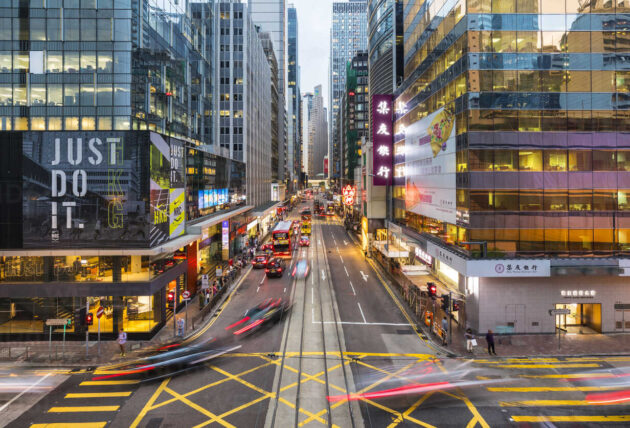
Trams: Iconic double-decker trams on Hong Kong Island cost HK$3 and are a scenic way to explore.
Ferries: The Star Ferry (HK$4–5) offers a cheap, scenic ride across Victoria Harbour between Central and Tsim Sha Tsui.
Taxis: Red taxis are widely available (starting at HK$27). Use apps like HKTaxi for convenience.
Walking: Neighborhoods like Central, Causeway Bay, and Mong Kok are pedestrian-friendly.
Where to Eat
Hong Kong is a foodie paradise with options for every budget:
Street Food: Try egg tarts, pineapple buns, and curry fish balls at stalls in Mong Kok or Sham Shui Po (HK$10–30).
Dim Sum: Visit Din Tai Fung (Kowloon, HK$100–200) or Maxim’s Palace (Central, HK$80–150) for classic Cantonese dim sum.
Seafood: Head to Sai Kung or Lei Yue Mun for fresh seafood, where you pick your fish and have it cooked (HK$150–300 per person).
Fine Dining: Lung King Heen (Four Seasons, Michelin 3-star) offers exquisite Cantonese cuisine (HK$500+ per person).
Tip: Many restaurants don’t include service charges; tipping 5–10% is appreciated but not mandatory.
Tips for a Great Visit
Combine Attractions: Group nearby sites (e.g., Victoria Peak and Central in one day) to save time.
Get an Octopus Card: Essential for transport and small purchases. Available at MTR stations or 7-Eleven.
Learn Basic Cantonese: Phrases like “m goi” (thank you) and “dim gai” (how much?) enhance interactions.
Stay Connected: Buy a prepaid SIM card (e.g., CSL or China Mobile, HK$80–150) for data at the airport or convenience stores.
Dress for the Weather: Bring light clothing for summer and a jacket for air-conditioned spaces. Comfortable shoes are a must for walking.
Avoid Peak Hours: MTR and attractions are crowded during rush hours (7:00–9:00 AM, 5:00–7:00 PM).
Final Thoughts
Hong Kong is a city that captivates with its dynamic energy, rich culture, and breathtaking scenery. From the dazzling lights of Victoria Harbour to the tranquil trails of Sai Kung, it offers something for every traveler. Plan your itinerary to balance urban adventures with natural escapes, savor the world-class cuisine, and immerse yourself in the city’s unique blend of tradition and modernity. With efficient transport and endless attractions, Hong Kong promises a trip filled with unforgettable moments.
Happy travels!