



Tai O Travel Guide (2026): Hong Kong’s Charming Stilt-House Fishing Village
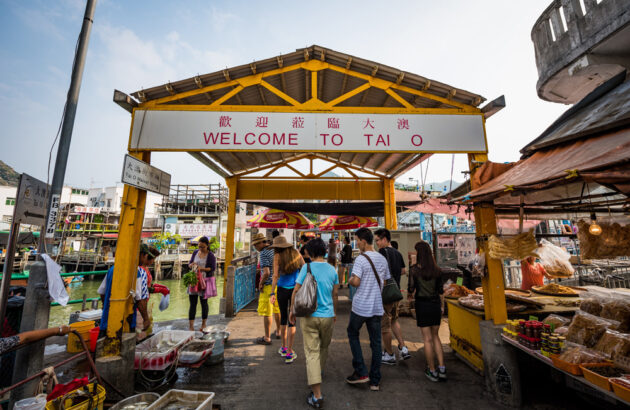
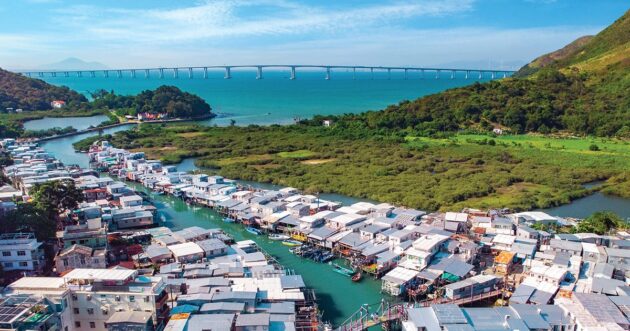
Tai O (大澳), often called the “Venice of Hong Kong,” is a traditional fishing village on the western coast of Lantau Island. Famous for its colorful stilt houses built over tidal waterways, narrow canals, and laid-back atmosphere, it offers a refreshing contrast to Hong Kong’s bustling urban core. Home to the Tanka people with a rich fishing heritage, Tai O features dried seafood, local snacks, boat tours, and scenic views. It’s an excellent half- or full-day trip, especially when combined with Ngong Ping (Big Buddha and Po Lin Monastery).
How to Get to Tai O
The most popular and straightforward route is:
Take the MTR Tung Chung Line to Tung Chung Station (Exit B).
Board Bus 11 from the Tung Chung bus terminus directly to Tai O (the last stop). The journey takes about 45–50 minutes and winds through scenic mountainous roads. Fares are around HK$12 on weekdays and higher on weekends/holidays. Use an Octopus card for convenience.
Alternative options:
From Ngong Ping: After visiting the Big Buddha, take Bus 21 (about 15–20 minutes).
Ferry route: Ferry from Central to Mui Wo, then Bus 1 to Tai O. Or take the scenic ferry route that includes Tai O directly (e.g., from Tuen Mun or Sha Lo Wan).
Private hires or taxis are possible but more expensive.
Tip: Buses can get crowded on weekends. Aim for weekdays for a more relaxed experience.
Best Time to Visit
Weather: October to April offers milder temperatures and lower humidity. Avoid summer typhoon season if possible.
Crowds: Weekdays are quieter. Weekends and holidays draw more locals and tourists.
Special events: Dragon Boat Festival features vibrant water parades with deity statues.
Early morning or late afternoon provides better light for photos and fewer crowds.
Top Things to Do in Tai O
Stroll the Village and Stilt Houses: Wander along Kat Hing Street (Market Street) and the waterfront. Admire the iconic stilt houses (pang uk) built on wooden or concrete stilts over the water. Explore narrow alleys, small temples (like Kwan Tai Temple), and the iron footbridge.
Take a Boat Tour: A must-do! Local operators offer 20-minute boat rides (usually HK$20–30 per person) under the bridges, past stilt houses, through mangroves, and out to the harbor. You may spot the rare Chinese white dolphins (pink dolphins). Private boats are available for dolphin-focused trips.
Visit Tai O Heritage Hotel: This former police station (built in 1902) is now a boutique hotel with colonial charm. Even if not staying, visit for views or afternoon tea at Tai O Lookout.
Hike and Viewpoints: Short hikes lead to panoramic views of the coast and South China Sea. Fu Shan Viewing Point is popular for dolphin spotting (binoculars help).
Explore Markets and Shops: Browse dried seafood, shrimp paste (a Tai O specialty), and souvenirs. Cheng Cheung Hing Shrimp Sauce Factory offers a glimpse into traditional production.
Food Highlights
Tai O is a foodie delight focused on fresh and dried seafood:
Street snacks: Chargrilled egg puffs (egg waffles), sugar doughnuts from Tai O Bakery, jumbo fish balls, and mochi.
Seafood: Fresh catches at waterfront restaurants or stalls. Try shrimp paste dishes, dried fish maw, or big bowl noodles.
Recommended spots: Tai O Crossing Boat Restaurant, Tai O Banyan Tree (café with views), or simple local eateries for seafood meals.
Pro tip: Bring cash for street vendors. Many places are casual with great waterfront seating.
Where to Stay
Most visitors do Tai O as a day trip, but for an immersive experience:
Tai O Heritage Hotel — Historic and scenic.
Guesthouses or stilt-house stays for a local feel.
Nearby options in Mui Wo or Tung Chung for more amenities.
Practical Tips
Duration: 2–4 hours is enough for the village; combine with Ngong Ping for a full day.
What to bring: Comfortable walking shoes, sunscreen, hat, insect repellent (for waterways), cash, and a camera.
Accessibility: The village is mostly flat but has some steps and uneven paths. Boat tours may have limited access.
Sustainability: Support local businesses, avoid single-use plastics, and respect residents’ privacy.
Crowds and expectations: Tai O is authentic but touristy in peak times. It offers a peaceful, nostalgic vibe rather than major attractions.
Final Thoughts
Tai O captures Hong Kong’s fishing village heritage beautifully. Whether you seek photo ops, delicious seafood, or a break from city life, it’s a rewarding escape. Pair it with the Ngong Ping 360 Cable Car and Big Buddha for an unforgettable Lantau adventure. Safe travels!